
Most New Yorkers have heard stories about the often-agonizing experience of undergoing a board interview, a standard part of all co-op purchases and many condo purchases. Although it is true that board interviews are generally more nerve-racking for buyers than board members, they aren’t a one-way street. Board interviews are also a buyer’s best opportunity to assess a building’s board leadership and its ability to make smart decisions about the building’s finances, management, and culture.
In this article:











Co-op boards vs. Condo boards
Co-op and condo boards share some, but not all, of the same responsibilities. Both types of boards are responsible for ensuring the financial health of a building and, to varying degrees, ensuring the building is well managed. But unlike condo boards, co-op boards also play a key role in the selection of prospective shareholders. In buildings that permit subletting, they also often weigh in on the selection of subletters. For this reason, co-op boards not only influence financial and hiring decisions but also who can live in a building and, by extension, the building’s culture.
As a buyer, it is important to trust that the building’s board will consistently make decisions that not only protect your investment but also uphold your values. If not, you may not only find yourself living in a building that you don’t love and even one where your investment is at risk.
Four Ways Boards Can Negatively Impact Your Property Value
Ineffective financial oversight
Boards are responsible for the financial health of the building. Given that even seemingly simple decisions, such as setting annual fees, can be complex, prospective buyers are advised to look for boards with financial bench strength. For example, a board might decide that the only way to cover an expensive façade repair is to impose a high assessment. While this may be a smart move since it will likely enable the building to cover the repair without drawing down its reserve or borrowing against the value of the property, raising fees too high and too quickly can lead to other problems. After all, if a sudden and high assessment leads multiple shareholders to list their units, it can be interpreted as a red flag for potential buyers, making it difficult to sell and even lowering property values. A financially savvy board understands how to weigh such factors when making decisions about fee increases and assessments to ensure the building’s financial health and individual shareholders’ or owners’ investments are both protected.Frequent and wrongful rejections of buyers and tenants
Co-op boards have notoriously broad latitude when it comes to accepting and rejecting buyers or tenants. Theoretically, a co-op board can turn down a professional trumpet player because they are likely to practice at home and may be unable to comply with the building’s noise policy. A celebrity who seems likely to attract paparazzi at all hours of the day and increase the building’s security costs can also be rejected. If the building doesn’t permit pied-a-terres, a potential buyer with many properties may be turned down based on the assumption that the co-op will never become their primary residence. While the occasional rejection is unlikely to negatively impact property values, if a board is too picky, they can cause units to linger on the market for extended periods, a factor that may lower the value of the building’s units over time.
Much worse than a picky board is a board that rejects a potential tenant for a reason that isn't permissible (e.g., the potential buyer’s race or marital status). Although such rejections are rare and can be hard to prove even when they do happen, boards that discriminate against potential buyers and subletters not only risk marring the building’s reputation but can rack up hefty legal costs that are invariably passed along to shareholders.
Approving too many sublets
While some boards are too picky, other boards are too lax, particularly when it comes to subletting. Although the presence of renters does not automatically lower the value of one’s property, if there are too many sublets in a coop or condo, the building may be viewed as a risk to lenders. Worse yet, if half or more of the units are being rented or more than 20 percent of the units are owned by one entity, the building will likely no longer be eligible for lending at all.Poor management
Whether your co-op or condo is self-managed (usually only small co-ops and HDFCs are self-managed) or contracts with a management company to oversee operations, the board is responsible for ensuring that the individuals employed by the building (e.g., superintendents, doormen, porters, and management office staff) are working in the best interest of all shareholders, owners, and tenants. Consistently poor decisions about staff hiring or opting to contract with an ineffectual management company can result in inconsistent staffing and neglected maintenance schedules. Over time, this nearly always has a negative impact the value of one’s investment.A particular concern is neglect of required building maintenance. For example, in the event that a façade repair is neglected and the Department of Building determines the building is unsafe (e.g., "structurally compromised"), lenders will stop offering financing for purchases in the building. Likewise, insurance companies are unlikely to offer coverage on units if the building itself has been deemed unsafe. Simply put, its worse, poor decision making on the part of the board can make it virtually impossible to even sell and move on to a building with better management.
How to Assess a Future Board During a Co-op or Condo Board Interview
During a board interview, the potential buyer’s goal is to persuade the board that they are a desirable tenant. While buyers must prove they can afford the purchase, board members also are looking for buyers who align with the building’s culture and values. As a result, it is never a good idea to show up ready to interrogate a future board, but this doesn't mean you can't ask questions. Given that your real estate attorney will, by then, have already assessed the board’s paperwork, potential buyers generally don’t need to drill down on specific financial details, but the interview can provide an opportunity to ask about the board’s process for making major decisions. The interview is also an opportunity to ask about specific board policies, such as how the board handles applications from specific groups of buyers and tenants, including foreign nationals and buyers purchasing units for adult children.
As a rule of thumb, if you’re preparing for a board interview, don’t just be prepared to answer tough questions about your finances or lifestyle or the size of your pet. Also arrive with diplomatically phrased but tough questions for the board to help assess their own readiness to manage your residential property investment.
Biggest Appreciators from 2014-2024
Looks at all Manhattan condo and co-ops buildings that had three or more sales eachyear between 2014 and 2024.#12. The Chesterfield, Upper West Side
Condominium
Condominium
2024 PPSF: $2,049
Change from 2014 to 2024: +55%
CAGR: +4%
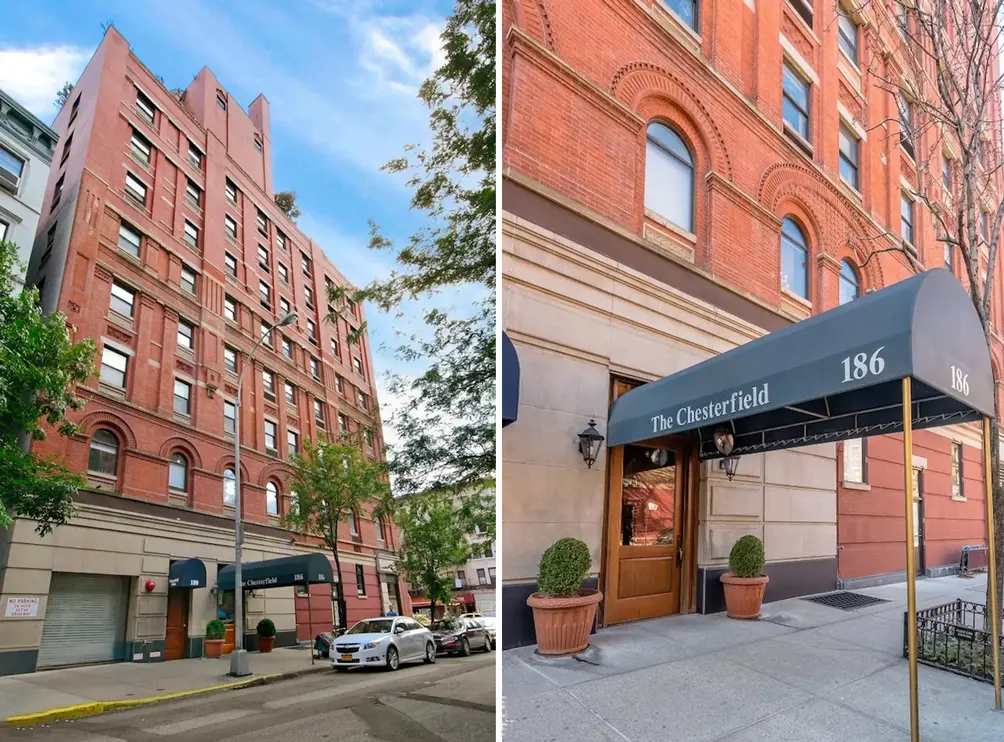 The Chesterfield (Brown Harris Stevens)
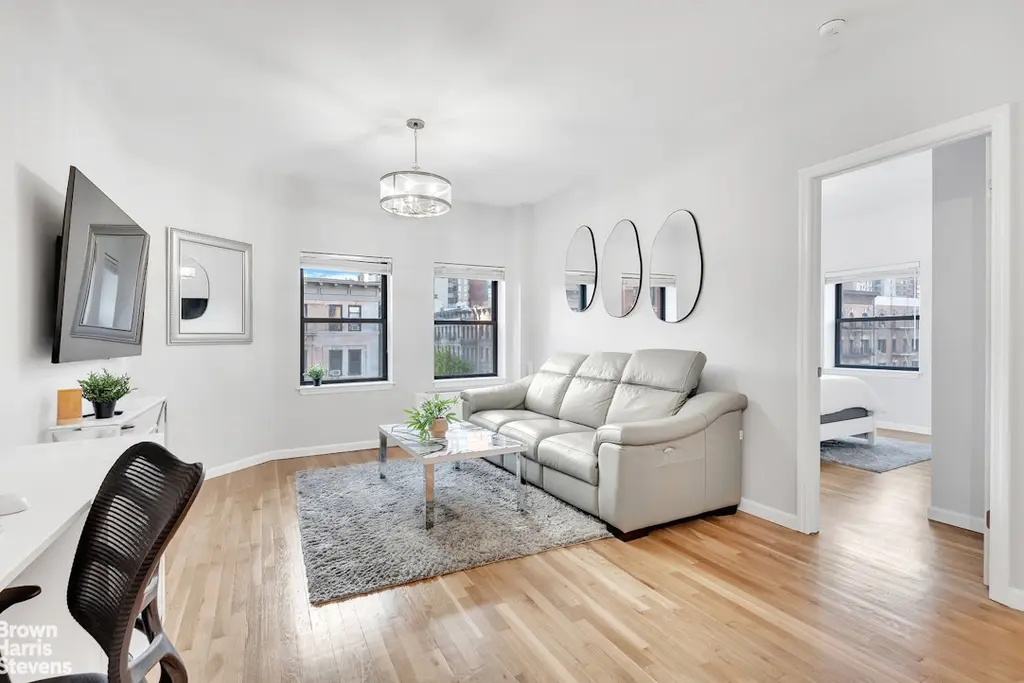
The Chesterfield, #4J (Brown Harris Stevens Residential Sales LLC)
#11. Superior Ink, West Village
Condominium
Condominium
2024 PPSF: $3,665
Change from 2014 to 2024: +45%
CAGR: +4.1%
 Superior Ink (Related Companies)

Superior Ink, #3E (Douglas Elliman Real Estate)
#10. The Soundings, Battery Park City
Condominium
Condominium
2024 PPSF: $1,161
Change from 2014 to 2024: +48%
CAGR: +4.4%
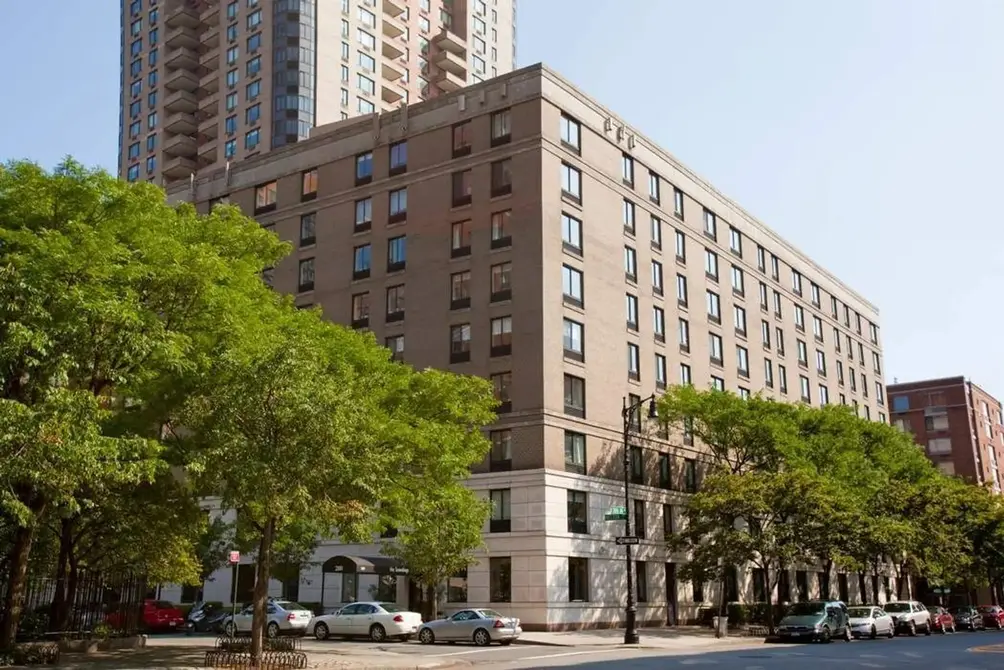 The Soundings (Compass)
Would you like to tour any of these properties?
Just complete the info below.
Or call us at (212) 755-5544
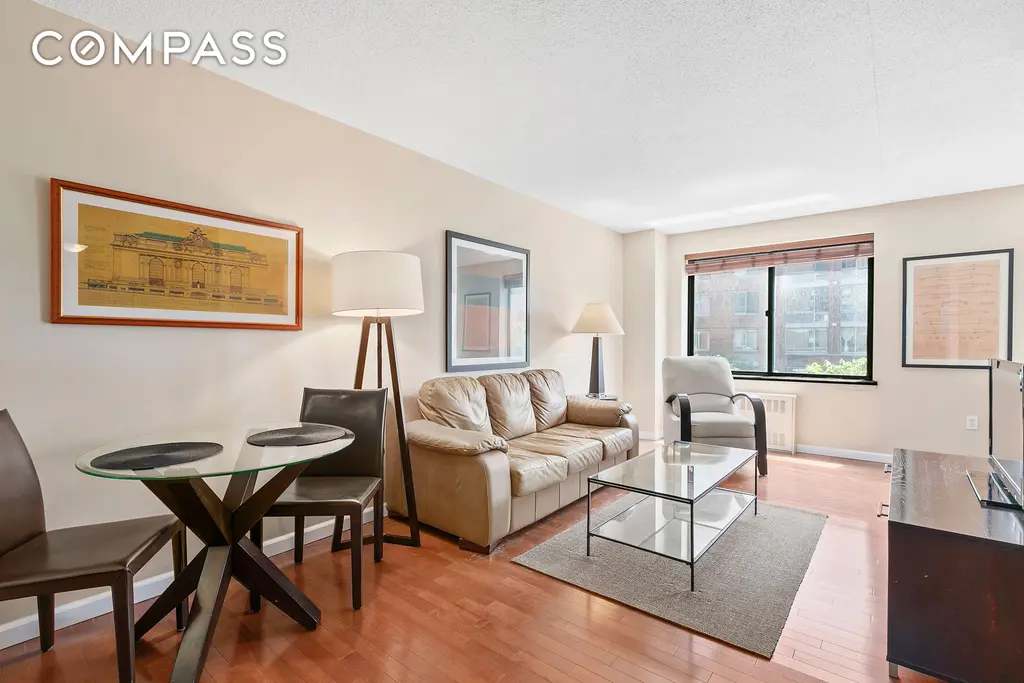
The Soundings, #4L (Compass)
#9. Chatham Towers West, Lower East Side
Cooperative
Cooperative
2024 PPSF: $1,163
Change from 2014 to 2024: +53%
CAGR: +4.8%
 Chatham Towers (CityRealty)

Chatham Towers West, #25E (Cicada International LLC)
#8. Le Bourgogne, Lenox Hill
Condominium
Condominium
2024 PPSF: $1,388
Change from 2014 to 2024: +56%
CAGR: +5.1%
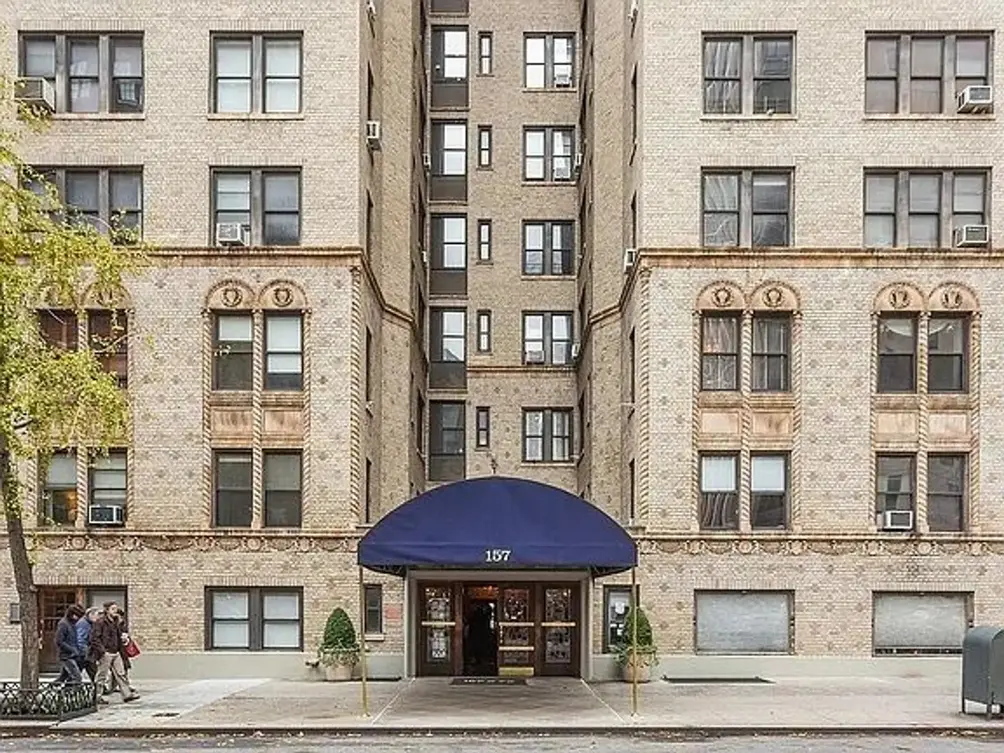 Le Bourgogne (CityRealty)
#7. 2 Cornelia Street, Greenwich Village
Condominium
Condominium
2024 PPSF: $1,698
Change from 2014 to 2024: +57%
CAGR: +5.2%
 2 Cornelia Street

2 Cornelia Street, #PHA (Serhant)

#6. 167 East 61st Street, Lenox Hill
Condominium
Condominium
2024 PPSF: $1,249
Change from 2014 to 2024: +62%
CAGR: +5.7%
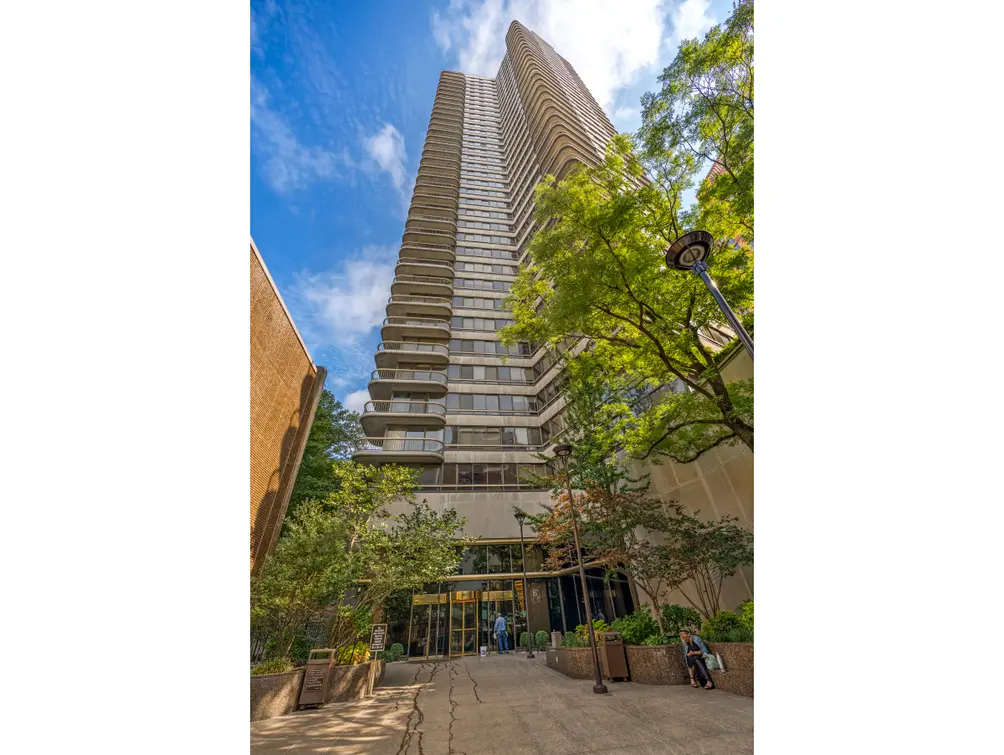 167 East 61st Street (Compass)
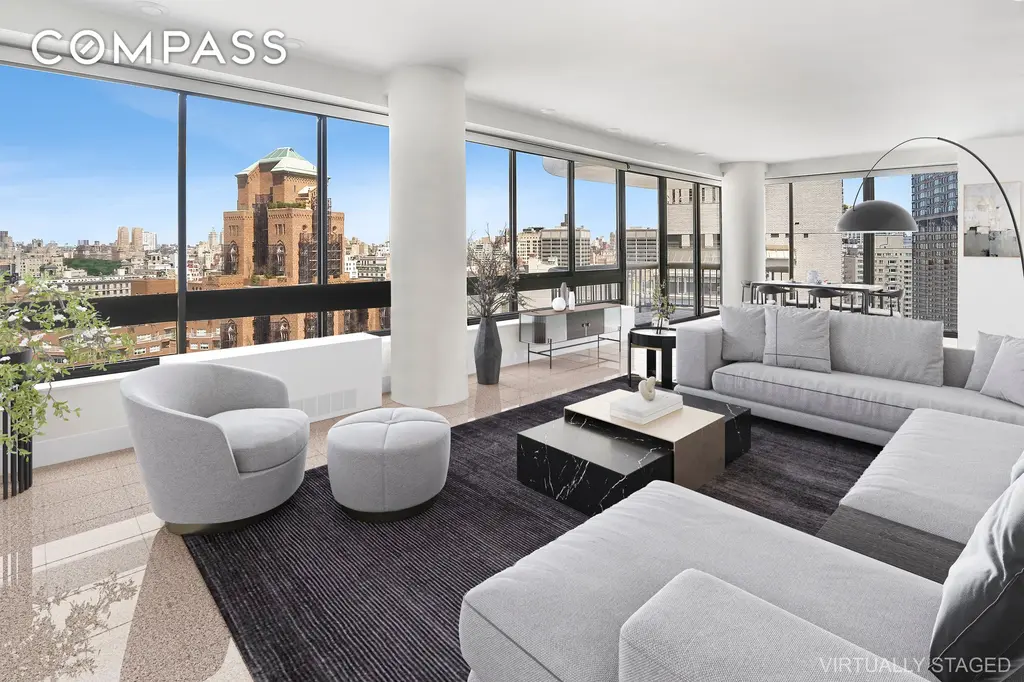
167 East 61st Street, #23D (Compass)

#5. 250 West Street, Tribeca
Condominium
Condominium
2024 PPSF: $3,396
Change from 2014 to 2024: +70%
CAGR: +6.4%
 250 West Street (CityRealty)

250 West Street, #8H (Corcoran Group)
#4. 45 Christopher Street, Greenwich Village
Condominium
Condominium
2024 PPSF: $3,358
Change from 2014 to 2024: +72%
CAGR: +6.6%
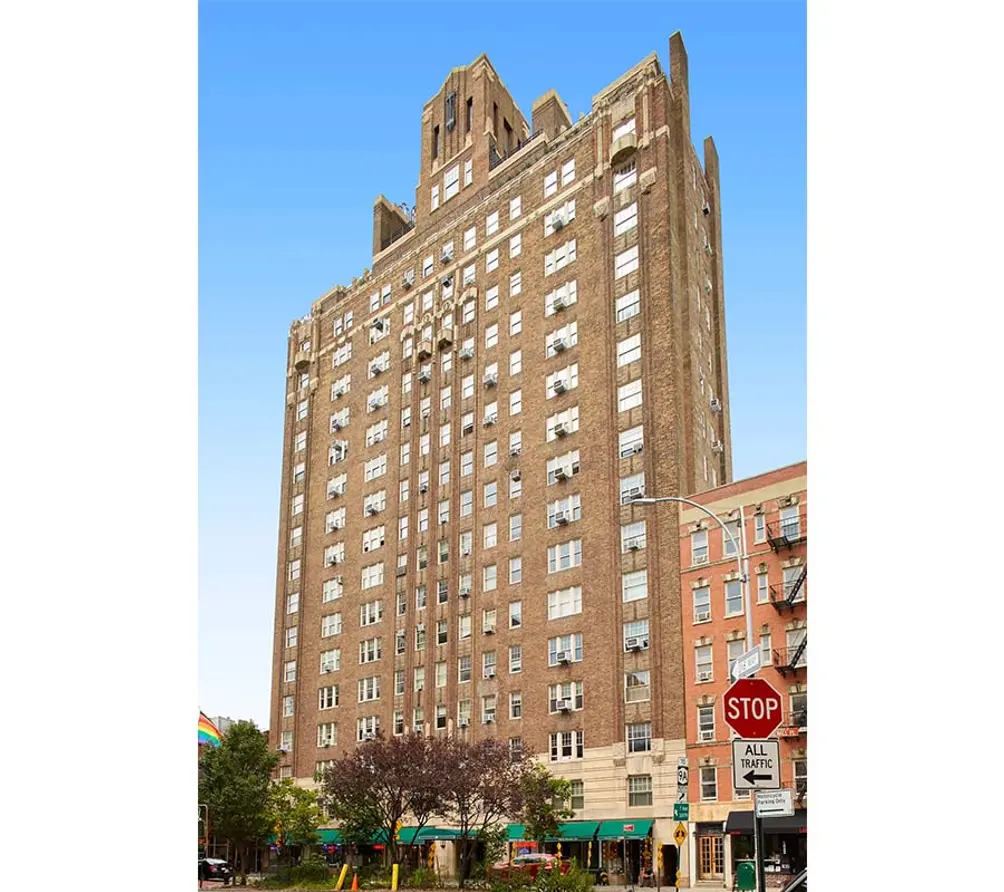 45 Christopher Street (CityRealty)
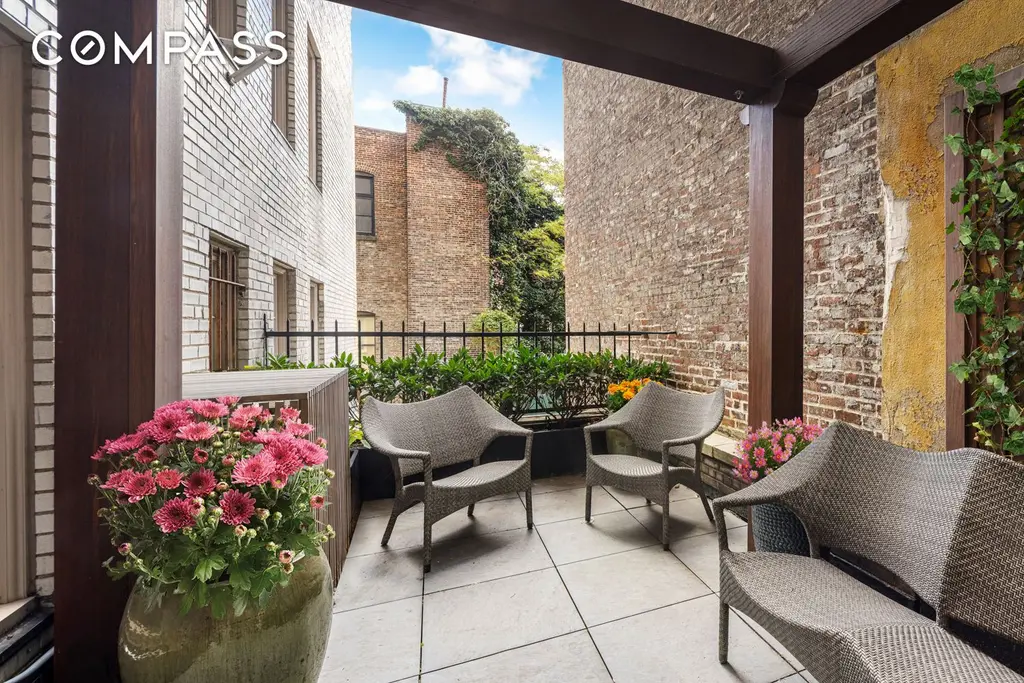
45 Christopher Street, #2E
$3,850,000
Greenwich Village | Condominium | 2 Bedrooms, 2 Baths | 1,240 ft2

45 Christopher Street, #2E (Compass)
#3. The Whitby, Midtown West
Cooperative
Cooperative
2024 PPSF: $1,297
Change from 2014 to 2024: +73%
CAGR: +6.7%
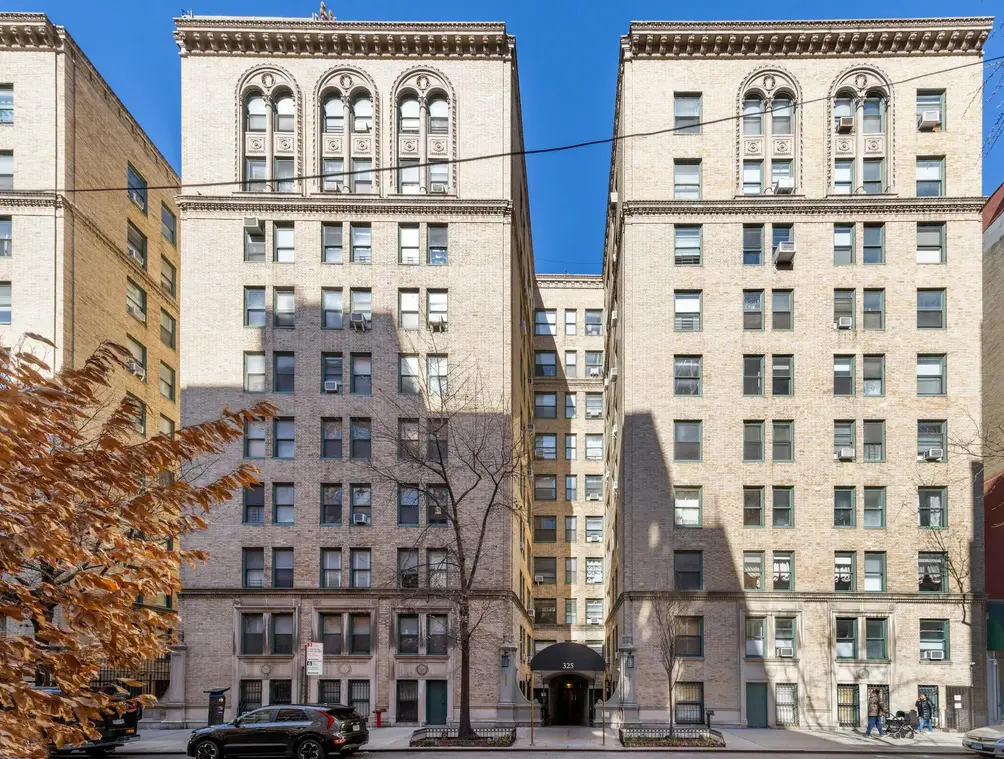 The Whitby (Douglas Elliman)
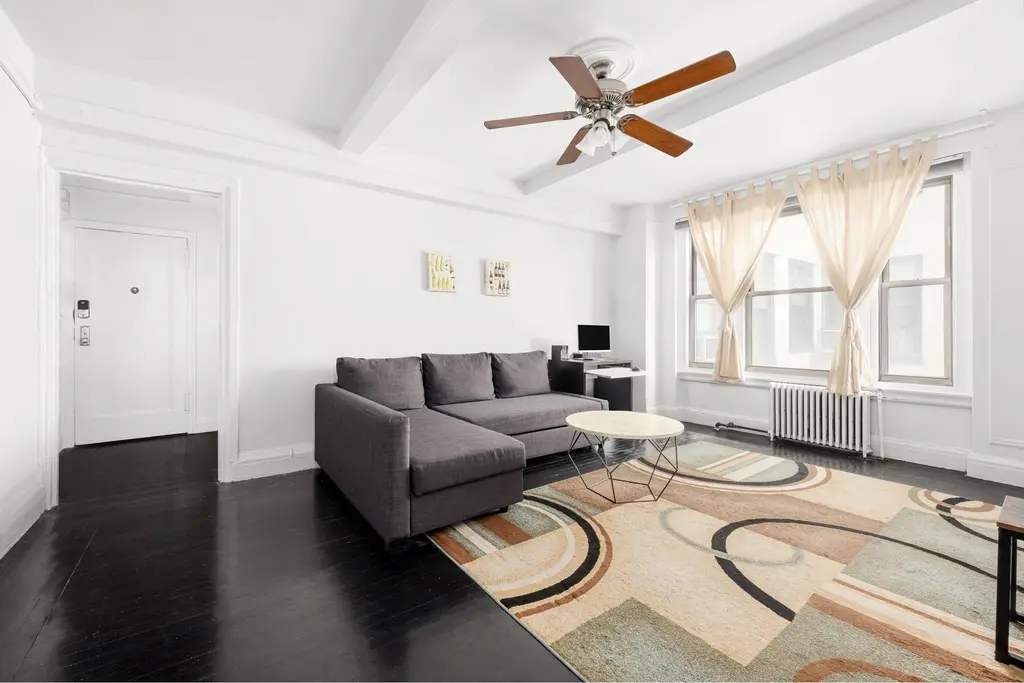
The Whitby, #312 (Douglas Elliman Real Estate)
#2. The Kenmare, Central Park West
Condominium
Condominium
2024 PPSF: $2,079
Change from 2014 to 2024: +78%
CAGR: +7.1%
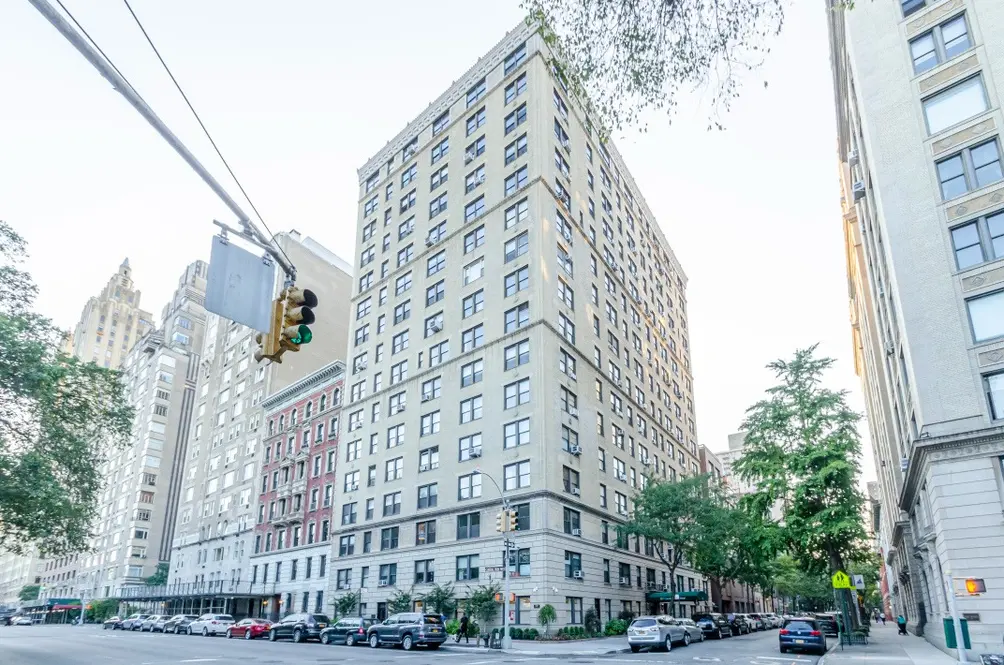 The Kenmare (CityRealty)
The Kenmare, #15B
$3,650,000 (-5.2%)
Central Park West | Condominium | 2 Bedrooms, 2 Baths | 1,810 ft2

The Kenmare, #15B (Brown Harris Stevens Residential Sales LLC)

#1. The Beresford, Central Park West
Cooperative
Cooperative
2024 PPSF: $3,071
Change from 2014 to 2024: +97%
CAGR: +8.8%
 The Beresford (CityRealty)
The Beresford, #11A
$6,400,000 (-5.9%)
Central Park West | Cooperative | 3 Bedrooms, 3 Baths | 2,622 ft2

The Beresford, #11A (Corcoran Group)

Related Articles

Get To Know
Mitigating risk when buying in a NYC land-lease building
Saturday, October 10, 2026
Future New York
American Eagle CEO's condo at Giorgio Armani Residences leads Manhattan sales; West Village Houses co-op trades at 279 percent profit
Tuesday, October 6, 2026
Get To Know
Dramatic NYC apartments for sale with sunken living rooms from $369K
Friday, September 25, 2026
Get To Know
What is a classic six apartment? Why NYC buyers still covet this prewar layout
Tuesday, September 22, 2026
Future New York
Top Contracts: Mary Cantwell’s former loft in a converted Village stable finds buyer; NYC’s entry-level condo pipeline shrinks 74%
Monday, September 21, 2026
Get To Know
A Fresh Start: NYC’s best apartment-cleaning services + Estate-condition listings from $340K
Wednesday, September 9, 2026
Future New York
Rebound in Manhattan sales includes Harry Belafonte's UWS co-op, a $47M Central Park Tower aerie, and trophy deals in landmarks
Tuesday, August 4, 2026
Get To Know
Six ways to add value to your NYC apartment before selling + Weekend open houses include 100 Barclay penthouses
Saturday, August 1, 2026
Contributing Writer
Cait Etherington
Cait Etherington has over twenty years of experience working as a journalist and communications consultant. Her articles and reviews have been published in newspapers and magazines across the United States and internationally. An experienced financial writer, Cait is committed to exposing the human side of stories about contemporary business, banking and workplace relations. She also enjoys writing about trends, lifestyles and real estate in New York City where she lives with her family in a cozy apartment on the twentieth floor of a Manhattan high rise.

 6sqft delivers the latest on real estate, architecture, and design, straight from New York City.
