

Co-op apartments in New York City remain a highly sought-after option, even amidst a growing number of amenity-rich, board-free condo developments. While the average selling price of a Manhattan condo is nearly double that of a co-op, flattening mortgage rates have helped fuel a rise in both co-op transactions and prices in recent months. Much of their appeal lies in their relative value: lower prices per square foot, solid construction, thoughtful layouts, and communities with long-time residents deeply invested in their buildings.
Of course, one of the main challenges of buying a co-op, and a common reason they’re sometimes overlooked, is the board approval process, which often involves a detailed financial review and an in-person interview. But to stay competitive with the growing number of flashier condos, many co-op boards are beginning to ease some of their financial requirements. Lisa Simonsen, a top luxury real estate agent at Brown Harris Stevens, notes that boards are becoming more flexible. “Some boards have loosened the definition of liquid assets, and some now allow buyers to purchase through an LLC. That’s a huge change,” she says.
In this article:







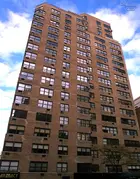














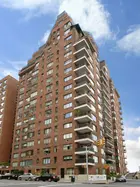











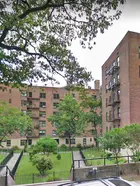










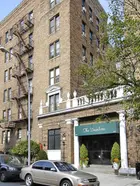






















Co-op boards set rules to ensure their buildings remain financially sound and livable, regulating everything from how much cash buyers must have in reserve, to when renovations can take place, and even the size of pets. While requirements vary by building, most expect at least a 20% down payment, sufficient cash reserves to cover two years of mortgage and maintenance payments, and limits on how much of a resident’s income can go toward debt obligations.
Legislation aimed at increasing transparency in the board approval process has been introduced. In 2023, a state-level bill proposed requiring co-ops to disclose reasons for applicant rejections, with the goal of preventing illegal discrimination. The bill has not yet gained traction.
And if you're ever turned down by a board, know you're in good company, the late Academy Award-winning actress Diane Keaton, Grammy-winning singer Cher, and Related CEO Jeff Blau have all been rejected by some of New York’s most exclusive co-ops. This article offers key strategies for winning over a co-op board and successfully closing your next deal, without joining that particular club.
 River House is one of the most prestigious co-ops in New York City, and among the toughest to get into
Why the Opinions of Co-op Boards Matter
In most housing scenarios, if you can convince a lender to give you a mortgage, you’re already well on your way to purchasing a home. In the case of New York City co-op purchases, finding a lender is just the first step. Local co-op boards also carefully vet all future shareholders, and unlike lenders, they aren’t just looking at financials. Depending on the board, co-ops will dig deep into your financials, work history, and personal life. This means you’ll need to do more than pay off any overdue bills. You’ll also need to be ready to respond to a host of questions about all aspects of your life (and your family’s life), and your intended future uses of the unit you wish to purchase.
Key Factors
1. Have your financials in order
Buying in a co-op typically means bringing at least 20 percent and often much more to the deal. 740 Park Avenue requires all purchasers to pay in cash, and they aren't the only one.Also, most co-ops will be looking at your remaining liquid assets. Many buildings will want you to still have considerable liquid assets after closing. In other co-ops, you may be asked to put two to three years of maintenance fees in an escrow upfront. This isn’t the only thing co-op boards will be scrutinizing. They will also be looking at your current and past income and credit history. The more solid your financials, the better off you’ll be.
2. Demonstrate a stable work history
Most co-op boards aren’t just interested in your current position and salary but also your entire work history. Prospective buyers with short or erratic work histories are bound to be a disadvantage. Co-op boards regularly turn down freelancers or buyers who have a history of changing jobs frequently. If you’re a foreign national, you may also run into obstacles, even if you’re a high-income earner in a professional field. A long, stable, U.S.-based job history will serve you best when you meet a co-op board.3. Be transparent about your intended use of the unit
Although some boards are open to buyers looking for a pied-a-terre or even an investment property that will be rented, many others are not. Likewise, many boards will not take well to a buyer whose real intent is to hand over the unit to a college-age child. In most cases, the best way to woo a New York City co-op board is to demonstrate a commitment to buying the unit with the intent to live in it for an extended period.4. Less is more in terms of family size
In New York City, it is not uncommon for families, even middle-class families, to stretch the capacity of apartments by flexing them (e.g., turning a large one-bedroom into a two-bedroom). While this is usually possible if you’re already a shareholder on good terms with the board, persuading a co-op board to let you move into a one-bedroom with your family of four will be challenging. Remember, from the perspective of the co-op board, larger families mean more wear-and-tear on the building and more use of services but for the same maintenance fees. As a result, when it comes to most co-op boards, the smaller your family unit, the better—unless, of course, you’ll actually be purchasing a combined apartment and paying double the maintenance fees.5. Avoid relying on a guarantor
In some co-op buildings, guarantors are permissible, but many buildings do not permit guarantors and few or no buildings prefer them. This largely reflects the fact that using a guarantor will create additional work for the board since most boards will want to scrutinize both the buyer’s and guarantor’s financials and work histories. In other words, a guarantor may not kill a deal, but it rarely works to any buyer’s advantage.6. Be pet-free
Some co-op boards love cats and dogs, but many are either pet-free or have restrictive policies (e.g., cats only, dogs under a certain weight, or certain dog breeds not allowed). Even if you’re proposing to buy in a genuinely pet-friendly building, avoid pushing the envelope. One or two cats may be welcome, but seven or eight likely won’t. Likewise, if your dog is large or loud, don’t lie. Some co-op boards even do “pet screenings” and others ask for pet reference letters. Ultimately, even in pet-friendly co-ops, it is often better to be pet-free. After all, without a pet, you’ll be giving co-op board members one fewer reason to scrutinize your application.7. Don’t show up looking like a rock star
It may be New York City, but in nearly all co-op buildings, showing up as a party girl or guy is a sure way to kill a potential deal. If you have any doubt, bear in mind that Mariah Carey ignored her broker's advice to "dress for a funeral," showed up to her board interview with a bared midriff, and was rejected in her bid for Barbra Streisand's former penthouse at The Ardsley. You don’t need to claim total sobriety. Still, with few exceptions, co-op boards will reject any buyers who appear at risk of blasting music regularly, using their unit as a rehearsal studio, or throwing one too many parties.
Would you like to tour any of these properties?
Just complete the info below.
Or call us at (212) 755-5544
With the help of the advice above, buyers have a much better chance of getting into their co-op of choice. However, there are two magic words to keep an eye out for: sponsor unit. These units are owned by the original owner of the building and coming to the market for the first time. While some are likely to be in estate condition, others have been spruced up in preparation to sell.
In either case, buying a sponsor unit allows co-op buyers to avoid the arduous process of preparing an application package and sitting for a board interview. Not only does this make for a more convenient buying process, but it also allows for a speedier closing.
In either case, buying a sponsor unit allows co-op buyers to avoid the arduous process of preparing an application package and sitting for a board interview. Not only does this make for a more convenient buying process, but it also allows for a speedier closing.
Select co-op listings with upcoming open houses
Kensington House, #1007
$485,000
Chelsea | Cooperative | Studio, 1 Bath | 500 ft2
Open House: Sunday, June 7
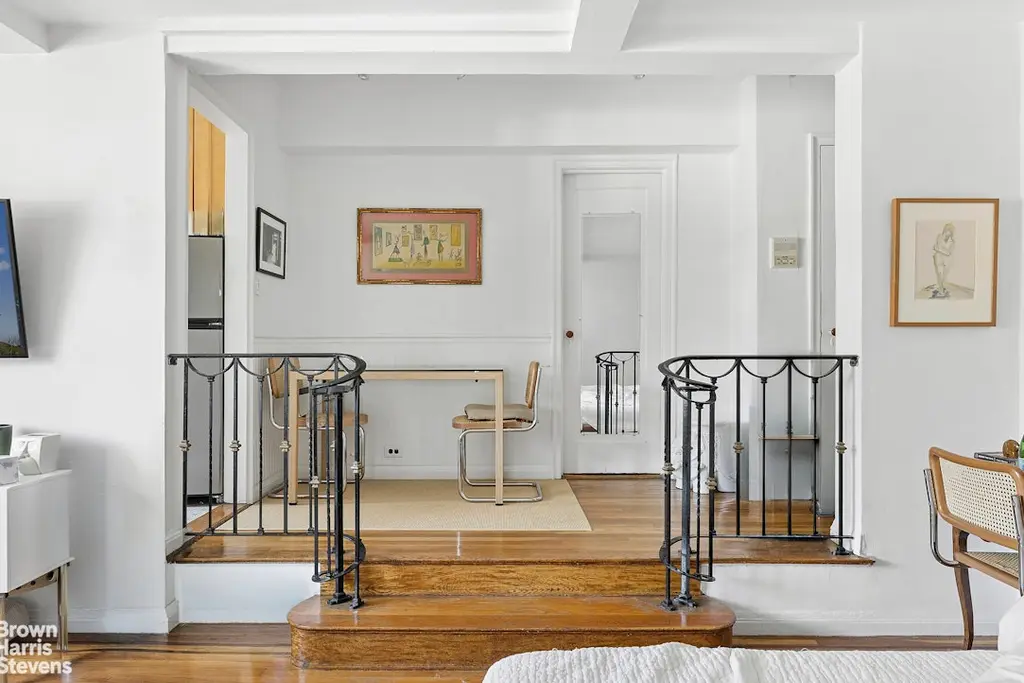
Kensington House, #1007 (Brown Harris Stevens Residential Sales LLC)

244 East 60th Street, #3B
$495,000
Lenox Hill | Cooperative | 1 Bedroom, 1 Bath
Open House: Sunday, June 7

244 East 60th Street, #3B (Compass)
40 Remsen Street, #3
$695,000
Brooklyn Heights | Cooperative | Studio, 1 Bath
Open House: Sunday, June 7

40 Remsen Street, #3 (Corcoran Group)

The New York Towers, #4D
$699,000
Gramercy Park | Cooperative | 1 Bedroom, 1 Bath
Open House: Sunday, June 7
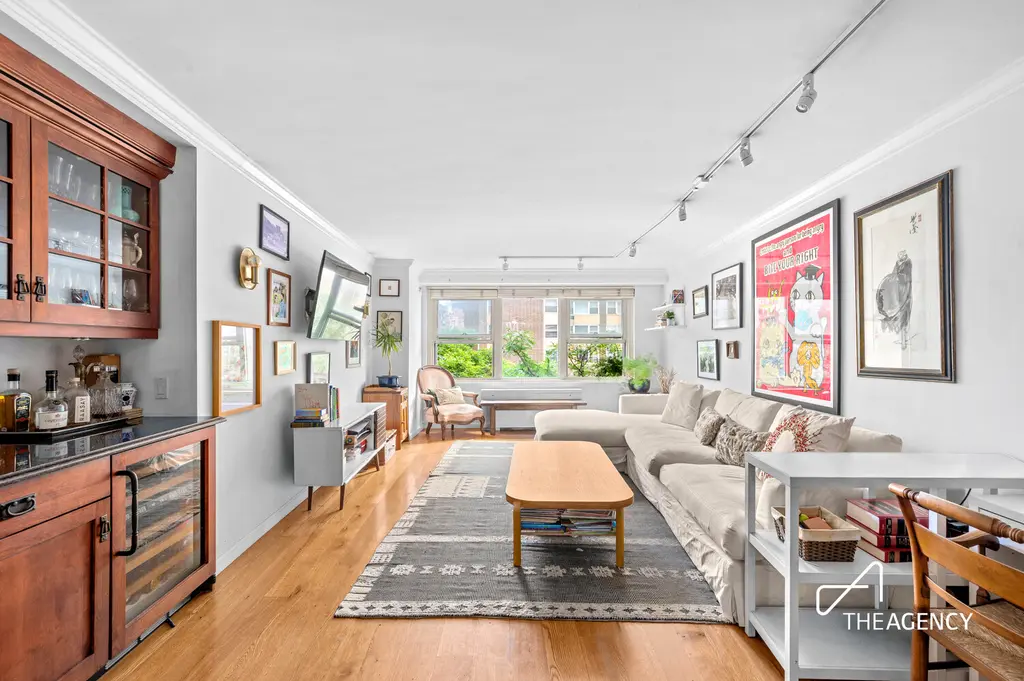
The New York Towers, #4D (The Agency Brokerage)
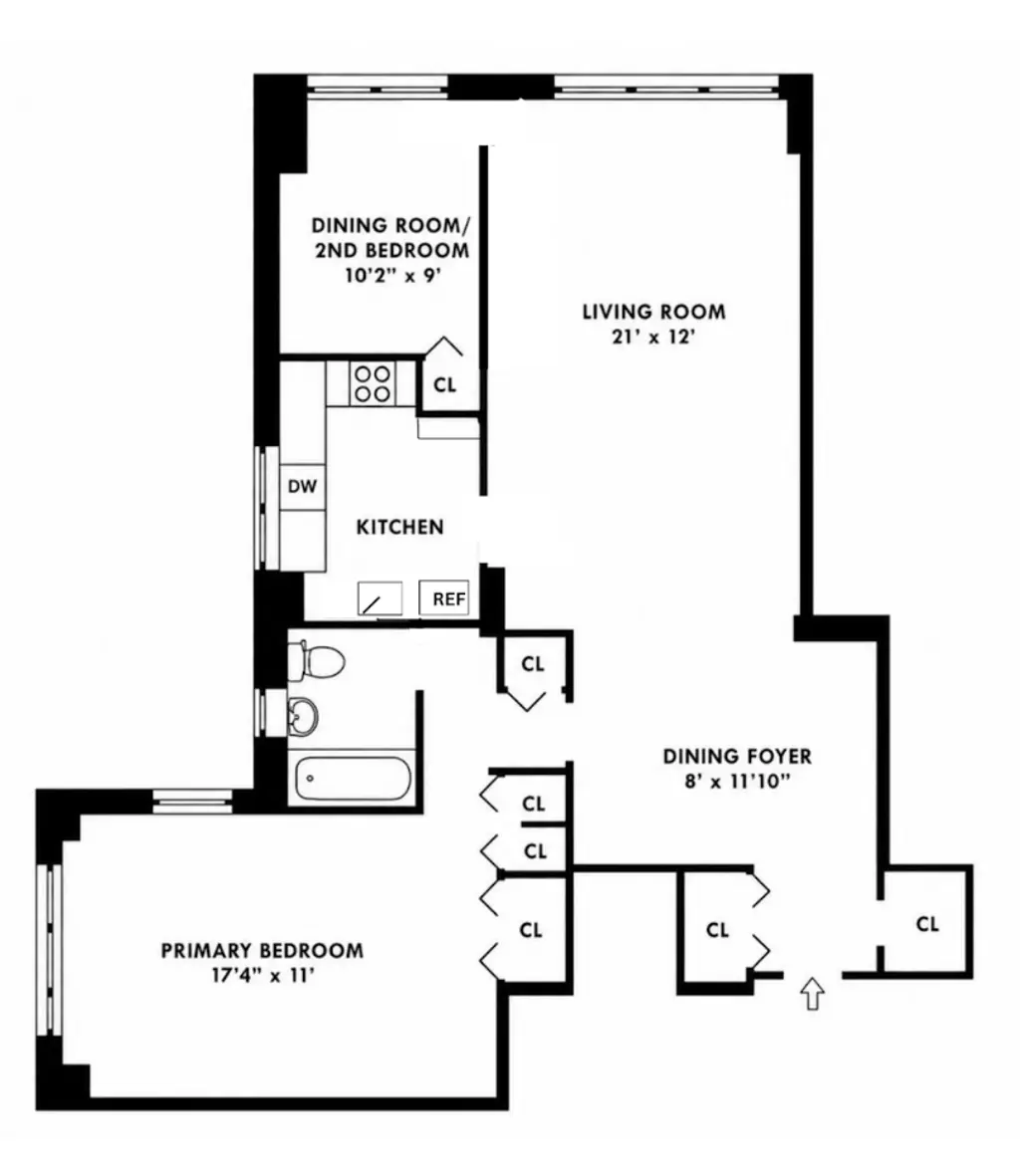
Emery Towers, #3E (Compass)
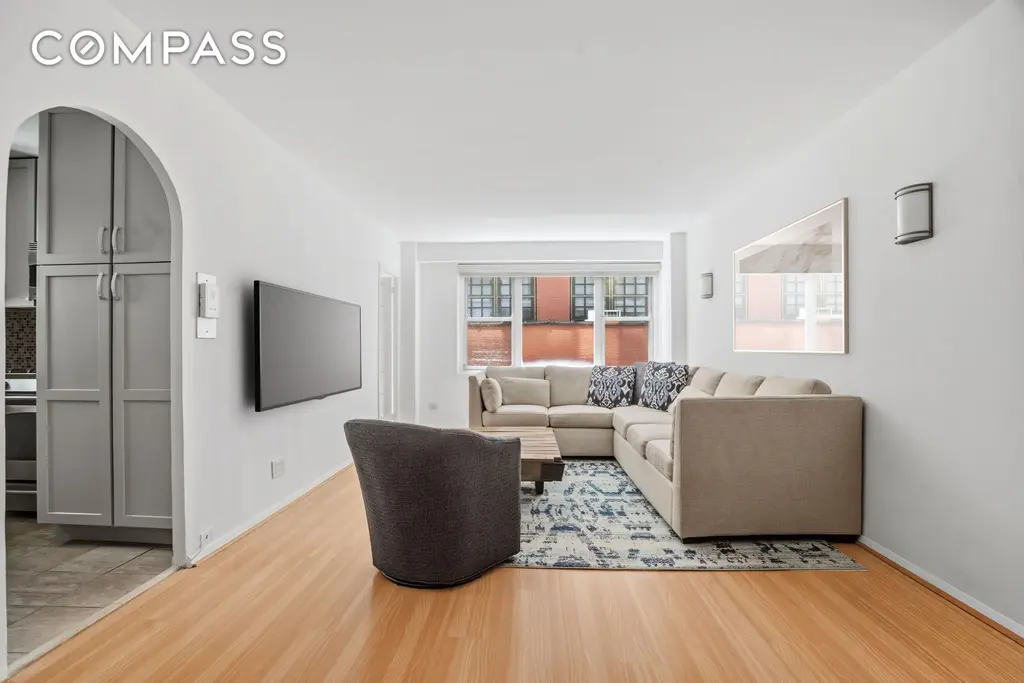
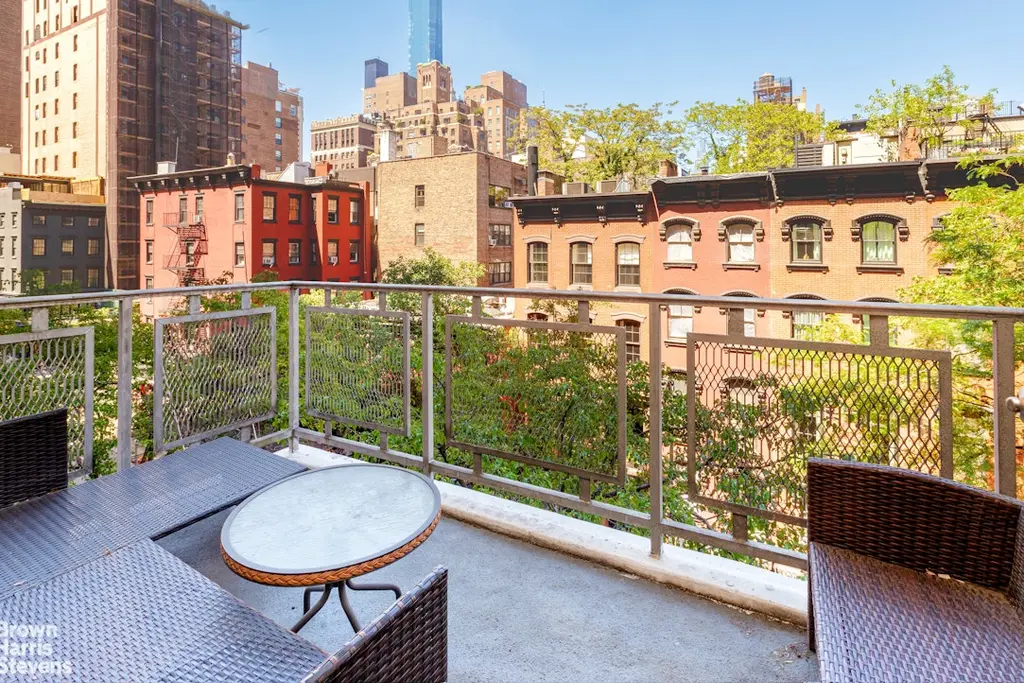
Gramercy Plaza, #5D
$799,000
Gramercy Park | Cooperative | 1 Bedroom, 1 Bath
Open House: Sunday, June 7

Gramercy Plaza, #5D (Brown Harris Stevens Residential Sales LLC)
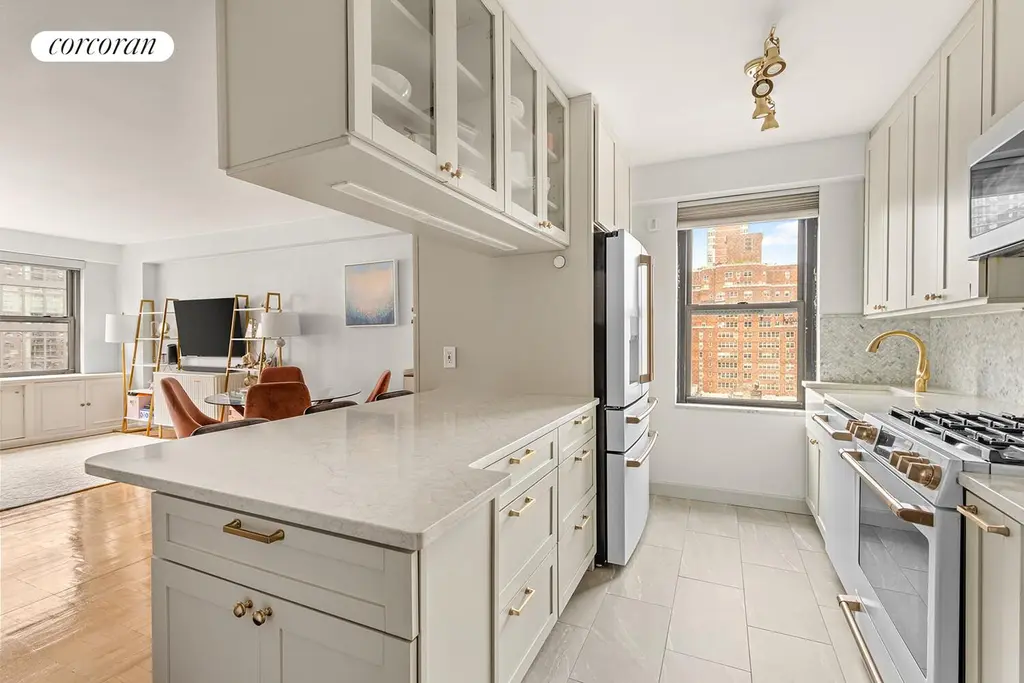
Eastview House, #12H
$950,000
Lenox Hill | Cooperative | 1 Bedroom, 1 Bath | 1,013 ft2
Open House: Sunday, June 7
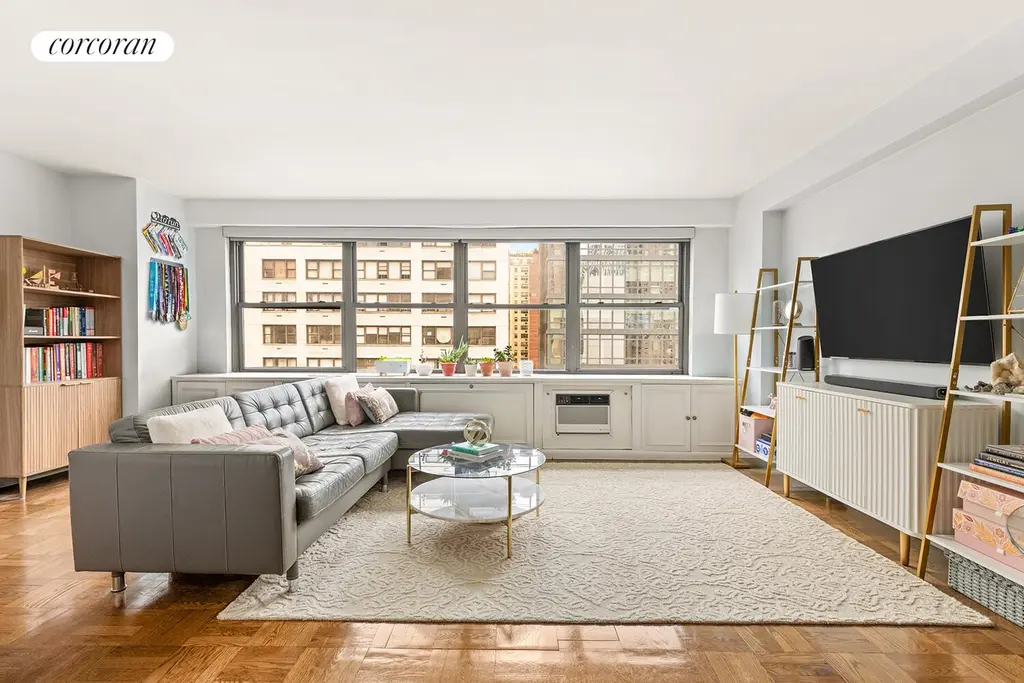
Eastview House, #12H (Corcoran Group)
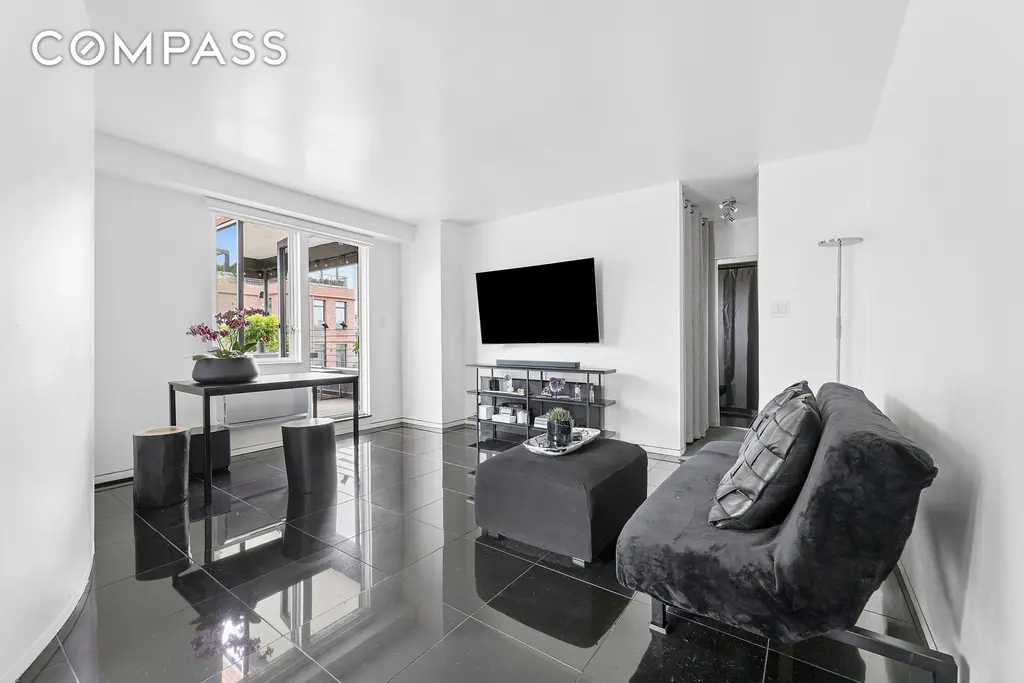
Greenwich Towers, #16F
$995,000
Greenwich Village | Cooperative | 1 Bedroom, 1 Bath
Open House: Sunday, June 7

Greenwich Towers, #16F (Compass)

400 East 85th Street, #4L
$1,325,000
Yorkville | Cooperative | 2 Bedrooms, 2 Baths | 1,094 ft2
Open House: Sunday, June 7

400 East 85th Street, #4L (Compass)
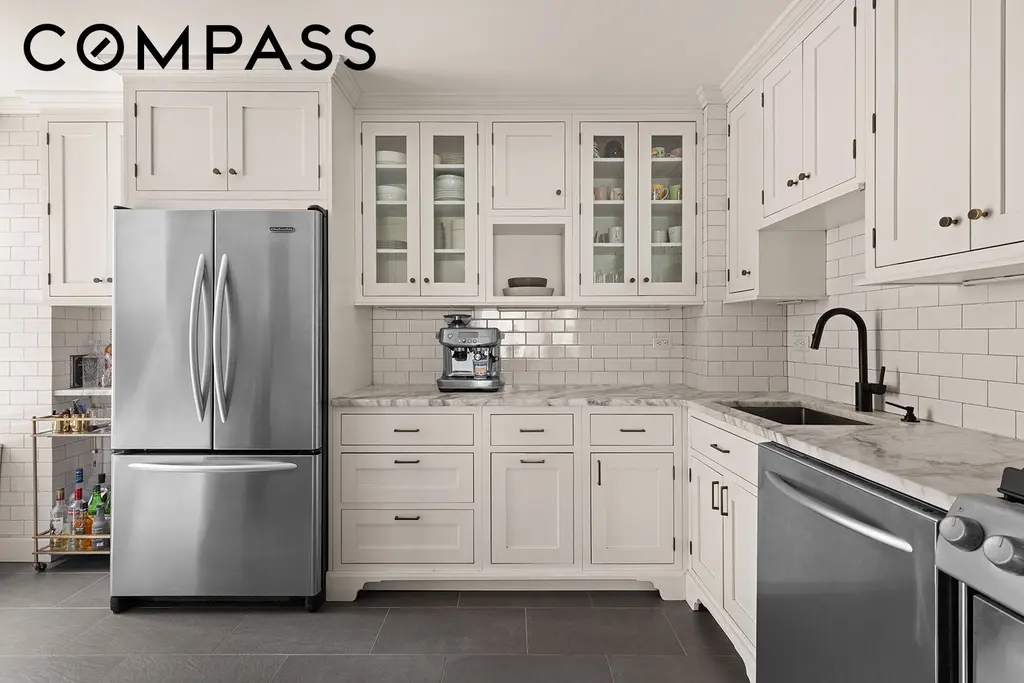
Goodhue House, #9A
$1,350,000
Murray Hill | Cooperative | 2 Bedrooms, 2 Baths
Open House: Sunday, June 7

Goodhue House, #9A (Douglas Elliman Real Estate -)
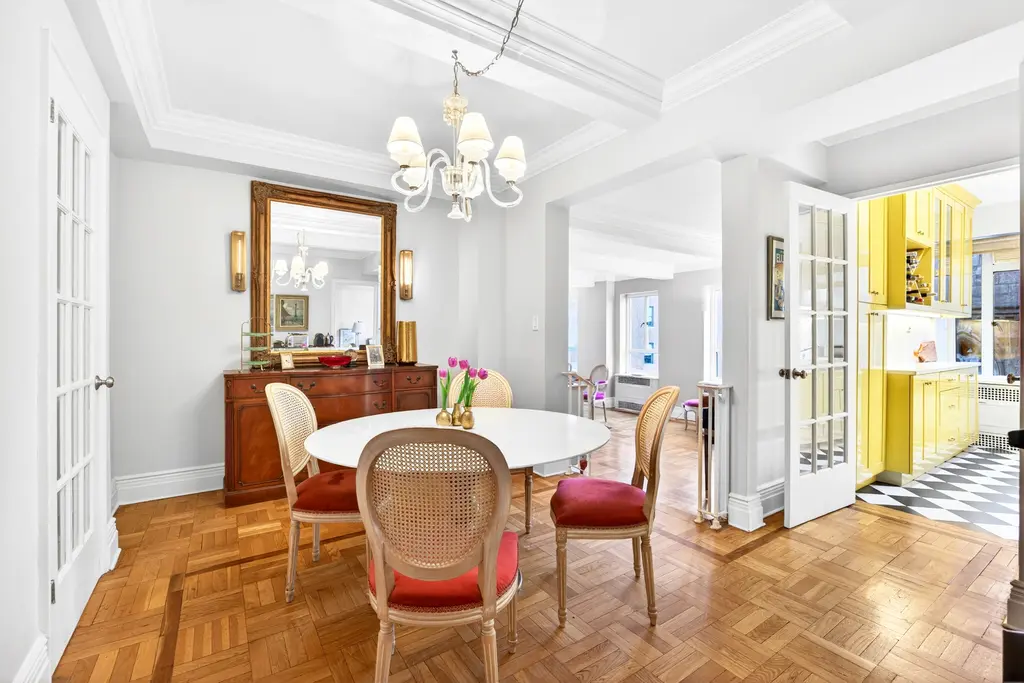
420 East 72nd Street, #7L
$1,350,000
Lenox Hill | Cooperative | 2 Bedrooms, 2 Baths | 1,400 ft2
Open House: Sunday, June 7

420 East 72nd Street, #7L (Compass)
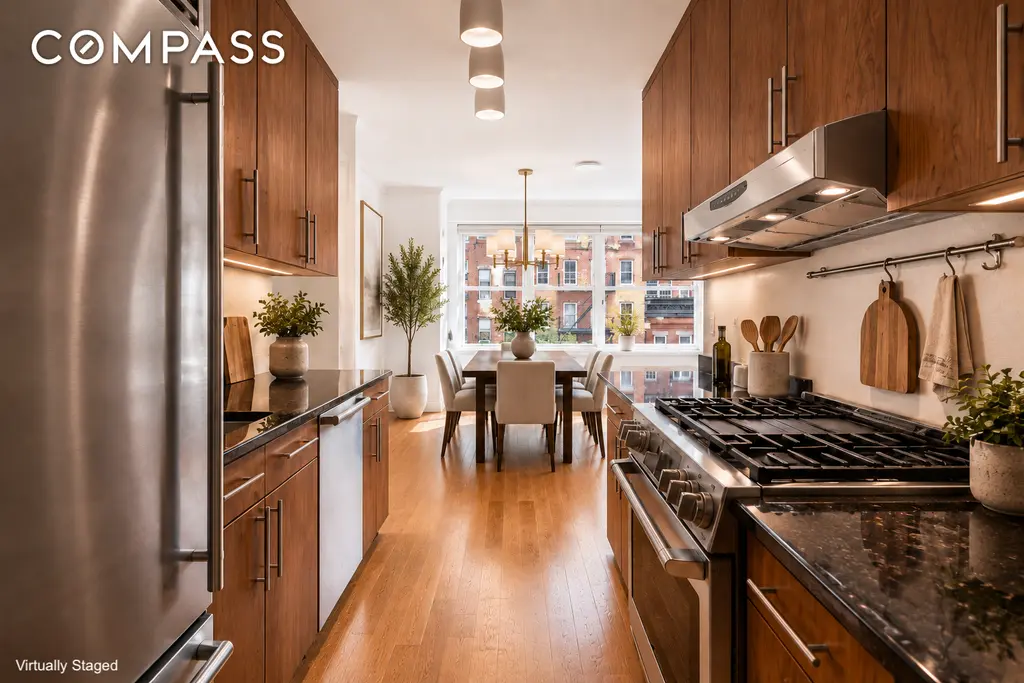
565 West End Avenue, #10E
$1,375,000
Riverside Dr./West End Ave. | Cooperative | 1 Bedroom, 1 Bath
Open House: Sunday, June 7

565 West End Avenue, #10E (Douglas Elliman Real Estate -)

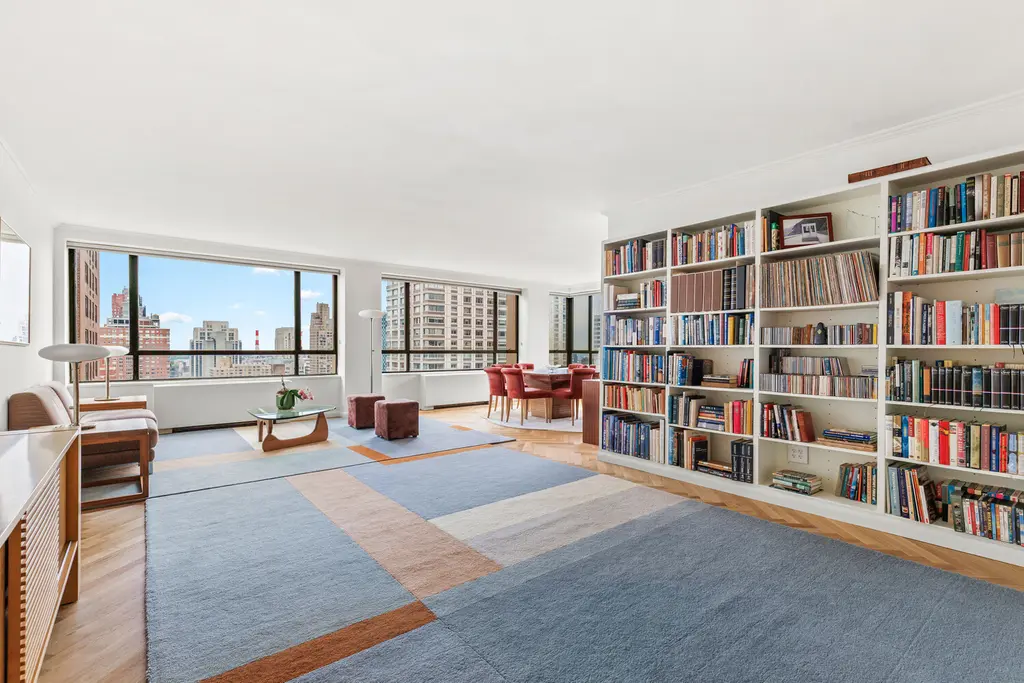
Tower East, #27D (Sloane Square LLC)

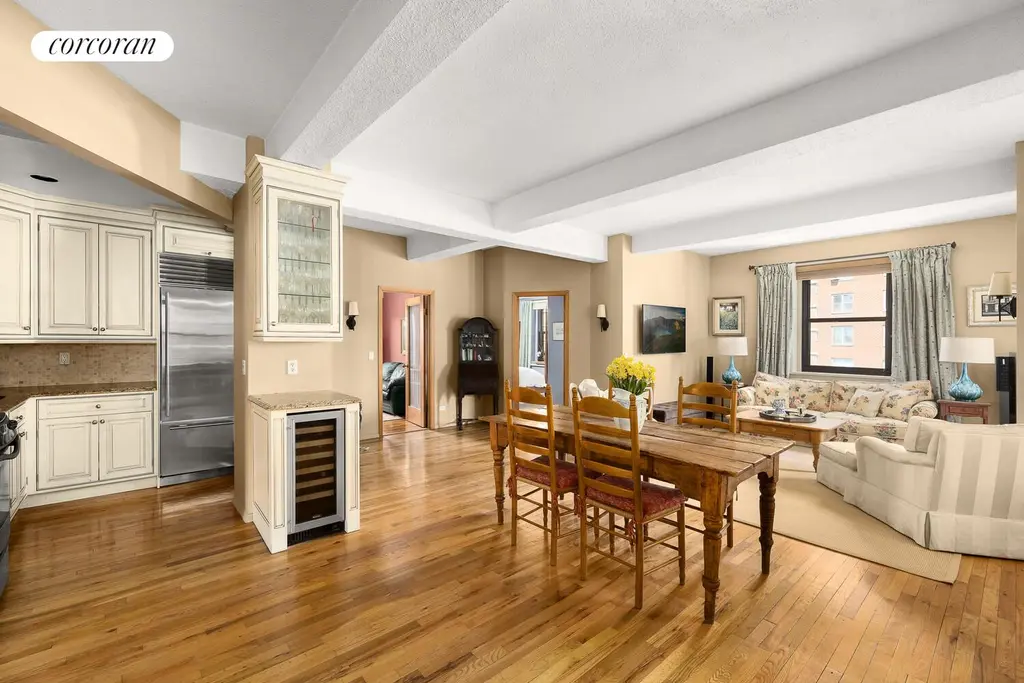
The Broadmoor, #11A (Corcoran Group)

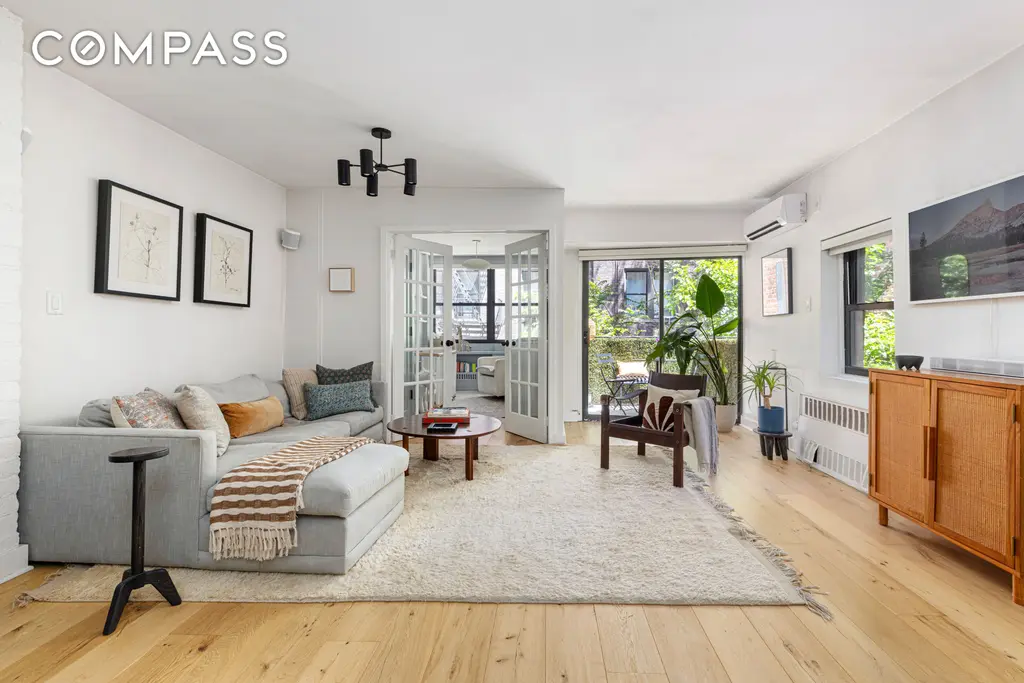
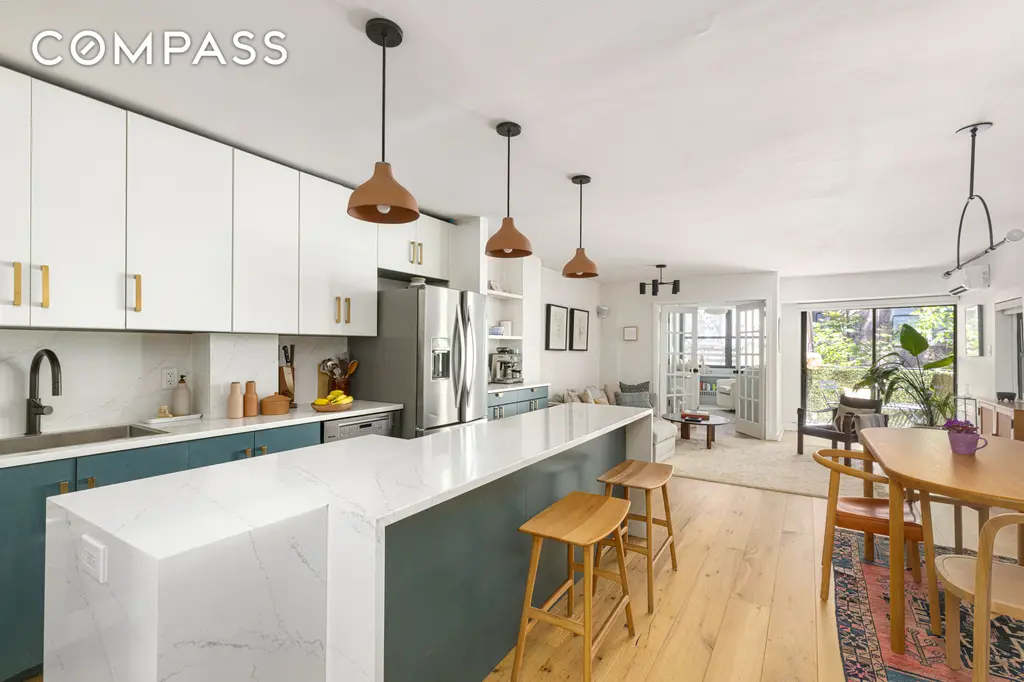
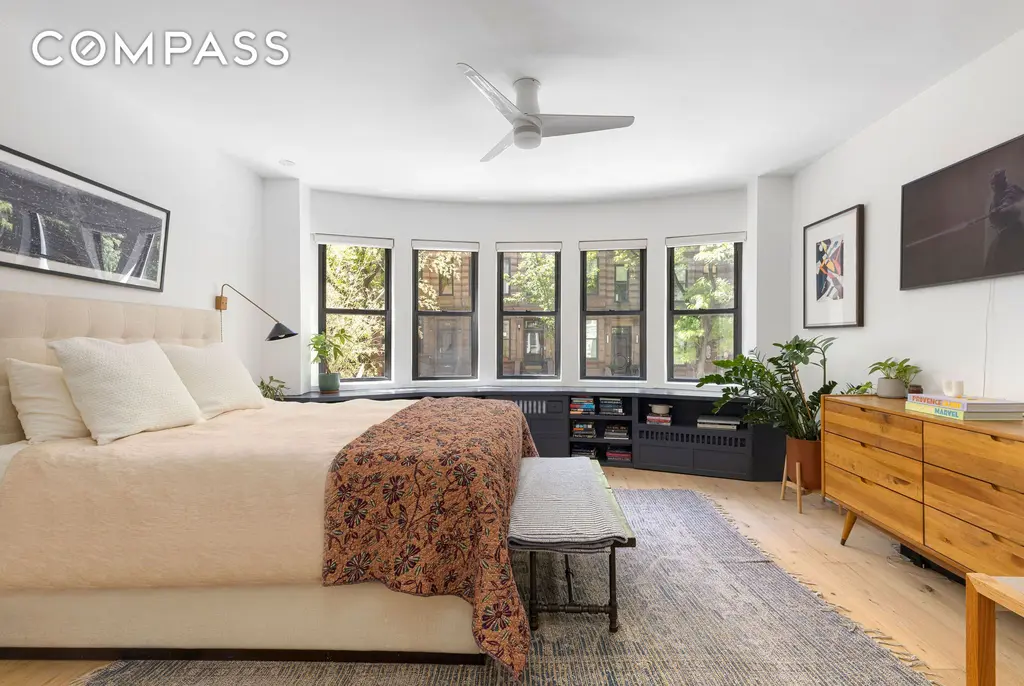
267 West 71st Street, #2FR (Compass)

422 2nd Street, #4 (Compass)
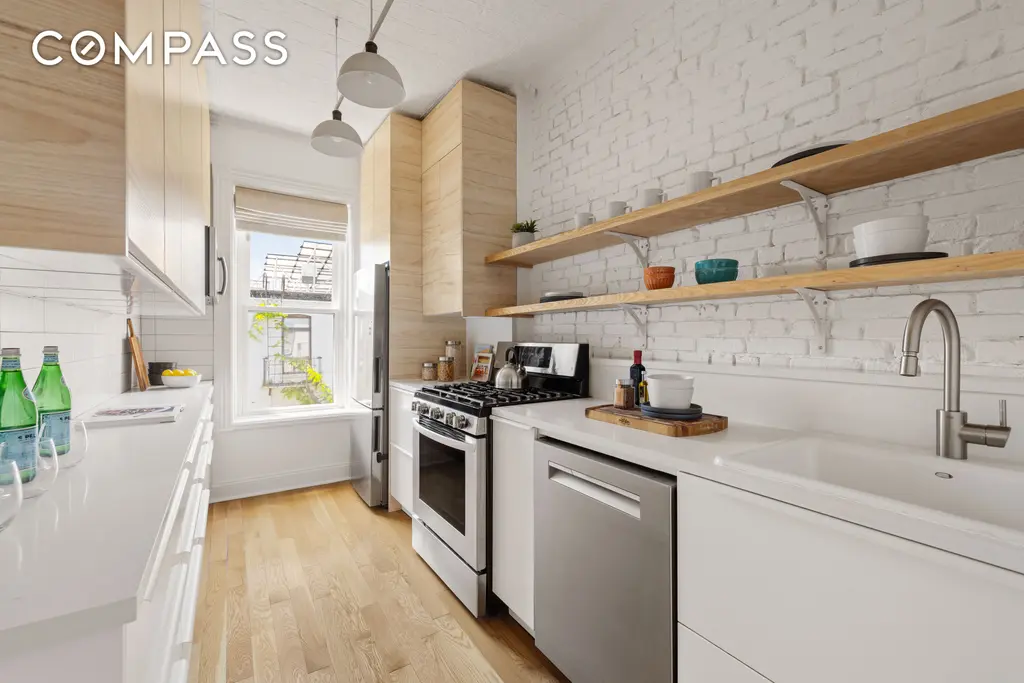
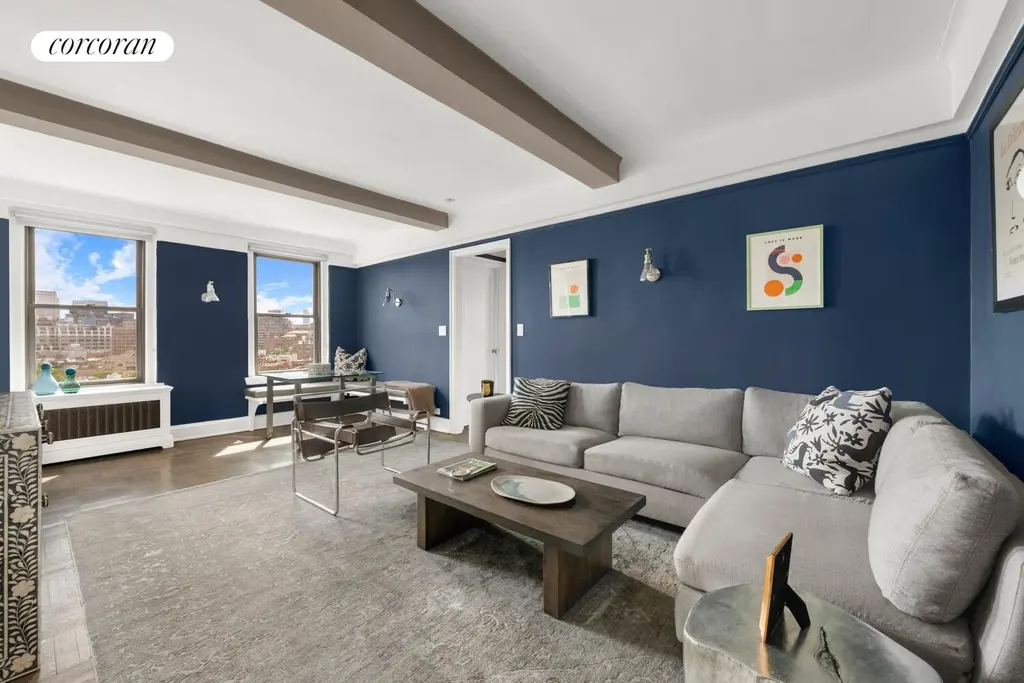
The Waverly, #14E (Corcoran Group)

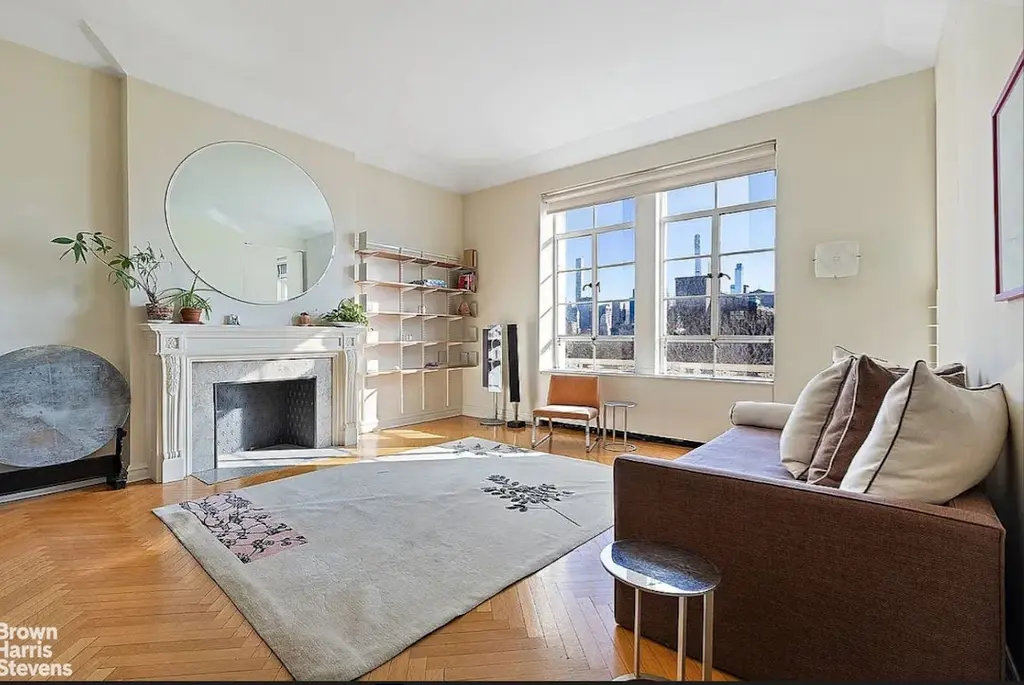
Hayden House, #6A (Brown Harris Stevens Residential Sales LLC)


118 Riverside Drive, #12A (Douglas Elliman Real Estate -)

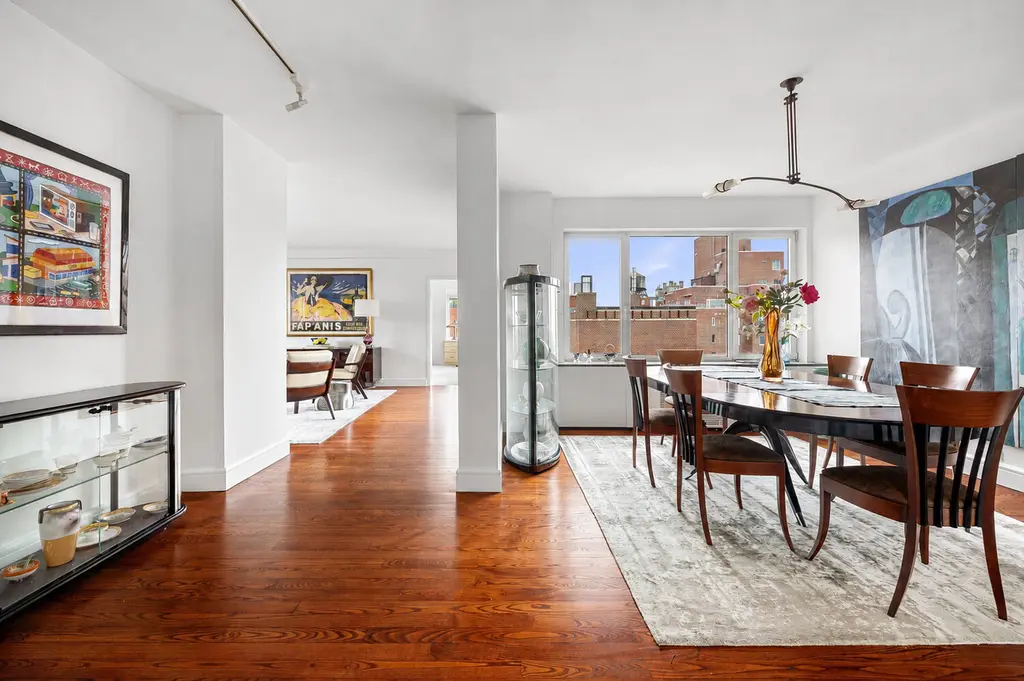
45 East End Avenue, #20D (Serhant)
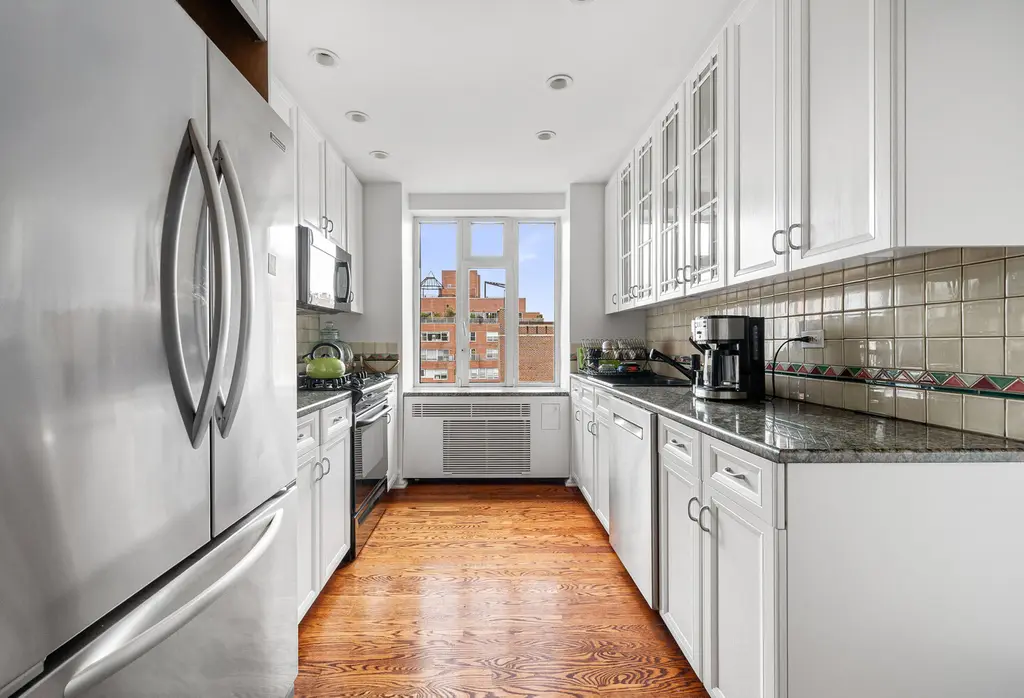

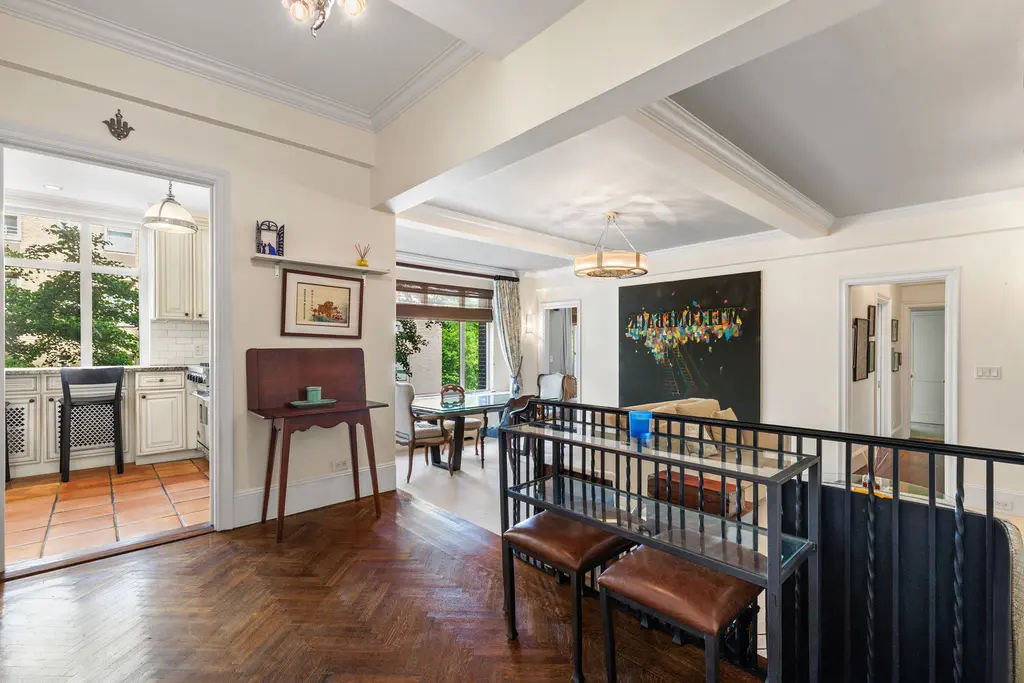
55 Central Park West, #5C (Sloane Square LLC)
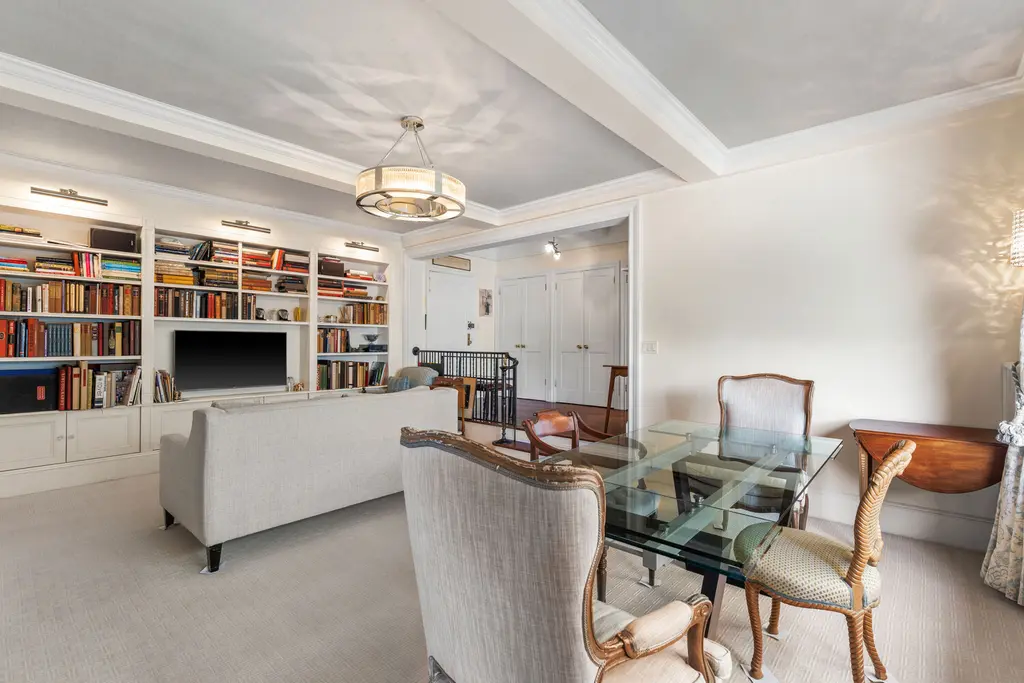
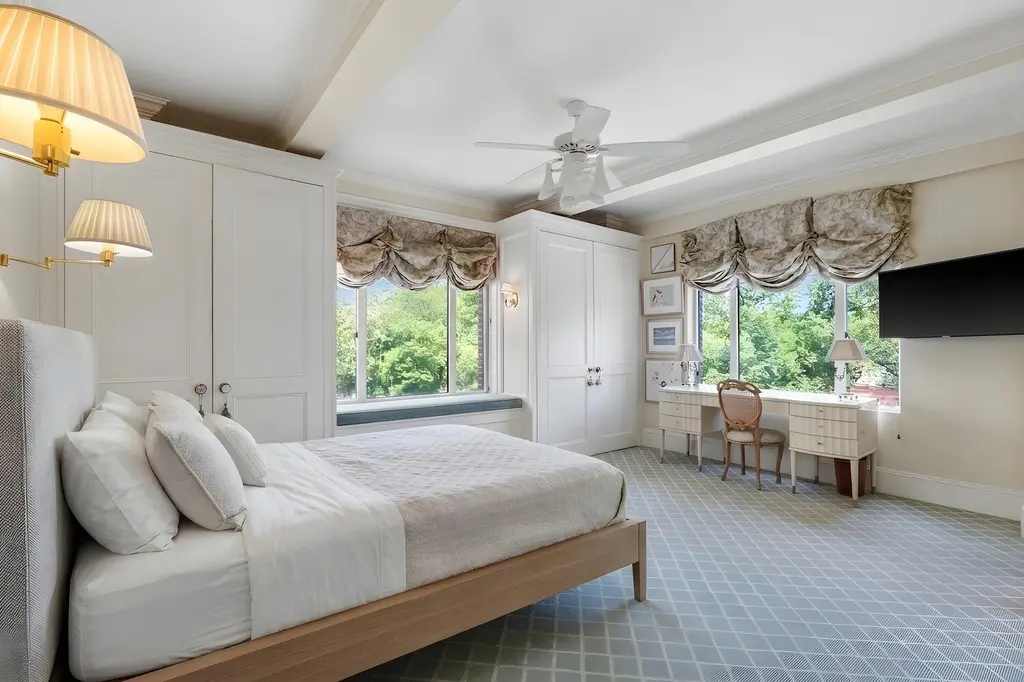

56 East 11th Street, #5 (Compass)



The Osborne, #8BA (Compass)


165 East 72nd Street, #19L (Compass)



Would you like to tour any of these properties?
Just complete the info below.
Or call us at (212) 755-5544
Would you like to tour any of these properties?
Related Articles

Get To Know
How property values are assessed in NYC + Great new listings with open houses from $445K
Saturday, June 20, 2026
Future New York
Price Cuts: Baz Luhrmann’s Gramercy townhouse slashed by $7M; New discounts at Brooklyn and Queens’ tallest towers
Thursday, June 18, 2026
Future New York
Manhattan sales include Emmy-winning producer's CPW co-op; Closings begin at The Willow
Tuesday, June 16, 2026
Get To Know
What New York’s transparency bill could mean for whisper listings + Public listings with open houses
Friday, June 12, 2026
Get To Know
What the pied-à-terre tax could mean for Manhattan prices + NYC penthouse listings from $499K
Friday, June 12, 2026
Future New York
Price Cuts: Former Kips Bay Decorator Showhouse down by $9.5M; Karim Rashid to take loss on Hell's Kitchen condo
Thursday, June 11, 2026
Future New York
Above the Crowd: NYC apartments with skyline views as observation deck boom reaches new heights
Wednesday, June 10, 2026
Future New York
Tower Residences at 50 West 66th Street lead Manhattan sales; West Chelsea co-op trades at 163% profit
Wednesday, June 10, 2026
Contributing Writer
Cait Etherington
Cait Etherington has over twenty years of experience working as a journalist and communications consultant. Her articles and reviews have been published in newspapers and magazines across the United States and internationally. An experienced financial writer, Cait is committed to exposing the human side of stories about contemporary business, banking and workplace relations. She also enjoys writing about trends, lifestyles and real estate in New York City where she lives with her family in a cozy apartment on the twentieth floor of a Manhattan high rise.

 6sqft delivers the latest on real estate, architecture, and design, straight from New York City.
