
In the real estate world, New York is often referred to as an “attorney state,” which usually means no real estate deal can close without an attorney involved. But New York doesn’t fit the traditional definition. In a true attorney state, such as Connecticut, Delaware, Massachusetts, or Vermont, the law requires an attorney to conduct real estate closings on behalf of the lender, and notaries are generally prohibited from handling the lender’s side of the transaction.
New York only has a statute mandating attorney representation in cases involving reverse mortgages, where both the borrower and lender must be represented. In all other loan signings, there is no law requiring attorneys to appear on behalf of the lender.
Nevertheless, it’s customary in New York for both the buyer and seller to have attorneys in a purchase transaction, though this practice isn’t tied to New York being classified as an “attorney state.”
Nevertheless, it’s customary in New York for both the buyer and seller to have attorneys in a purchase transaction, though this practice isn’t tied to New York being classified as an “attorney state.”
In this article:











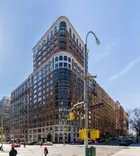




So even though it isn’t technically required, working with a real estate attorney when buying or selling in New York City is virtually essential. While some buyers, sellers, and even brokers kvetch that involving attorneys slows down an already complex process, but the protections far outweigh the inconvenience. This article explains why you need an attorney, when to contract with one, and how to find the right attorney for your transaction.
Why should I hire a real estate attorney if I already have an agent or broker?
While agents and brokers play a cruciall role in finding and marketing properties, New York law prohibits them from drafting or reviewing sales contracts. Unless you are an attorney yourself, you’ll need legal representation. Without it, your contract will be drawn up and reviewed entirely by the other side’s attorney, leaving your interests unprotected.Shaun W. Pappas, a partner at Starr Associates, explains: “These are large deals, and this is significant money you are spending. You need someone with legal expertise so you understand what you’re getting into.”
Attorneys don’t just draft or review contracts. They oversee escrow deposits, order title reports, review co-op and condo board financials, and advise clients throughout closing. They scrutinize contingency clauses, closing timelines, and financial disclosures to make sure buyers and sellers aren’t exposed to hidden risks.
As Pappas points out, attorneys also dig deeper into the long-term costs of ownership: “You need to know what your costs are for maintenance, taxes, and common charges. You should know the history of the building’s financials and not walk blindly into a situation where assessments are coming up. Between your mortgage and carrying costs, the numbers can get tight.”
As Pappas points out, attorneys also dig deeper into the long-term costs of ownership: “You need to know what your costs are for maintenance, taxes, and common charges. You should know the history of the building’s financials and not walk blindly into a situation where assessments are coming up. Between your mortgage and carrying costs, the numbers can get tight.”
Shaun also notes that because many attorneys already represent co-op boards and work regularly with managing agents, they often have inside knowledge of a building’s finances, including required Local Law work that comes around every seven years.
When should I contract with an attorney?
If you’re a seller, line up an attorney before your property even hits the market. Once you accept an offer, your attorney will need to draft the contract immediately. Notably, if you're a seller, a good attorney will help you push back against any excessive contingency clauses being written into the contract by the buyer. Likewise, if you're a buyer, a good attorney will push back if, for example, the seller is asking for an unreasonable closing time frame (e.g., only allowing two weeks to have your financing approved when the process often takes much longer).If you’re a buyer, you’ll need to hire an attorney as soon as your offer is accepted. An attorney will negotiate contract terms, push back against unreasonable demands (such as too-short financing approval windows), and guide you through contingencies.
Buyers can usually expect to put down a contract deposit of 10% of the purchase price, though the deposit terms are negotiable. Contracts often include clauses allowing buyers to exit if financing is denied, in the event of a major life change (death or job loss), or if certain contingencies aren’t met.
"If you're a seller, a good attorney will help you push back against any excessive contingency clauses being written into the contract by the buyer."
What types of properties is a real estate attorney's guidance most valuable?
Closing NYC real estate deals is inherently unique, especially if purchasing new development or a co-op. As a result, it is highly recommended that you contract with an experienced local real estate attorney who understands New York State real estate law and the particular process of handling the sale of sponsor and co-op units. After all, while co-ops are one of the most common forms of real estate in New York City, when you buy a co-op, you're not technically buying real estate but rather shares in a residential building. Few attorneys outside of New York City, even those with real estate expertise, are well-versed in this process.
Contracts for new development are lengthy, one-sided, and often filled with developer-friendly provisions. Buyers often need an attorney to review offering plans, tax abatements, closing timelines, and sponsor obligations.
Co-op purchases involve reviewing financial statements, house rules, board minutes, and negotiating contract terms beyond just the apartment itself. Attorneys are key in spotting red flags and guiding buyers through approval. Mr. Pappas explains co-op transactions tend to have issues with people buying what they assumed was true but really was not.
How and where do I find a trusted real estate attorney?
If you don't already know of someone with local New York City expertise, ask your real estate agent. They likely already work closely with one or more attorneys and will be happy to refer a trusted colleague. If your agent can't help, ask anyone you know who has recently bought or sold a property in New York City. Mr. Pappas highly recommends a local New York City attorney, even if he/she is a consultant. "While city lawyers can do things outside of the city, though the suburbs have their own nuances too, NYC's buildings and laws are unique.
Hiring an attorney who is a clear communicator and comfortable guiding clients through the process can be especially reassuring for buyers making one of the biggest purchases of their lives. Jermaine Downey, who put in an offer for an East Harlem apartment this past August, recalls how his attorney fell short: “My real estate attorney has been horrible when it comes to communication,” he says. “I recommend working with a New York City attorney who is reliably available to answer your questions and will actually be around. If you’re going to go on holiday, you need to know whether your work will continue while they are away and who will be handling it.”
As for cost, it is true that working with an attorney will add to your closing costs. In most cases, contracting with an attorney will add anywhere from $3,000 to $10,000 to your closing. If you want to preserve your privacy and buy an apartment under an LLC, expect to pay even more. Given the complexity of buying and selling real estate in New York City, however, money spent contracting with an attorney is virtually always money well spent.
Deeply reduced listings where a great a good attorney will ensure your dream home doesn’t turn into a nightmare.
Would you like to tour any of these properties?
Just complete the info below.
Or call us at (212) 755-5544
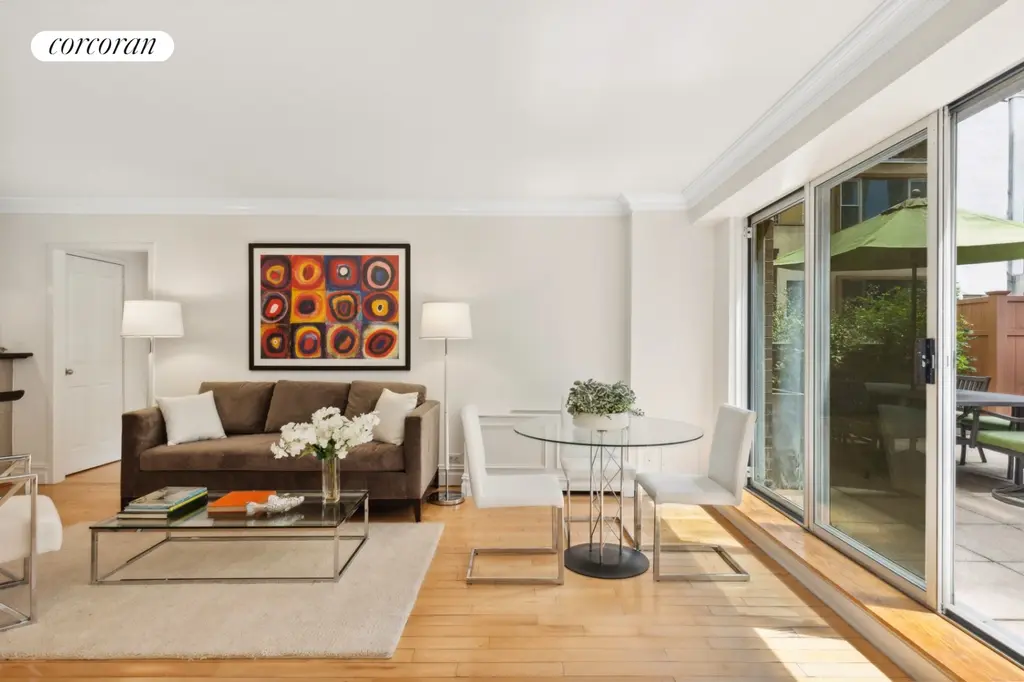
Carlton Regency South, #2/C (Corcoran Group)
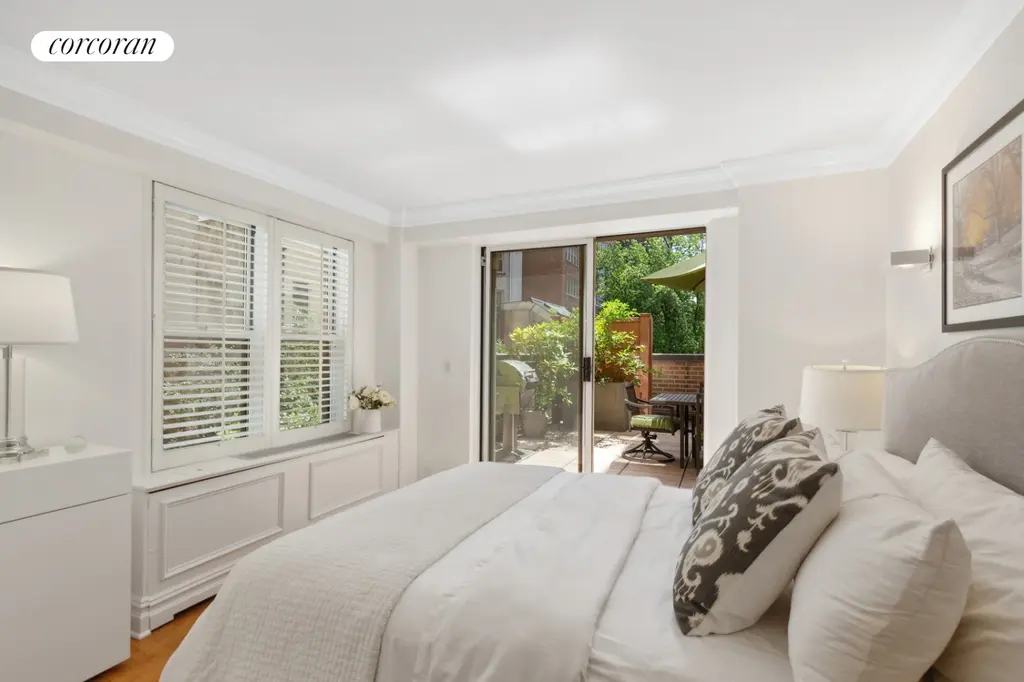
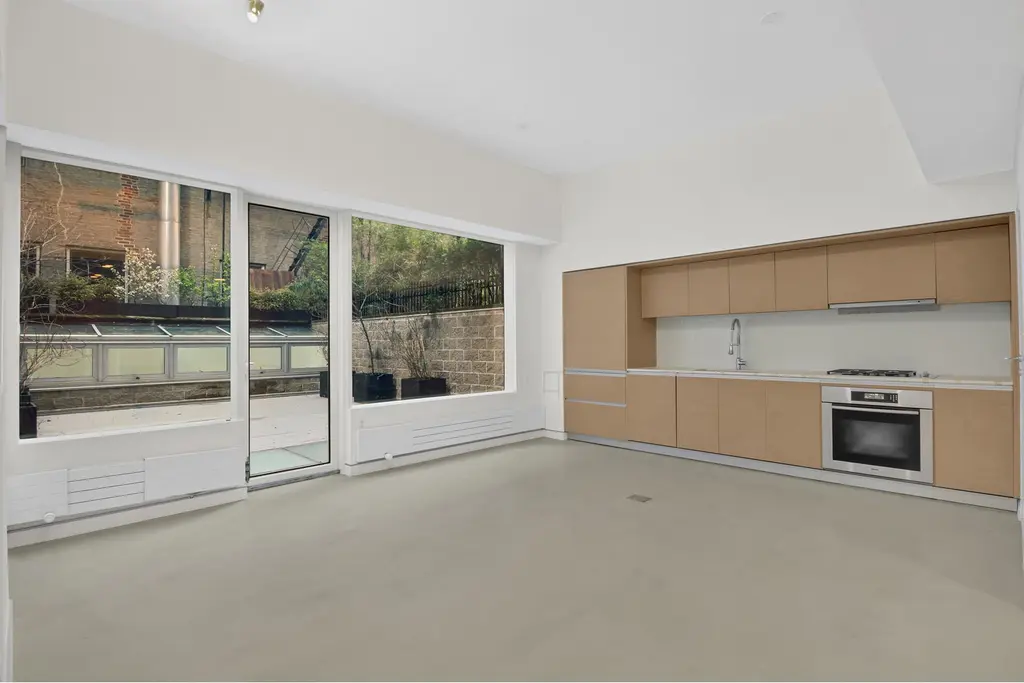
459 West 18th Street, #1 (Douglas Elliman Real Estate)
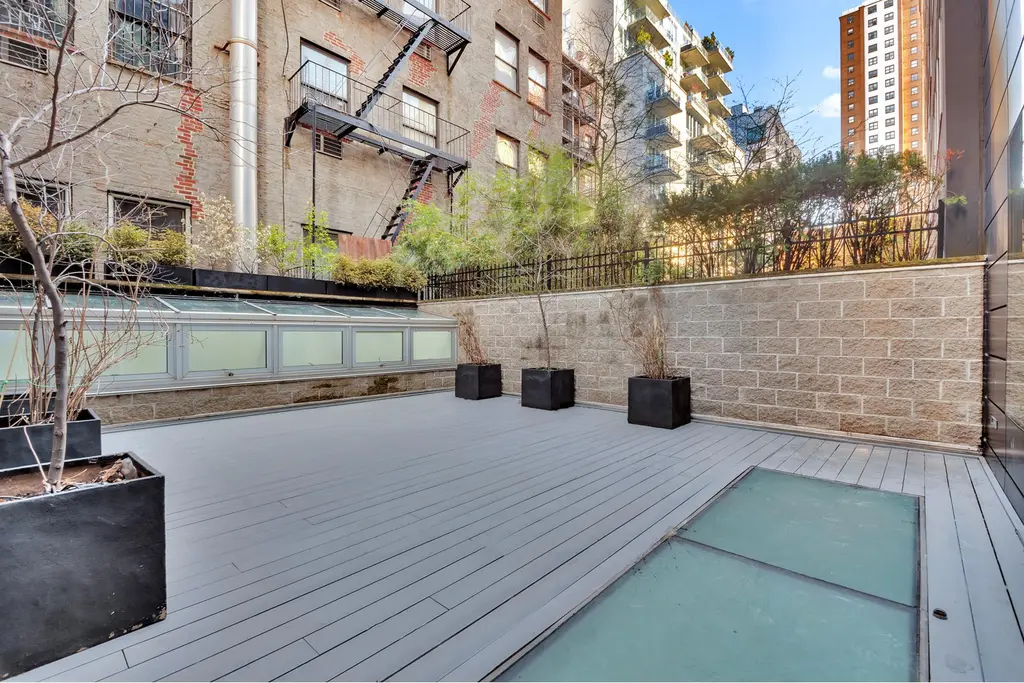
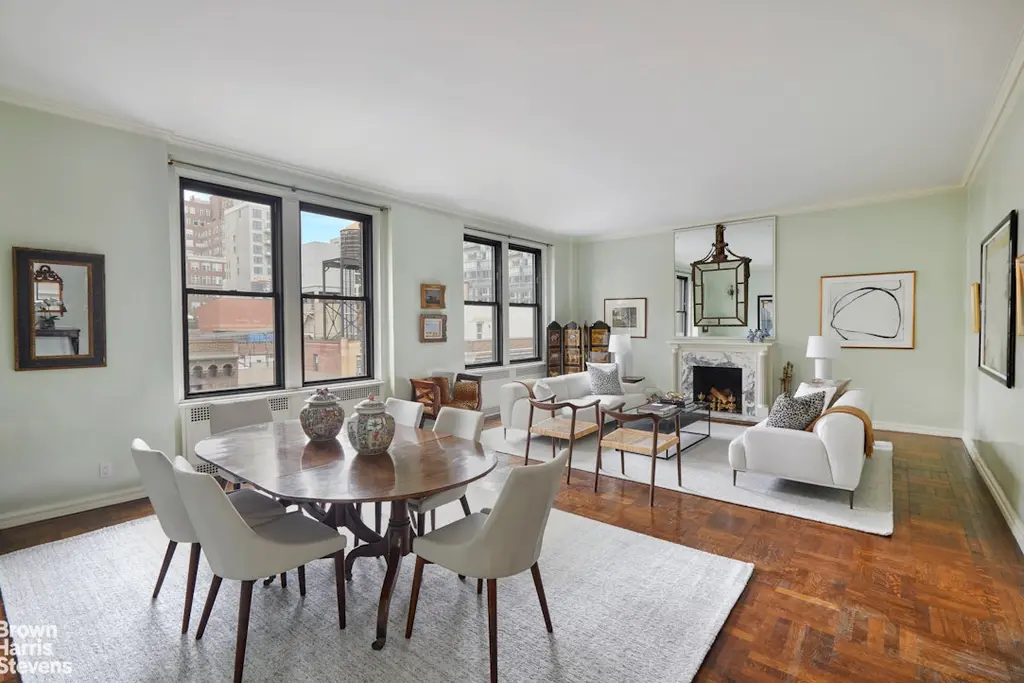
993 Park Avenue, #8E (Brown Harris Stevens Residential Sales LLC)
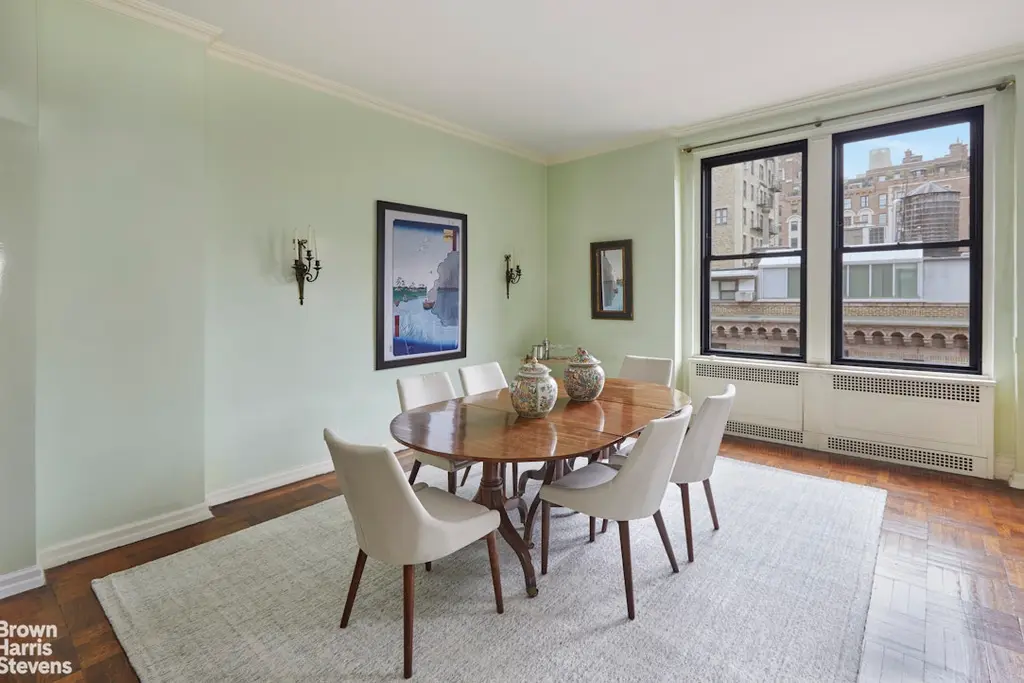
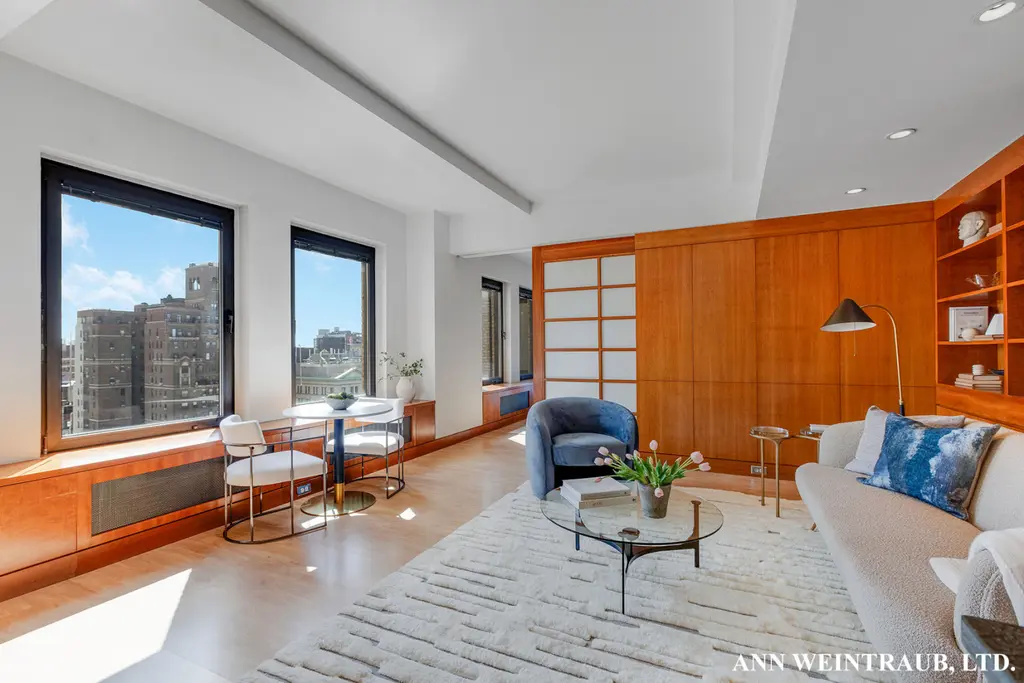
1 Fifth Avenue, #19A (Ann Weintraub Ltd)
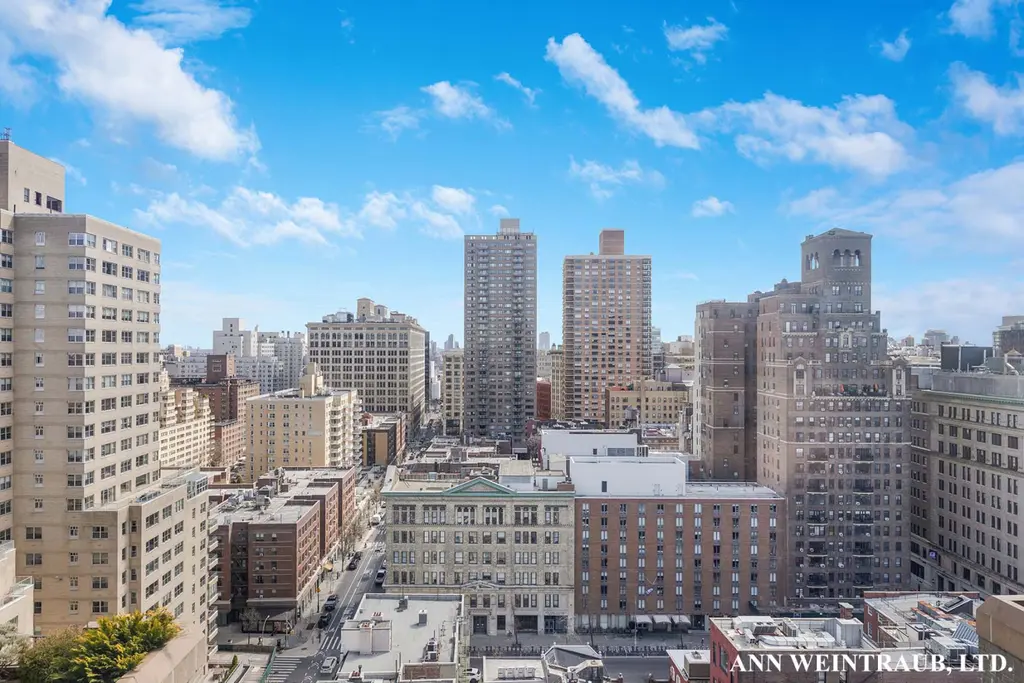
303 West 113th Street, #TH
$1,995,000 (-26%)
Harlem | Condominium | 4 Bedrooms, 3.5 Baths | 2,498 ft2
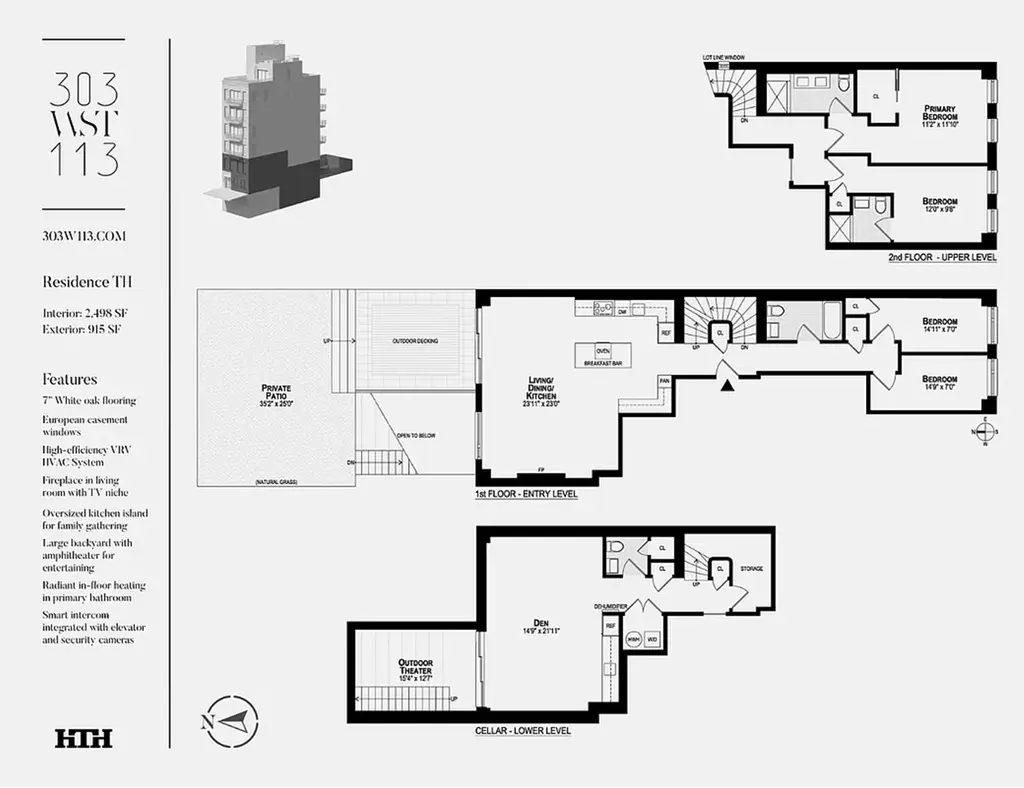
303 West 113th Street, #TH (Douglas Elliman Real Estate)

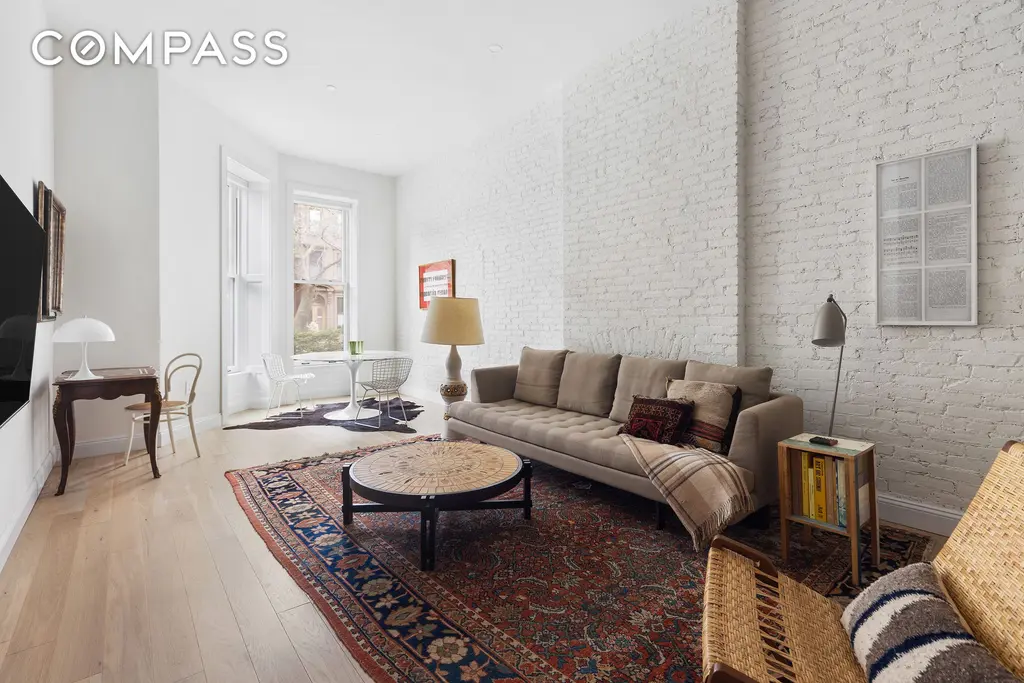
84 Sixth Avenue, #2 (Compass)
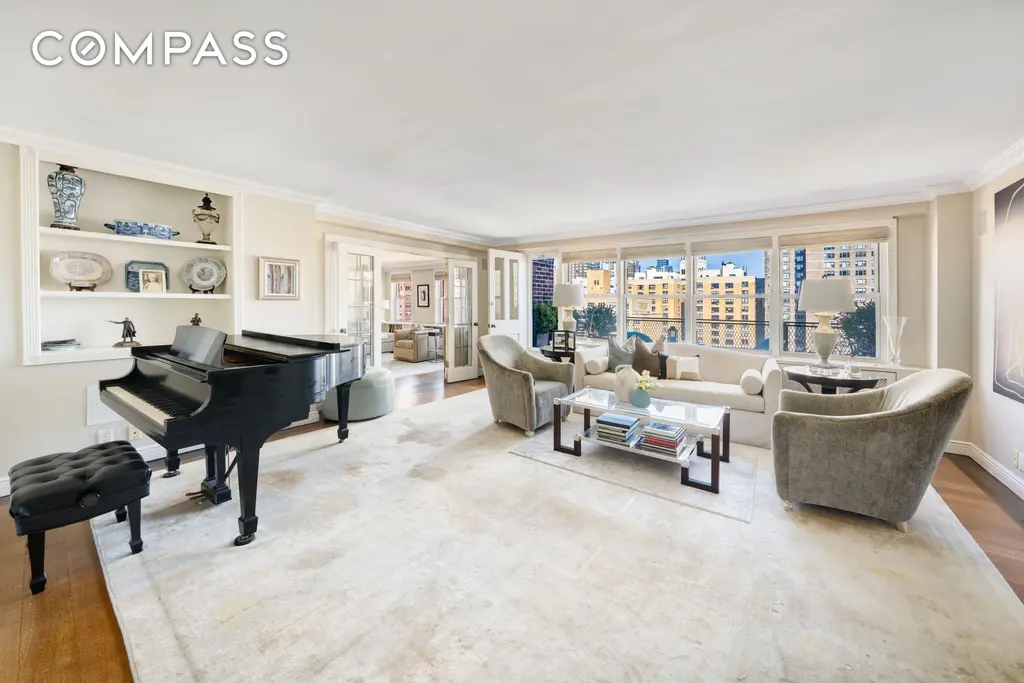
Claiborne House, #PHE (Compass)
One Museum Mile, #11A
$2,500,000 (-25.9%)
East Harlem | Condominium | 3 Bedrooms, 3.5 Baths | 1,863 ft2
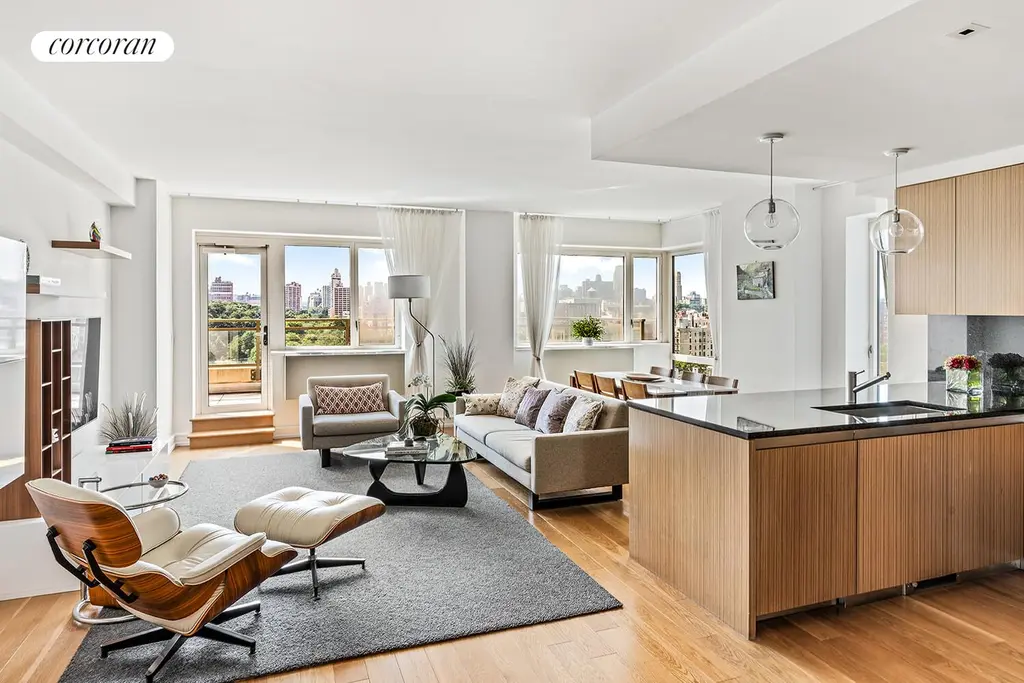
One Museum Mile, #11A (Corcoran Group)
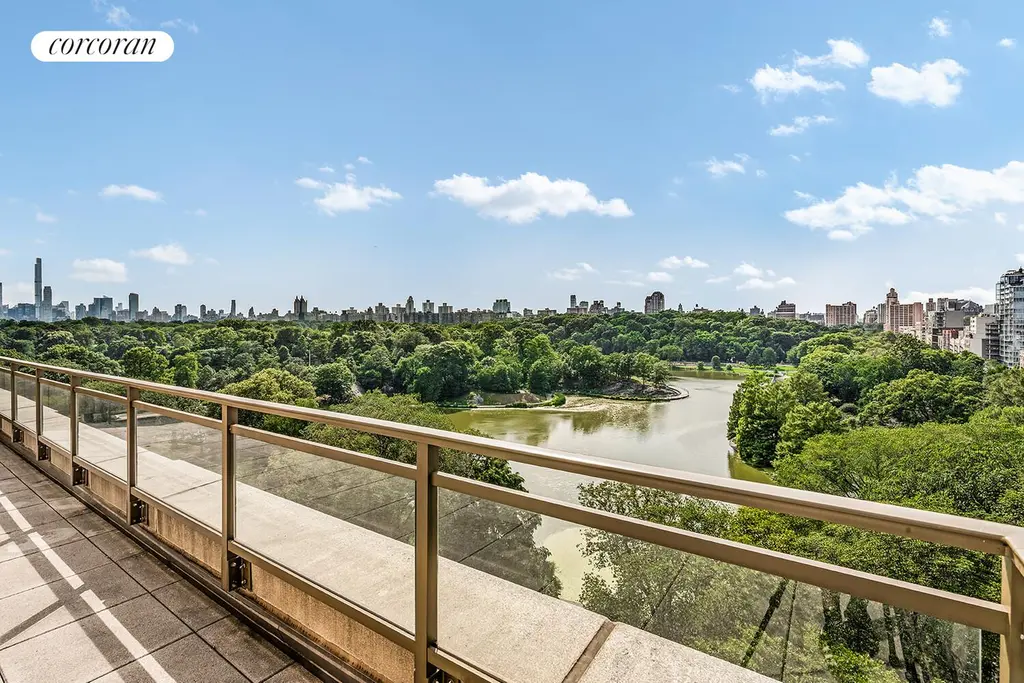
77 Greenwich Street, #39-C
$3,300,000 (-32%)
Financial District | Condominium | 3 Bedrooms, 3.5 Baths | 1,889 ft2

77 Greenwich Street, #39-C (Reuveni LLC)

1010 Fifth Avenue, #12F
$3,350,000 (-20.1%)
Carnegie Hill | Cooperative | 2 Bedrooms, 2 Baths | 1,500 ft2
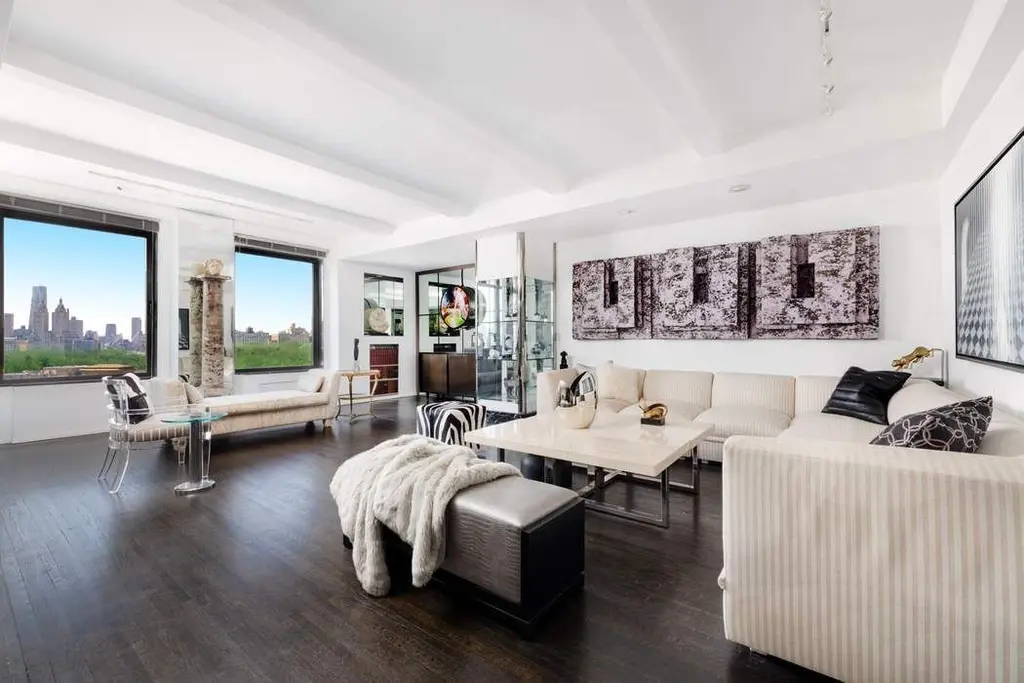
1010 Fifth Avenue, #12F (Sothebys International Realty)

One Sutton Place South, #4C
$4,950,000 (-44.4%)
Beekman/Sutton Place | Cooperative | 6+ Bedrooms, 5 Baths

One Sutton Place South, #4C (Douglas Elliman Real Estate)
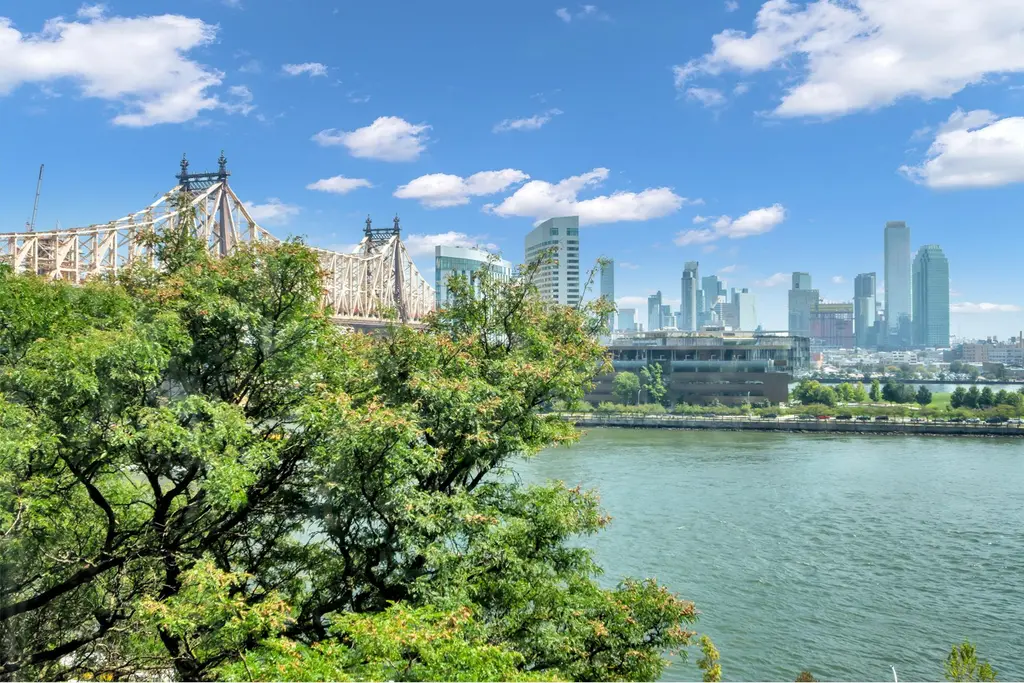
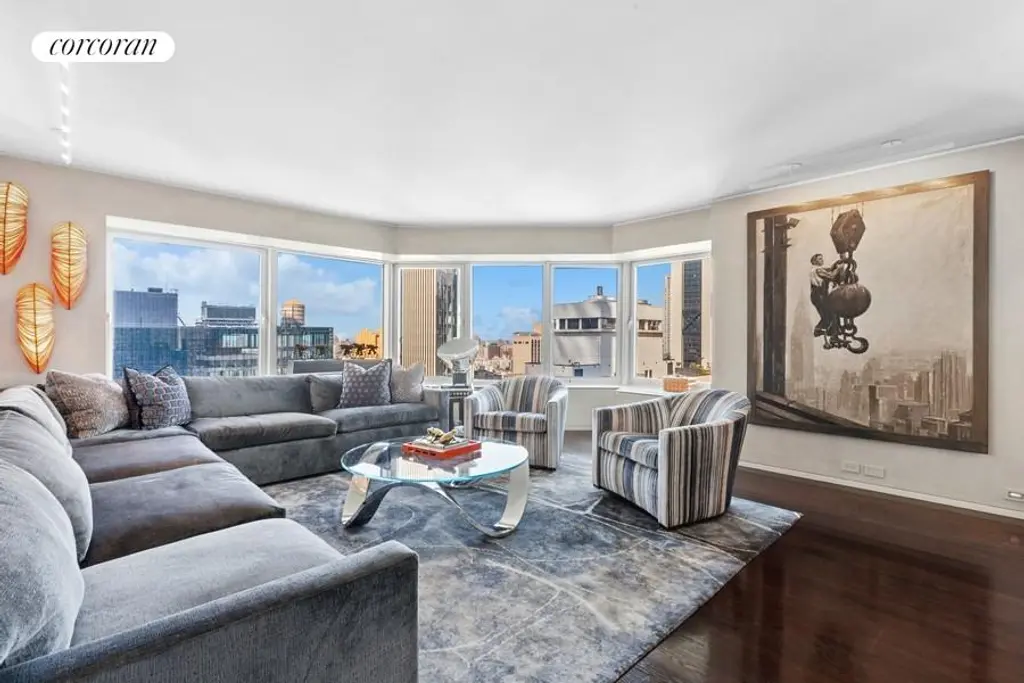
CitySpire, #3901 (Corcoran Group)

1 East End Avenue, #PHC
$5,250,000 (-30%)
Yorkville | Cooperative | 6+ Bedrooms, 4.5 Baths | 6,030 ft2
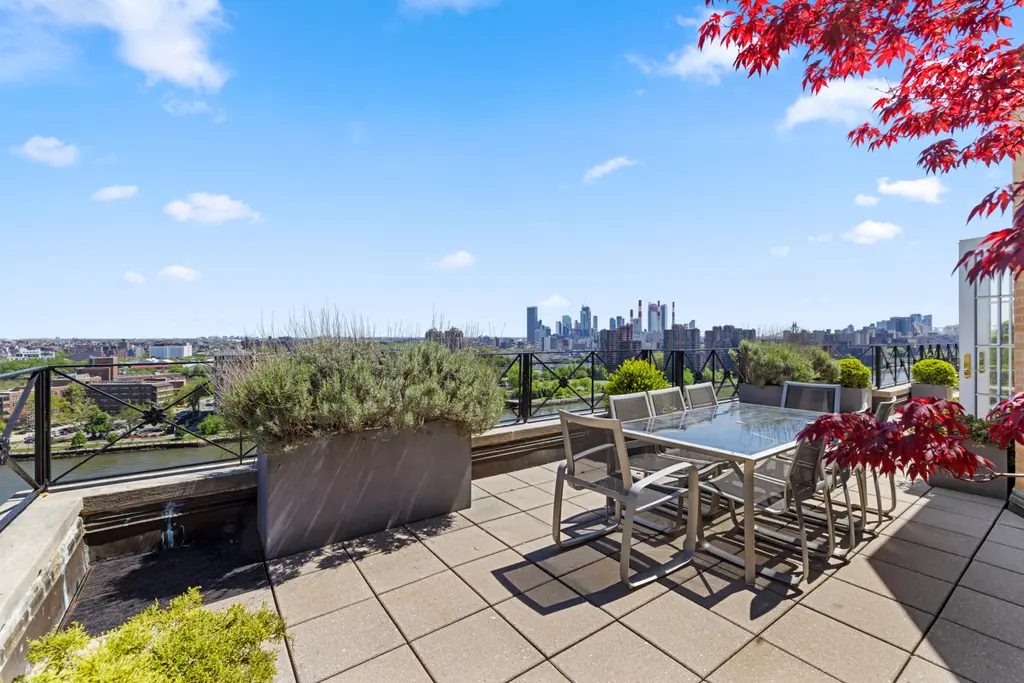
1 East End Avenue, #PHC (Olshan Realty Inc)

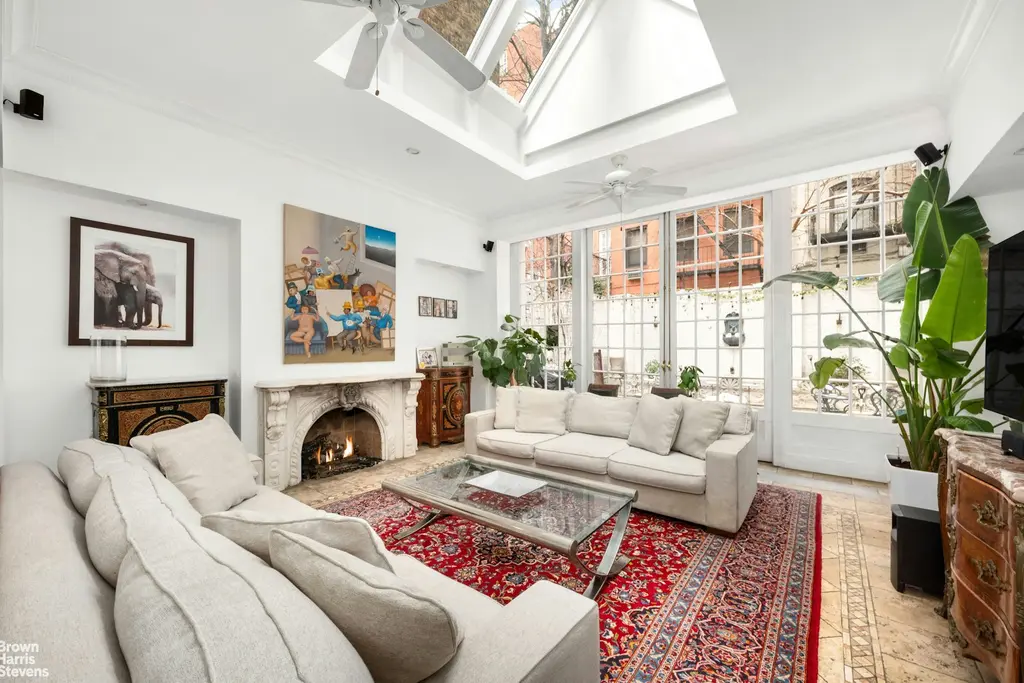
412 East 89th Street, #TH
$5,250,000 (-22.2%)
Yorkville | Townhouse | 6+ Bedrooms, 4 Baths | 4,290 ft2
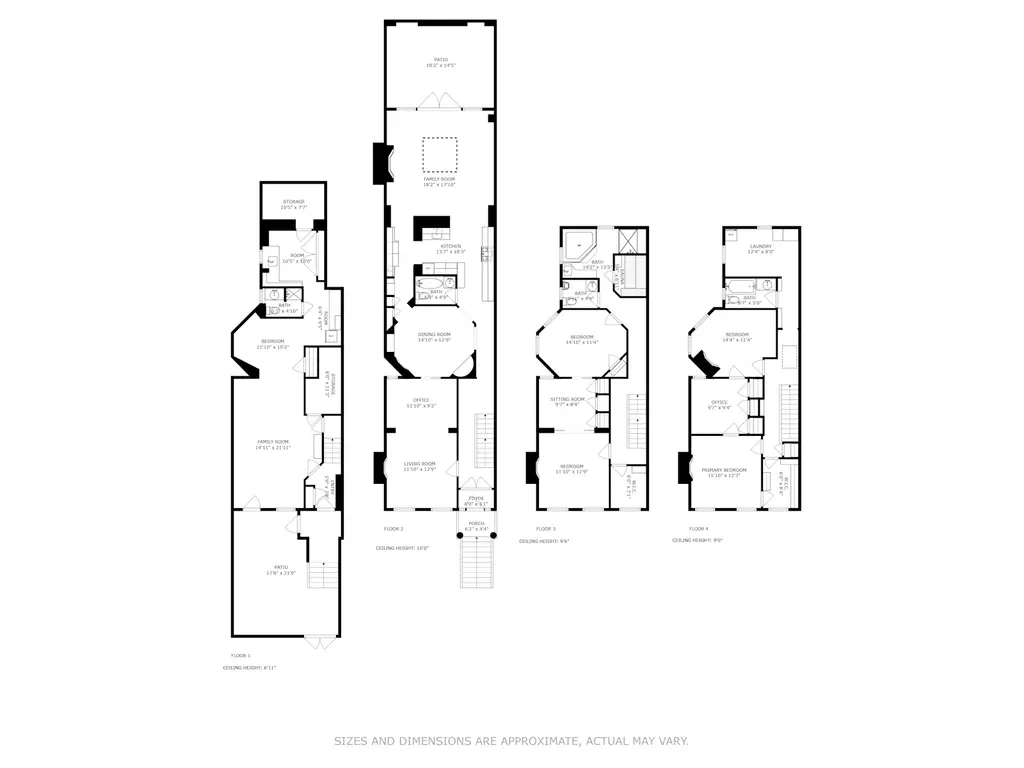
412 East 89th Street, # (Brown Harris Stevens Residential Sales LLC)
875 Park Avenue, #PHCD
$6,880,000 (-36.8%)
Park/Fifth Ave. to 79th St. | Cooperative | 2 Bedrooms, 2.5 Baths
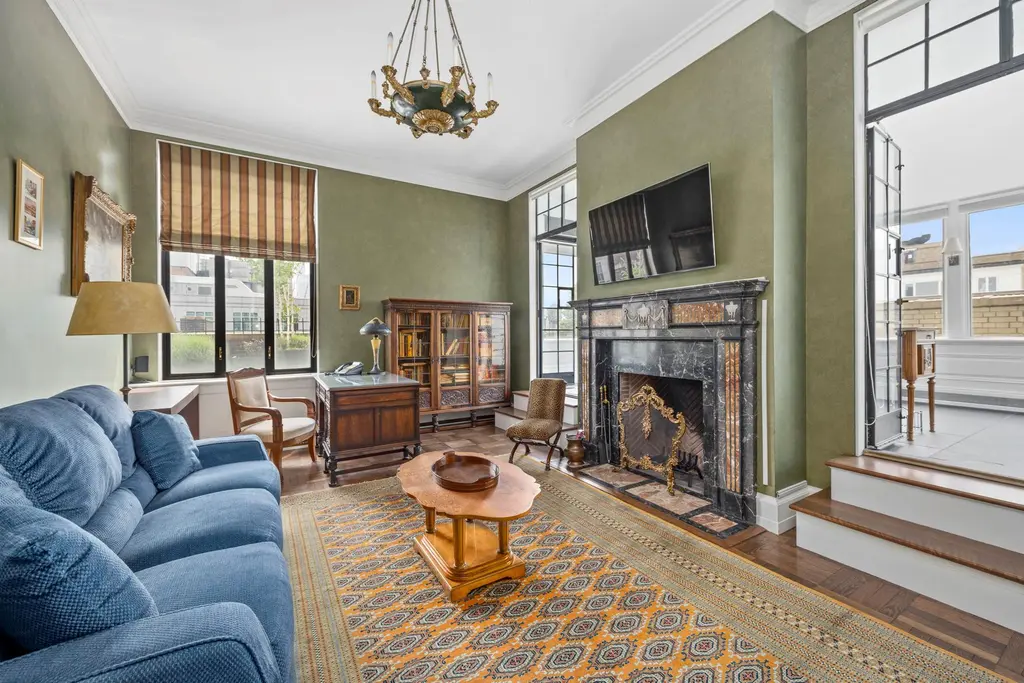
875 Park Avenue, #PHCD (Douglas Elliman Real Estate)
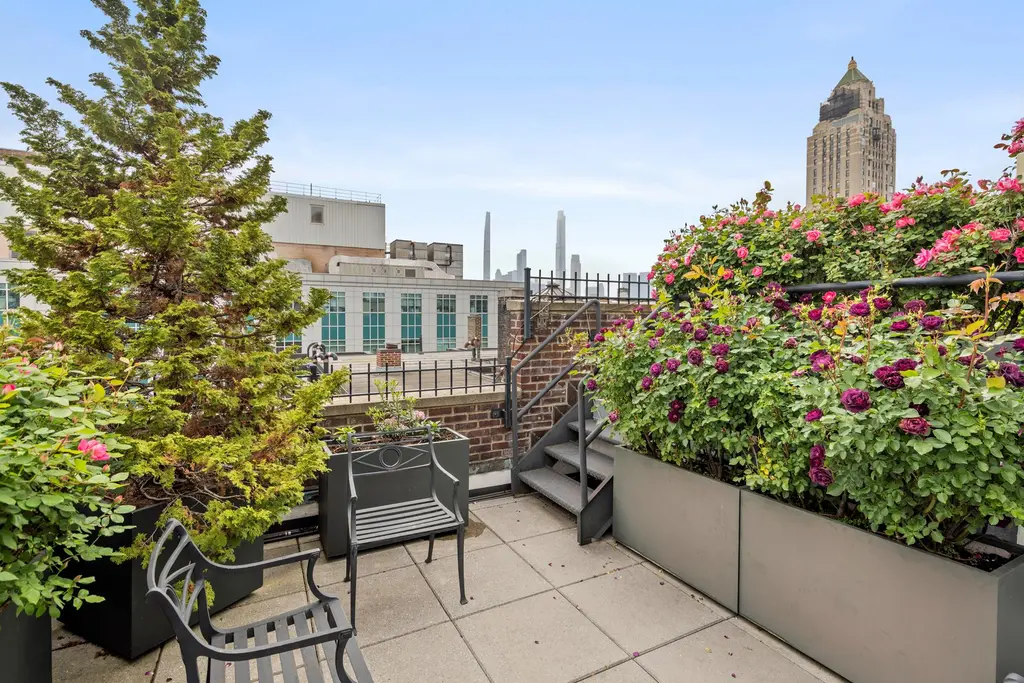
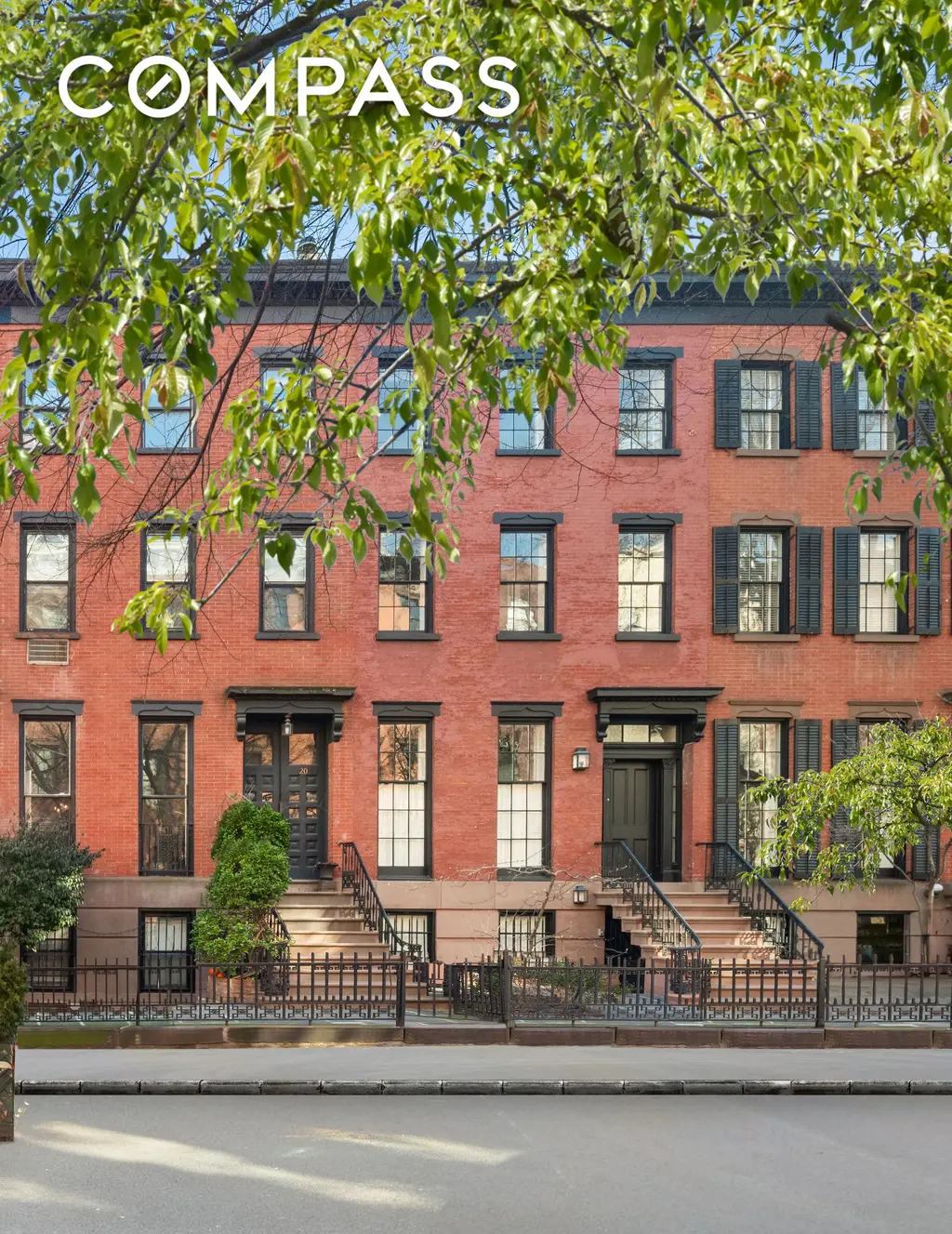
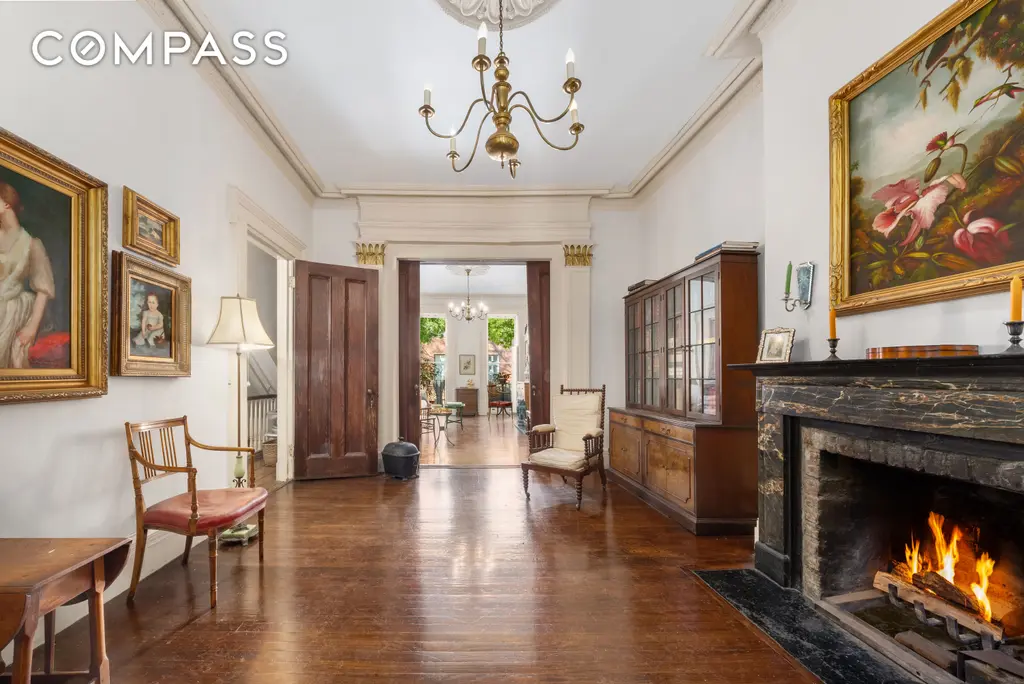
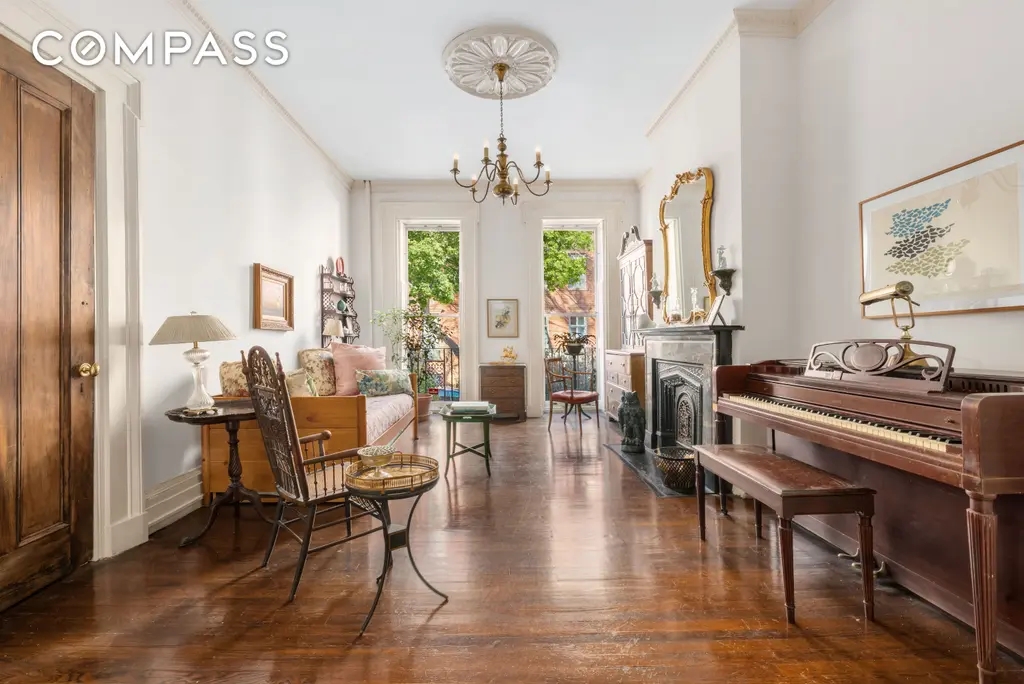
20 Bank Street, # (Compass)
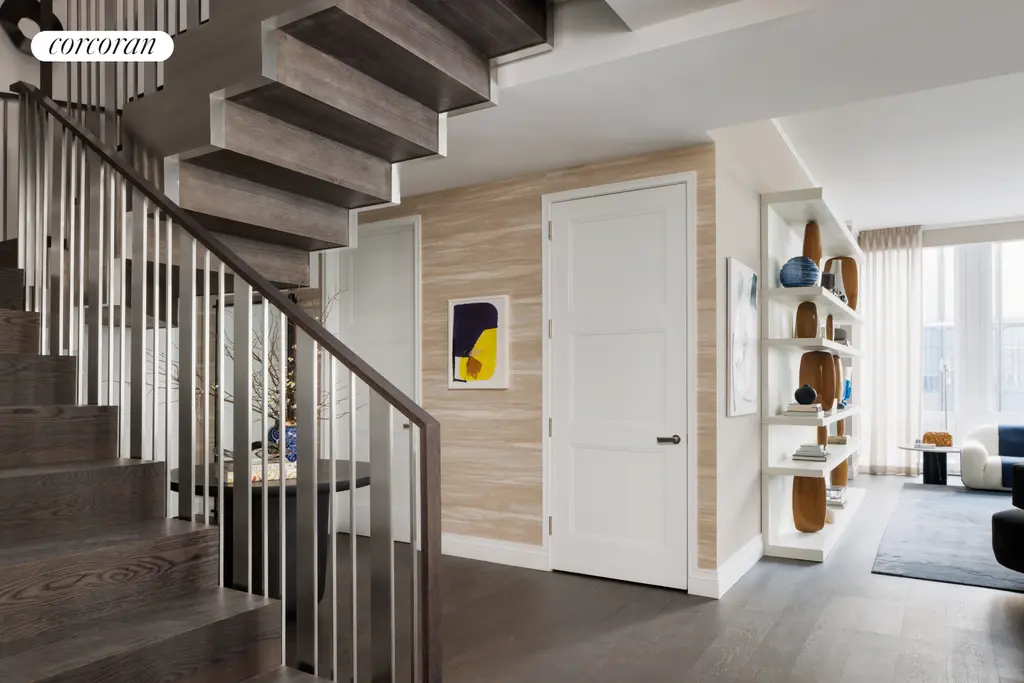
35 Hudson Yards, #7302
$11,950,000 (-33.1%)
Midtown West | Condominium | 4 Bedrooms, 4.5 Baths | 4,148 ft2

35 Hudson Yards, #7302 (Corcoran Sunshine Marketing Group)

535 West End Avenue, #PH
$18,995,000 (-26.9%)
Riverside Dr./West End Ave. | Condominium | 6+ Bedrooms, 6+ Baths | 6,500 ft2
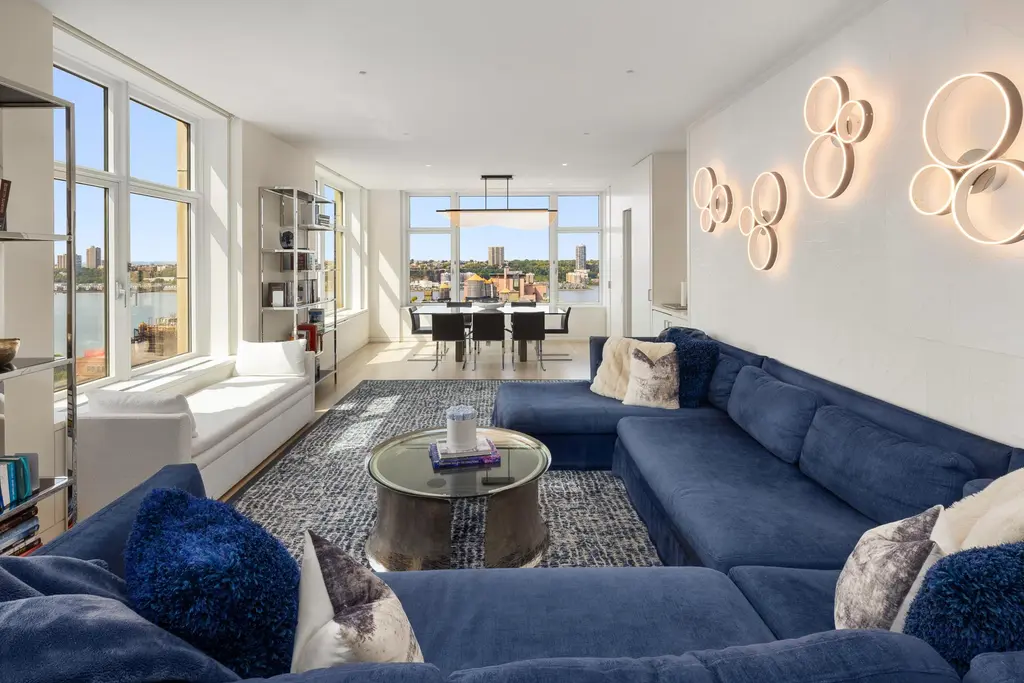
535 West End Avenue, #PH (Douglas Elliman Real Estate)

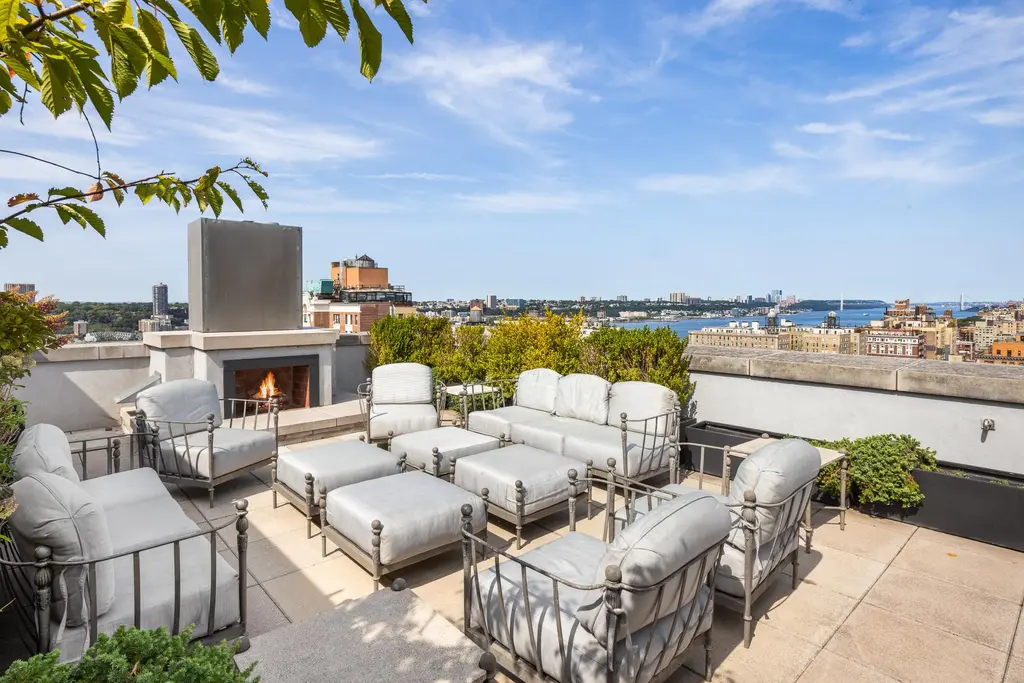
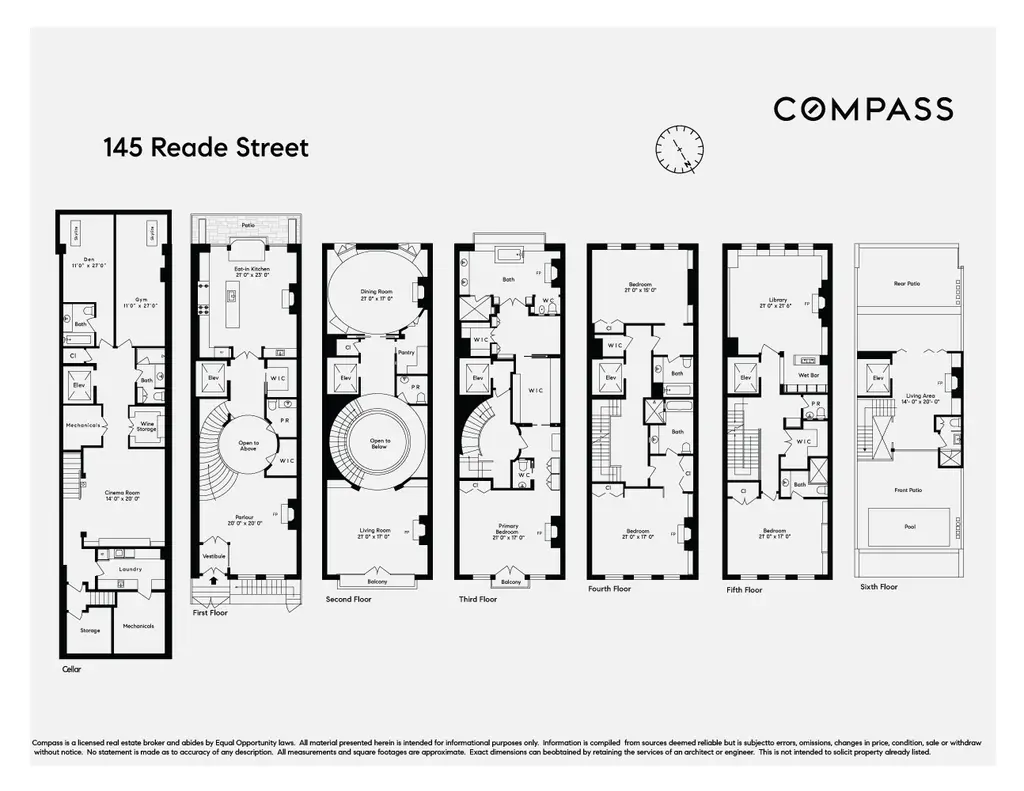
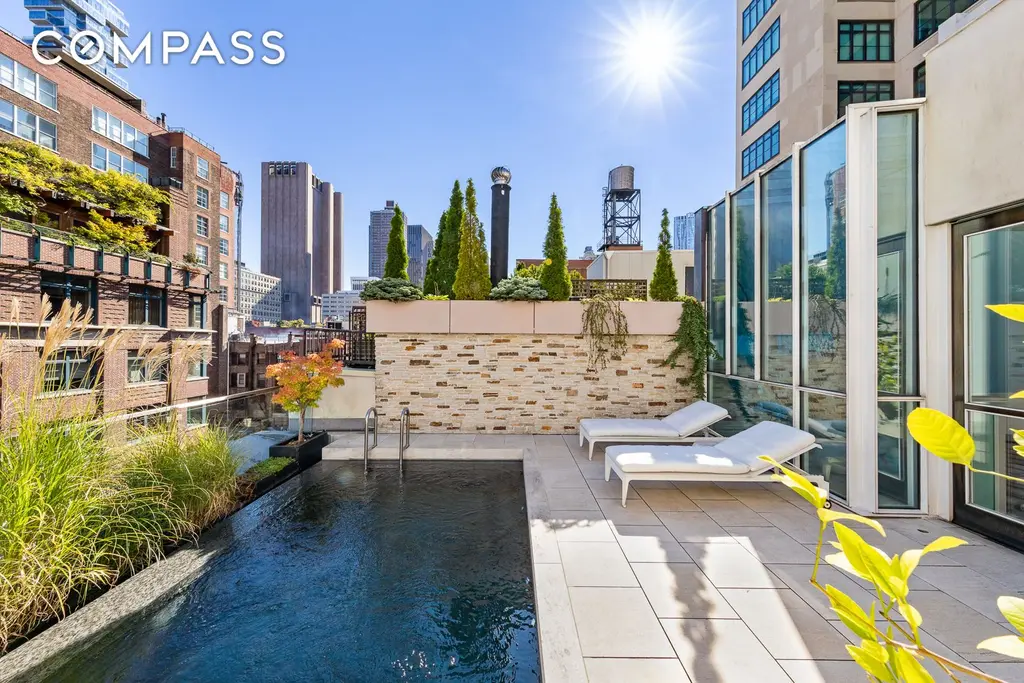
145 Reade Street, # (Compass)

Would you like to tour any of these properties?
Just complete the info below.
Or call us at (212) 755-5544
Would you like to tour any of these properties?
Related Articles
Get To Know
How property values are assessed in NYC + Great new listings with open houses from $445K
Saturday, June 20, 2026
Get To Know
Swim with a View: 30 Manhattan buildings with high-floor swimming pools and fitness centers
Saturday, June 20, 2026
Future New York
Price Cuts: Baz Luhrmann’s Gramercy townhouse slashed by $7M; New discounts at Brooklyn and Queens’ tallest towers
Thursday, June 18, 2026
Get To Know
What New York’s transparency bill could mean for whisper listings + Public listings with open houses
Friday, June 12, 2026
Future New York
Top 10 condos in Turtle Bay and Beekman-Sutton Place + New developments and price-reduced listings
Thursday, June 11, 2026
Get To Know
Seven tips for getting past NYC's toughest co-op boards + Prewar gems with open houses
Friday, June 5, 2026
Future New York
Making an Entrance: Top NYC Buildings with Porte-Cocheres and Dramatic Driveways
Wednesday, June 3, 2026
Great Listings

 6sqft delivers the latest on real estate, architecture, and design, straight from New York City.
