
As part of New York City's "Trash Revolution" residential buildings with 31 or more units will be assigned Empire Bins, large on-street sealed trash containers that are opened with key cards and emptied by a new fleet of side-loading garbage trucks. The program is meant to replace the mountains of black trash bags that line city sidewalks, improve working conditions for sanitation crews, and make it harder for rats and other pests to find food. Mayor Zohran Mamdani has announced plans to move forward with this part of the initiative, with roughly 66,000 bins expected to be installed citywide by 2032.
The program is in effect throughout Manhattan's Community Board 9, which includes Morningside Heights and Hamilton Heights, and DSNY is now preparing for additional rollouts. For larger buildings, the appeal is easy to understand: Trash can be brought to assigned bins rather than piled on the curb at specific setout times, while sealed containers keep sidewalks cleaner and reduce the open buffet that has long fueled the city’s rat problem.
In this article:












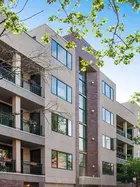










The tradeoff is curb space. City documents show that nearly 30,000 legal street parking spaces could be removed by 2032 to make room for Empire Bins. DSNY has noted that this represents only about 1.5 percent of the city’s legal street parking, but the impact will not be evenly distributed. According to Gothamist, some neighborhoods will lose only a small number of spaces, while parts of the Upper East Side and Upper West Side could lose more than 10 percent of their street parking, which would pressure more residents to pay for off-street parking if they keep their vehicles. A hearing on the plan is scheduled for Tuesday, July 28.
Also coming up is the return of Summer Streets, which will run every Saturday from July 25 to August 22. Stretches of streets across the five boroughs will close to car traffic for eight hours, making room for walkers, runners, cyclists, fitness classes, public art, and live performances.
As welcome as Summer Streets is for pedestrians and bikers, the burden of temporary street closures often falls on local car owners, who must find somewhere else to park. Add in redesigns planned for Park Avenue, Fifth Avenue, McGuinness Boulevard, and Grand Army Plaza, all of which prioritize pedestrians, cyclists, transit riders, or public space over curbside parking, and it is easy to see why car owners may wonder whether there is still room for them, literally and figuratively, in the city’s new streetscape.
Developers throughout the five boroughs have long recognized the value of having a safe and reliable place for residents to park their vehicles. In Manhattan, on-site parking has become rarer in new developments, largely due to it not being required by zoning and simply due to the majority of residents using public transit). For the high-end residential market however, where developers can shell out the cost of building a garage, providing parking is still a meaningful investment in such developments.
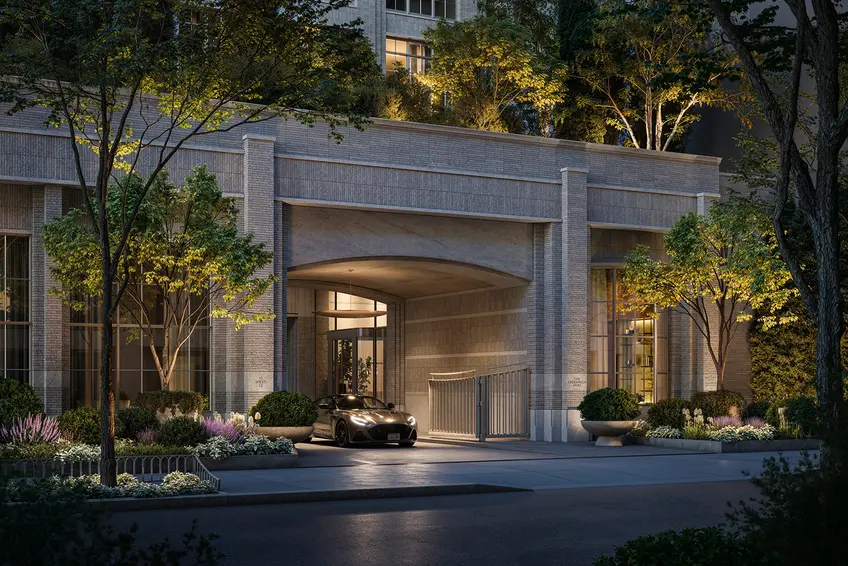
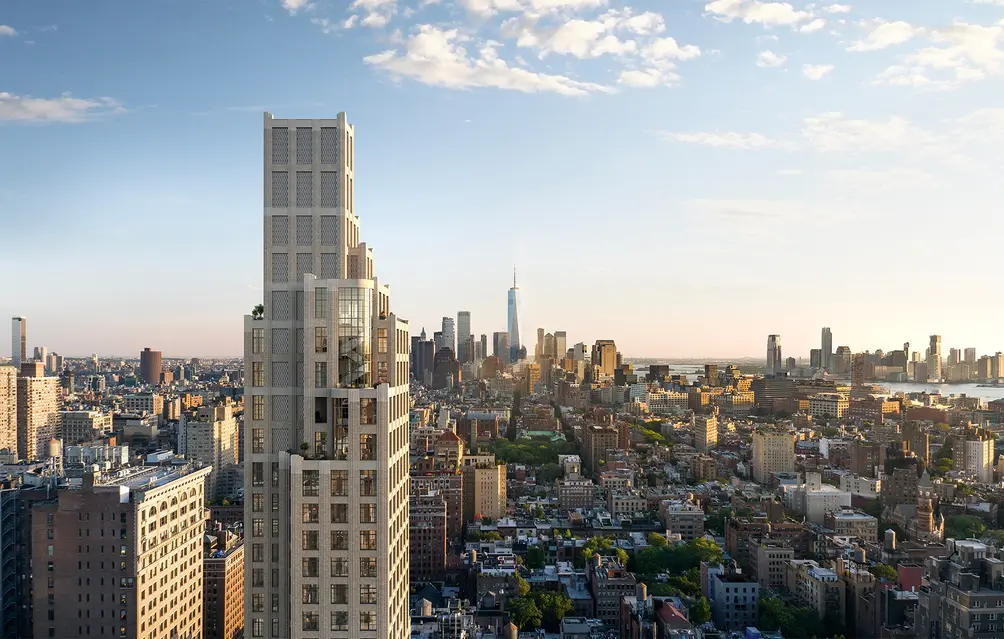 Renderings of The Greenwich Spire (Binyan)
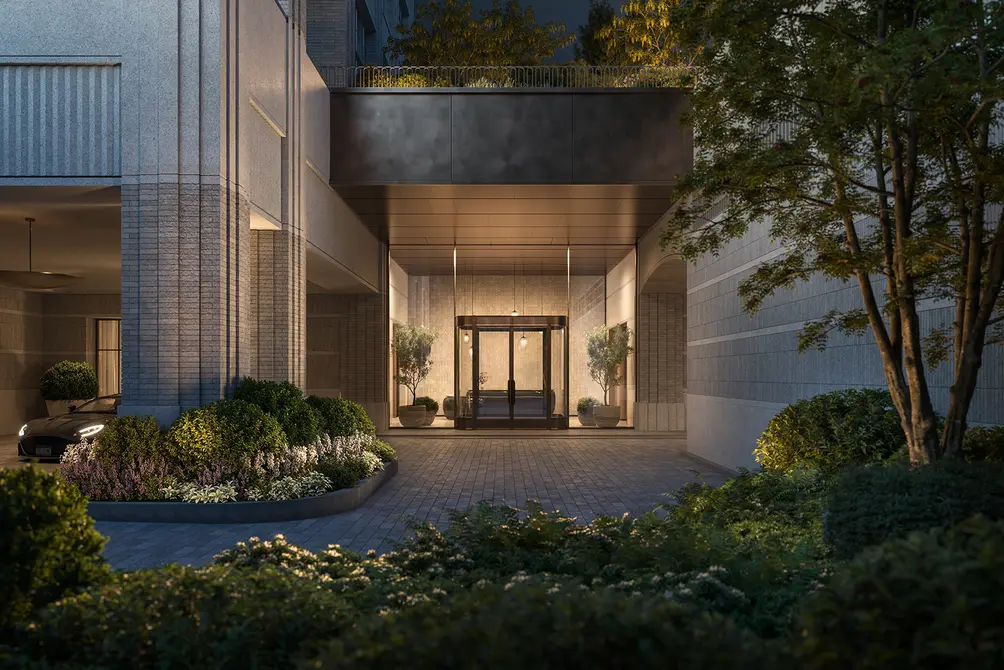 The Greenwich Spire port cochere (Binyan)
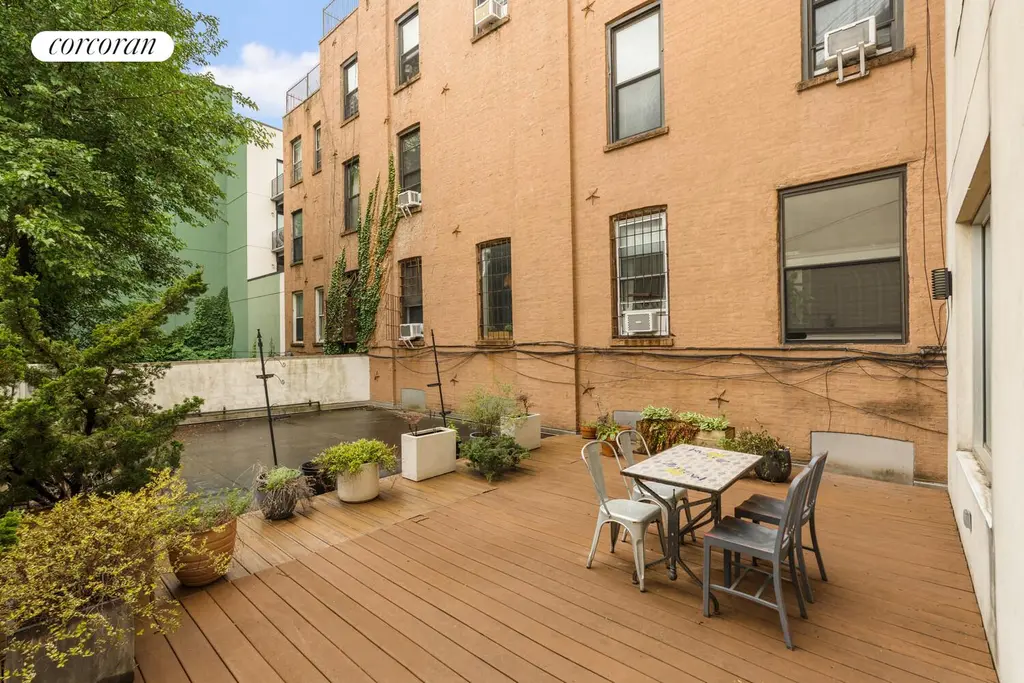
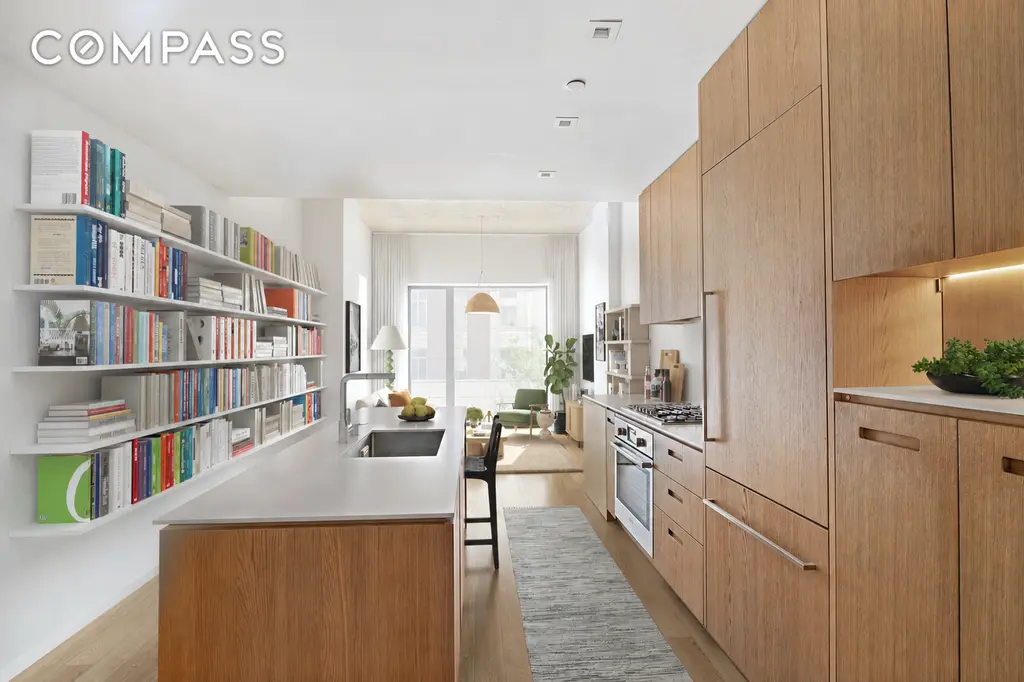
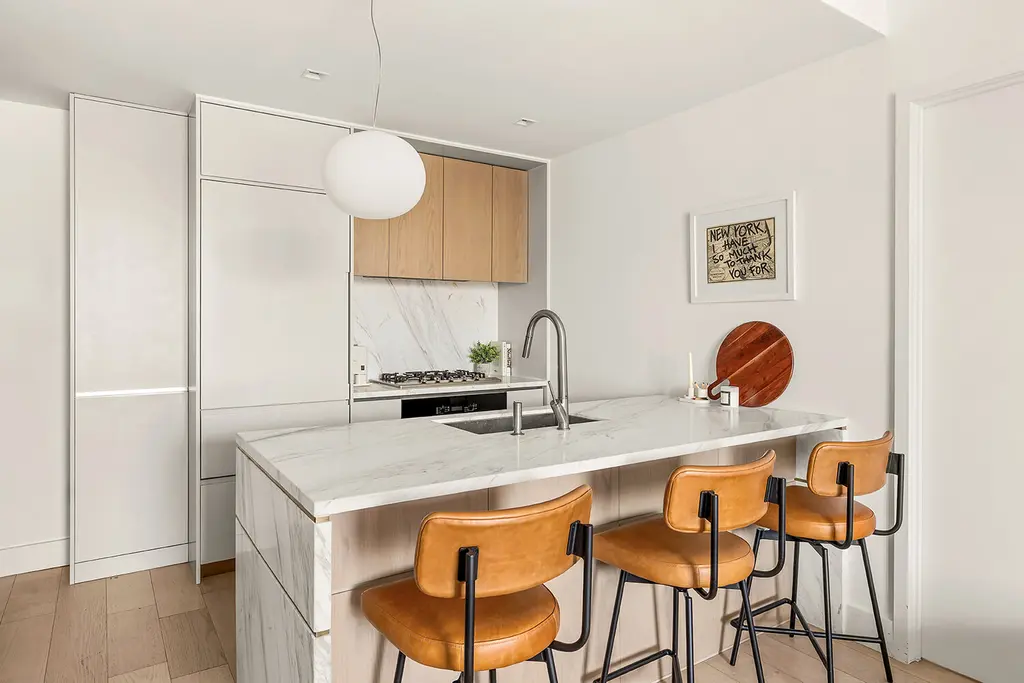
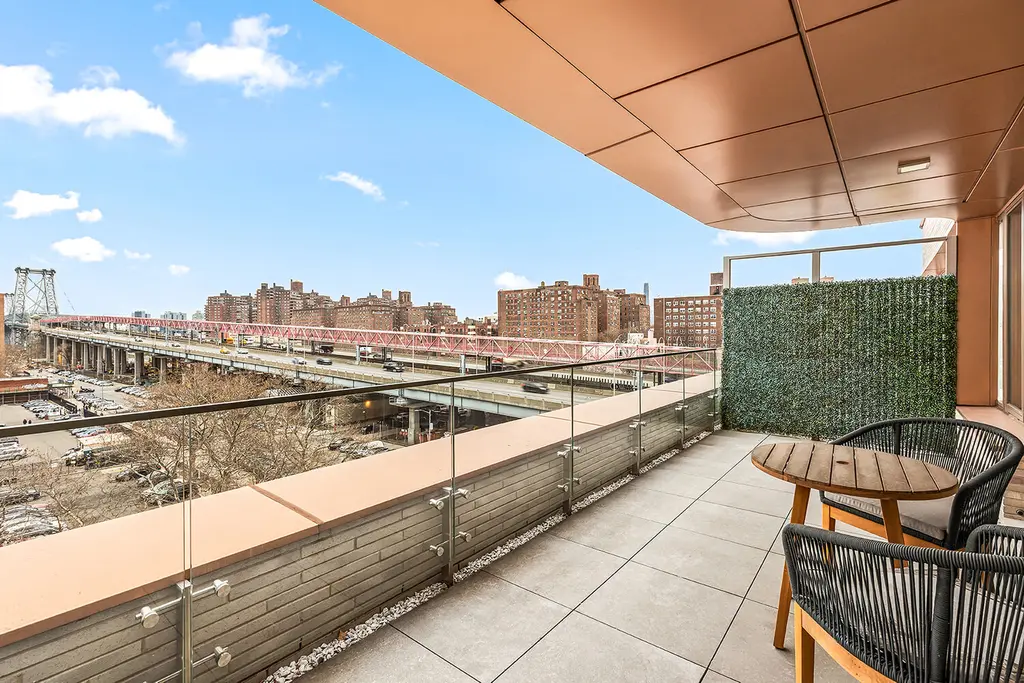
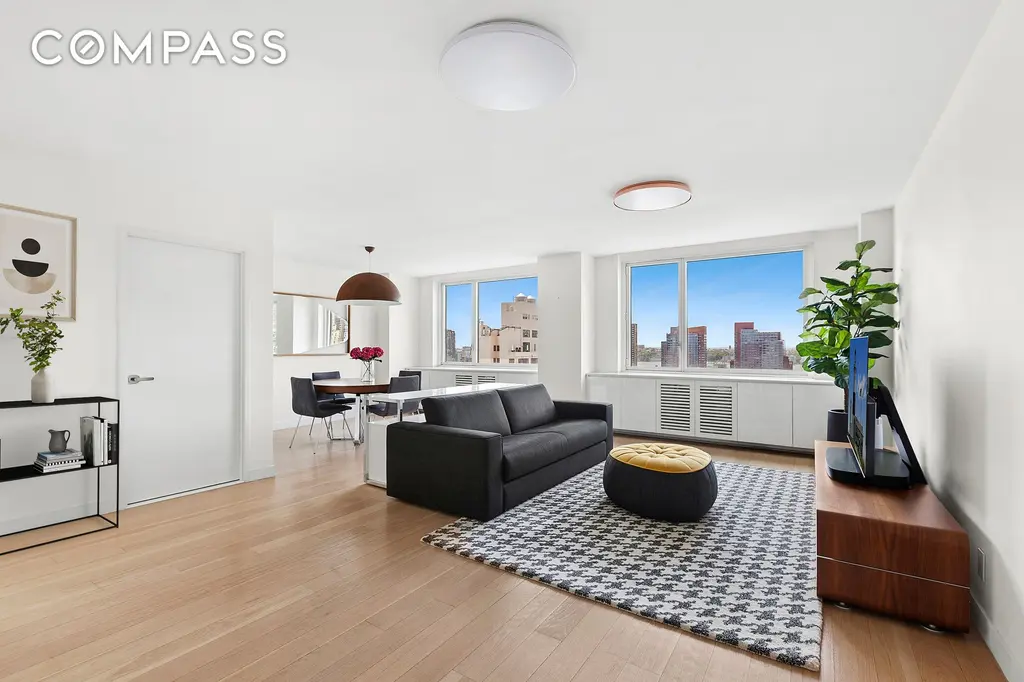
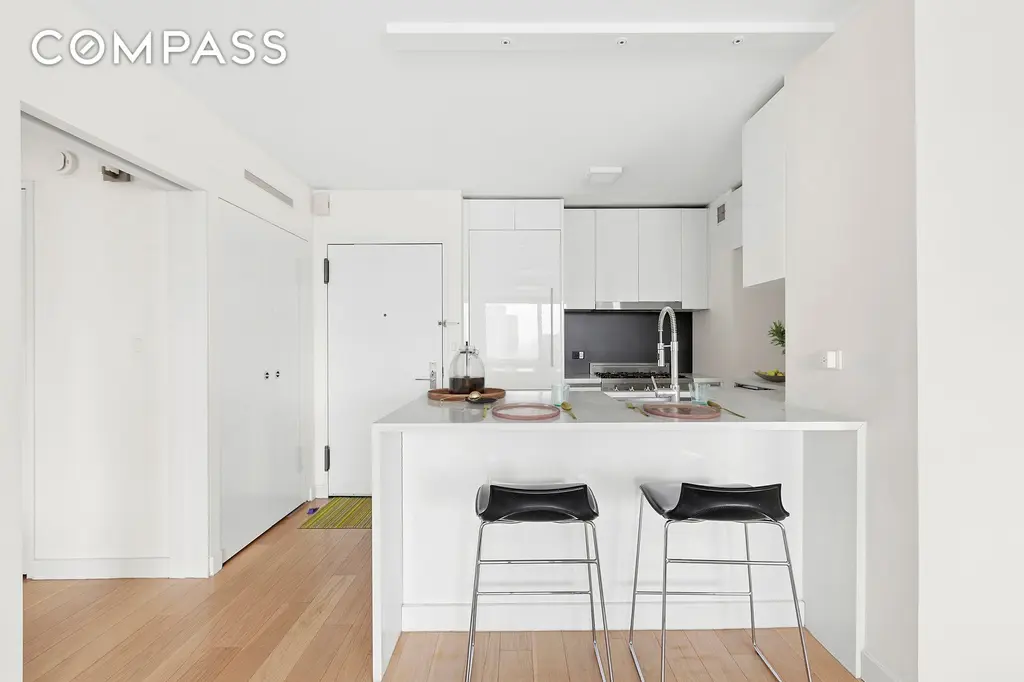
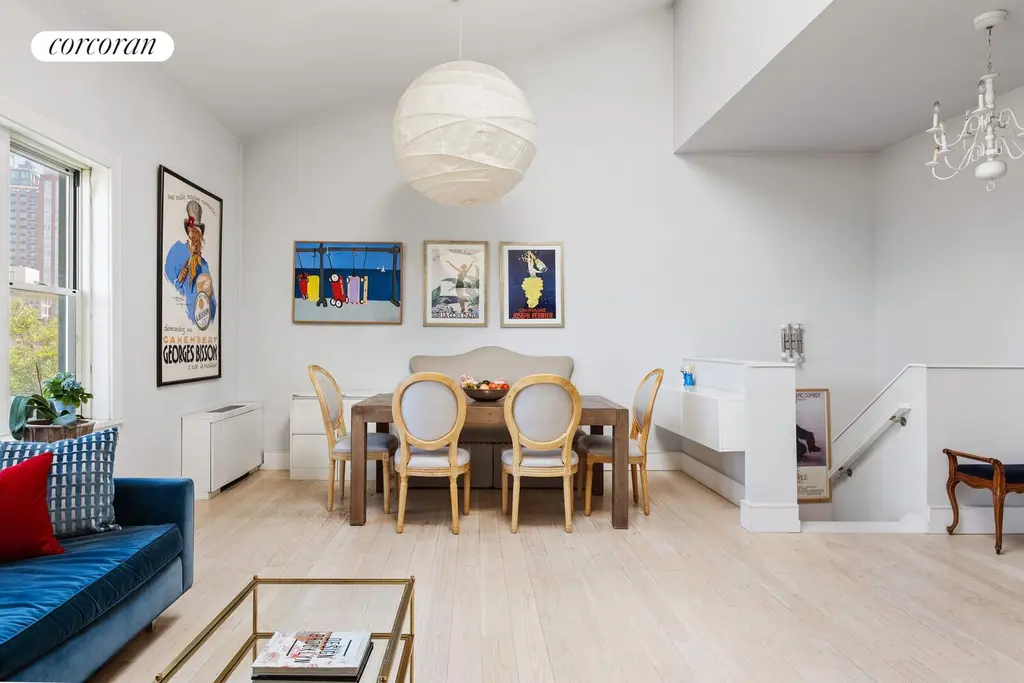
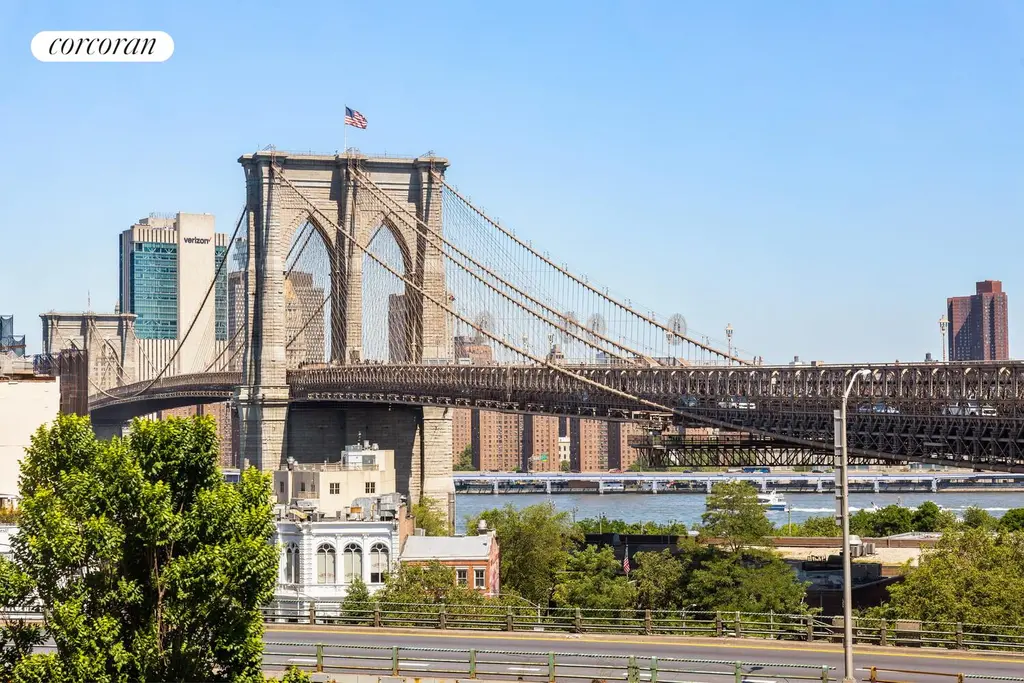
Active listings in buildings with on-site parking

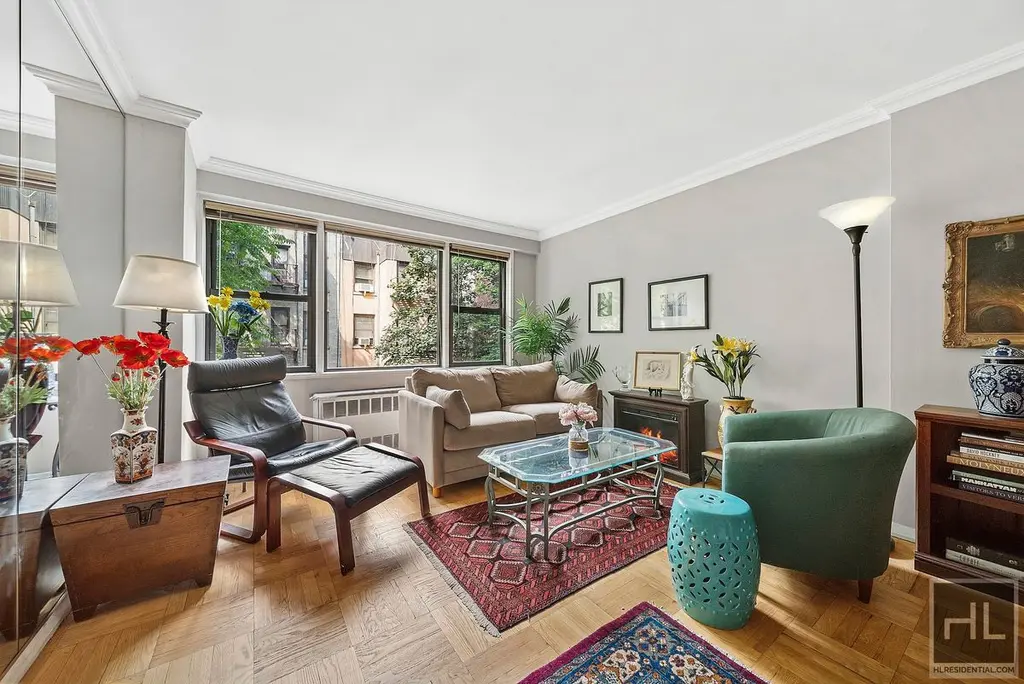
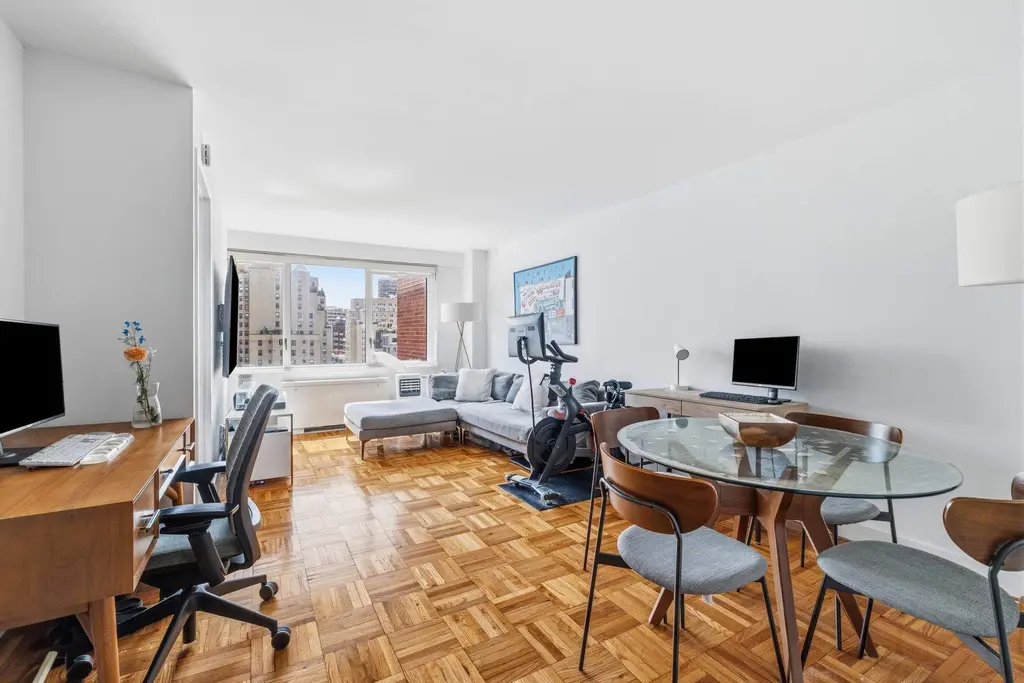
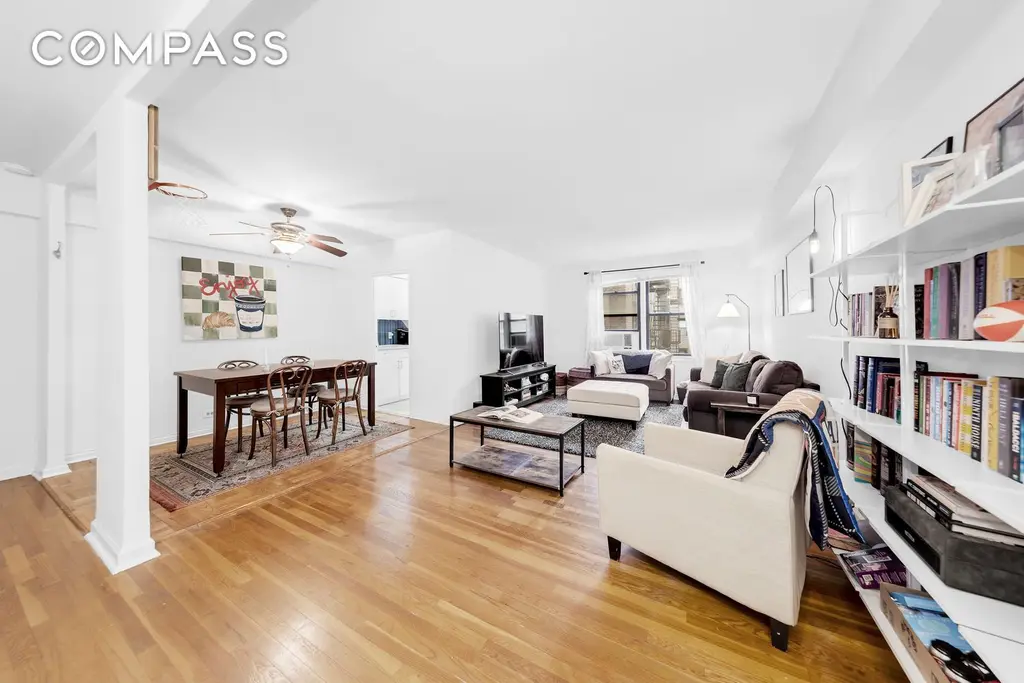
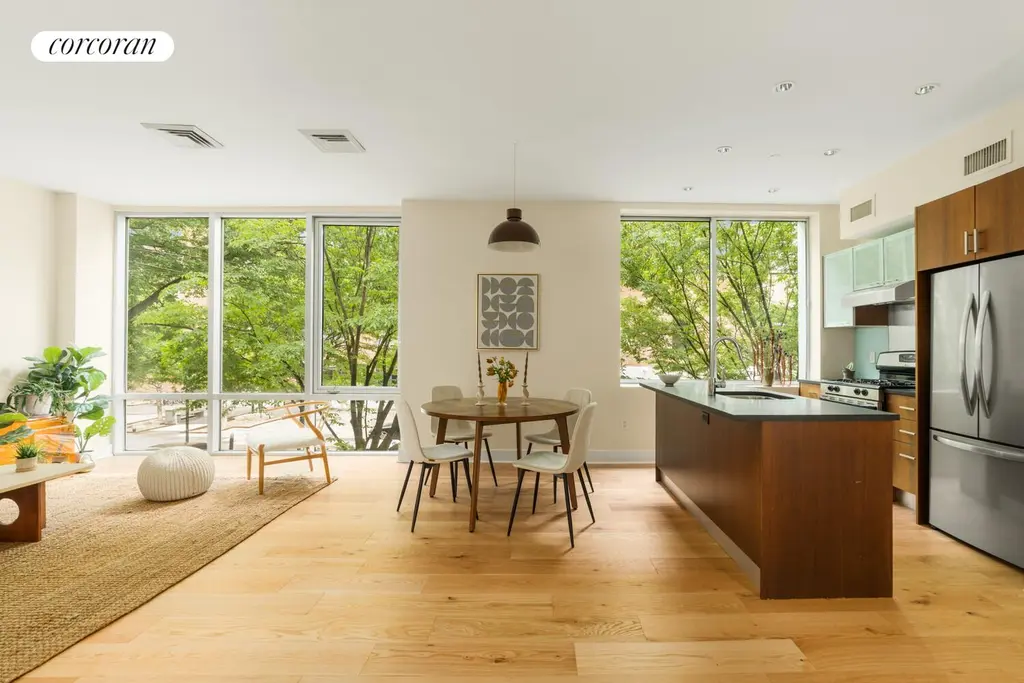
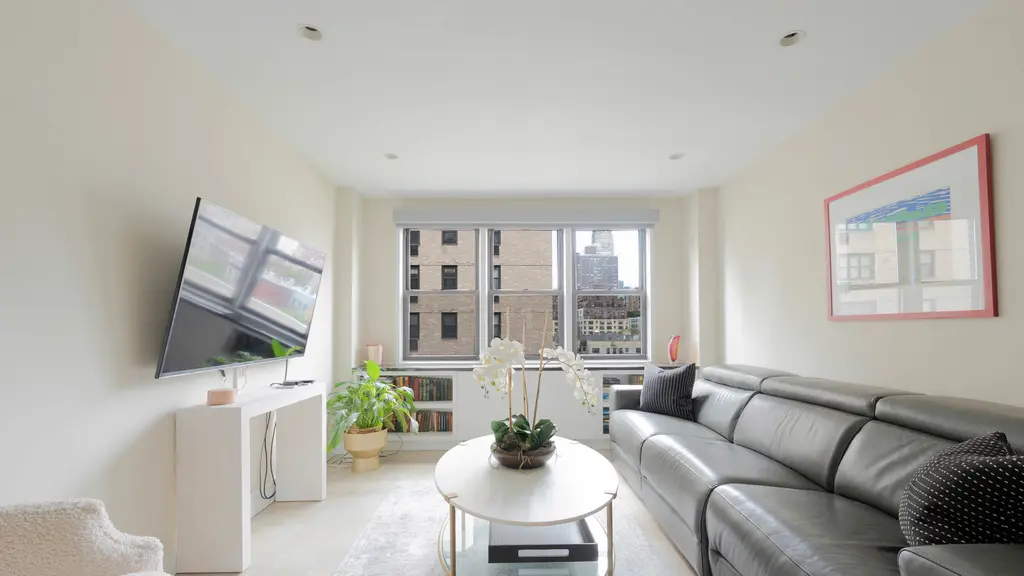
The Rutland, #2C
$550,000 (-17.9%)
Prospect Lefferts Gardens | Condominium | 1 Bedroom, 1 Bath | 531 ft2
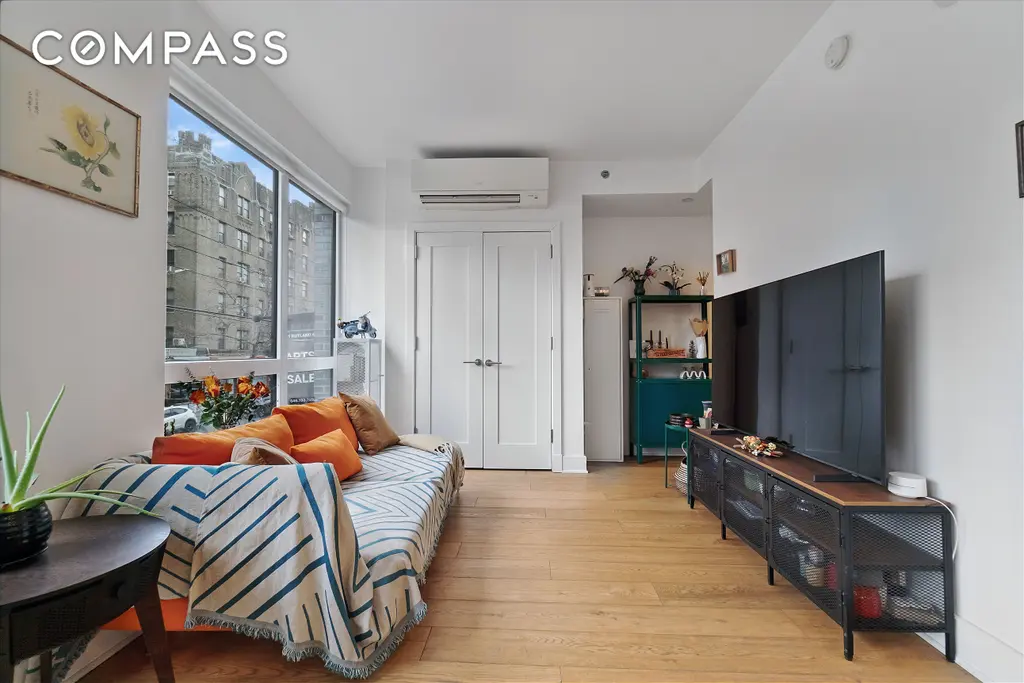
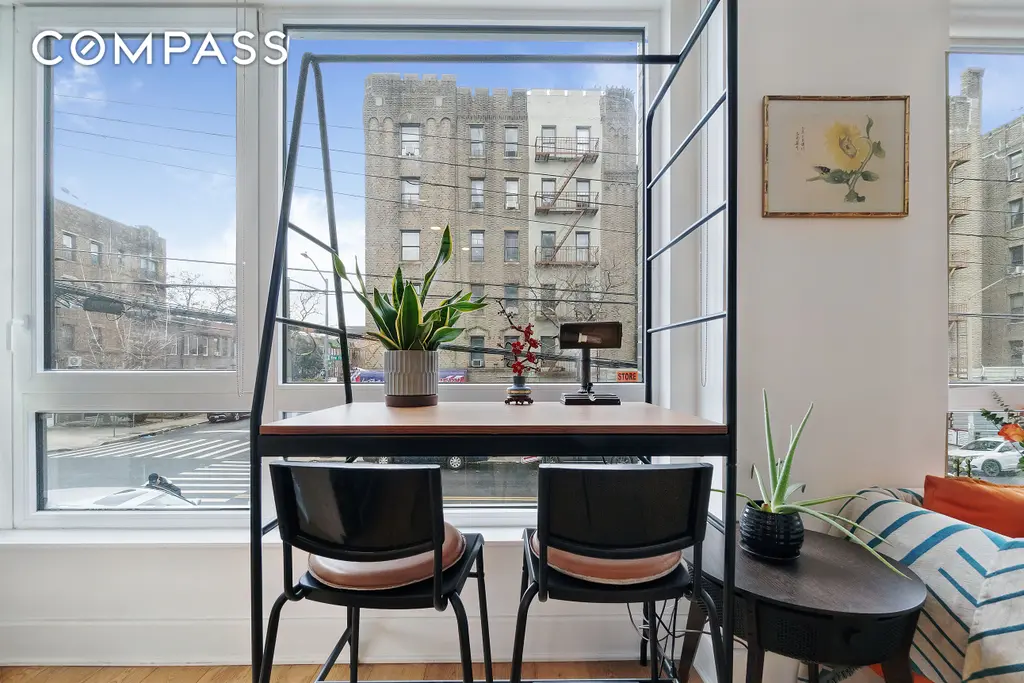

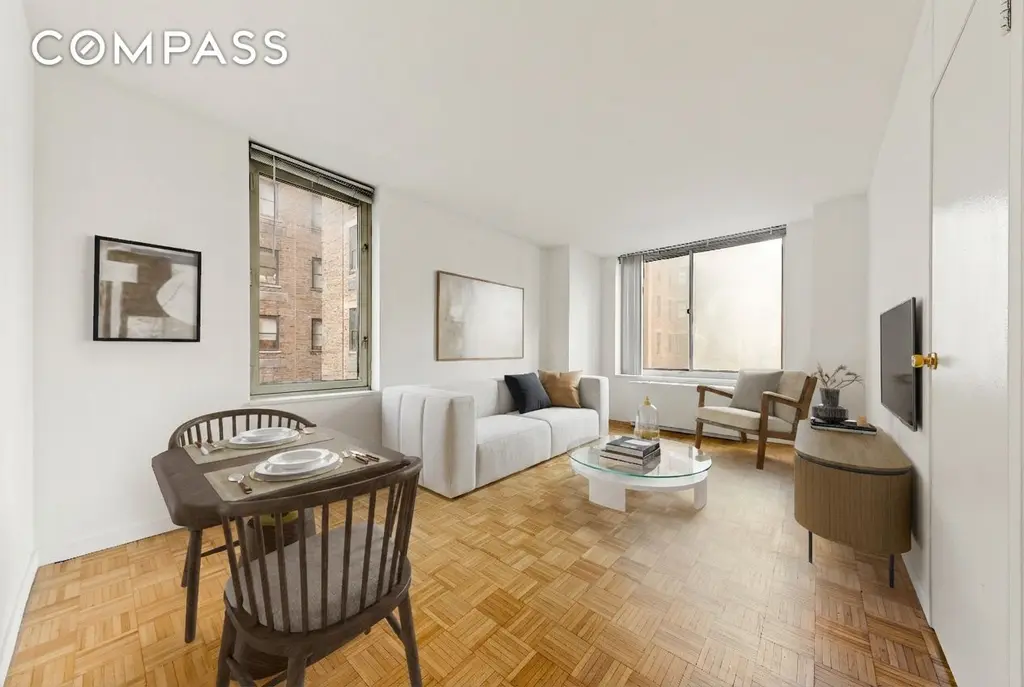


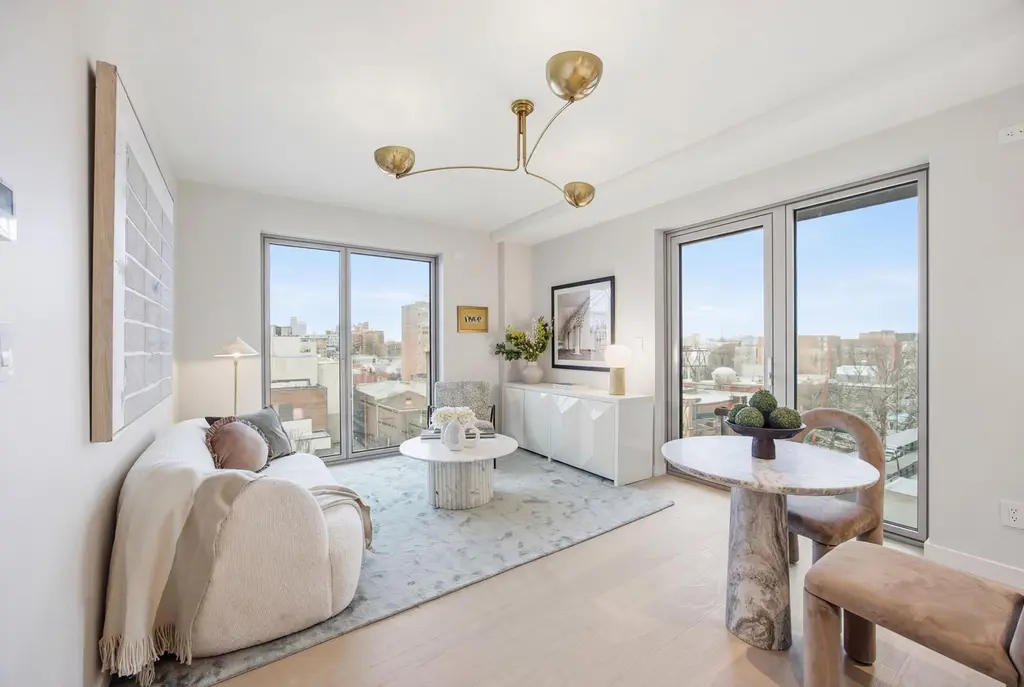

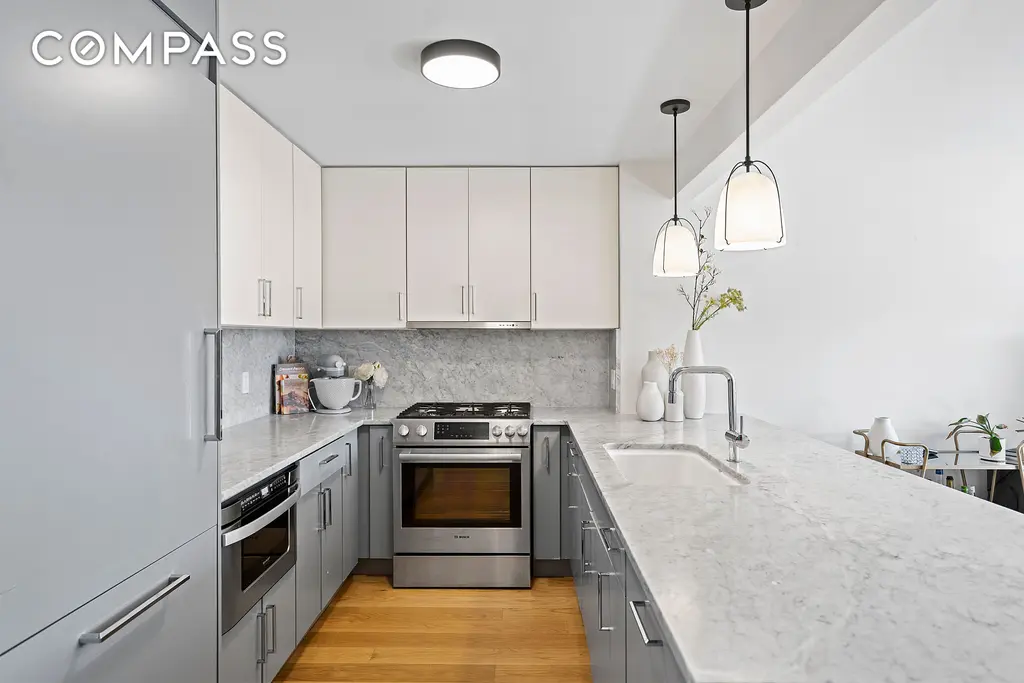
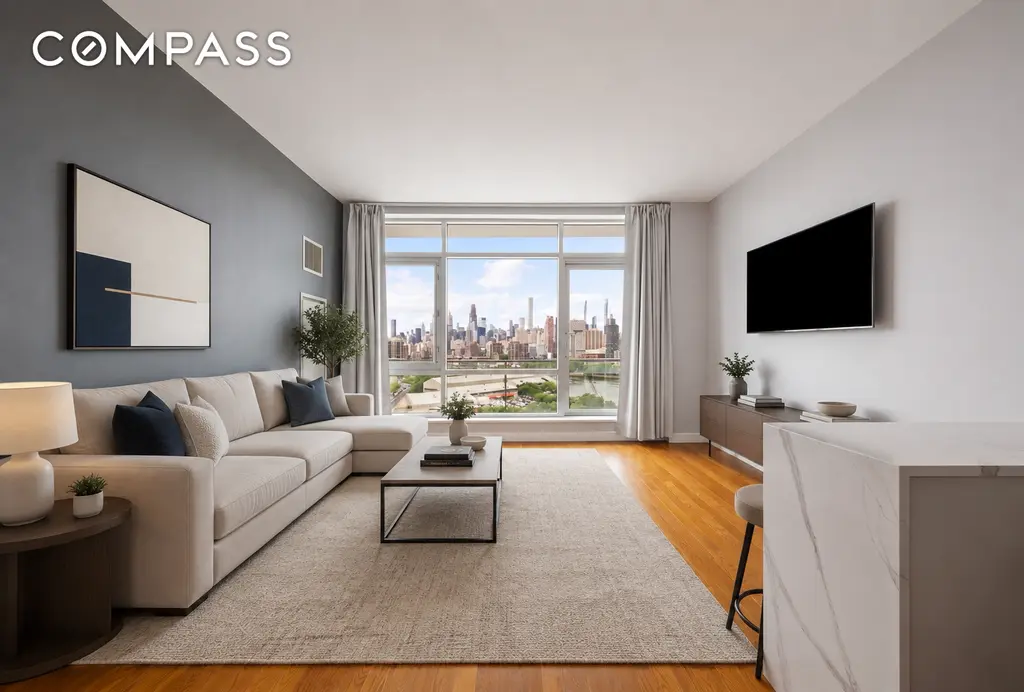
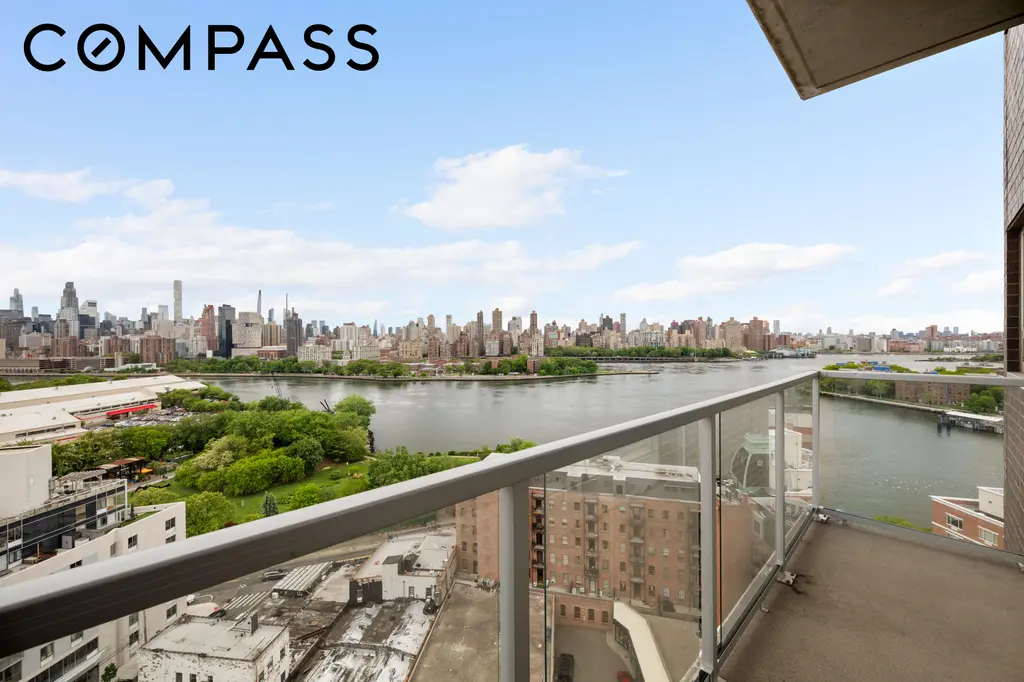
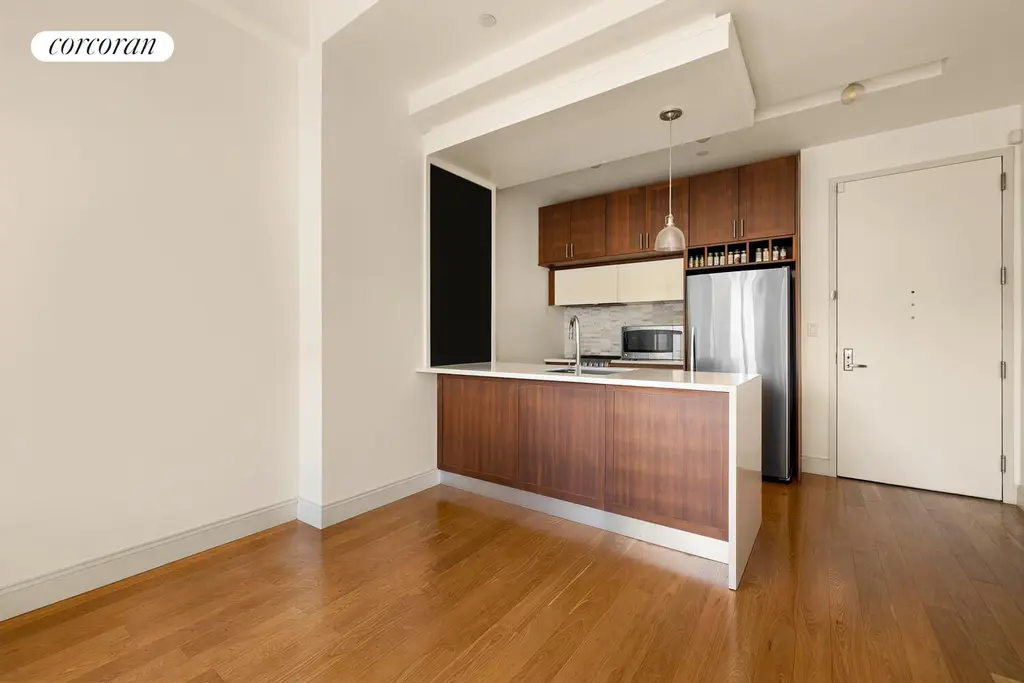
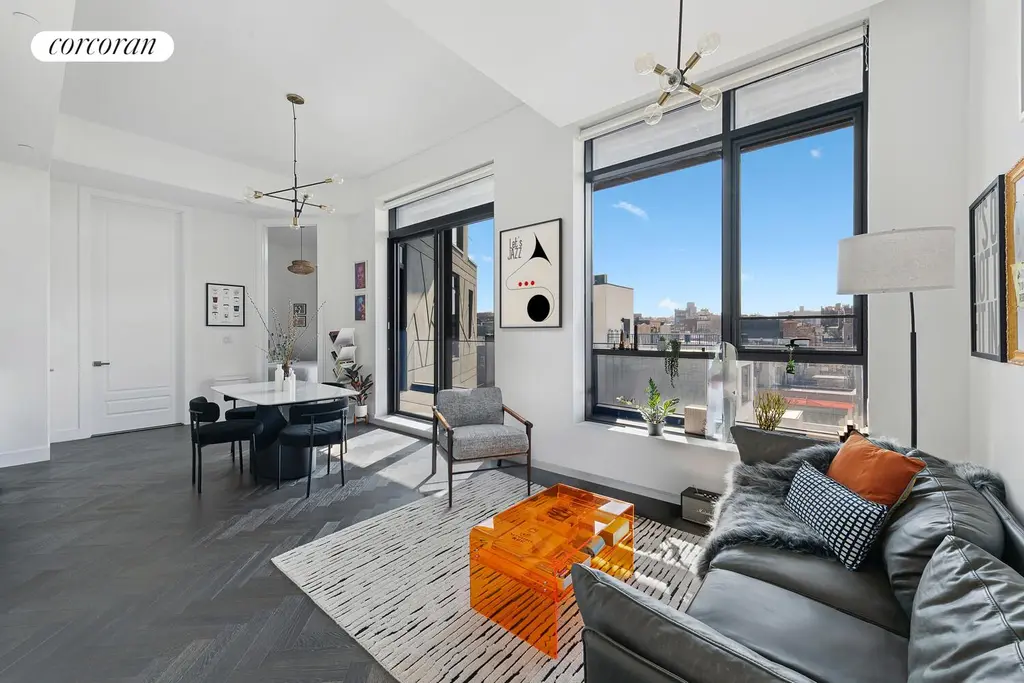
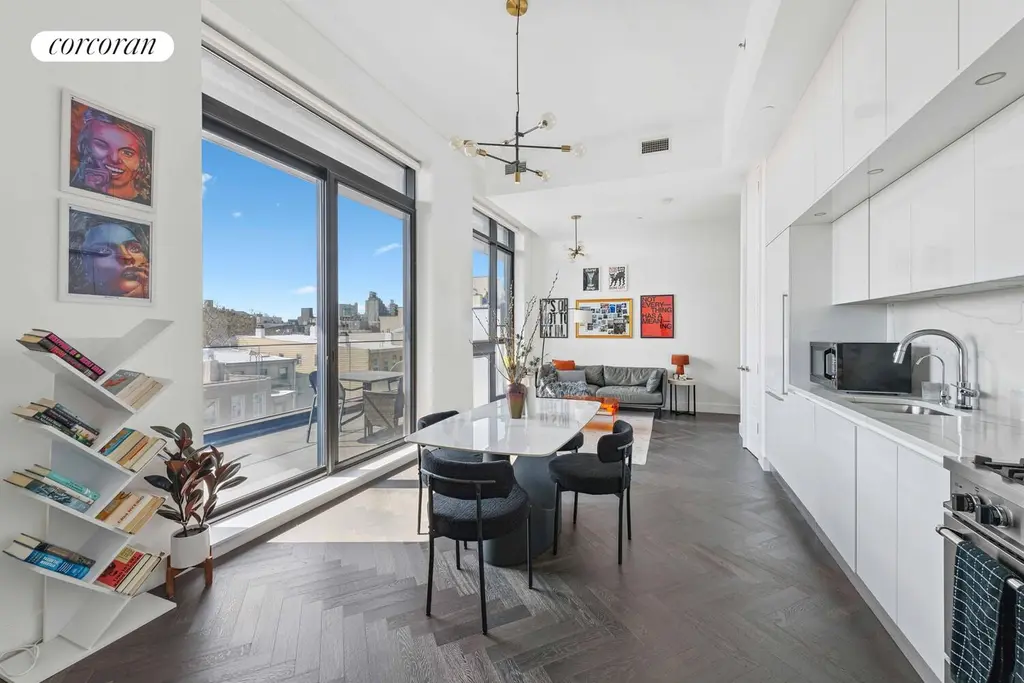
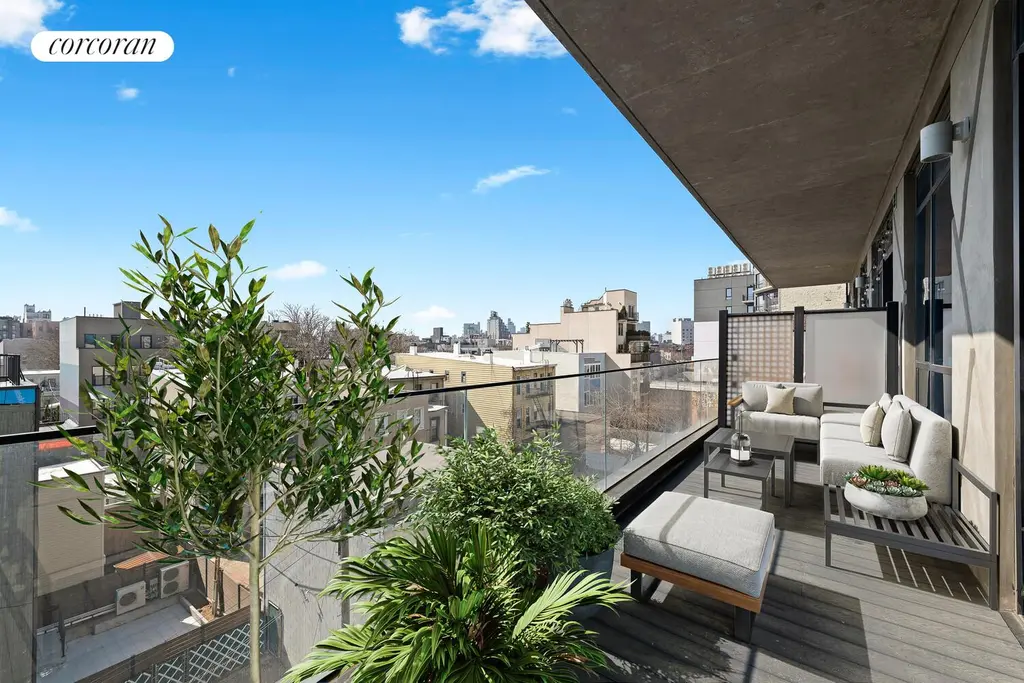
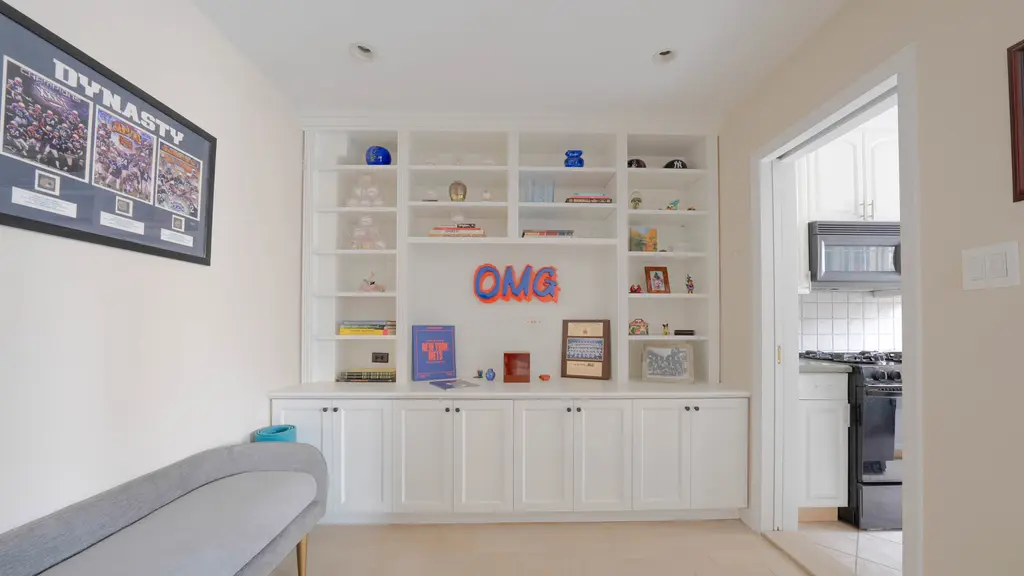
Forty2East Condominiums, #4E
$910,000 (-4.2%)
Williamsburg | Condominium | 1 Bedroom, 1 Bath | 620 ft2






Related Articles

The pros and cons of buying an HDFC apartment + New listings include an ultra-chic East Village co-op
Thursday, July 16, 2026
Could SROs help New Yorkers find affordable housing? + The best $500K buys in Manhattan today
Tuesday, July 14, 2026
What New York’s transparency bill could mean for whisper listings + Public listings with open houses
Friday, June 12, 2026
What the pied-à-terre tax could mean for Manhattan prices + NYC penthouse listings from $499K
Friday, June 12, 2026
Above the Crowd: NYC apartments with skyline views as observation deck boom reaches new heights
Wednesday, June 10, 2026
Sales launch at 256 East 4th Street; New boutique East Village condo on former synagogue site
Wednesday, June 3, 2026Pre-war vs. Post-war: Pros, cons, and featured listings
Wednesday, May 27, 2026

 6sqft delivers the latest on real estate, architecture, and design, straight from New York City.
