
The city’s environmental ambitions extend well beyond individual behavior. Mandatory curbside composting took effect last year on April 1, 2025, diverting nearly 4 million pounds of waste from landfills. Congestion pricing has further reduced environmental strain, with approximately 5.8 million fewer vehicles entering the tolled zone in its early months. The program has also generated $159 million in revenue, which is being directed to the Metropolitan Transportation Authority for system upgrades, including improvements to subway service and the expansion of a zero-emissions bus fleet.
In this article:
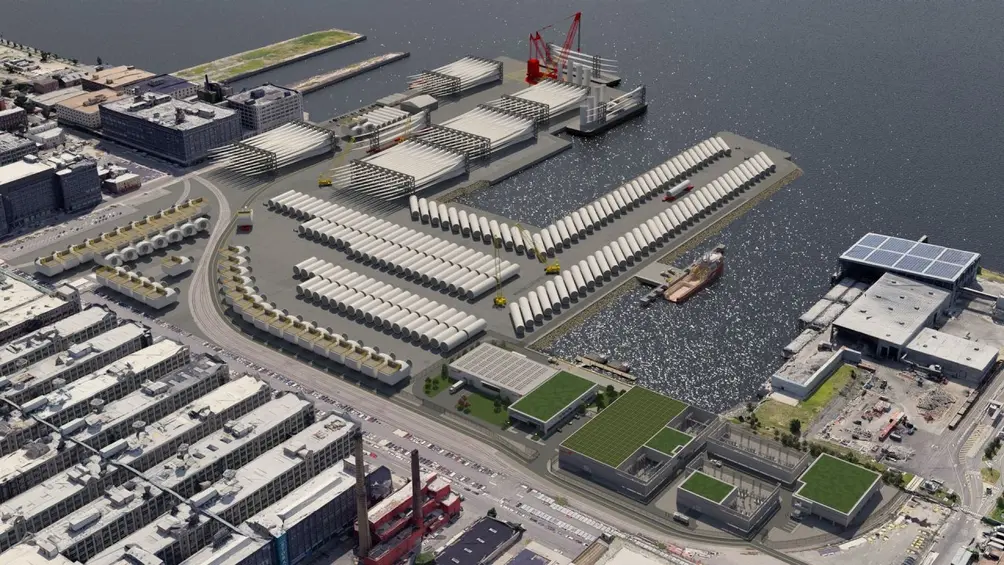 A rendering of the South Brooklyn Marine Terminal's operations and maintenance hub for the production of offshore wind farms. The $5 billion project was recently stalled by the Trump administration.
These efforts are part of a broader strategy to meet New York City’s targets of 100 percent clean electricity by 2040 and carbon neutrality by 2050. In 2022, former mayor Eric Adams announced plans to transform the South Brooklyn Marine Terminal into one of the country’s largest offshore wind port facilities, with construction expected to begin in the near term. In Queens, the Astoria Gas Turbines site is being repurposed as a converter station to support offshore wind energy.
More recently, the Department of Citywide Administrative Services, the Department of Environmental Protection, and the New York Power Authority announced a major solar installation at the Wards Island Wastewater Resource Recovery Facility. Construction is scheduled to begin this June, with completion anticipated in 2027. Once finished, it is expected to be the largest clean energy installation of its kind in the world.
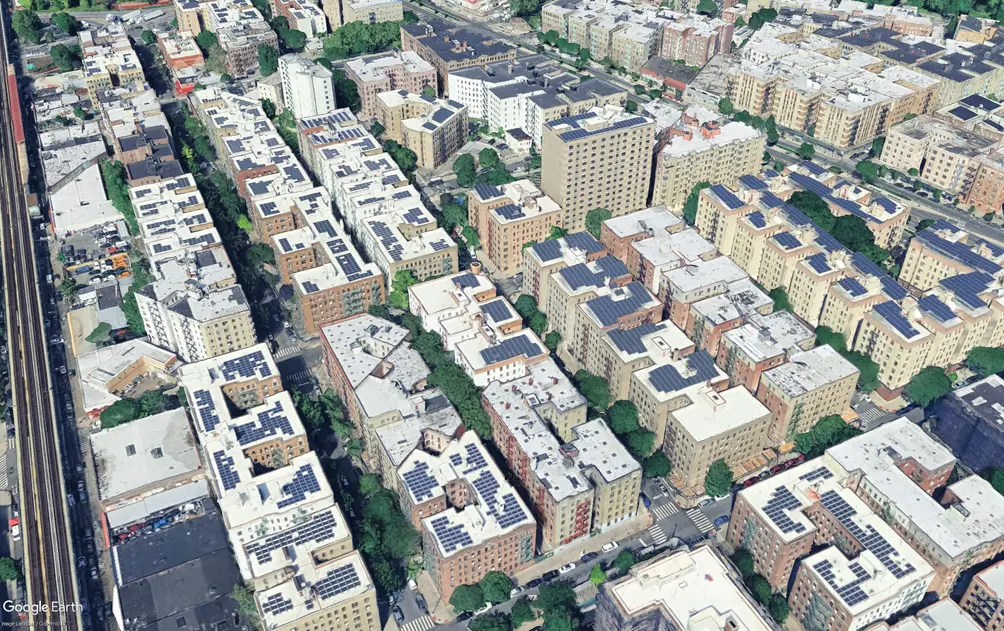 Aerial view of area of the east Bronx where hundreds of buildings have received rooftop solar farms over the last decade
New York’s building stock remains the city’s largest source of carbon emissions, but policy and market forces are beginning to reshape that reality. In December 2023, the City Council approved City of Yes for Carbon Neutrality, a package of zoning reforms designed to facilitate the addition of climate-conscious features such as solar panels, electric vehicle charging stations, and improved insulation. The legislation was passed just ahead of the first compliance deadline for Local Law 97, which requires buildings over 25,000 square feet to reduce emissions by 40 percent by 2030 and 80 percent by 2050.
The city has also begun addressing sustainability at the public housing level. Earlier today Mayor Mamdani announced plans to install heat pumps, electric stoves, solar panels, and EV charging infrastructure across thousands of NYCHA apartments in a multi-year effort to improve both efficiency and livability.
At the same time, a growing number of new developments are incorporating sustainable design and construction practices. Many are built to high environmental standards, if not fully Passive House certified, and feature energy-efficient systems, green roofs, and electric vehicle infrastructure. These measures no longer come at the expense of design or comfort. For a segment of the market, terms such as “LEED Certified” and “Passive House” have become markers of both environmental awareness and modern luxury. As the urgency of climate change becomes increasingly apparent, attention is turning to how these standards differ and how they are being applied in residential development across the city.
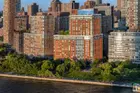
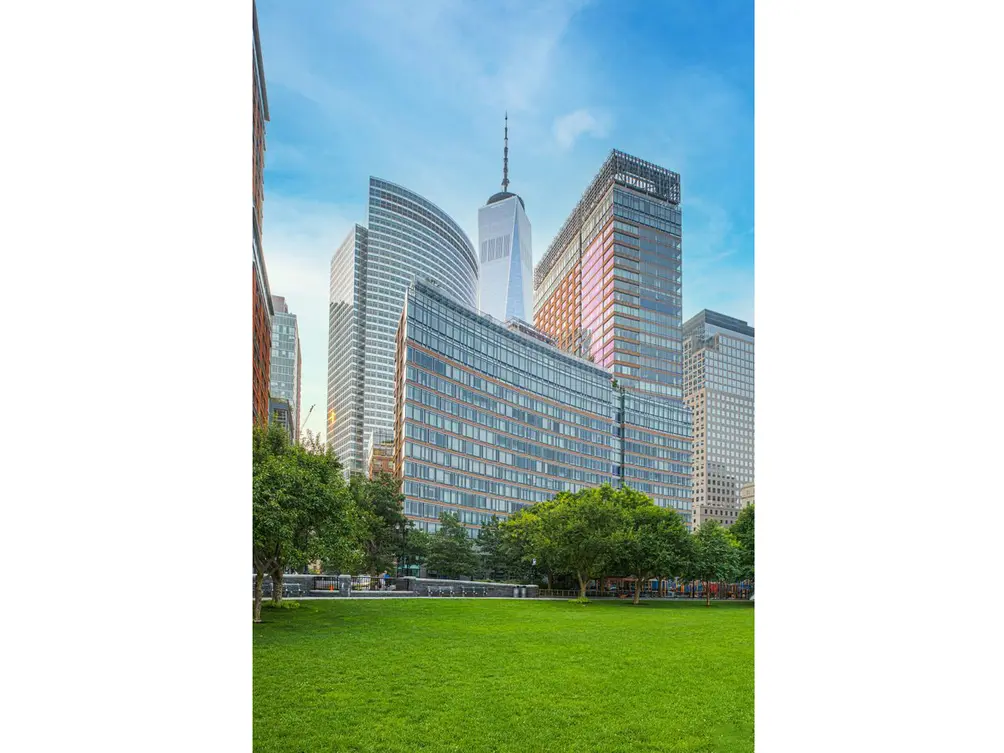
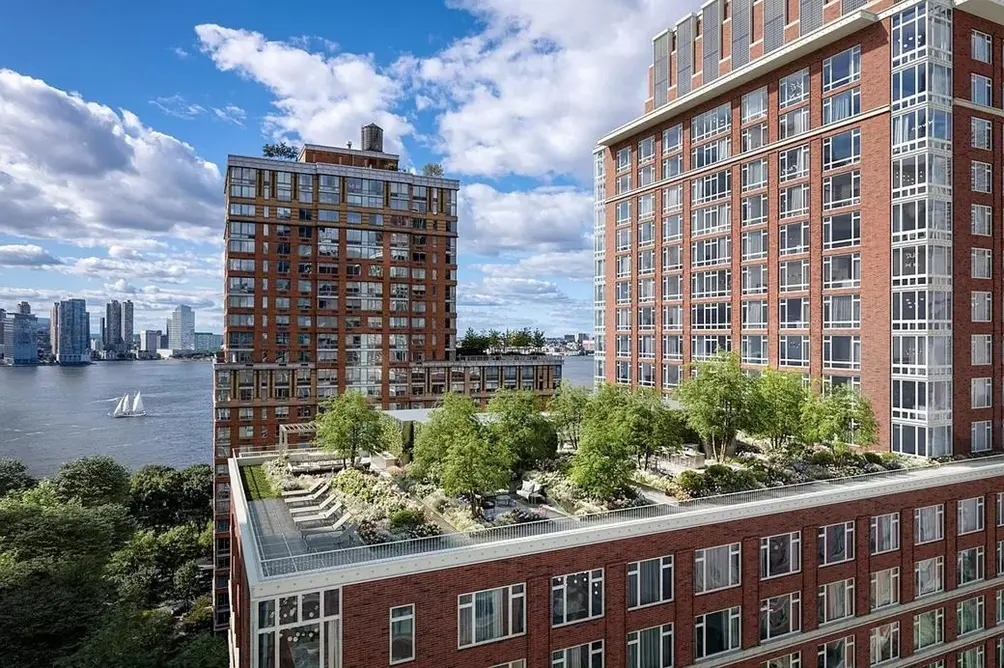 Tribeca Green in Battery Park City
How to Find a Green Building: LEED Certification
Over the past 25 years, the U.S. Green Building Council (USGBC)'s Leadership in Energy and Environmental Design (LEED) system has become the gold standard for gauging the environmental friendliness of a building. Somewhat like the more familiar USDA label used to certify organic products, LEED certifies that a building has been developed following a set of sustainability principles, which include the following:
- Location and Transportation: Does the building offer easy access to public transportation, a car sharing service, like Zipcar, or provide onsite bicycle storage?
- Sustainable Sites: Does the site allow for rainwater management or light pollution reduction? \
- Water Inefficiency: Does the building include water reduction strategies?
- Energy and Atmosphere: Does the building meet energy performance standards?
- Materials and Resources: Does the building have a recycling program and a demolition and construction waste management plan?
- Indoor Environmental Quality: Does the building meet air quality performance standards and maximize natural resources, including daylight?
- Innovation: Does the building feature new technologies or materials designed to promote sustainability?
- Regional Priority: Has the project been designed to address local environmental challenges?
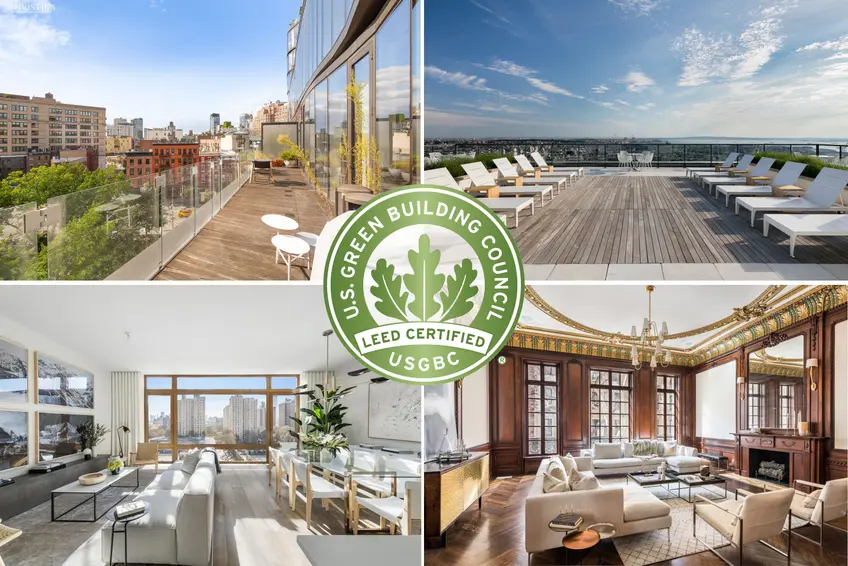
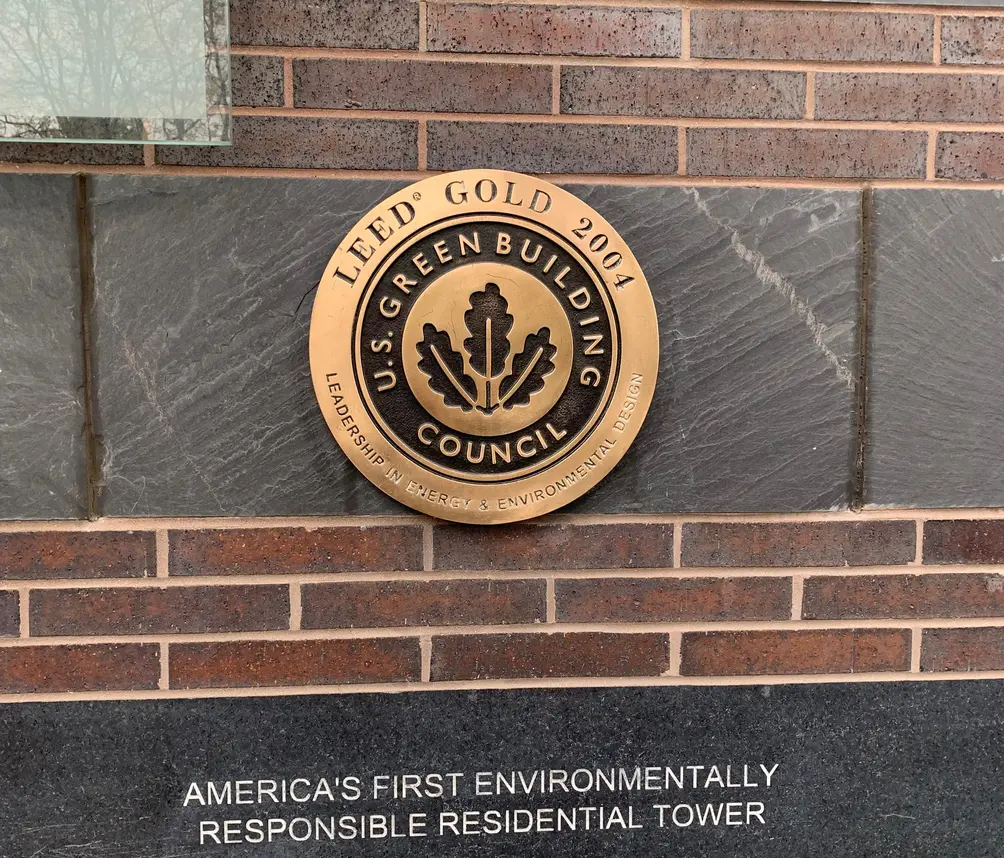 Many buildings have a seal like this one at The Solaire (April 2024 - CityRealty)
Burney, now a professor of architecture at the Pratt Institute, explains that despite the fact that public sector projects took the lead in terms of sustainability, the landscape is changing: “Since the widespread implementation of the USGBC LEED accreditation system, most large new buildings and major renovations apply for LEED certification, both public and private.”
Passive House certification
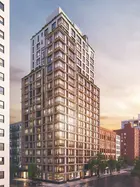
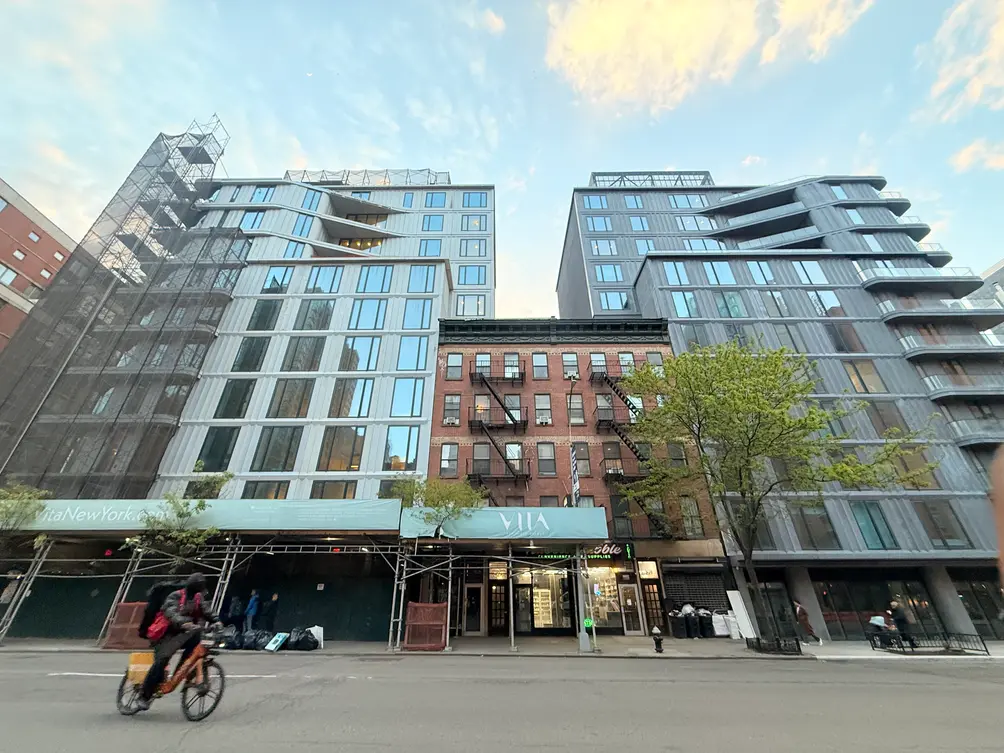 VITA, a two-building Passive House condominium development (Manhattan's largest) wrapping up construction on Ninth Avenue (April 2026)
Where to Find Sustainable Residential Buildings in NYC
Below, see a selection of six private and public residential properties informed by the principles of sustainable design. Notably, the projects range from LEED certified and Passive House developments to developments that have prioritized sustainable design principles but chosen not to seek either certification. We also look at listings in sustainably designed buildings throughout New York City.
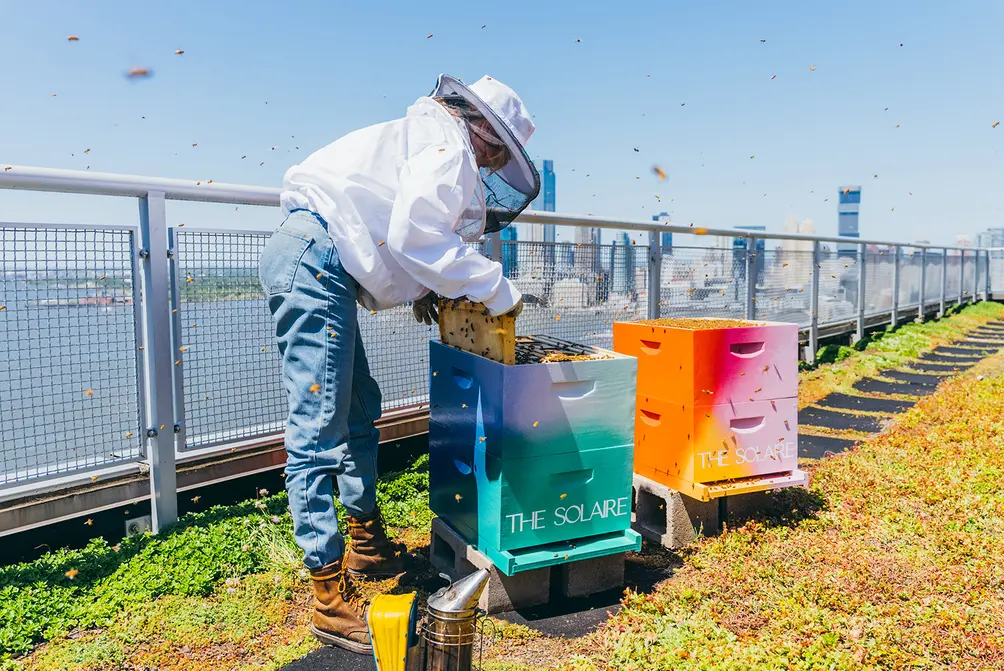 Beekeeper tending to The Solaire's hives (Laura Randall/Optimist Consulting)
More recently, amidst its conversion from rental to sales units, The Solaire’s interiors were reimagined with noise-reducing Low-E casement windows and environmentally friendly appliances and finishes. And when residents move in, they are gifted a jar of honey harvested from the rooftop apiary – in recognition of the importance of honeybees to the food supply, Best Bees manages beehives on the roof of The Solaire (separate from the outdoor amenity space overlooking the Hudson River and Teardrop Park.
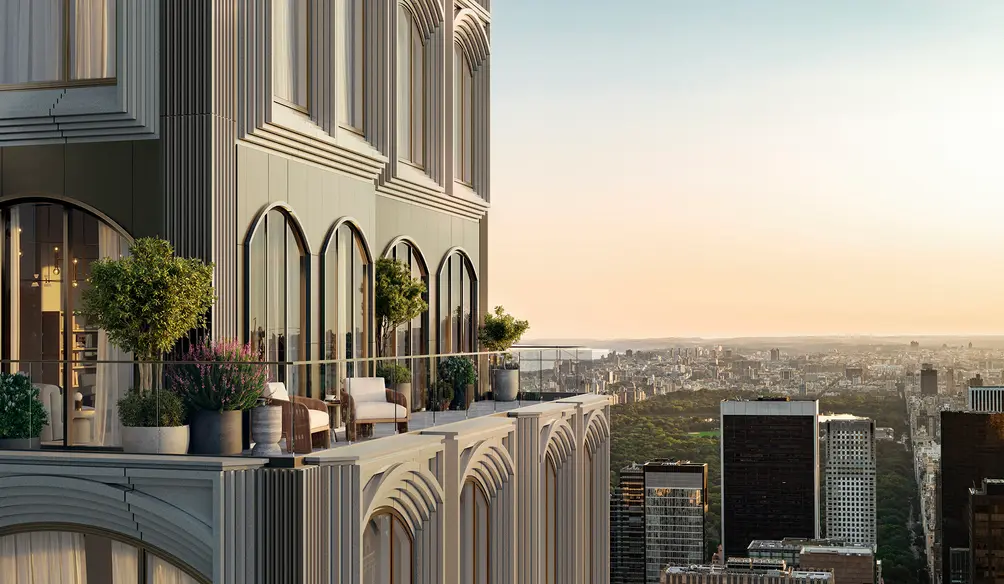 520 Fifth Avenue (Binyan Studios)
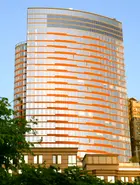
The Solaire, Battery Park City
20 River Terrace
Design by Pelli Clarke Pelli | Developed by Albanese Organization
Completed in 2003
LEED Gold Certified
11 availabilities from $675K
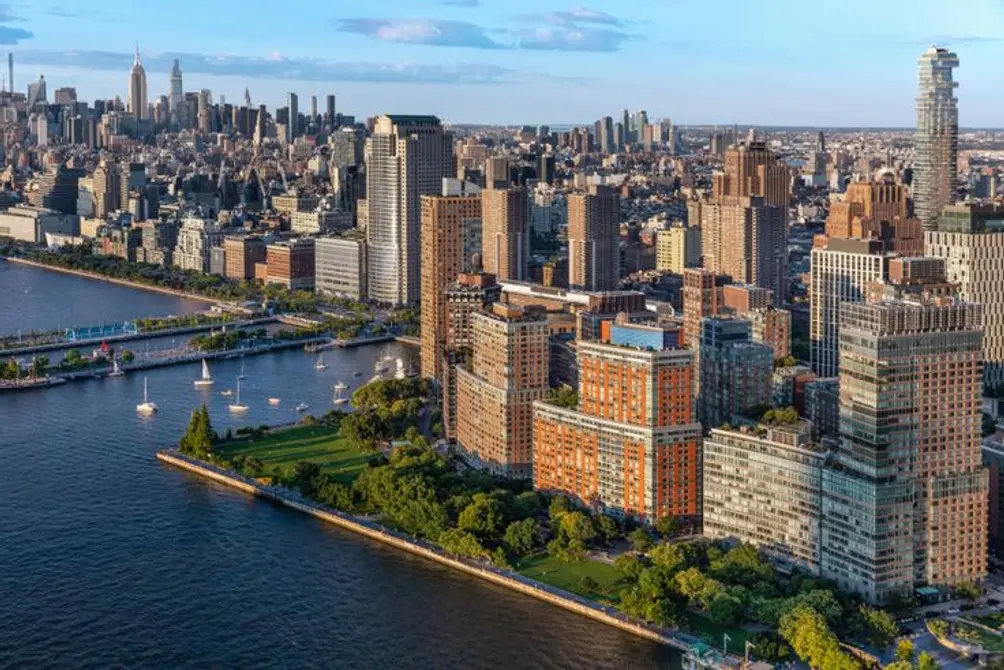 The Solaire (Evan Joseph)
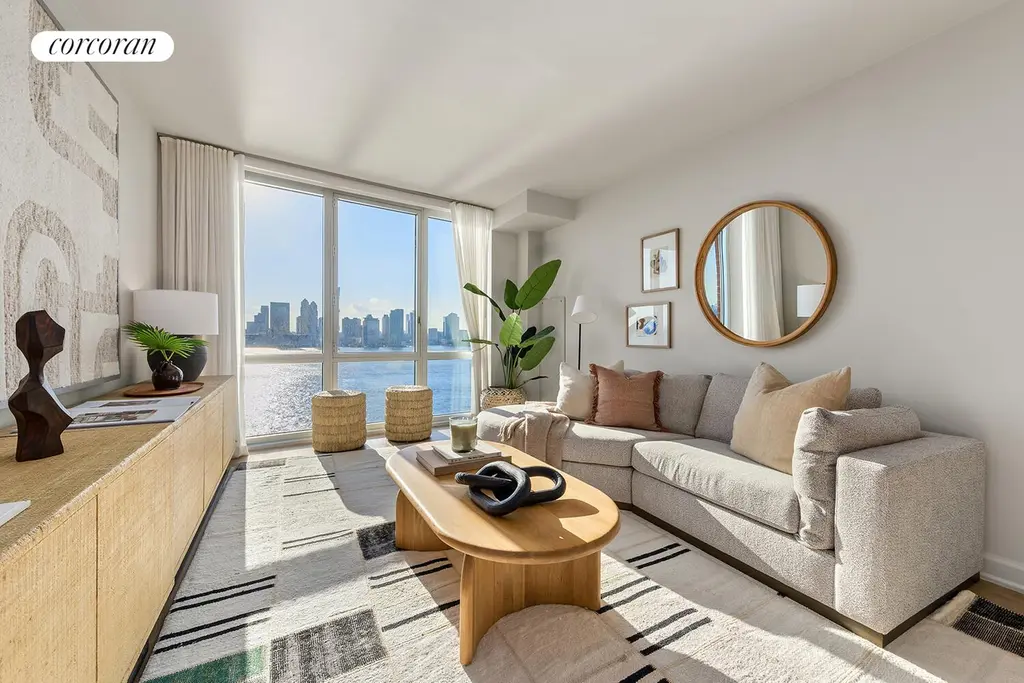
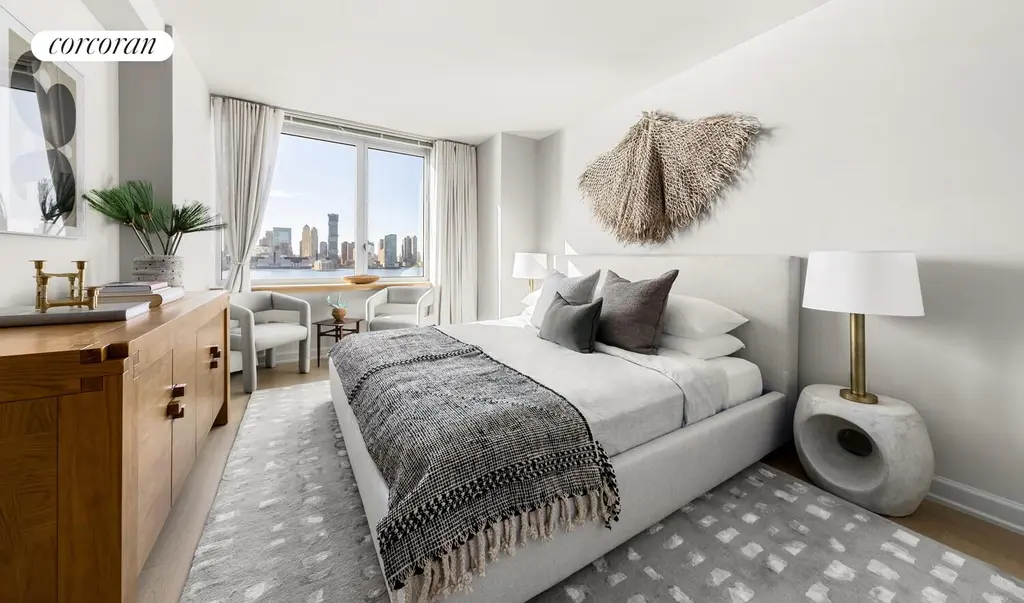
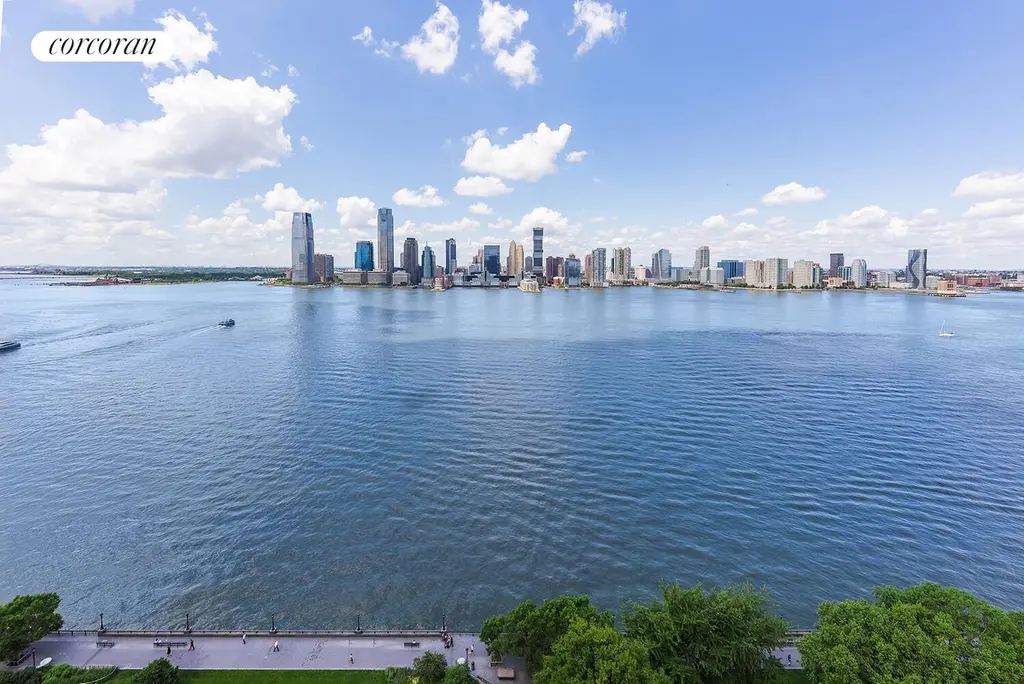
Tribeca Green, Battery Park City
210 Warren Street
Design by Robert A.M. Stern Architects | Developed by Related
Completed in 2004
LEED Gold Certified
2 availabilities from $999K
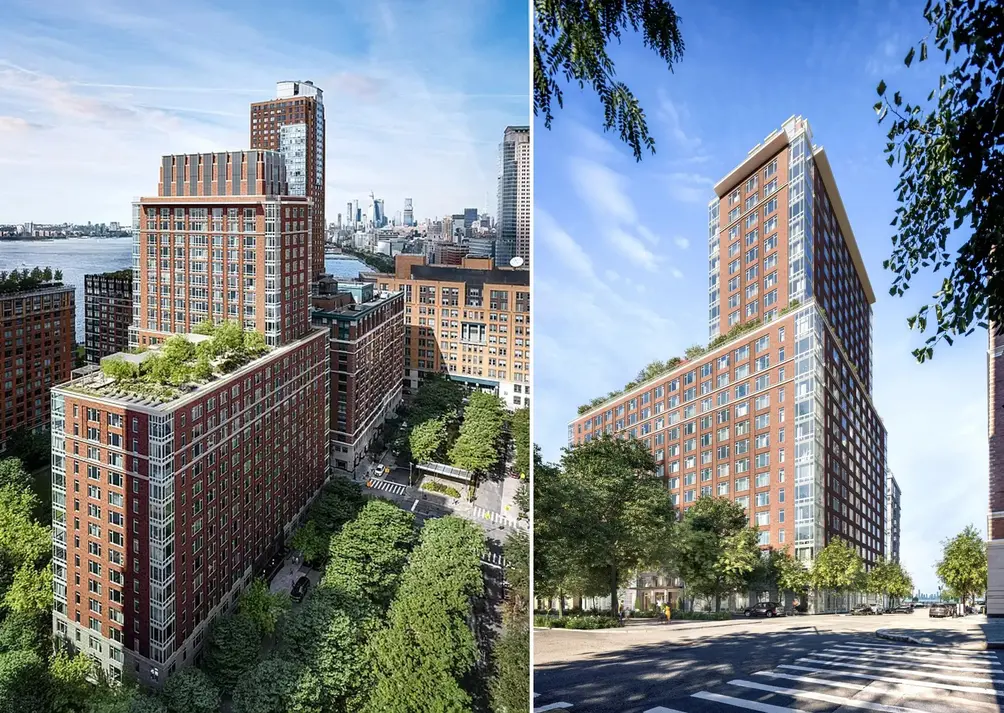 Tribeca Green
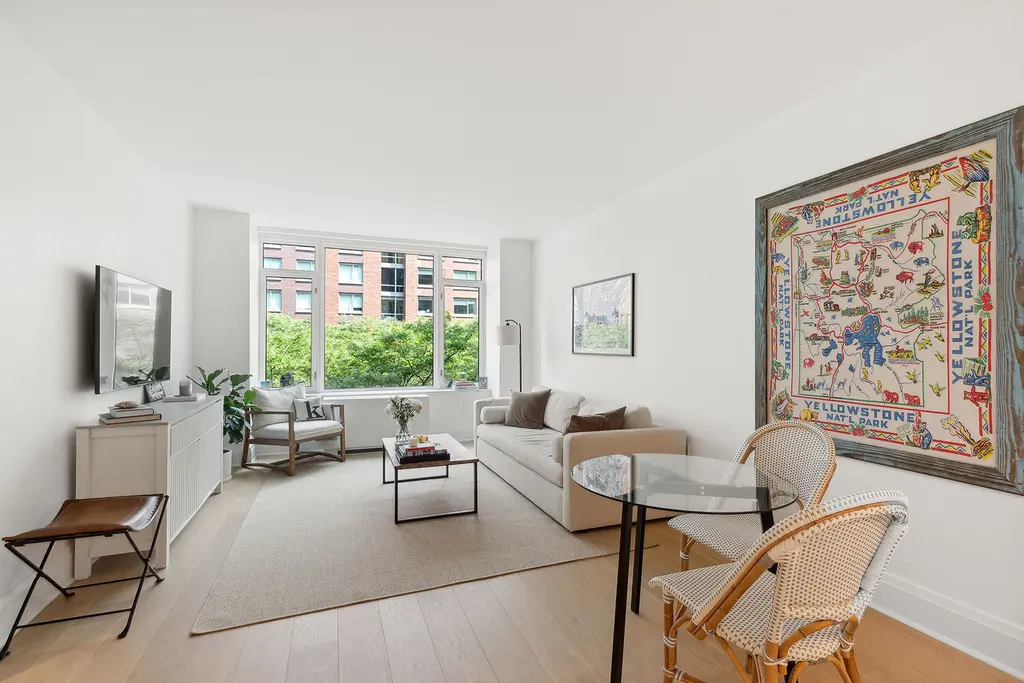
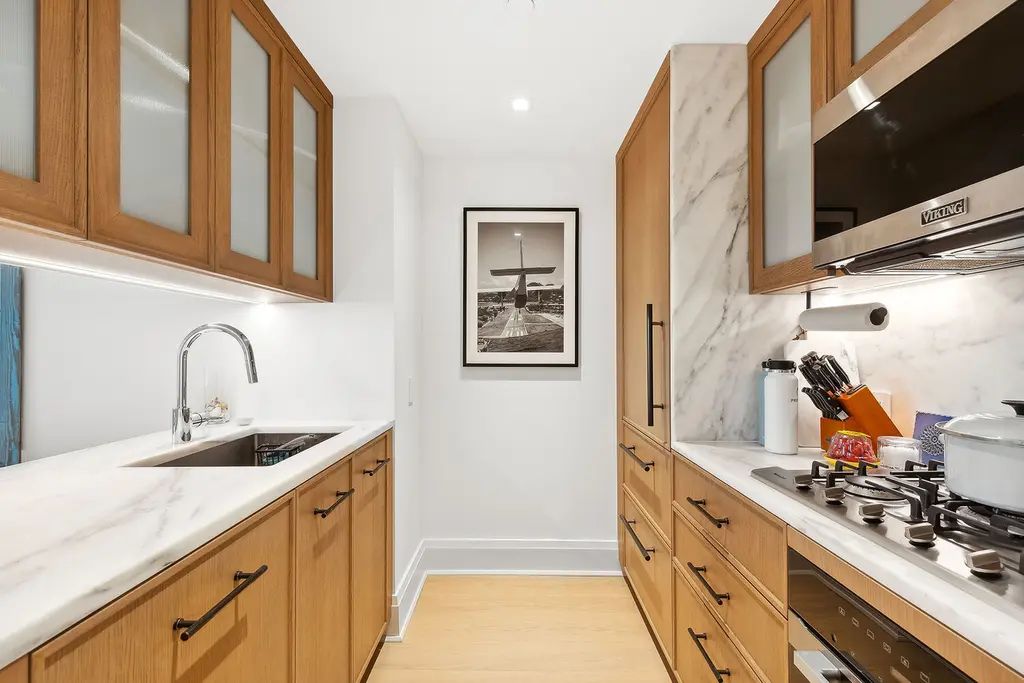
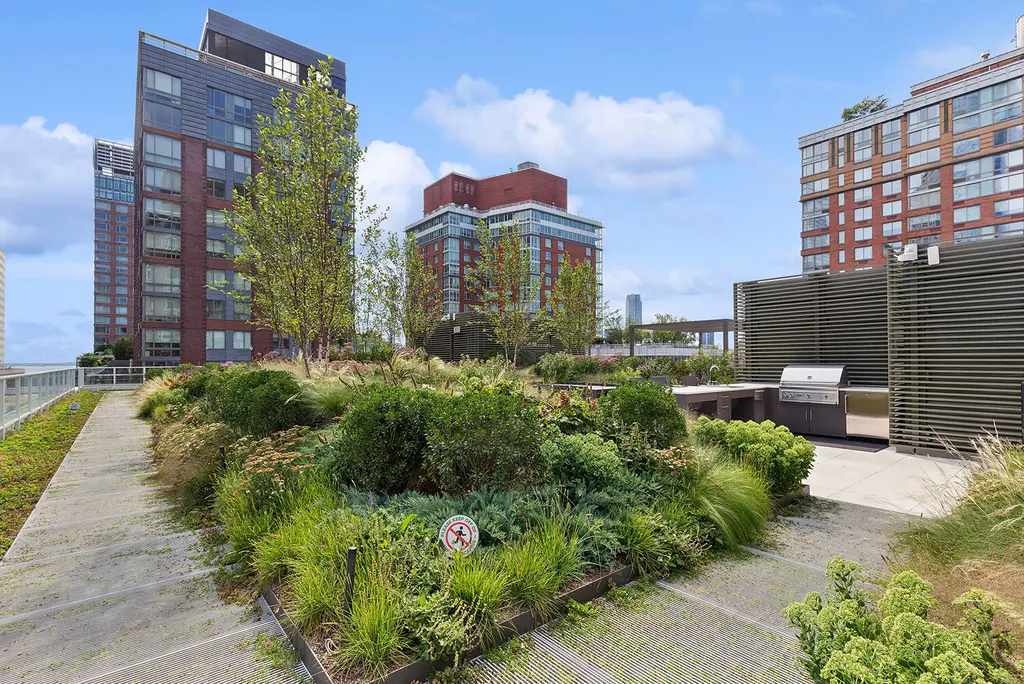
The Visionaire, Battery Park City
70 Little West Street
Design by SLCE Architects and Pelli Clarke Pelli | Developed by Albanese Organization and Starwood Capital Group
Completed in 2008
LEED Platinum Certified
9 availabilities from $1.23M
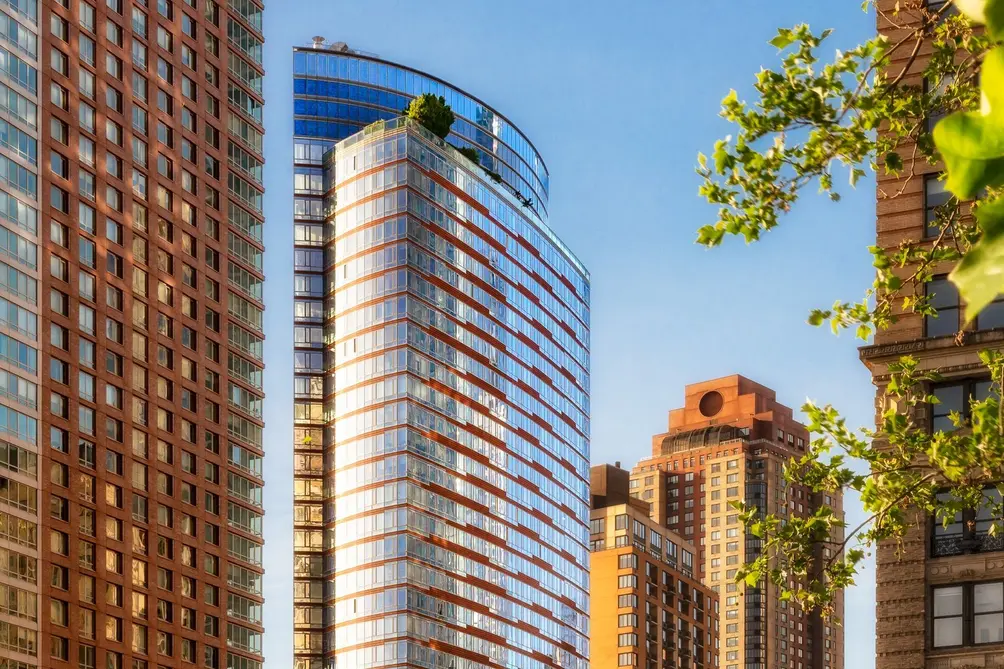 All images of The Visionaire via Corcoran
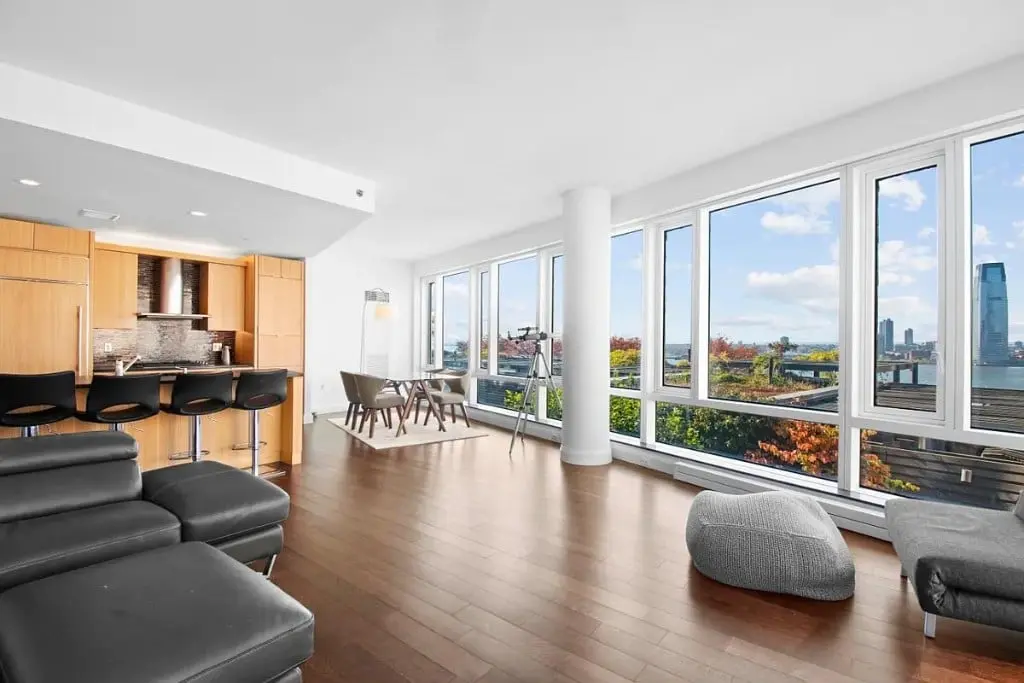
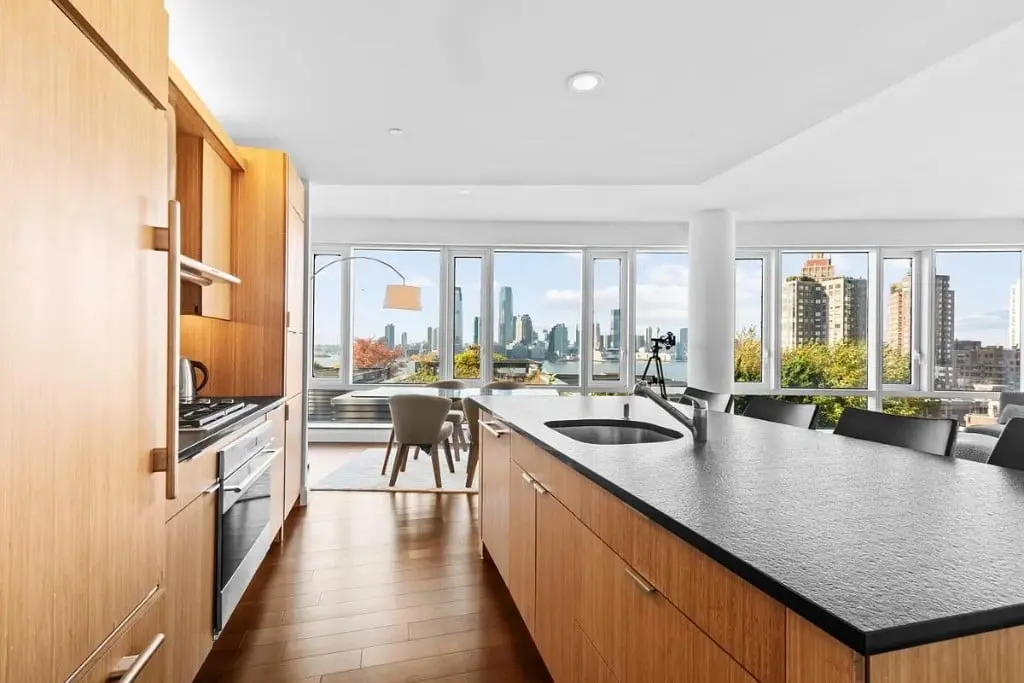
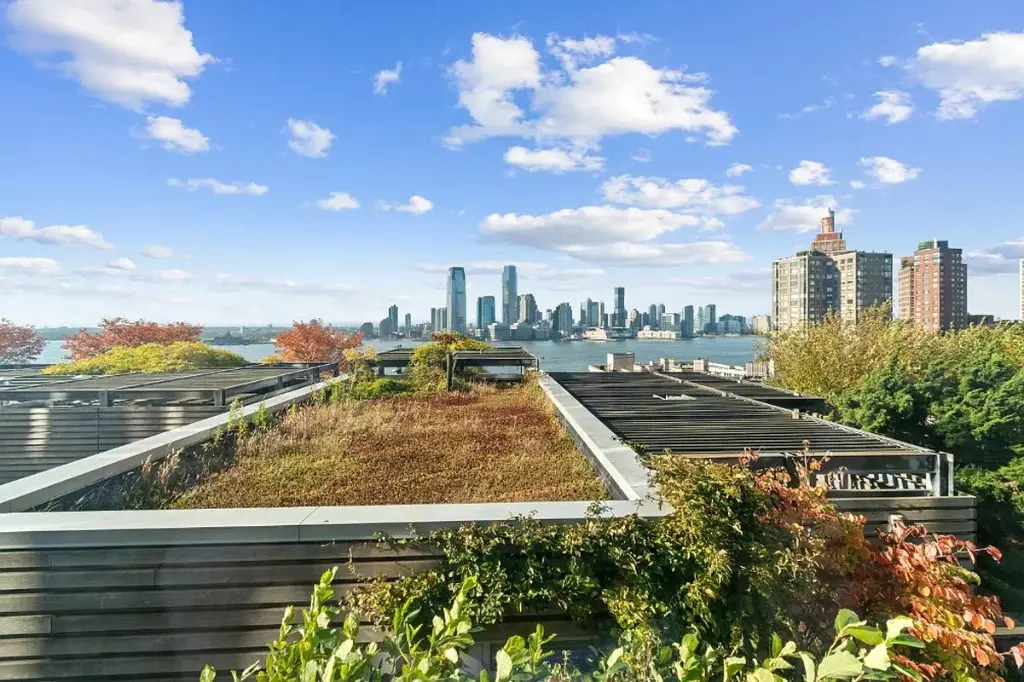
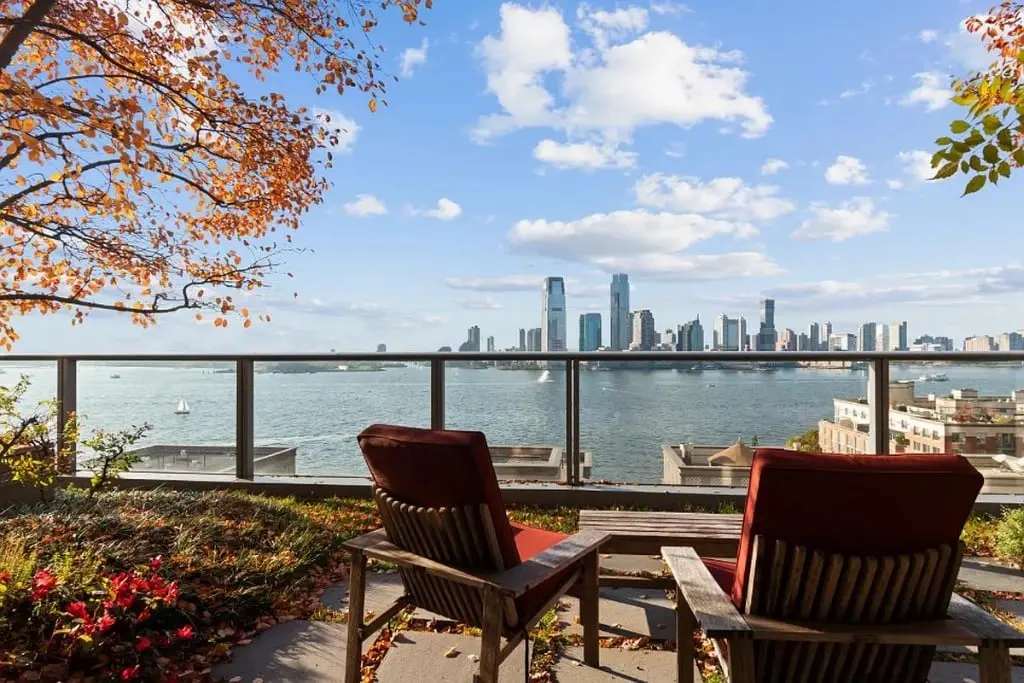
Riverhouse, Battery Park City
2 River Terrace
Design by Ennead Architects | Developed by Sheldrake Organization
Completed in 2008
LEED Gold Certified
5 availabilities from $2.45M
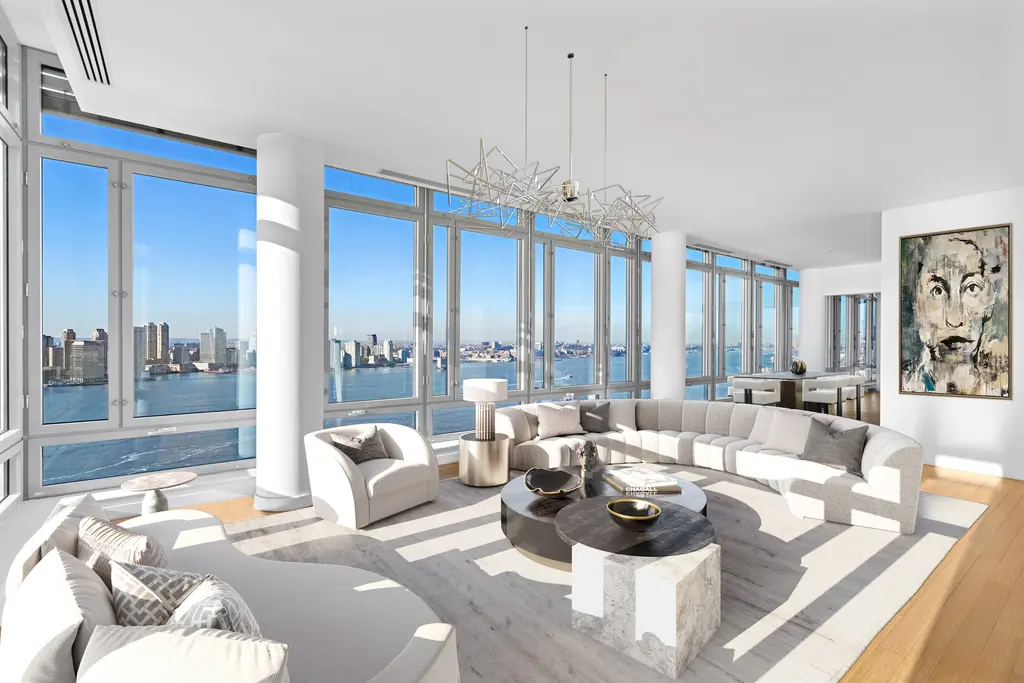
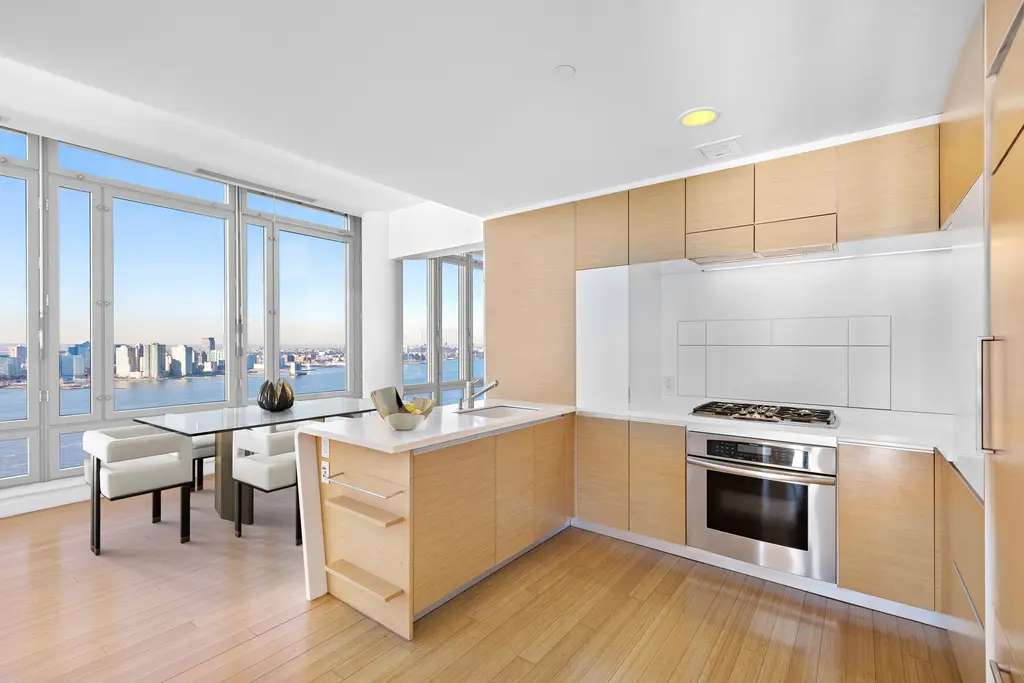
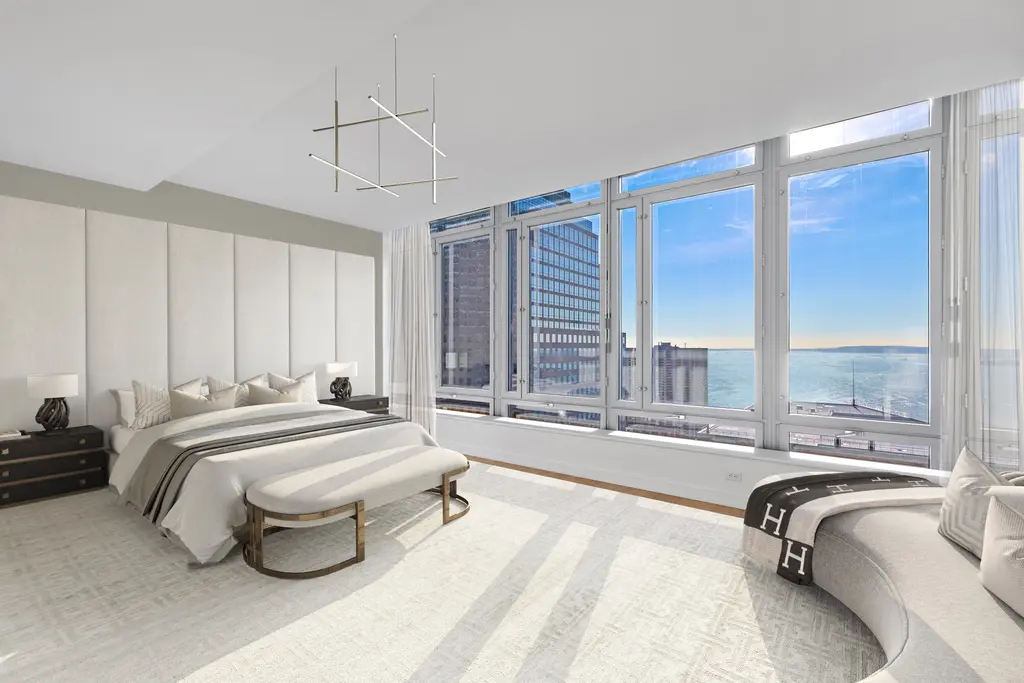
 All images of Riverhouse via R New York
Riverhouse - One Rockefeller Park, #RH8
$22,000,000
Battery Park City | Condominium | 4 Bedrooms, 4.5 Baths | 4,100 ft2
77 Greenwich Street, Financial District
Design by FXCollaborative | Developed by Trinity Place Holdings
Completed in 2021
LEED Certified
9 availabilities from $1.5M
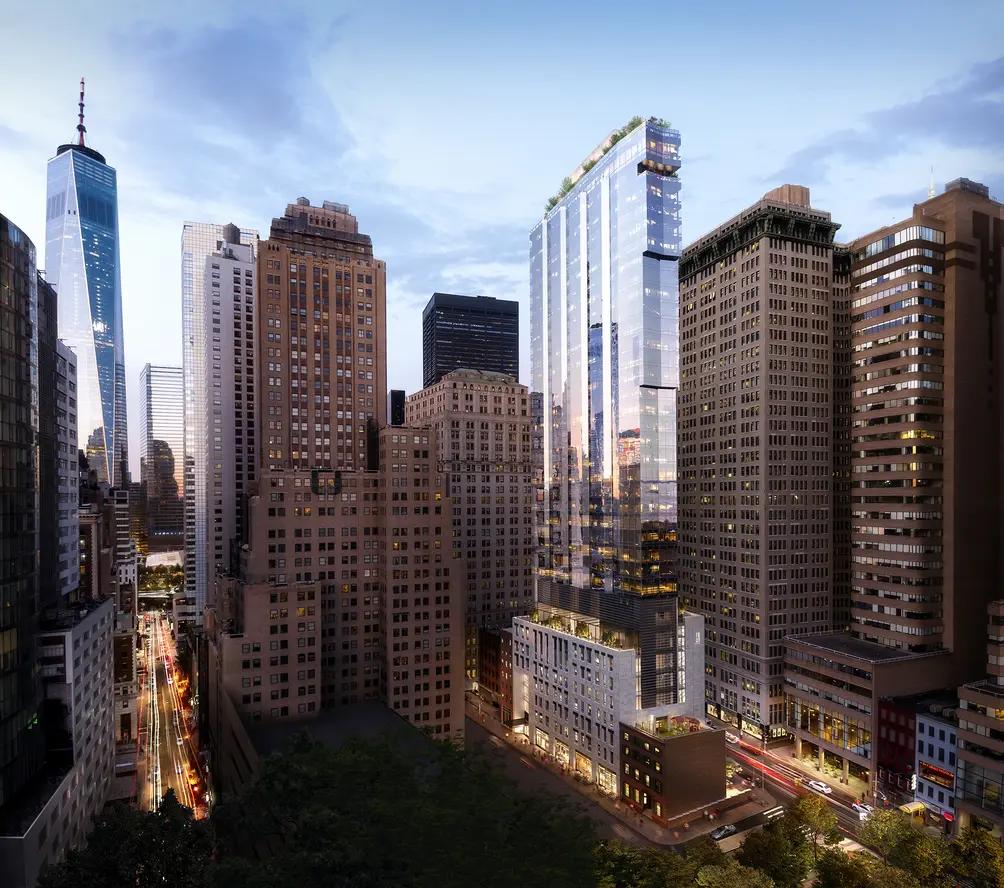 77 Greenwich Street (Binyan Studios)
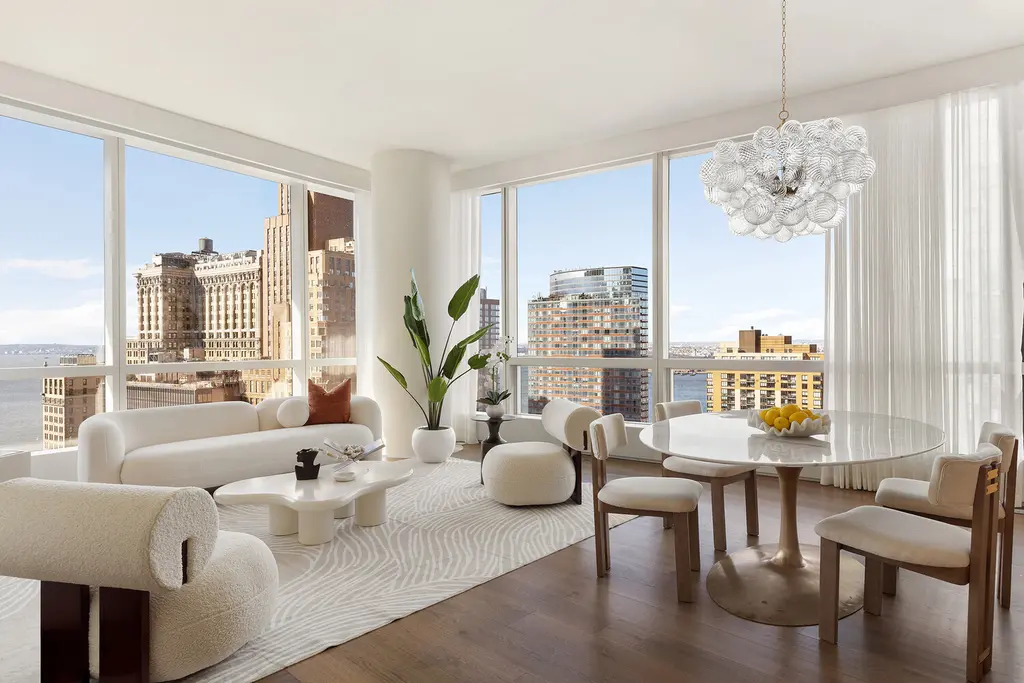
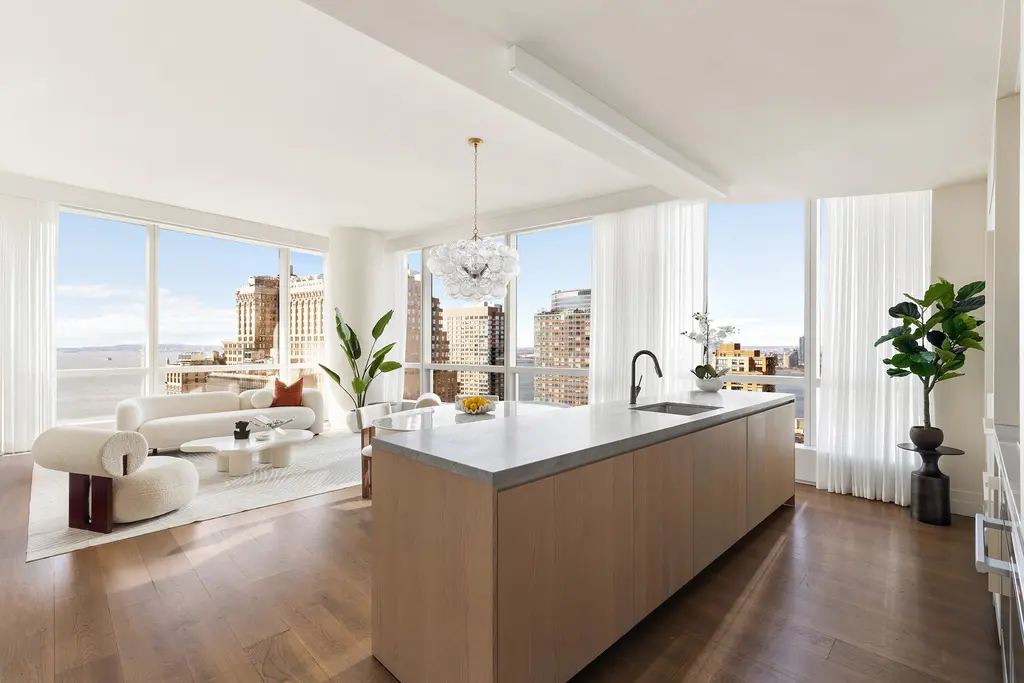
77 Greenwich Street, #27A
$3,350,000
Financial District | Condominium | 3 Bedrooms, 2.5 Baths | 1,721 ft2
123 Third Avenue, East Village
Design by Perkins Eastman | Developed by F&T Group
Completed in 2010
LEED Certified
No Availabilities
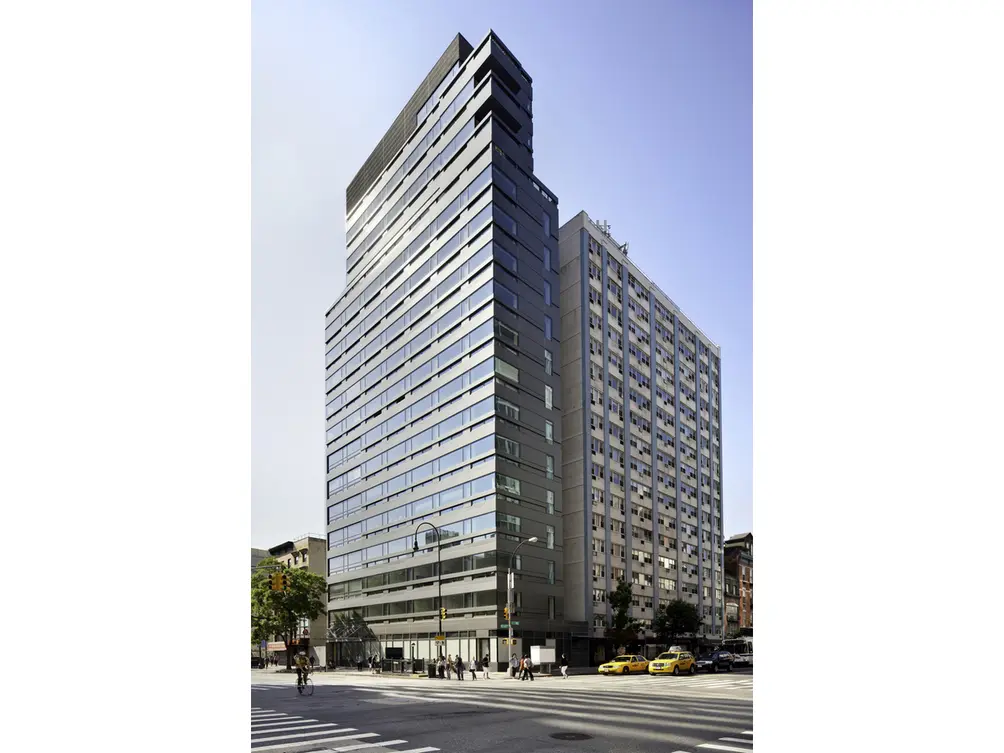 Images of 123 Third Avenue via Brown Harris Stevens
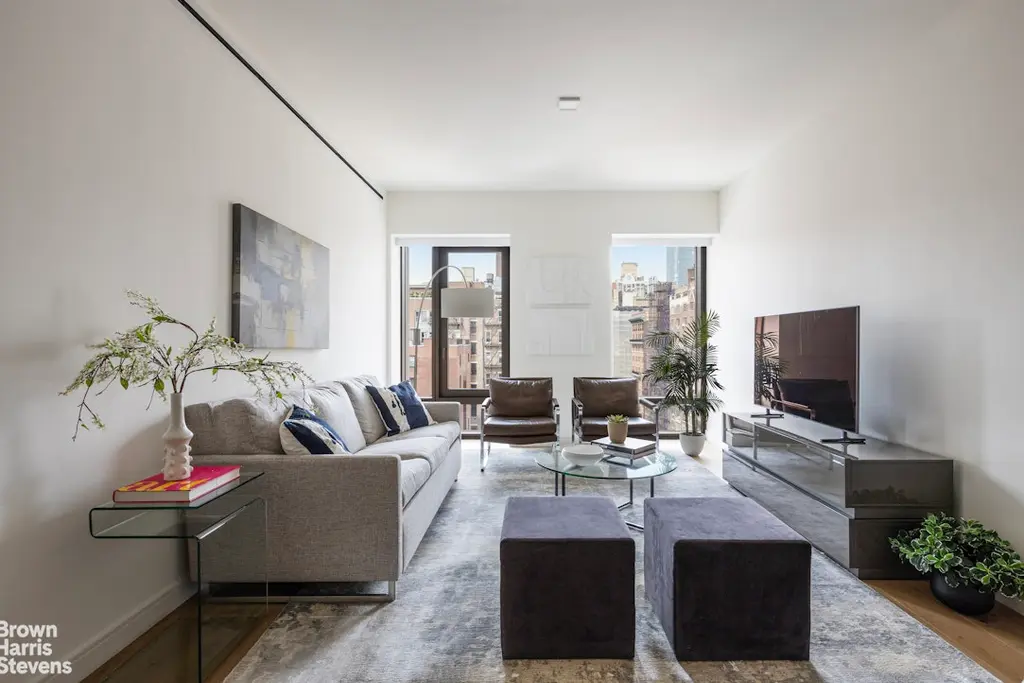
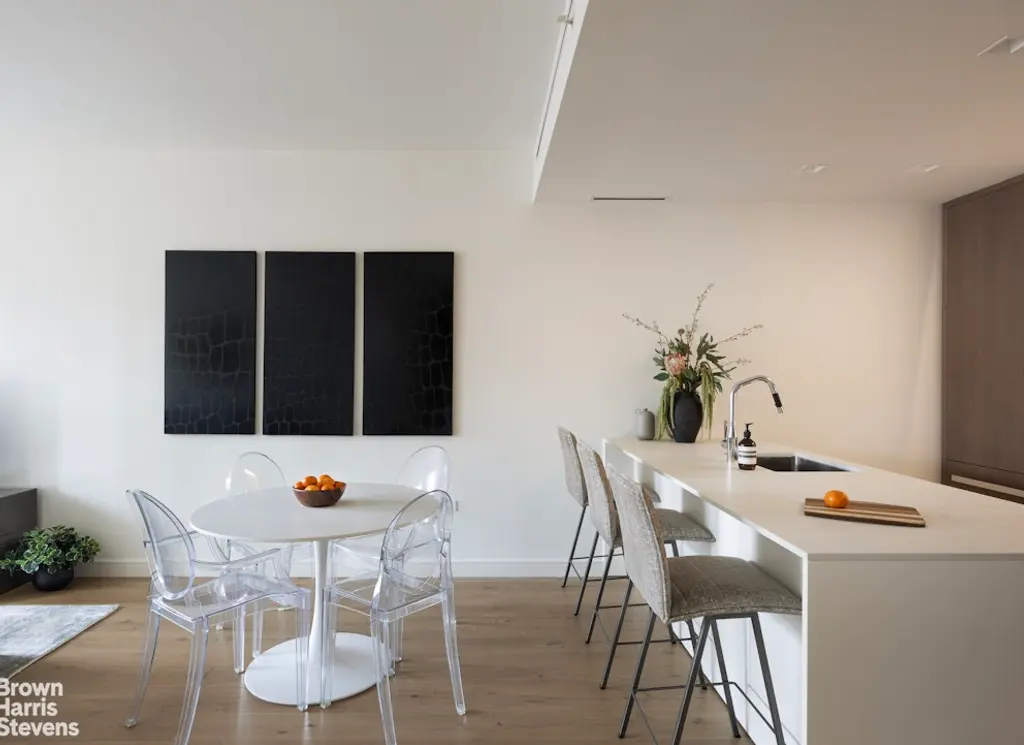
200 East 21st Street, Gramercy
Design by BKSK Architects | Developed by Alfa Development
Completed in 2018
LEED Gold Certified
3 availabilities for $1.695M
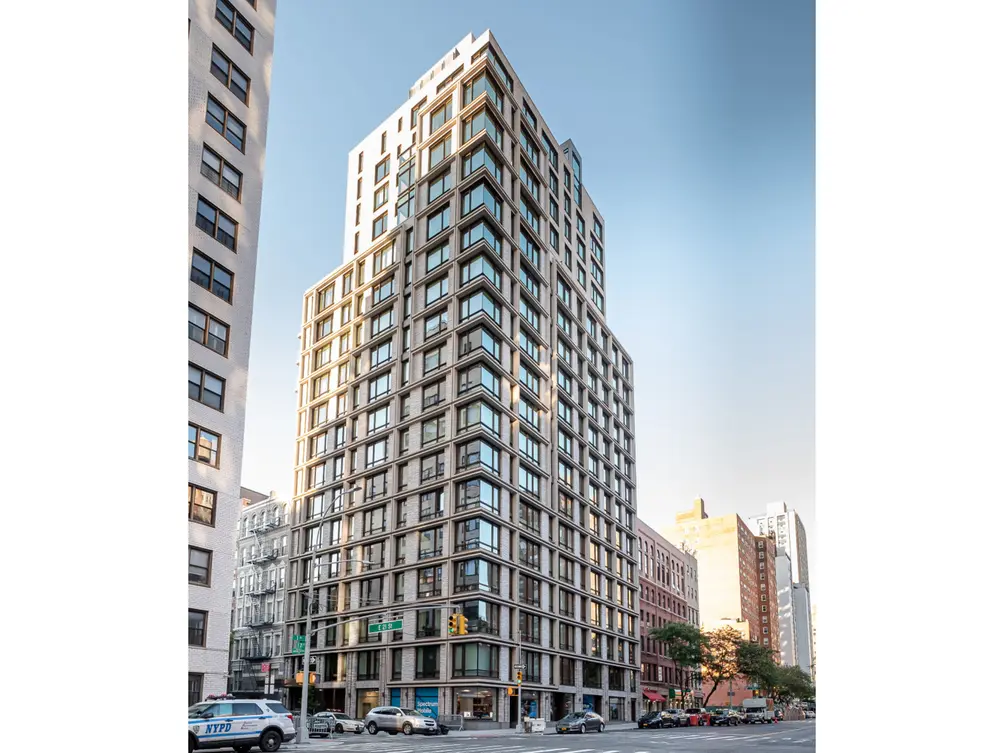 All images of 200E21 via Douglas Elliman
160 East 22nd Street, Gramercy
Design by Perkins Eastman | Developed by Toll Brothers
Completed in 2018
LEED Gold Certified
One availability for $995K
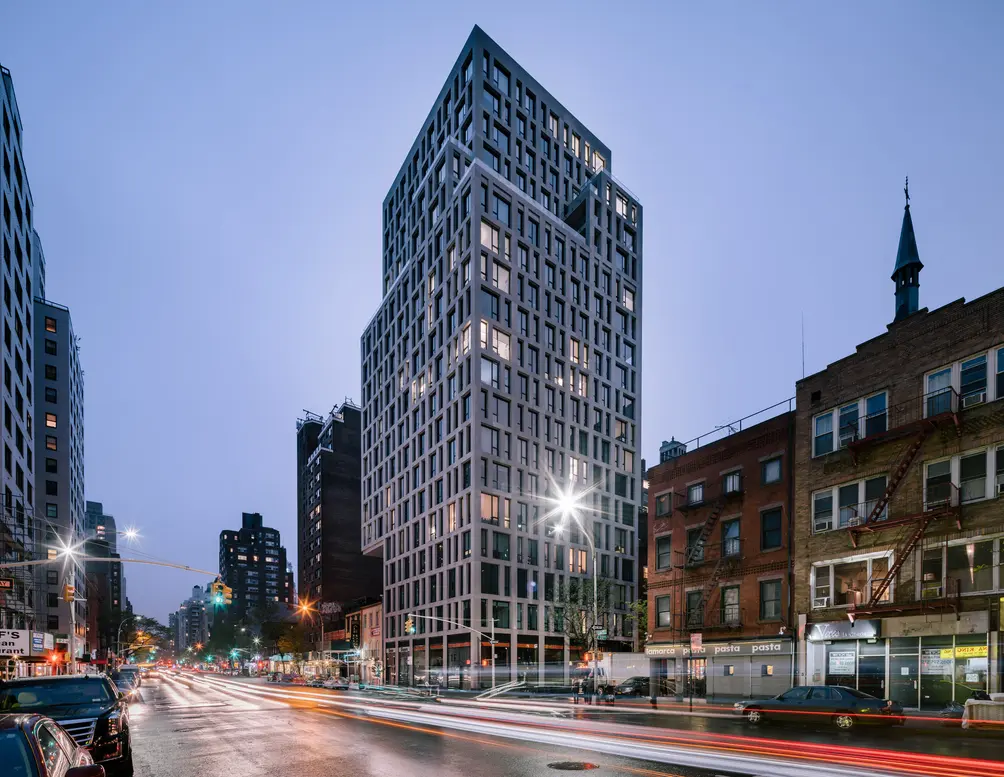 All images of 160 East 22nd Street via Serhant
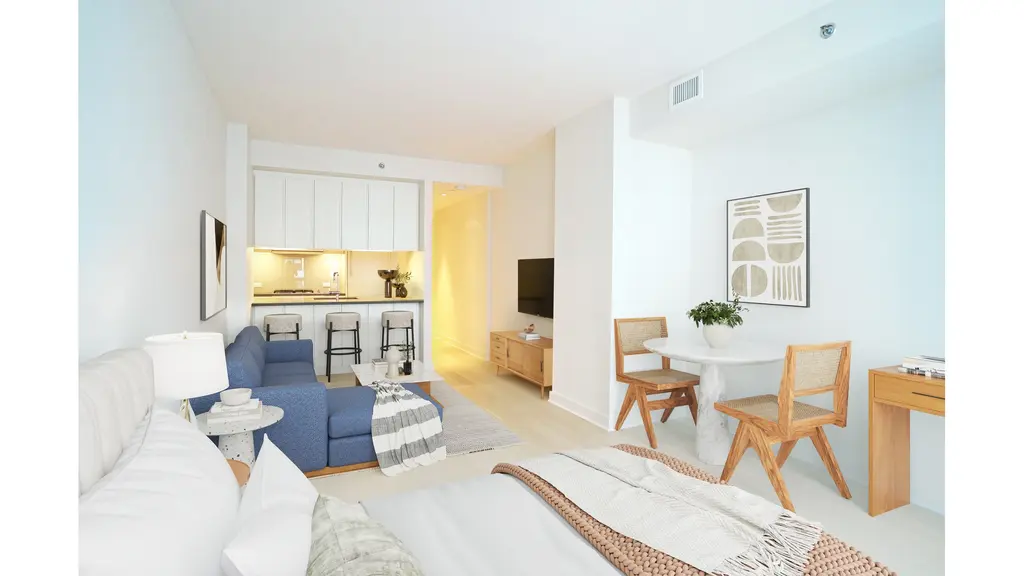
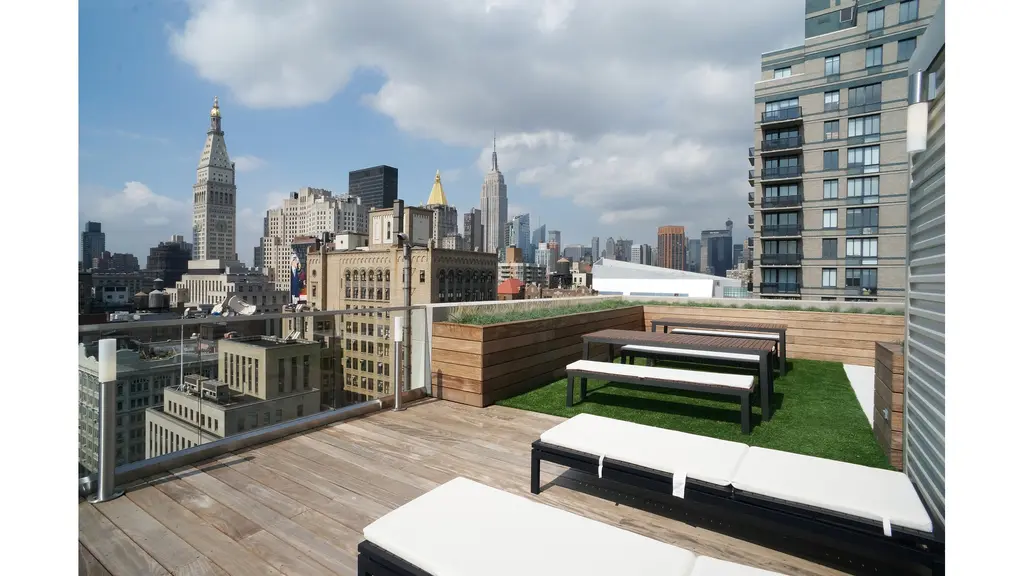
303 East 33rd Street, Kips Bay/Murray Hill
Design by Perkins Eastman | Developed by Toll Brothers
Completed in 2009
LEED Gold Certified
5 availabilities from $850K
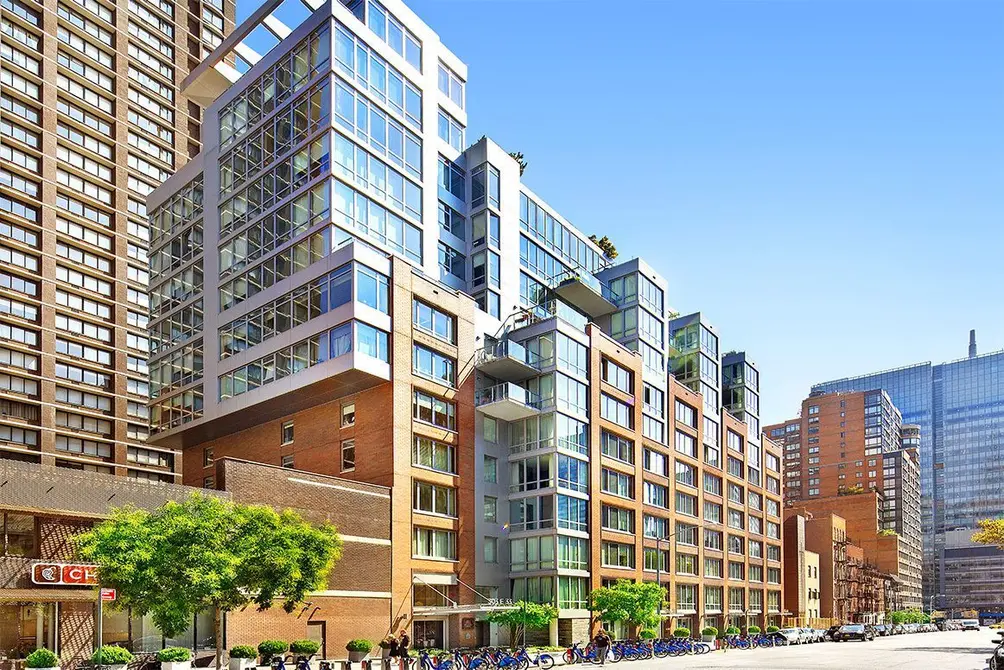 All images of Murray Hill Green via Pari Passu Realty
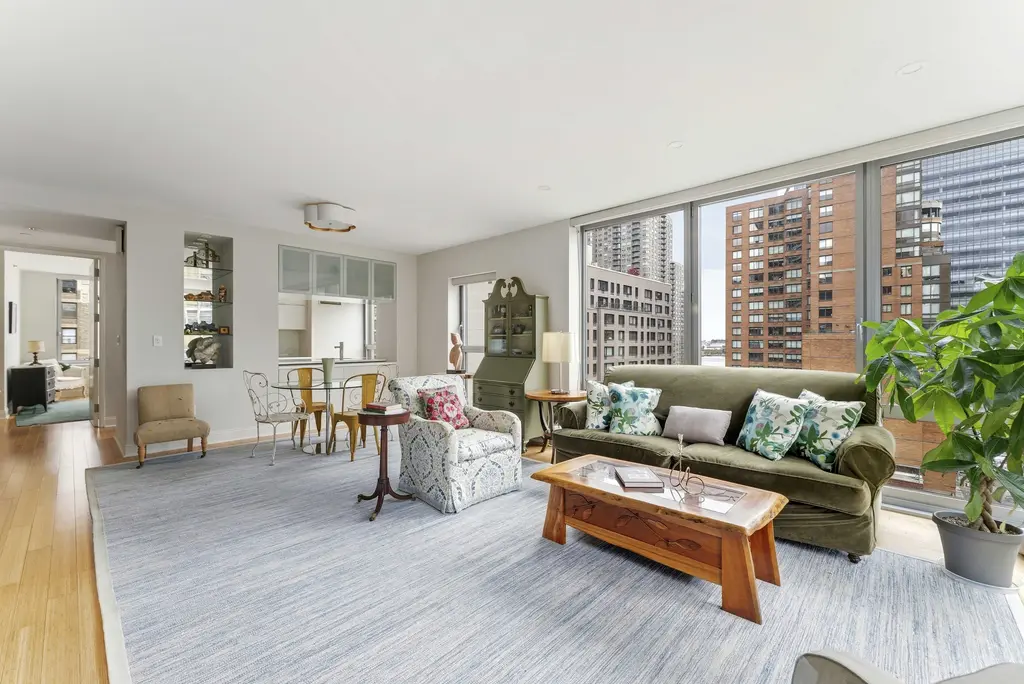
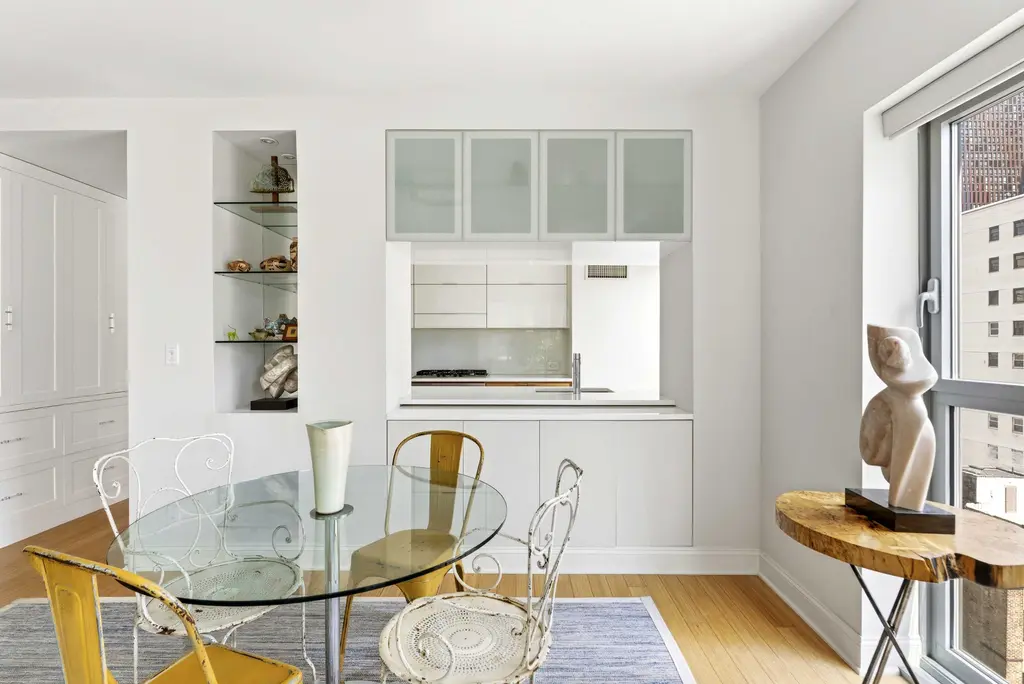
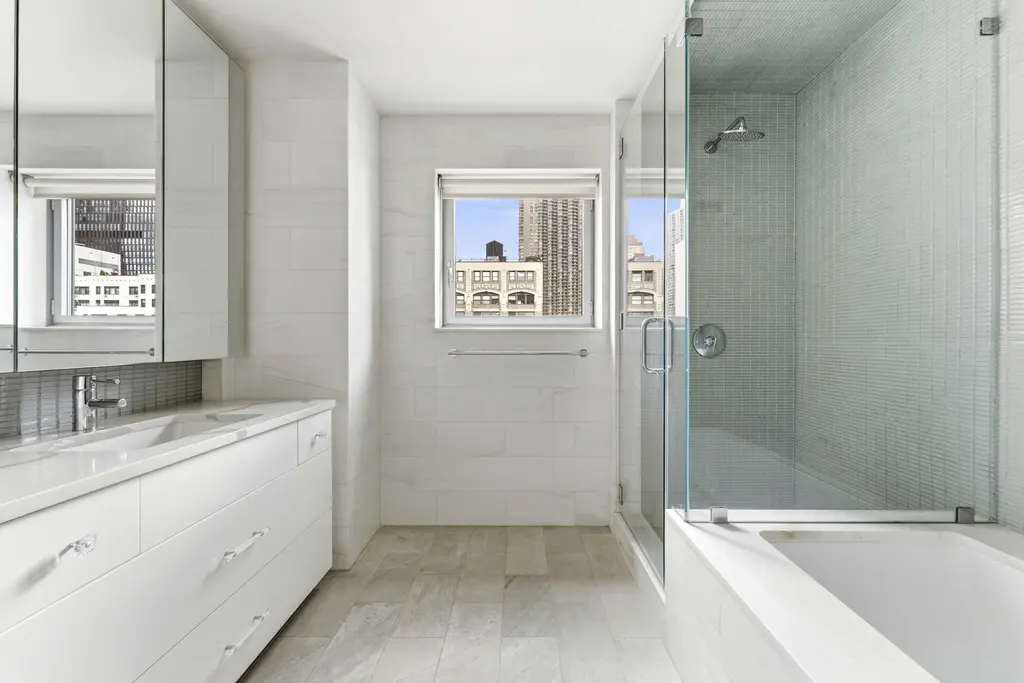
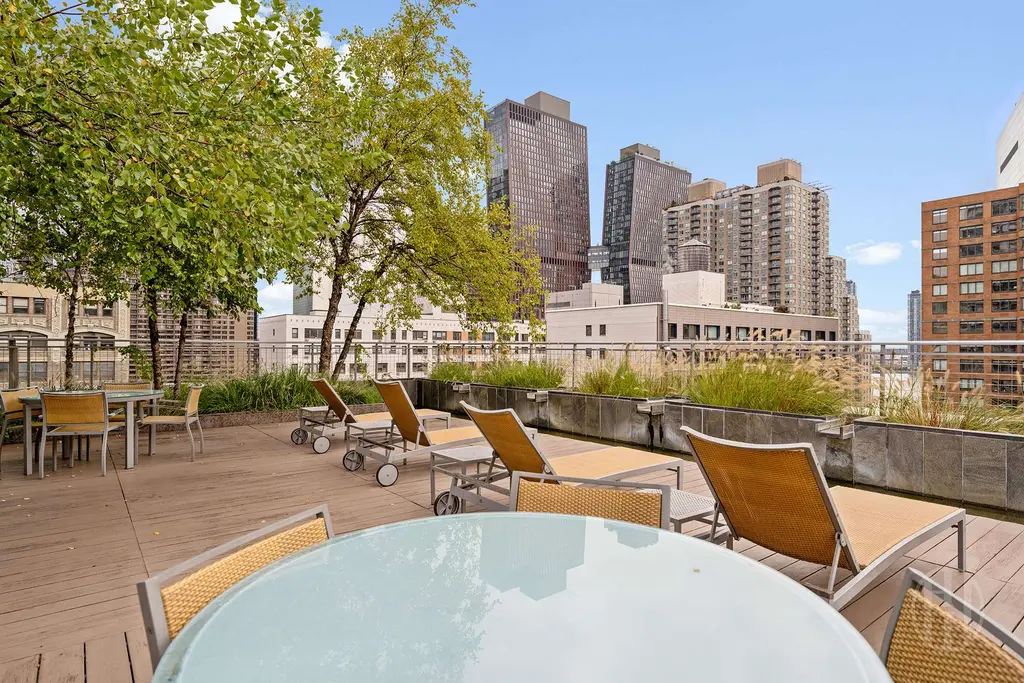
Manhattan View at MiMa, Midtown West
460 West 42nd Street
Design by Arquitectonica | Developed by SCG America
Completed in 2016
LEED Gold Certified
Four availabilities from $1.15M
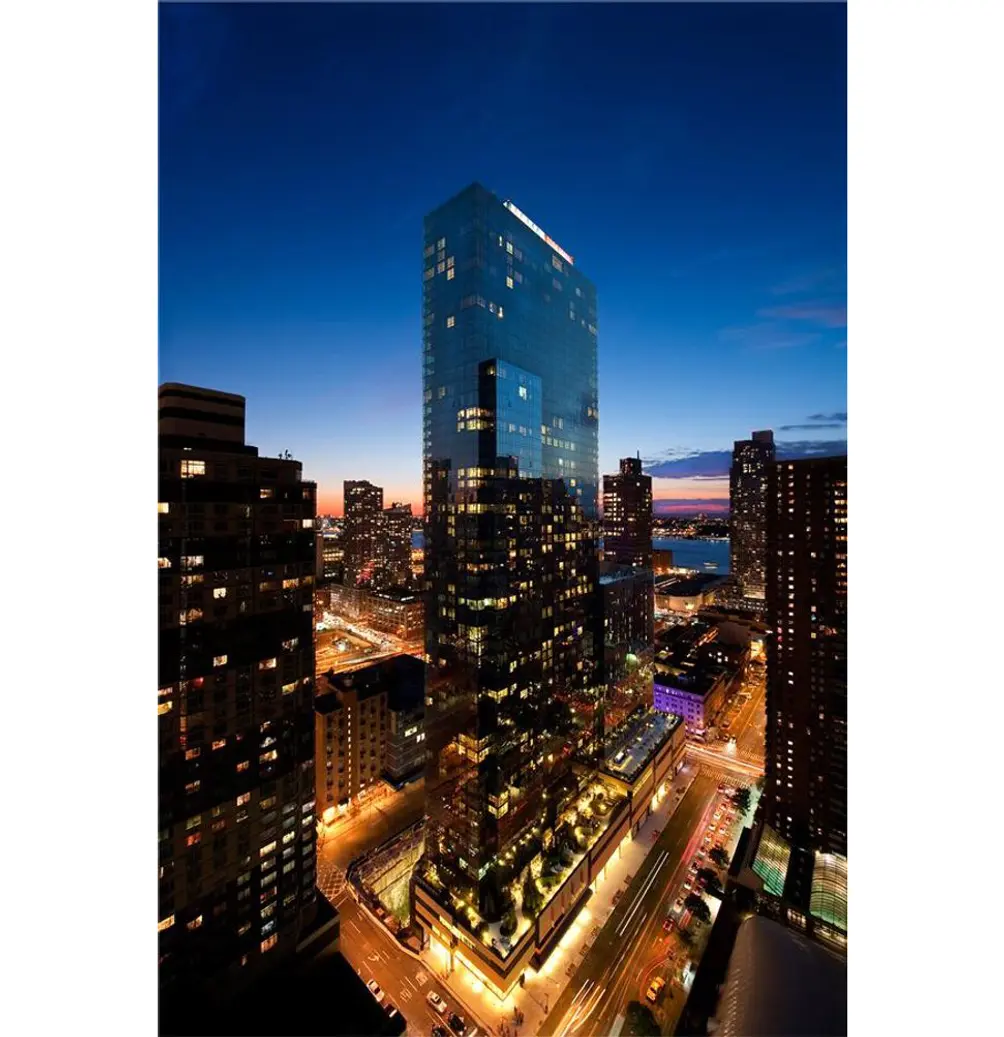 All images of Manhattan View at MiMa via Nest Seekers
Manhattan View at MiMa, #PH1C
$6,490,000 (-7.2%)
Midtown West | Condominium | 2 Bedrooms, 2.5 Baths | 2,135 ft2
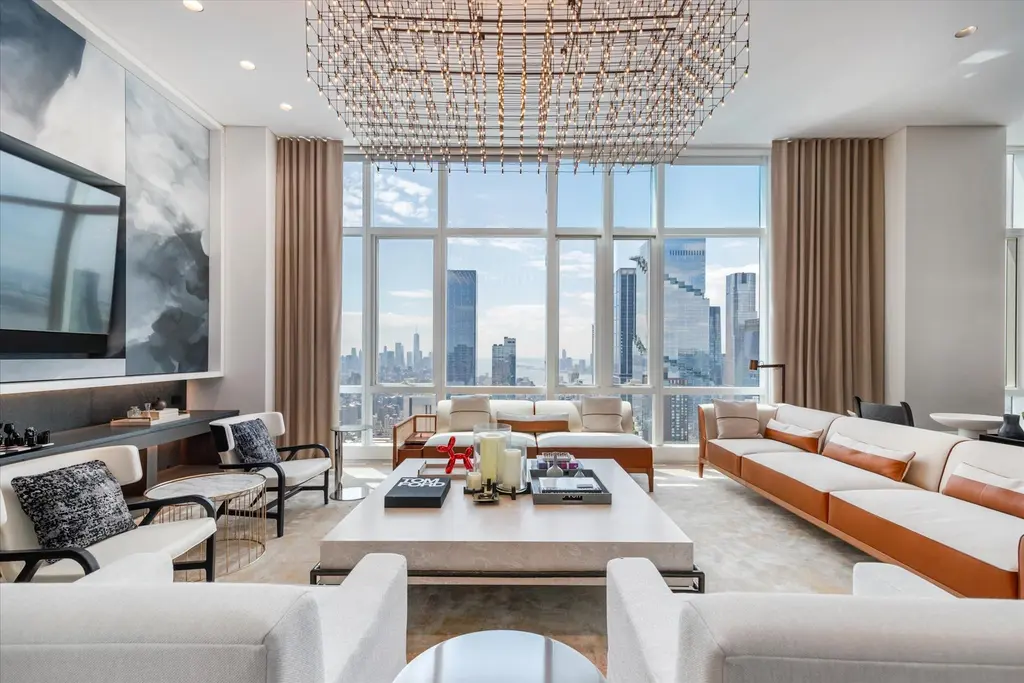
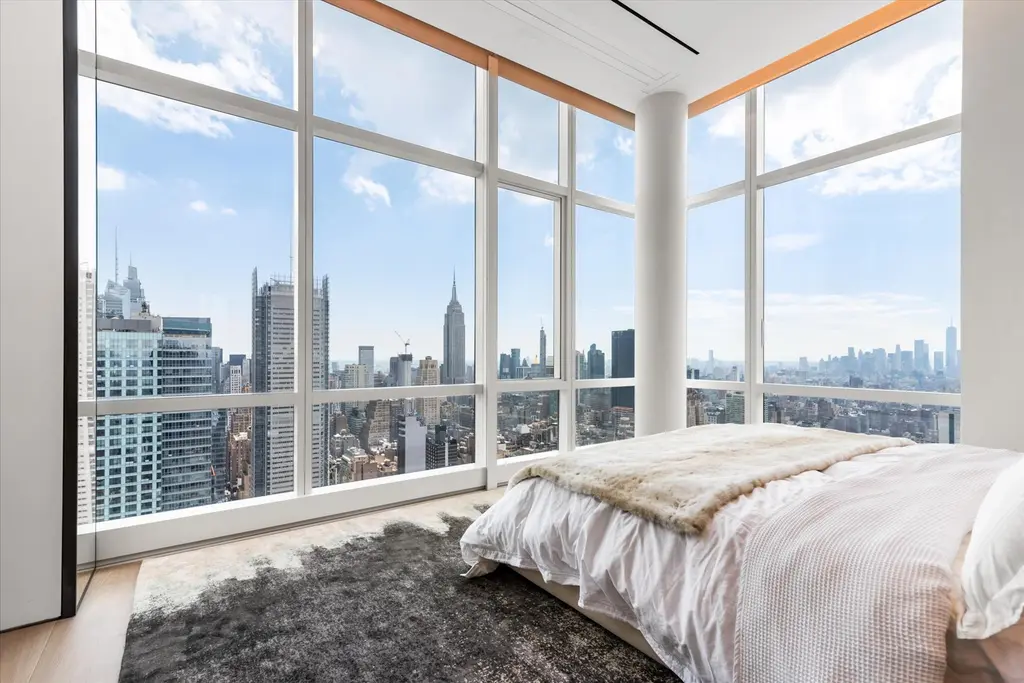
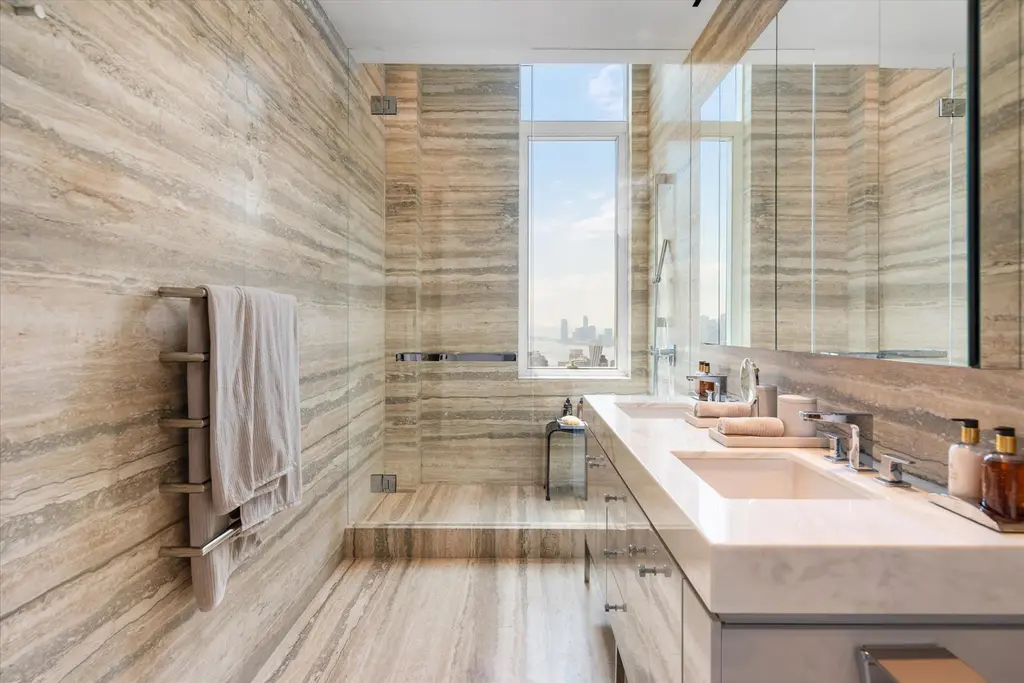
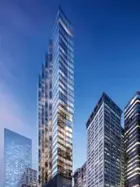
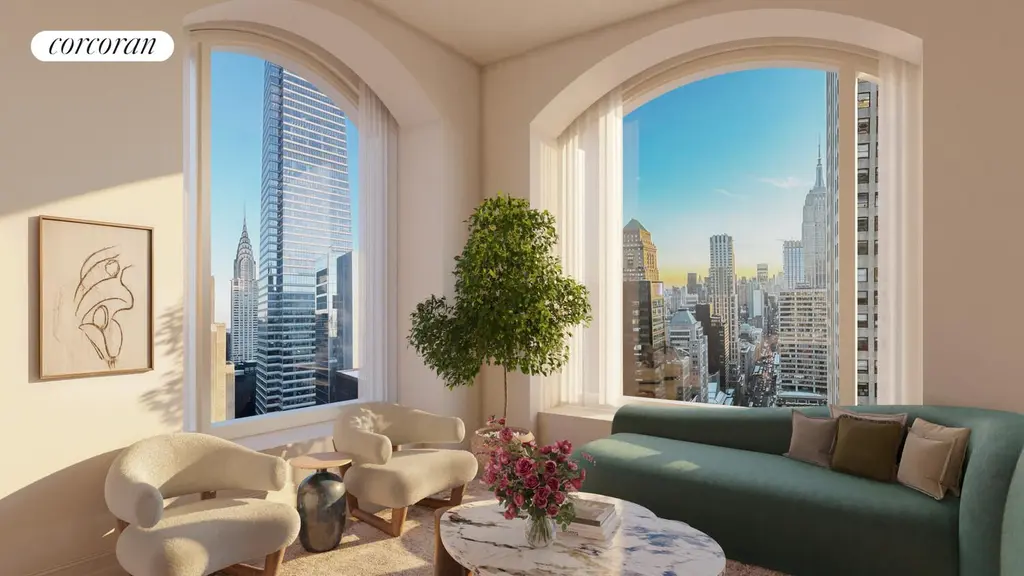
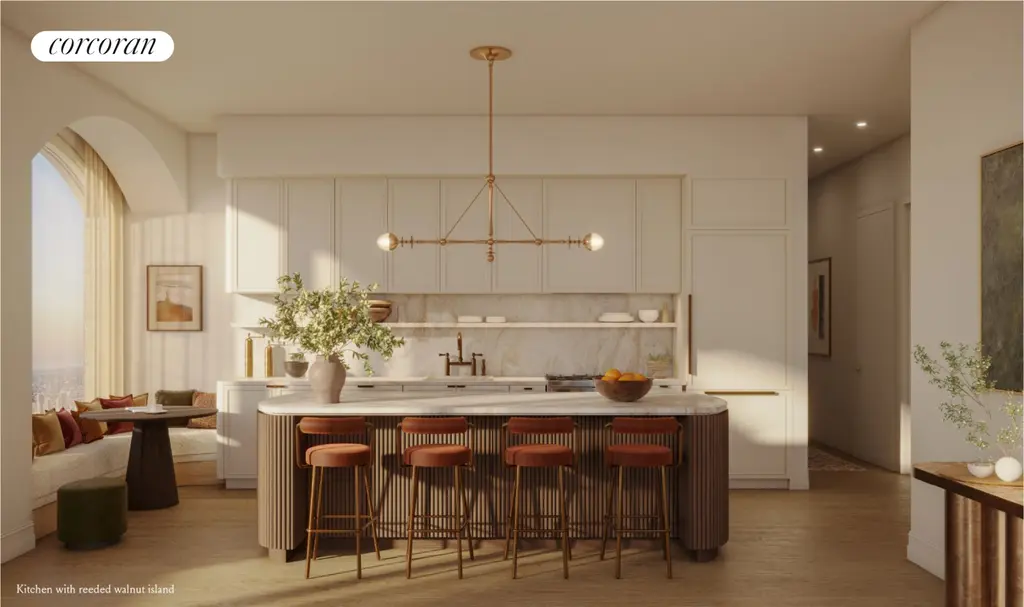
520 Fifth Avenue, Midtown West
Design by Kohn Pedersen Fox | Developed by Rabina Properties
Completion estimated for 2025
LEED Gold Certified
2 availabilities from $5.95M
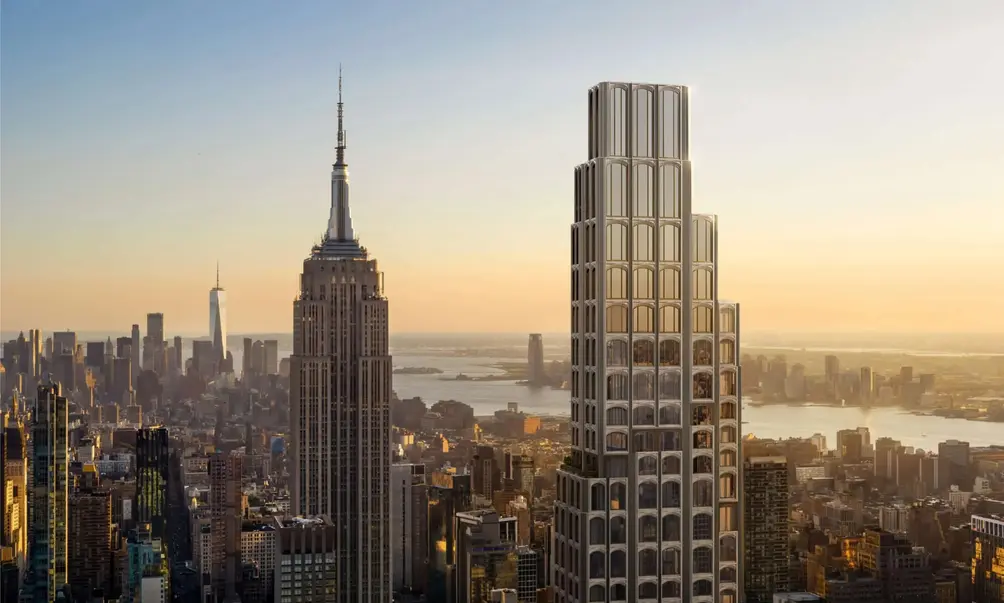 520 Fifth Avenue (Binyan Studios)
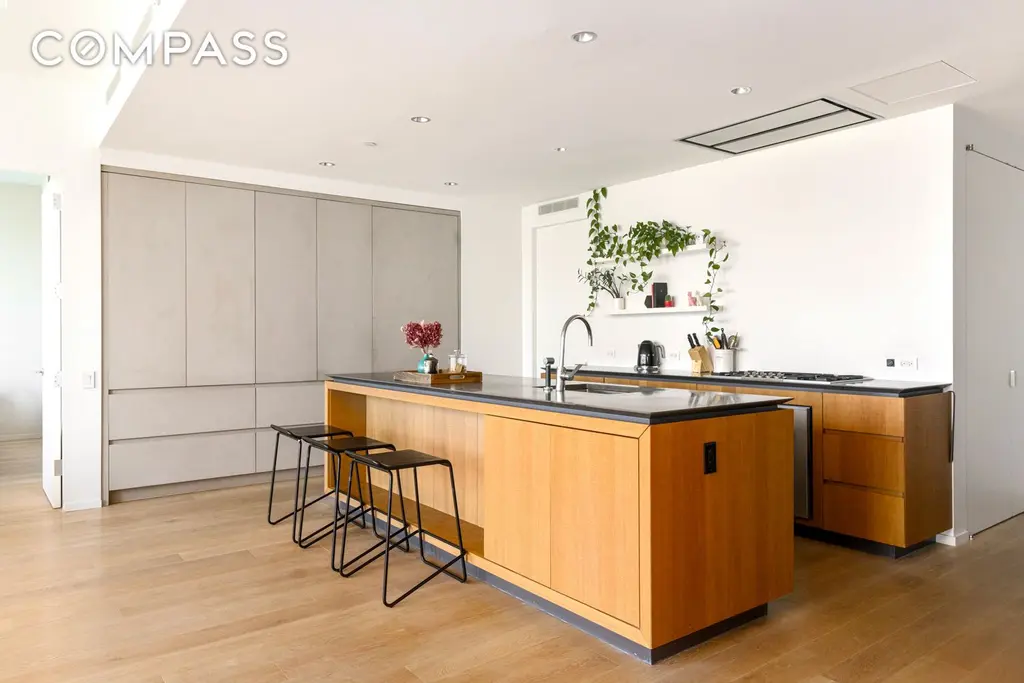
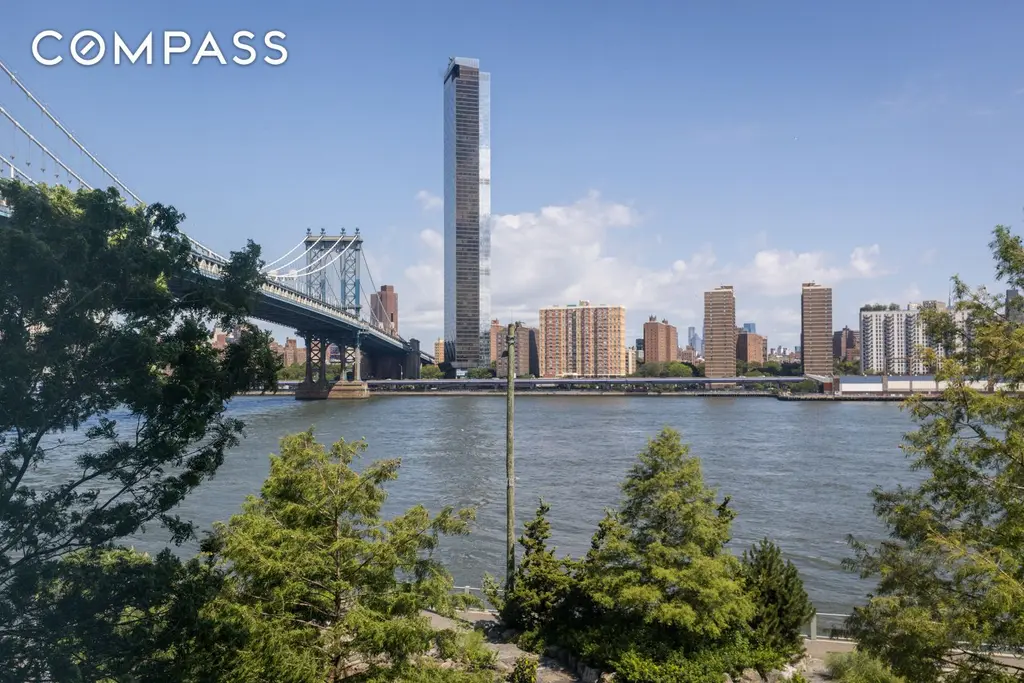
1 John Street, DUMBO
Developed and designed by Alloy Development
Completed in 2016
LEED Gold Certified
3 availabilities from $2.985M
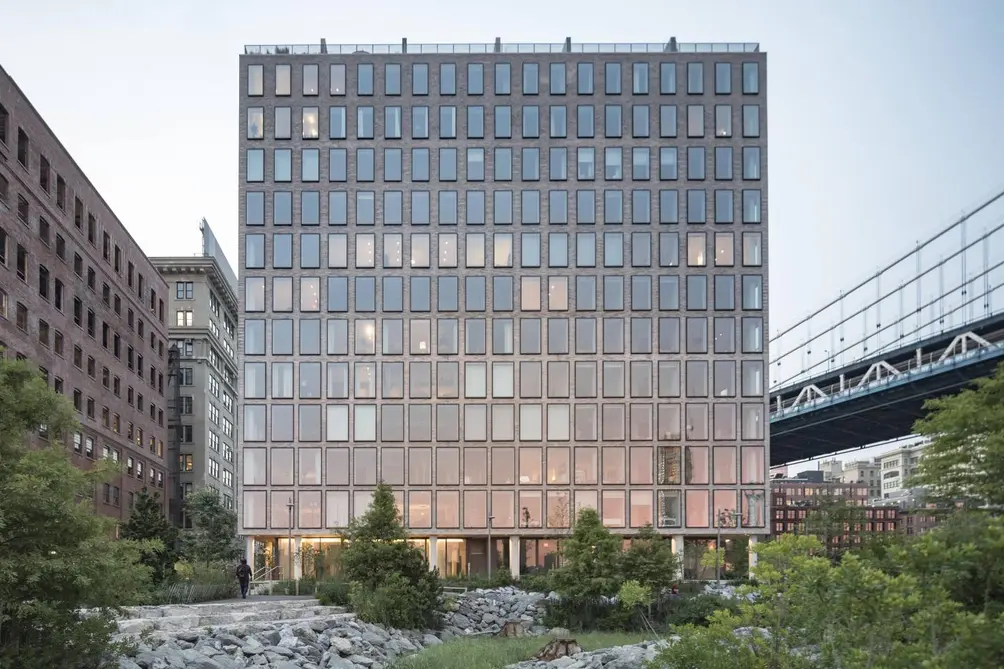 1 John Street (Alloy Development)
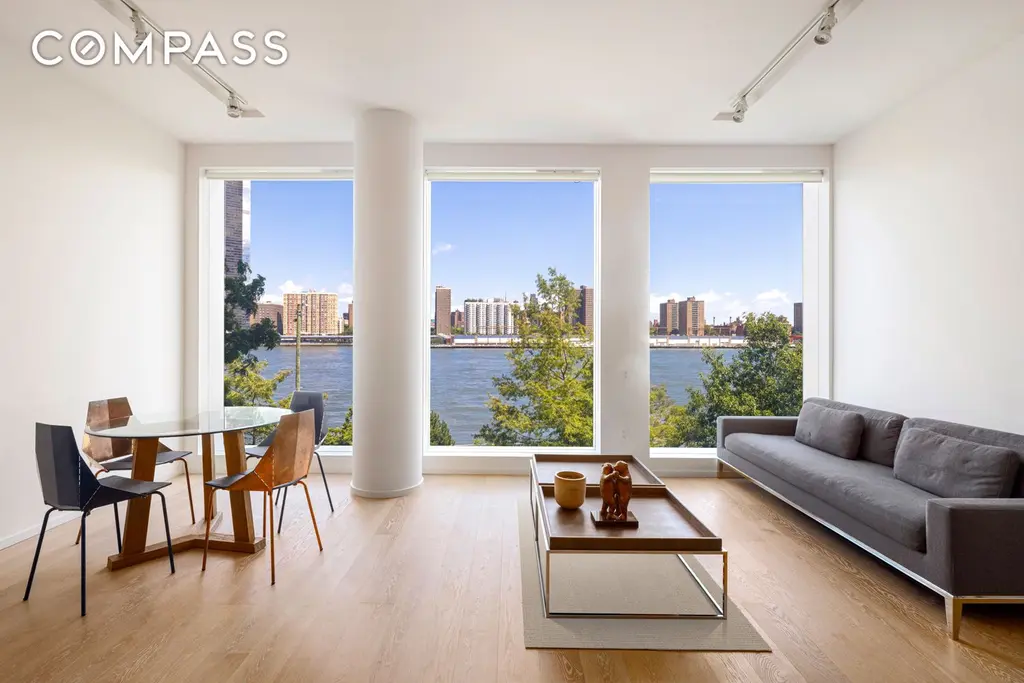
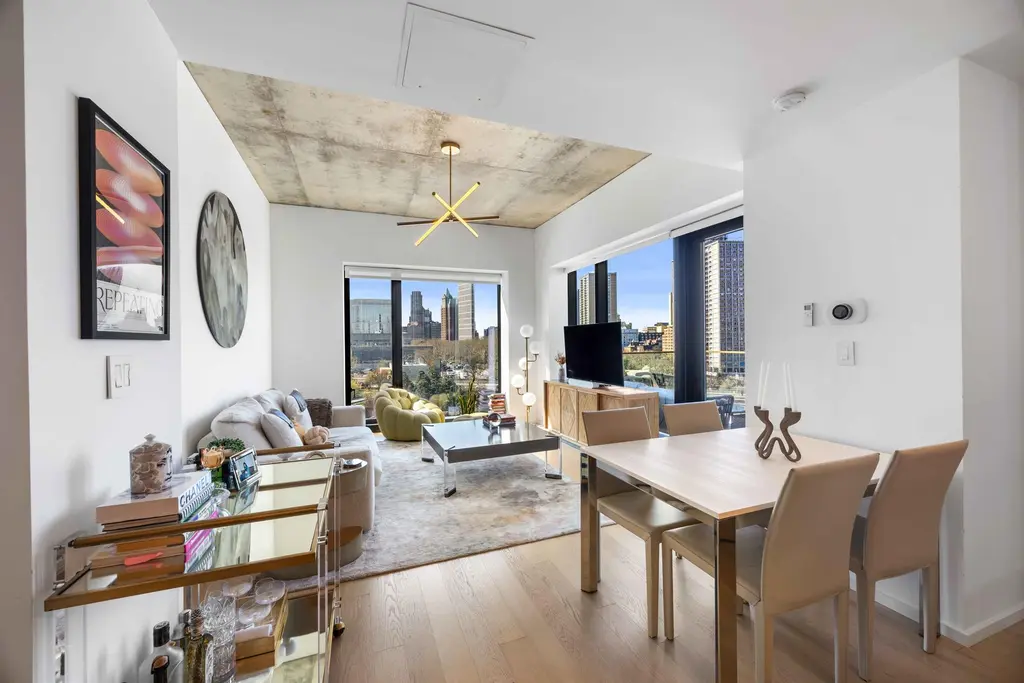
98 Front Street, DUMBO
Design by ODA New York | Developed by Hope Street Capital
Completed in 2021
LEED Certified
6 availabilities from $699K
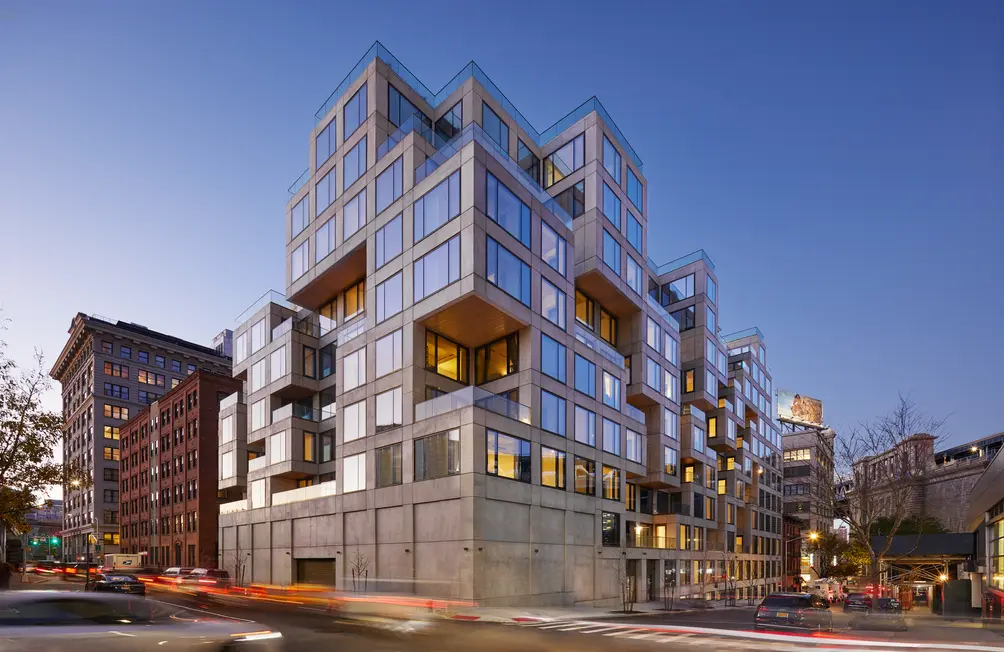 98 Front Street via Aaron Thompson
Navy Green, Clinton Hill
8 Vanderbilt Avenue
Design by FXCollaborative | Developed by Dunn Development and L&M Development
Completed in 2015
LEED Silver Certified
No availabilities
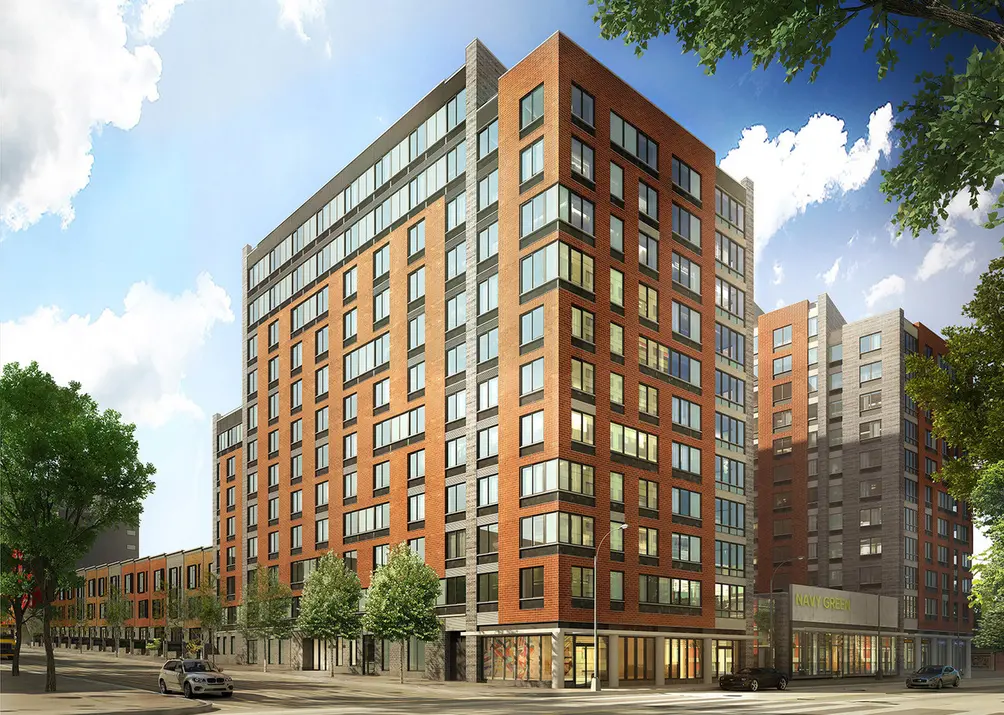 All images of Navy Green via Douglas Elliman
550 Vanderbilt, Prospect Heights
550 Vanderbilt Avenue
Design by COOKFOX | Developed by Greenland Forest City Partners
Completed in 2017
LEED Silver Certified
3 availabilities from $739K
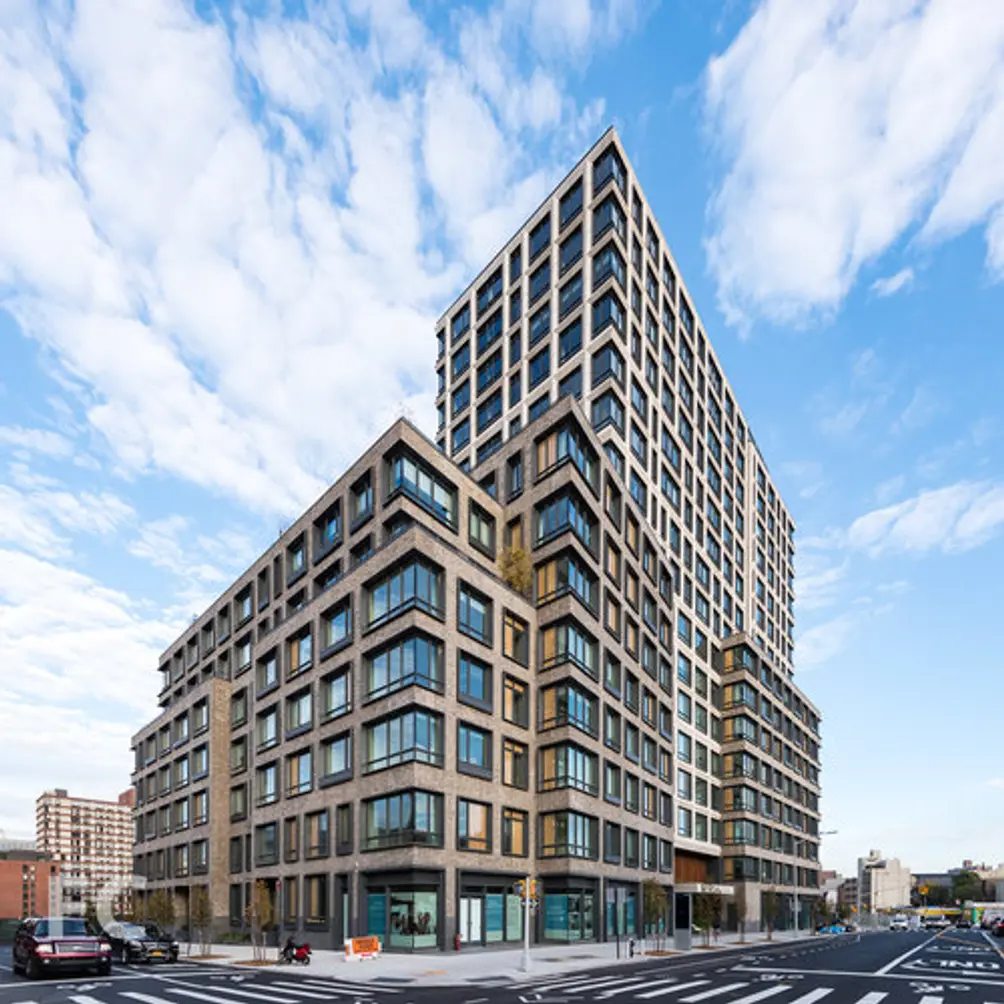 All images of 550 Vanderbilt via Corcoran
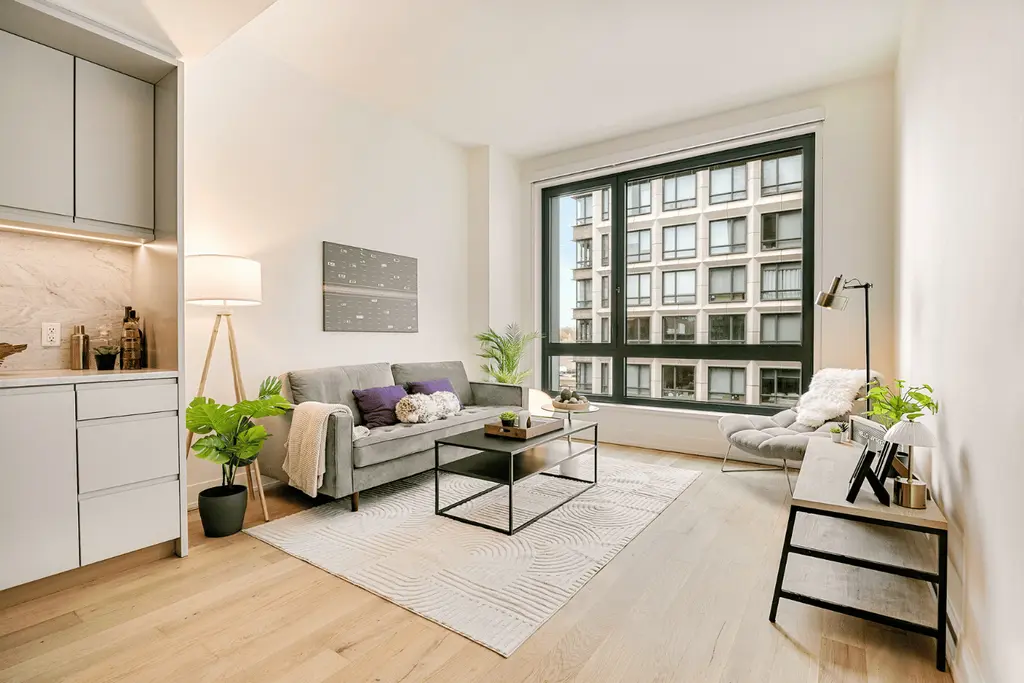
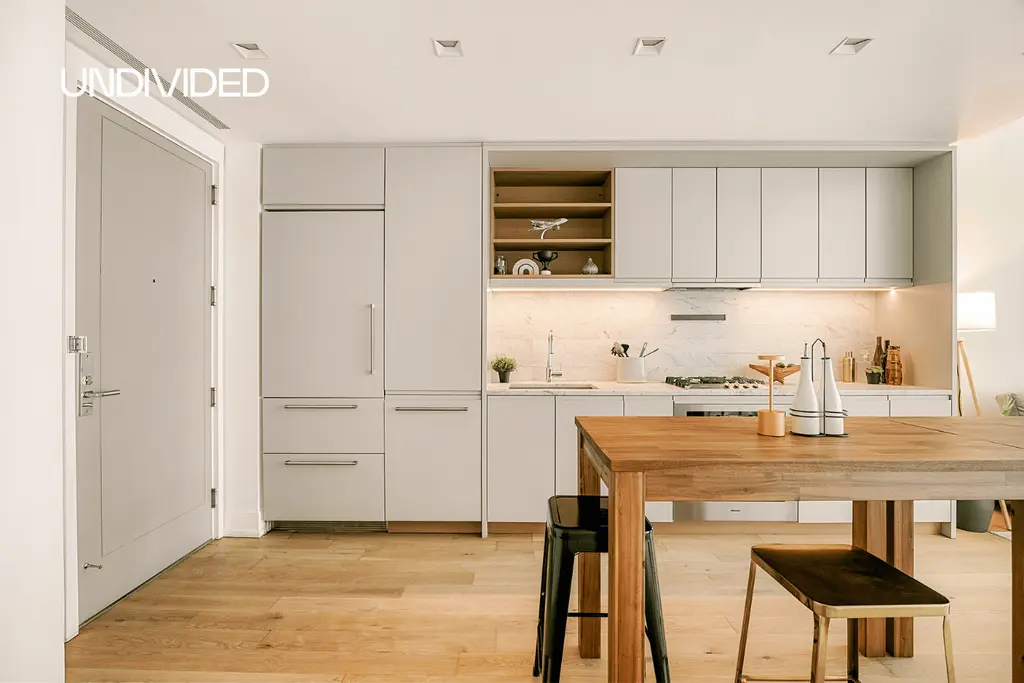
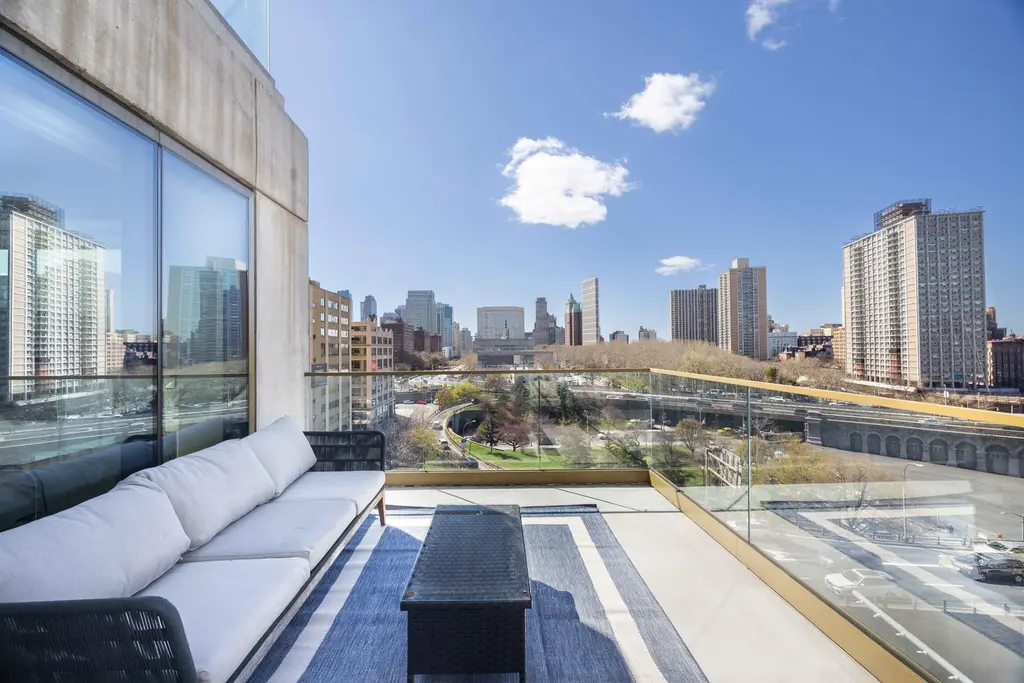
The Edge, Williamsburg
34 North 7th Street and 22 North 6th Street
Design by Stephen B. Jacobs Group | Developed by Douglaston Development
Completed in 2021
LEED Gold Certified
One availability from $2.25M
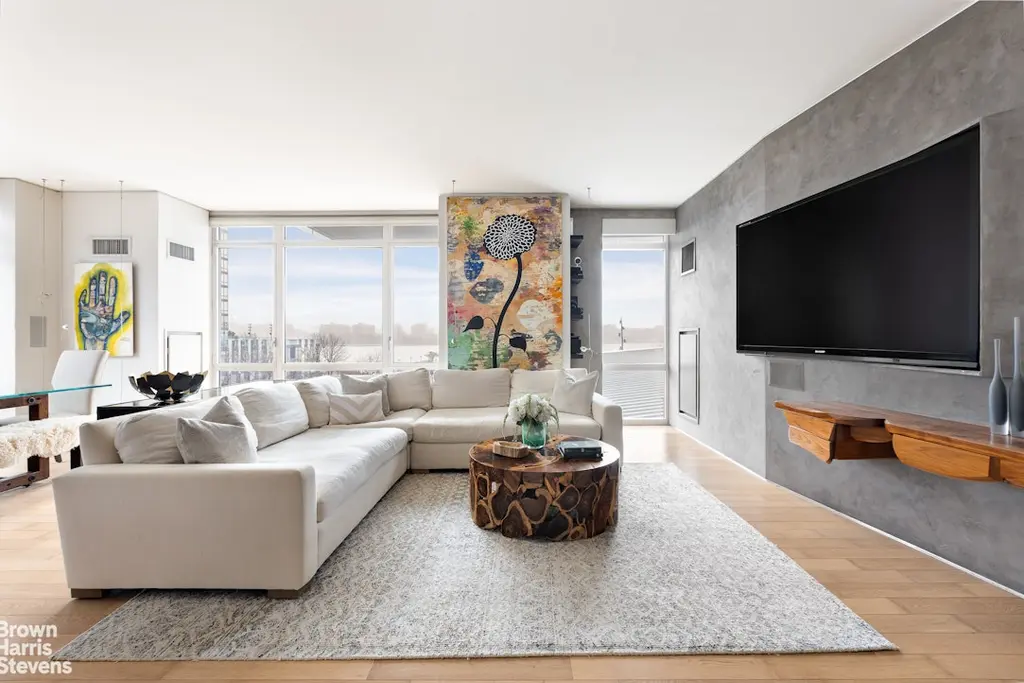
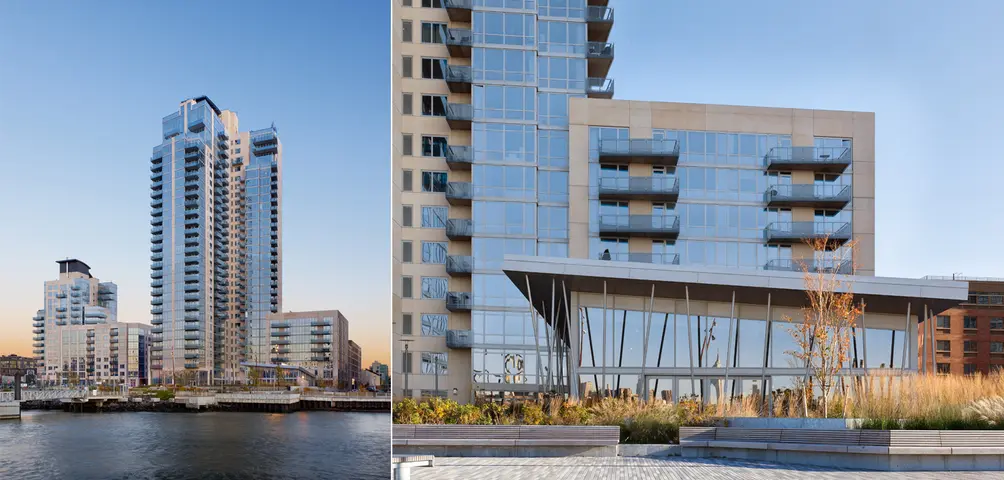 All images of The Edge North Tower via Compass
The Edge South Tower, #4R
$2,250,000 (-6.1%)
Williamsburg | Condominium | 2 Bedrooms, 2 Baths | 1,335 ft2
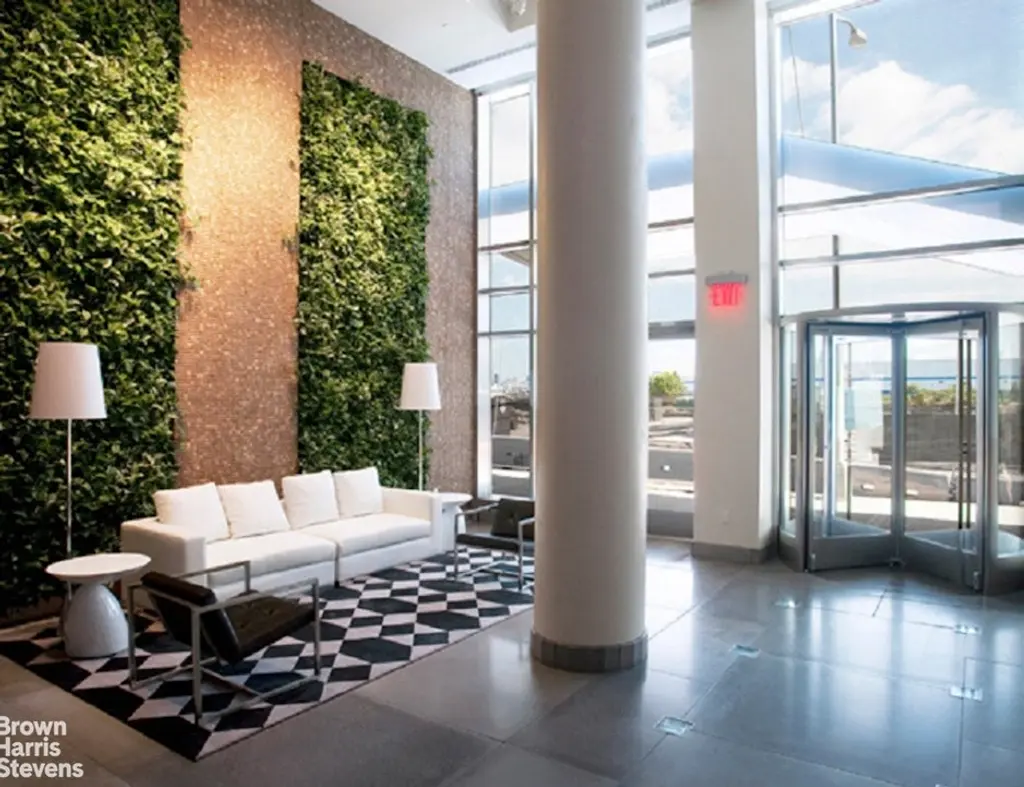
The Austin, Forest Hills
78-29 Austin Street
Design by Zproekt | Developed by Rybak Development
Completion estimated for 2025
LEED Gold Certified
9 availabilities from $815K
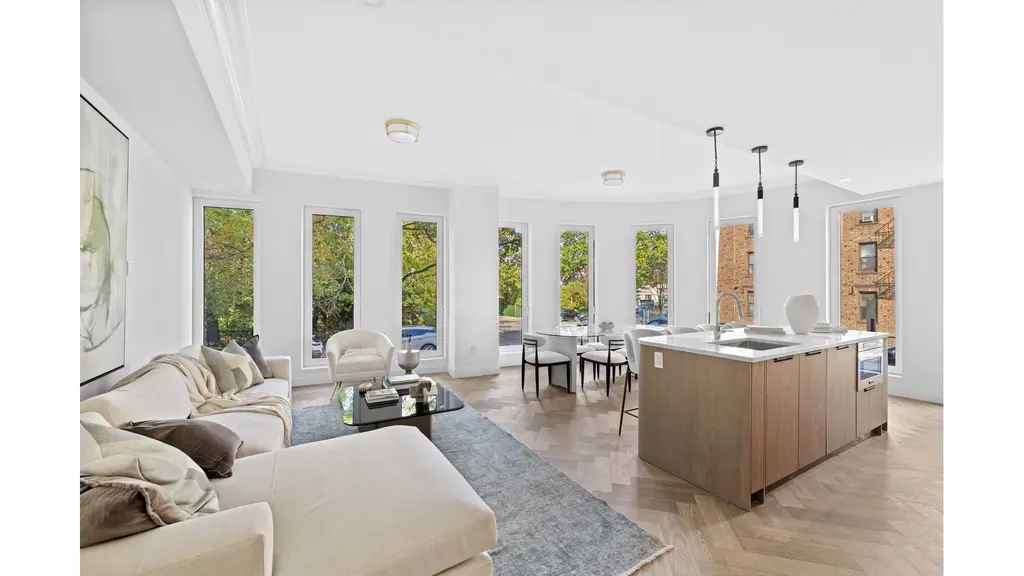
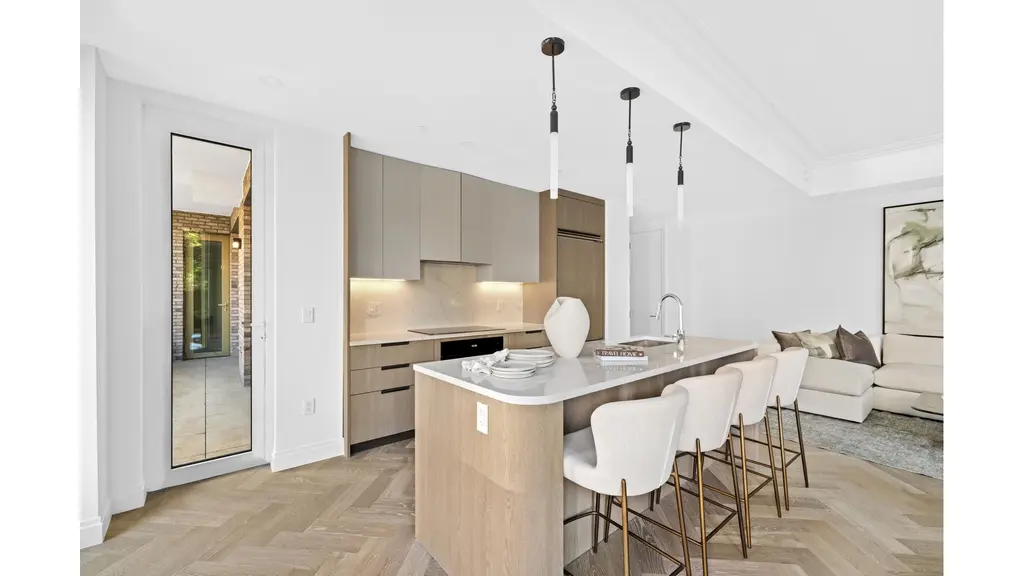
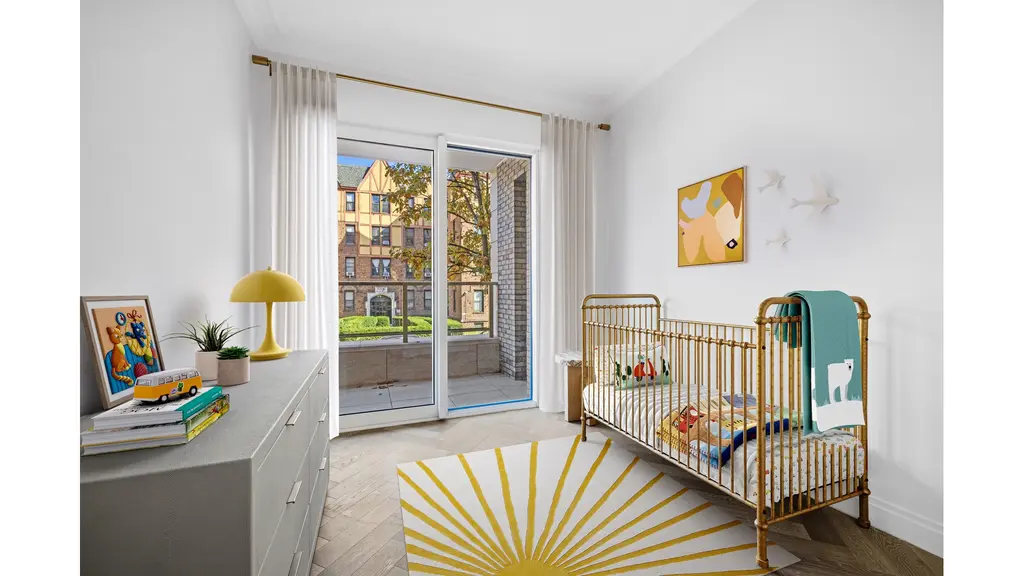
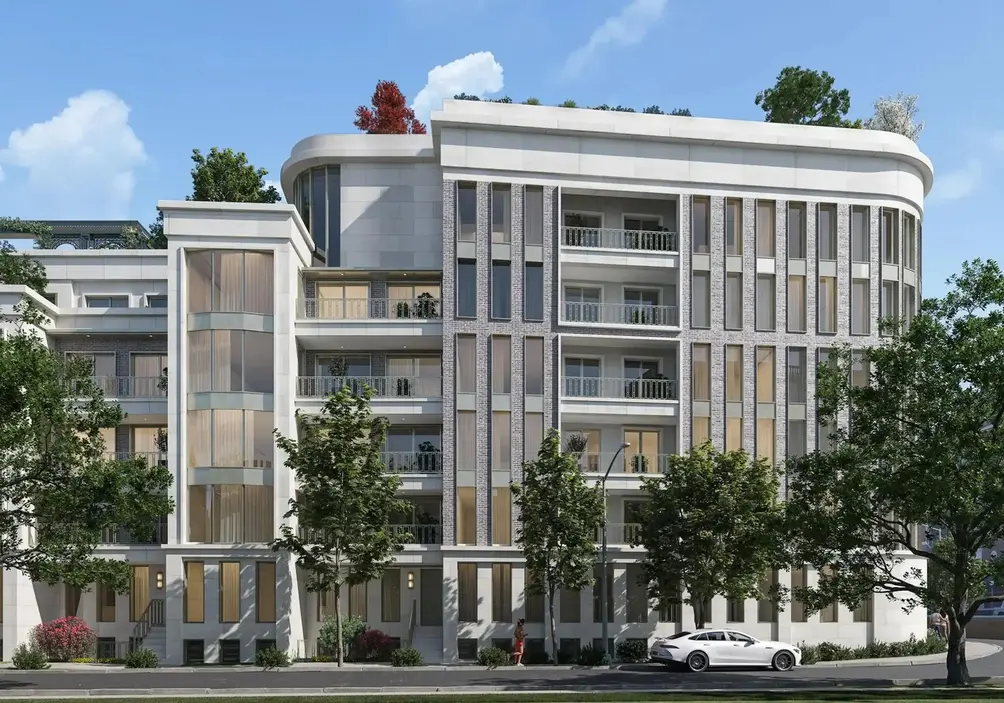 The Austin (Modern Spaces)
Related Articles
Top 10 NYC condos with the best yoga amenities
Saturday, September 12, 2026
Fire up the grill in these new developments with outdoor kitchens
Monday, September 7, 2026
Top 25 NYC condos with the best playrooms and kid-friendly amenities
Thursday, September 3, 2026
Manhattan Sales: Trophy Upper East Side homes rule the week; Elie Wiesel’s Fifth Avenue apartment sells for nearly $5M
Wednesday, September 2, 2026
Private by Design: Full-floor NYC apartments with direct elevator access under $2.5 million
Friday, August 28, 2026
As CityPicklePalooza takes over Times Square, see NYC buildings with pickleball and padel courts
Wednesday, August 26, 2026$45M "Horizontal Mansion" and two 520 Fifth Avenue penthouses lead Manhattan sales; AMC executive buys NoMad condo
Monday, August 24, 2026

 6sqft delivers the latest on real estate, architecture, and design, straight from New York City.
