 ✨Don’t just browse - start exploring!✨

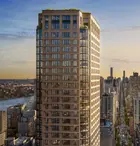
 The Strathmore, #29C (Corcoran Sunshine Marketing Group) | https://www.cityrealty.com/nyc/yorkville/the-strathmore-400-east-84th-street/8016/29C/fJGwNLHBrwV
Most New Yorkers are familiar with co-ops and condos, but occasionally, listings come up in hybrid buildings known as condops. They account for a small figure of the housing stock (about 215 condops out of 7,527 public sale listings), but it is still important to understand these hybrid buildings as well as the pros and cons of purchasing in one.
In this article:



















What is a condop?
In New York City, many residential buildings have commercial space on the ground floor. In a co-op, however, there have historically been strict limits on how much revenue a building can make from its commercial tenants before losing certain tax deductions. In response to the so-called "80/20 rule," which prevented co-ops from receiving more than 20 percent of their income from commercial renters, buildings were established with a condo unit for commercial space and residential space divided into cooperative shares. Thus, a new class of condops took shape in the 1980s.The condop is essentially a smart way for co-ops to maximize commercial revenues while still maintaining the tax benefits extended to co-operatives. To do this, the building is first divided into two separate condominiums — one designated for commercial use and the other for residential use. Then, the residential condo is further divided into separate co-operative shares. The result is a structure that enables a sponsor to own or rent all the commercial space as they would in any building while maintaining a traditional co-op structure on the residential side.
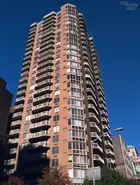
 The Willow (COOKFOX) for Naftali Group)
Tax legislation signed in December 2007 eliminated commercial income restrictions for most cooperatives, and condops have become somewhat rare. However, they are not extinct. When developer Related Companies converted its Upper East Side rental building The Strathmore to sales units, it made the building a condop with a retail unit, a parking garage, residences for sale on top, and a group of 36 rental units not being sold. In Gramercy, Naftali Group's new development The Willow is also a condop. This building is over 65% sold, and closings are expected to begin this spring.
From a commercial tenant standpoint, the condop model holds many benefits. In traditional co-ops, commercial tenants — for example, a restaurant, clothing store, or doggie daycare — pay for a host of services they will never use, including laundry facilities and door staff. In condops, commercial tenants only pay for services that are relevant to their businesses. But this raises an obvious question: What do residential tenants have to gain from buying in a condop rather than traditional co-op?
Pros of buying a condop
The primary reason to buy in a condop is financial. With no cap on the ability to generate revenue from the rental or sale of commercial space, these buildings tend to be financially solvent. However, condops don’t necessarily have lower fees than other buildings since on the residential side, they operate like any other co-op.Moreover, some condops bill themselves as "co-ops with condo rules" and thus offer more flexible policies than a traditional cooperative to sweeten the deal. These can include no board interview, unlimited subletting from day one, low down payment options, friendly attitudes toward international buyers and parents buying for children, and/or liberal pet and pied-a-terre policies.
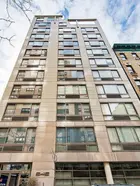
 A unit in Solaire, a recently converted condop building in Battery Park City
Cons of buying a condop
Co-op and condo boards are often complicated entities, and condops' are even more so due to their complex board structure. First, all condops have a condominium board made up of representatives from both the commercial and residential sides of the building. Second, condops have a co-op board, which functions more or less like any other residential co-op board. Finally, some condops also have a commercial board, which only comprises commercial tenants. If you dread the prospect of having to deal with one co-op board, dealing with three may be something you want to avoid.While most condops run smoothly, problems can and do arise when the interests of residential and commercial tenants clash. For example, while residential tenants may want to pour money into outdoor landscaping, commercial tenants may not. Likewise, while a commercial owner may not think twice about renting space to a loud restaurant or dubious massage parlor, co-op residents may object.
In a traditional co-op, residents can vote on the types of businesses that occupy the ground floor of their building. In a condop, the choice of commercial tenant is entirely out of their hands. As a result, anyone looking to buy in a condop is advised to do a bit of additional research. Among other things, prospective buyers should investigate any history of litigation in the building and determine how many votes residential versus commercial tenants hold. If there is a history of litigation or commercial tenants hold the balance of power, buying in that building may be a bad idea.
In a traditional co-op, residents can vote on the types of businesses that occupy the ground floor of their building. In a condop, the choice of commercial tenant is entirely out of their hands. As a result, anyone looking to buy in a condop is advised to do a bit of additional research. Among other things, prospective buyers should investigate any history of litigation in the building and determine how many votes residential versus commercial tenants hold. If there is a history of litigation or commercial tenants hold the balance of power, buying in that building may be a bad idea.
Finally, prospective buyers should be aware of the potential challenges of closing a deal in a condop. On the financing side, most condops are treated just like co-ops by banks. As a result, expect to bring at least 20 or 30 percent to any deal and to undergo as thorough an interrogation as you would in any co-op building. But financing isn’t what ultimately sets these buildings apart. Because condops are residential and commercial buildings, when you buy in a condop, also expect your legal fees to be somewhat higher. After all, your attorney will need to review financial statements for both sides of the building.
While the cons of buying in a condop may appear to outweigh any benefits, in most cases, condops do operate more or less like co-ops. Given their financial solvency, buying in a condop can still be a strategic purchase.
 The Solaire (center right) is another condop building in Battery Park City (Evan Joseph)
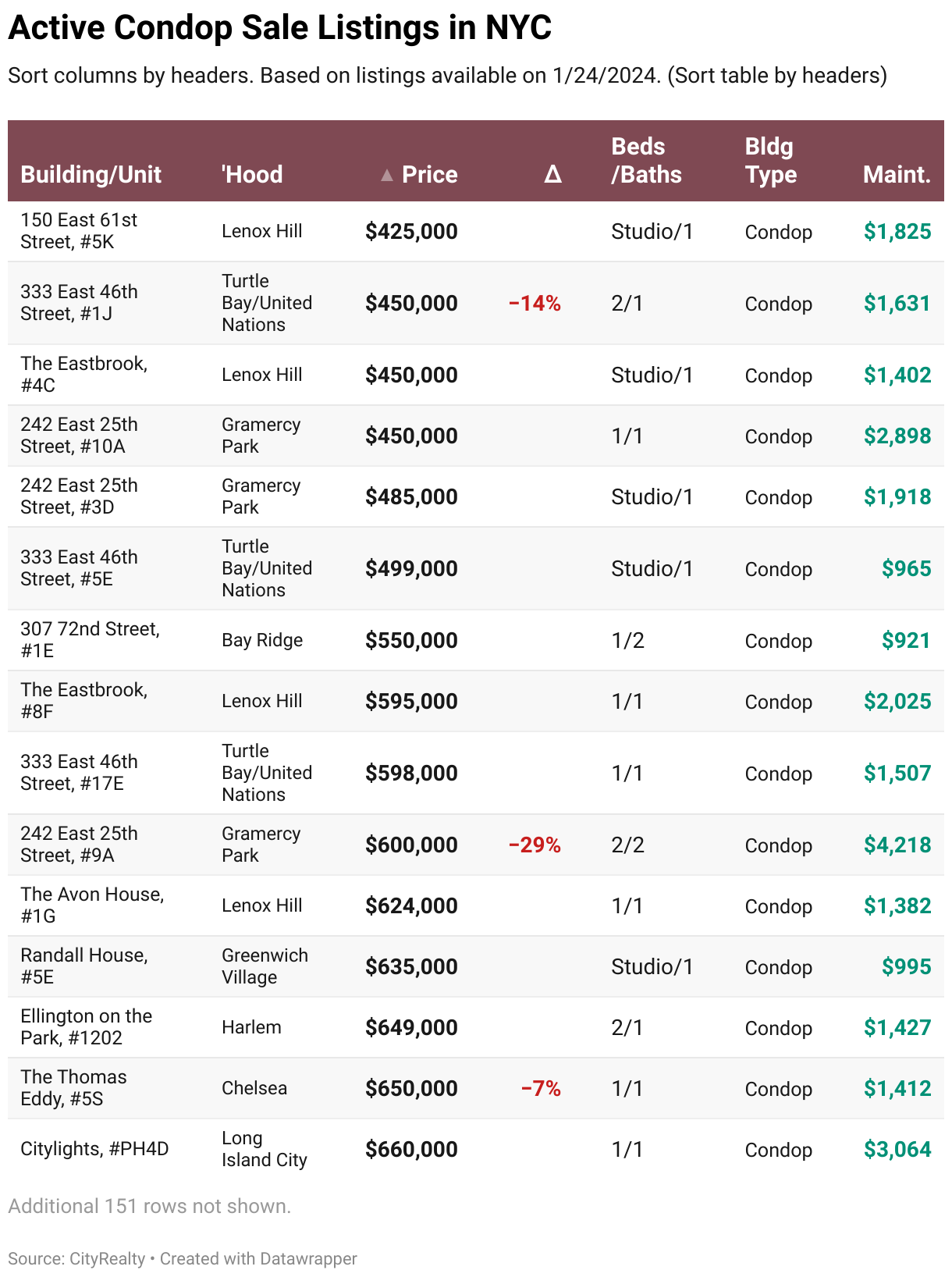
Condops for sale throughout NYC
Would you like to tour any of these properties?
Just complete the info below.
Or call us at (212) 755-5544
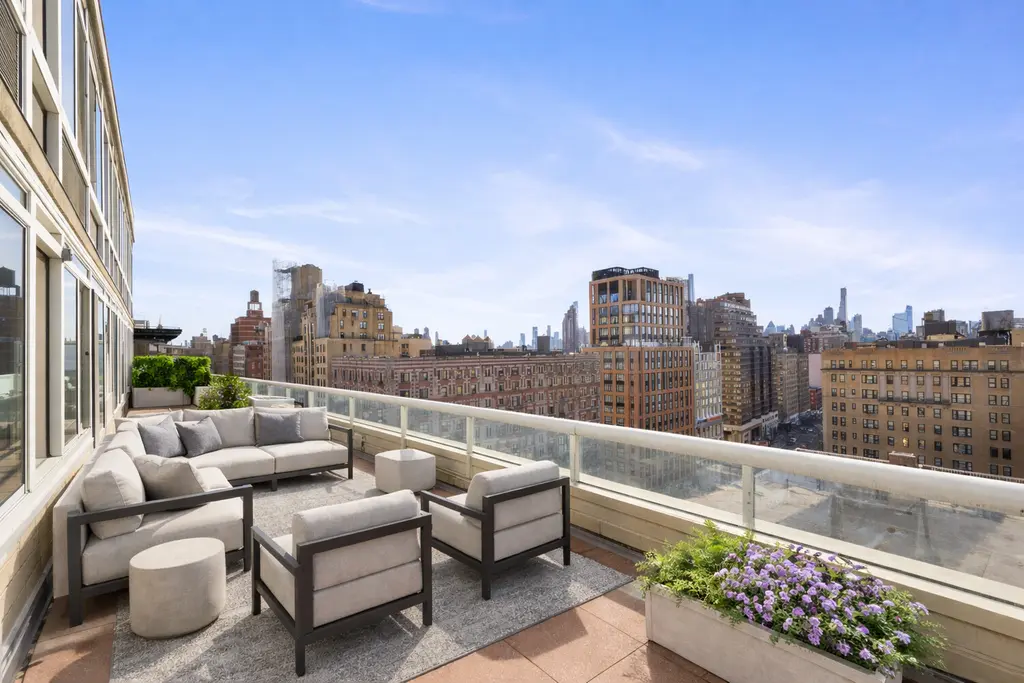
The Boulevard, #1706
$6,995,000
Riverside Dr./West End Ave. | Condop | 5 Bedrooms, 4.5 Baths | 4,606 ft2
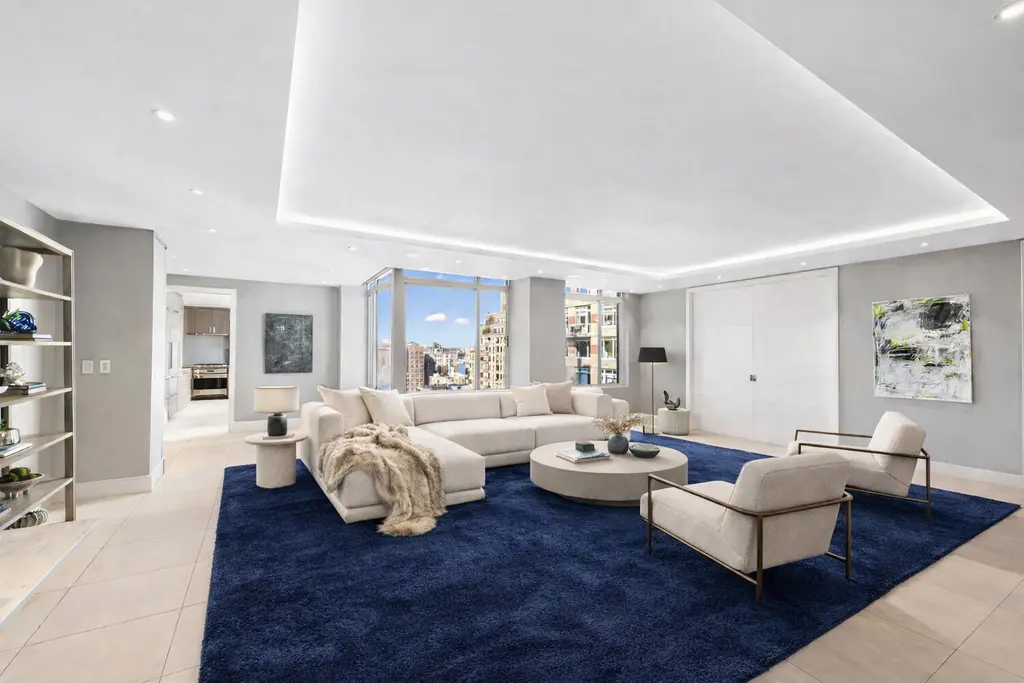
The Boulevard, #1706 (MAGNETIC)
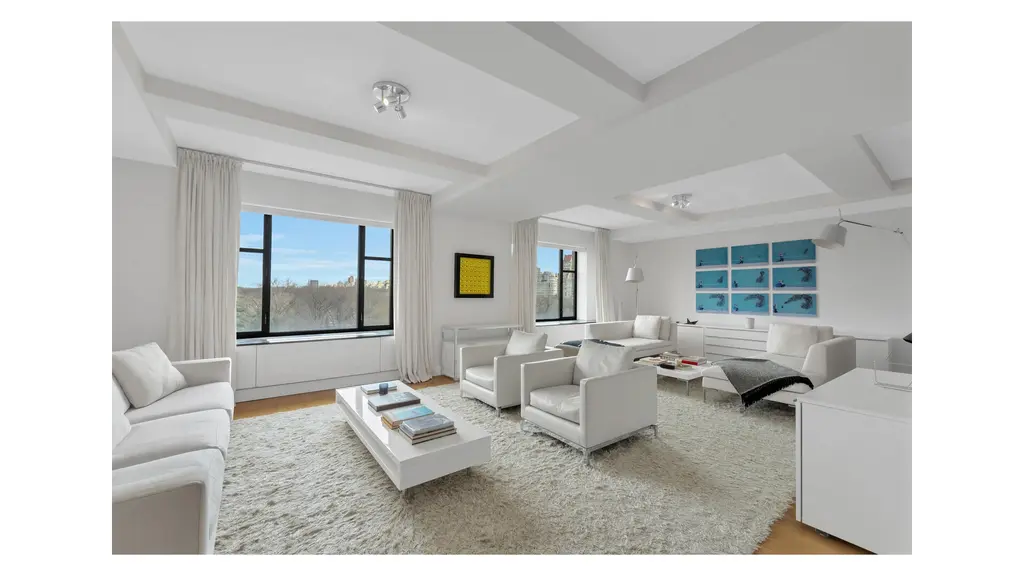
The Intercontinental, #8B (Douglas Elliman Real Estate)

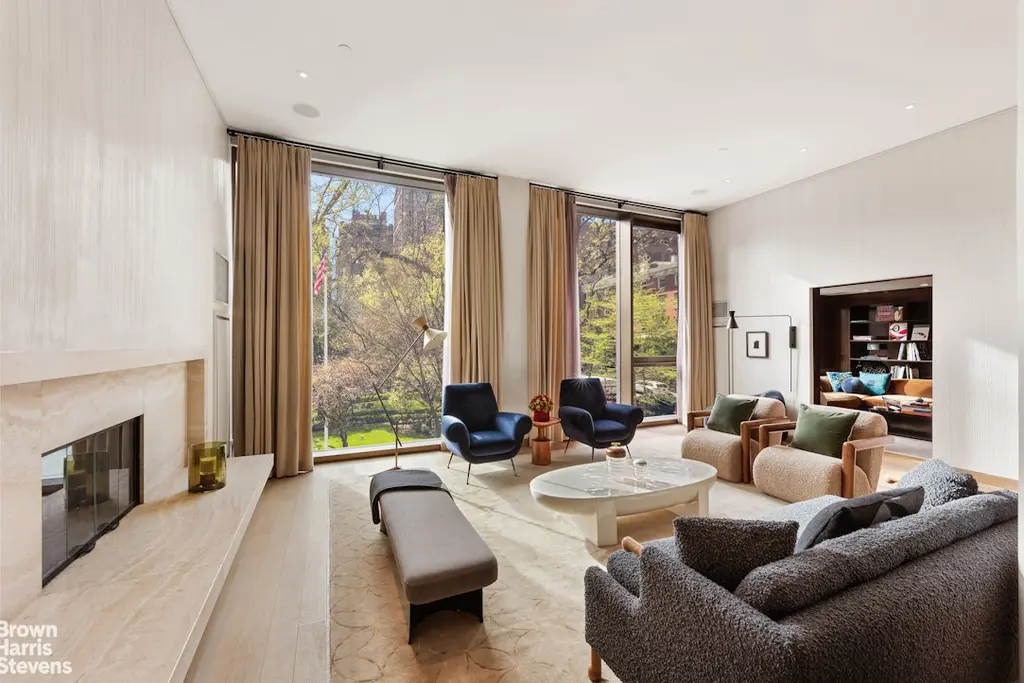
50 Gramercy Park North, #3B (Brown Harris Stevens Residential Sales LLC)
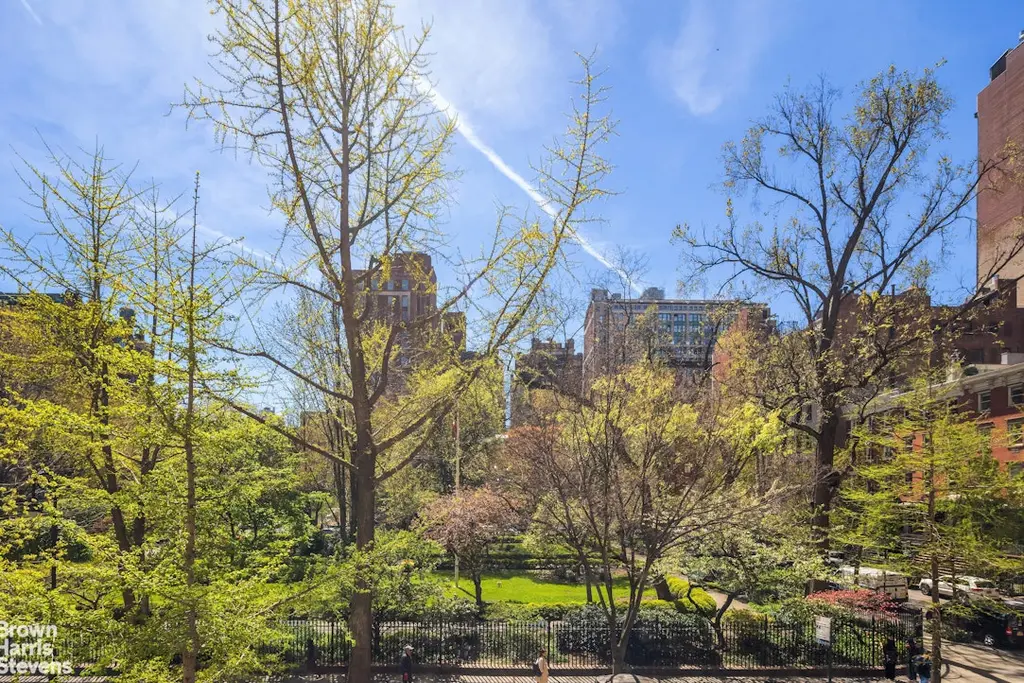
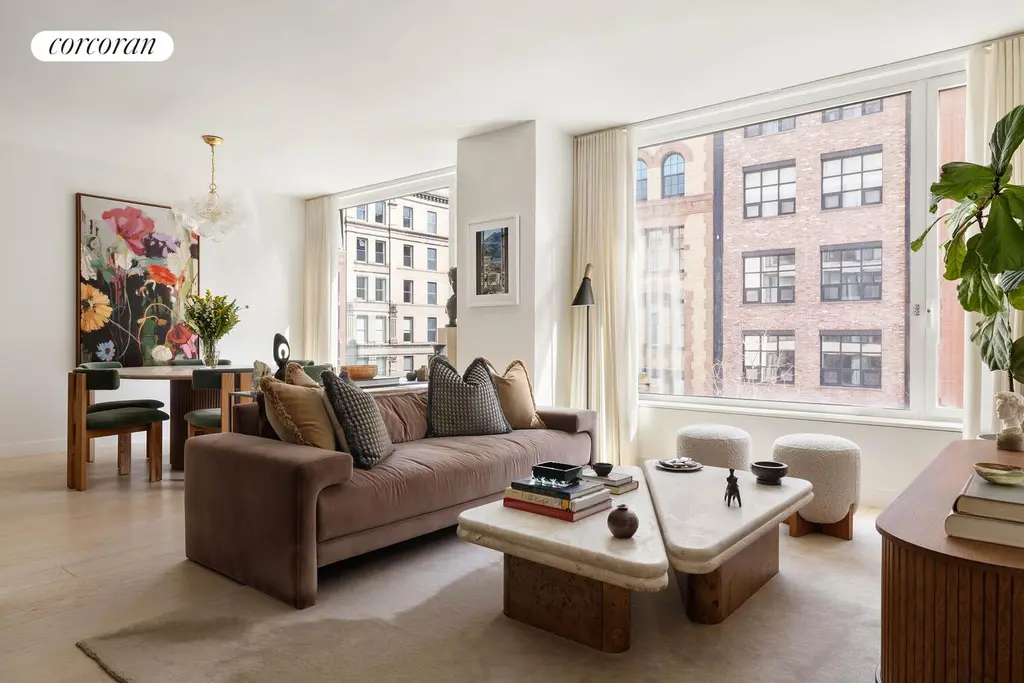
450 Washington Street, #418 (Corcoran Group)
4 West 21st Street, #3-AD
$2,900,000 (-13.4%)
Flatiron/Union Square | Condop | 4 Bedrooms, 3 Baths | 3,000 ft2
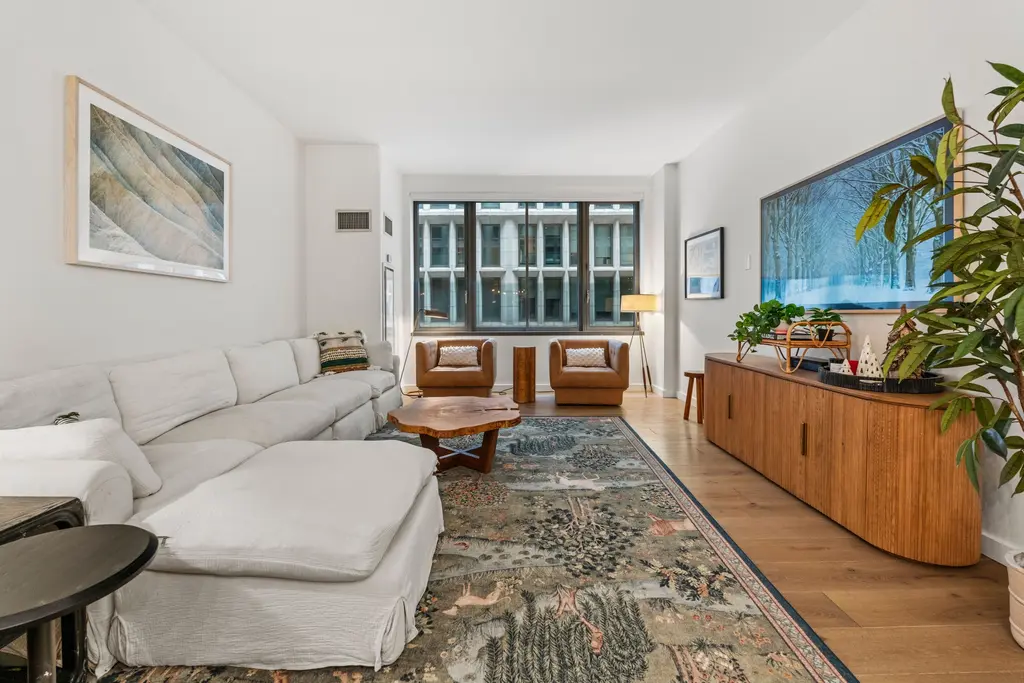
4 West 21st Street, #3-AD (Nest Seekers LLC)
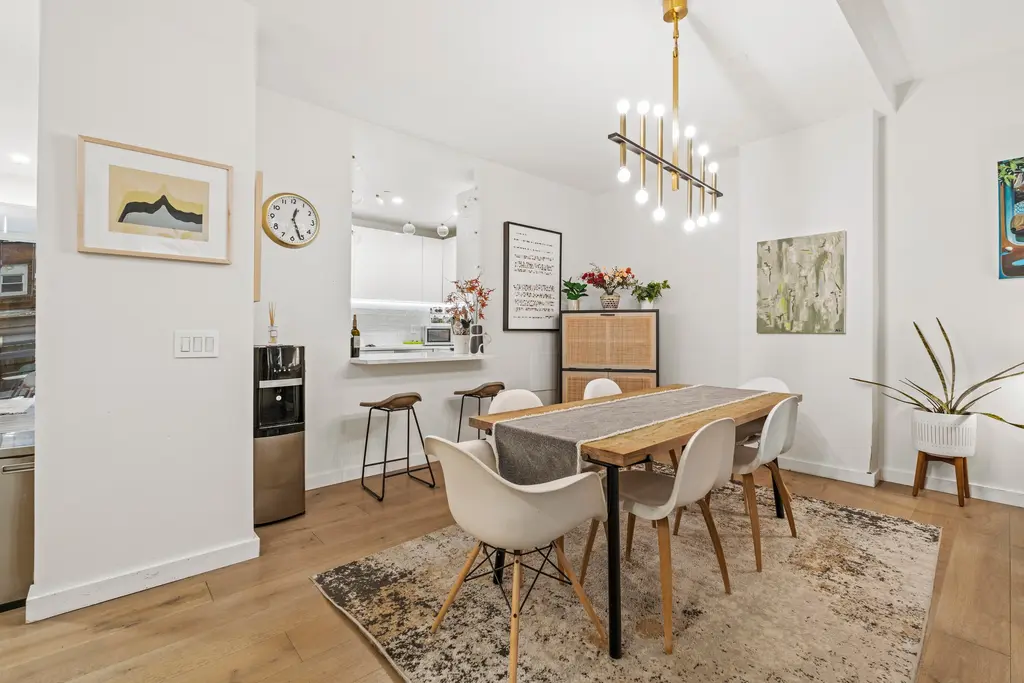
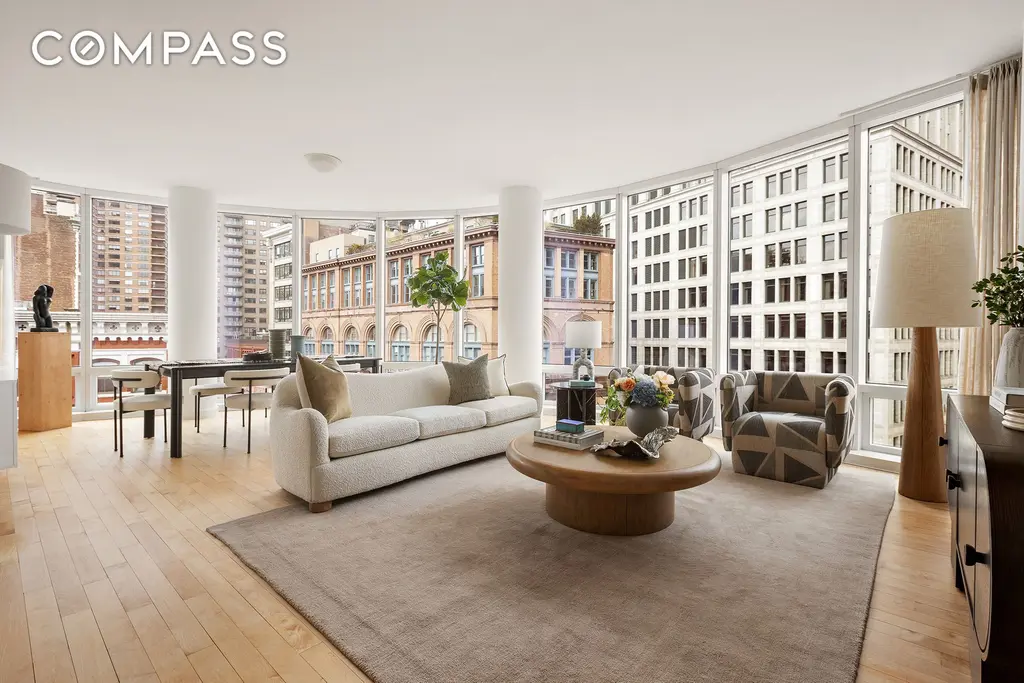
The Astor Place, #9C (Compass)

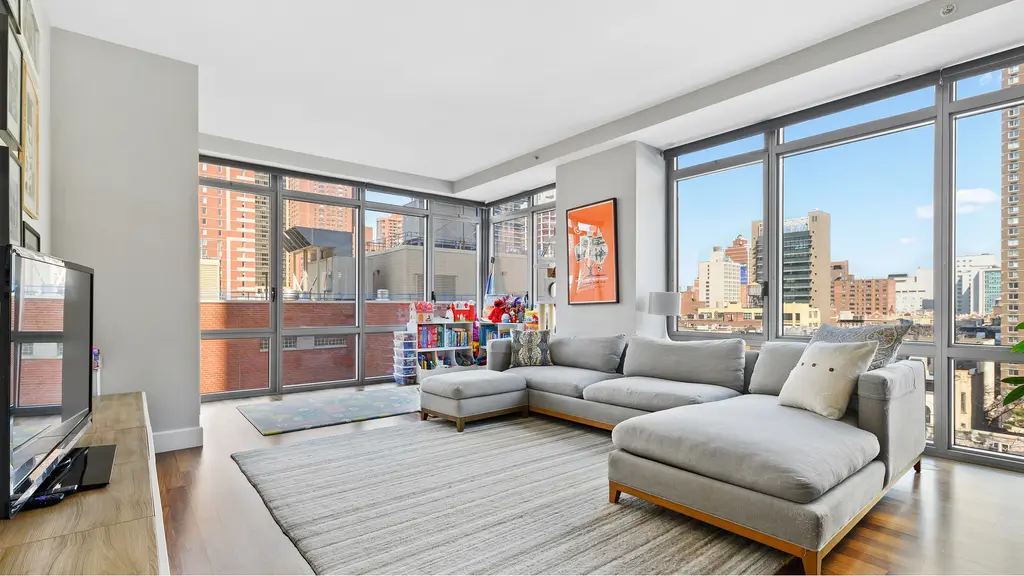
Azure, #8A (Douglas Elliman Real Estate)
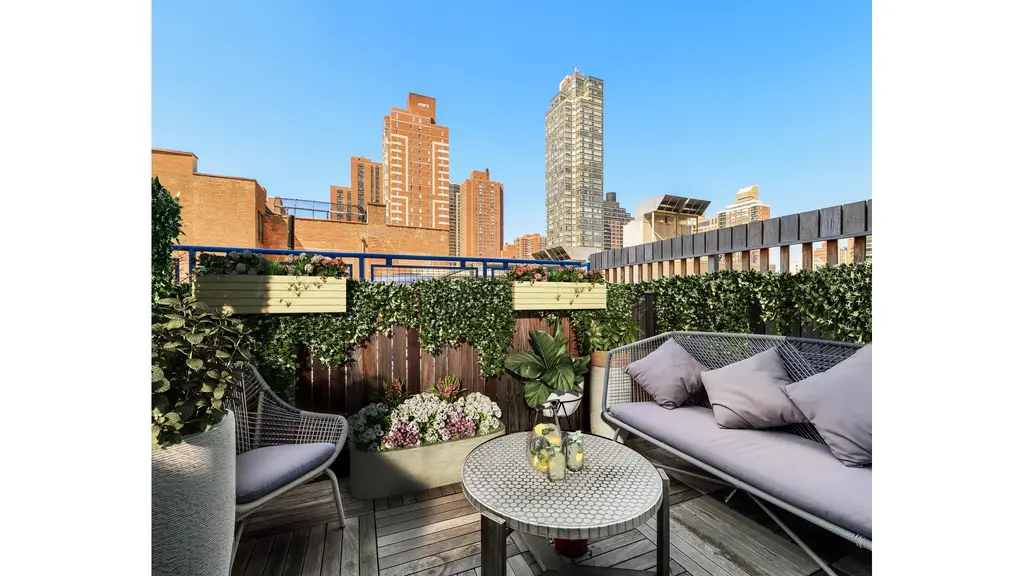

The Willow, #11A (Compass)


The Strathmore, #22D (Corcoran Sunshine Marketing Group)
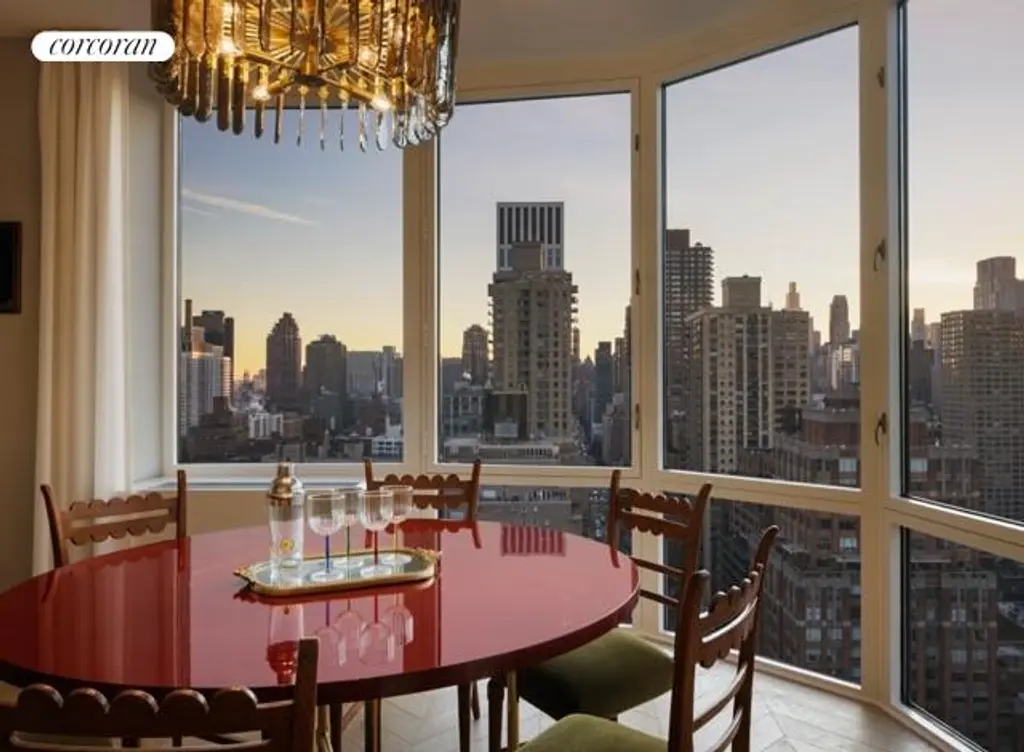
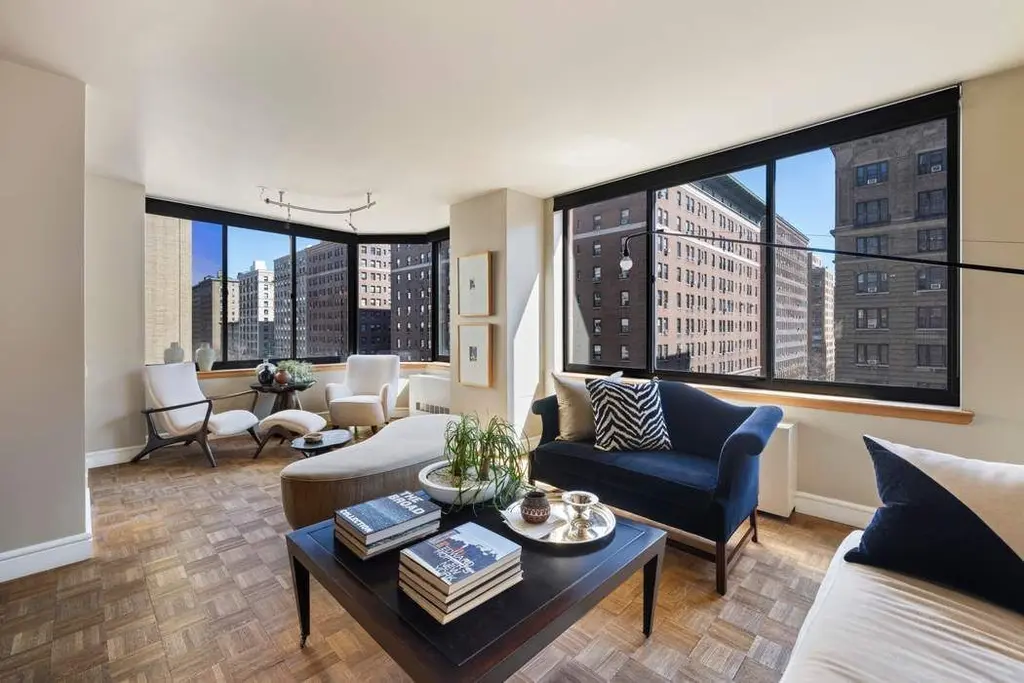
The Savannah, #8G (Sothebys International Realty)
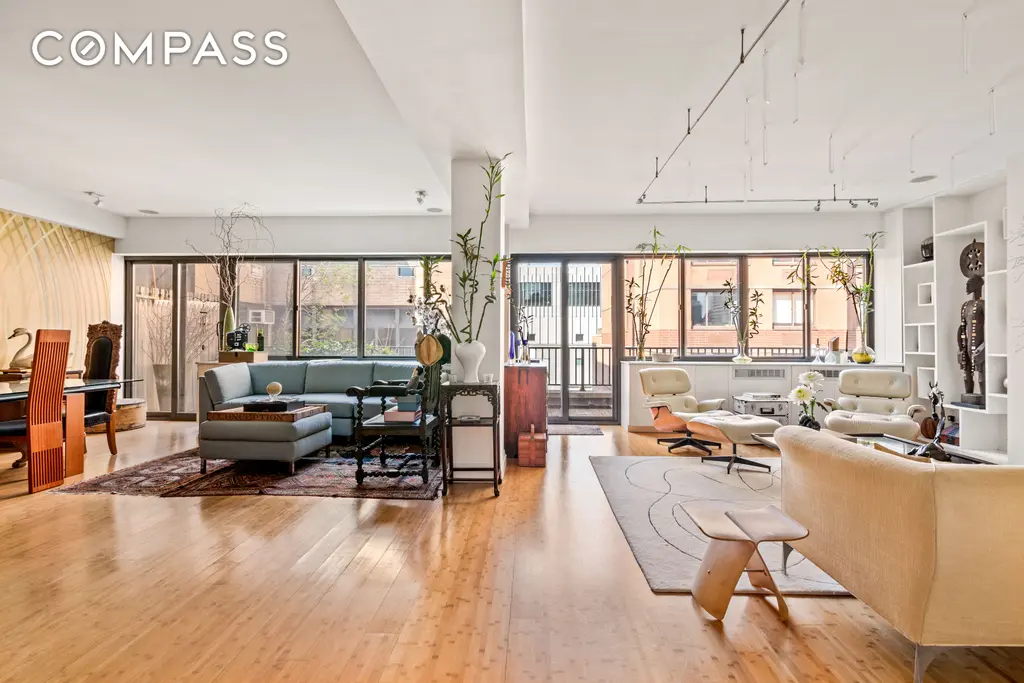
The Armory, #7B (Compass)
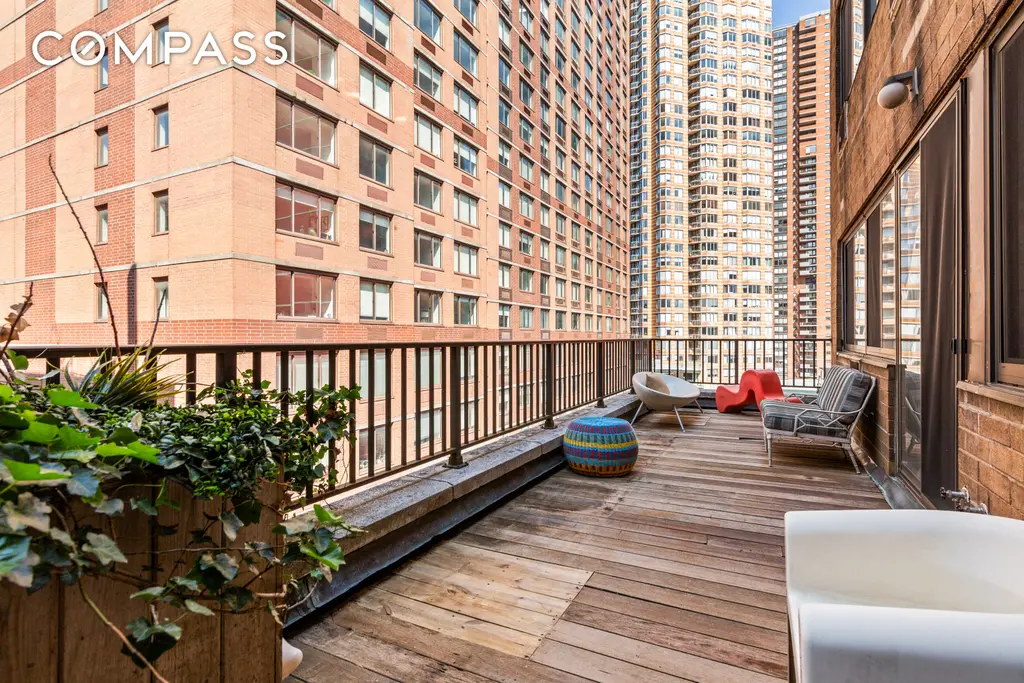

The Solaire, #21C (Corcoran Sunshine Marketing Group)

The Island House, #512
$1,180,000 (-4.6%)
Roosevelt Island | Condop | 3 Bedrooms, 2.5 Baths | 1,600 ft2
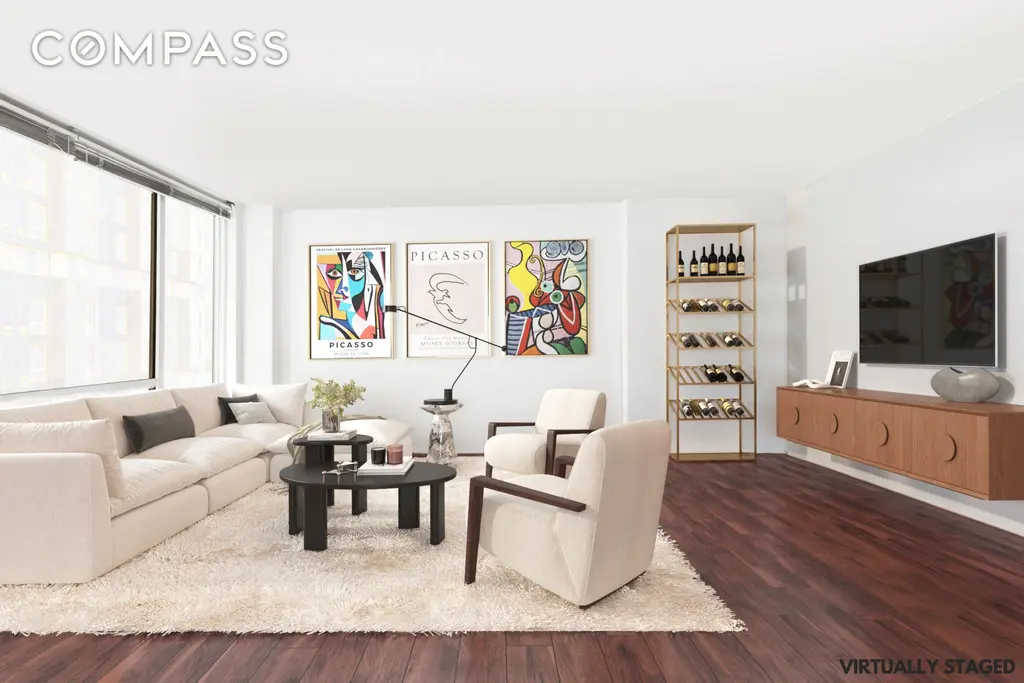
The Island House, #512 (Compass)
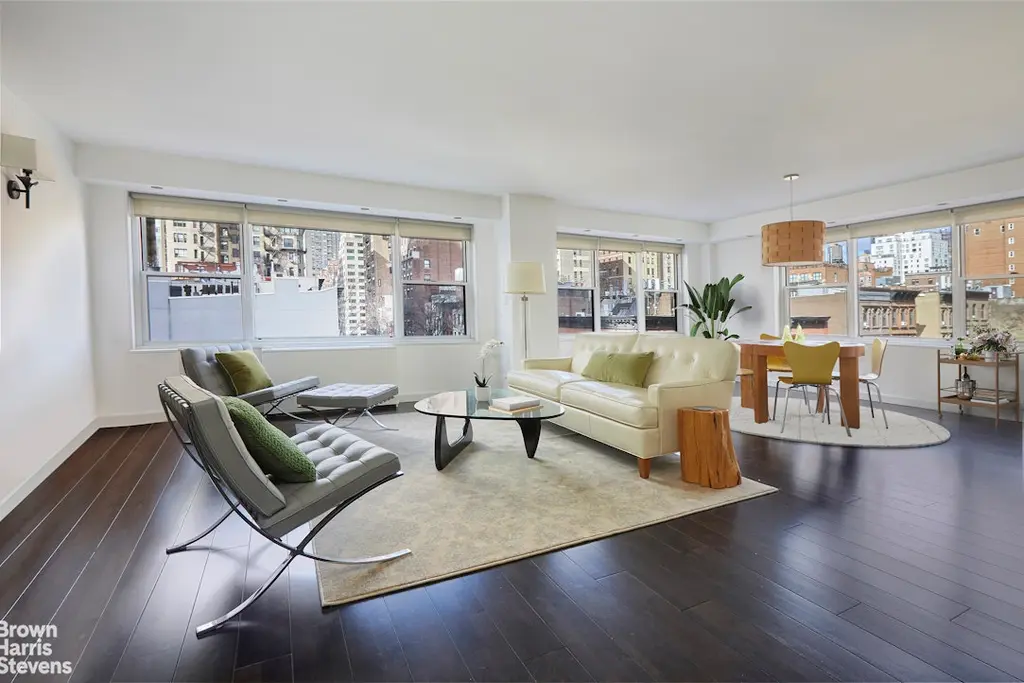
150 East 61st Street, #6E (Brown Harris Stevens Residential Sales LLC)
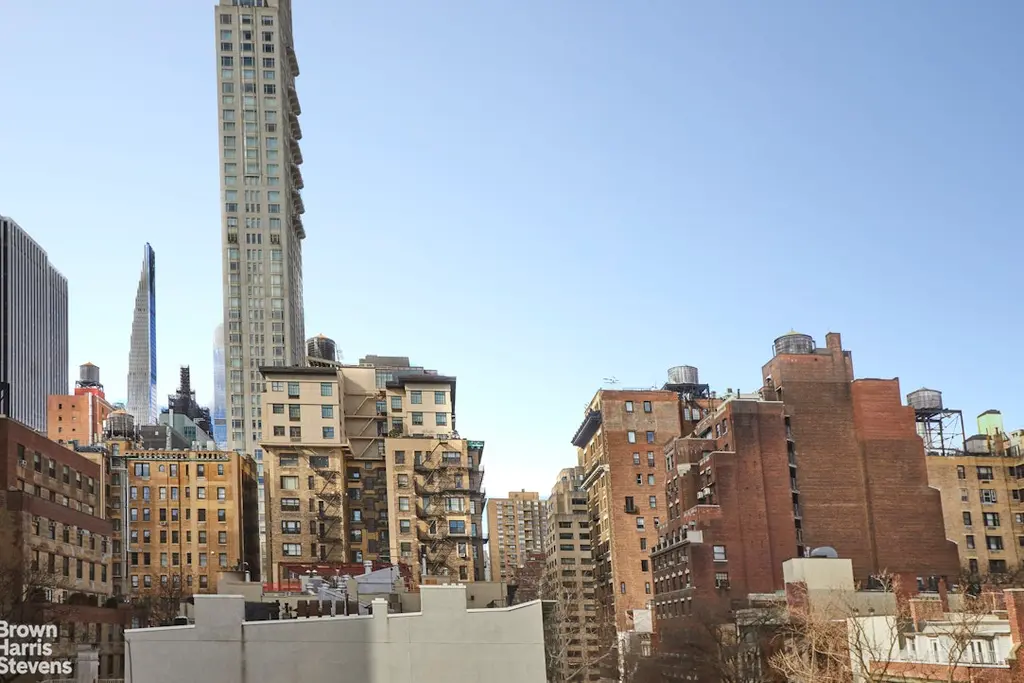
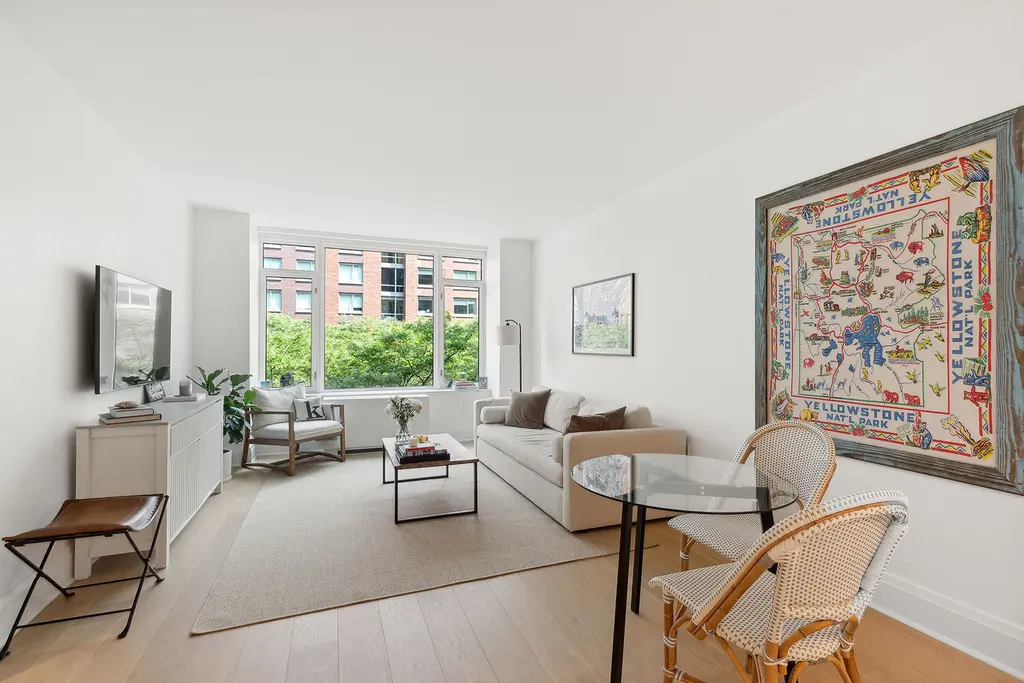
Tribeca Green, #5C (Coldwell Banker Warburg)
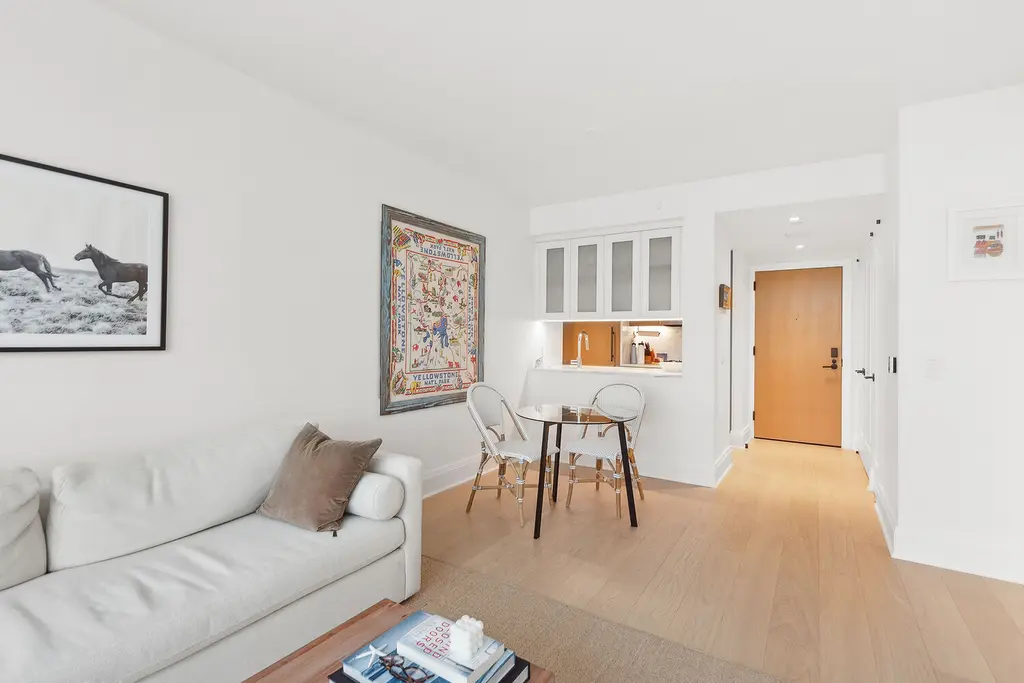
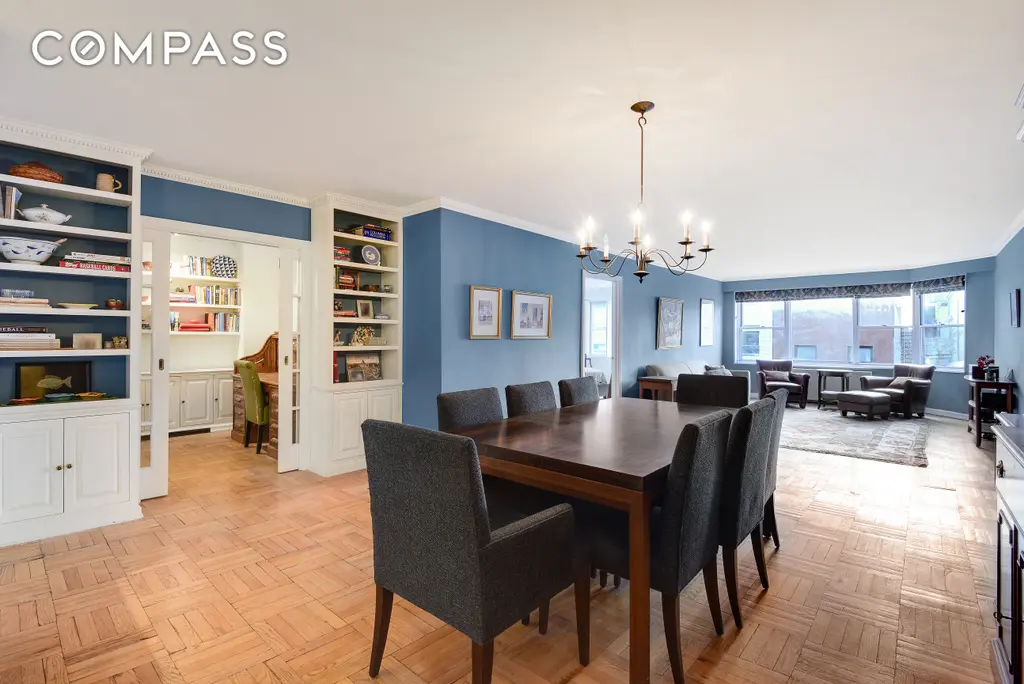
150 East 61st Street, #5C (Compass)
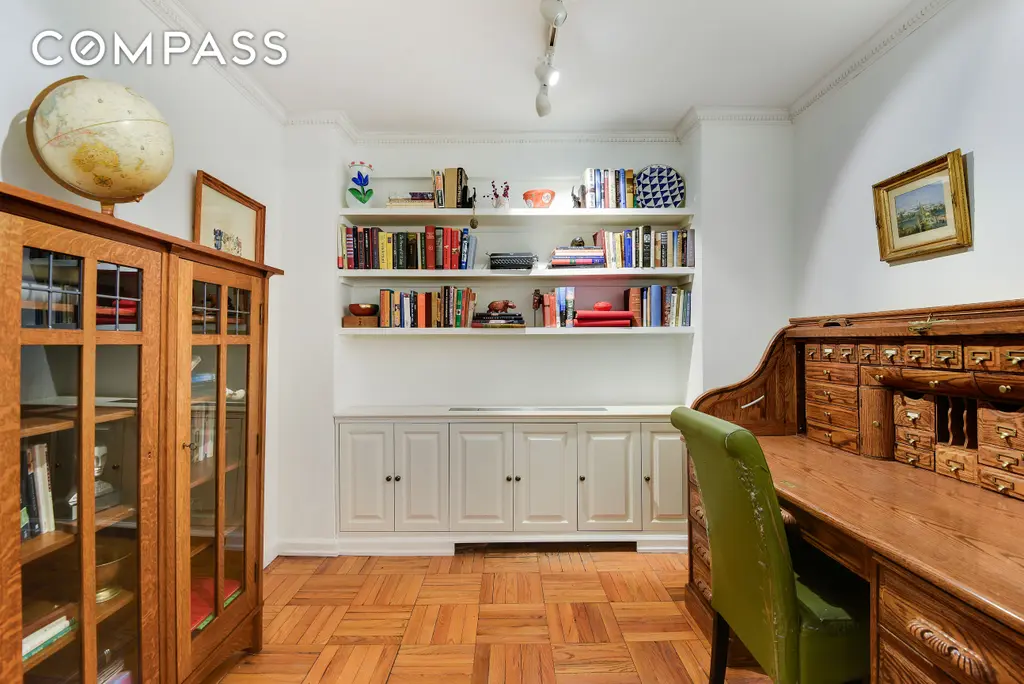
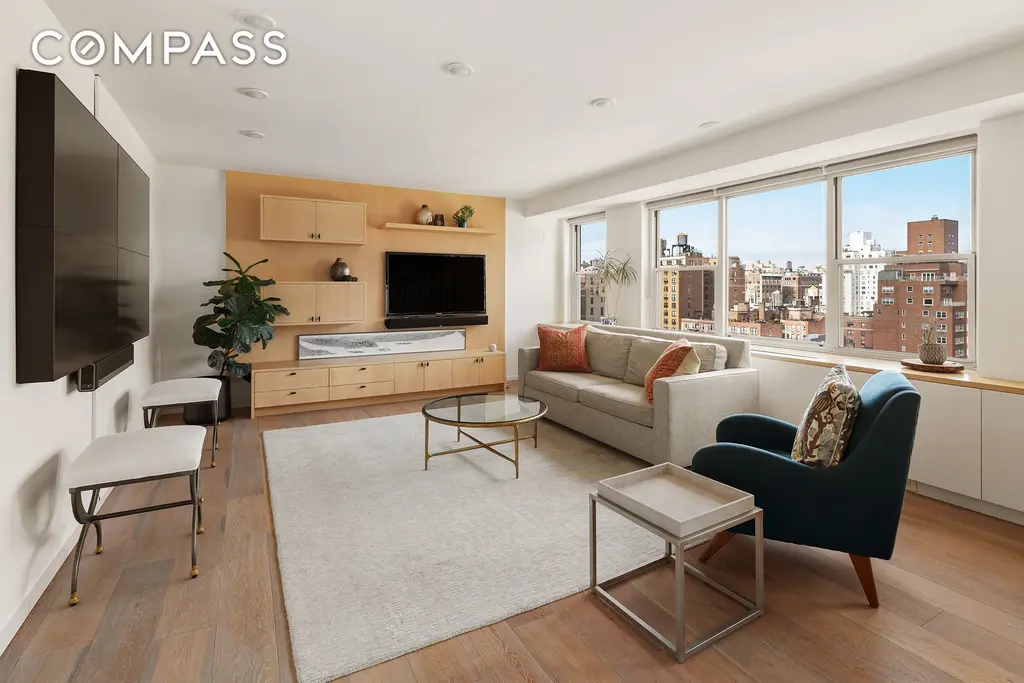
150 East 61st Street, #16D (Compass)

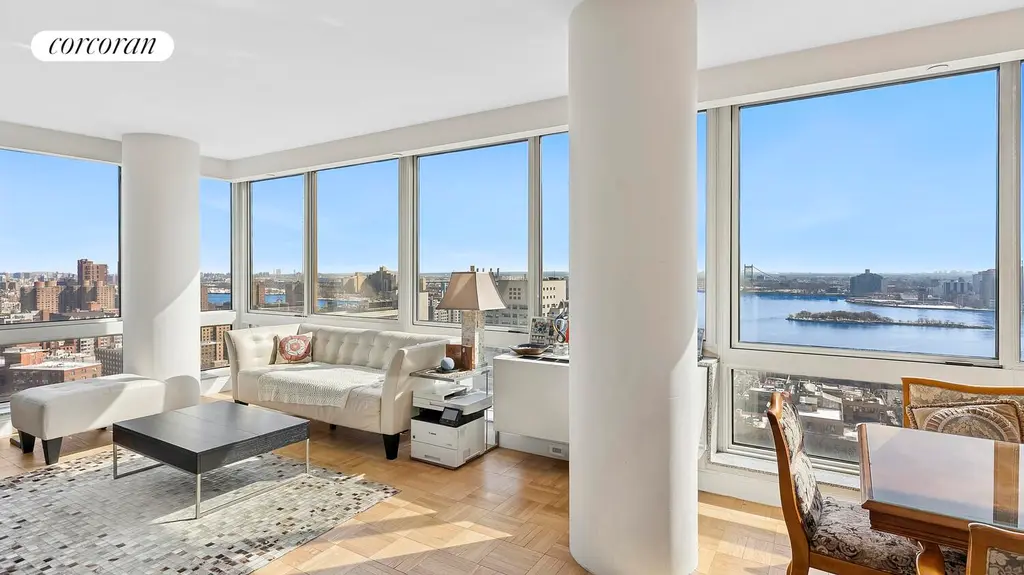
One Carnegie Hill, #25C (Corcoran Group)
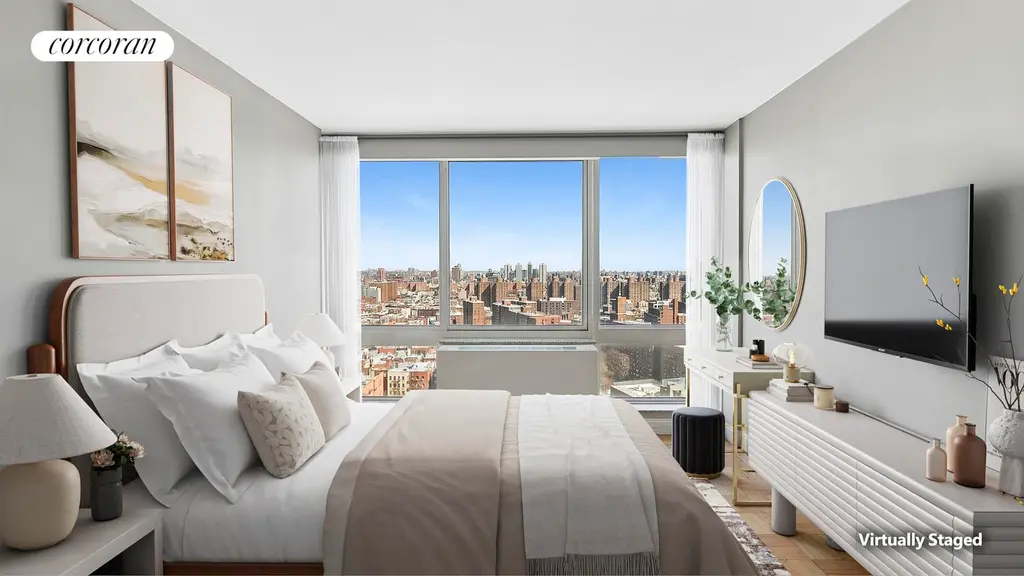
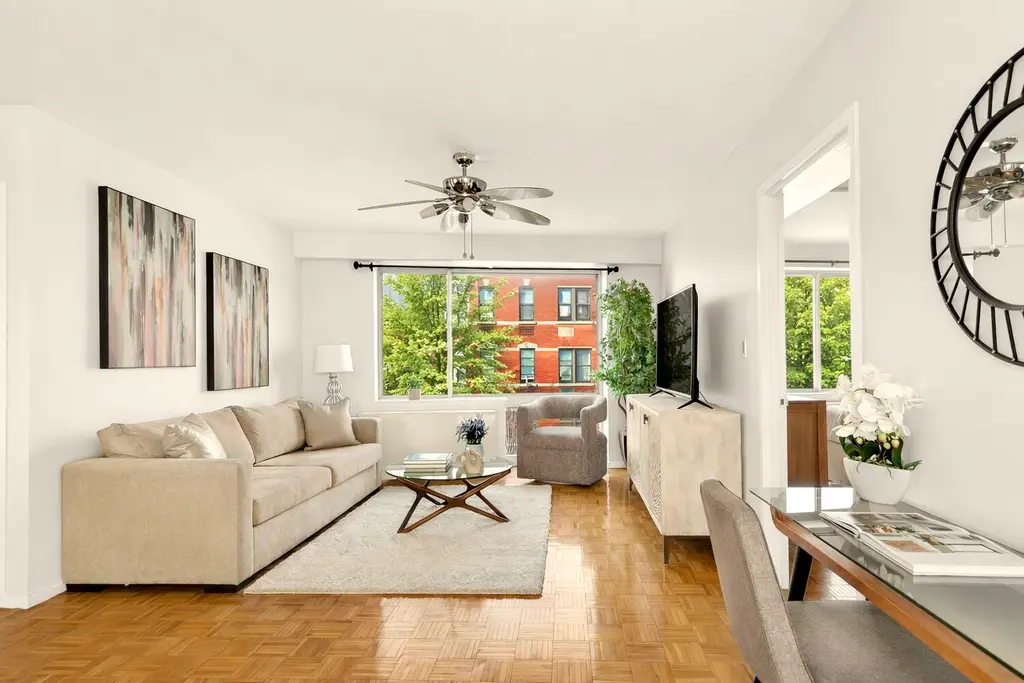
The Hamilton, #503 (Douglas Elliman Real Estate)
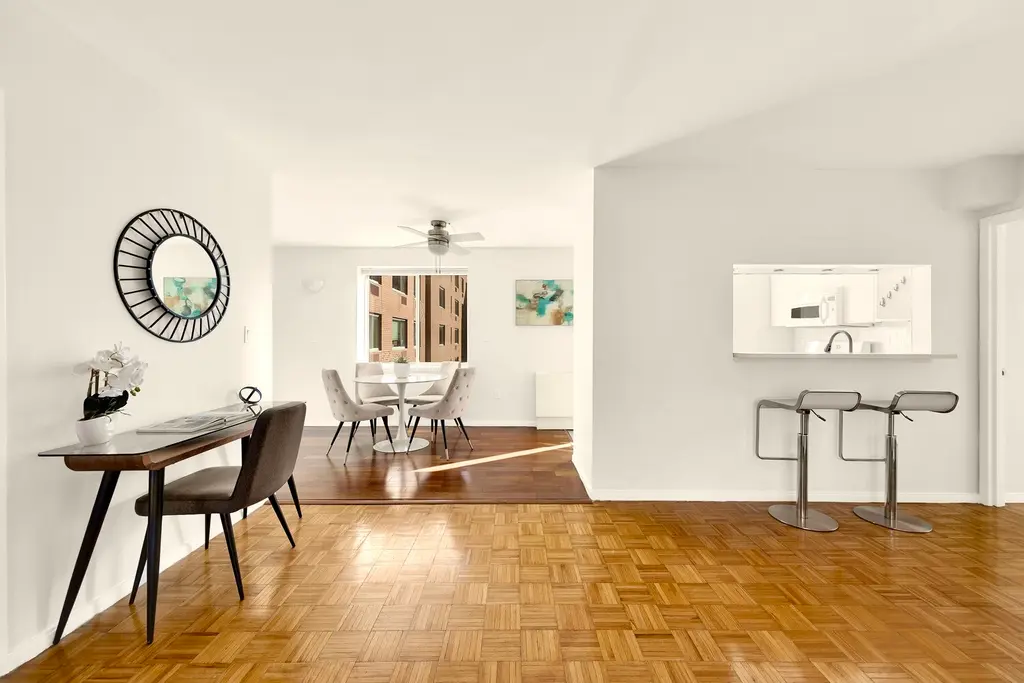
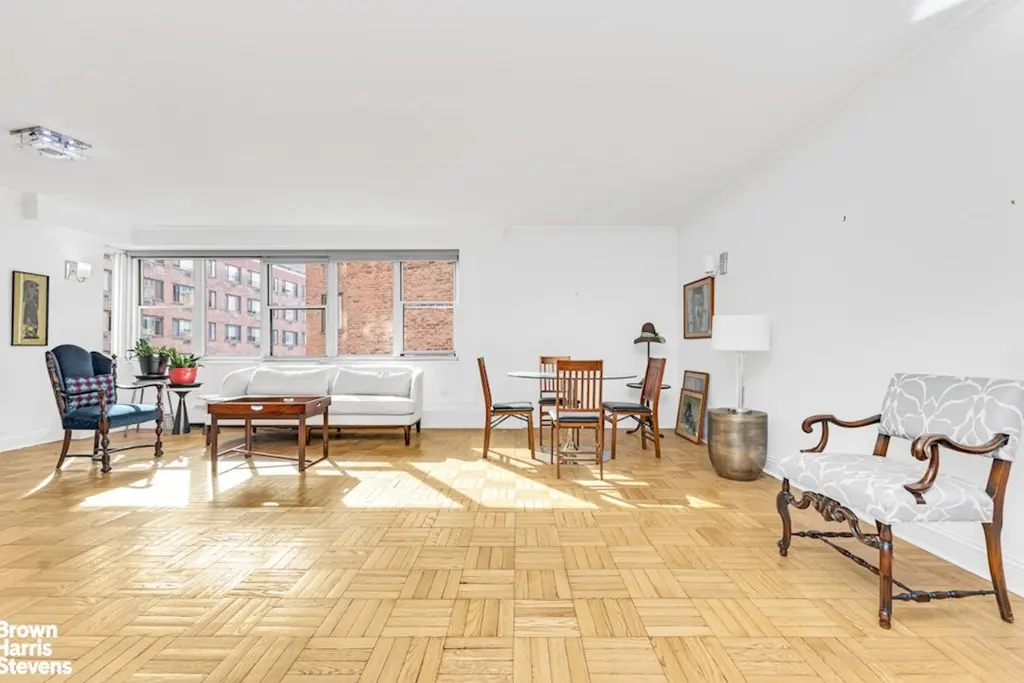
York River House, #10L (Brown Harris Stevens Residential Sales LLC)
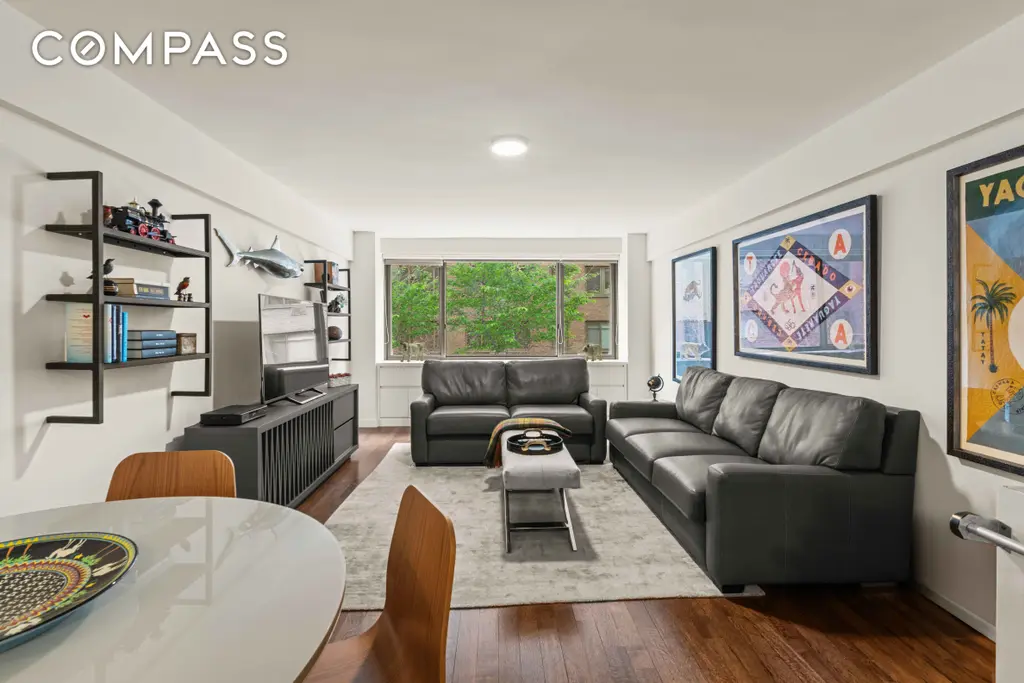
The Royal York I, #W6A (Compass)
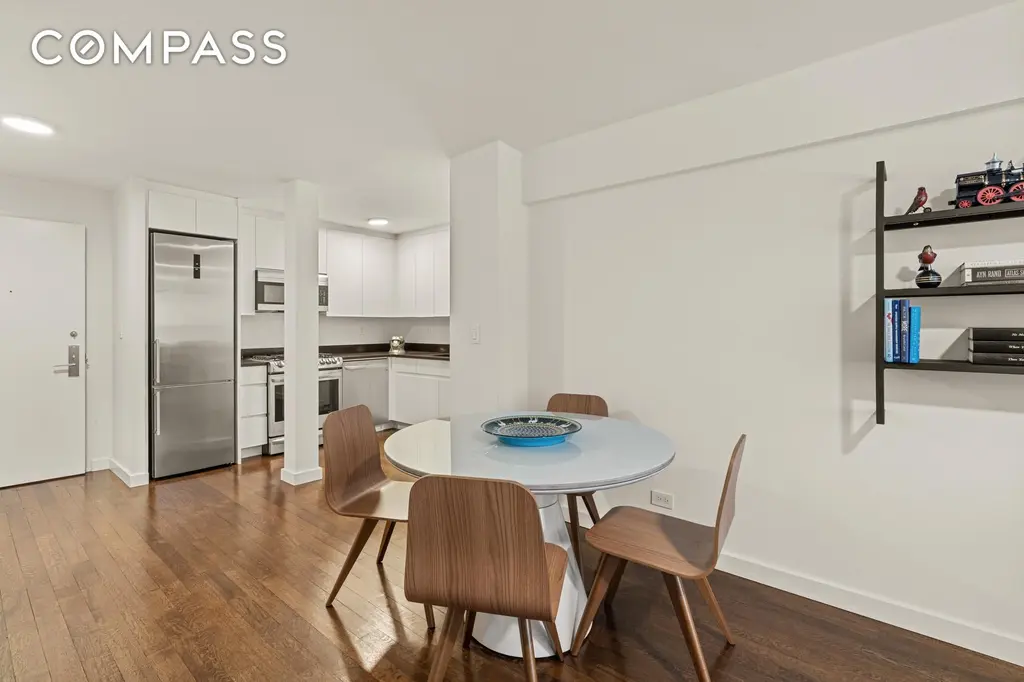
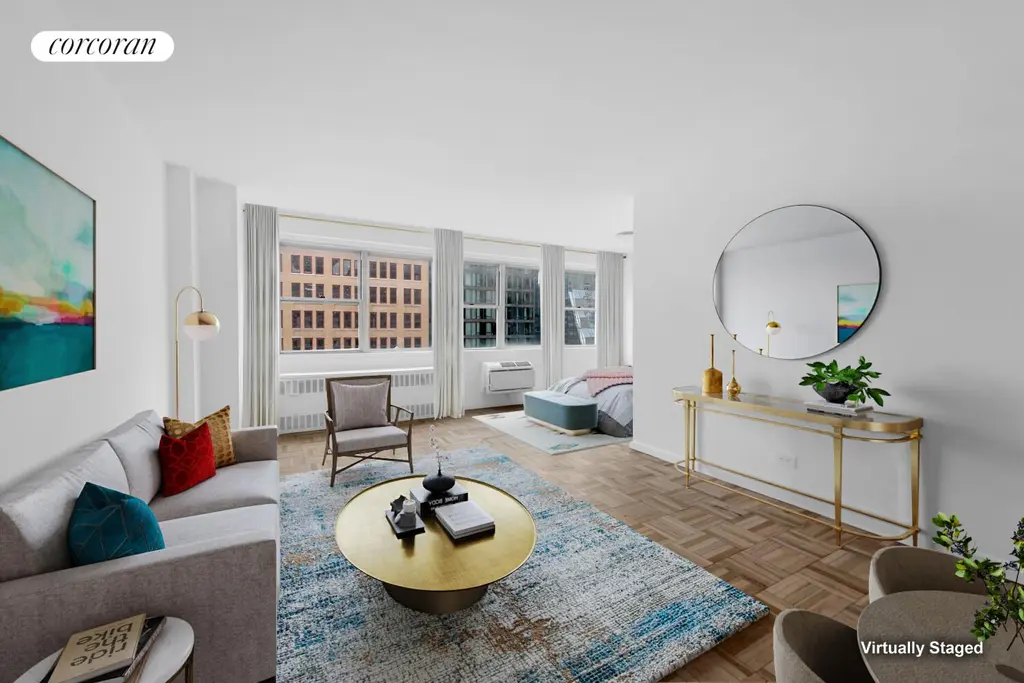
Convention Overlook, #14A (Corcoran Group)
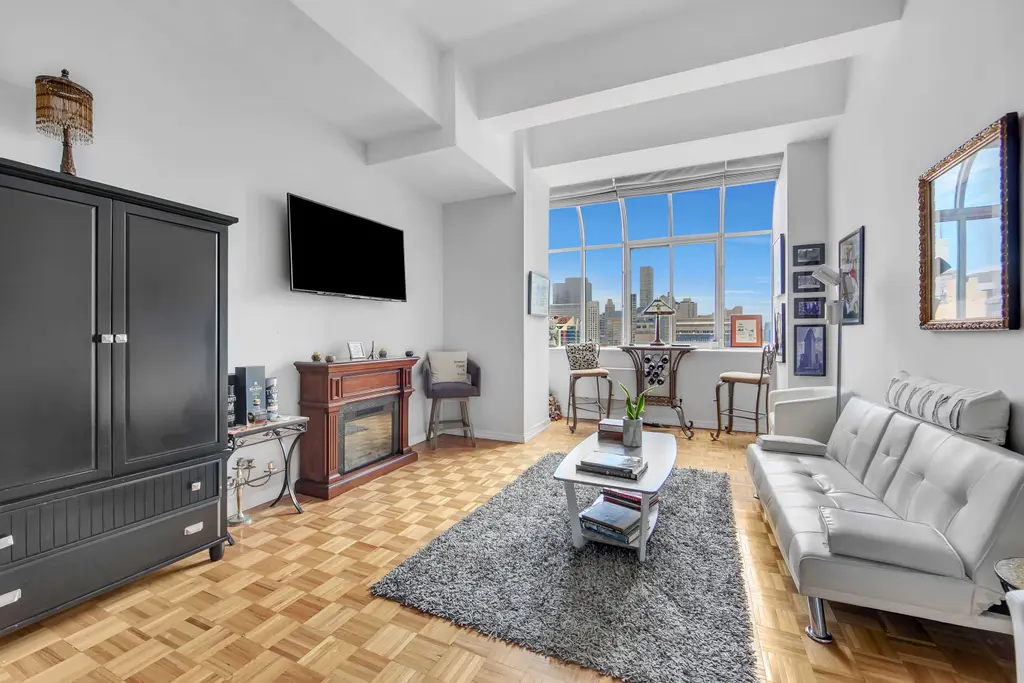
Turtle Bay Towers, #21F (Howard Hanna NYC)
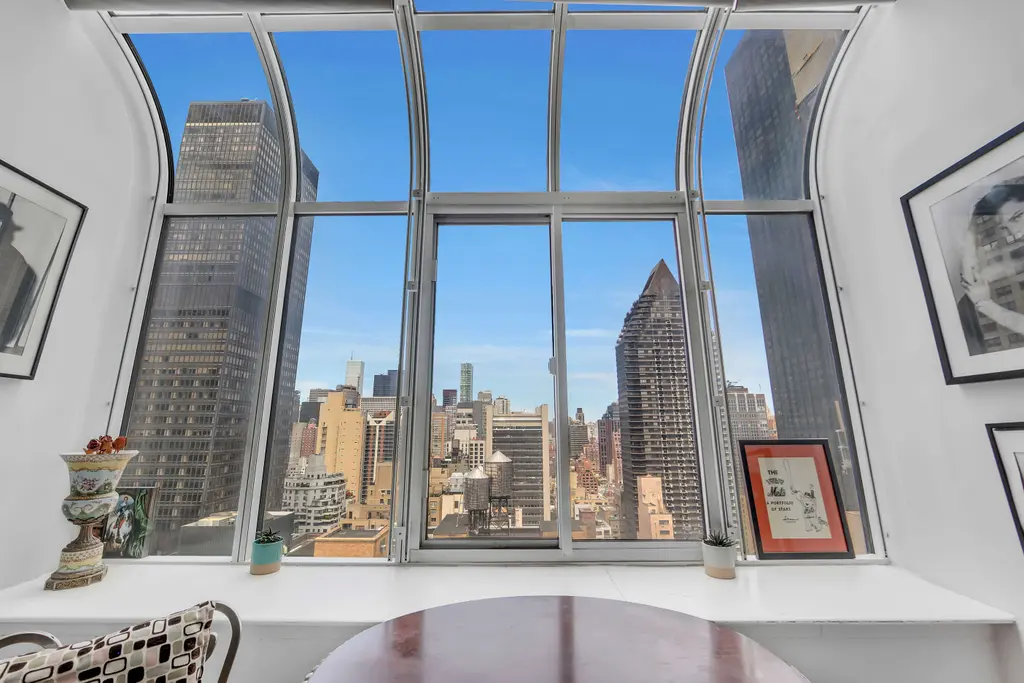
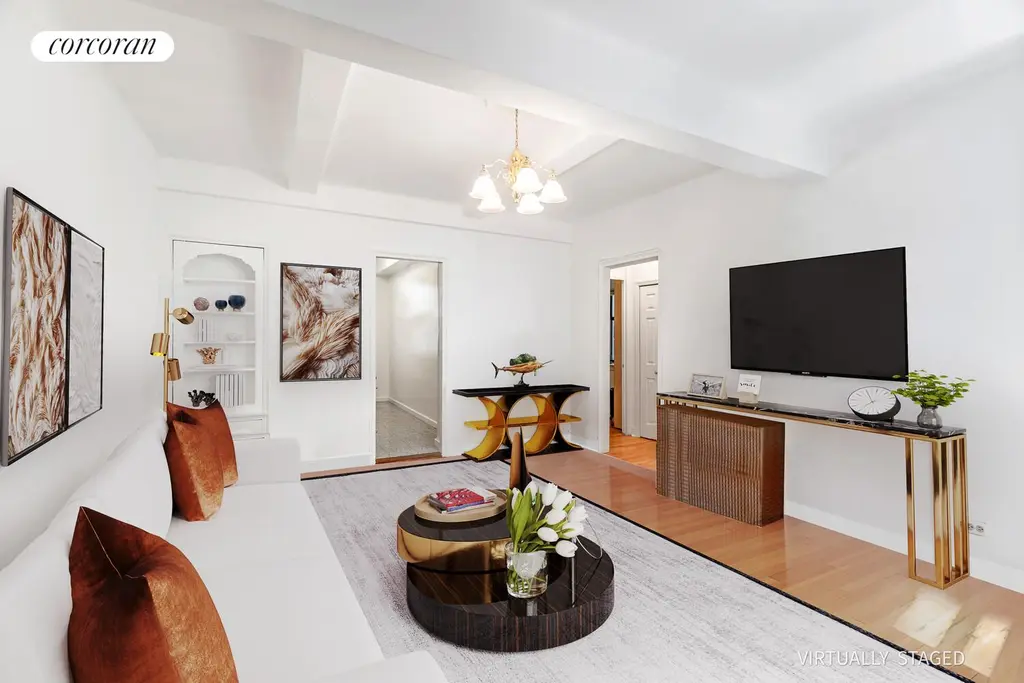
142 East 49th Street, #9E (Corcoran Group)
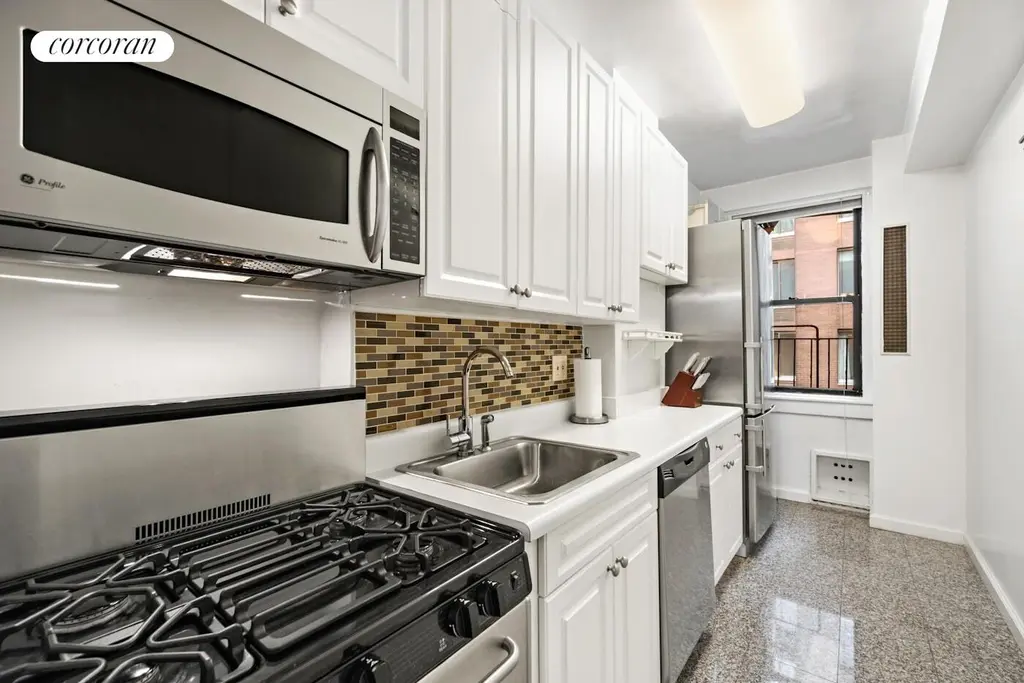
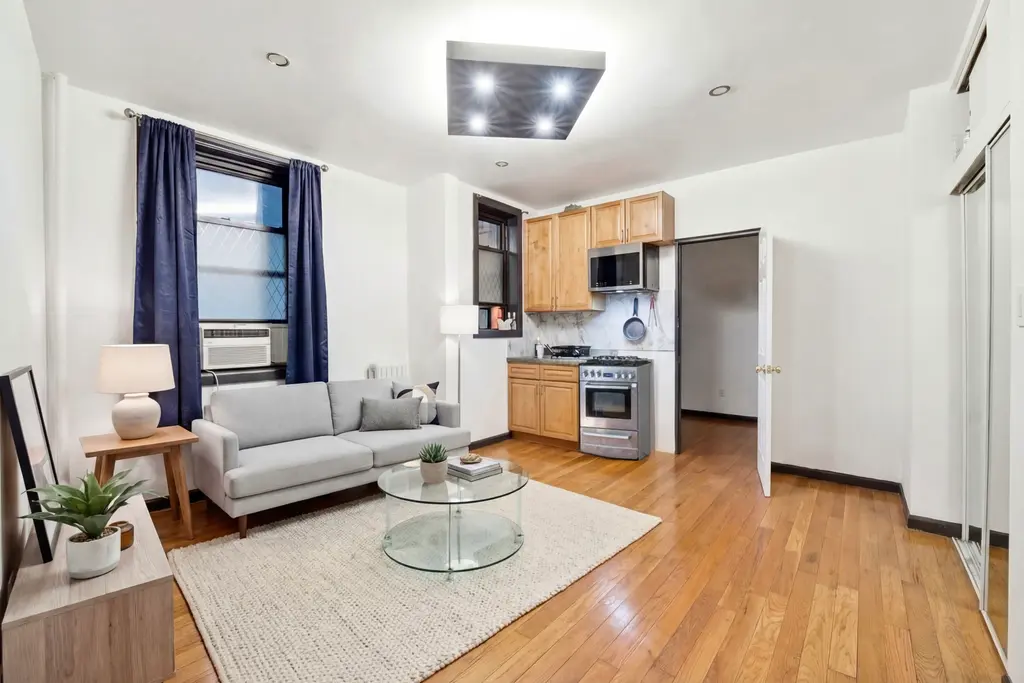
The Acropolis, #1C (Keller Williams NYC)
Would you like to tour any of these properties?
Just complete the info below.
Or call us at (212) 755-5544
Would you like to tour any of these properties?

Contributing Writer
Cait Etherington
Cait Etherington has over twenty years of experience working as a journalist and communications consultant. Her articles and reviews have been published in newspapers and magazines across the United States and internationally. An experienced financial writer, Cait is committed to exposing the human side of stories about contemporary business, banking and workplace relations. She also enjoys writing about trends, lifestyles and real estate in New York City where she lives with her family in a cozy apartment on the twentieth floor of a Manhattan high rise.

 6sqft delivers the latest on real estate, architecture, and design, straight from New York City.
