 ✨Don’t just browse - start exploring!✨

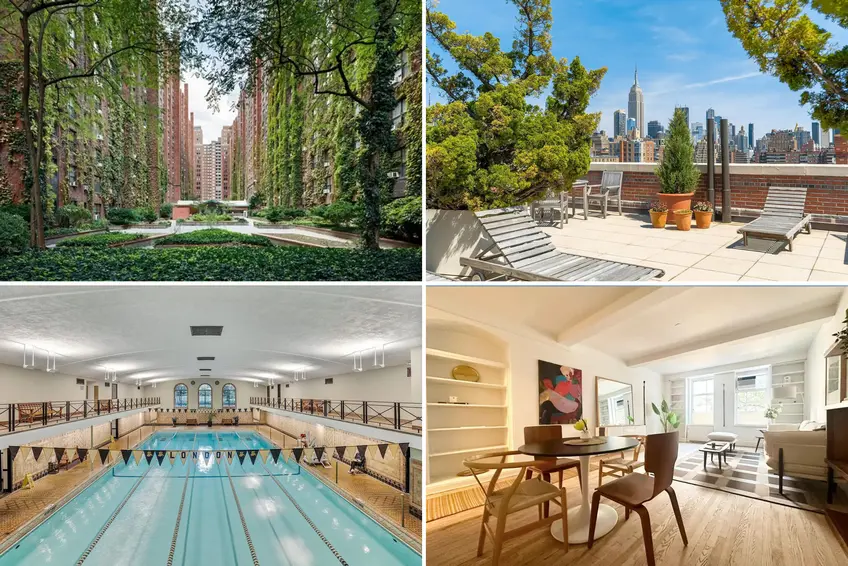 The community at London Terrace
New Yorkers not only love their city and neighborhoods but also often have a strong attachment to the communities found in the coops, condos, and walkups where most of them live. Although it isn’t visible to most visitors to the city, one of the true pleasures of living in New York is the strong sense of belonging that can exist in one’s building. That’s why, from HDFCs on the Lower East Side to luxury coops on Park Avenue, it is easy to find examples of these communities within communities, but that doesn’t mean that they just happen. In most cases, building communities are the result of intention and care.
In this article:

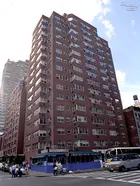
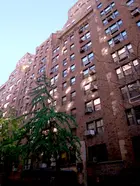
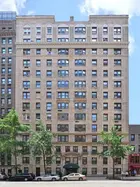
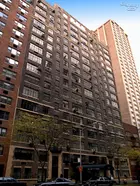

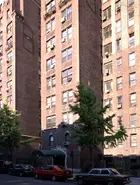

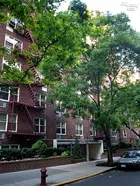
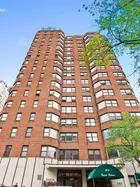
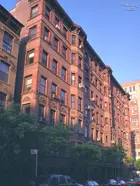
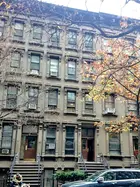



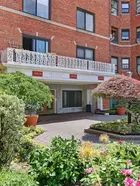
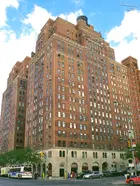

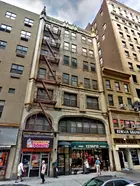



From building to community
There are buildings, and there are buildings that are home to communities. Unsurprisingly, in New York City both a building’s staff and board tend to play a key part in promoting a strong sense of community.
In many buildings, doormen—and other staff, especially superintendents—are the heart and soul of the building. From checking in with older residents who live alone to high-fiving kids arriving home from school, staff are the ears, eyes, and heart of many New York City buildings. Because they are on the front lines, they are also often the first people to alert the broader community when a resident is in need. But building staff aren’t the only people who play a key role in helping create a strong sense of community within a building. In some cases, it’s the residents themselves.
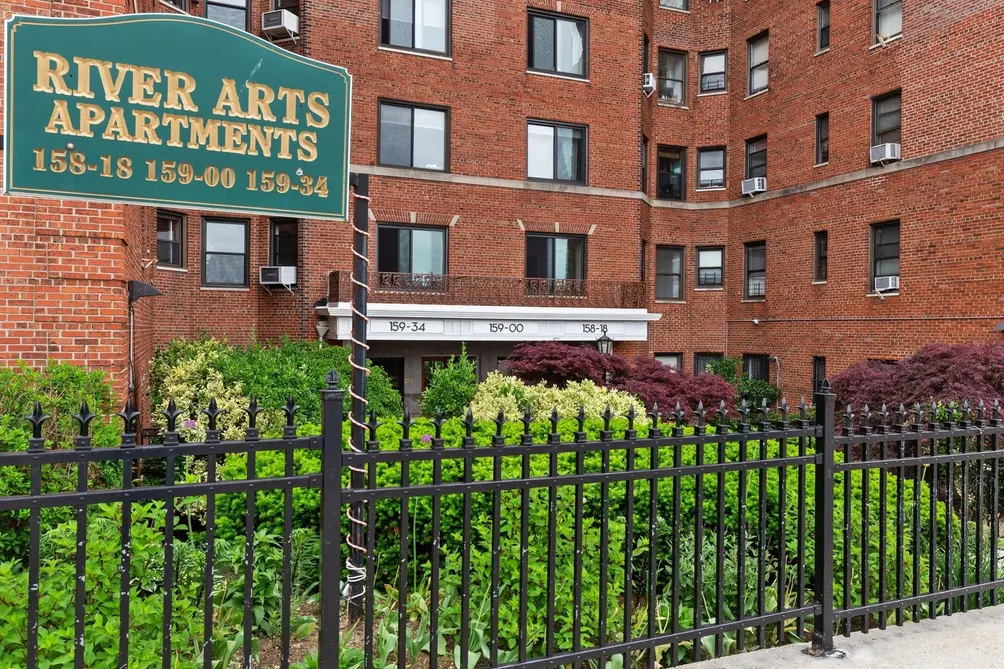 The River Arts 158-18 Riverside Drive
For example, at The River Arts, a large uptown Manhattan coop where residents include everyone from retired Broadway performers to researchers and medical staff from the nearby Columbia Presbyterian, the board recently sent out a survey to learn about the community’s needs. The survey revealed a strong interest among residents in educational workshops and social gatherings. Fitness and wellness classes and family-friendly events also ranked high. Following the initial survey, the coop also launched a Caring Community Committee that hopes to help connect individual residents who are able and willing to share their time or skills with neighbors who may occasionally need a helping hand (e.g. with installing an air conditioner, notarizing a document, or caring for a pet).
With over 250 units, The River Arts reveals that you don’t need to live in an intimate boutique building where everyone already knows your name to build a strong sense of community in a New York City building. Still, the larger the building, the more likely it is that you may need to be proactive about building a sense of community among tenants.
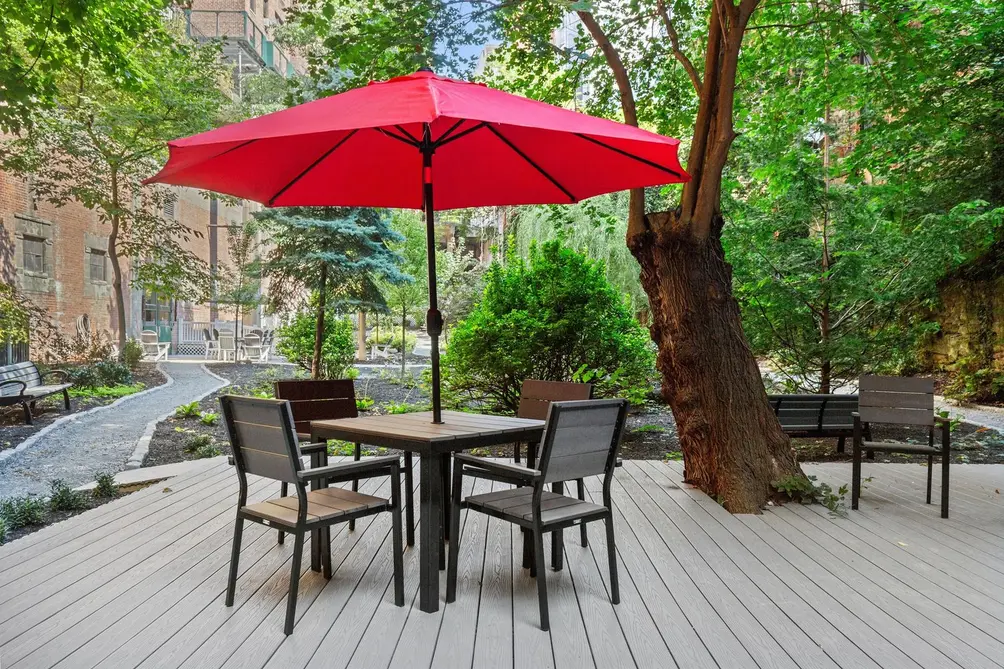 Grounds of The River Arts, which appear designed for community gatherings (Compass) | https://www.cityrealty.com/nyc/washington-heights/the-river-arts-871-riverside-drive/59758/2M/loaQPEIVFsOL
Seven Ways to Build Community in Your Building
Across building types, scales, and locations, there are plenty of ways to build and enjoy a sense of community without ever leaving home.
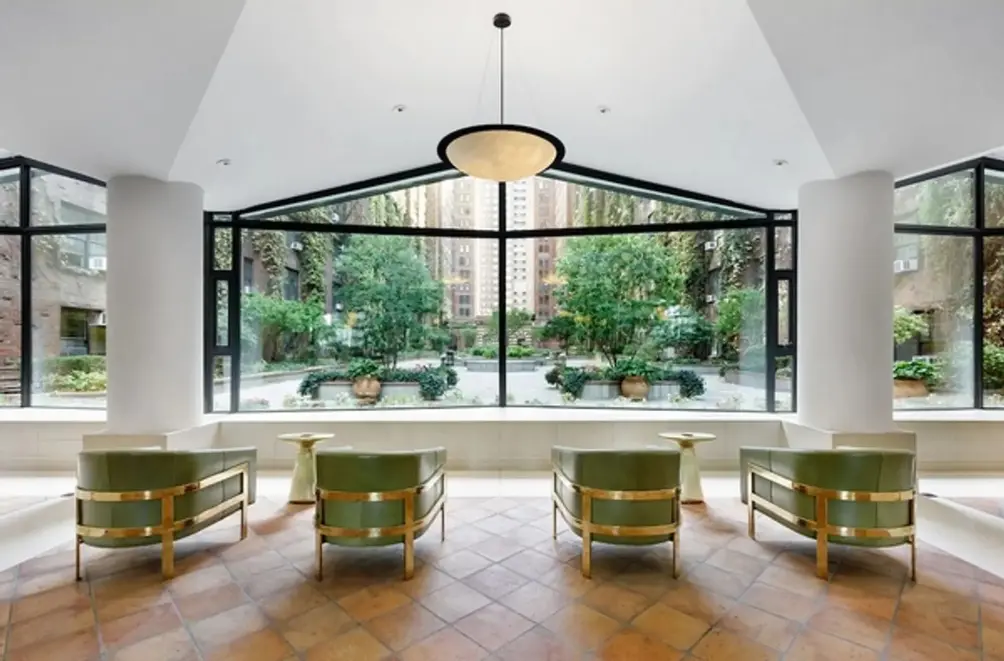 London Terrace
1. Attend shareholder meetings
If you live in a building with a board, attend your annual shareholder meetings. Beyond being a great way to learn about what is happening in your building, including on a financial level, it’s a great way to meet your neighbors.2. Run for the board
If you want to be more involved, run for the board. While boards are often looking for tenants with specific skills (e.g. a background in real estate, law, or finance), anyone who is a shareholder can run for the board, and everyone has something to offer.3. Volunteer for committees
Some buildings have formal committees focused on specific issues or projects (e.g., landscaping, finance, special events). A great way to contribute and build community is to volunteer on one or more committees. If your building doesn’t already have committees, propose starting one based on an identified need.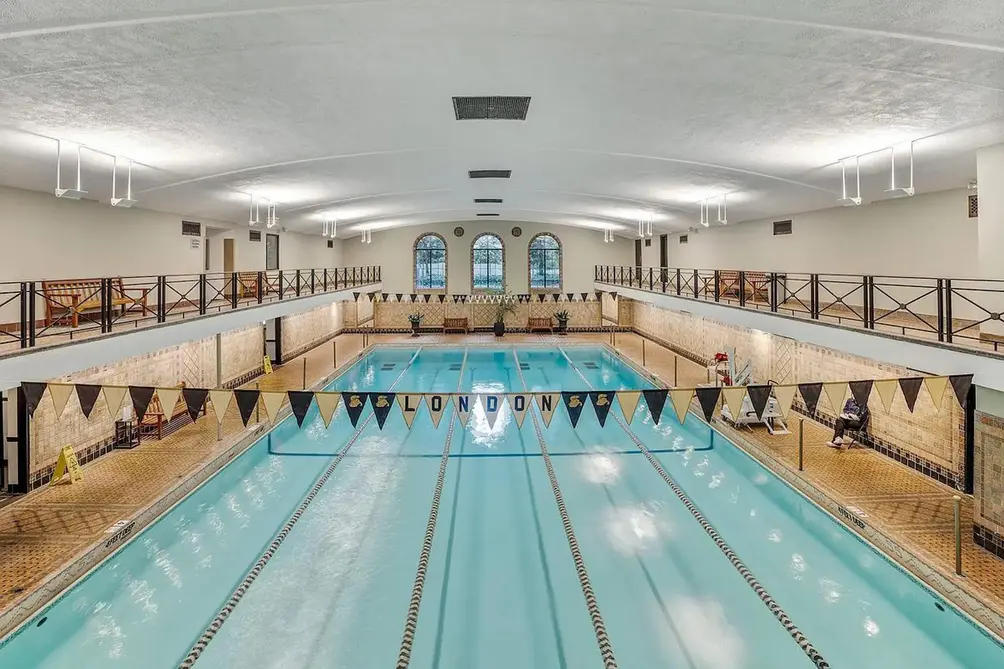 London Terrace pool
4. Start or contribute to a building newsletter or bulletin
Community newsletters are a great way to share information about board decisions, the current state of the building, local bylaws that may impact the building and community, and events in the local neighborhood. If you have a talent for writing or design, this can be another helpful way to foster community in your building.5. Plan seasonal gatherings
Even busy New Yorkers are often happy to celebrate with neighbors from time to time. Whether it is a pumpkin carving competition for kids and adults, a non-denominational seasonal party to mark the end of the year, or a spring clean-up and barbeque to welcome back the warmer weather, it is easy to find an excuse to bring neighbors together every season.6. Start a club or activity
Another popular way to build community is to start a club or activity. Particularly older residents and residents who live alone often welcome the opportunity to play board games and cards with other residents from time to time or engage in a health or wellness activity such as a yoga class or even a community run.7. Launch a caring community initiative
From creating swaps for gently used items (e.g., baby equipment or children’s sports gear that is often only used for a few months) to creating an organized network of volunteers willing to help other residents in times of need, an organized caring community initiative can be a powerful way to foster a sense of belonging and safety, even in a New York City building with hundreds of units. Image by StockSnap from Pixabay
How New Yorkers build a sense of community may look different than it does in most small towns and cities, but it doesn’t mean residents don’t experience community daily. Inside the city’s more than 75,000 multi-unit buildings, there are thousands of thriving communities waiting to be discovered.
Would you like to tour any of these properties?
Just complete the info below.
Or call us at (212) 755-5544
Active listings Priced to Sell
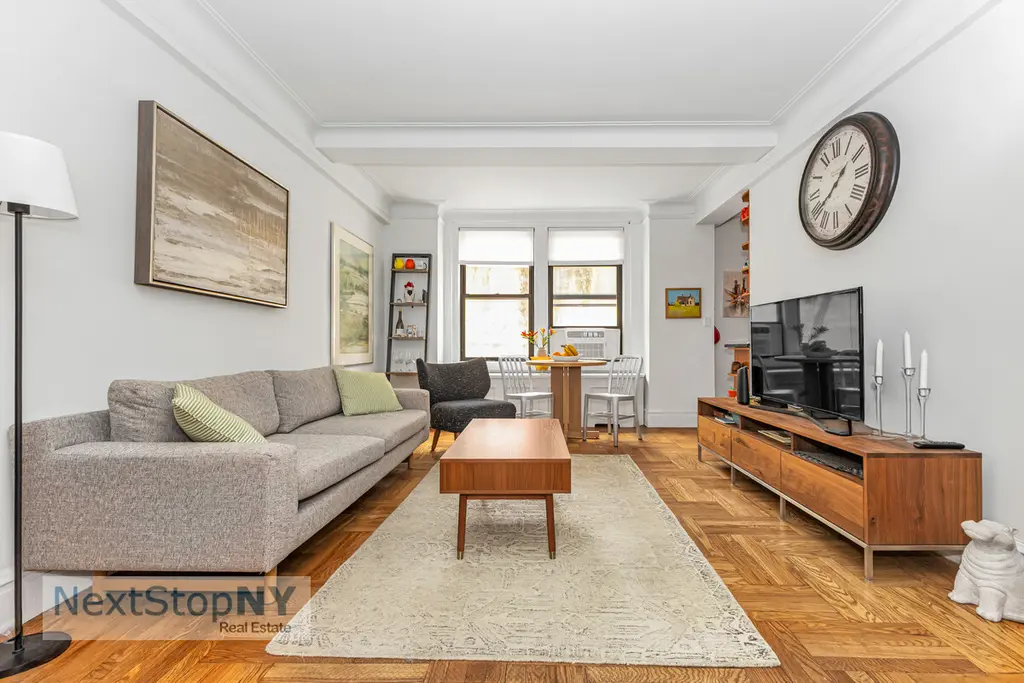
333 East 53rd Street, #7C (Next Stop NY)
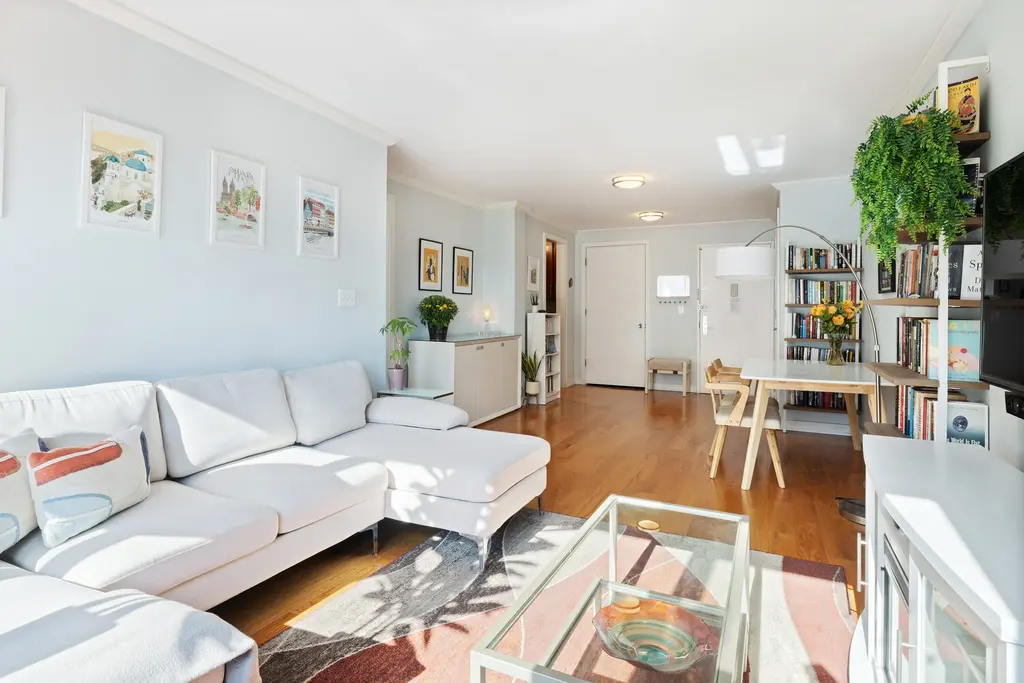
The Larrimore, #8G (Douglas Elliman Real Estate)
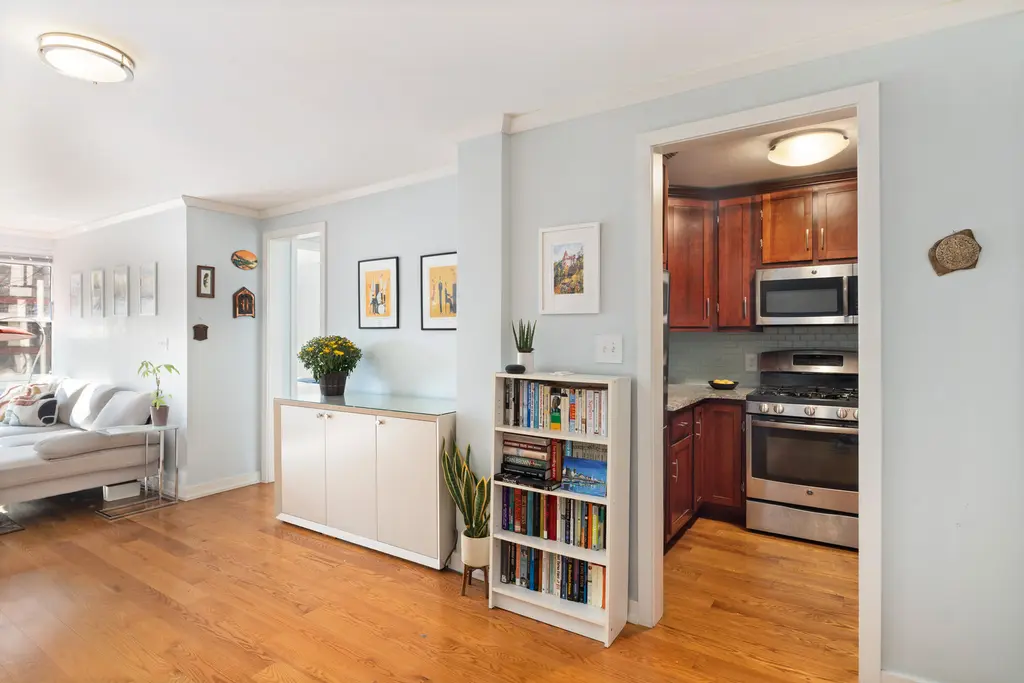
324 West 88th Street, #1B
$595,000 (-8.3%)
Riverside Dr./West End Ave. | Cooperative | 1 Bedroom, 1 Bath
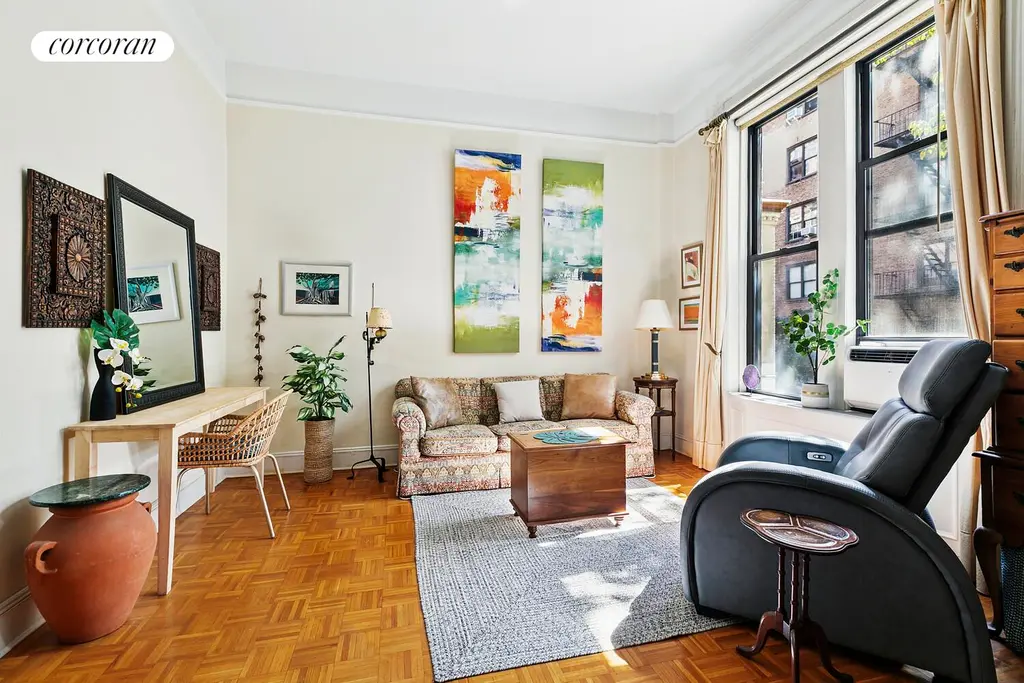
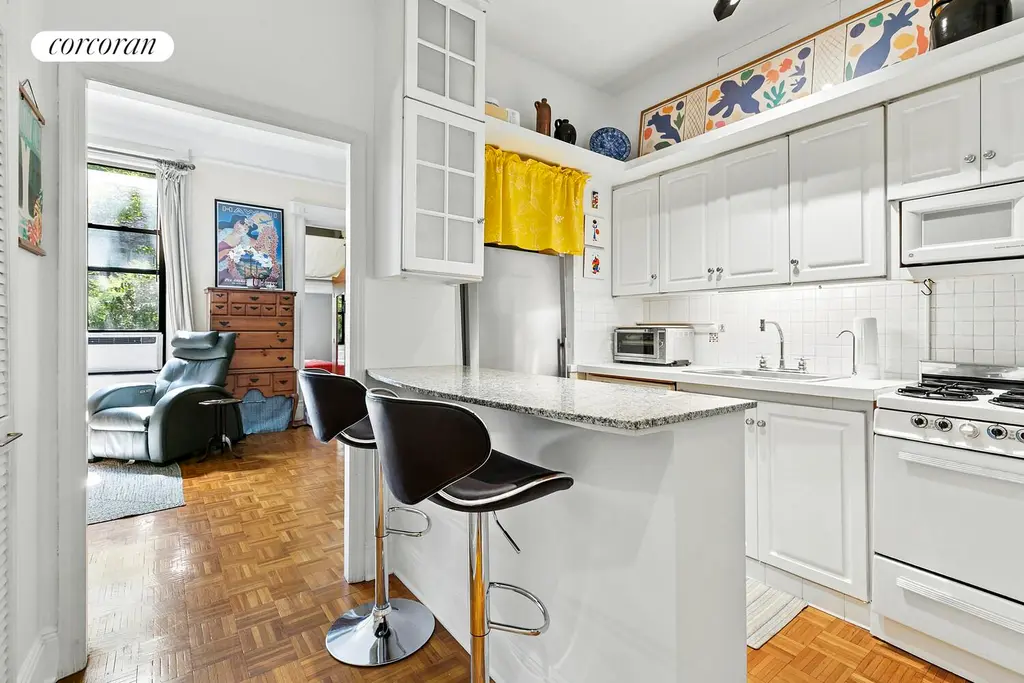
324 West 88th Street, #1B (Corcoran Group)
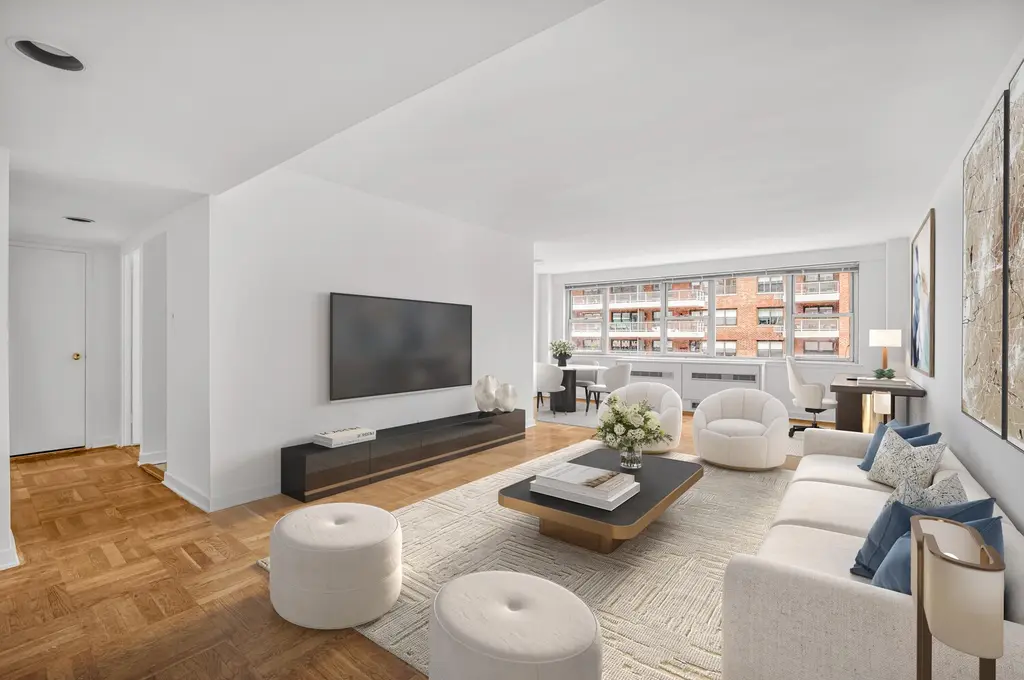
233 East 70th Street, #10T (Coldwell Banker Warburg)
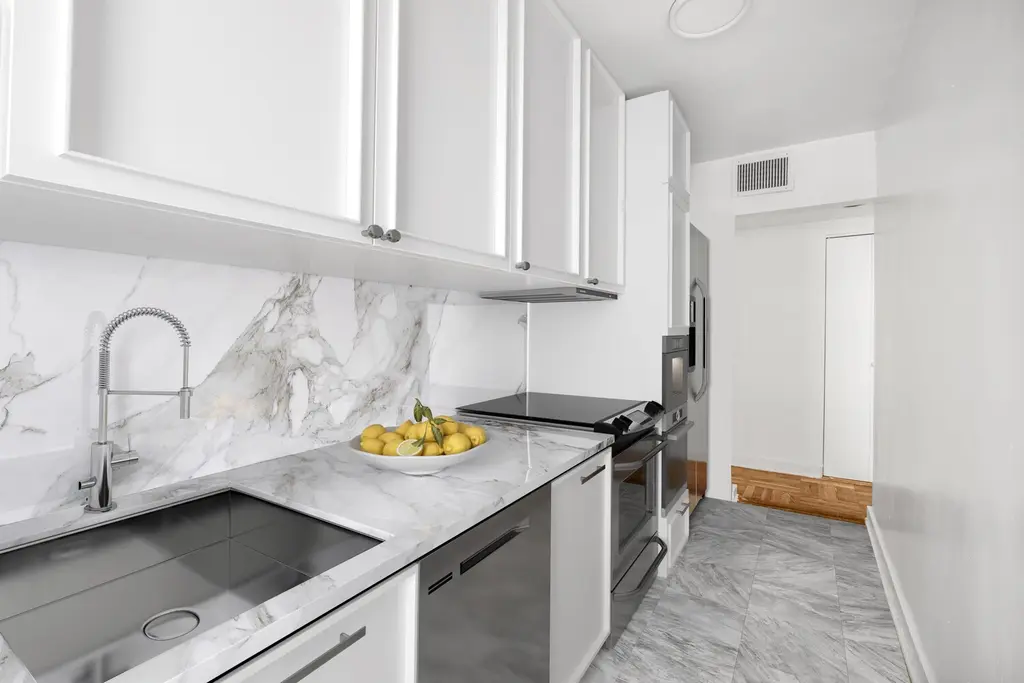
50 Sutton Place South, #8K
$625,000
Beekman/Sutton Place | Cooperative | 1 Bedroom, 1.5 Baths | 950 ft2
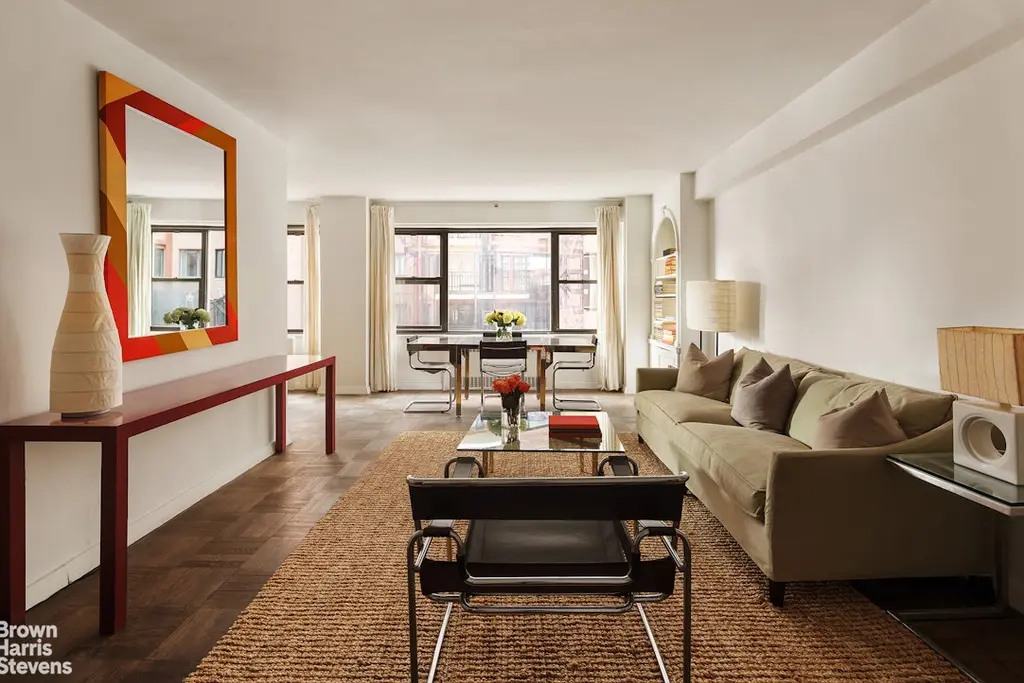
50 Sutton Place South, #8K (Brown Harris Stevens Residential Sales LLC)
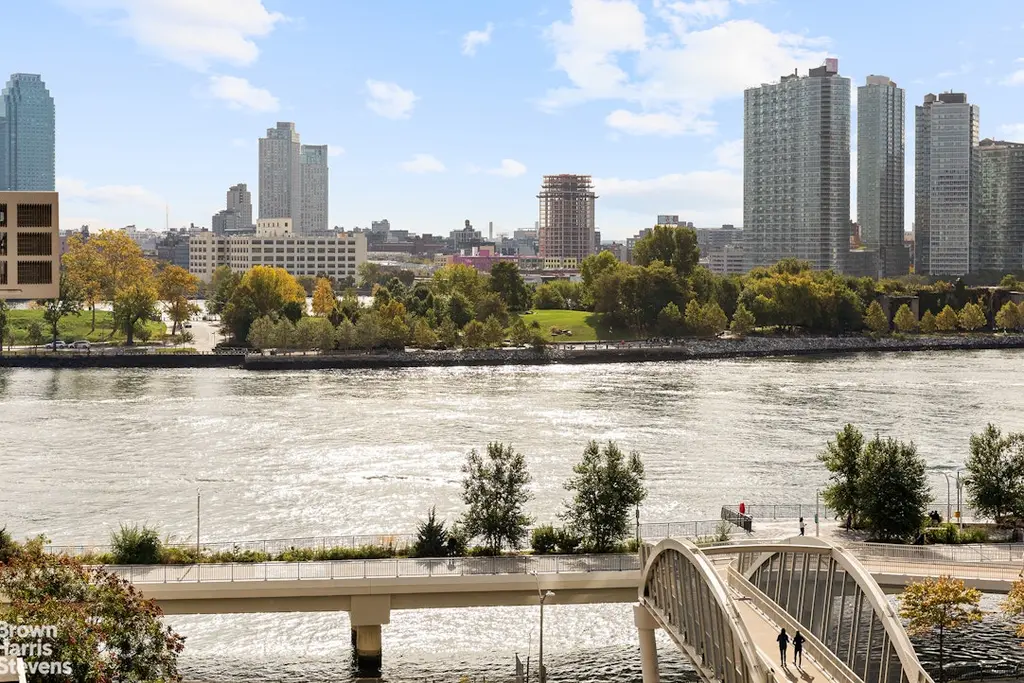
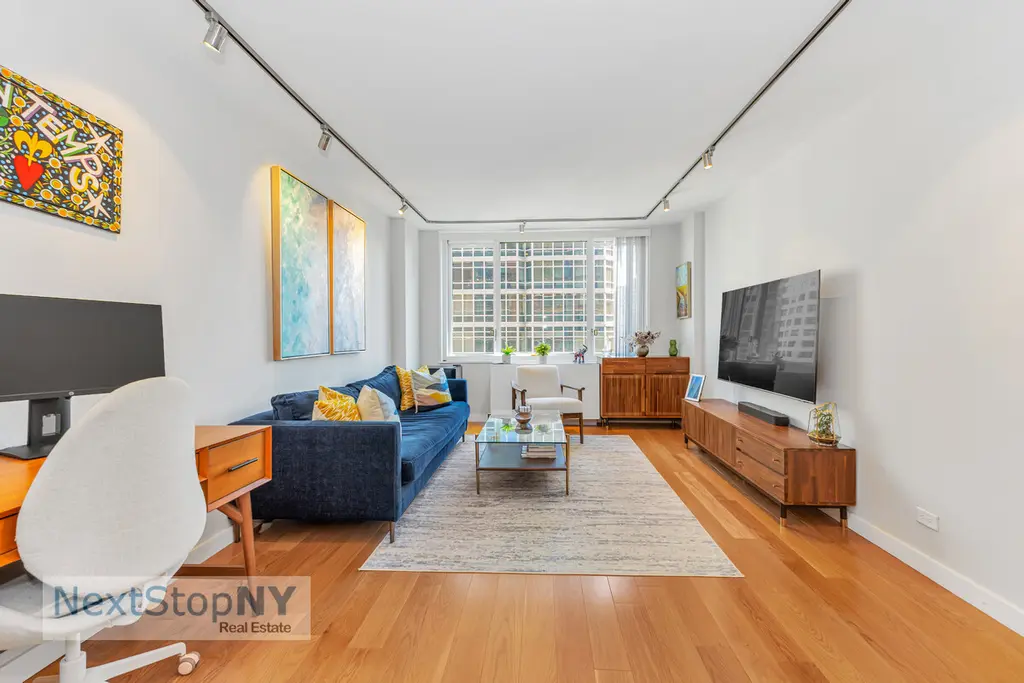
The Brevard, #25H (Next Stop NY)
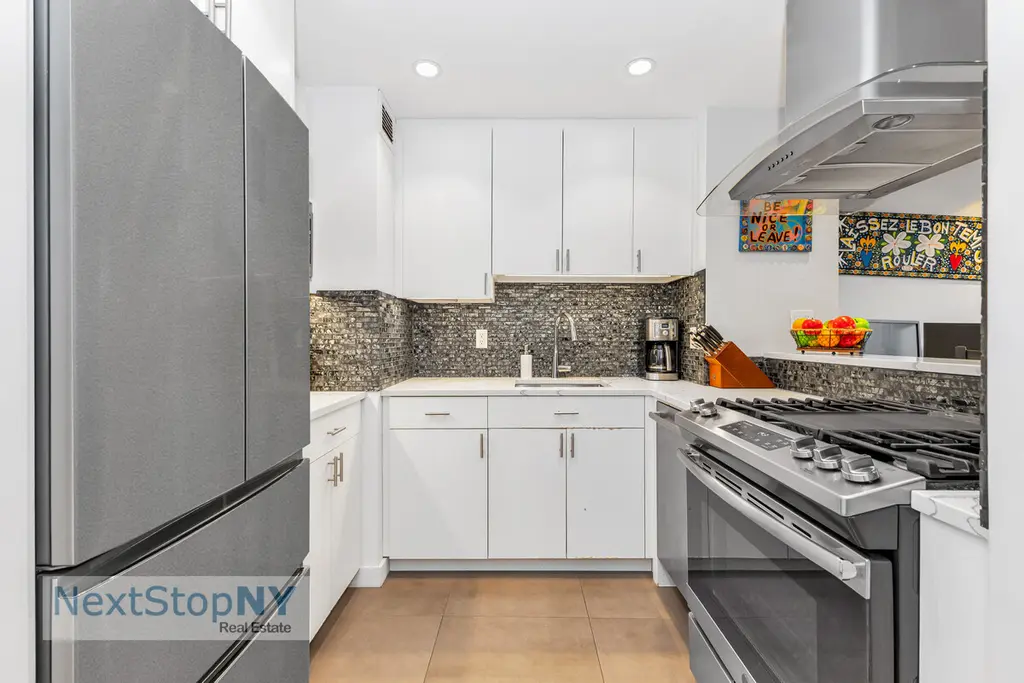
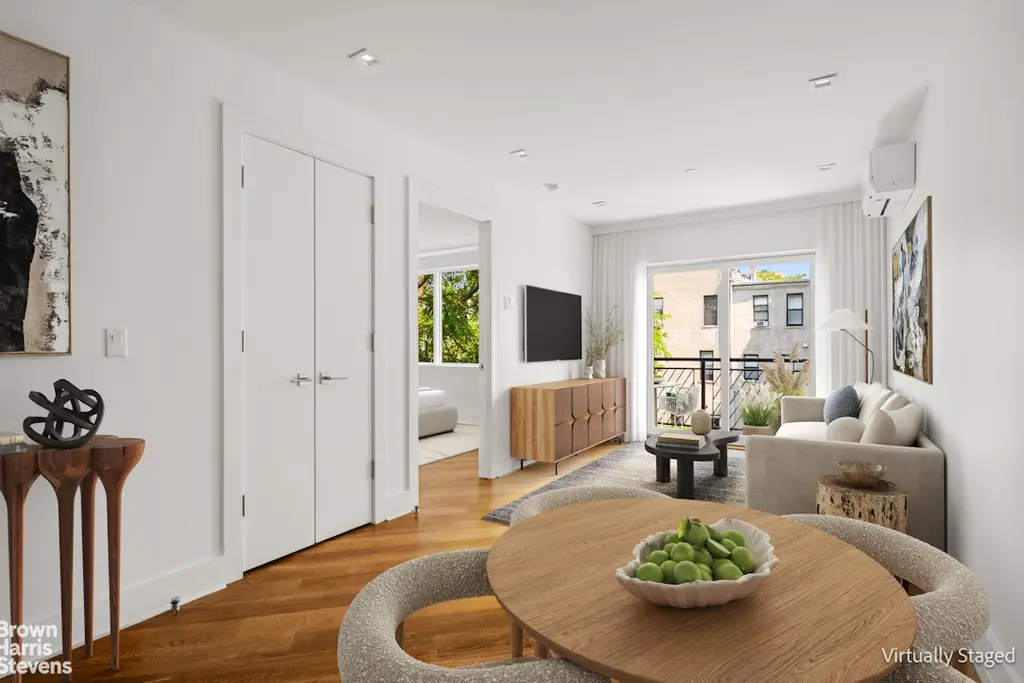
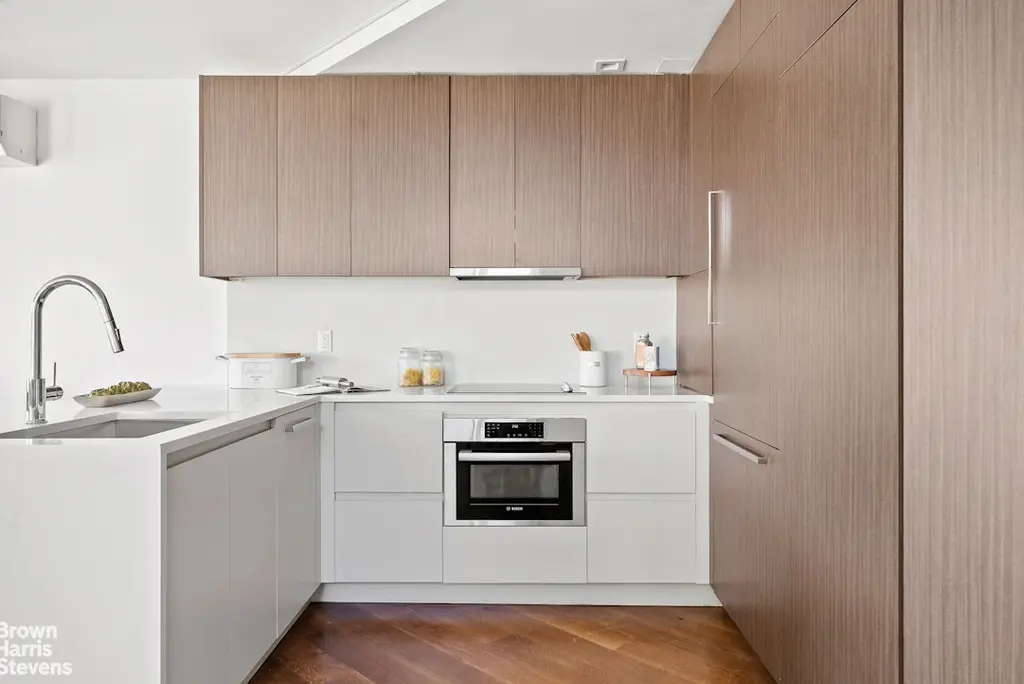
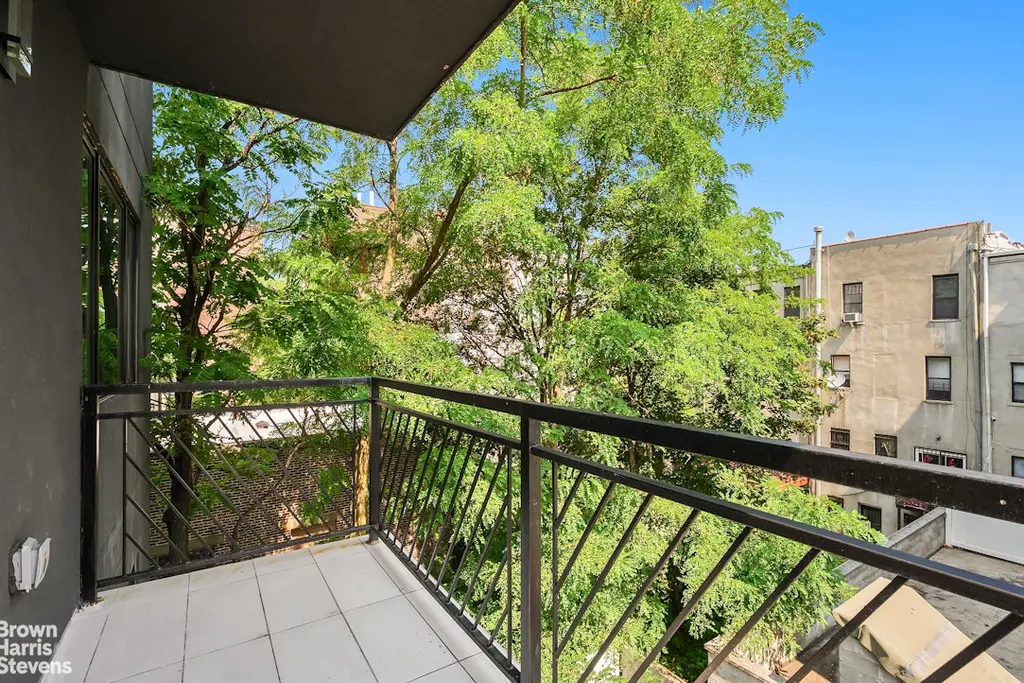
La Mariposa, #3R (Brown Harris Stevens Residential Sales LLC)
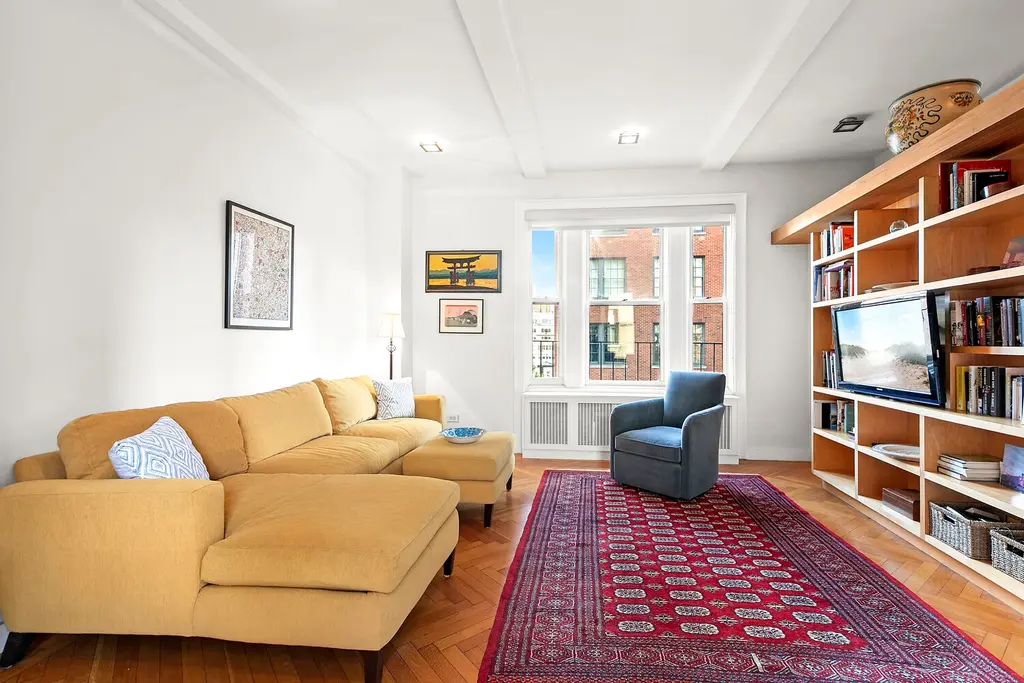
156 East 79th Street, #9F (Douglas Elliman Real Estate)
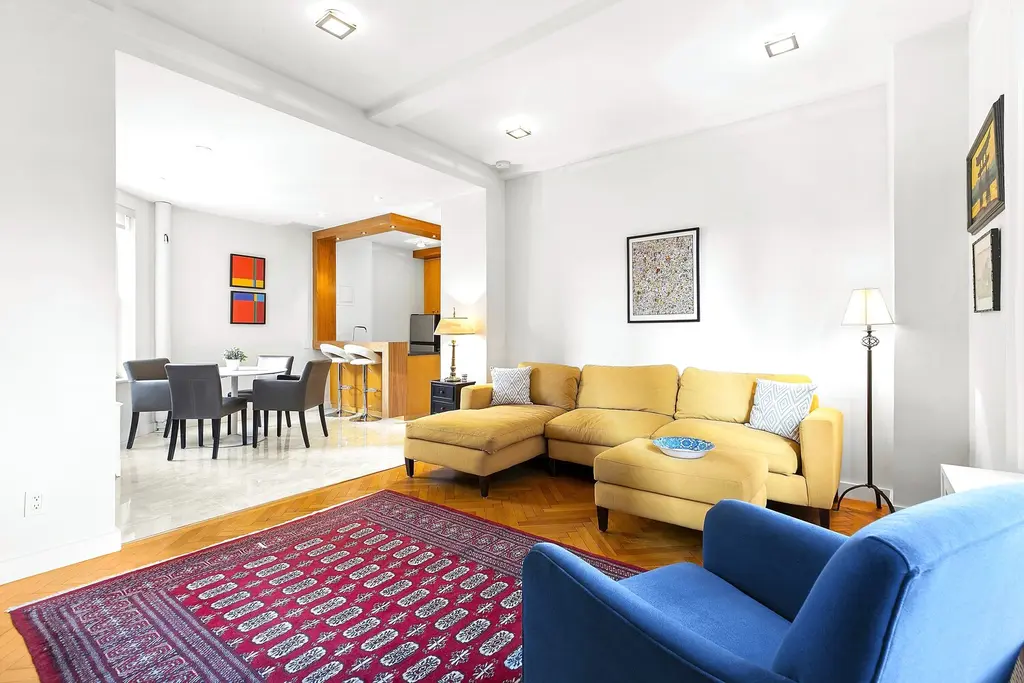
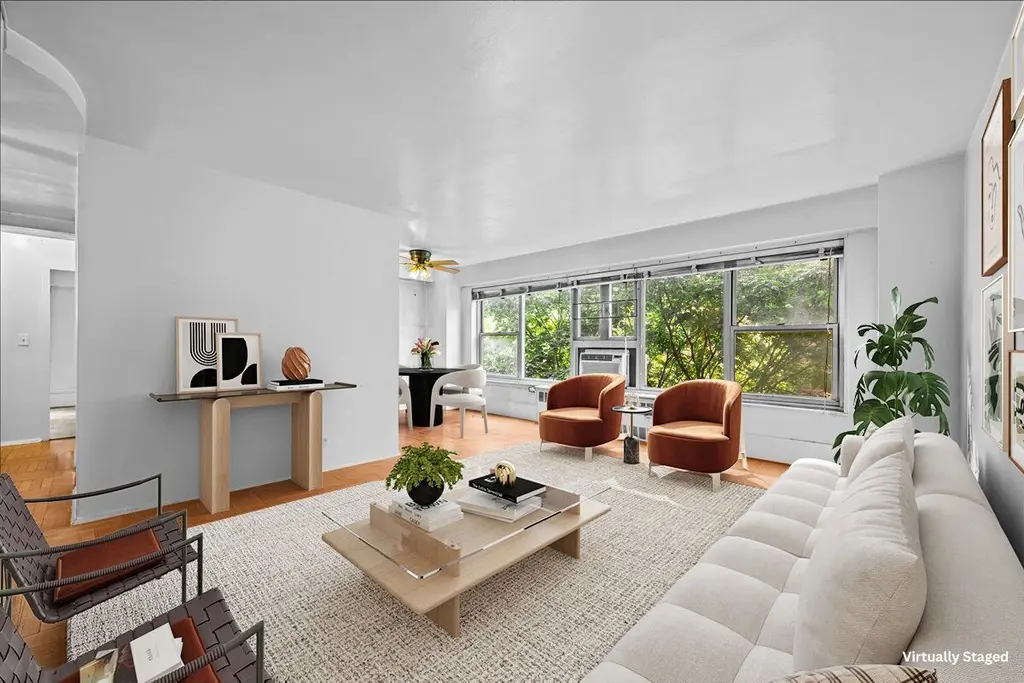
Kingsview Homes, #5B (City Sphere)
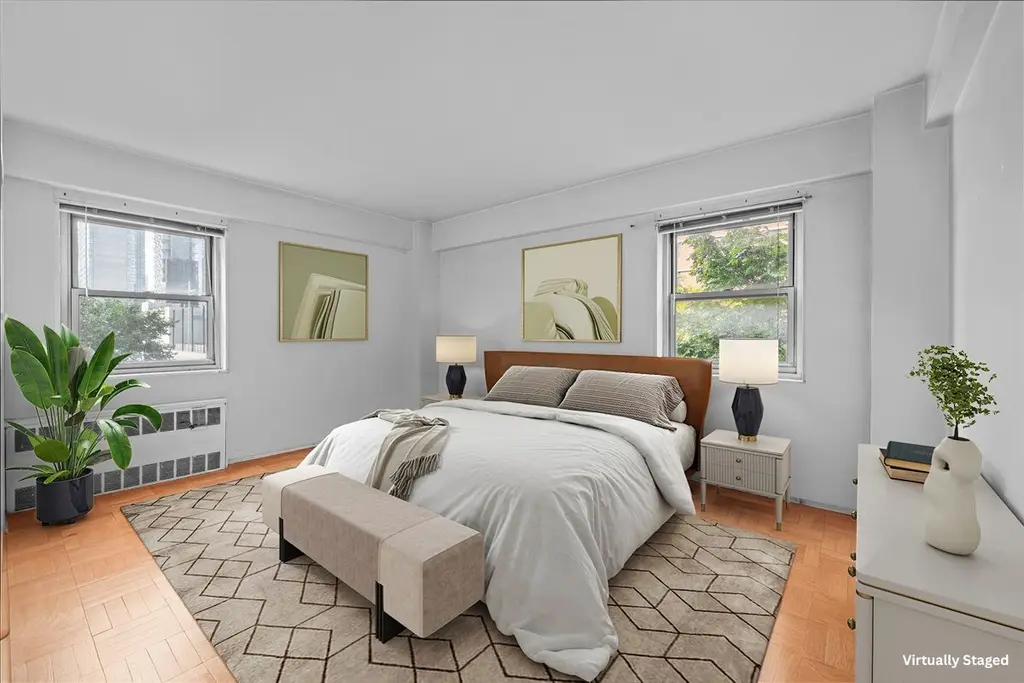
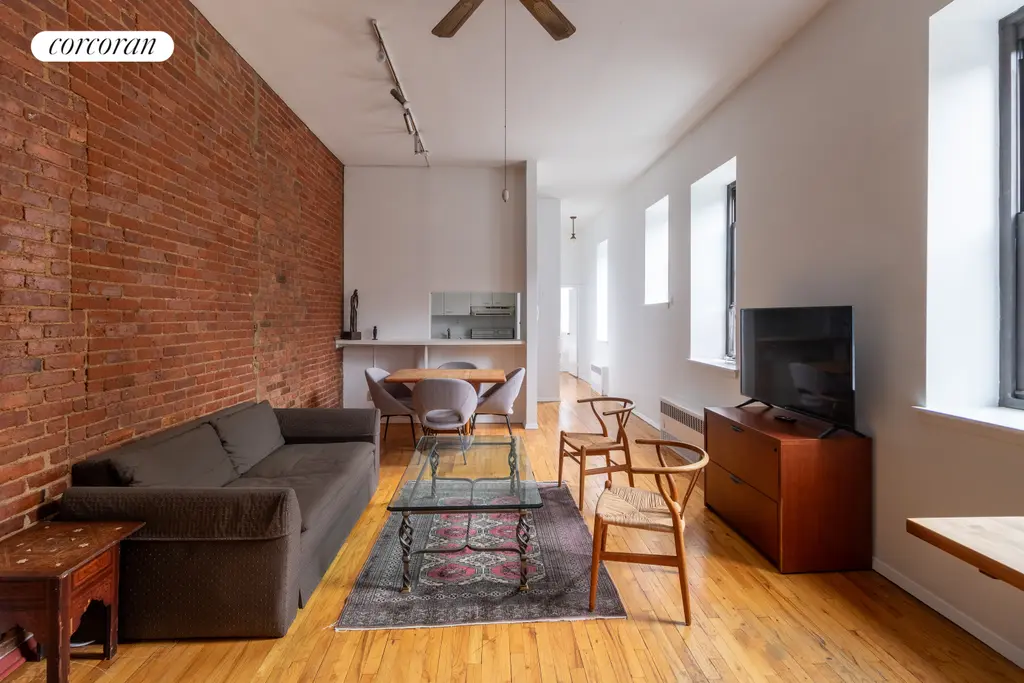
The Endicott, #221 (Corcoran Group)
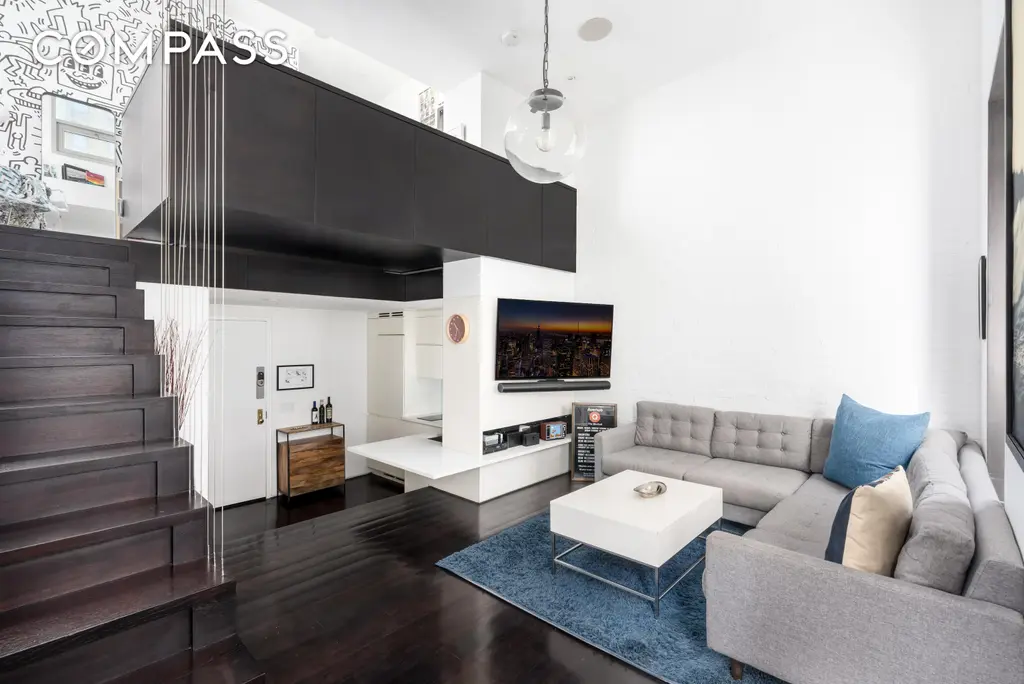
169 West 73rd Street, #9 (Compass)
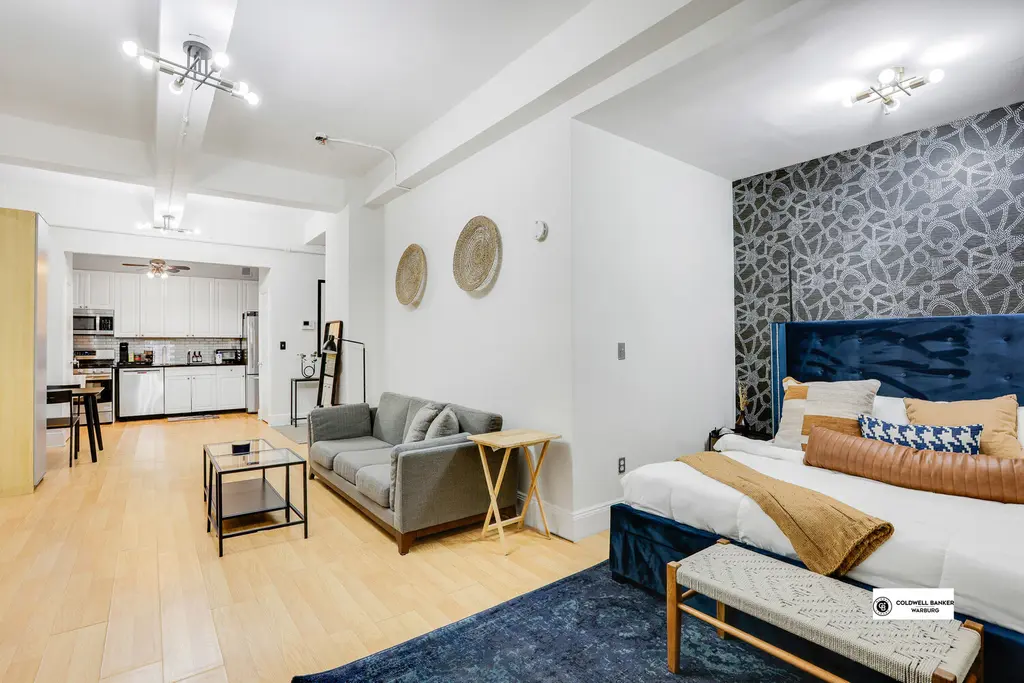
56 Court Street, #2B (Coldwell Banker Warburg)
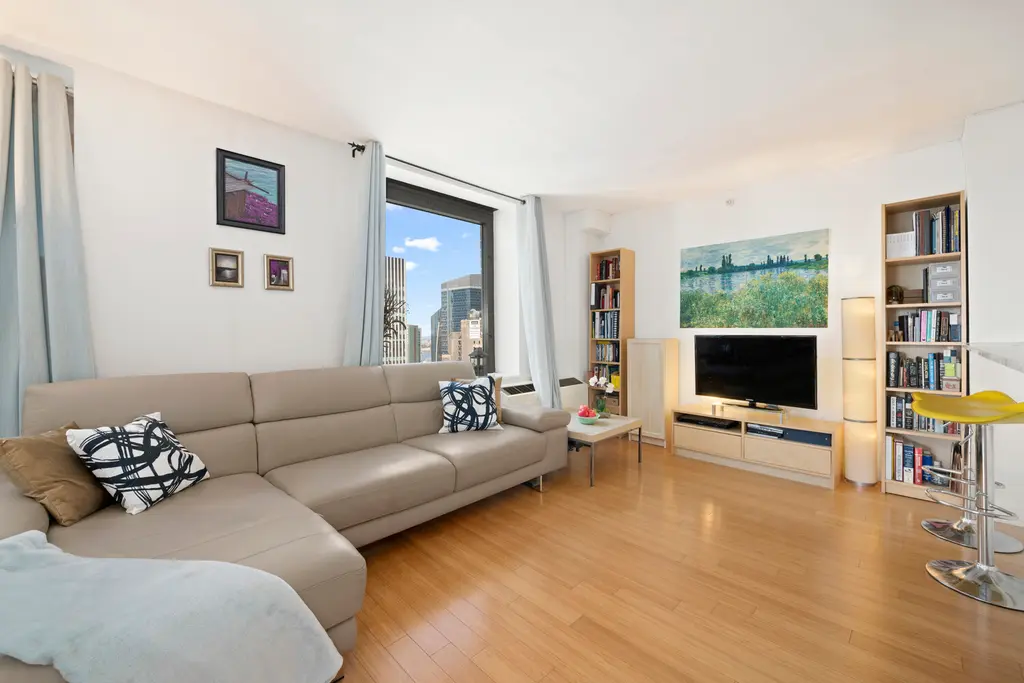
Bryant Park Tower, #43J (Douglas Elliman Real Estate)
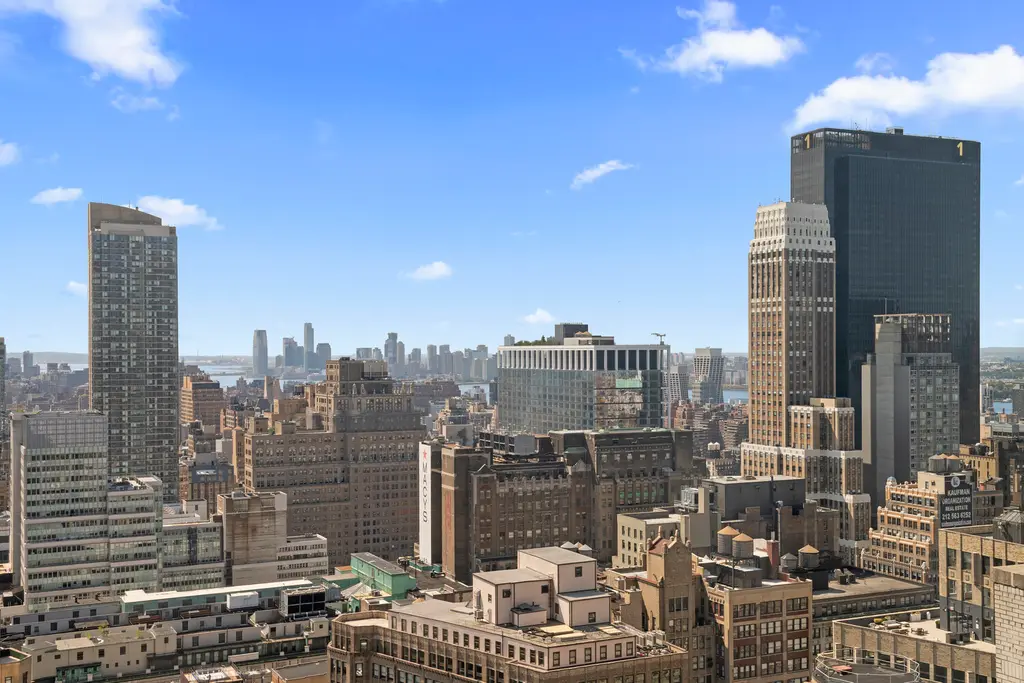
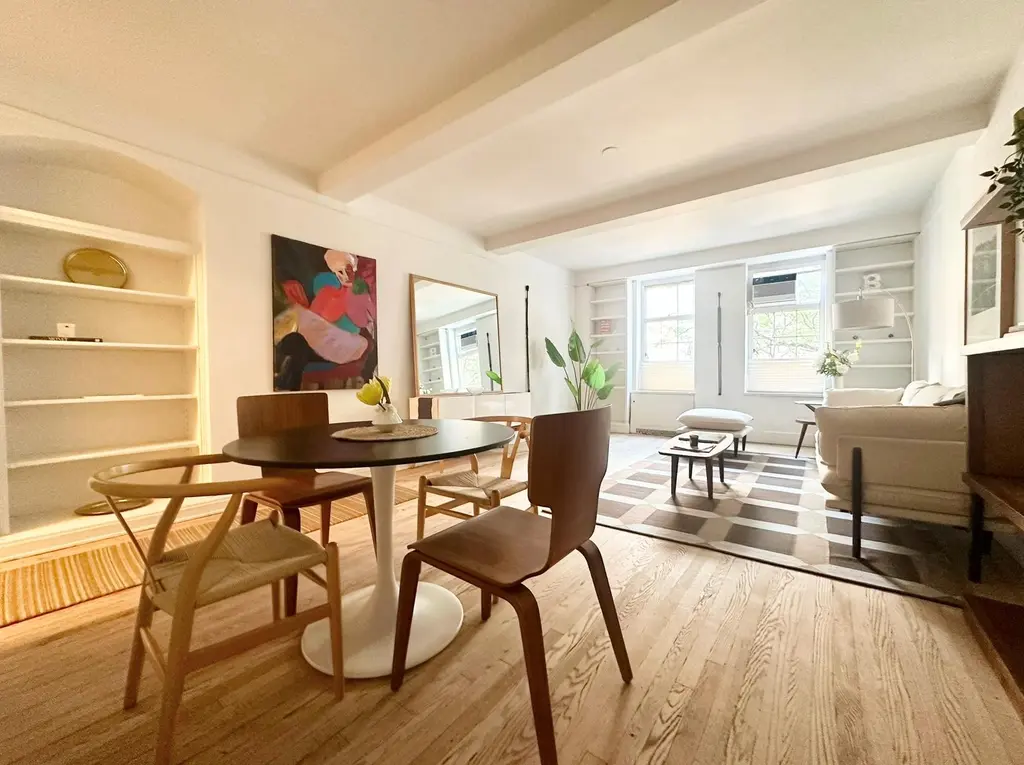
London Terrace Towers, #4L (Douglas Elliman Real Estate)
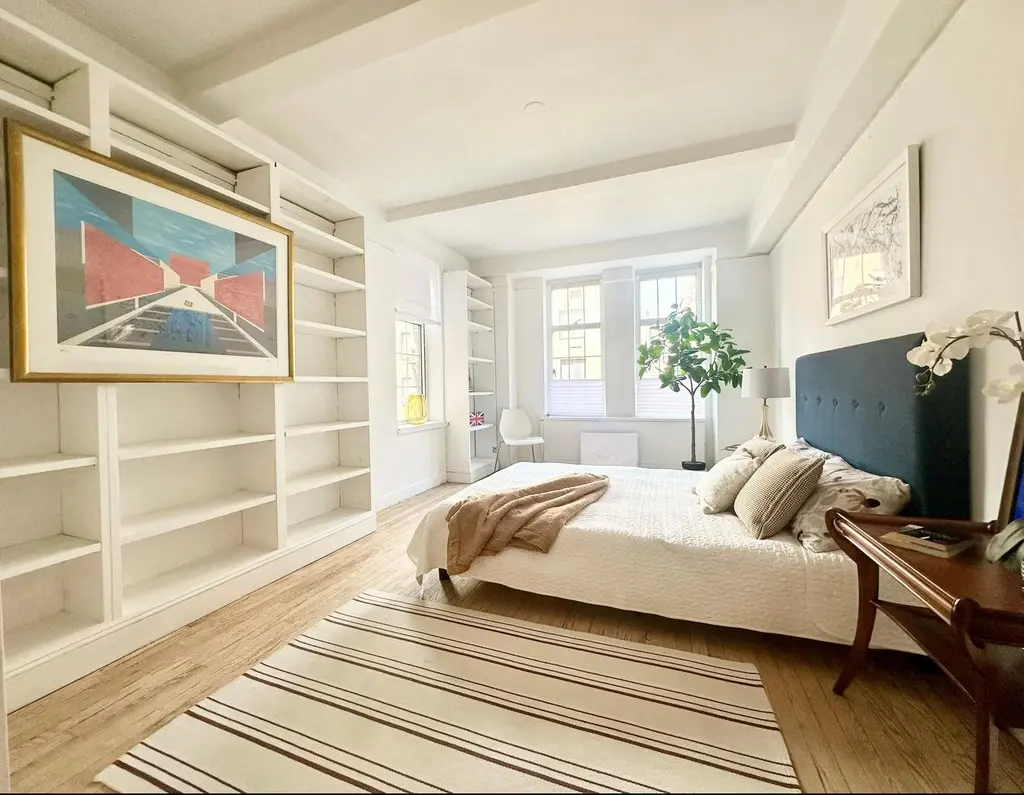
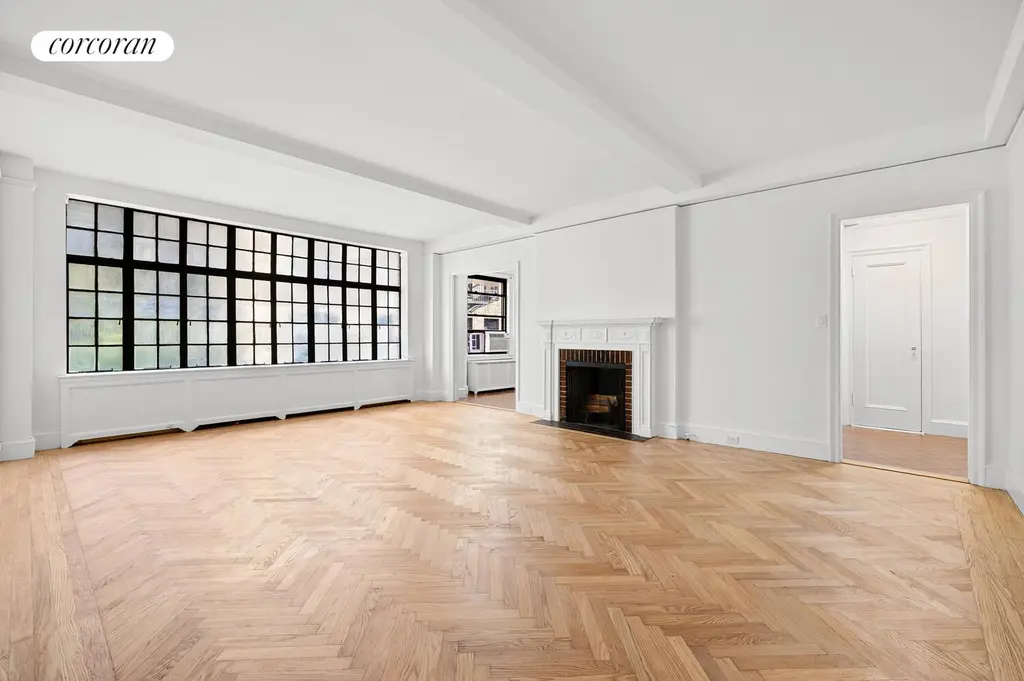
Beekman Mansions, #3D (Corcoran Group)
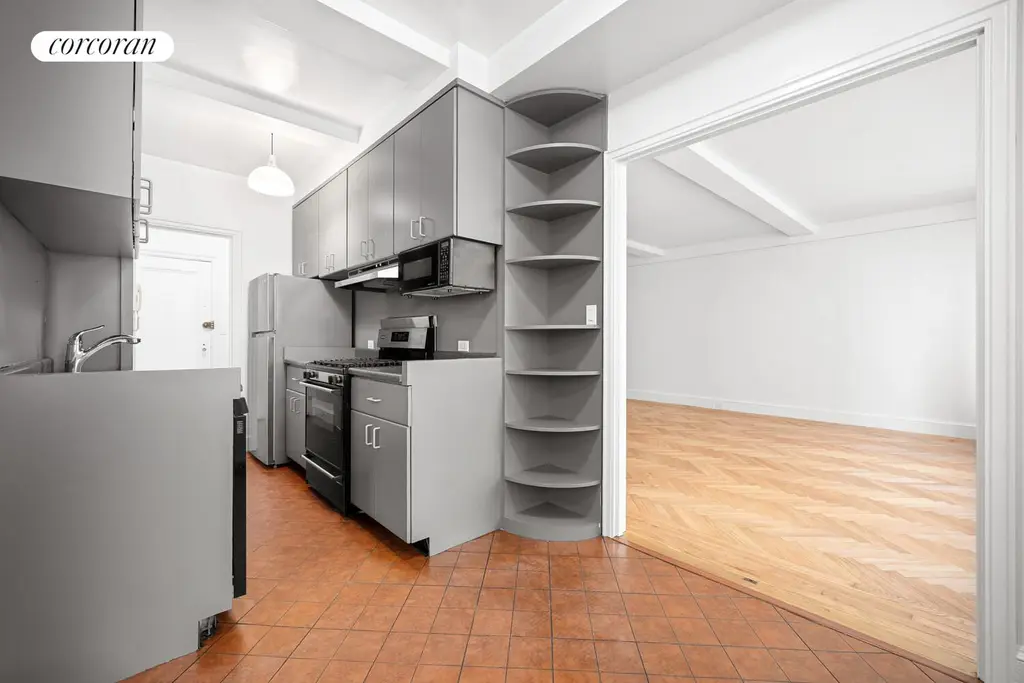
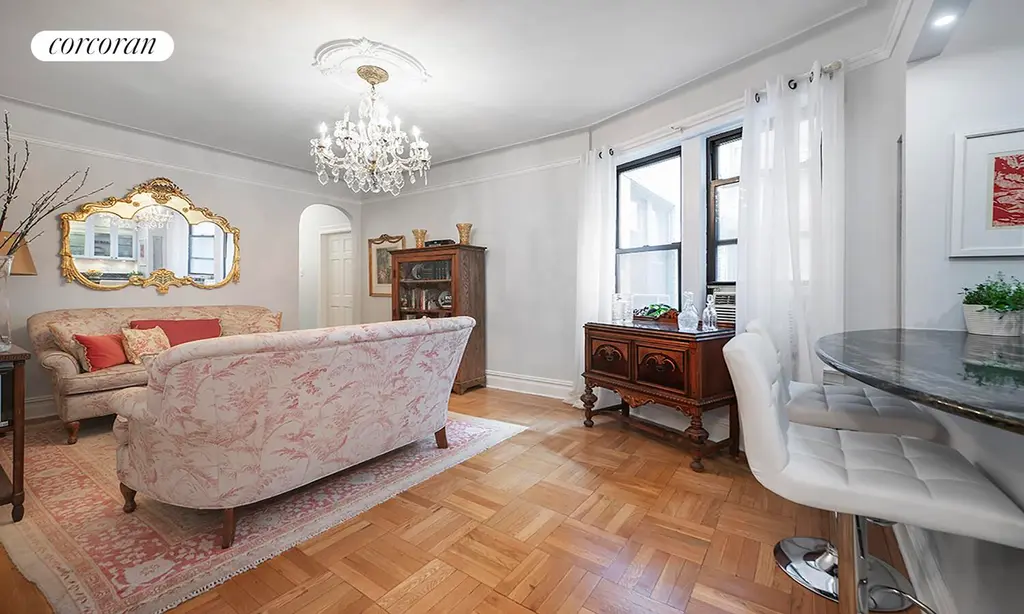
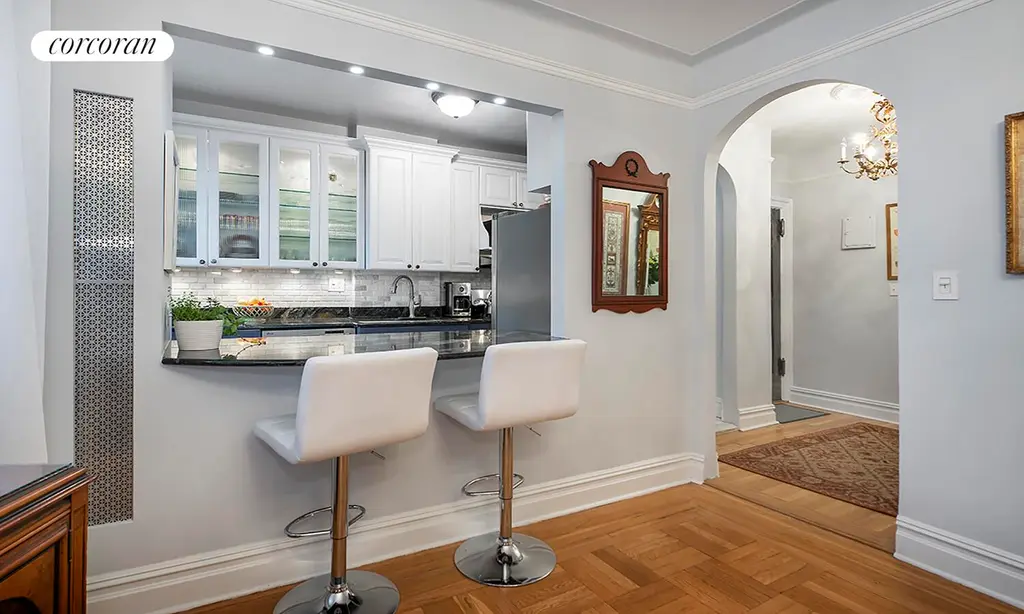
333 East 80th Street, #3G (Corcoran Group)
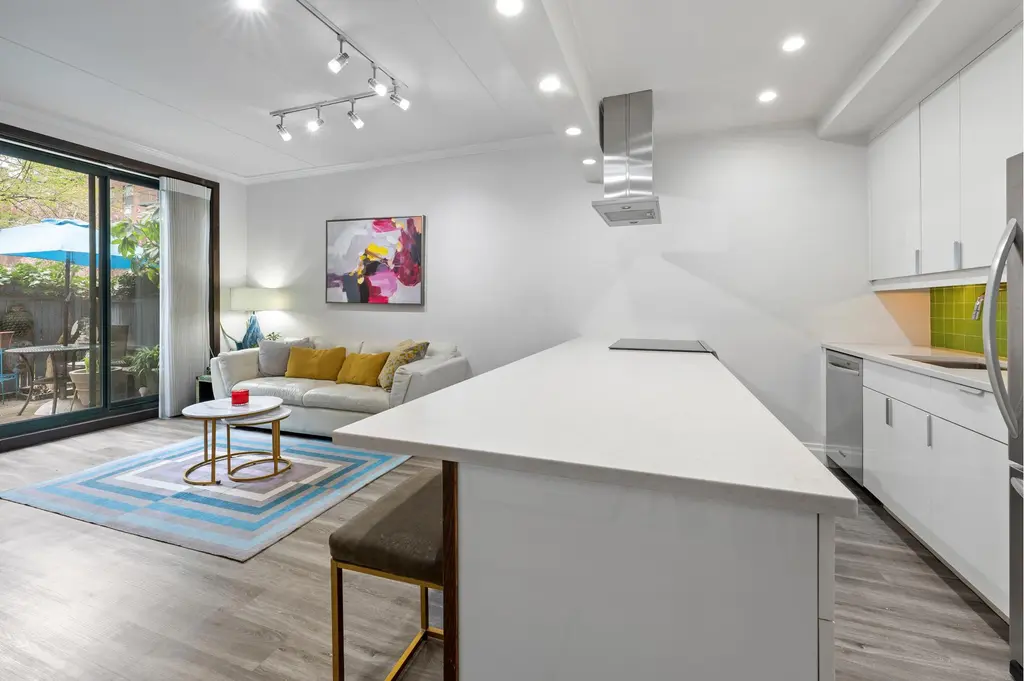
West Village Houses, #GB (Douglas Elliman Real Estate)
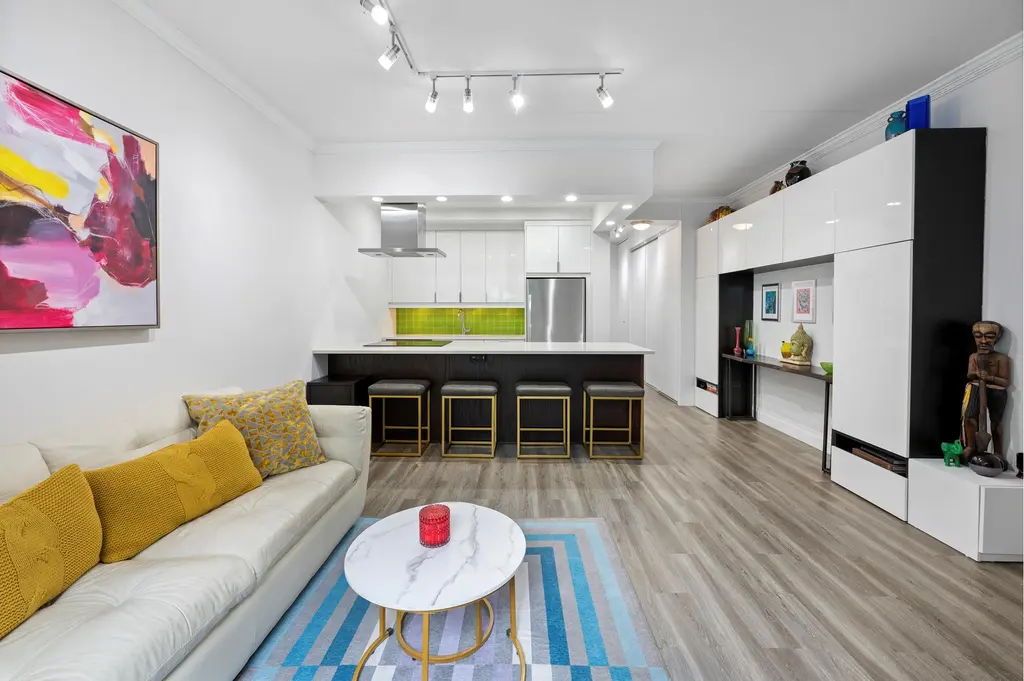
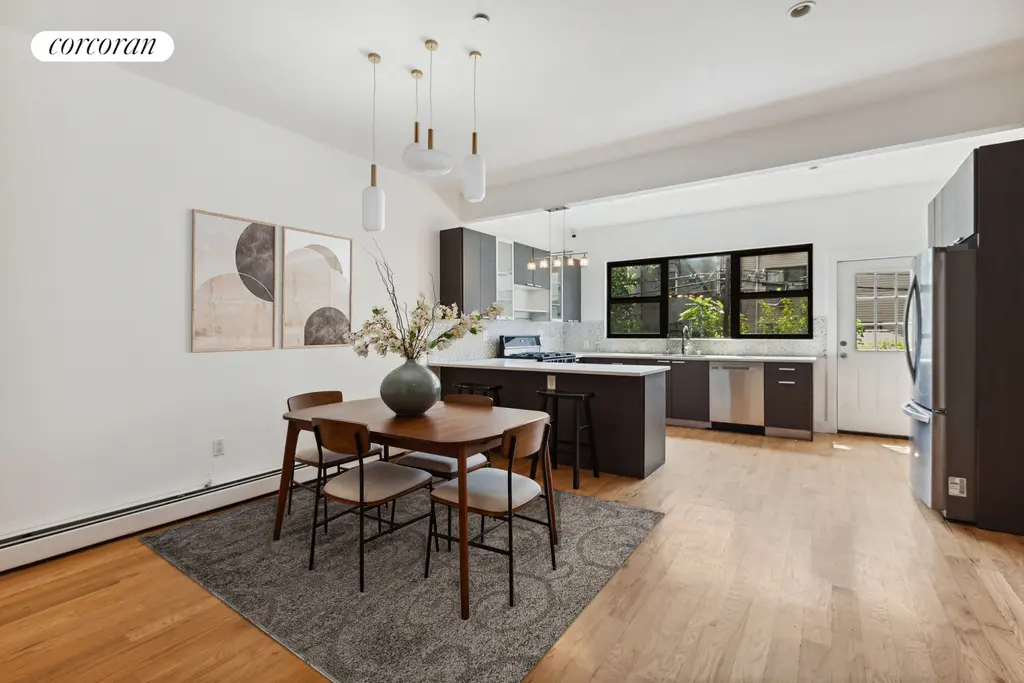
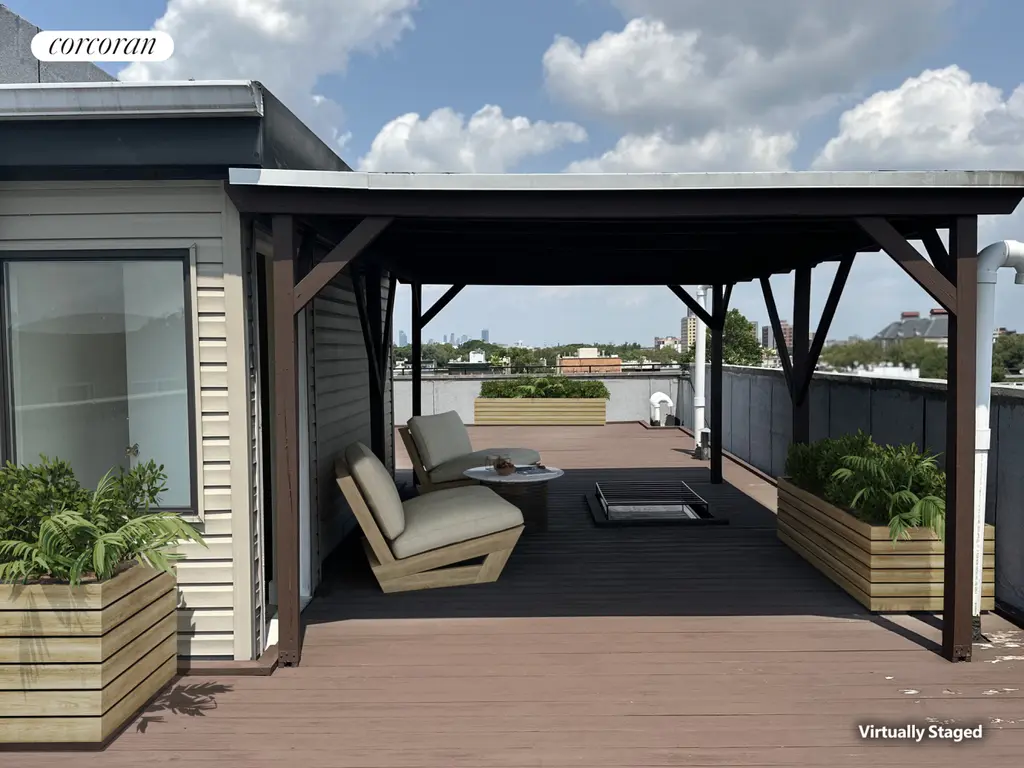
84 Macdougal Street, #2 (Corcoran Group)
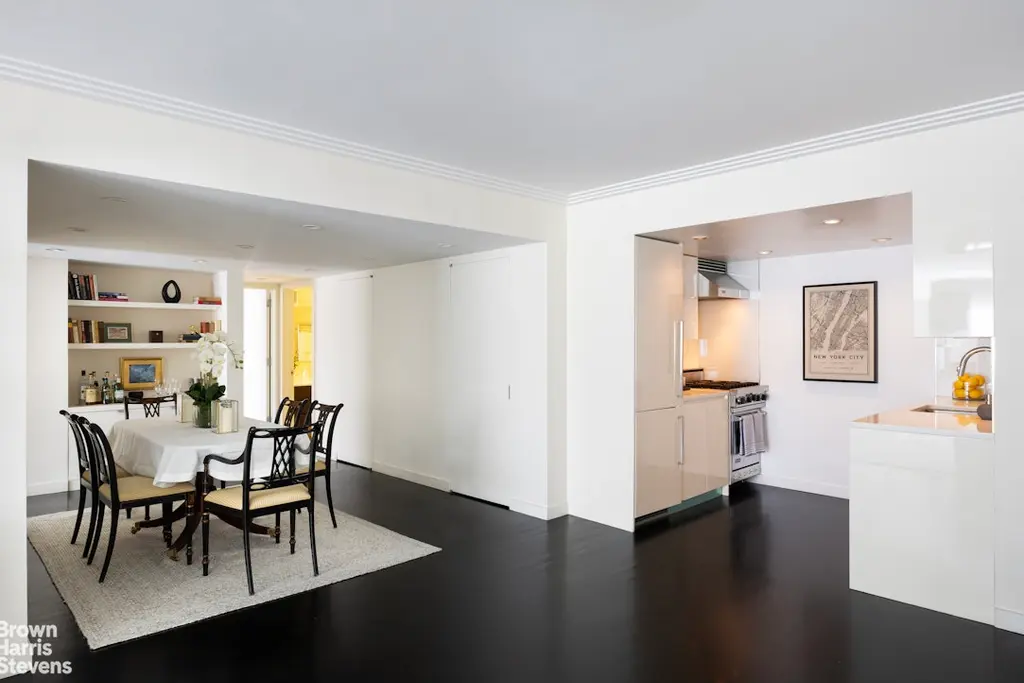
27 East 65th Street, #11D
$995,000
Park/Fifth Ave. to 79th St. | Cooperative | 2 Bedrooms, 2.5 Baths | 1,500 ft2
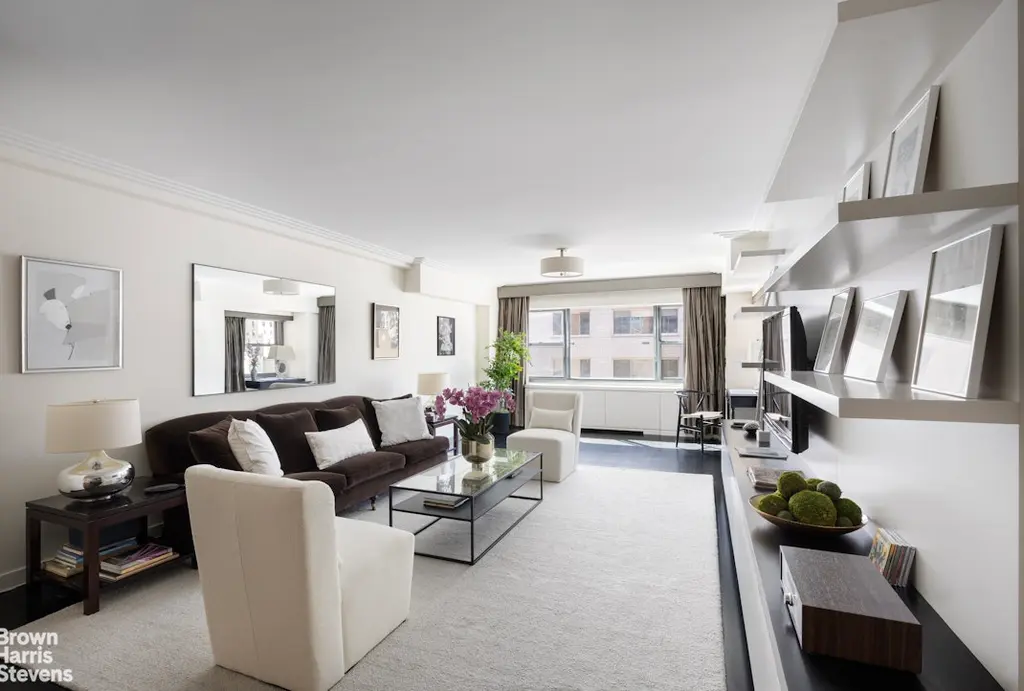
27 East 65th Street, #11D (Brown Harris Stevens Residential Sales LLC)
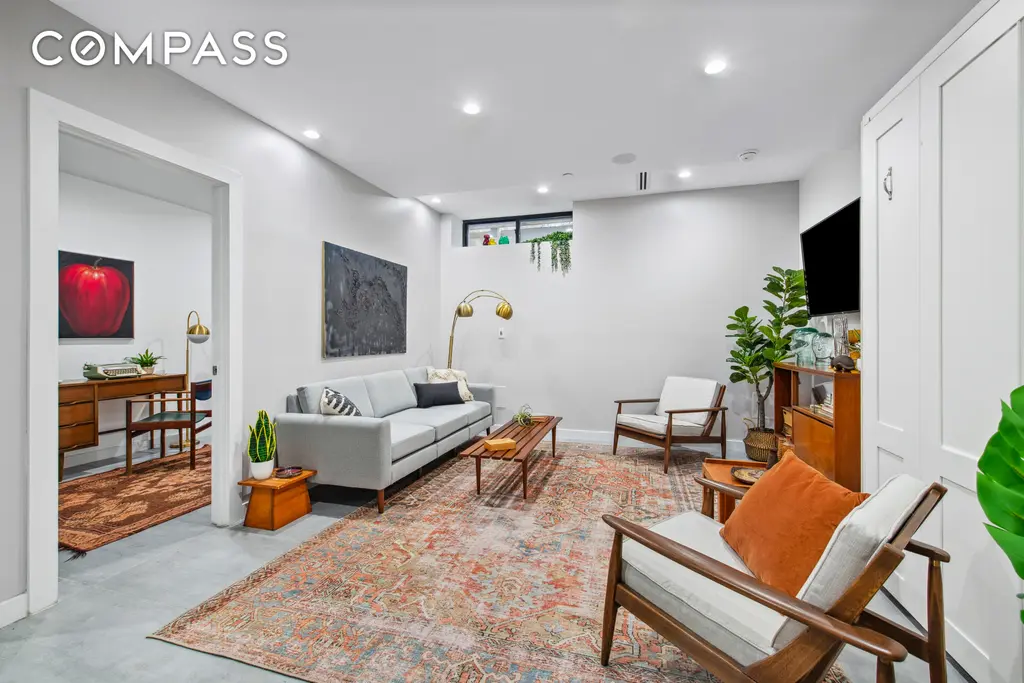
135 Johnson Avenue, #1 (Compass)
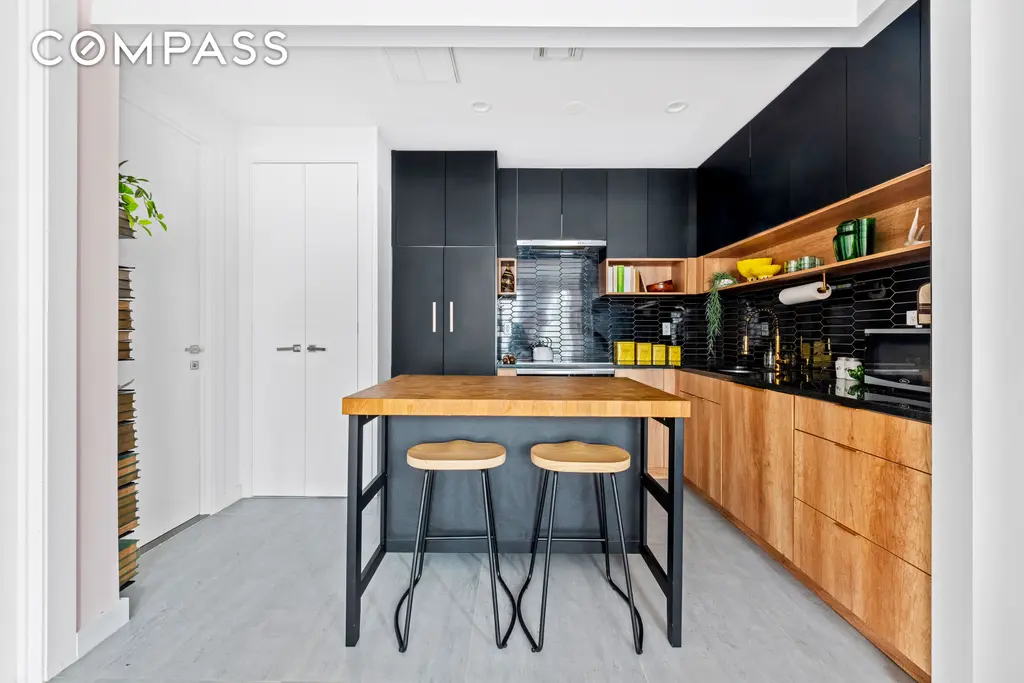
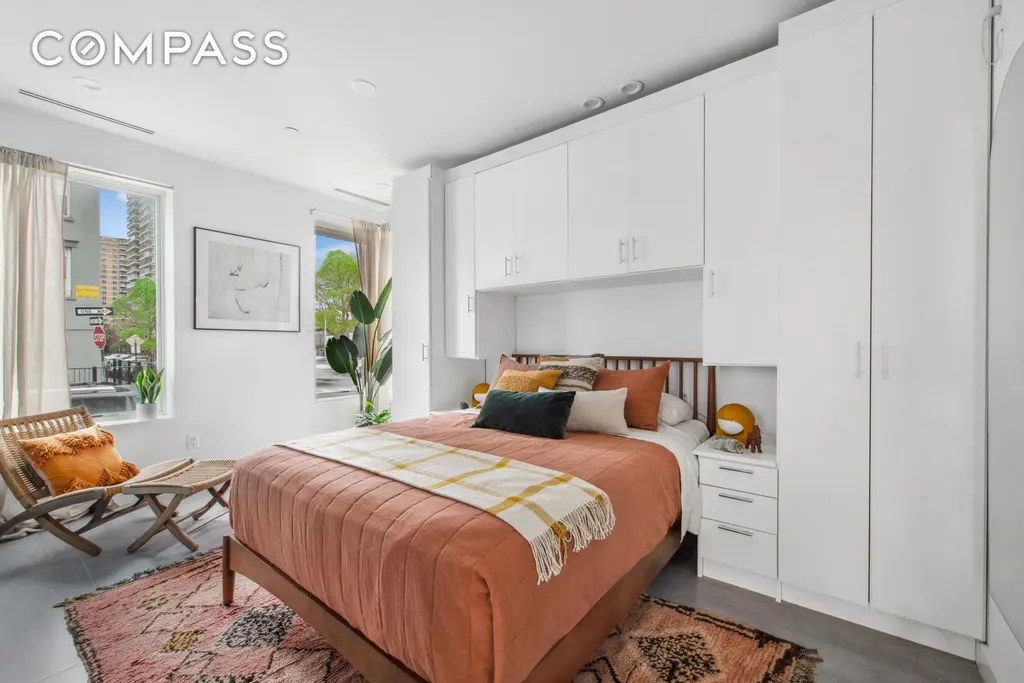
444 Central Park West, #12G
$1,425,000
Central Park West | Cooperative | 2 Bedrooms, 2 Baths | 1,170 ft2
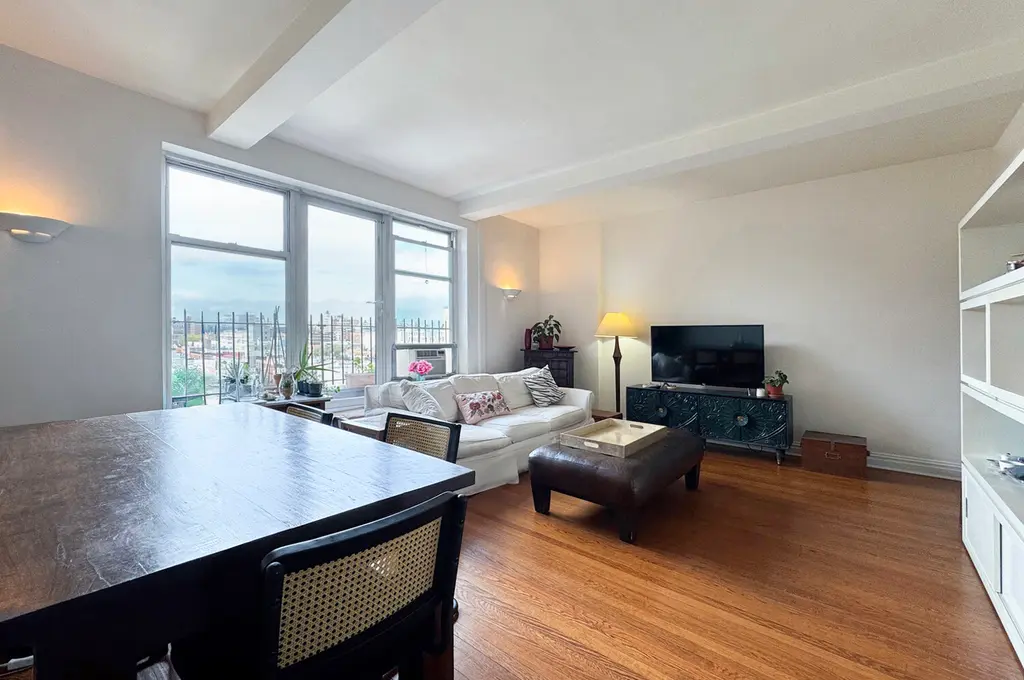
444 Central Park West, #12G (Coldwell Banker Warburg)
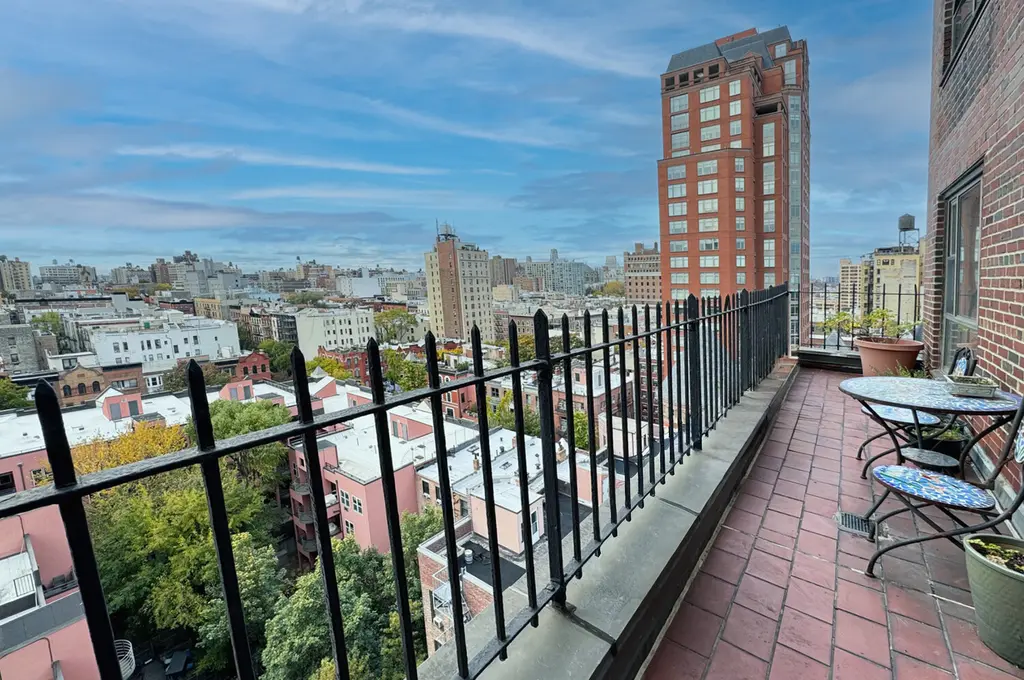
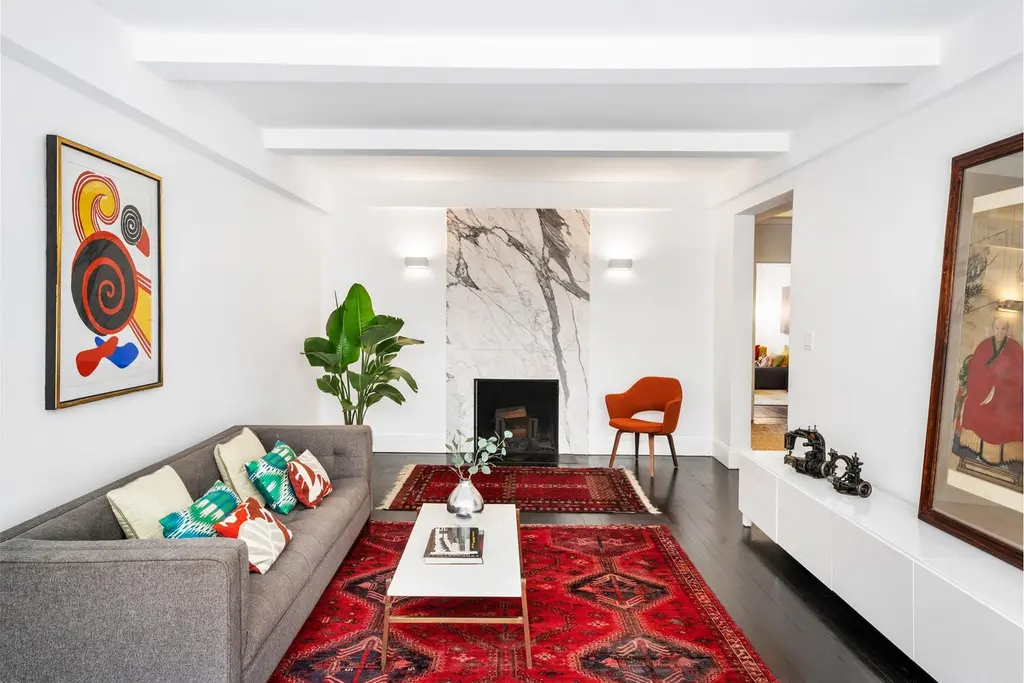
Walton Hall, #C12 (Douglas Elliman Real Estate)
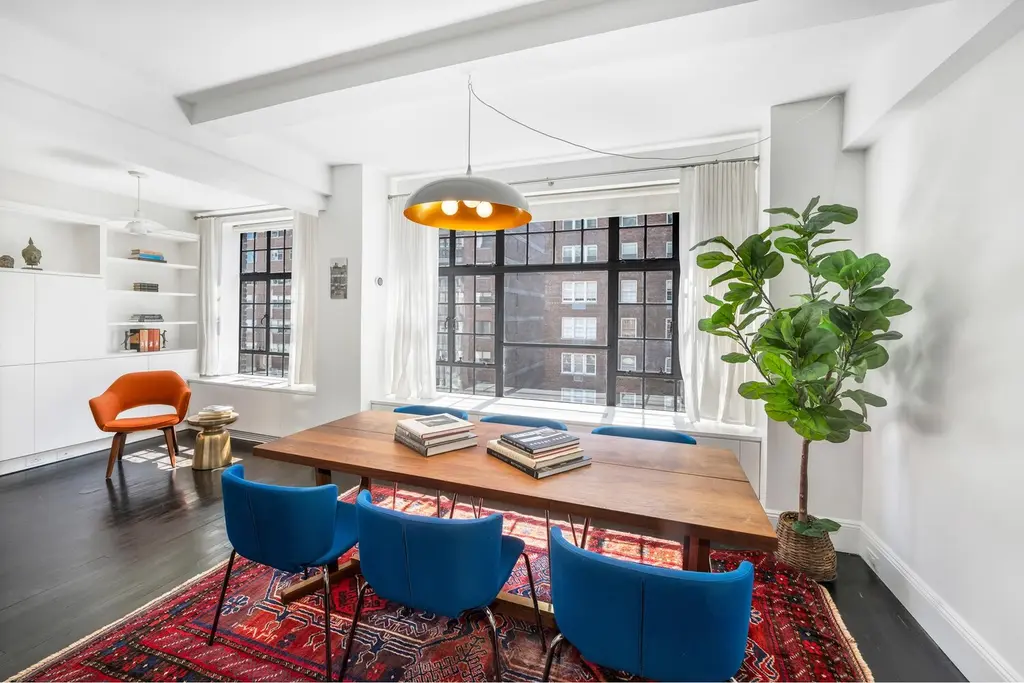
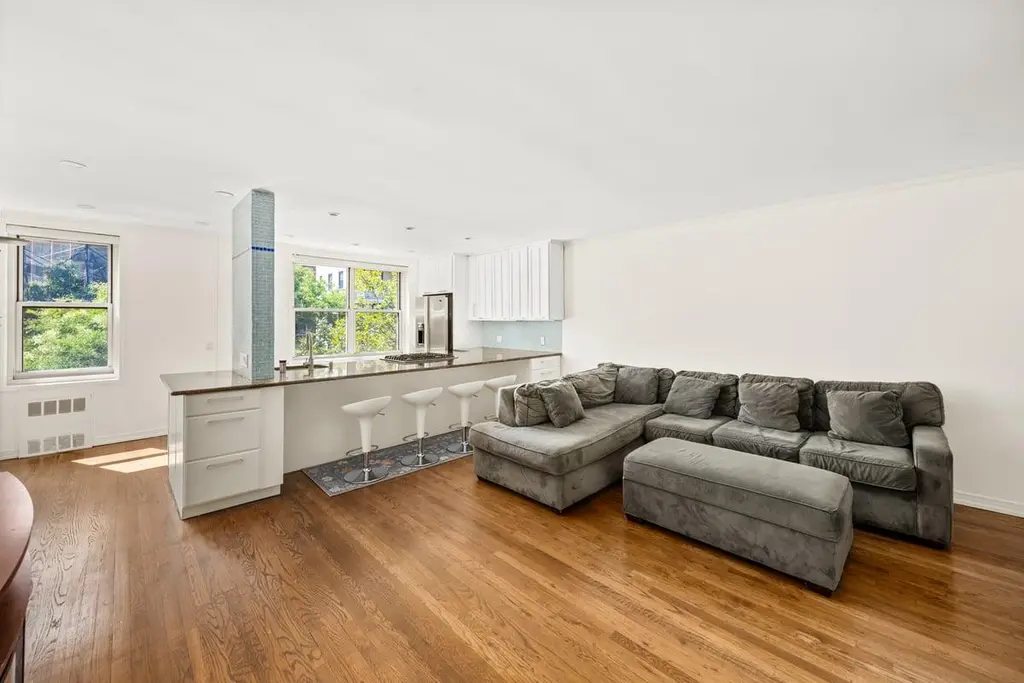
309 East 87th Street, #5OP (SAMUEL REALTY GROUP LLC)
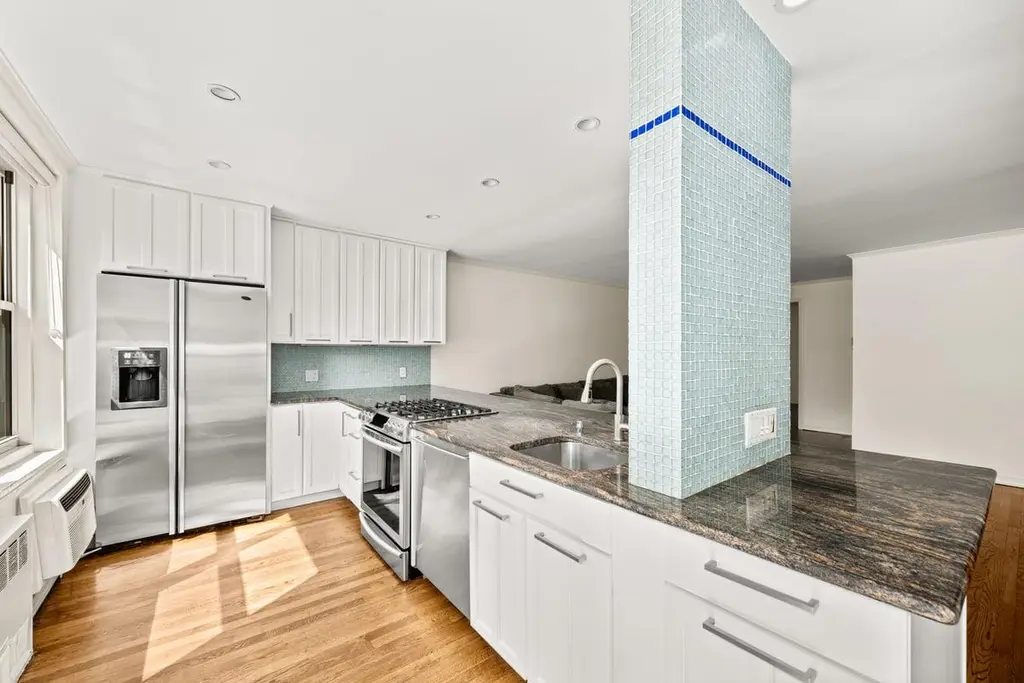
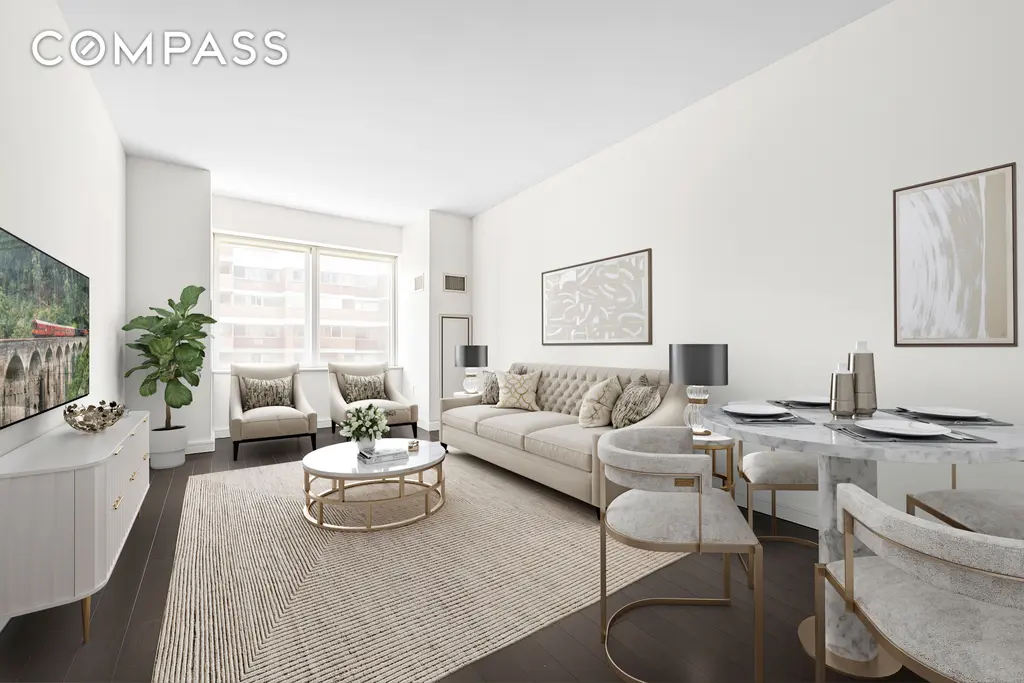
Tempo, #7A (Compass)
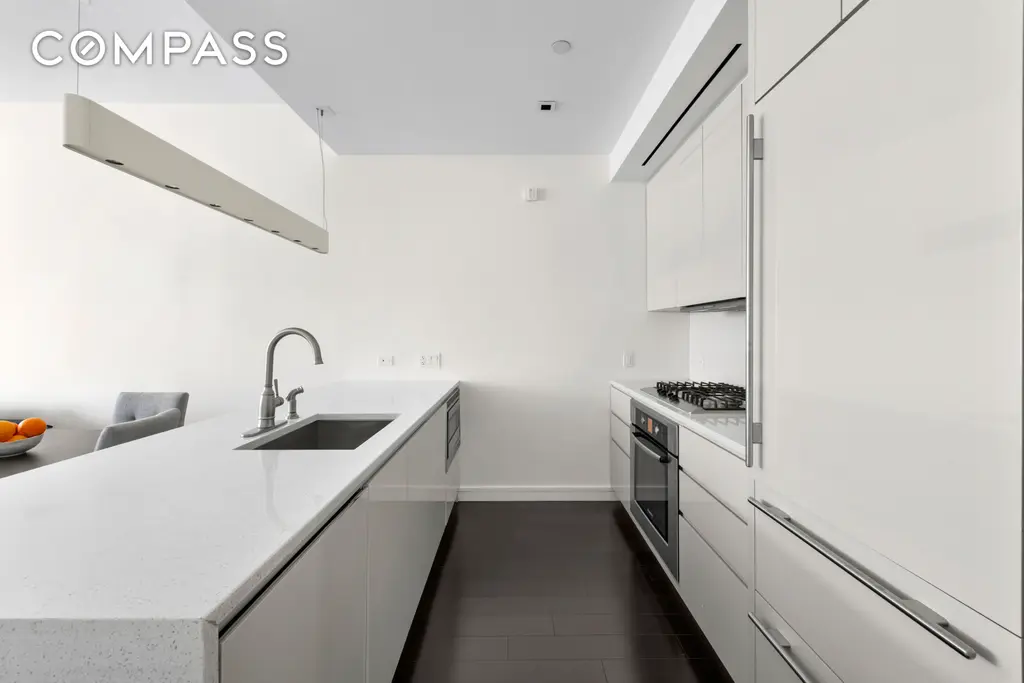
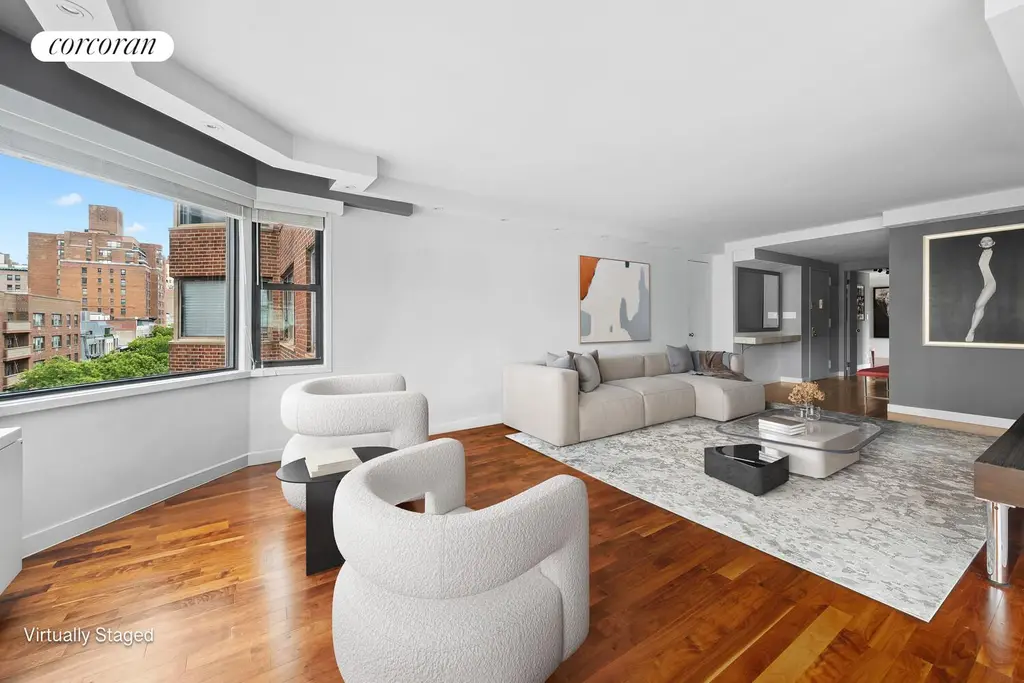
Saxon Towers, #8AB (Corcoran Group)
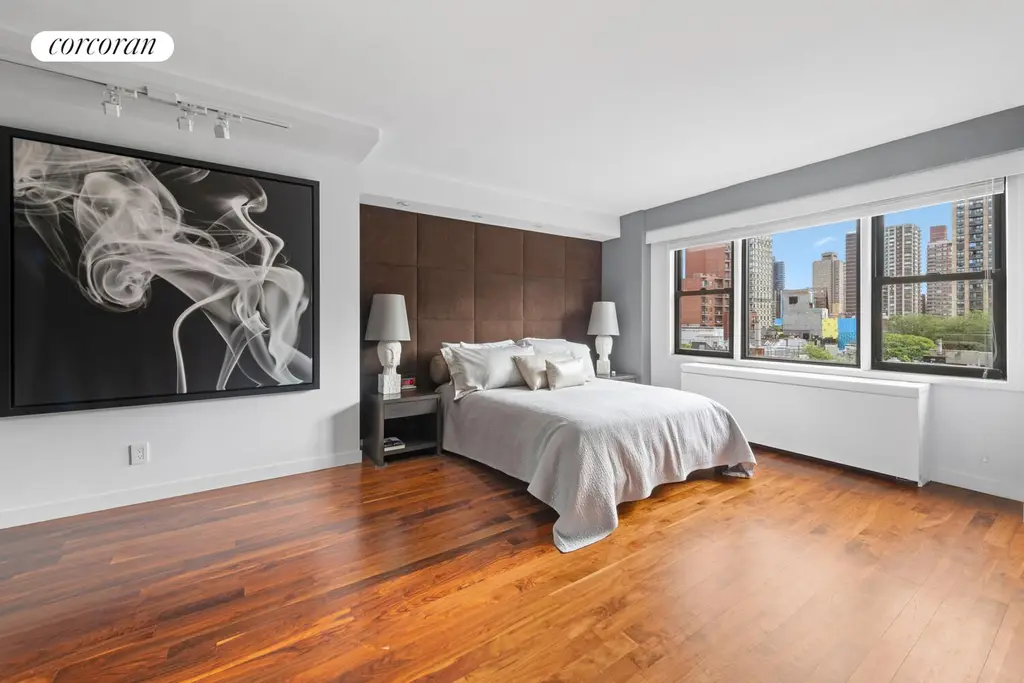
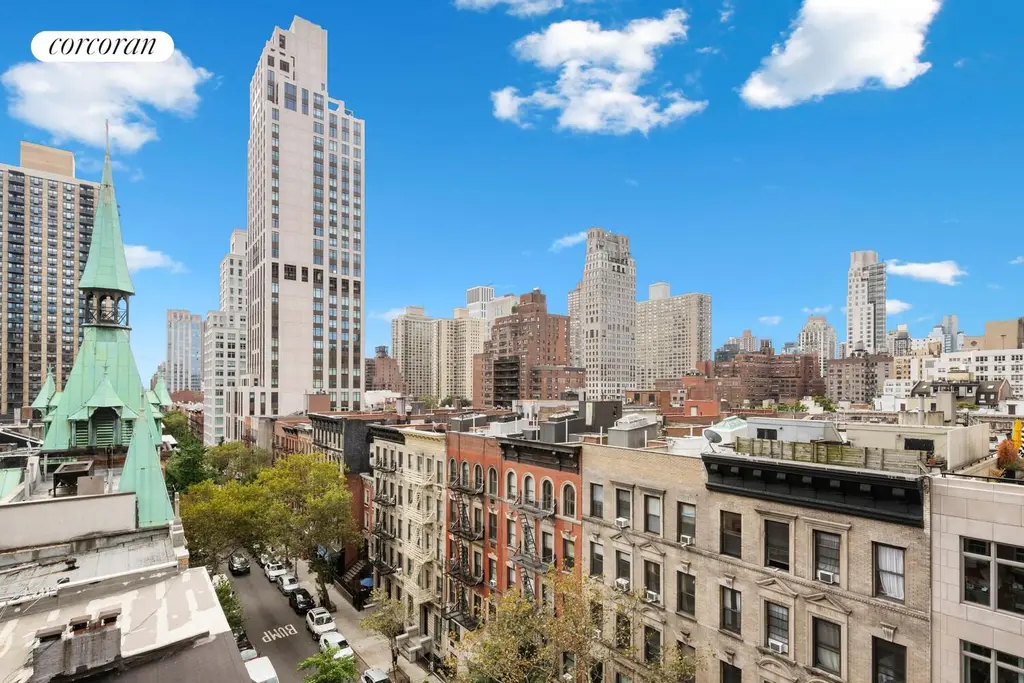
Eastgate, #6CDE (Brown Harris Stevens Residential Sales LLC)
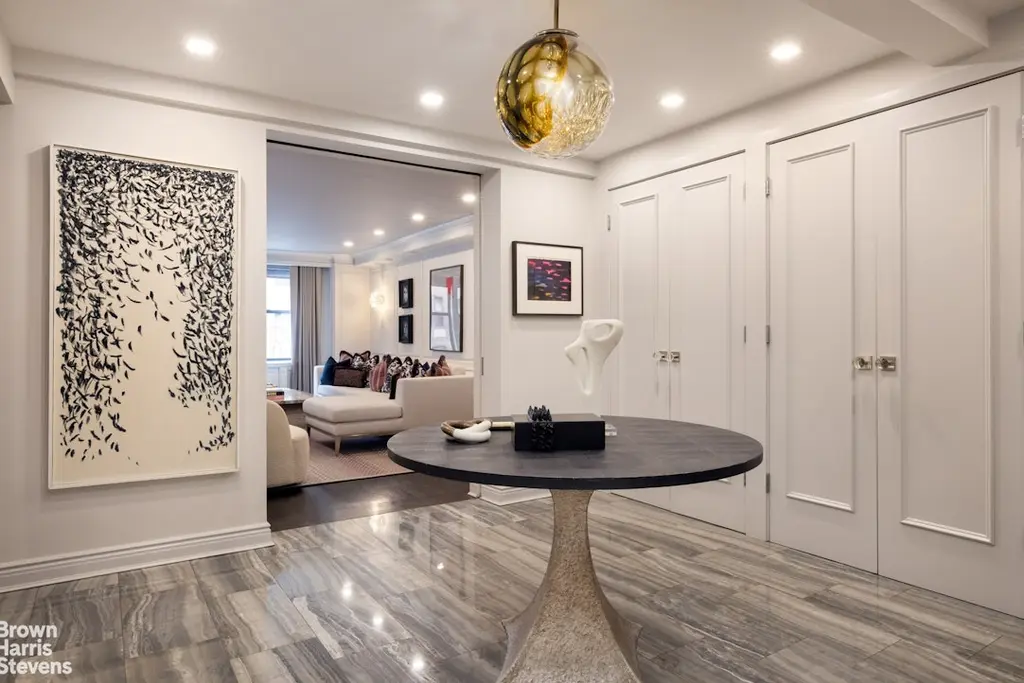
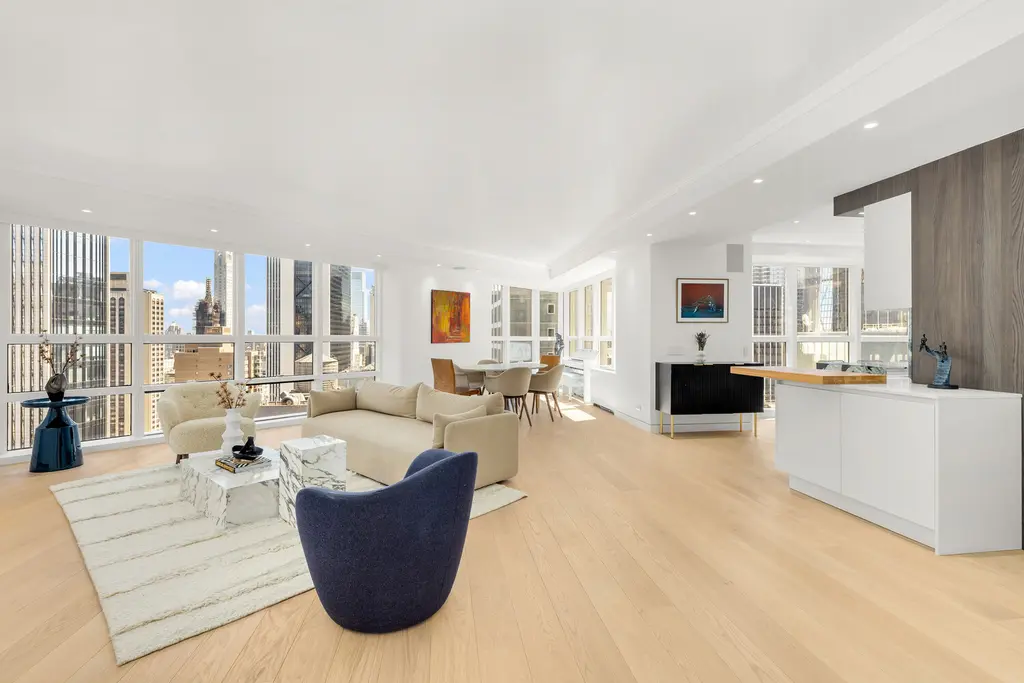
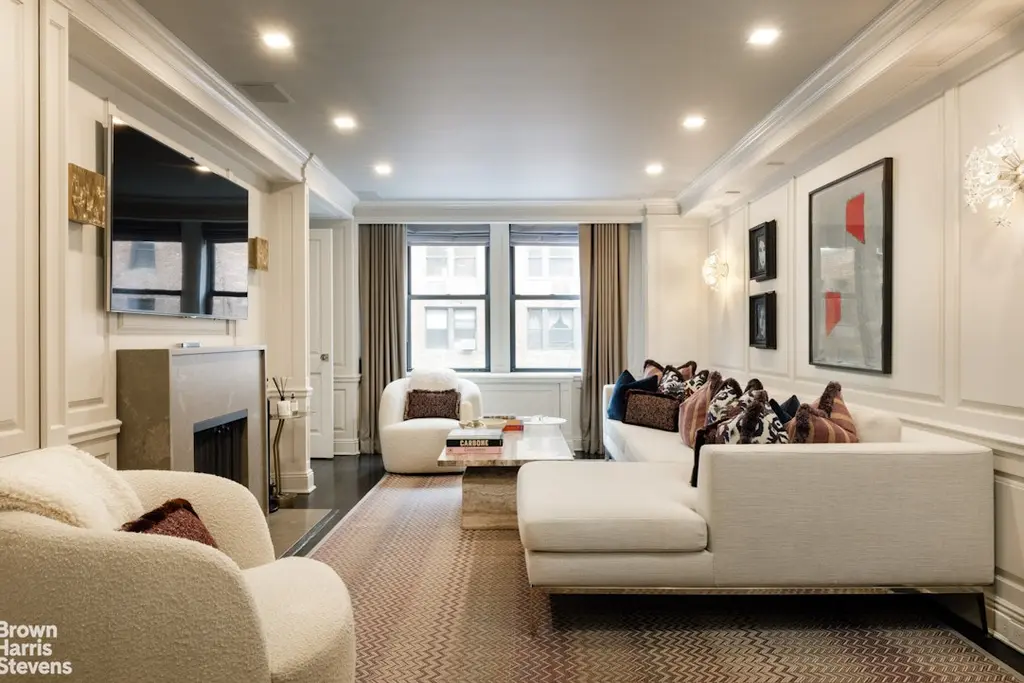
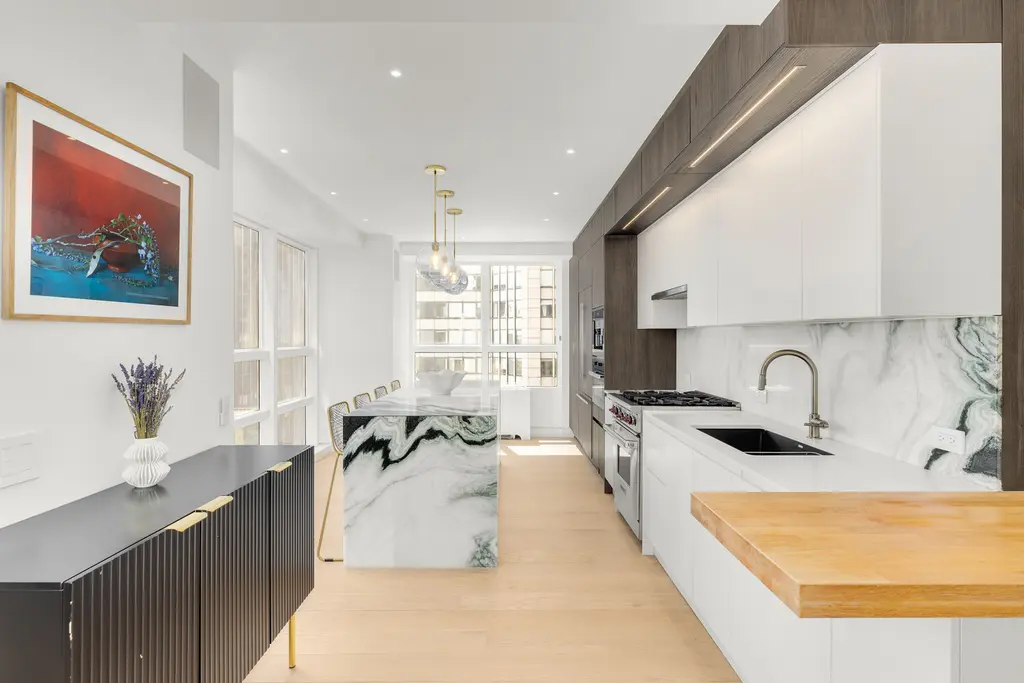
Metropolitan Tower, #42D (Serhant)
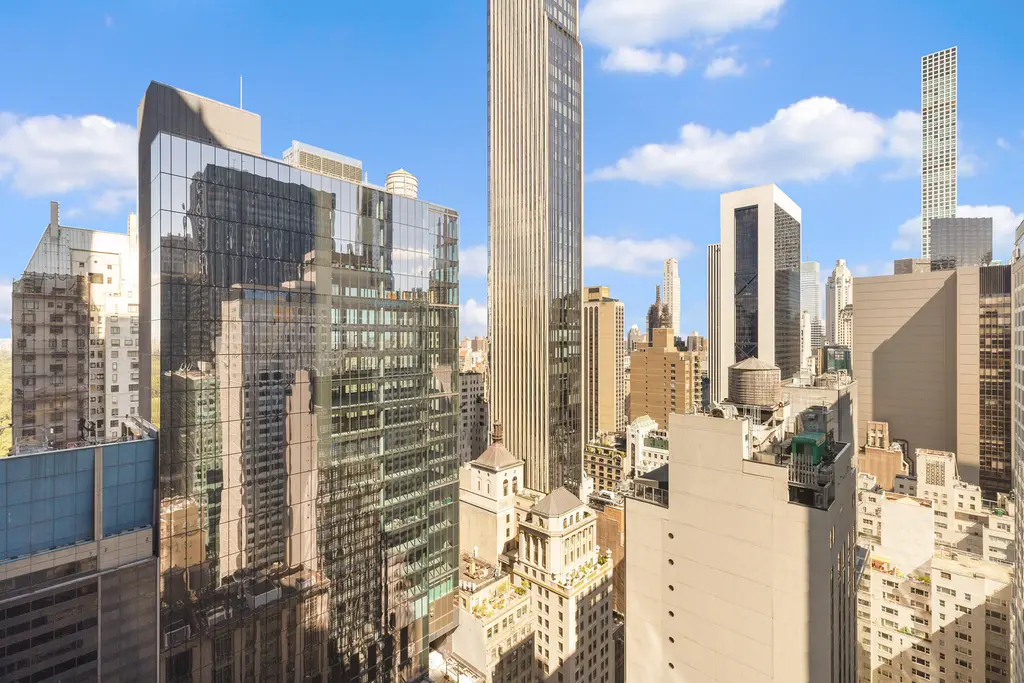
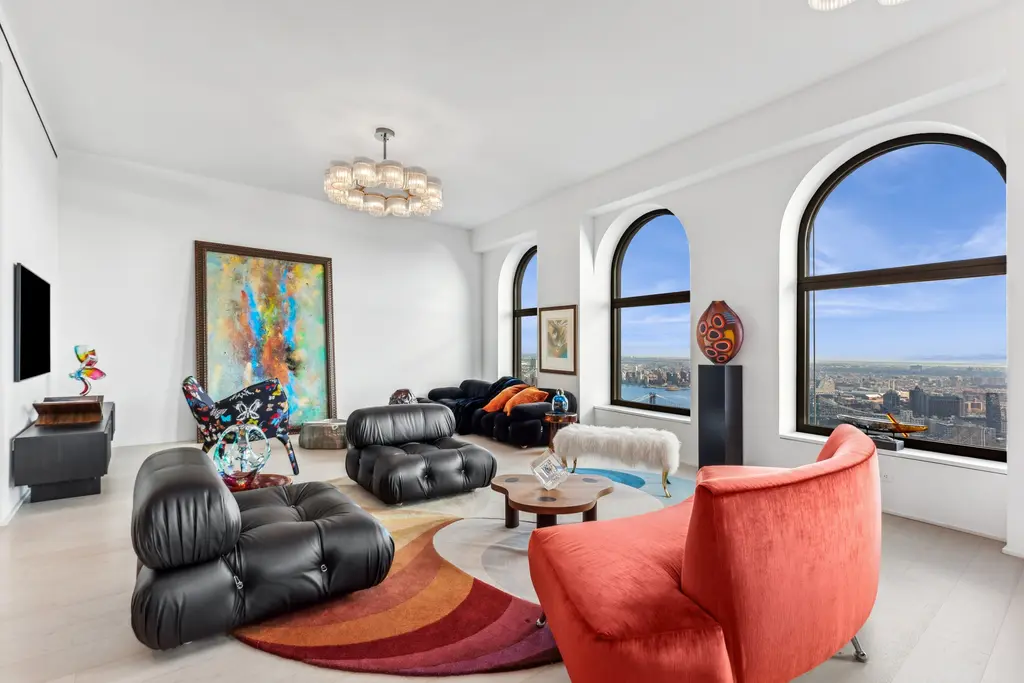
130 William, #PH60B (Nest Seekers LLC)
Would you like to tour any of these properties?
Just complete the info below.
Or call us at (212) 755-5544
Would you like to tour any of these properties?

Contributing Writer
Cait Etherington
Cait Etherington has over twenty years of experience working as a journalist and communications consultant. Her articles and reviews have been published in newspapers and magazines across the United States and internationally. An experienced financial writer, Cait is committed to exposing the human side of stories about contemporary business, banking and workplace relations. She also enjoys writing about trends, lifestyles and real estate in New York City where she lives with her family in a cozy apartment on the twentieth floor of a Manhattan high rise.

 6sqft delivers the latest on real estate, architecture, and design, straight from New York City.
