- Apartments
- Overview & Photos
- Maps
- Building Specialists
- Floorplans
- Sales Data & Comps
- Similar Buildings
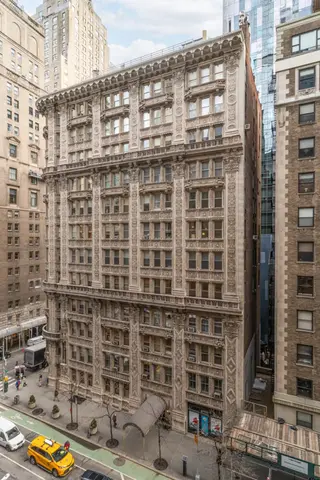
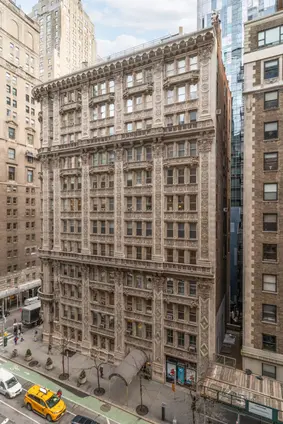
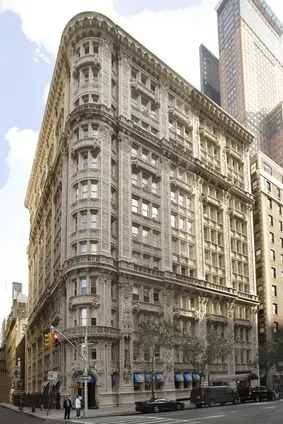
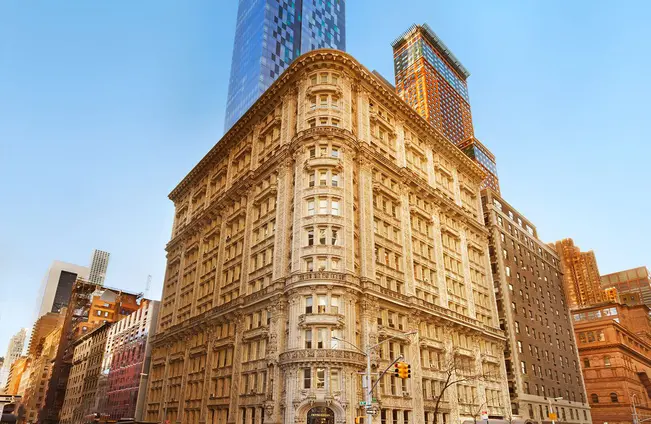
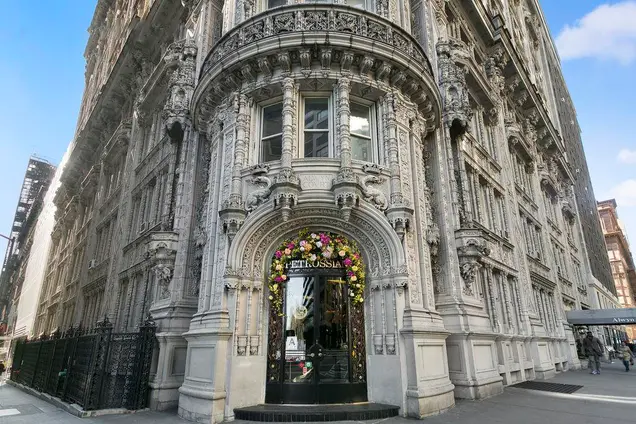
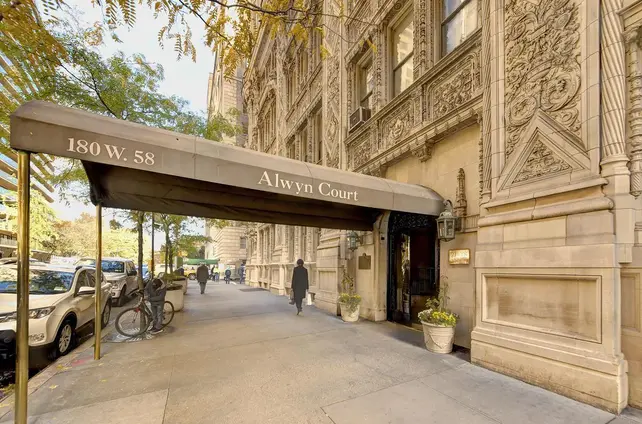
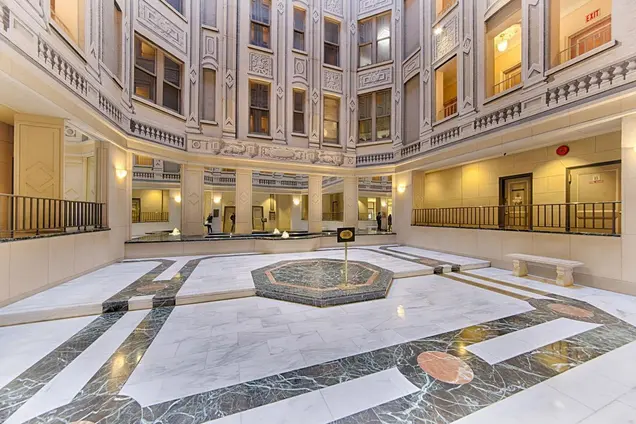
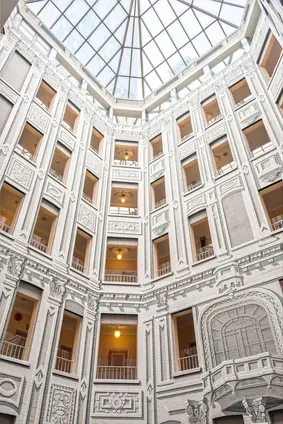
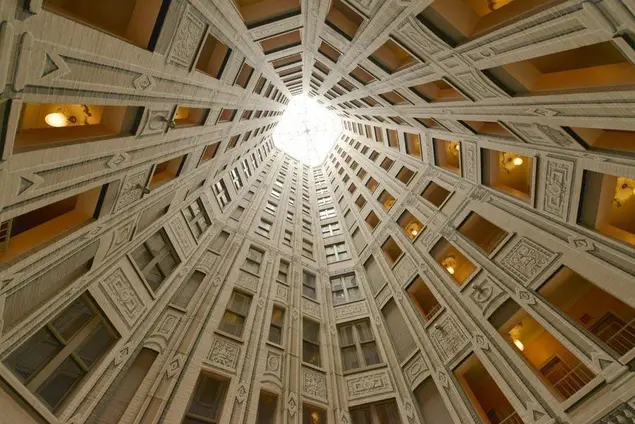
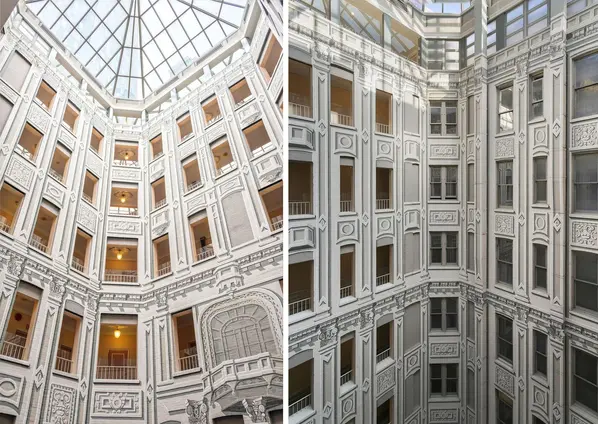

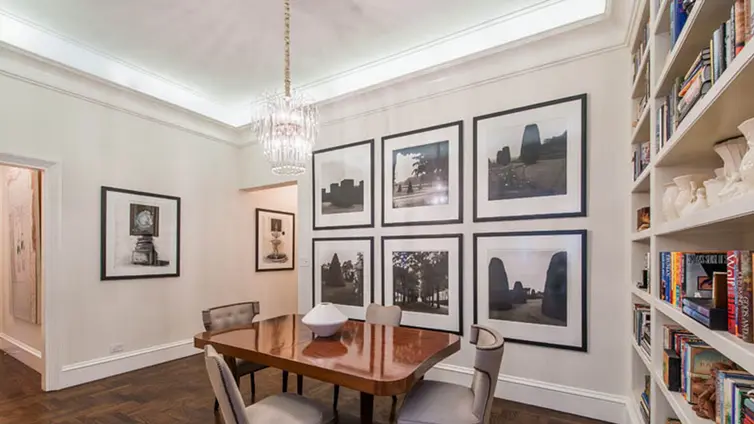
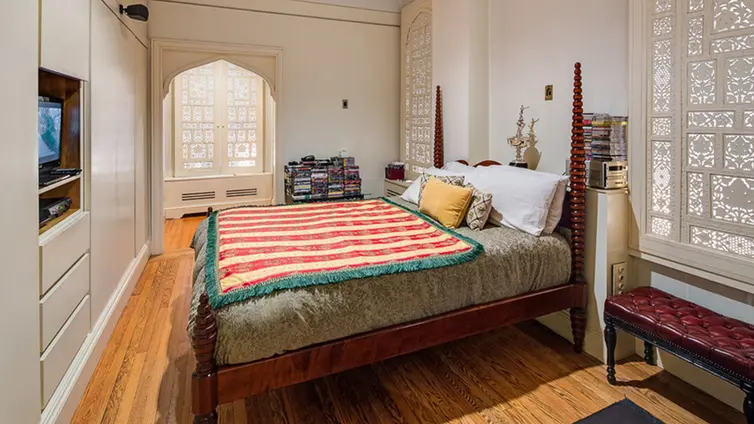
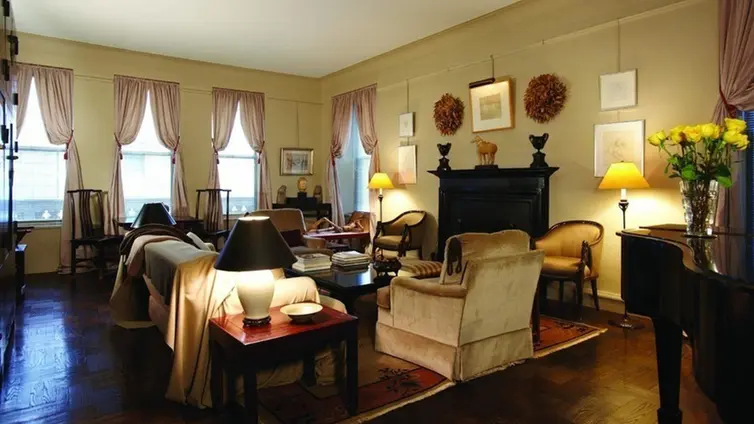
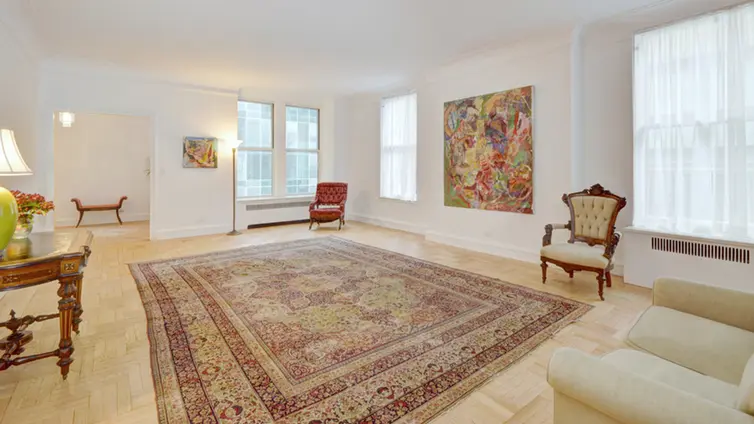
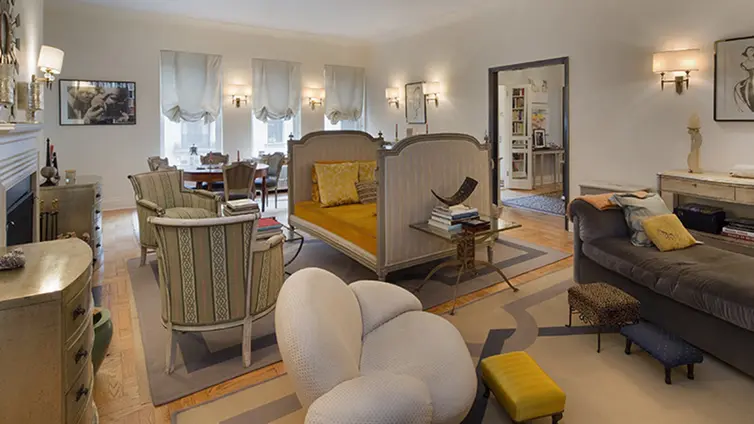
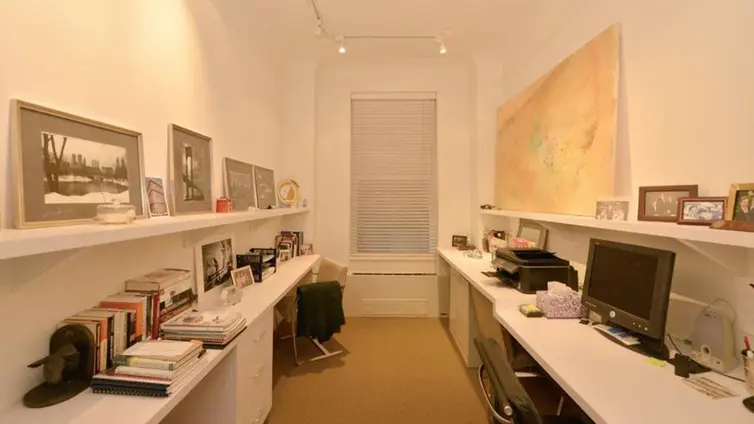
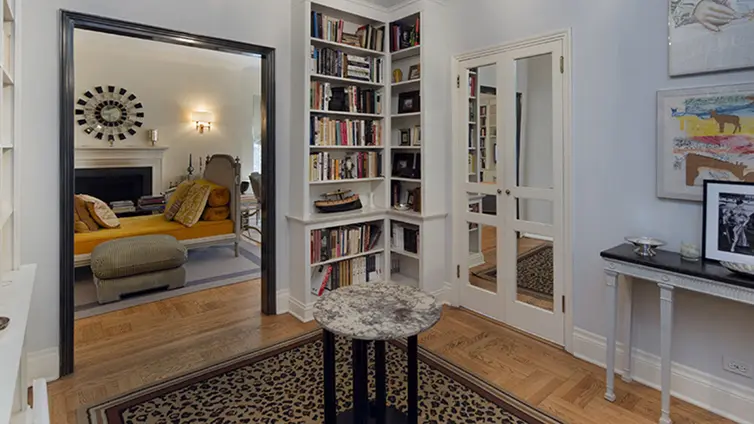



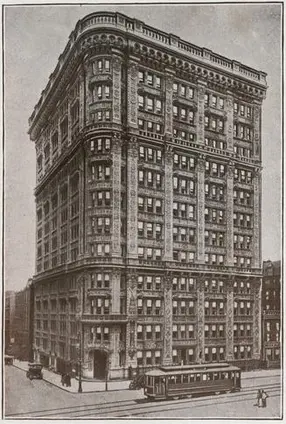
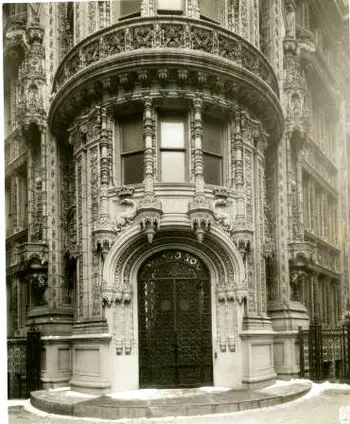
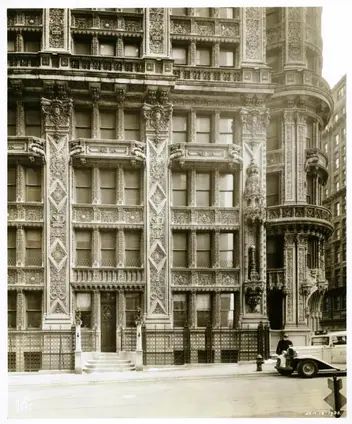
Alwyn Court, built in 1908 in French Renaissance style, is a landmark terra cotta building in New York City. The pet-friendly doorman building offers white-glove service and amenities near Carnegie Hall and Columbus Circle. Currently, 2 apartments are for sale.

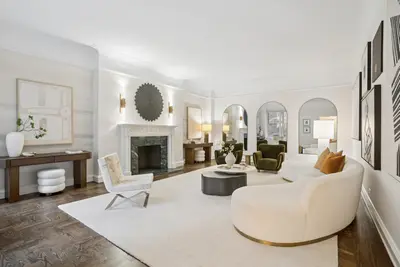
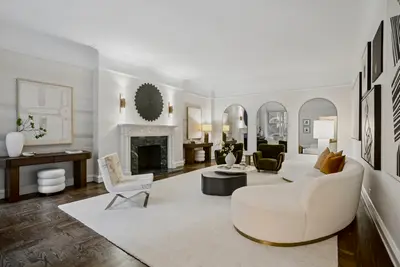
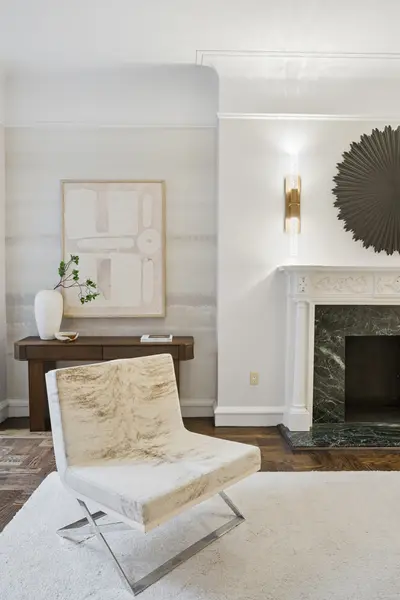

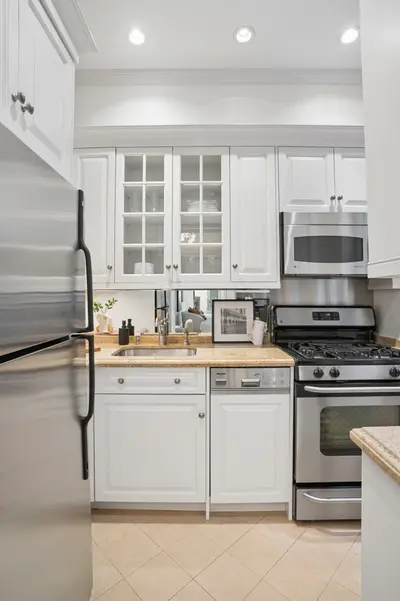
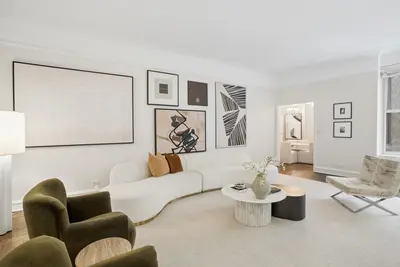
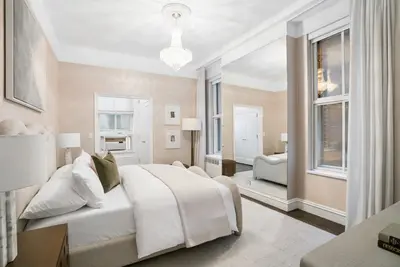
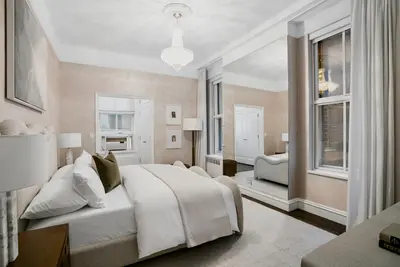
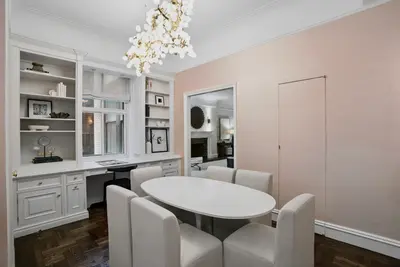
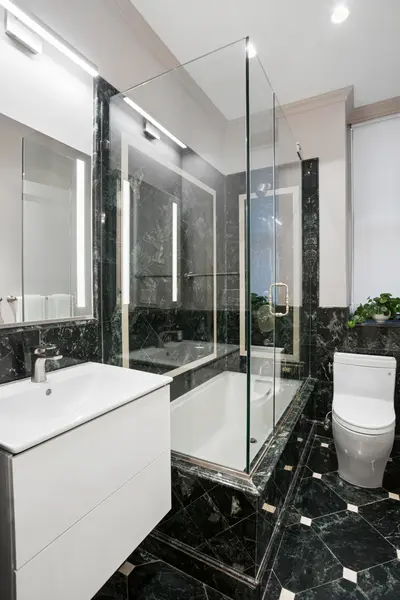
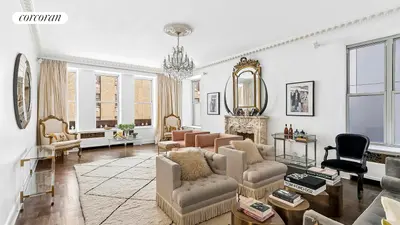
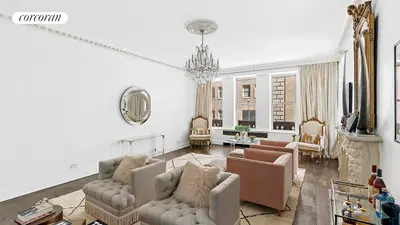
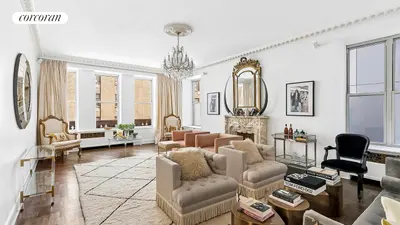

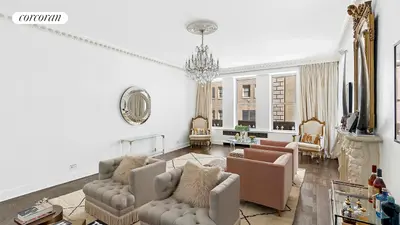

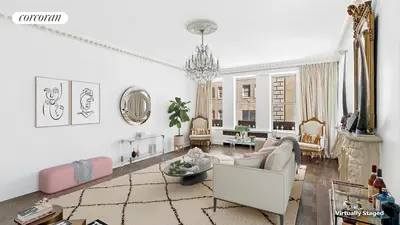
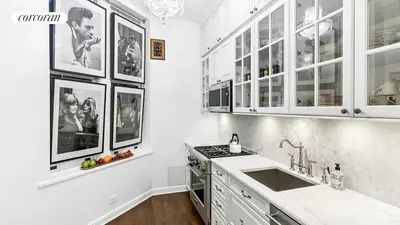
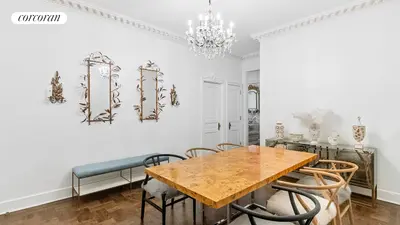
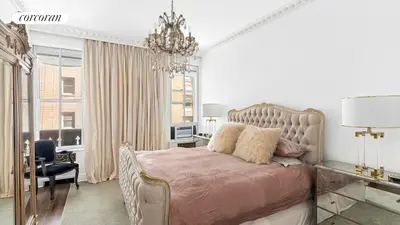
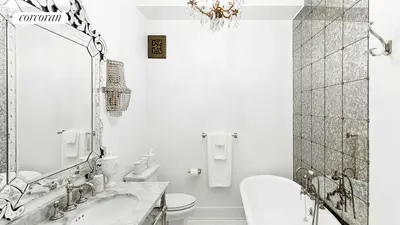
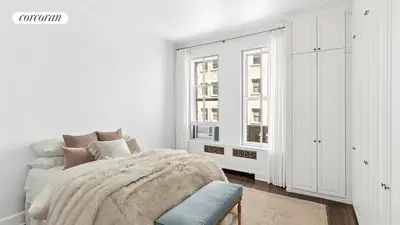
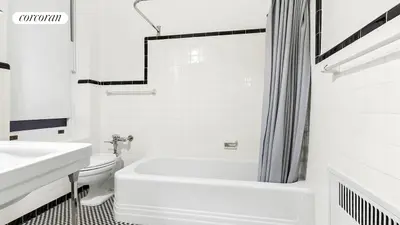
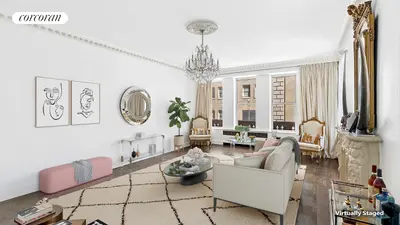
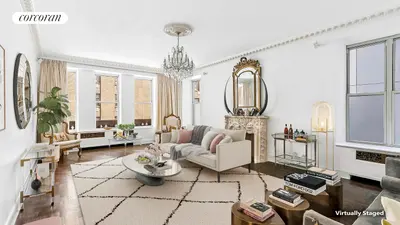
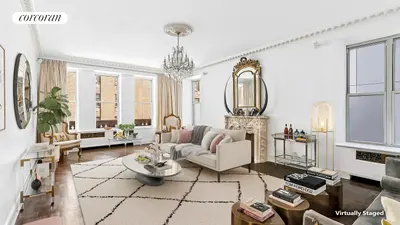
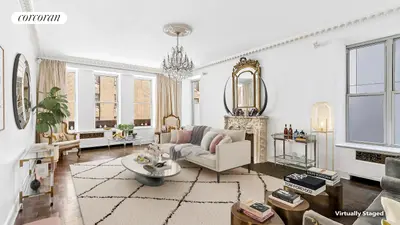
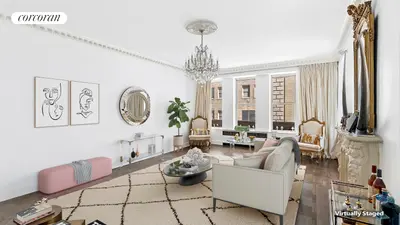
The Alwyn Court, completed in 1910 and designed by architects Harde & Short, stands as one of New York City's most architecturally distinctive buildings. Located near Carnegie Hall, this 12-story French Renaissance-style structure is renowned for its extraordinarily ornate terra-cotta façade, which completely covers the building's exterior. Originally constructed with just two luxurious 14-room apartments per floor, each featuring carved Caen stone, marble, and fine wood paneling.
The building's early history was marked by both grandeur and challenges. Initial tenants included notable figures such as Jacob Wertheim, president of United Cigar Stores, and Frederick Steinway of the famous piano company. However, a major fire shortly after opening and changing neighborhood dynamics in the 1930s led to significant modifications, including the removal of its large cornice and the conversion of its spacious apartments into 75 smaller units.
In 1980, the Alwyn Court underwent a transformative co-op conversion. The architectural firm Beyer Blinder Belle led a comprehensive façade restoration, and artist Richard Haas was commissioned to paint a trompe l'oeil mural spanning the full height of the building's central courtyard, which was covered with a skylight to create an atrium.
Today, the landmarked building offers full-service amenities including 24-hour doorman service, a live-in resident manager, bike room, central laundry facilities, and private storage. The ground floor houses the prestigious Petrossian Restaurant, known for its caviar. The building welcomes pets and allows pied-à-terre ownership.
The Alwyn Court's location one block from Central Park places it at the heart of Manhattan's cultural district, with easy access to Columbus Circle, Carnegie Hall, and numerous world-class restaurants and shopping destinations. The building represents a remarkable example of New York City's architectural heritage, successfully bridging its opulent past with modern luxury living.

View school info, local attractions, transportation options & more.
Experience amazing 3D aerial maps and fly throughs.
For some co-ops, instead of price per square foot, we use an estimate of the number of rooms for each sold apartment to chart price changes over time. This is because many co-op listings do not include square footage information, and this makes it challenging to calculate accurate square-foot averages.
By displaying the price per estimated room count, we are able to provide a more reliable and consistent metric for comparing sales in the building. While we hope that this gives you a clearer sense of price trends in the building, all data should be independently verified. All data provided are only estimates and should not be used to make any purchase or sale decision.

 6sqft delivers the latest on real estate, architecture, and design, straight from New York City.
Like us on Facebook to keep up with the trends and
6sqft delivers the latest on real estate, architecture, and design, straight from New York City.
Like us on Facebook to keep up with the trends and 