
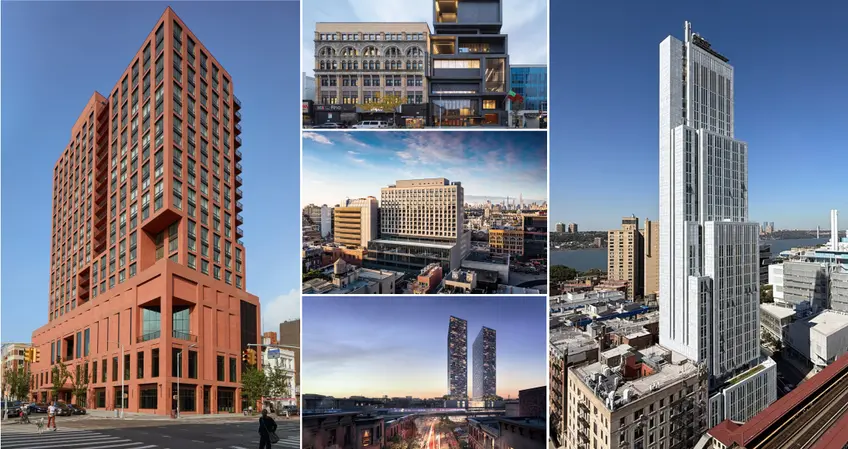
For much of the early to mid-20th century, 125th Street was the beating heart of Harlem’s Black cultural, political, and intellectual life. Malcolm X delivered sermons on the corner of 125th Street and Seventh Avenue. The Lenox Lounge hosted legends like Miles Davis and John Coltrane as writers including Langston Hughes and Zora Neale Hurston listened and debated. Martin Luther King Jr. was stabbed during a book signing at Blumstein’s department store, a reminder that the avenue has long been a stage for moments that shaped American history.
In this article:
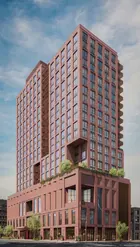

In 2007, the New York City Department of City Planning rezoned portions of 125th Street, a move intended to encourage investment but one that pushed out many longtime, locally owned businesses. National retailers including Gap, Banana Republic, and Old Navy moved in. According to a 2014 Community Service Society report, rents in Central Harlem climbed nearly 90 percent between 2002 and 2014, more than anywhere else in the city, fueling concerns about displacement among residents and merchants.
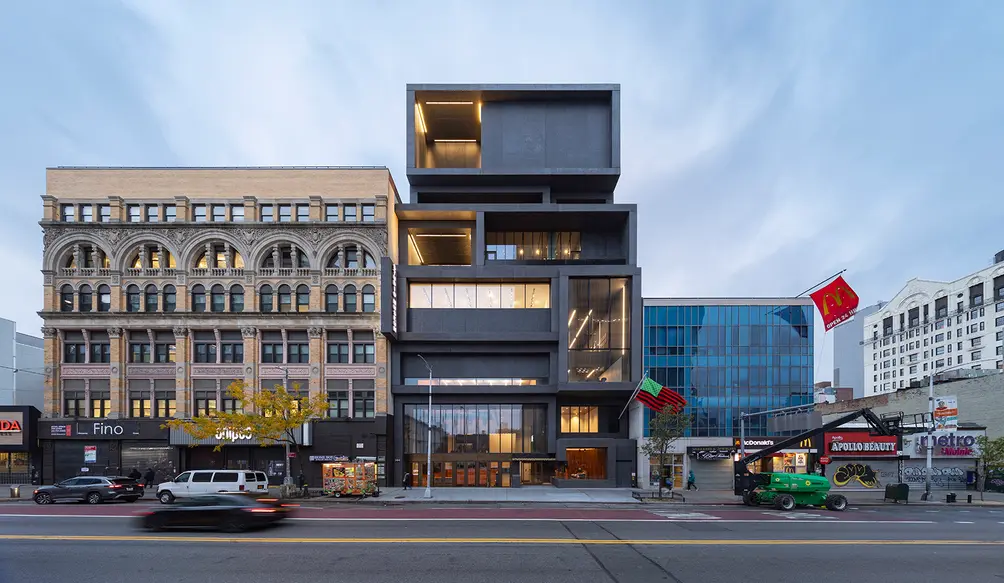 Studio Museum
That shift is perhaps most clearly embodied by the reopening of the Studio Museum of Harlem. After seven years and a $160 million investment, the museum unveiled its new seven-story home designed by Adjaye Associates, with Cooper Robertson serving as executive architect. Formerly housed in a converted bank for 57 years, the museum now occupies a purpose-built structure with a muscular concrete facade and expansive public interiors. In October 2025, The New York Times described the building as “an uplifting home on a street that has always been a barometer of Harlem’s fortunes and aspirations,” calling it a move away from “make-do” architecture toward unapologetic ambition.
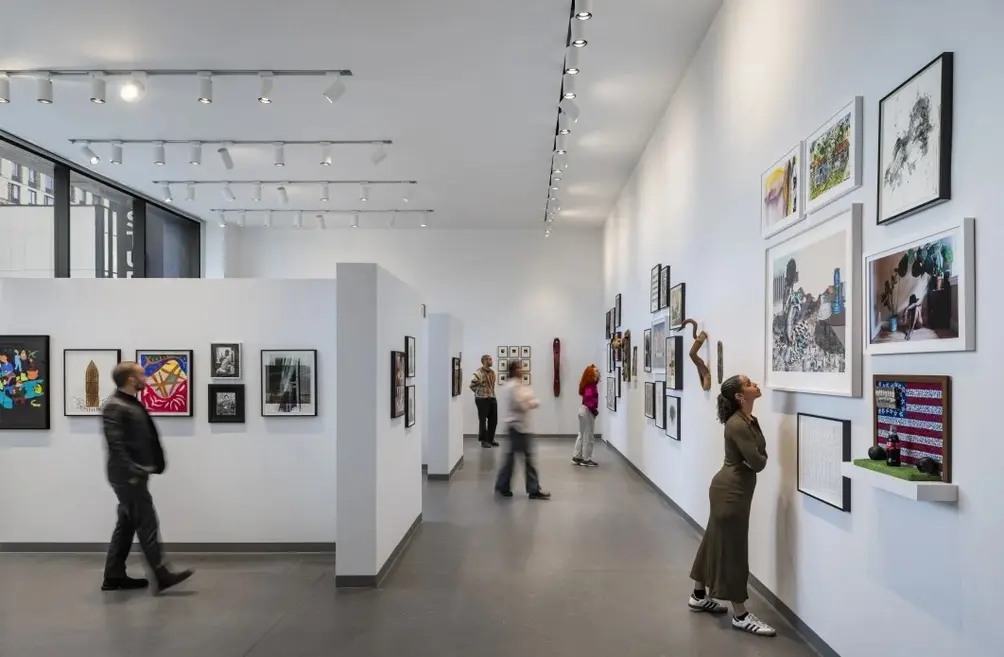 Gallery at The Studio Museum of Harlem
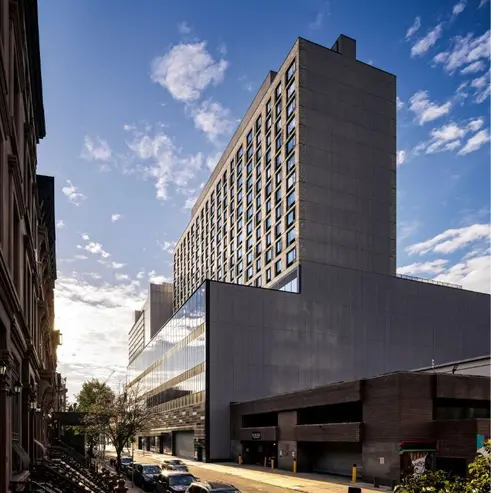 National Urban League development from West 126th Street
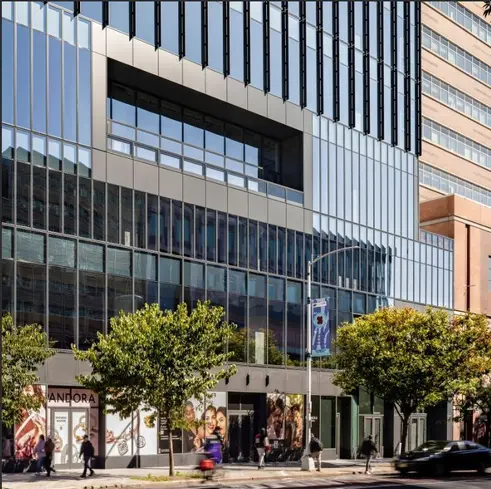 Retail spaces along the National Urban League's 125th Street frontage
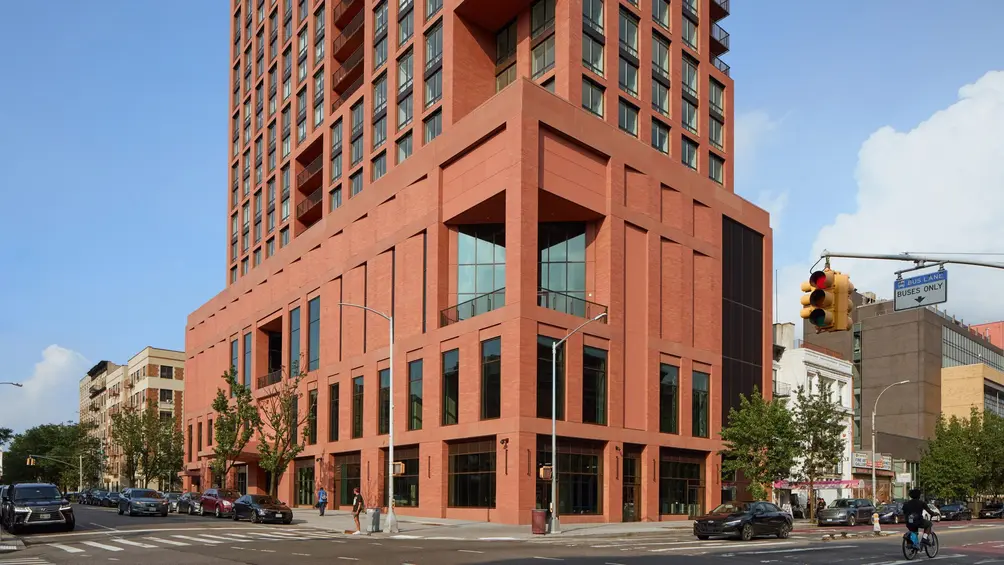 Exterior photography of Ray is by Melanie Landsman
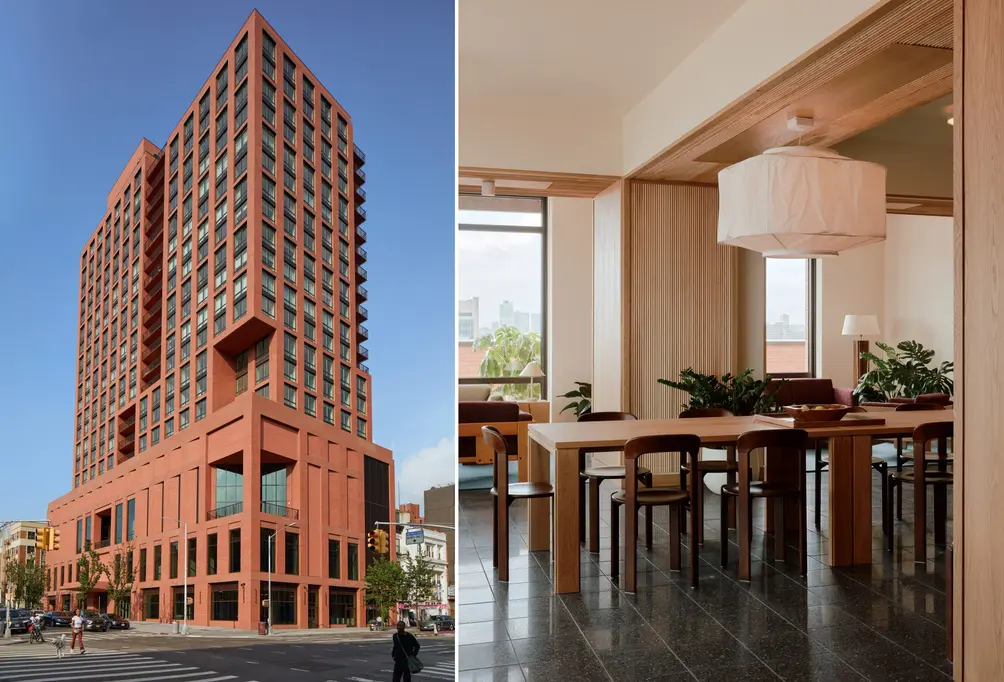 Exterior photography is by Melanie Landsman. The interior photography is by William Jess Laird.
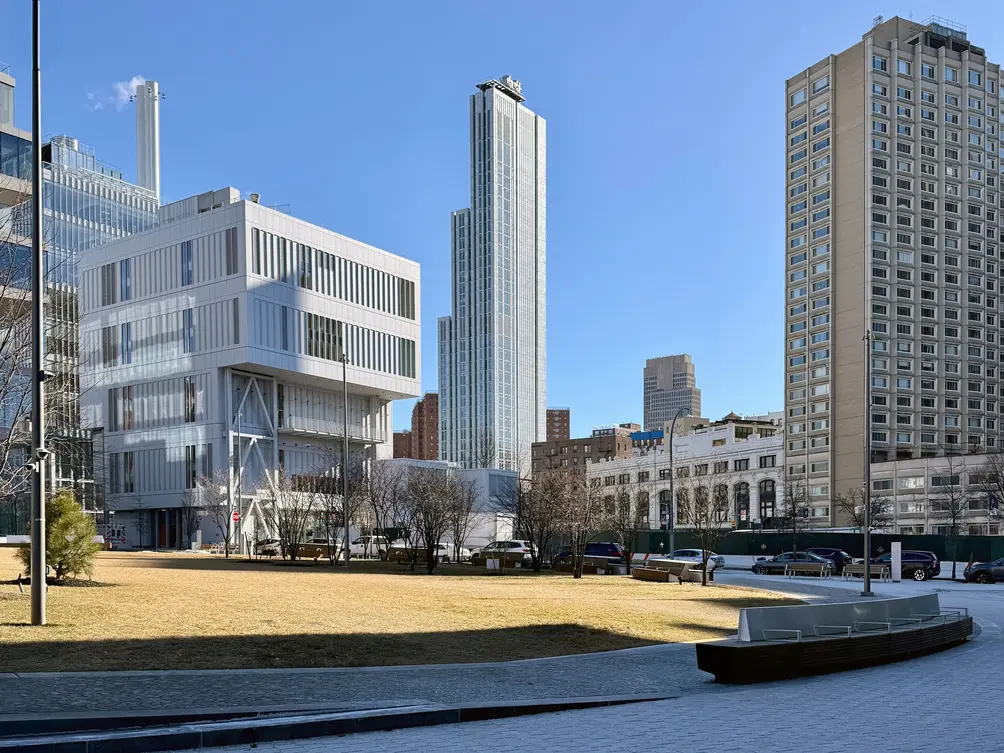 600 W. 125th Street (Renzo Piano Building Workshop)
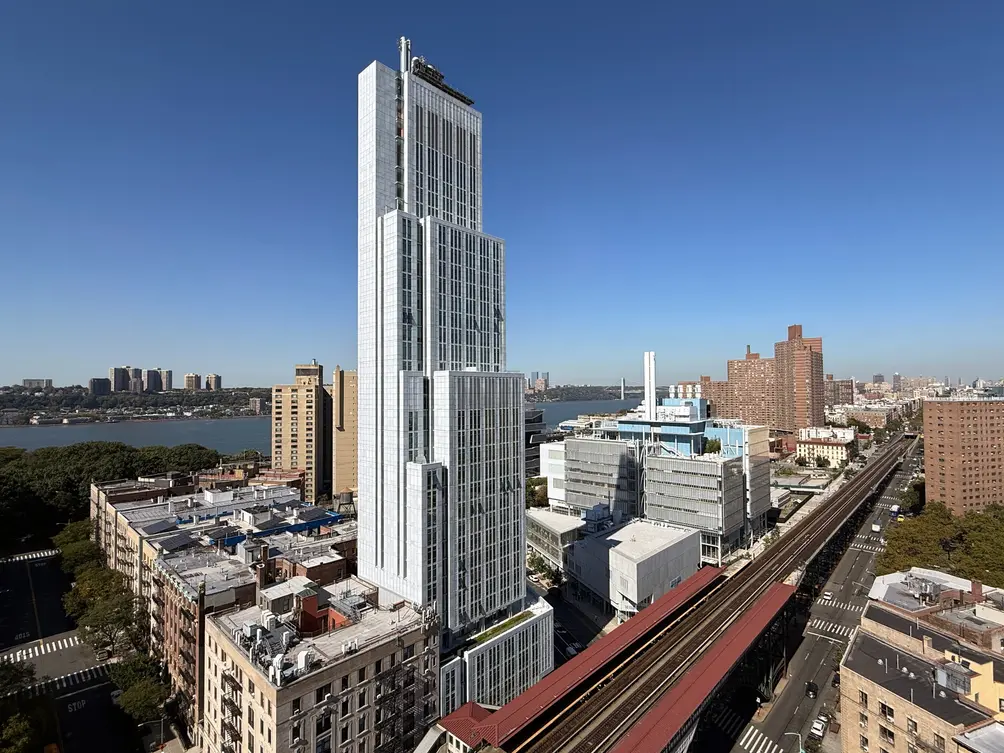 600 W. 125th Street (Renzo Piano Building Workshop)
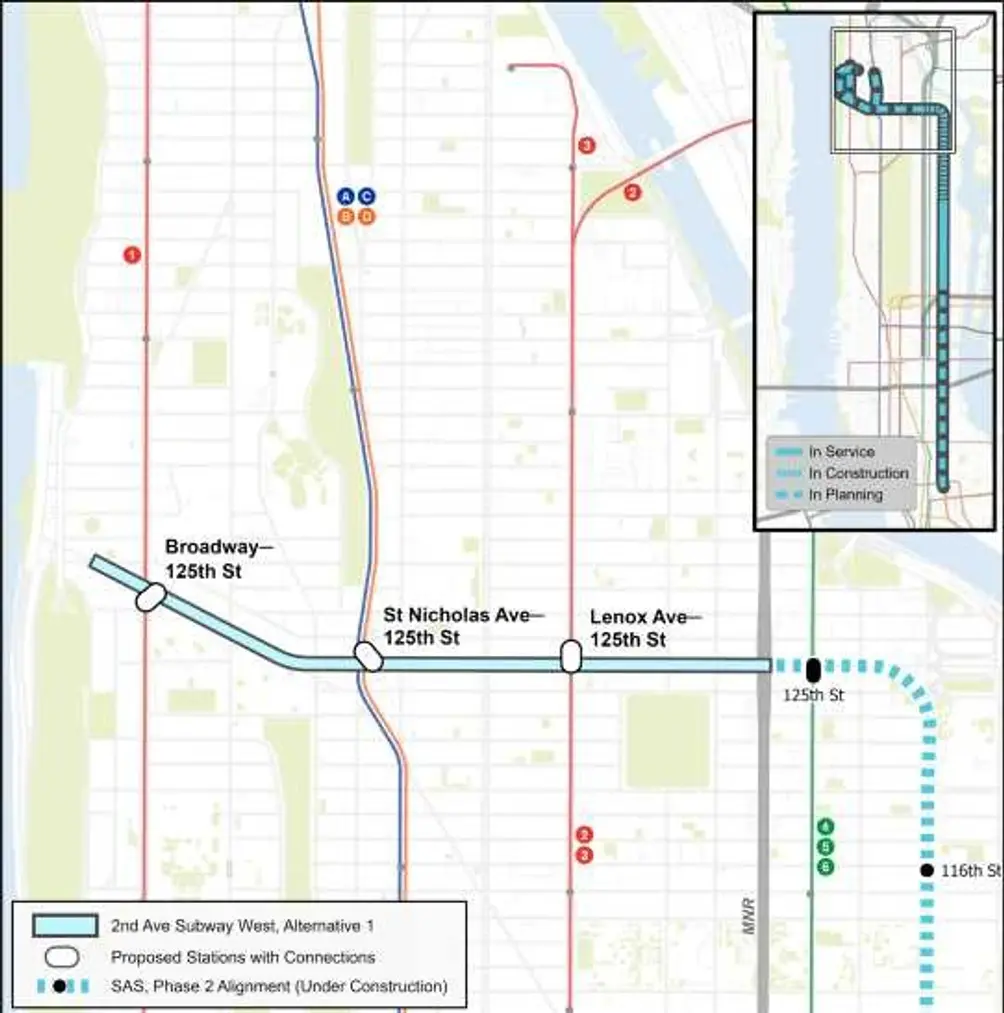 A map of a potential westward expansion of the Q train to 125th Street and Broadway, with three new stops. (MTA)
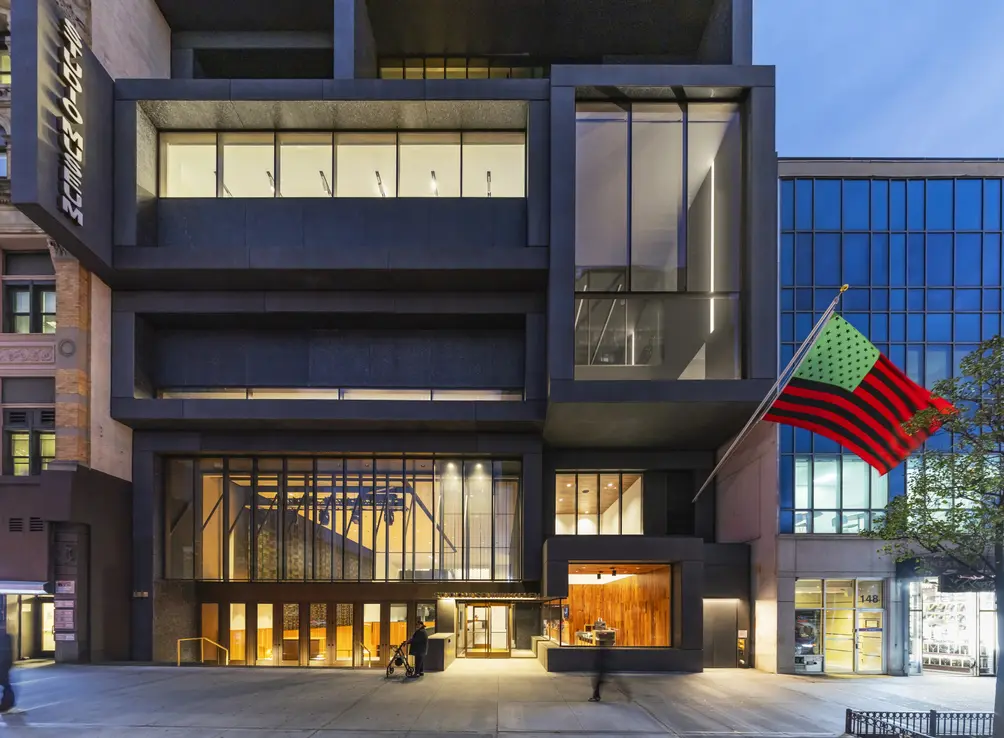 The Studio Museum of Harlem
Related Articles

Price Cuts: Sandie Tilotson's penthouse at Mandarin Oriental reduced by $15M; UWS brownstone with underground pool now 20% off
Thursday, August 6, 2026INTERVIEW: Avdoo Shlomi on building in New York City with a sense of place
Thursday, August 6, 2026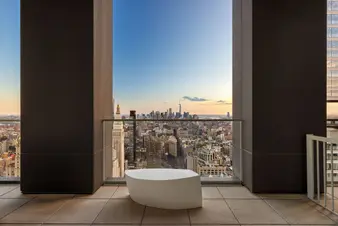
For the Love of Loggias: Rare New York City listings with private outdoor rooms
Tuesday, August 4, 2026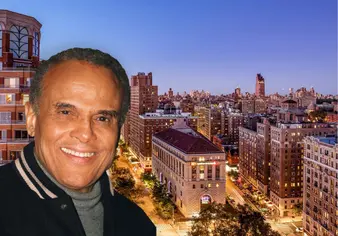
Rebound in Manhattan sales includes Harry Belafonte's UWS co-op, a $47M Central Park Tower aerie, and trophy deals in landmarks
Tuesday, August 4, 2026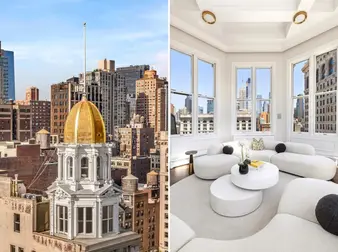
Flatiron Building half-floor leads quiet summer contract week; Sohmer Piano penthouse sells at auction for 64% discount
Tuesday, August 4, 2026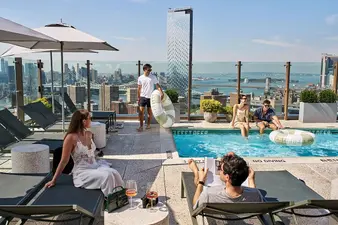
30 NYC rental buildings with rooftop pools; +POOL postponed
Friday, July 31, 2026
Front & York: How DUMBO’s streets, bridges, and warehouses shaped its design
Friday, July 31, 2026
The Ideal Floor Plan: How to tell if a NYC apartment really works + 25 listings with great layouts
Thursday, July 30, 2026

 6sqft delivers the latest on real estate, architecture, and design, straight from New York City.
