
Belgian block streets can still be found throughout many historic neighborhoods in New York City. In some areas, they form the entire street surface, while in others, they may be partially exposed due to the wear and tear of asphalt pavement, revealing the historical roadbed underneath. These cobblestone streets exist within and outside of historic districts officially designated by the Landmarks Preservation Commission. Within these districts, historic cobblestones are protected as an essential part of the district's overall character, just like the building architecture.
The stone pavement commonly found on streets throughout New York City is not cobblestone but rather a tooled type of granite called Belgian blocks. According to a 2017 report by the Historic Districts Council (HDC), these granite blocks are primarily rectangular and were used in various cities across the United States. They are distinct from cobblestones, which are naturally rounded, unprocessed stones that were used until around 1860.
In this article:
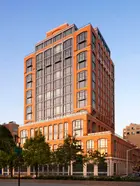


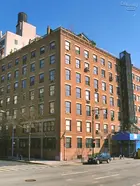
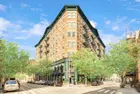
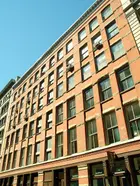
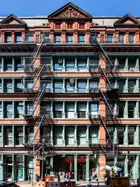
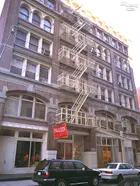
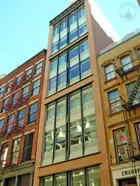
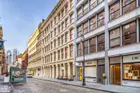
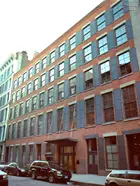
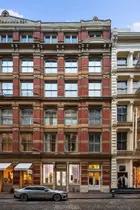

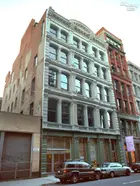
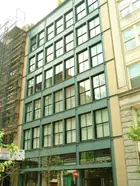

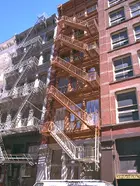
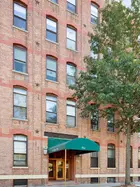
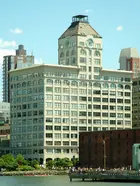




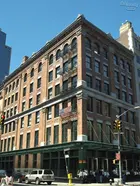


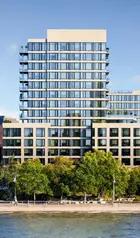
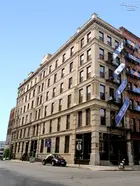
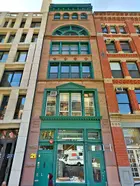
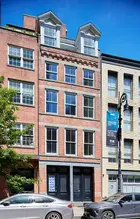
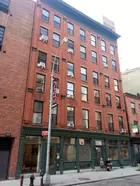
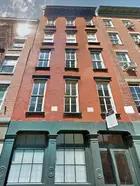
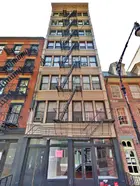
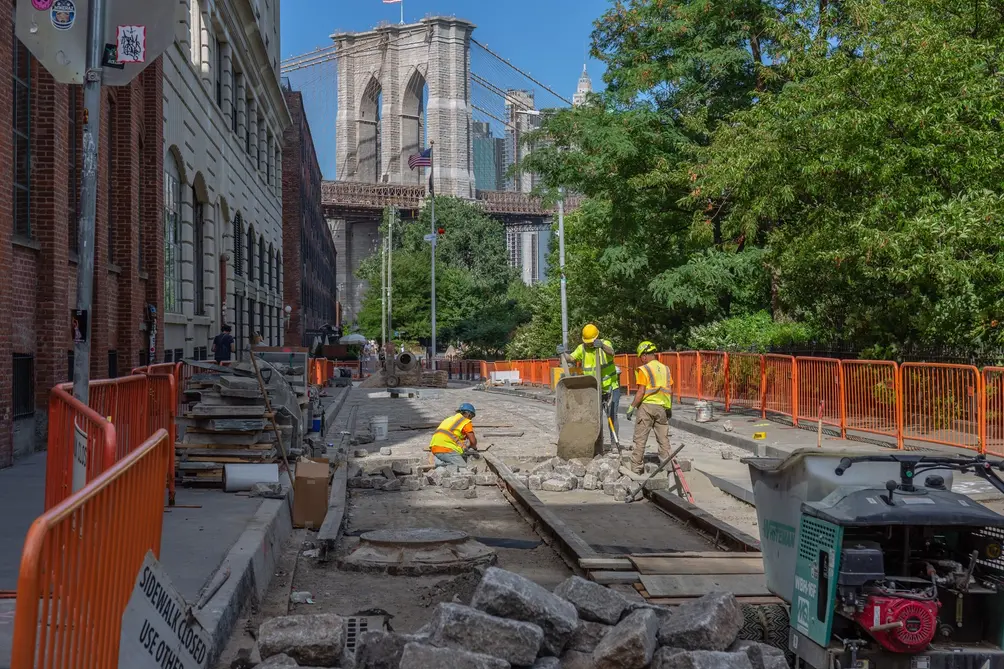 In DUMBO, tens of thousands of cobblestones were removed, restored and returned to their original streets. In all, 25 blocks had their cobblestones restored and one additional block was converted from asphalt to cobblestone. Credit: NYC DDC | https://www.nyc.gov/html/dot/html/pr2025/city-completes-historic-street-restoration-dumbo.shtml
Over 26 blocks were rebuilt with restored or new Belgian blocks, upgraded drainage systems, new granite bike lanes, and historically accurate curbs and sidewalks. Tens of thousands of stones were removed, cataloged, and returned to their original locations, and even an asphalt block on Gold Street was converted back to full cobblestone. The project also delivered the new Pearl Street Plaza and unearthed nearly 2,800 artifacts dating back as far as the 1600s. The restoration not only preserves DUMBO’s iconic character but also makes these streets safer, smoother, and more resilient for future decades to come.
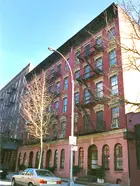
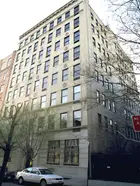
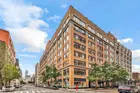
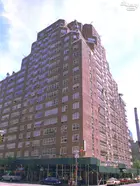
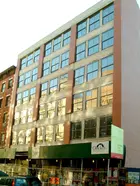
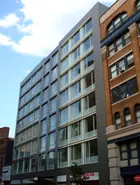
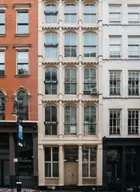
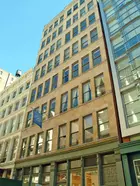
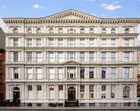
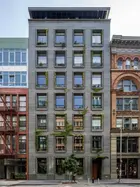
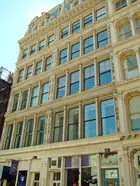
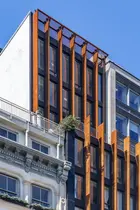
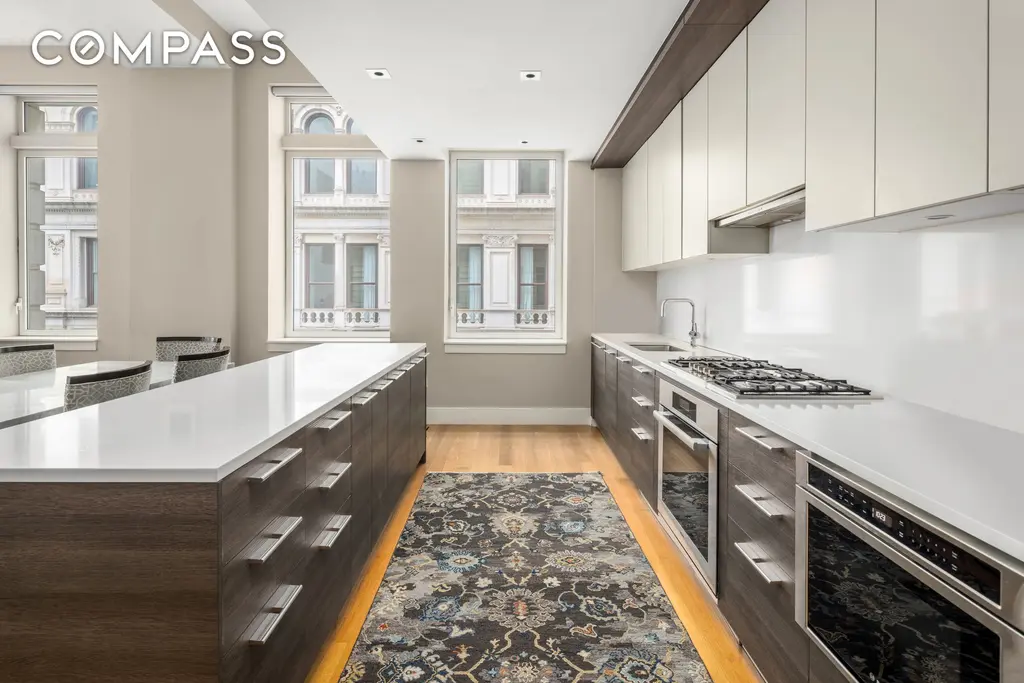
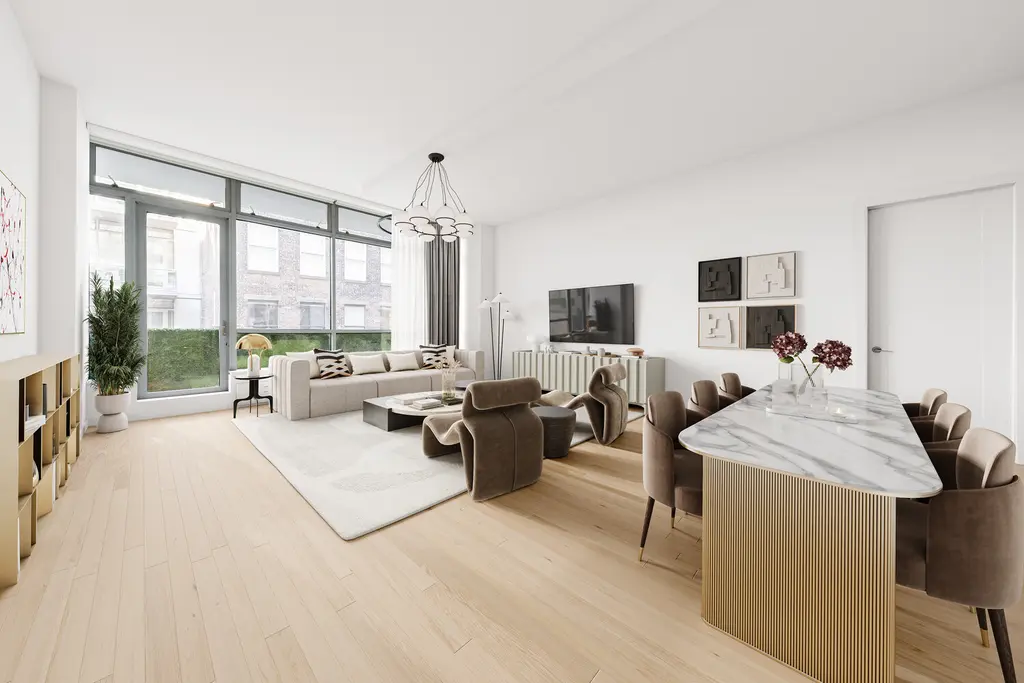
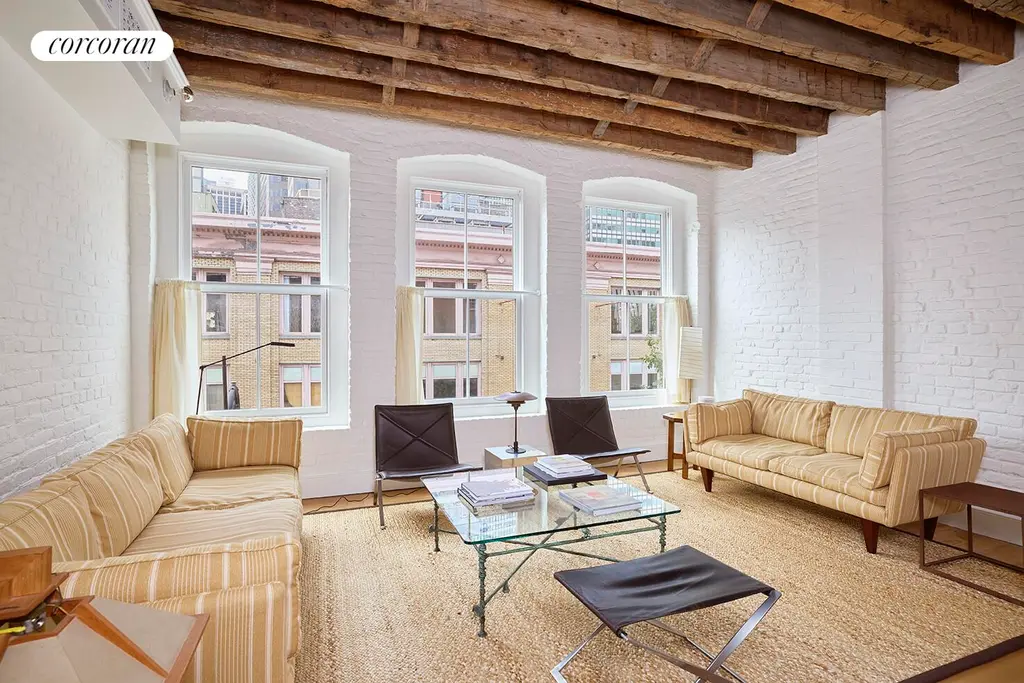
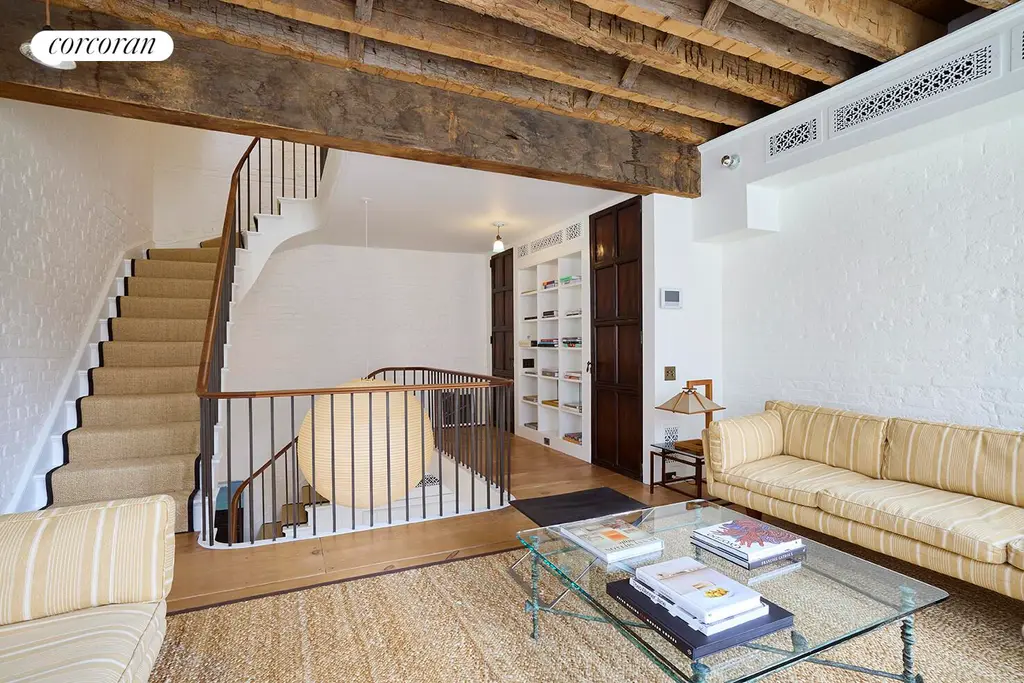
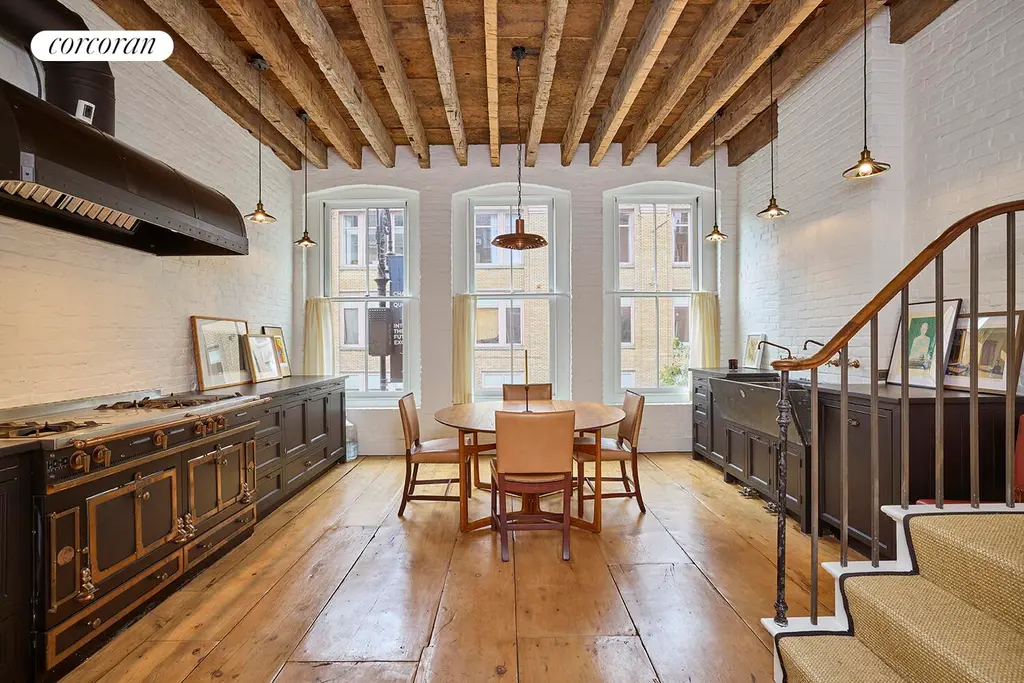
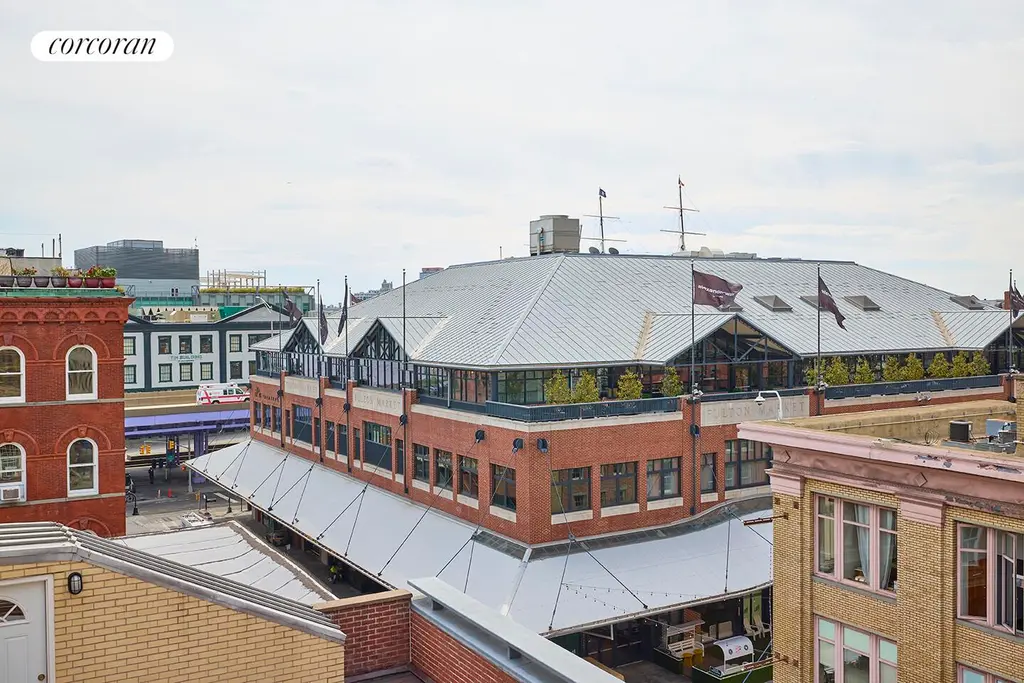
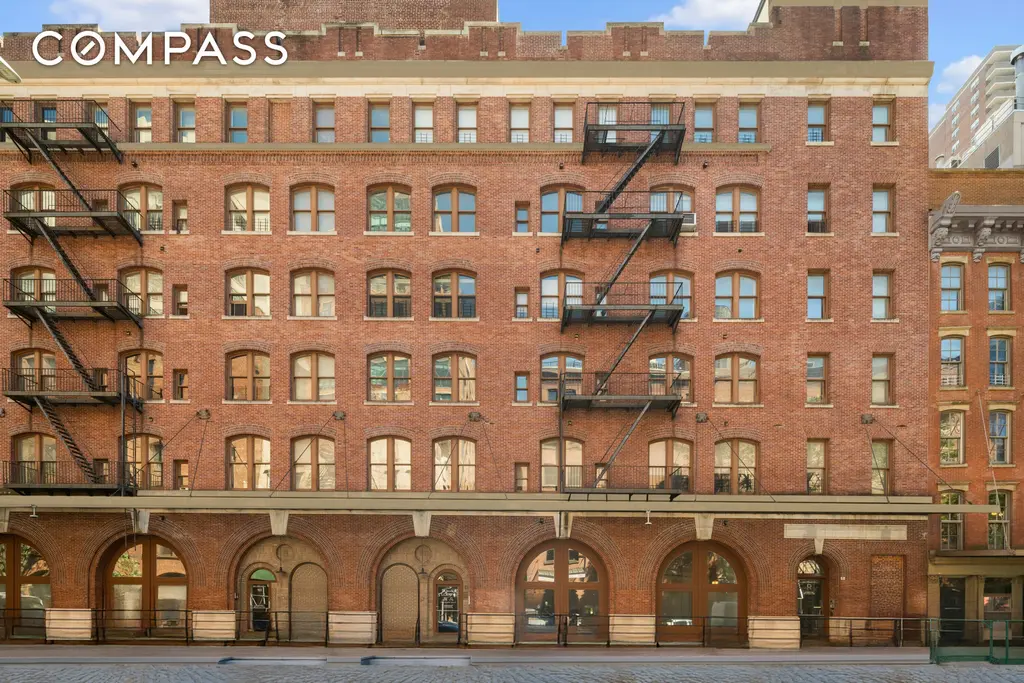
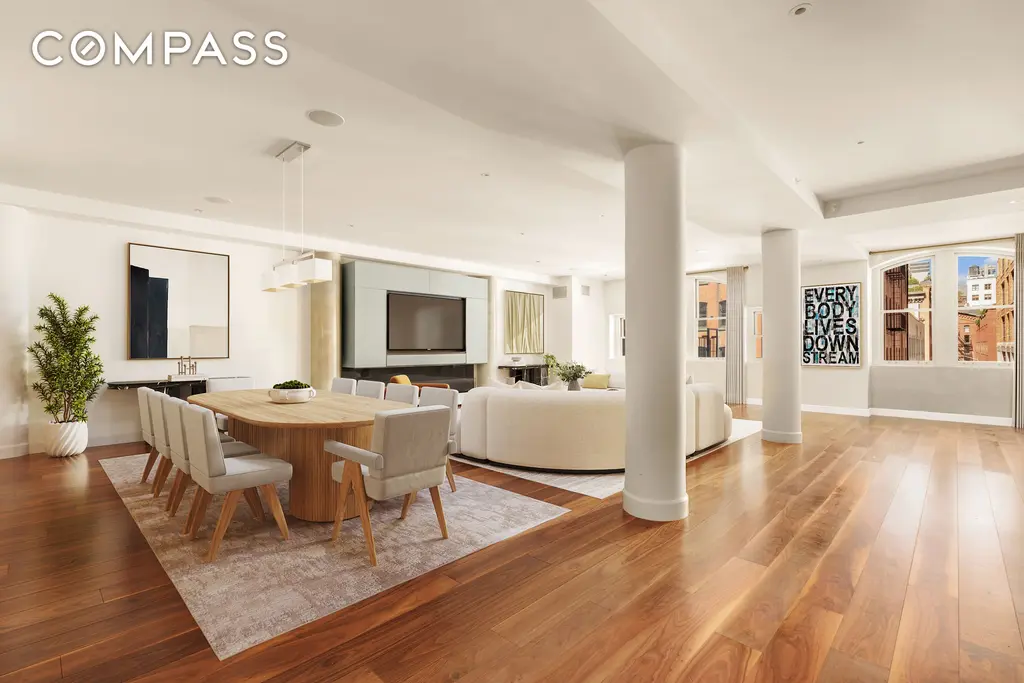
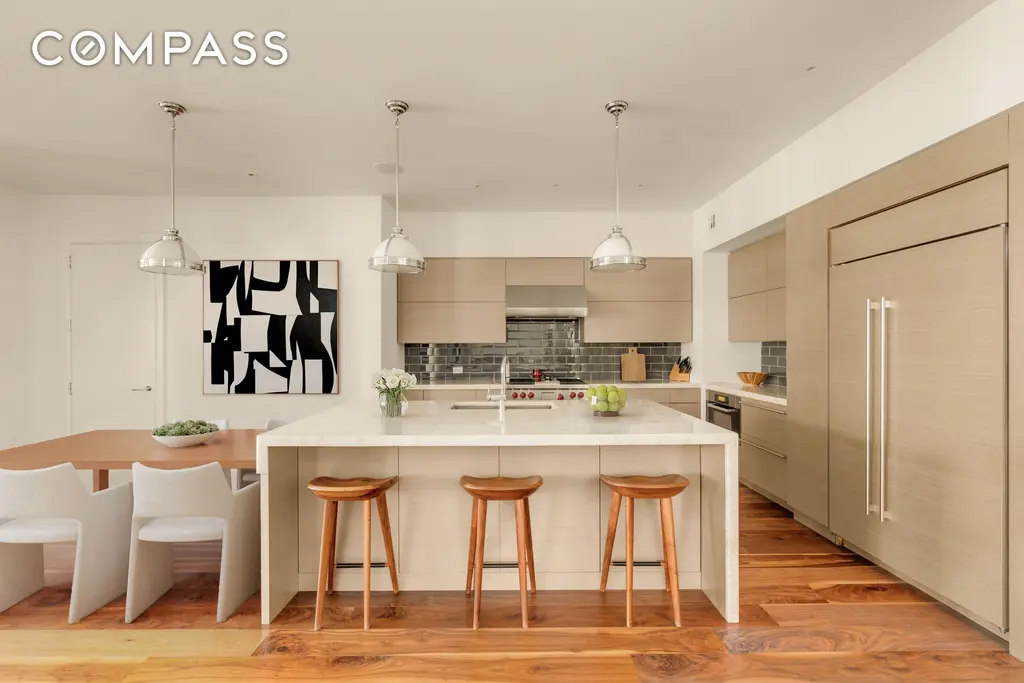
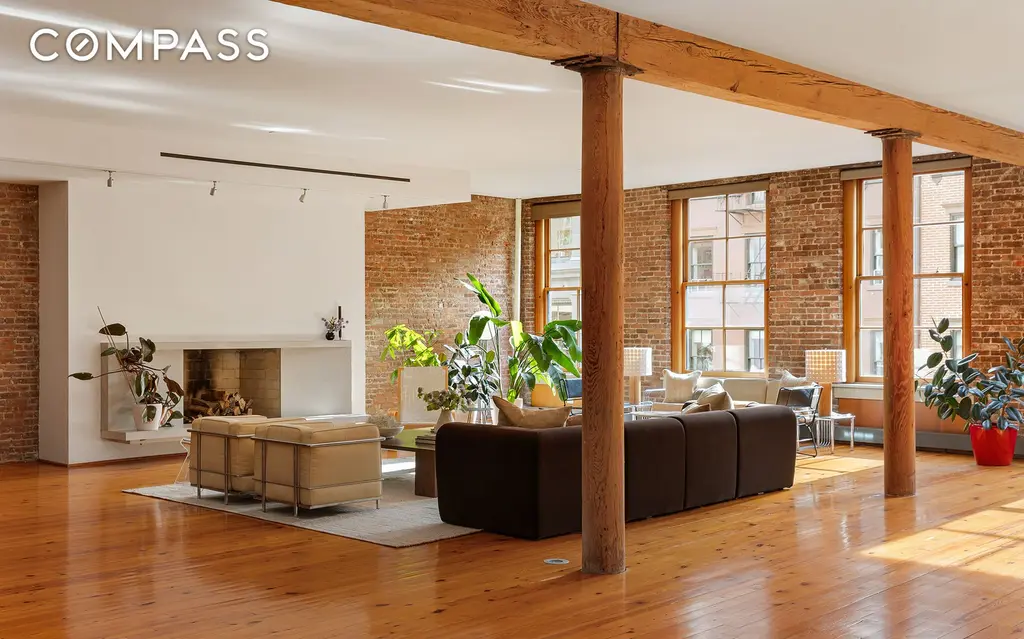
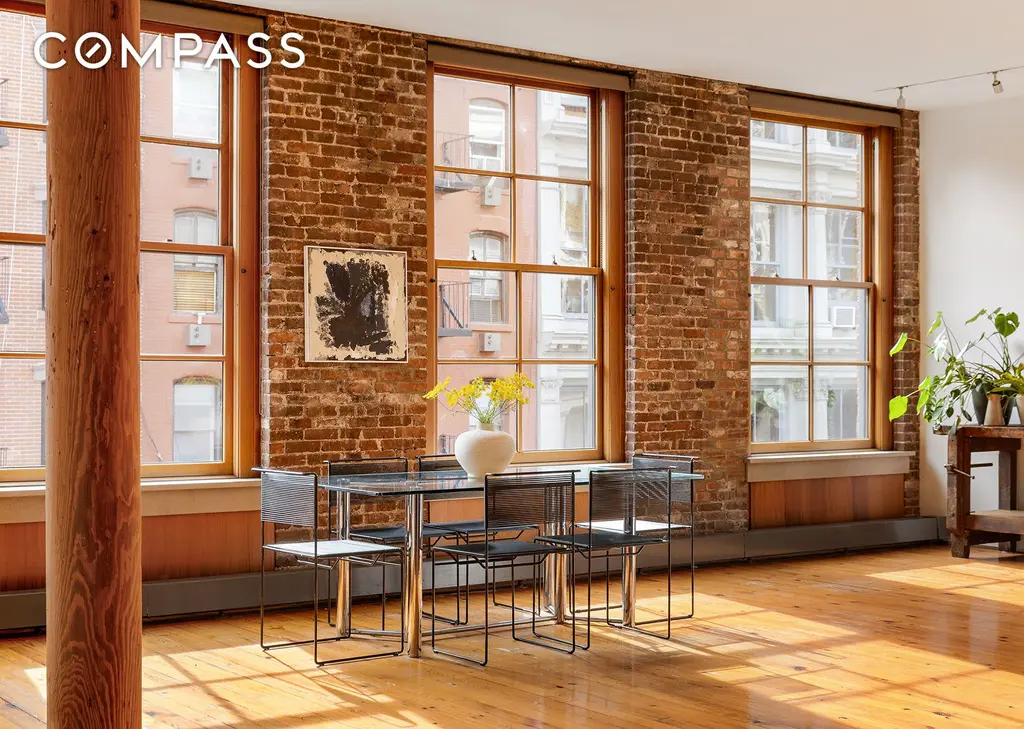
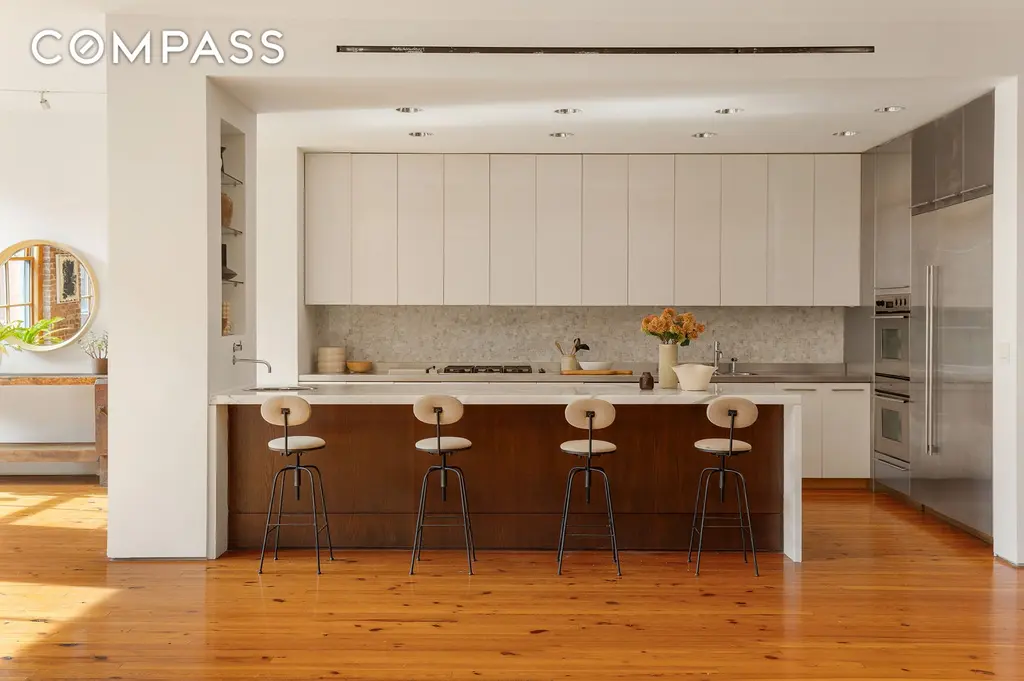
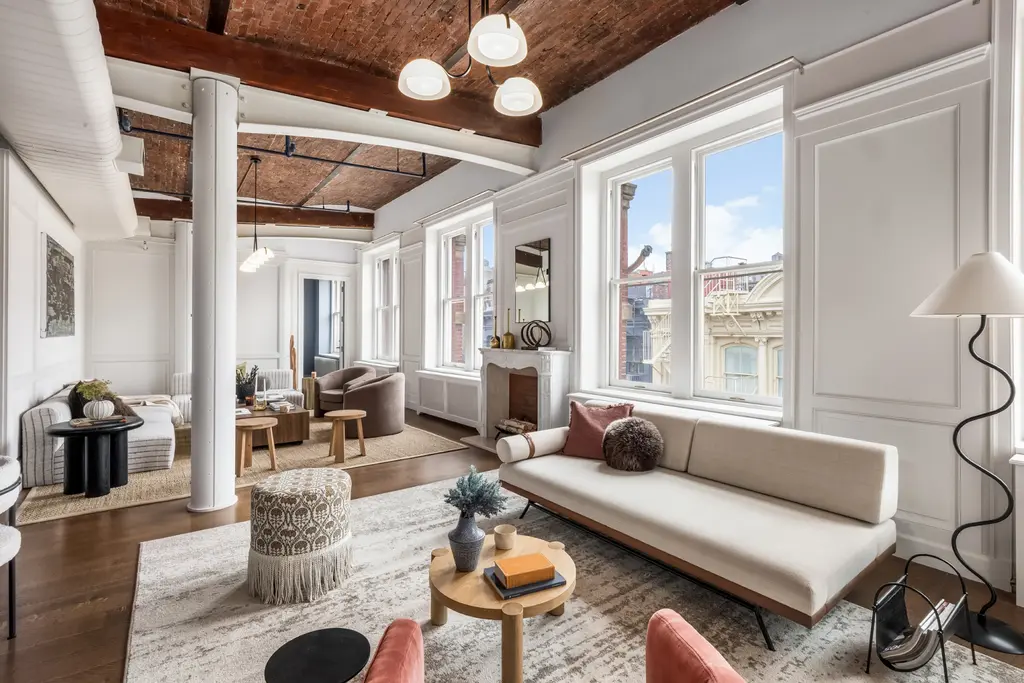
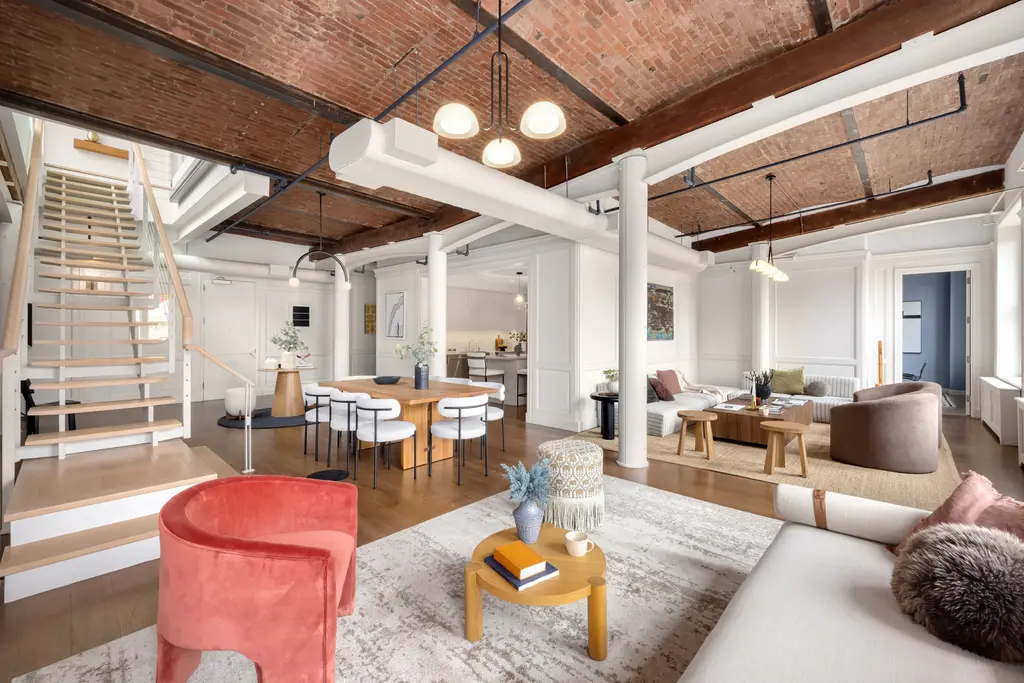
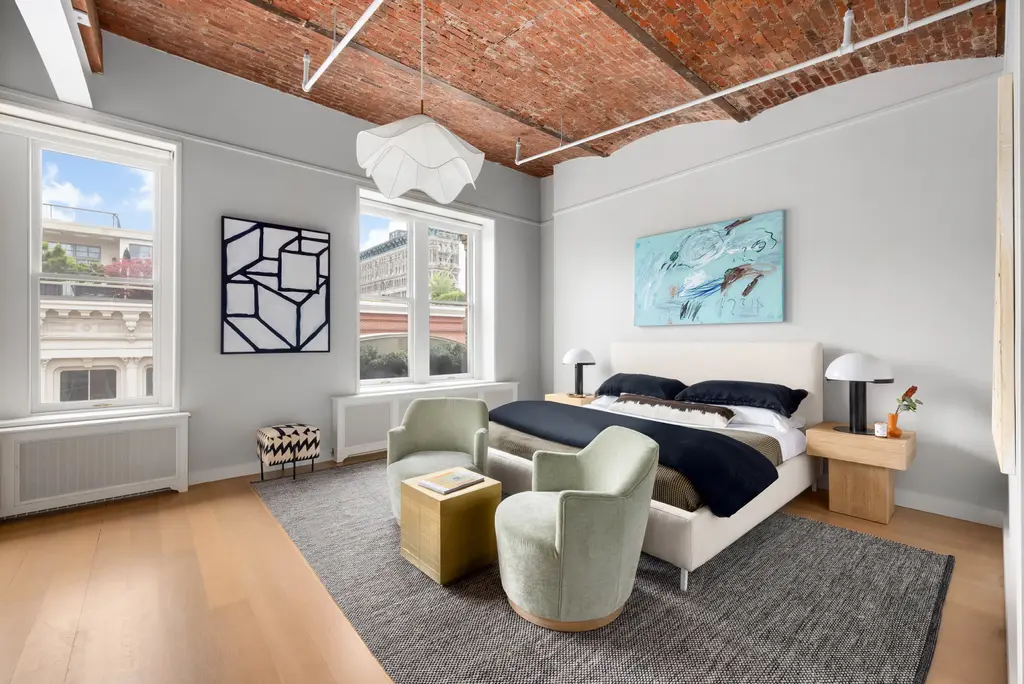
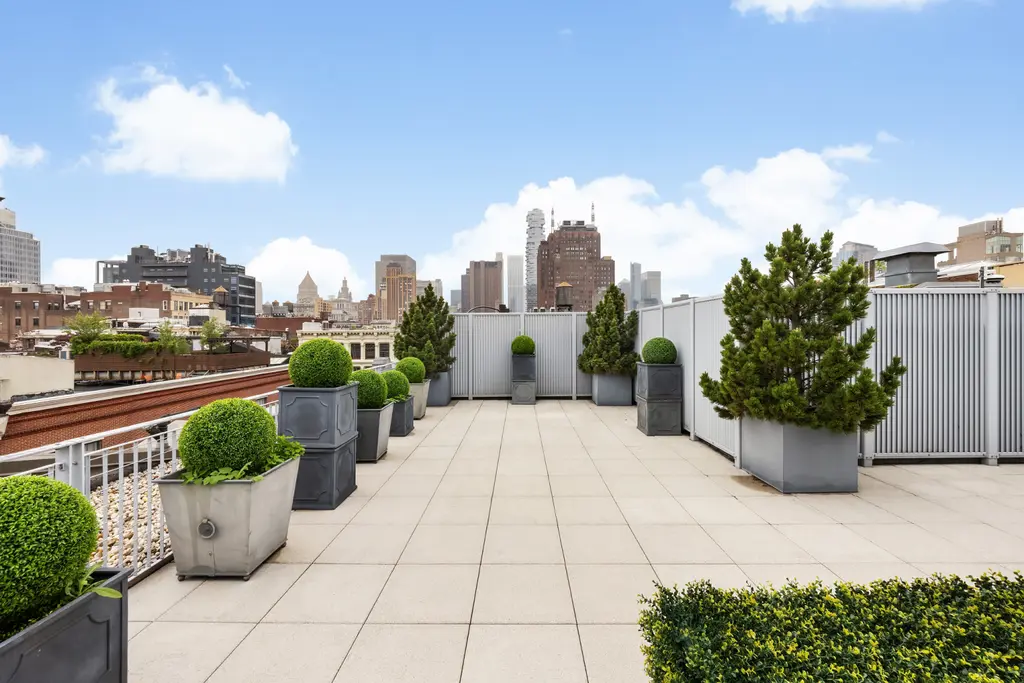
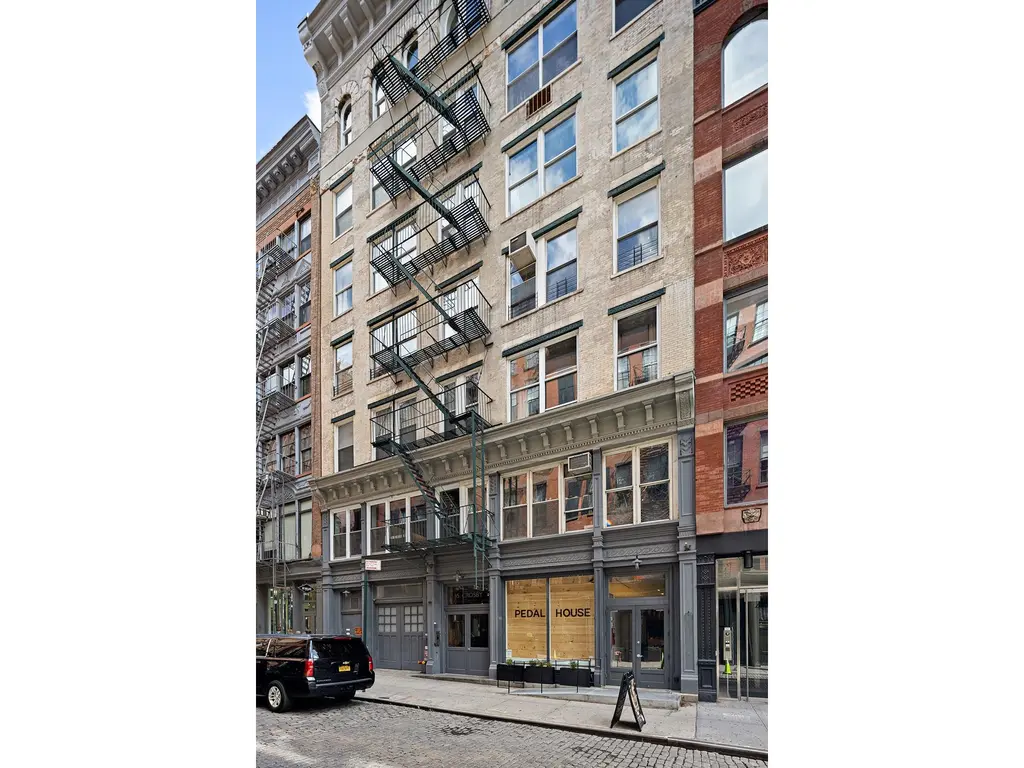
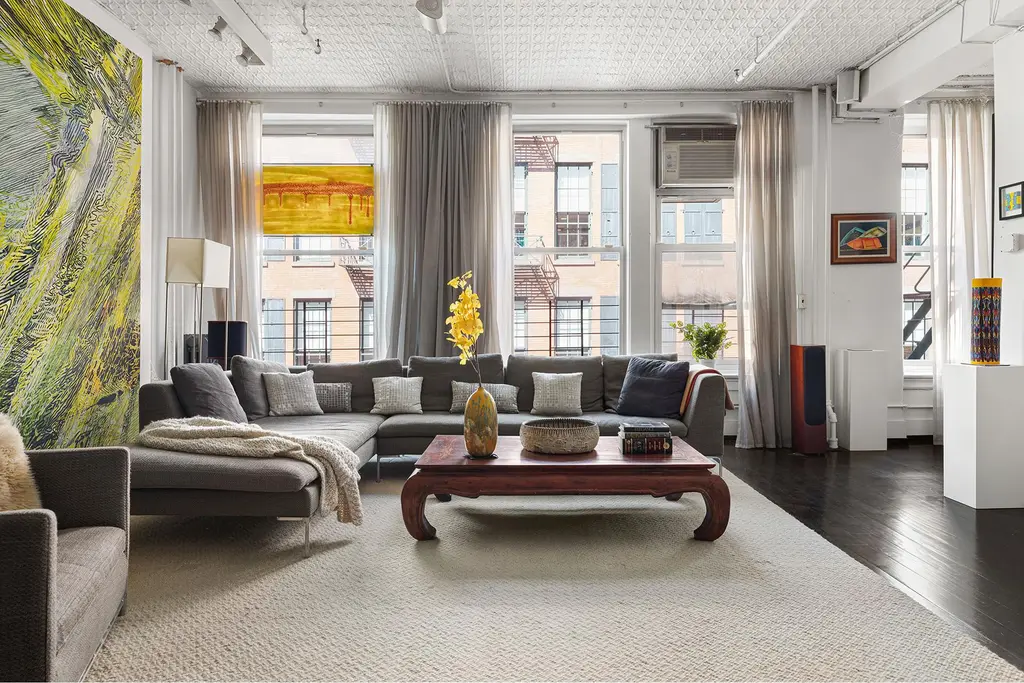
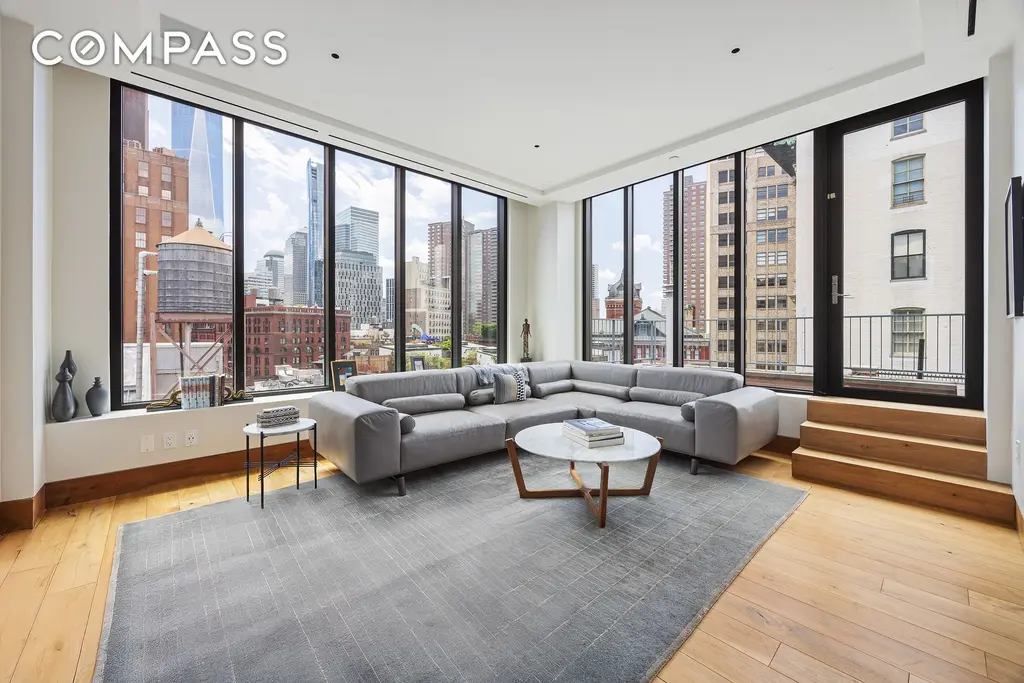
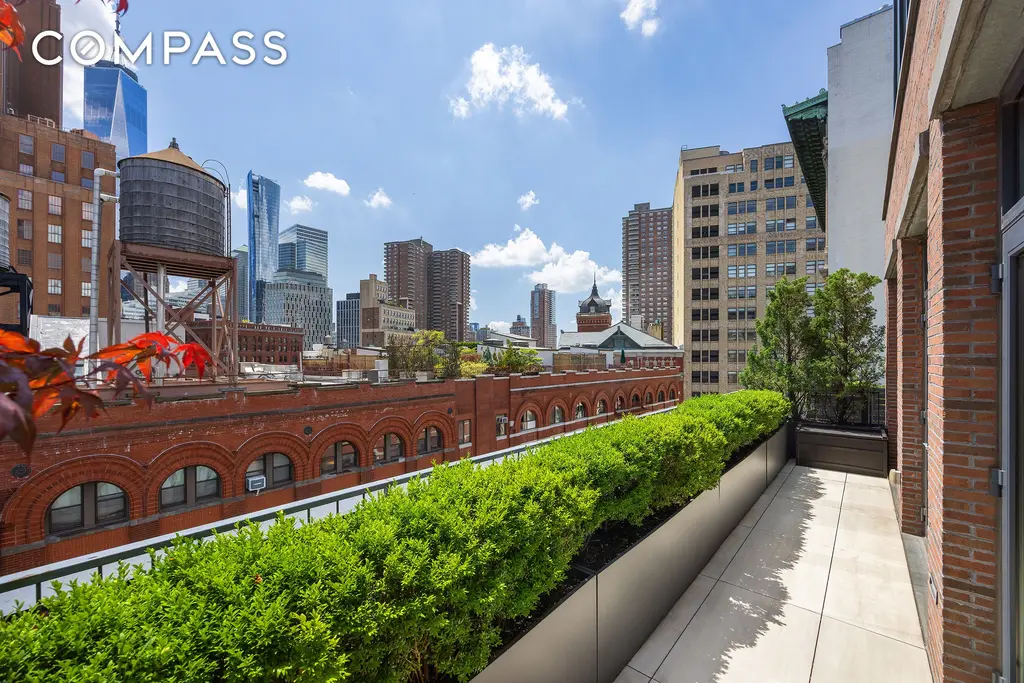
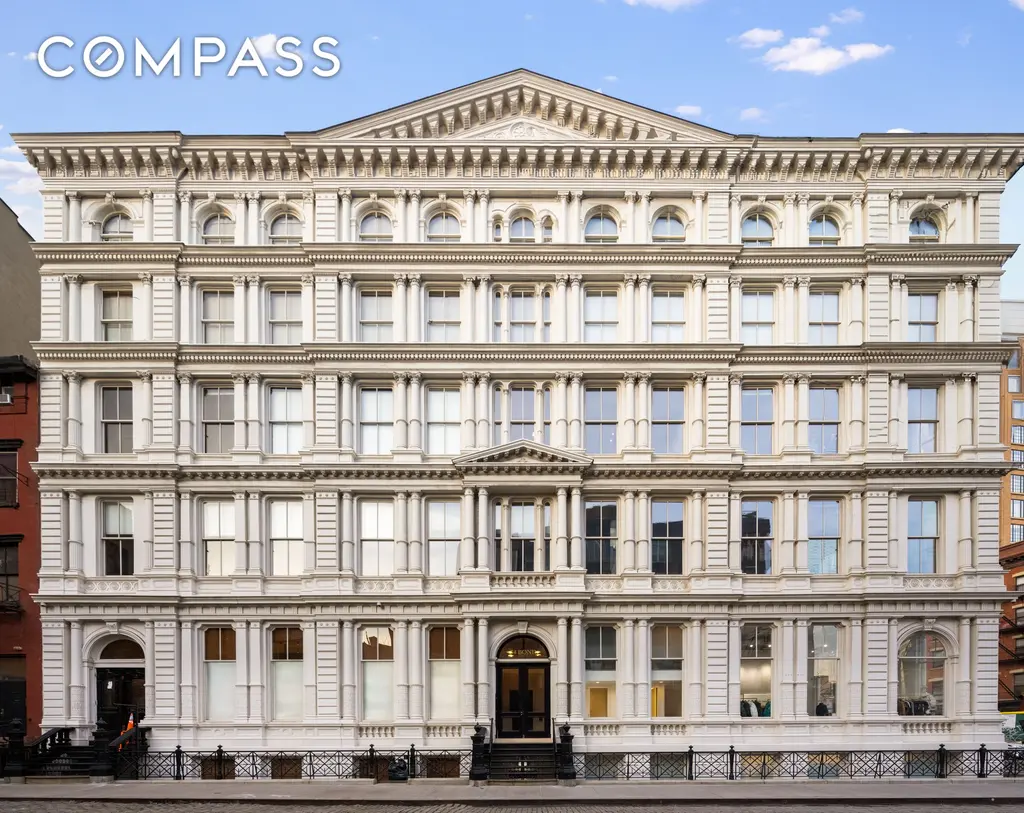
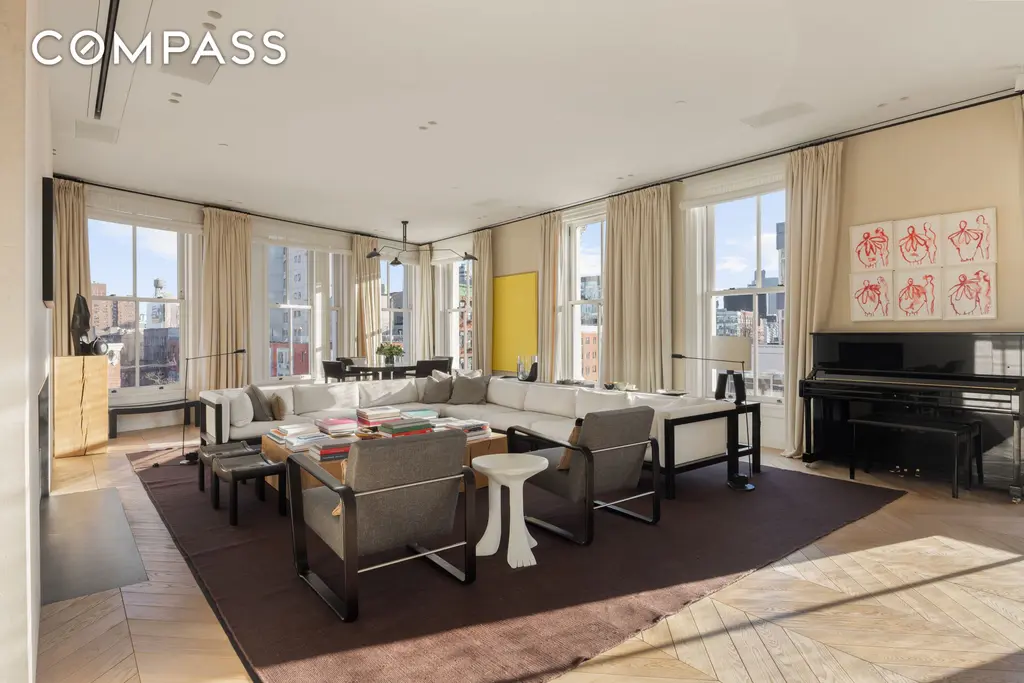
Select listings in buildings on Belgian block-cobblestone streets
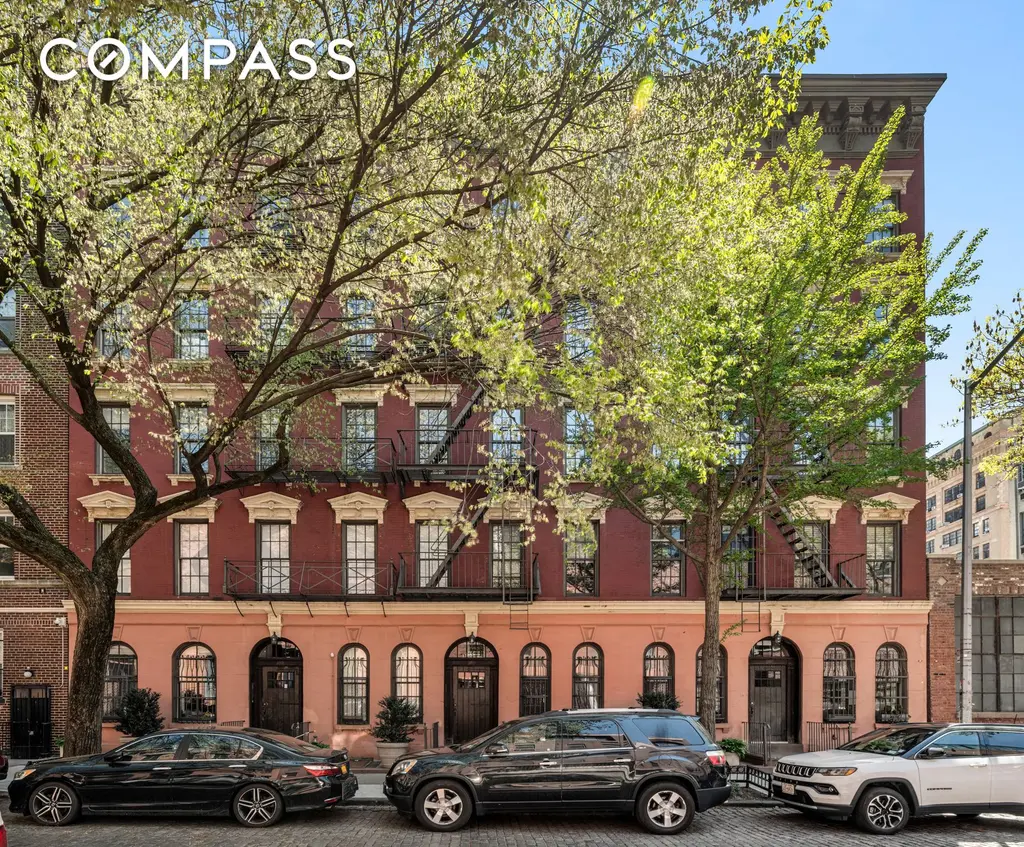
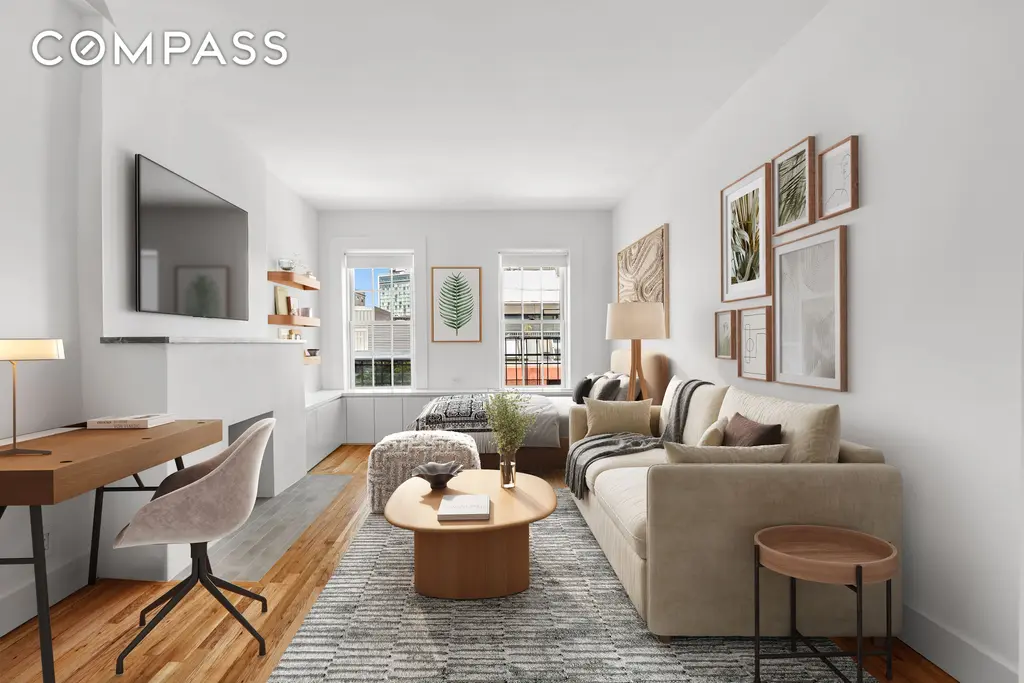
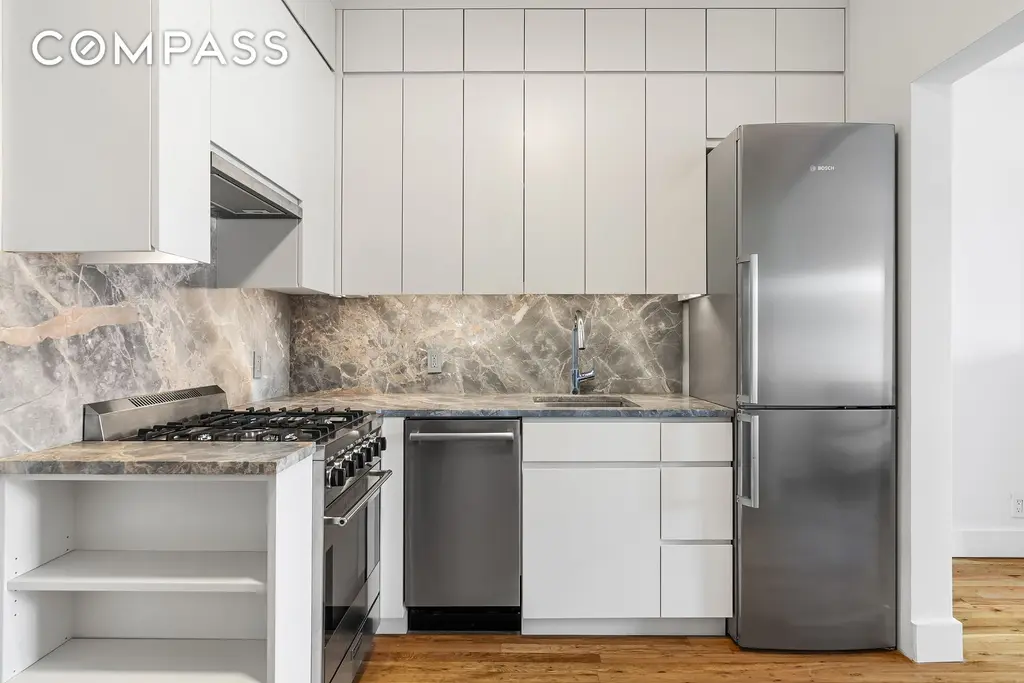
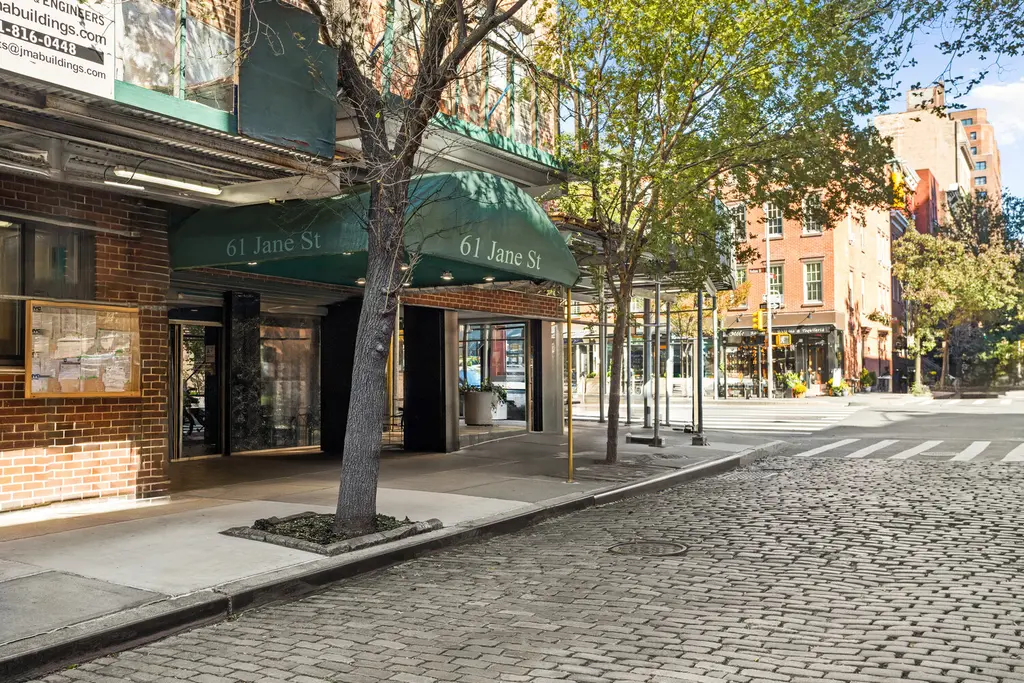
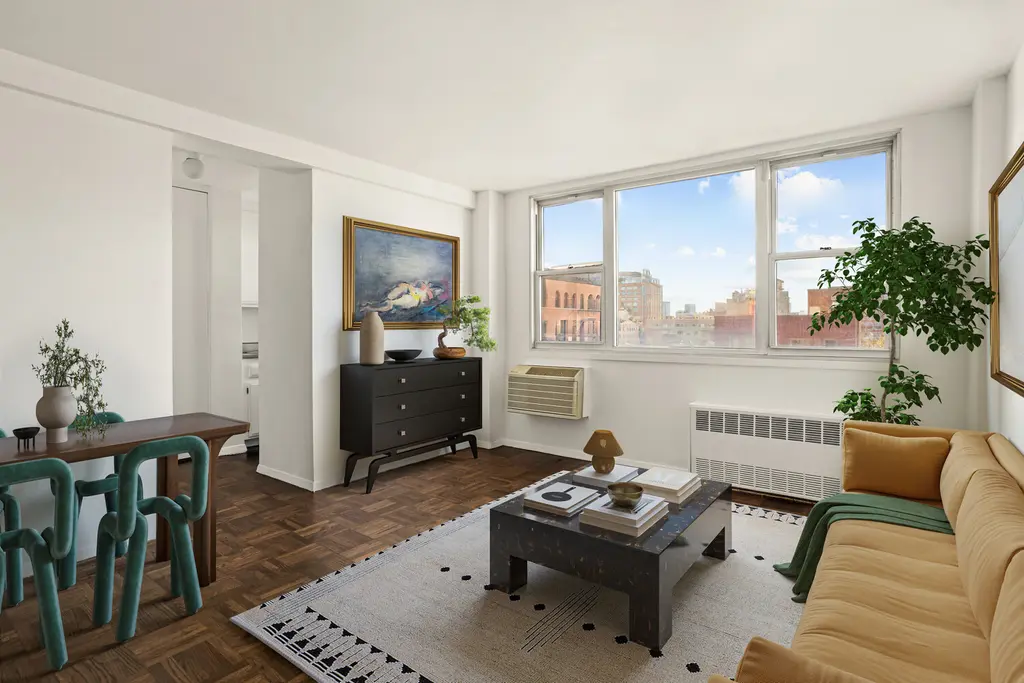
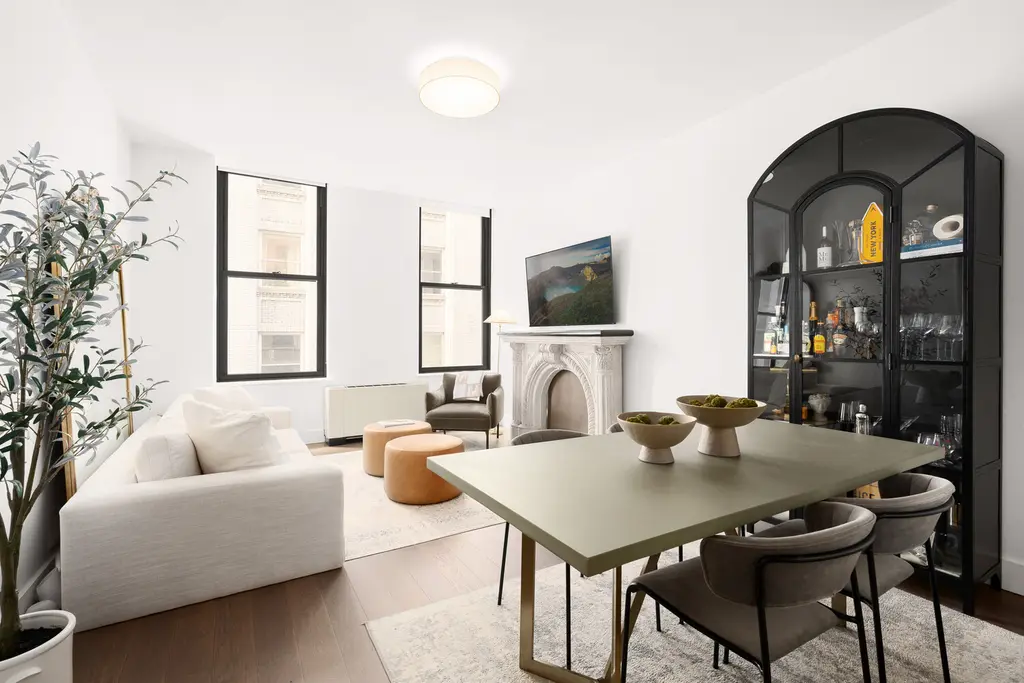
The Broad Exchange Building, #10K
$875,000 (-1.7%)
Financial District | Condominium | 1 Bedroom, 1 Bath | 779 ft2
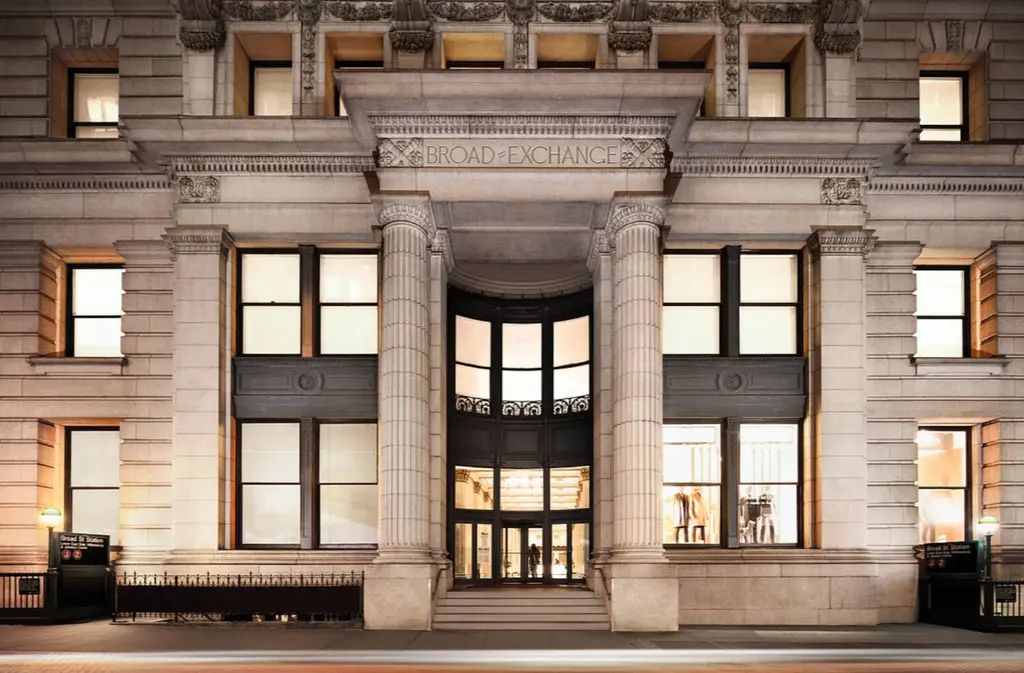
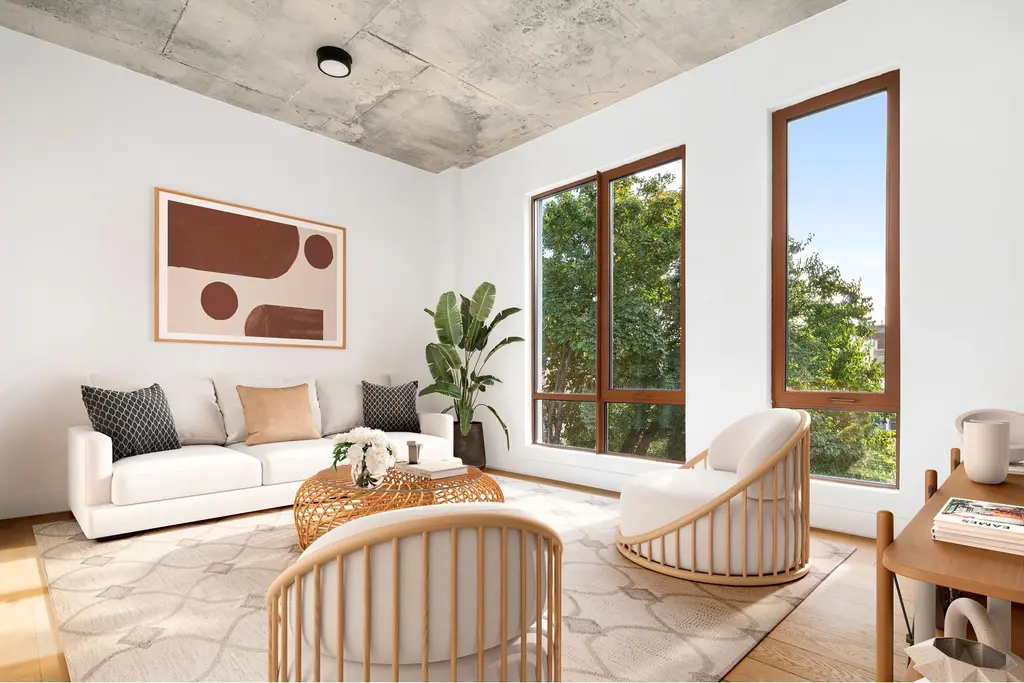
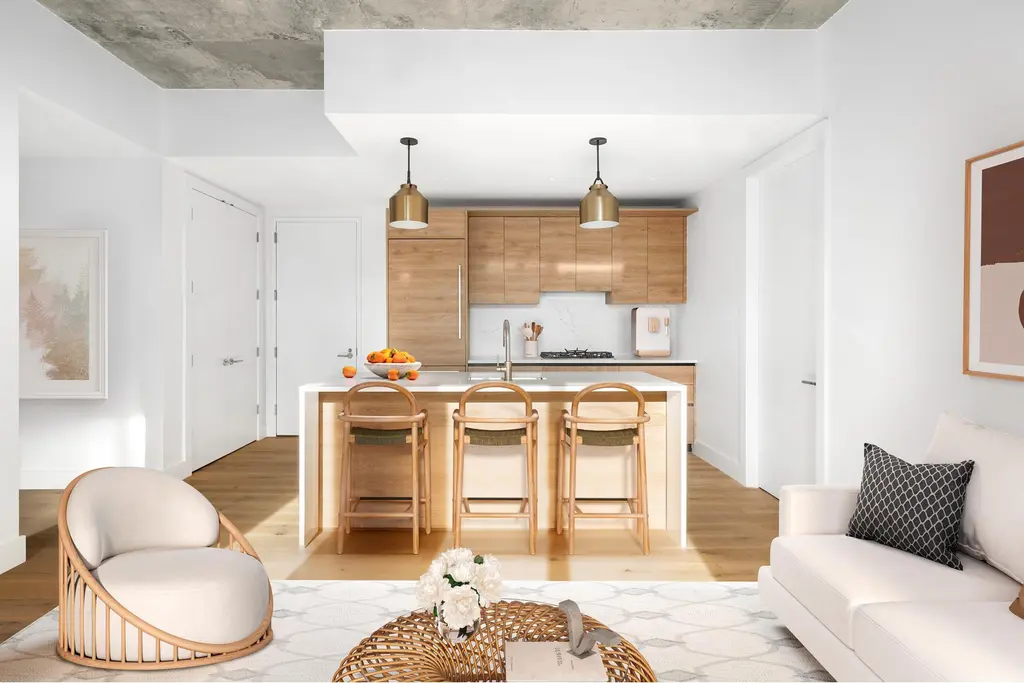
The Walton, #PHA
$1,600,000 (-5.6%)
Financial District | Condominium | 1 Bedroom, 2 Baths | 1,233 ft2
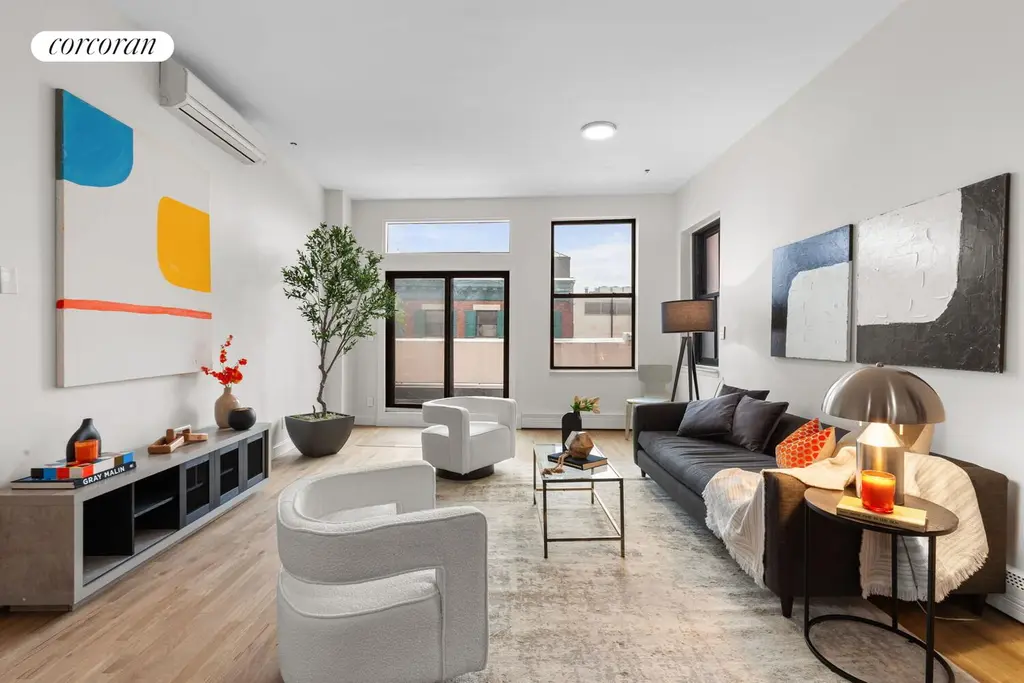
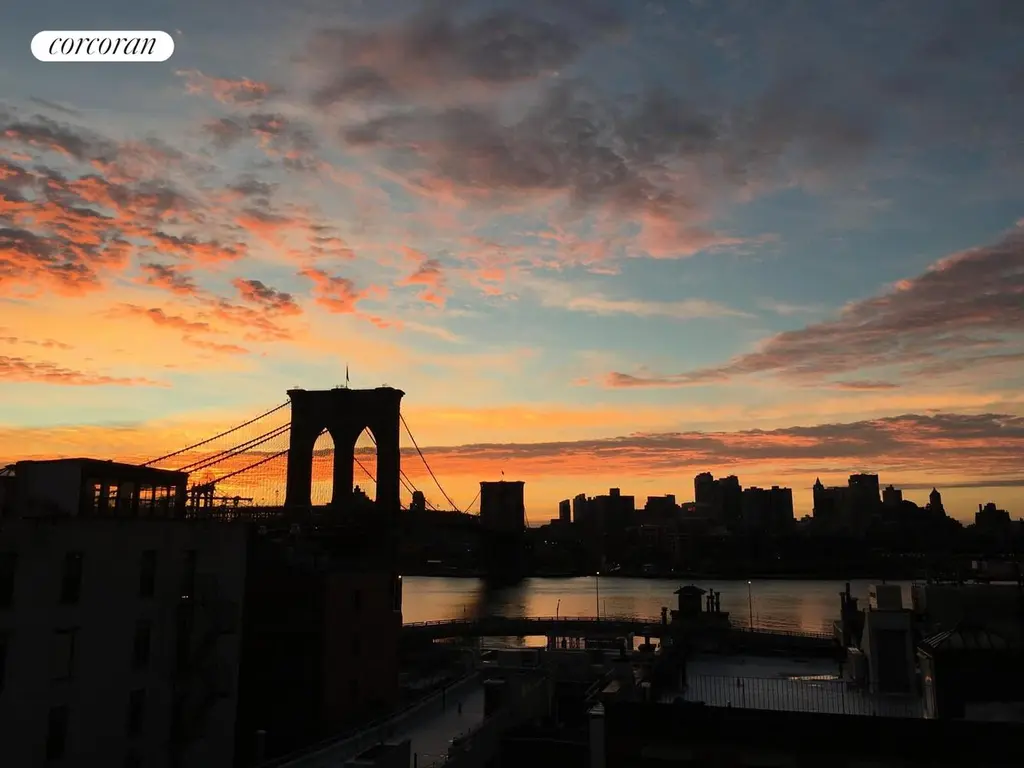
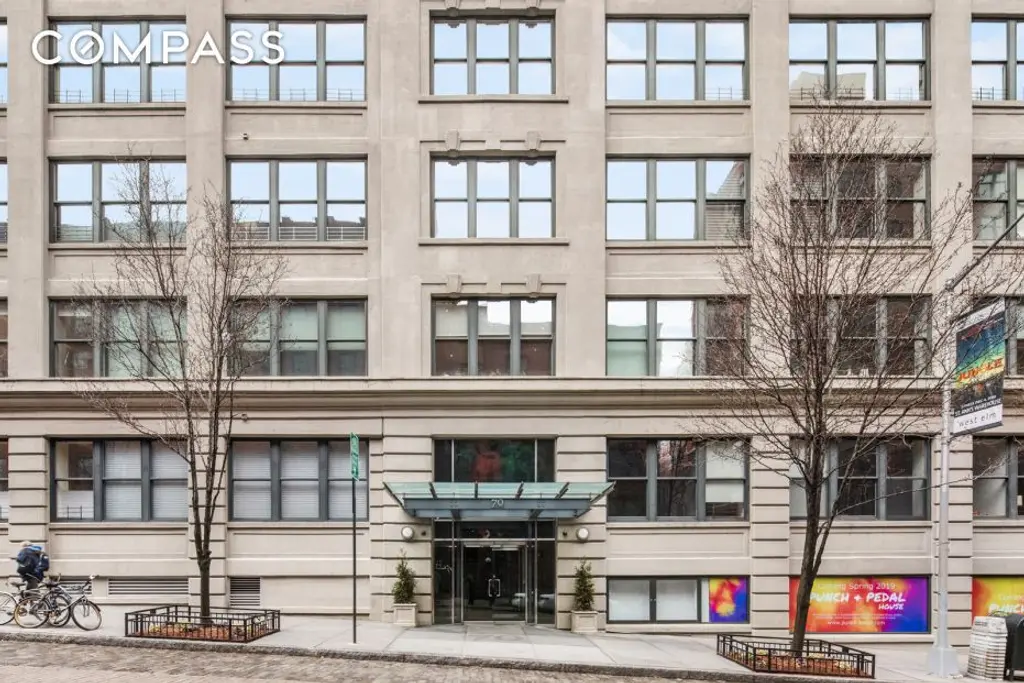
272 Water Street, #5R/6R
$1,995,000 (-4.8%)
Financial District | Condominium | 1 Bedroom, 2 Baths | 1,700 ft2
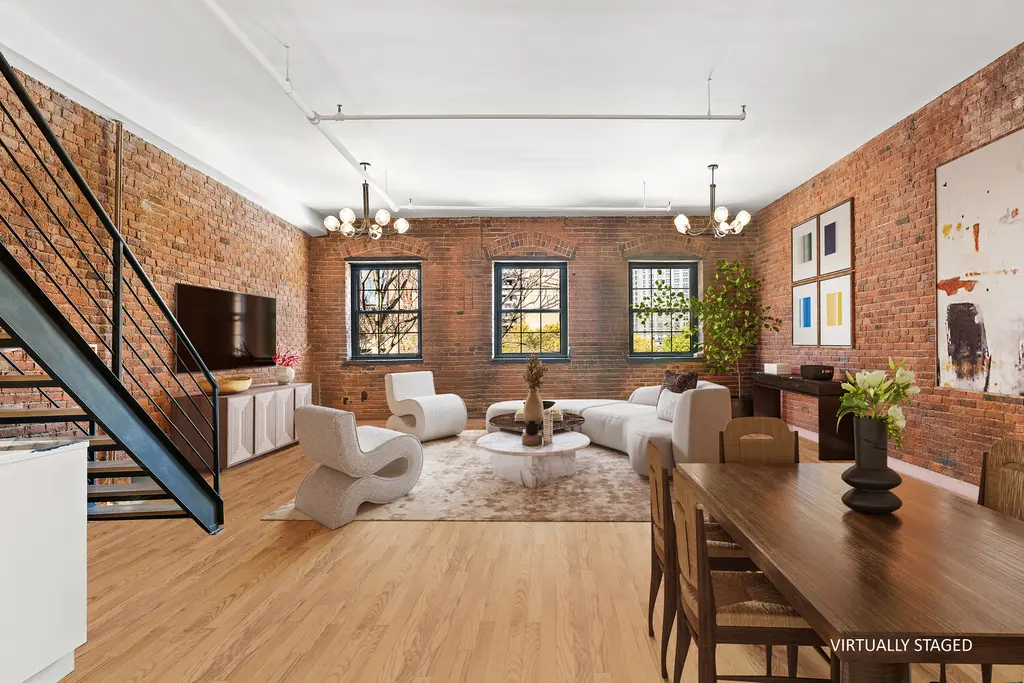
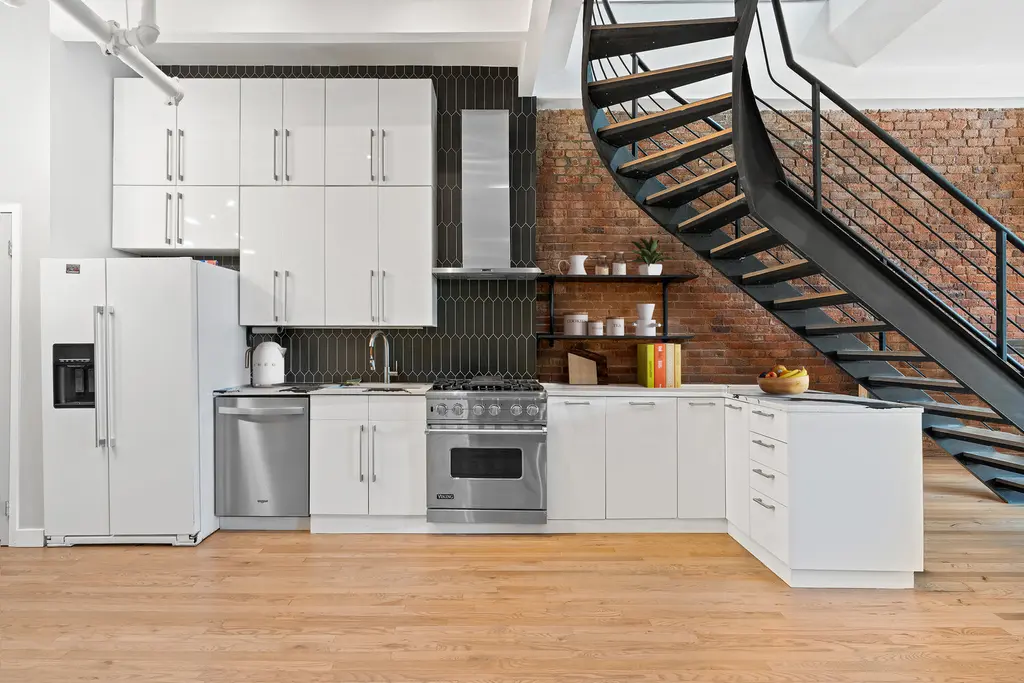
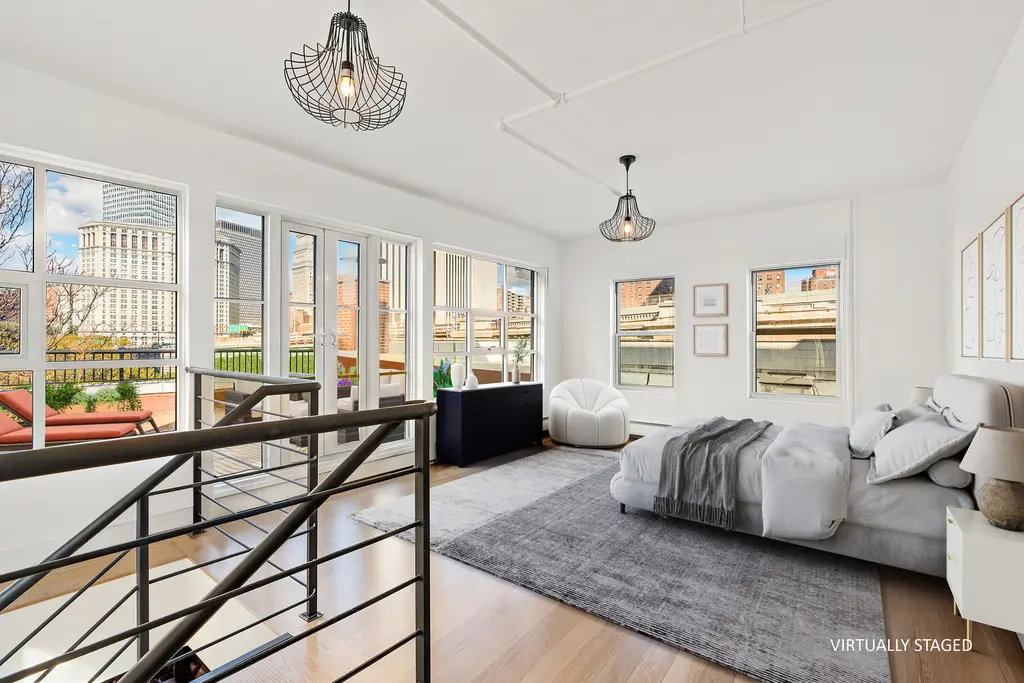
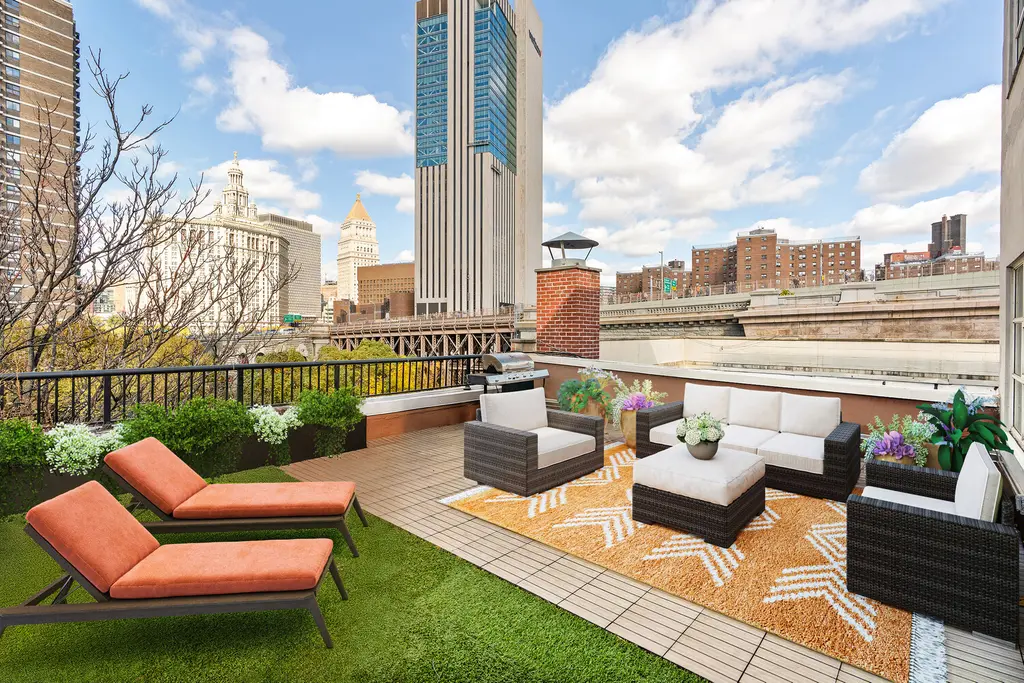
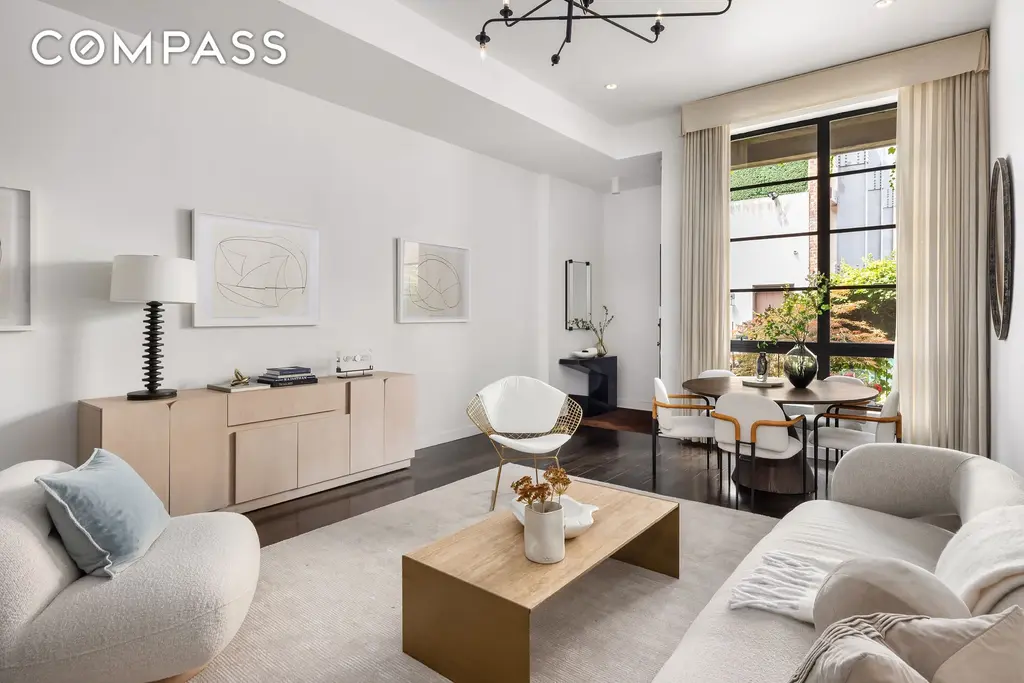
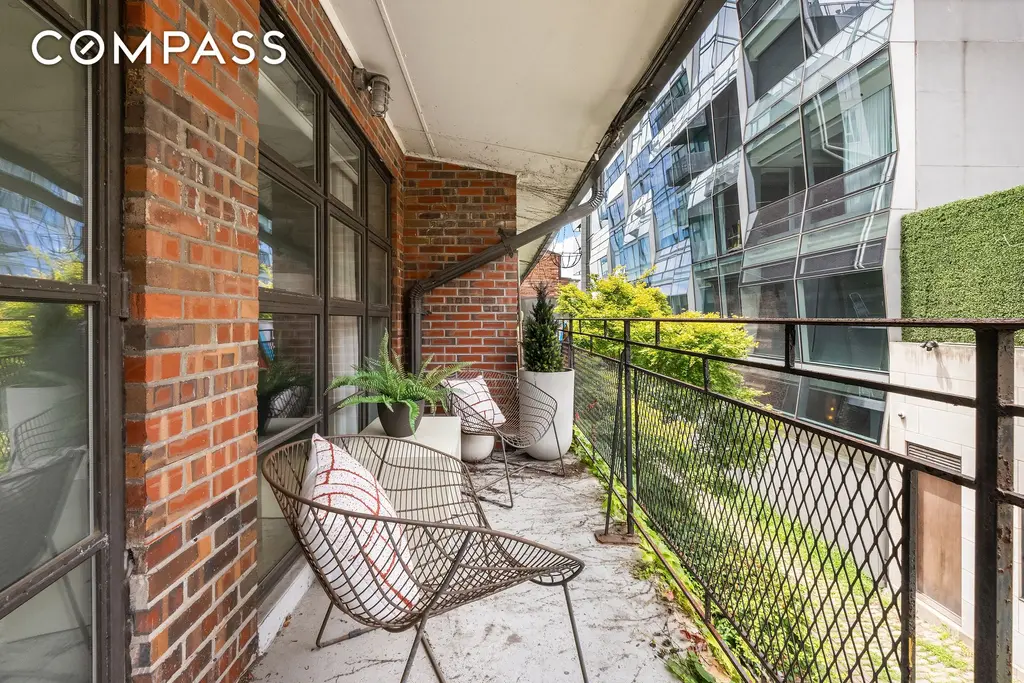
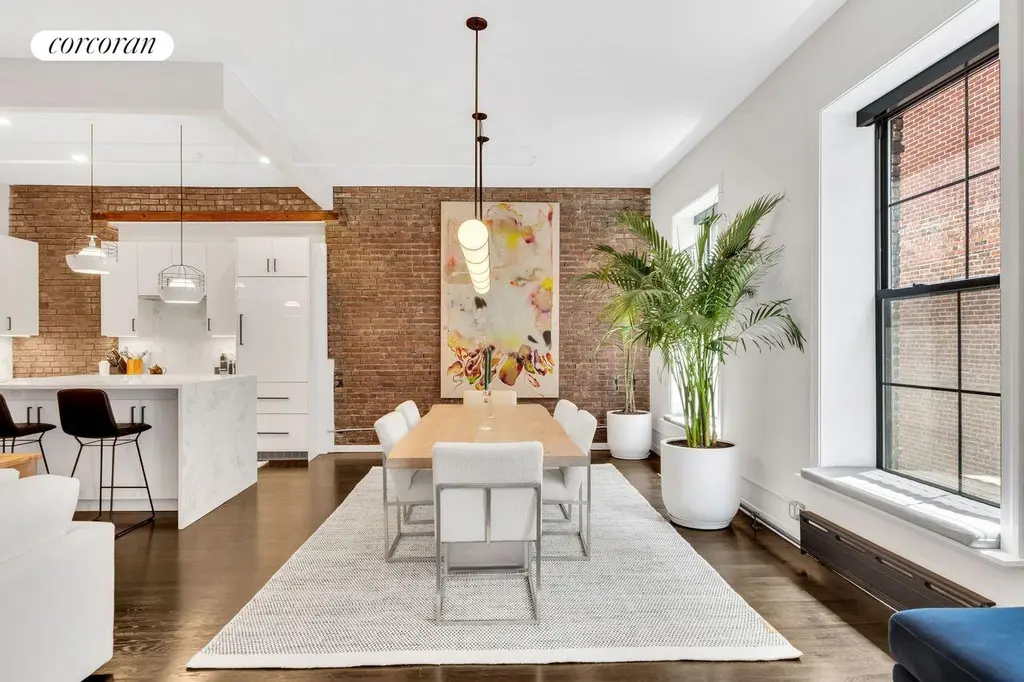
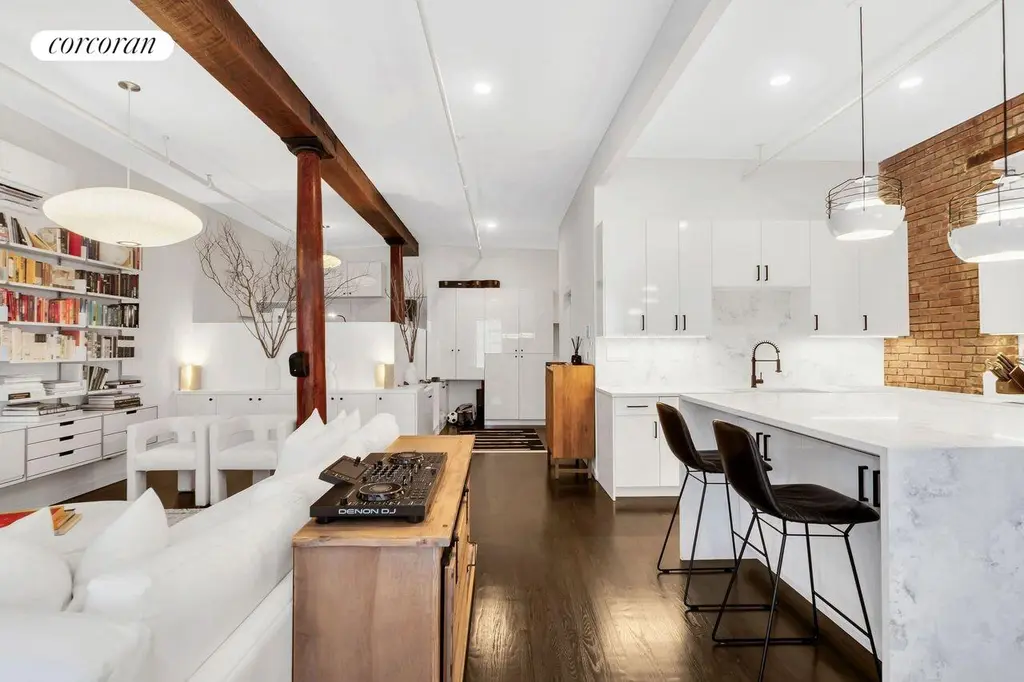
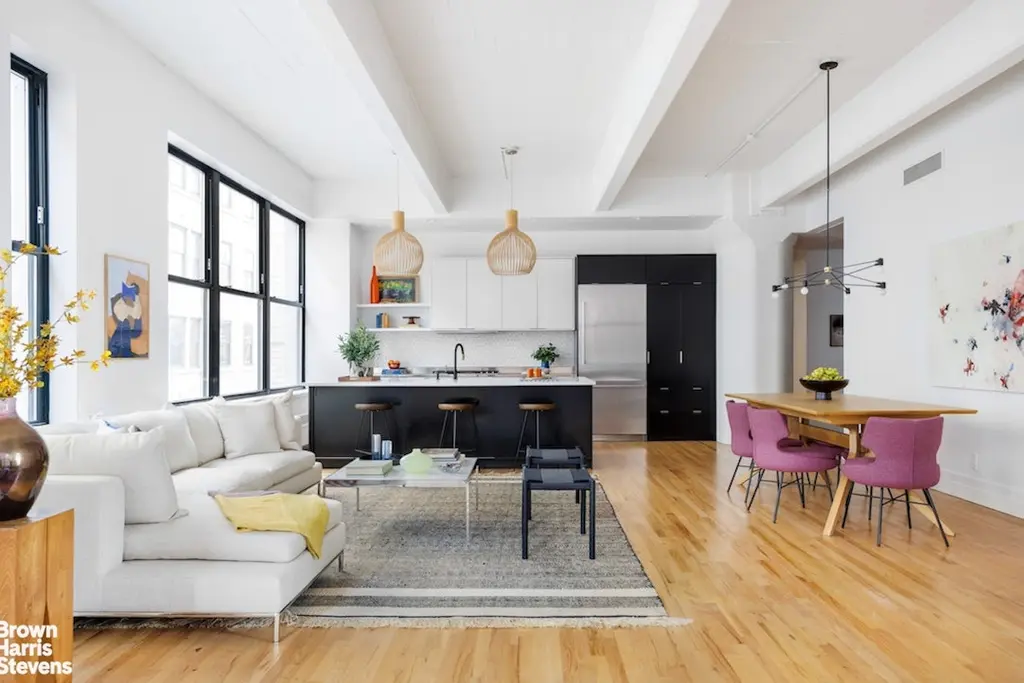
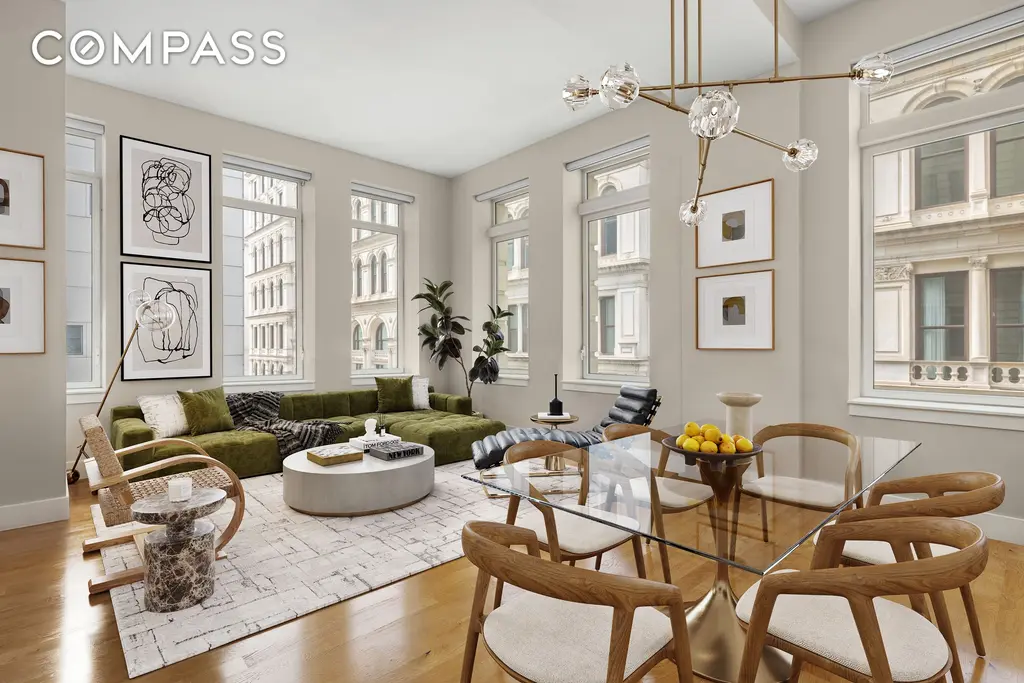

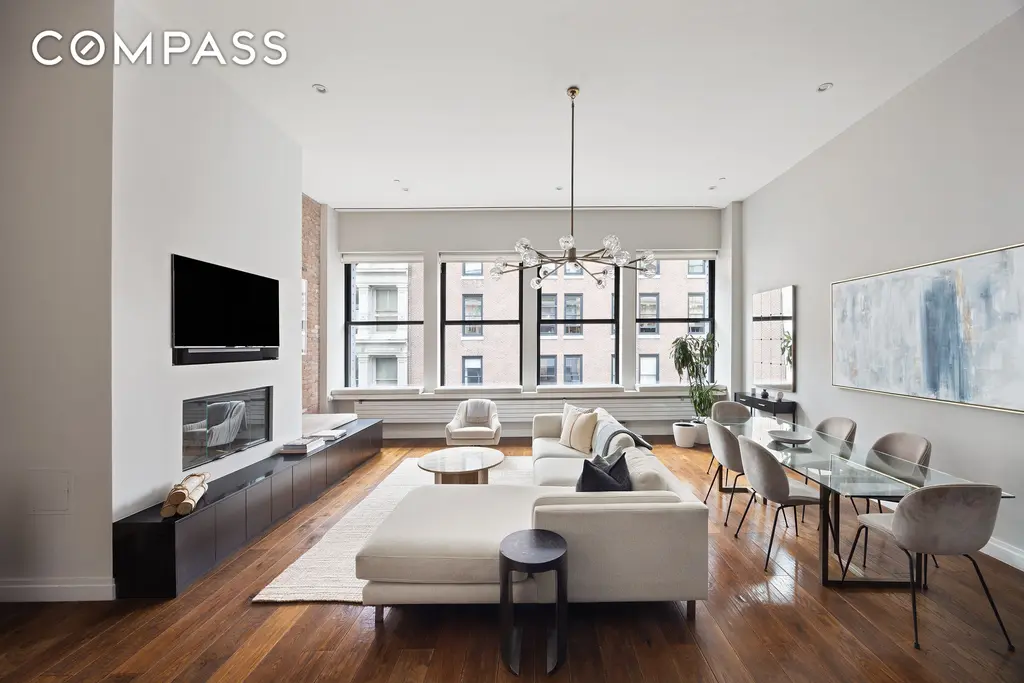
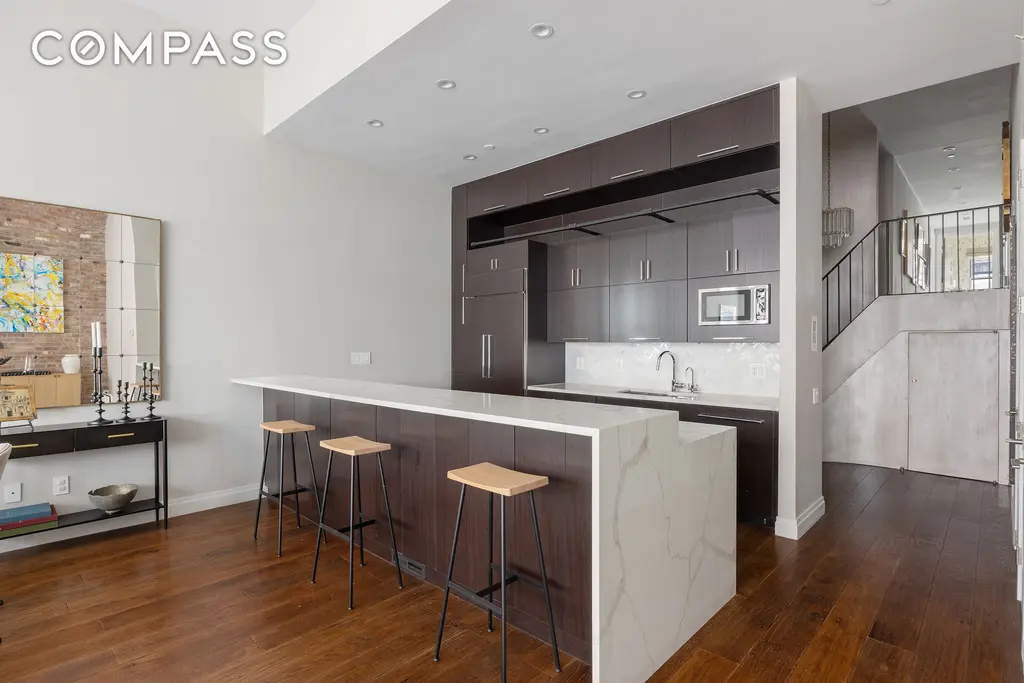
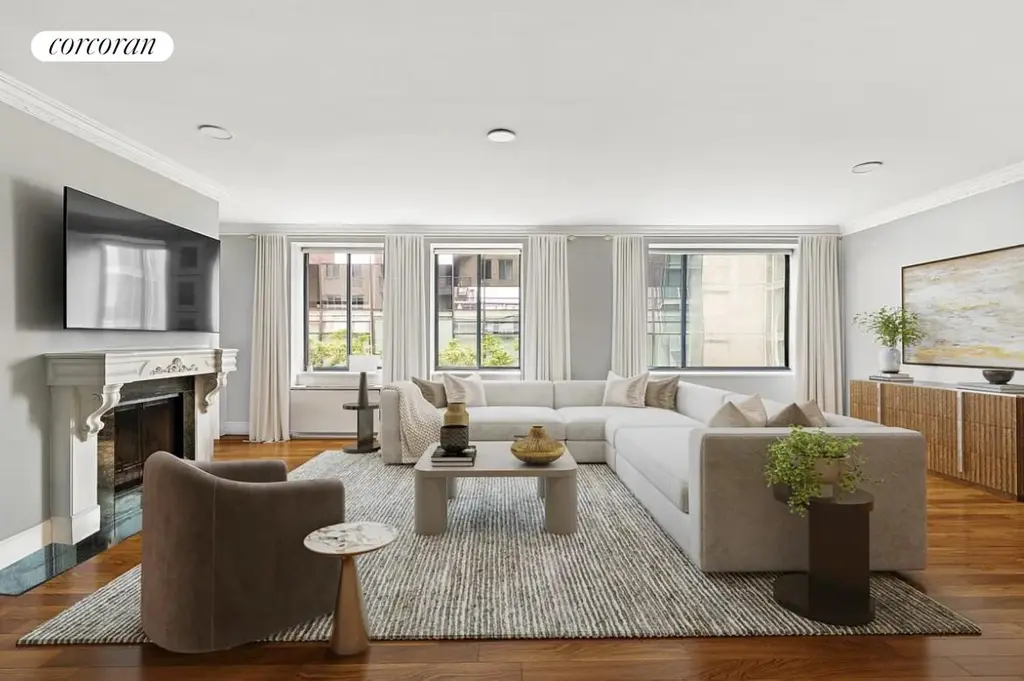
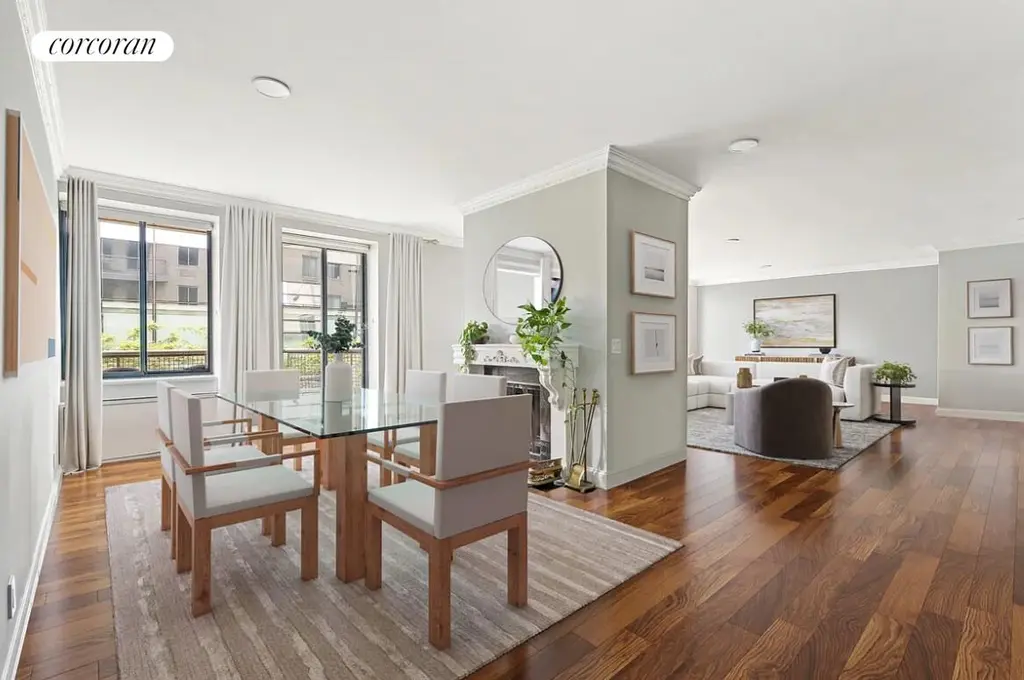
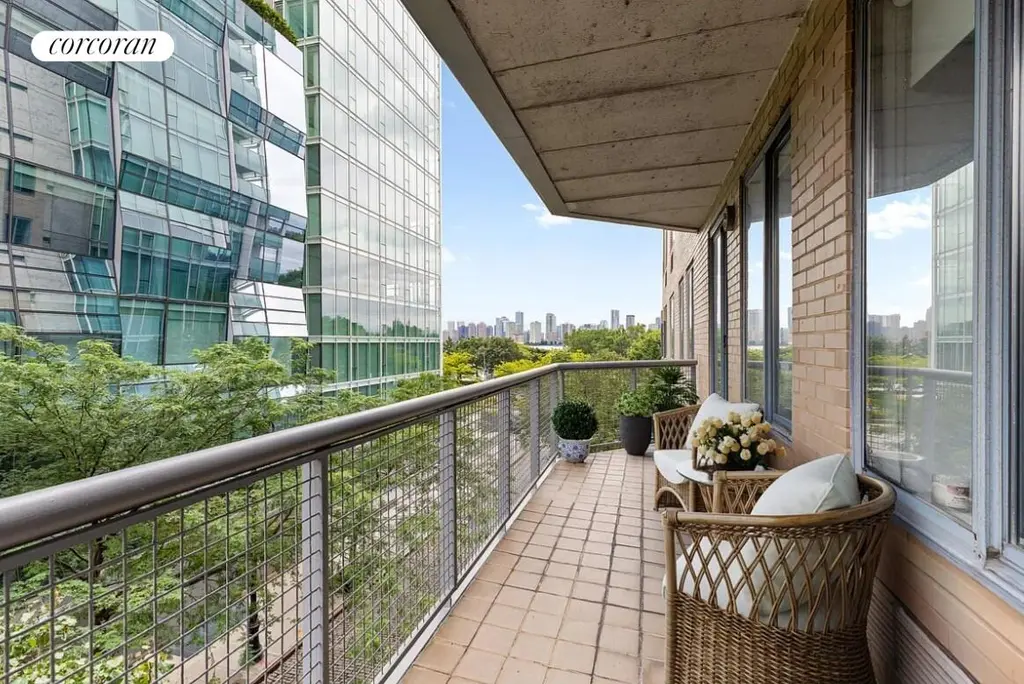
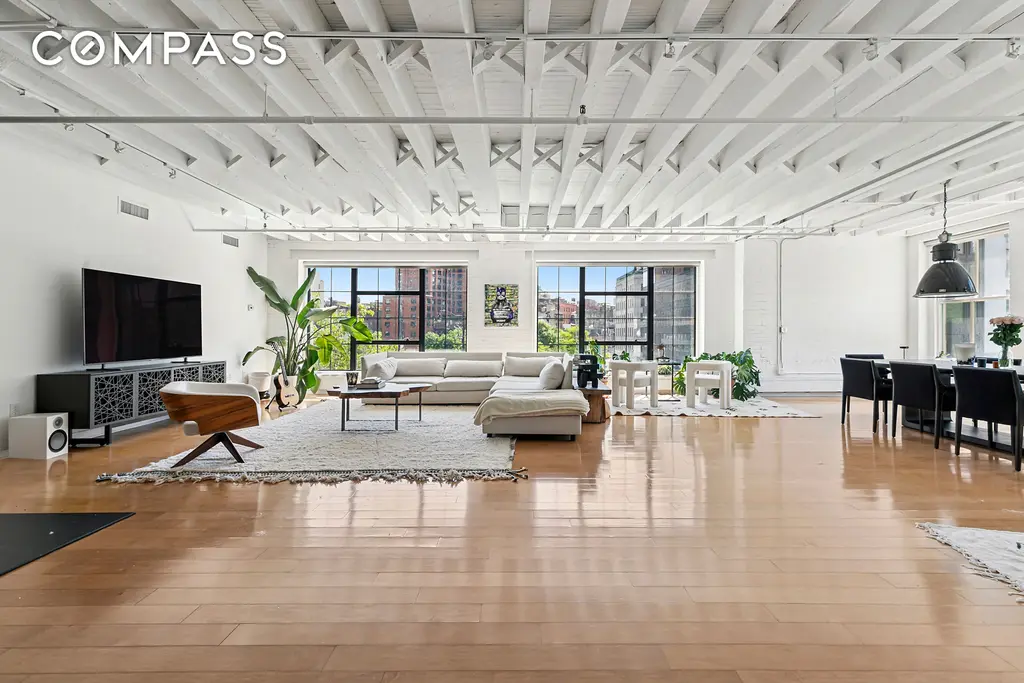
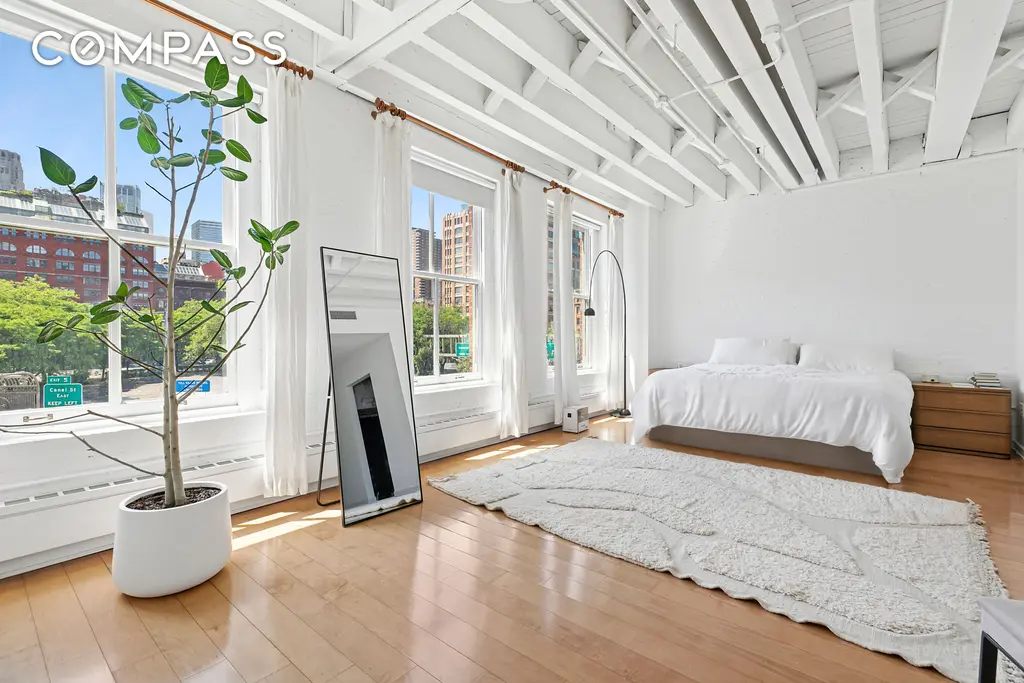
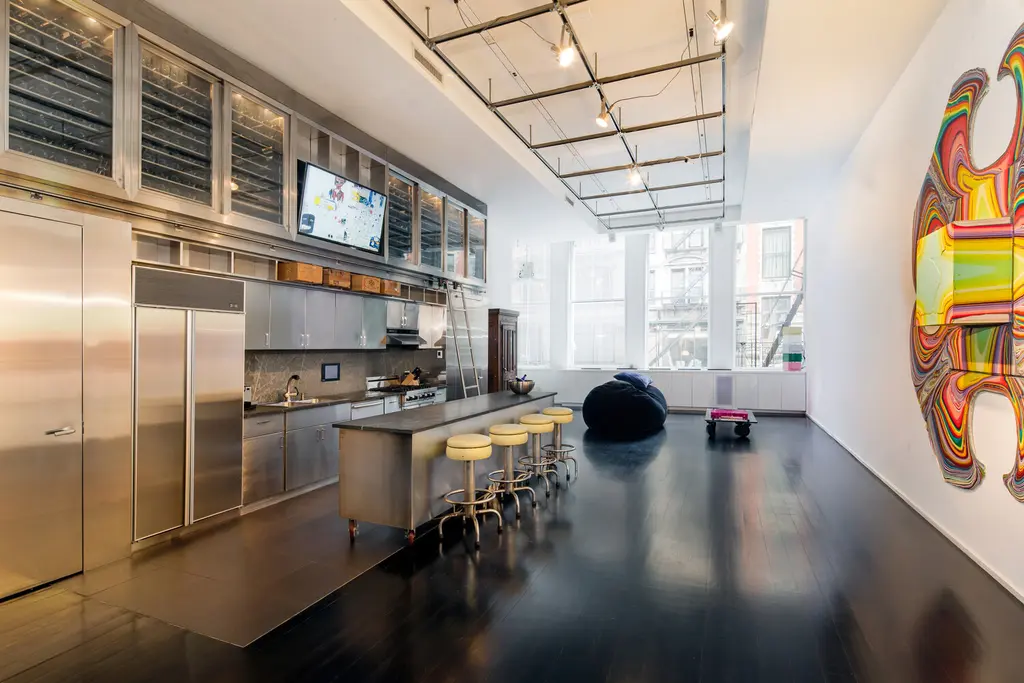
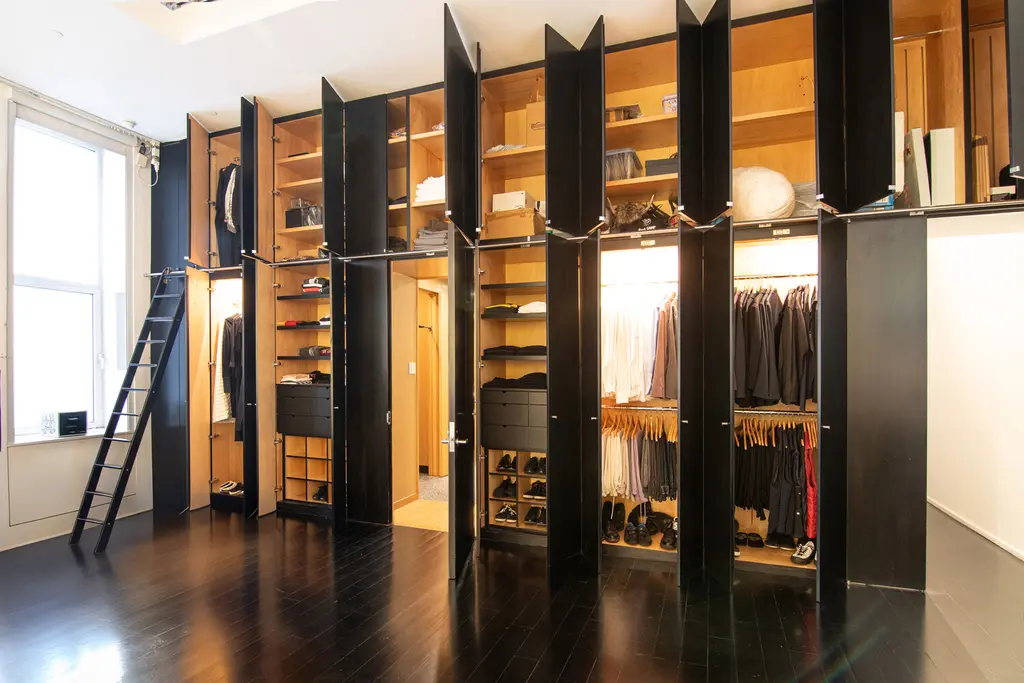
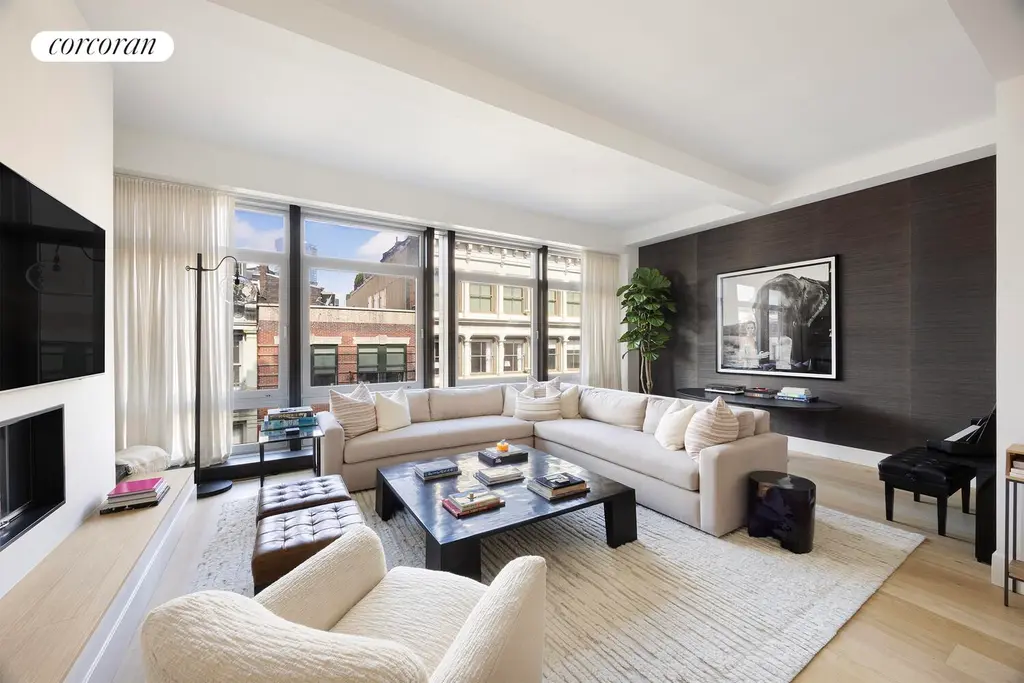
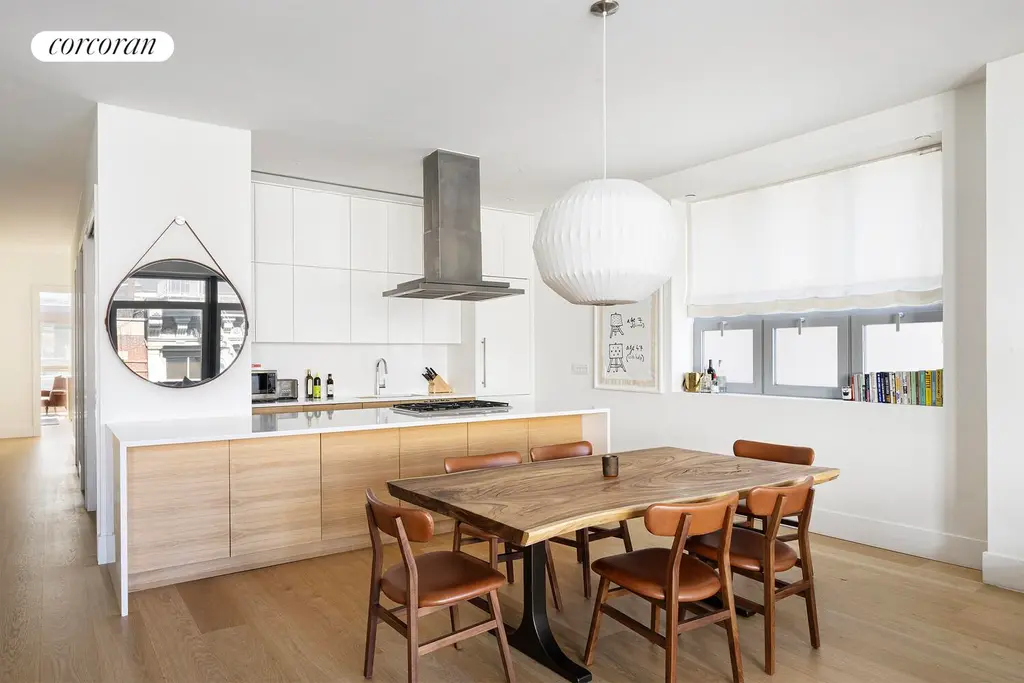
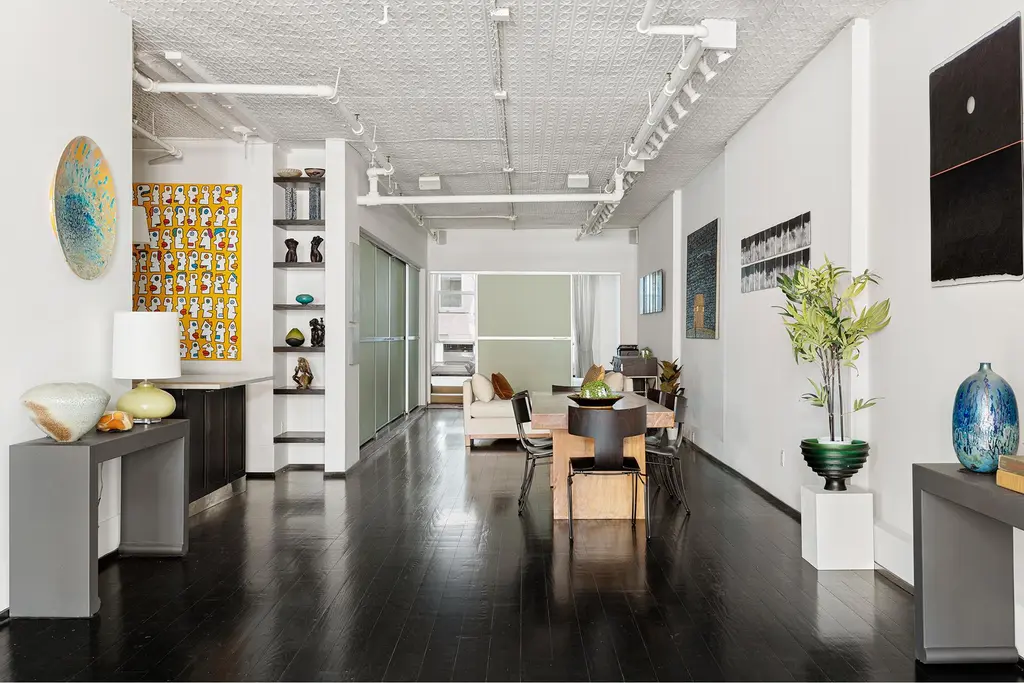
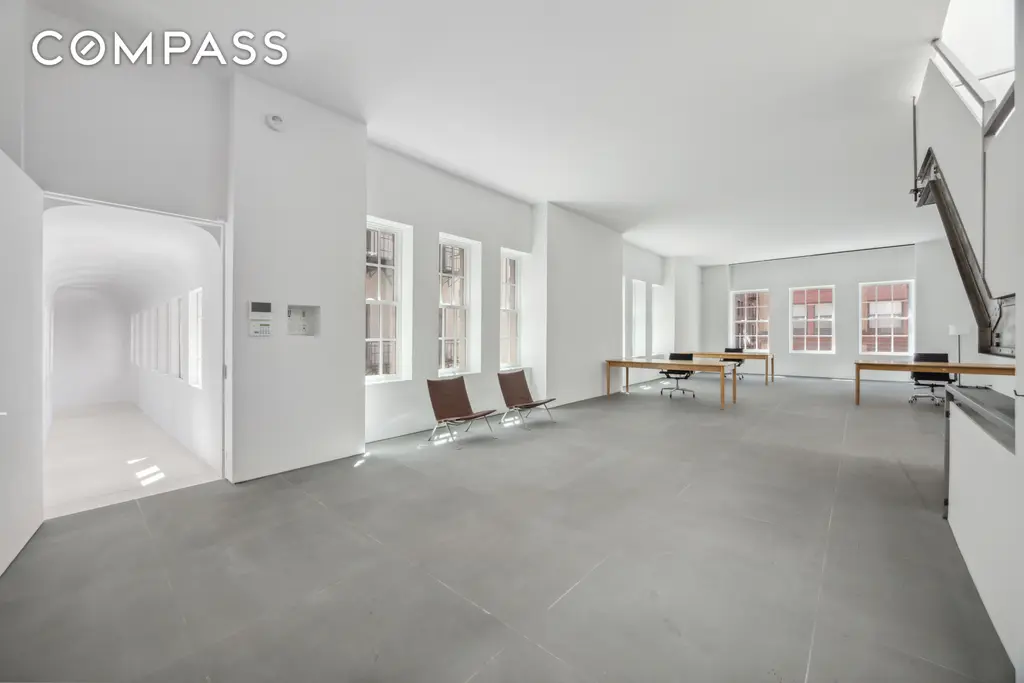
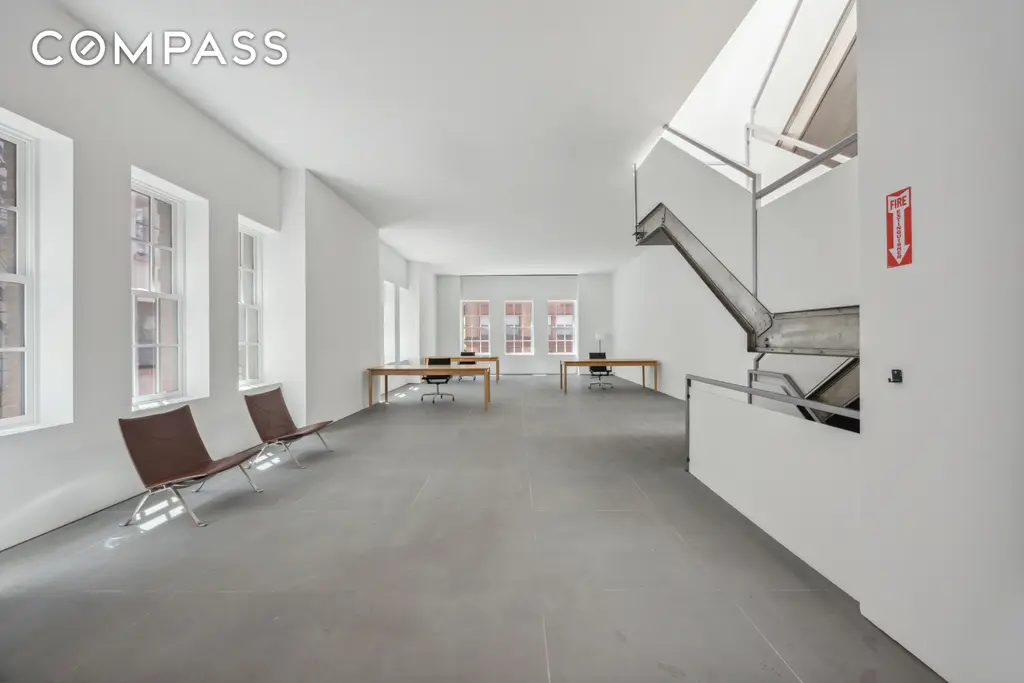
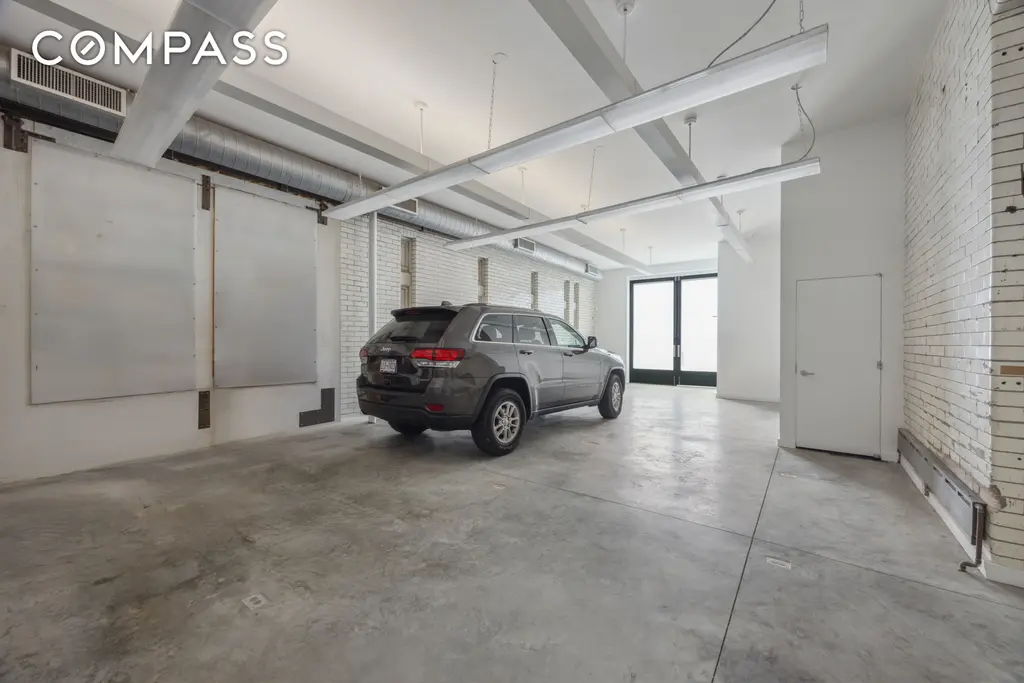
The Cobblestone Lofts, #3B
$4,650,000 (-6.1%)
Tribeca | Condominium | 2 Bedrooms, 2.5 Baths | 2,686 ft2
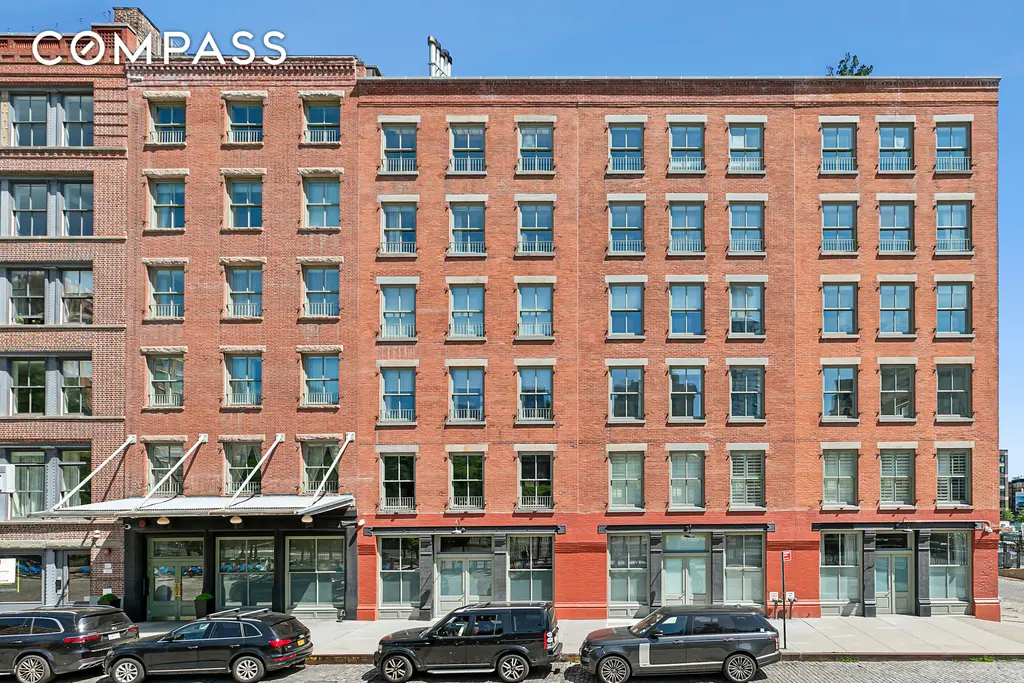
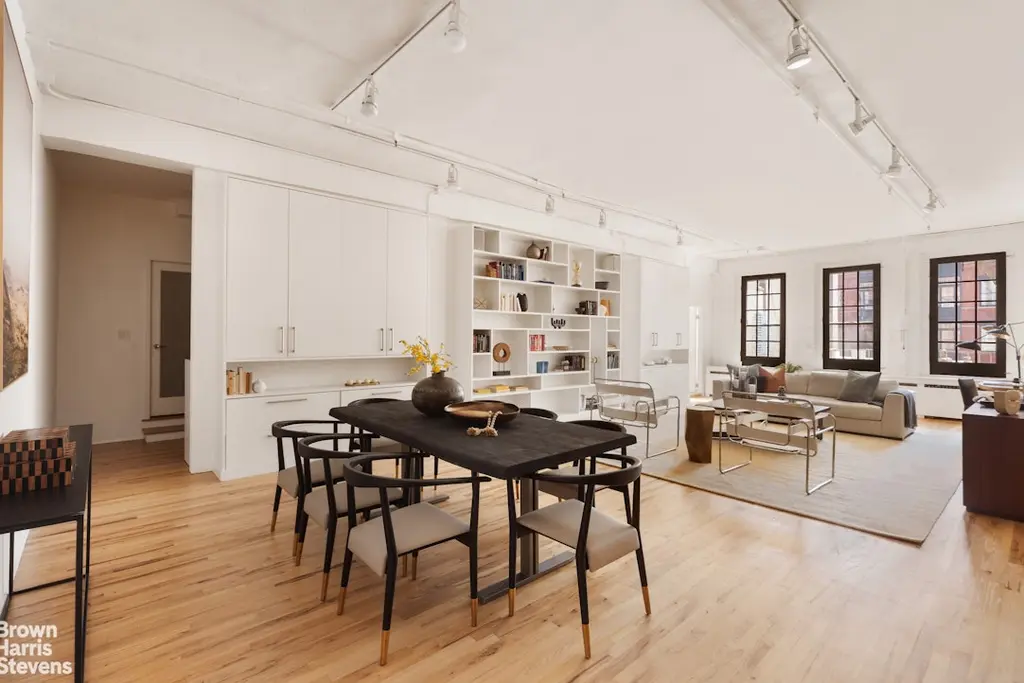
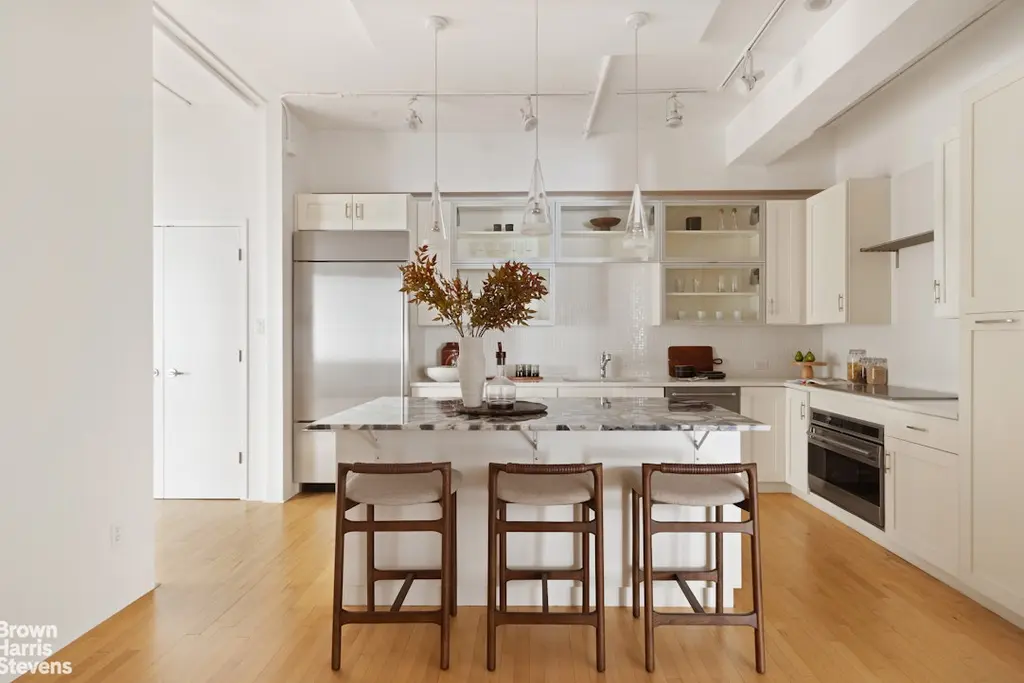
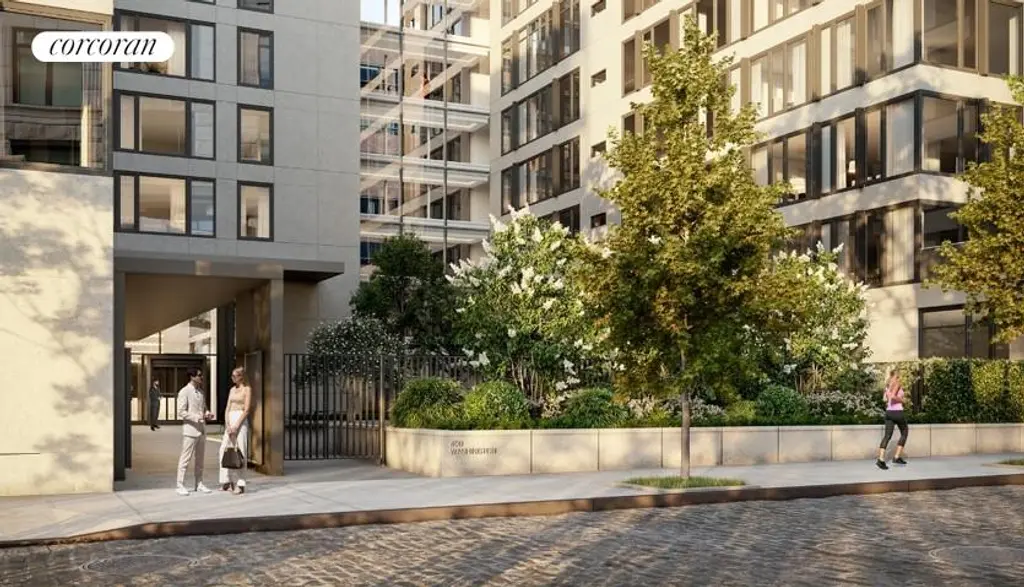
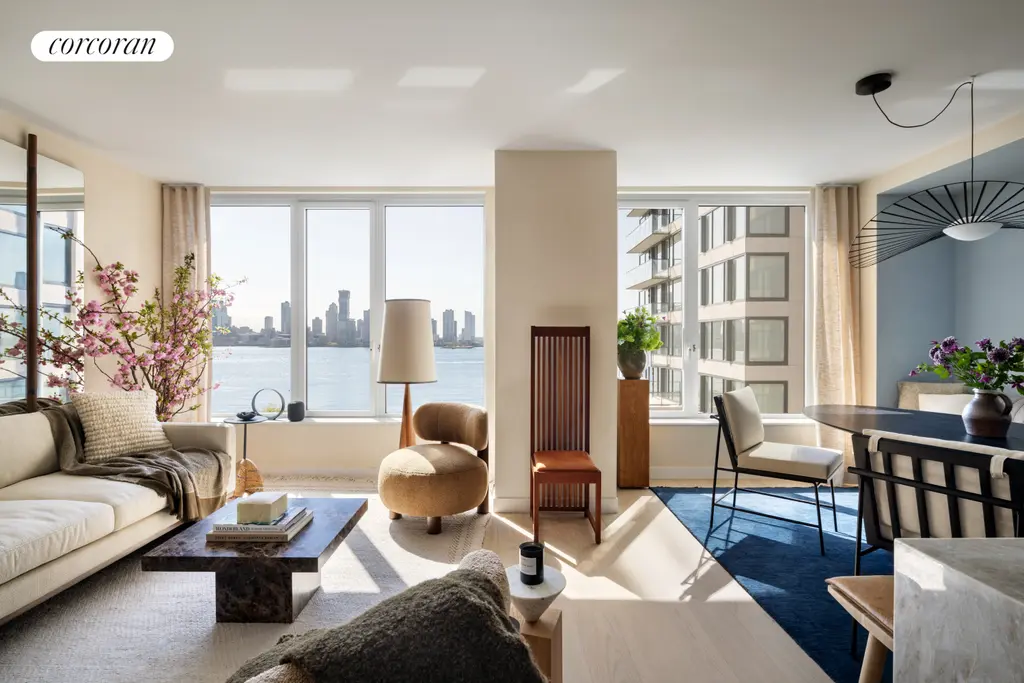
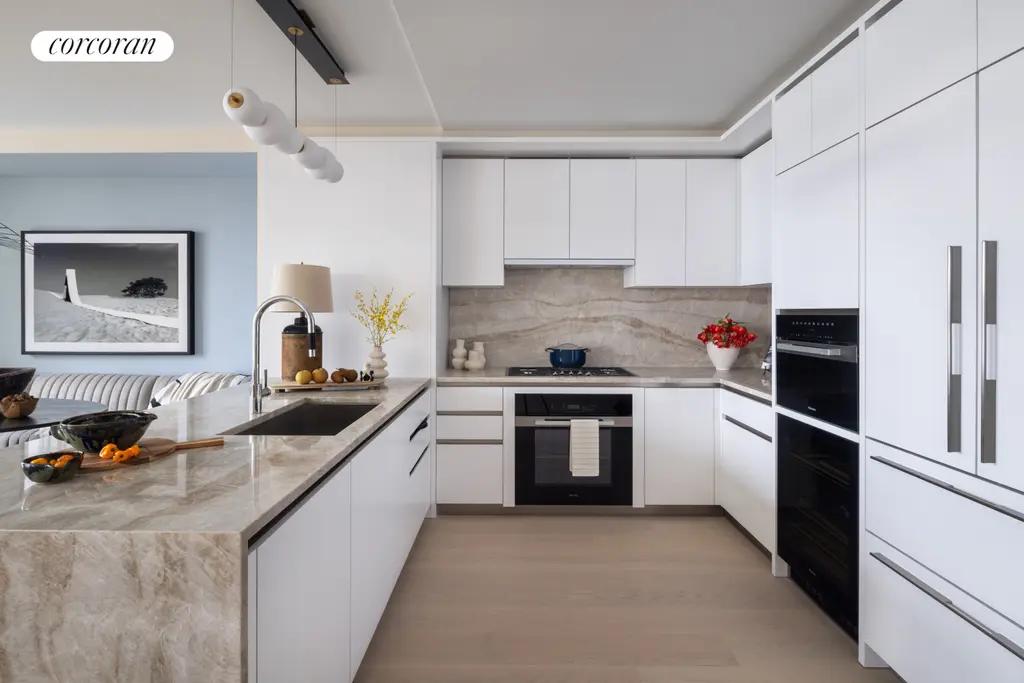
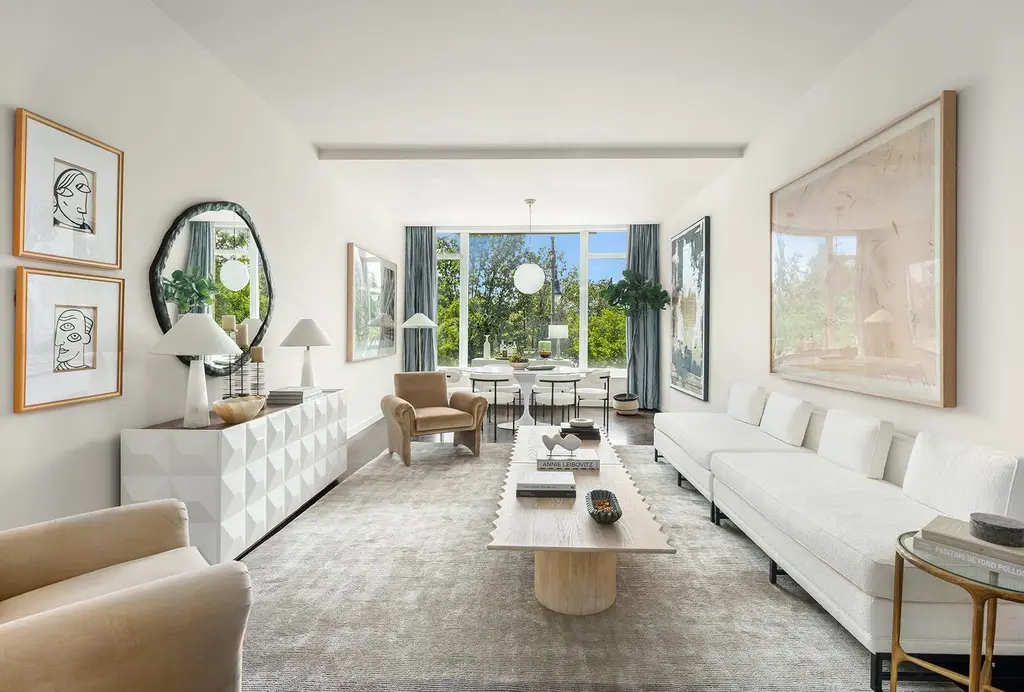

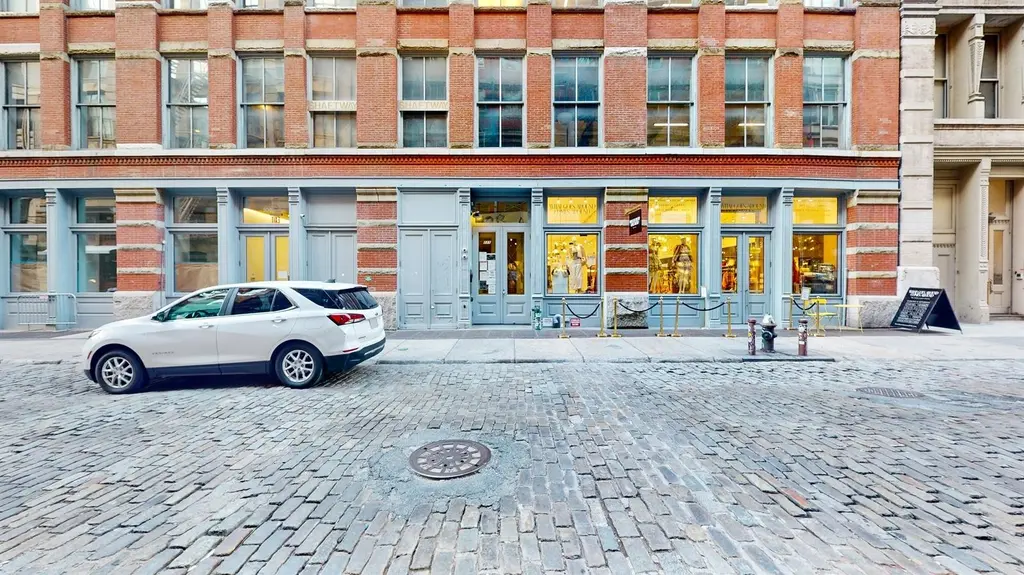

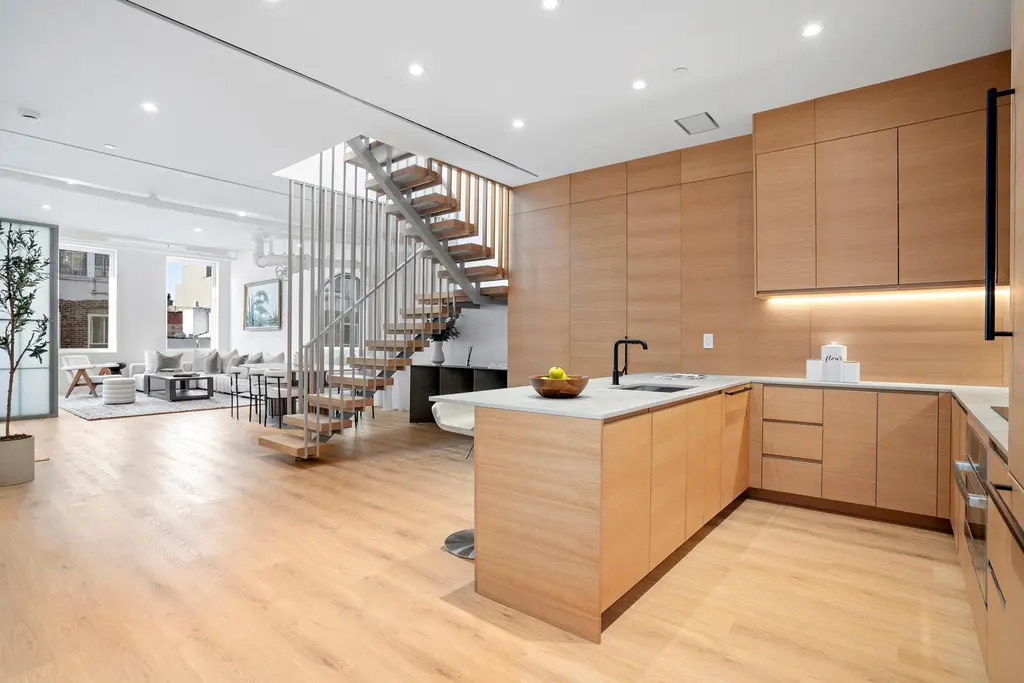
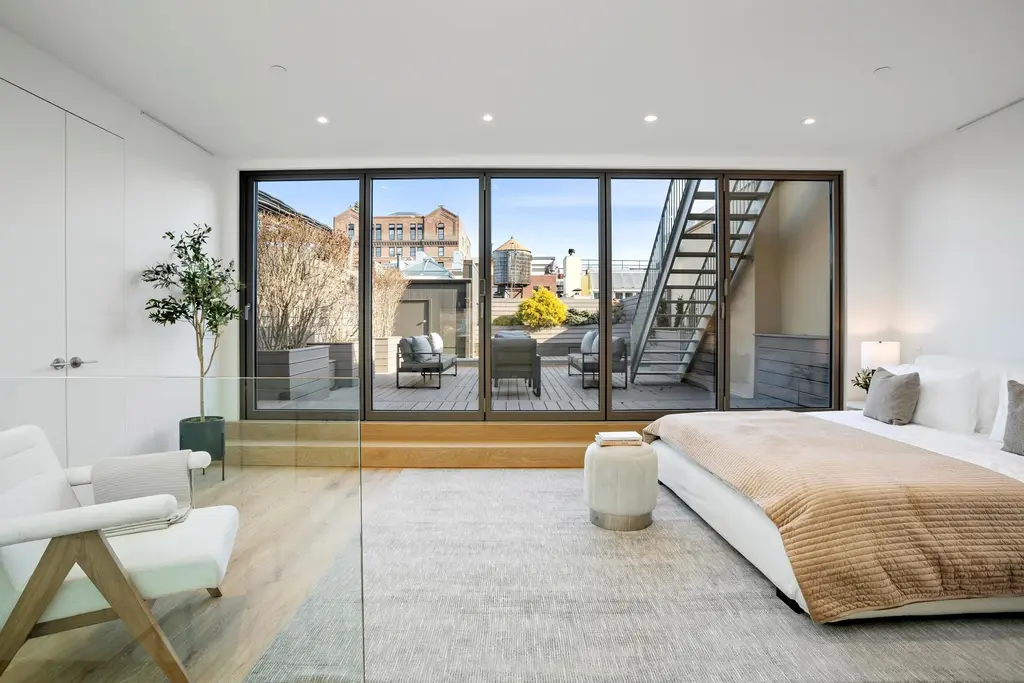
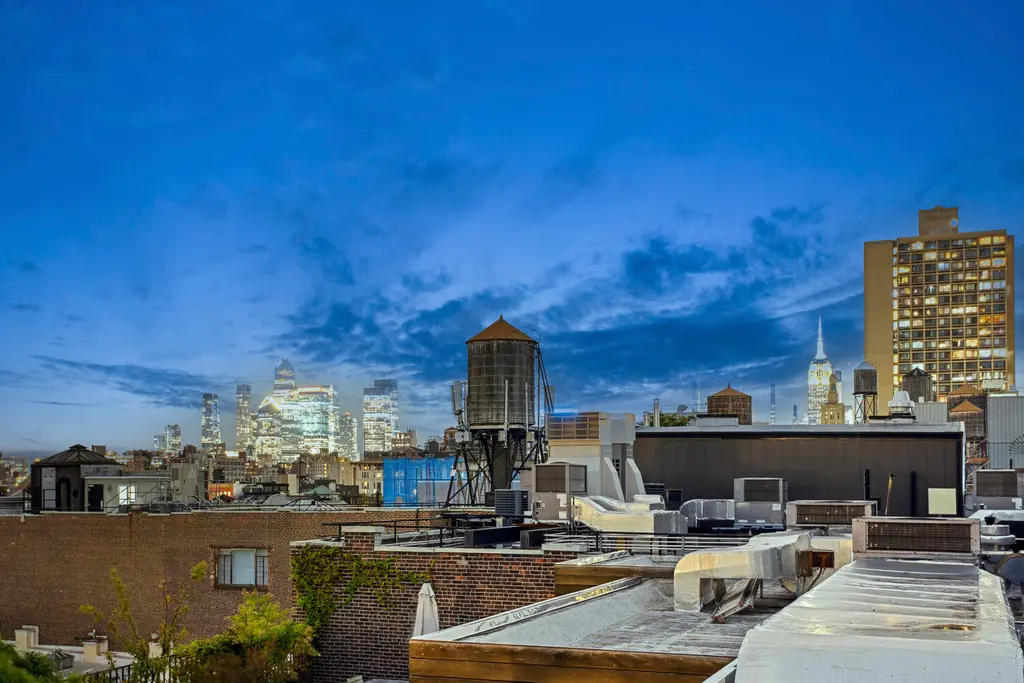
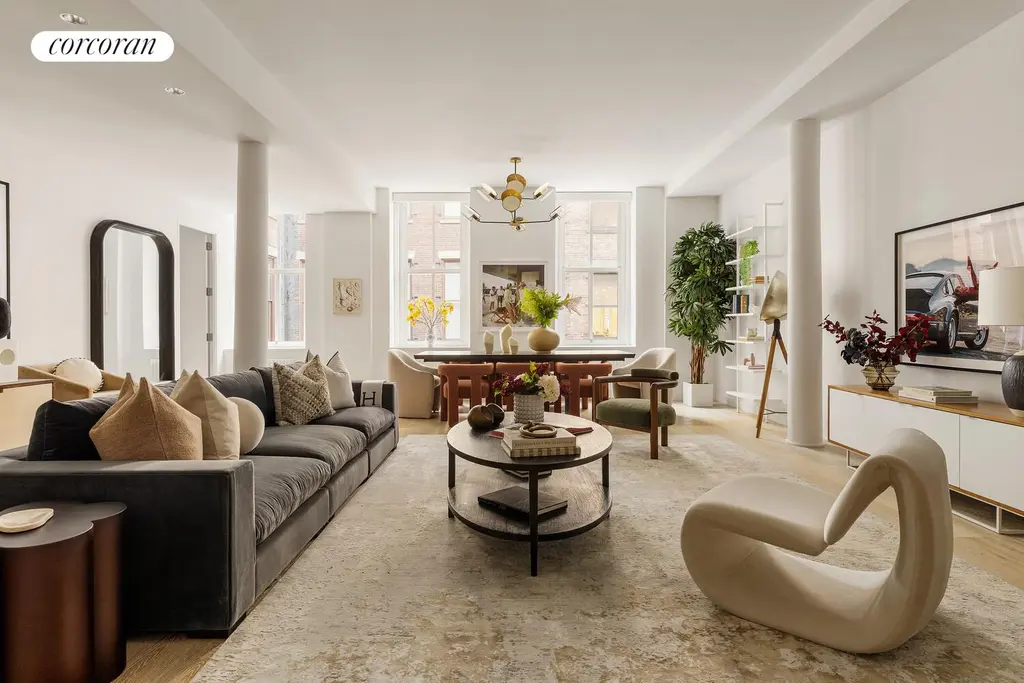
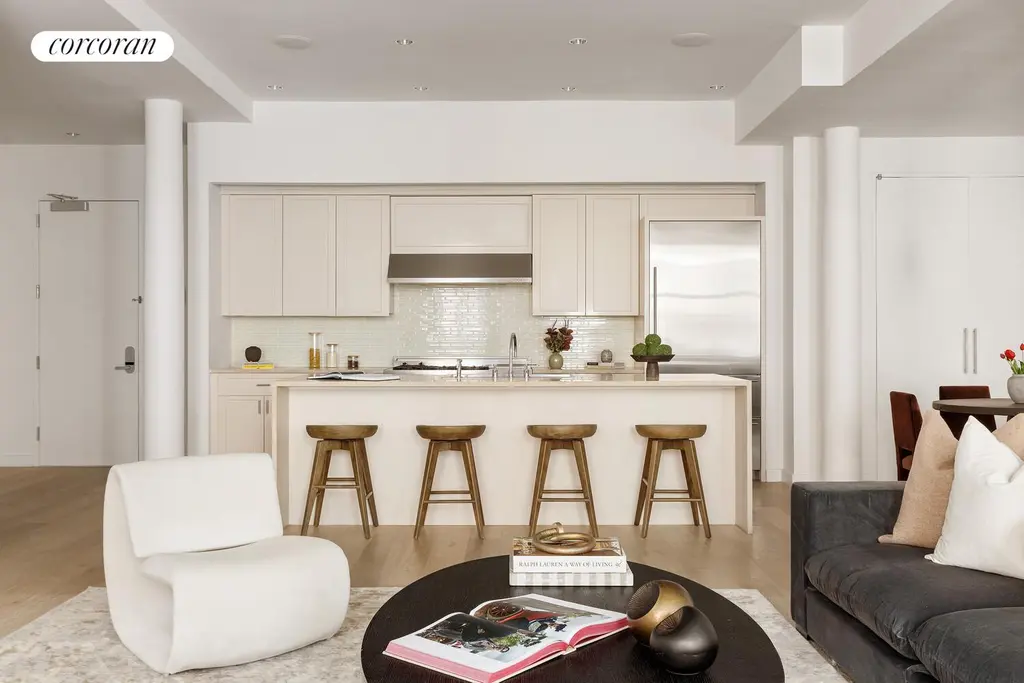
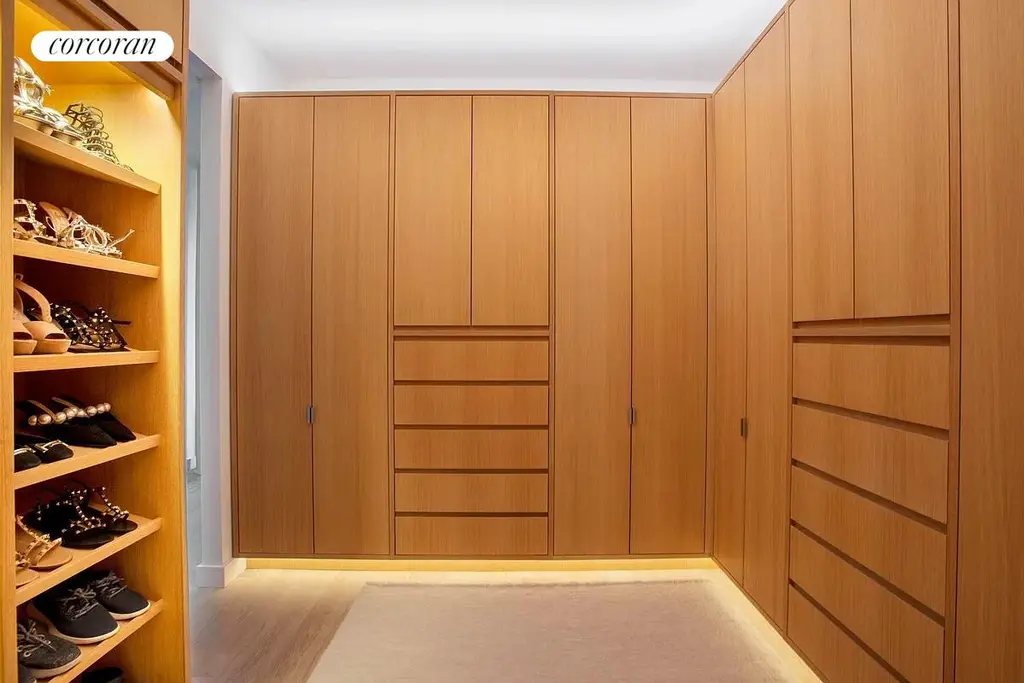
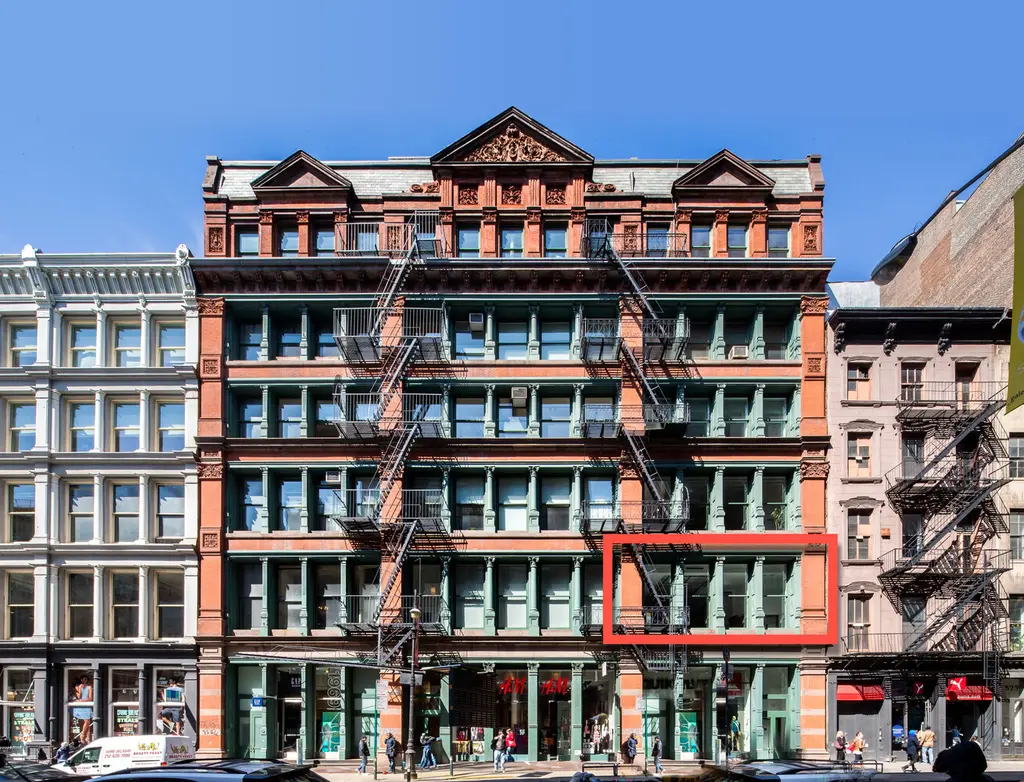
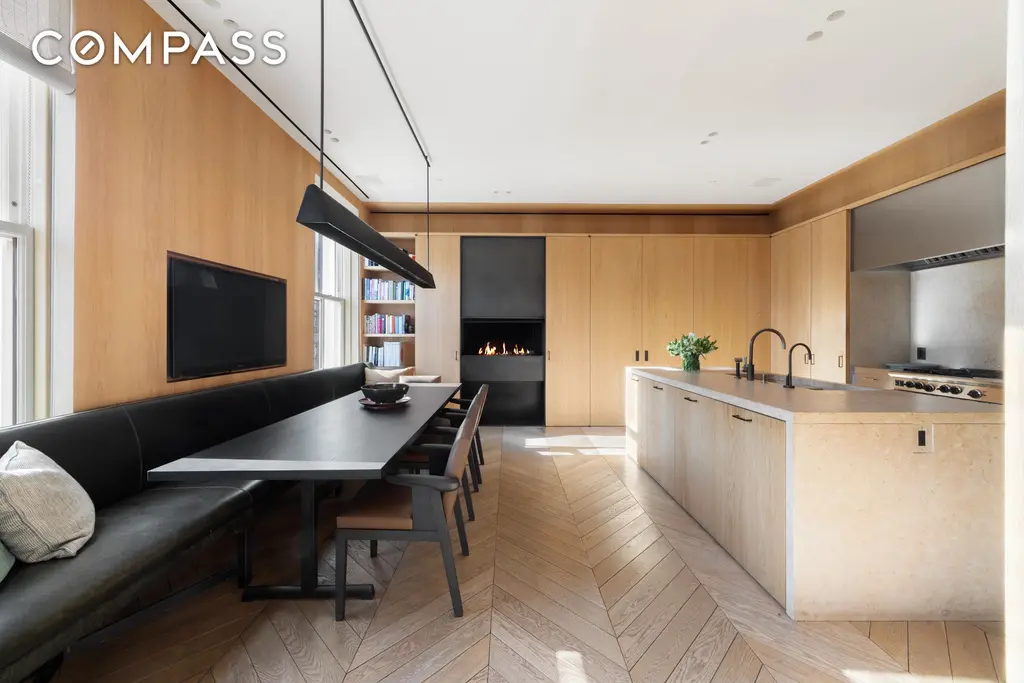
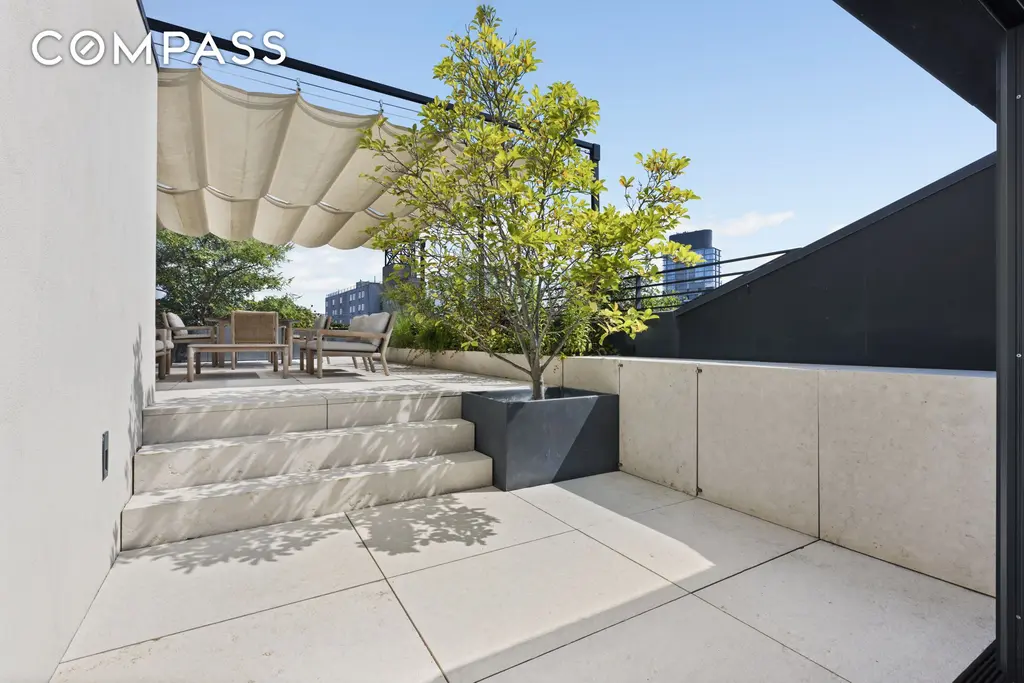
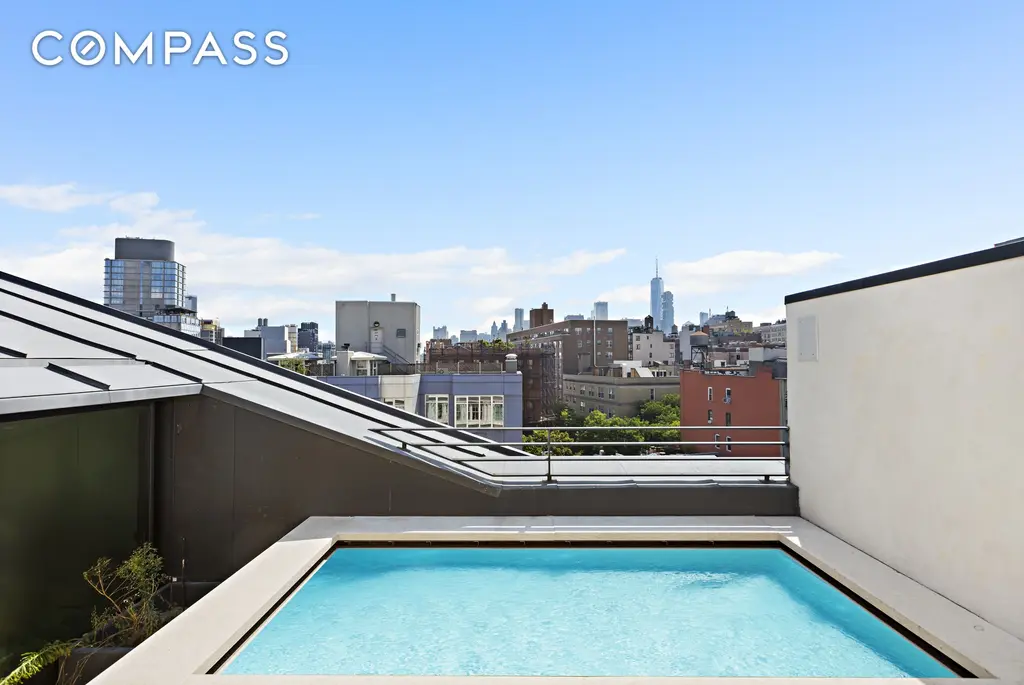
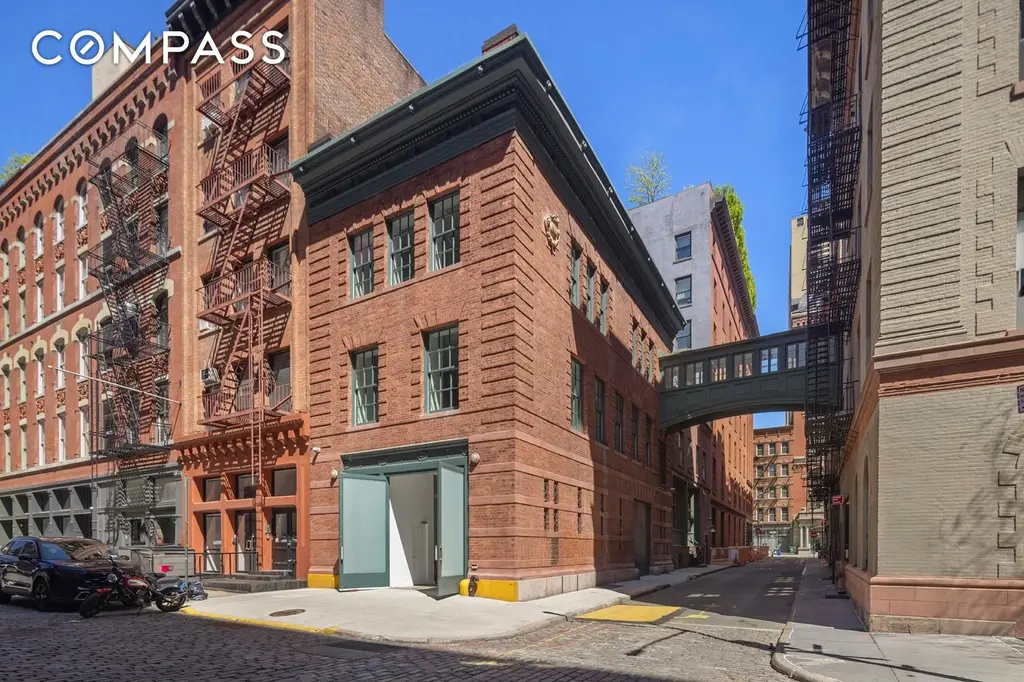
134 Beekman Street, #TH
$5,950,000
Financial District | Townhouse | 2 Bedrooms, 1.5 Baths | 2,295 ft2


Related Articles
Paul Newman's parkside office sells 47% over ask; Pre-war condo conversions lead Manhattan sales
Tuesday, June 23, 2026
Price Cuts: Baz Luhrmann’s Gramercy townhouse slashed by $7M; New discounts at Brooklyn and Queens’ tallest towers
Thursday, June 18, 2026
What's old is new again: Mass timber construction in NYC as Timberburg readies to launch sales
Tuesday, June 16, 2026
Above the Crowd: NYC apartments with skyline views as observation deck boom reaches new heights
Wednesday, June 10, 2026
Upstairs, Downstairs: 25 NYC homes with statement staircases
Tuesday, June 2, 2026Pre-war vs. Post-war: Pros, cons, and featured listings
Wednesday, May 27, 2026
Easy Escapes: NYC apartments with private roof decks and cabanas under $2 million
Tuesday, May 26, 2026

 6sqft delivers the latest on real estate, architecture, and design, straight from New York City.
