Museum Tower

15 West 53rd Street (Between Fifth Avenue & Avenue of the Americas)
PRICING INFORMATION FOR Museum Tower
Three Bedrooms from $5,975,000 (updated February 8, 2012)
Two Bedrooms from $1,950,000 (updated February 21, 2012)
One Bedroom from $1,395,000 (updated February 21, 2012)

FOR MORE INFORMATION ABOUT Museum Tower
Contact us about buying or selling an apartment in Museum Tower .
Email Us OR Call (212) 755-5544


Museum Tower - 15 West 53rd Street: CARTER'S REVIEW


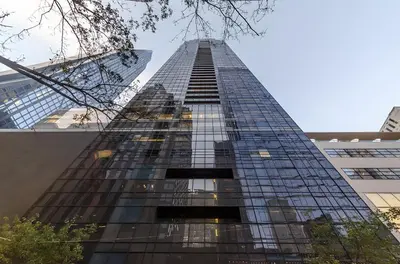
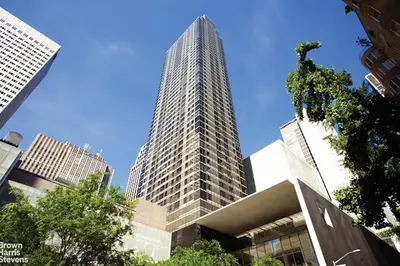
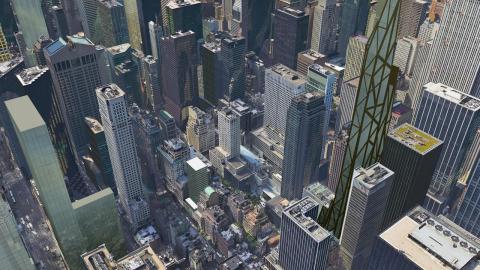
Museum Tower, a slender and elegant condominium tower at 15 West 53rd Street, is one of the top residential condominiums in midtown. It was built as part of a major expansion in 1985 of the Museum of Modern Art.

The tower and the museum's expansion were designed by Cesar Pelli, the architect of the World Financial Center and its spectacular Wintergarden at Battery Park City.
The museum expanded into several lower floors of the tower, which has 248 condominium apartments.

Bottom line

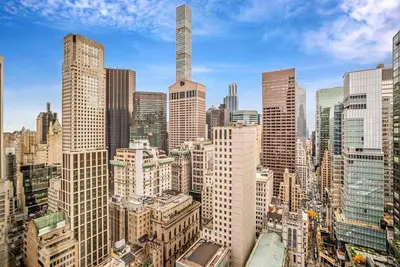
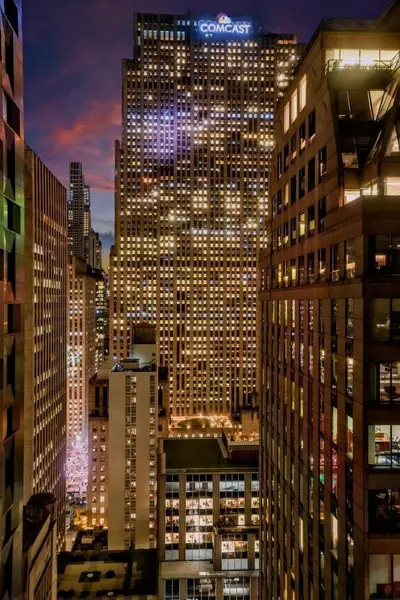
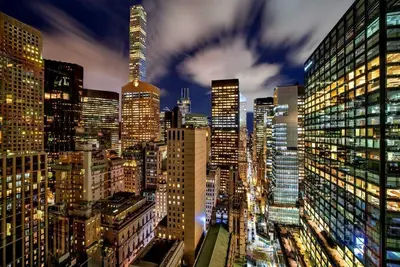
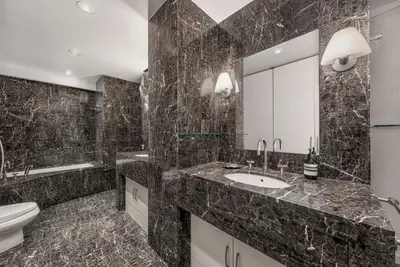
A rare, tall, mid-block, condo tower in mid-town, this mixed-use building offers a prime and central location surrounded by the great and very prestigious Museum of Modern Art and its fabulous large garden, white-glove services and wonderful views. Many of the apartments are a bit smaller than expected, but the building's ambience is very luxurious.
Description

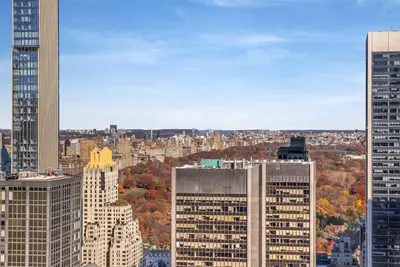
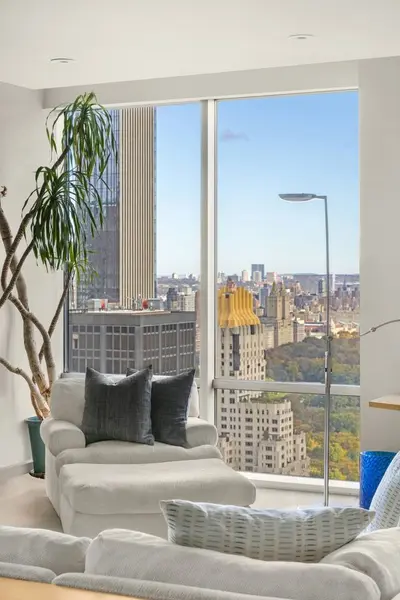
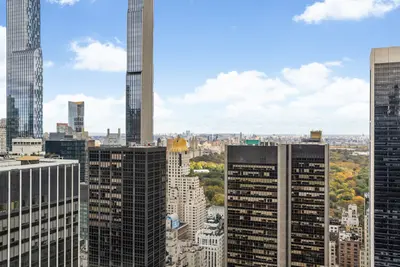
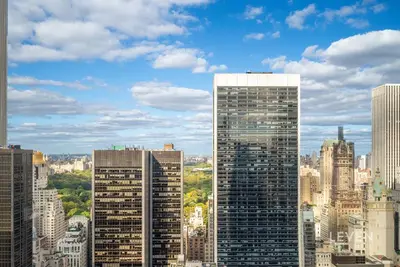
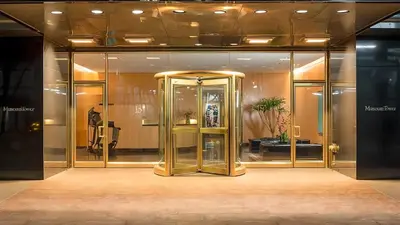
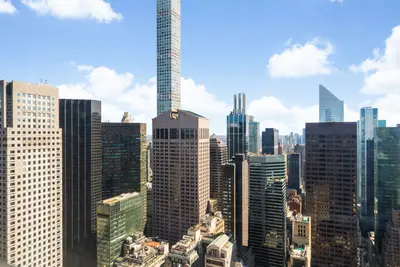
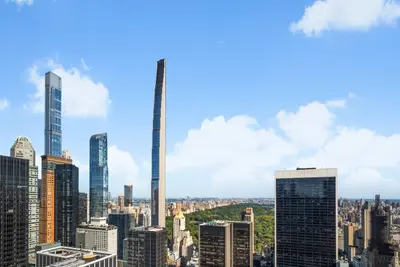
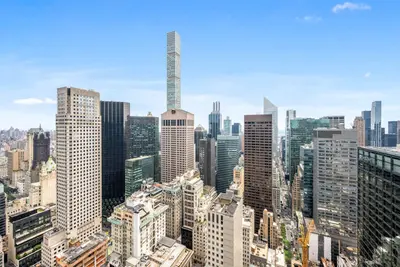
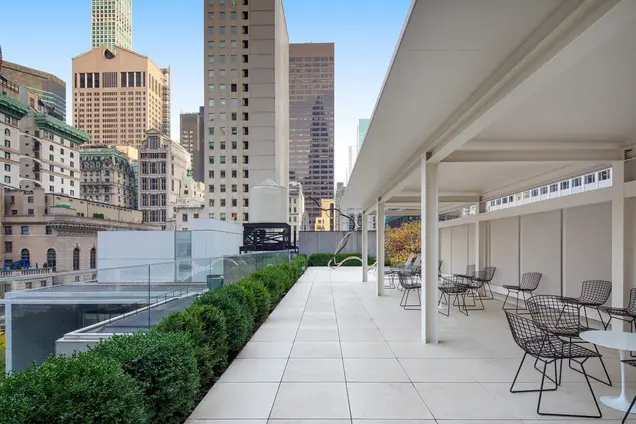
The sleek, mid-block Museum Tower, which has a sumptuous modern entrance of its own, has very nice proportions. Because it overlooks the museum's very large garden on 54th street, the building has great visibility and wonderful views even though it casts some shadows on the garden.

Pelli's tower was one of the city's most anticipated architectural projects in the 1980's as he had designed, in addition to the great Wintergarden at the World Financial Center in Lower Manhattan, the great abstract and very colorful geometric forms of a design center in Los Angeles.

When the museum first showed renderings of Pelli's expansion, the tower's facades promised to be very delicate and interesting because Pelli said he would use 14 different colors on its glass curtain walls. The horizontal banding of the curtain walls defers nicely to the original facade, but the rendering suggested a Mondrianesque patterning because of the different colors. It is very, very hard, however, for the naked eye to discern much variation in the blues and greens that were installed.

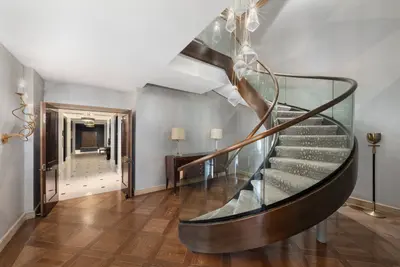
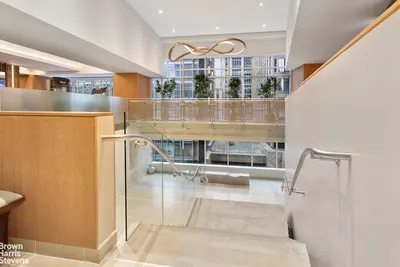
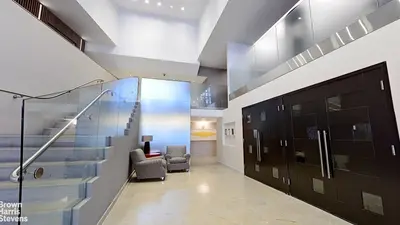
Despite the bustle of crowds attending the museum, the tower's residential entrance is considerably removed from the museum's main entrance and is very handsome and discrete.

Amenities

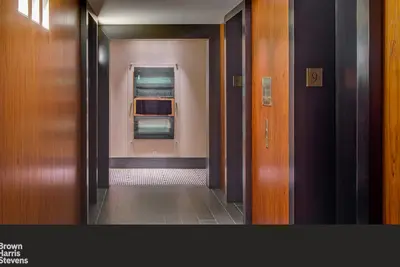
Museum Tower is definitely a "full-service" building as it has "elevator attendants," a very rare amenity.

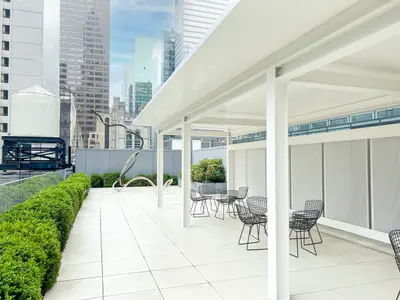
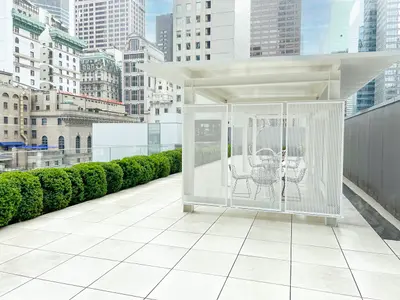
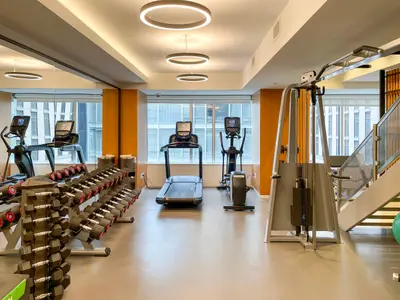
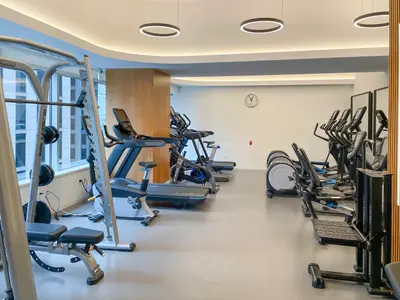
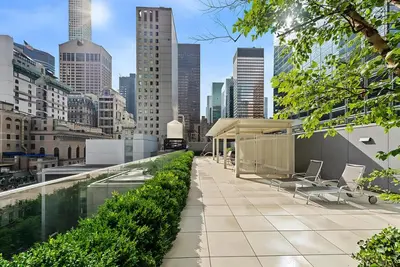
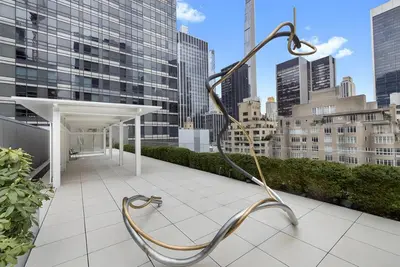
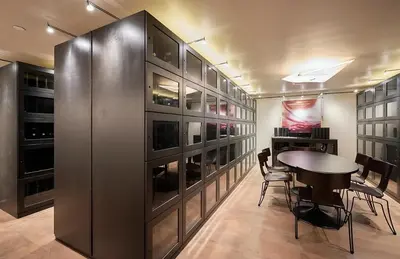
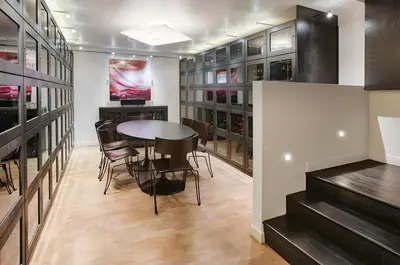
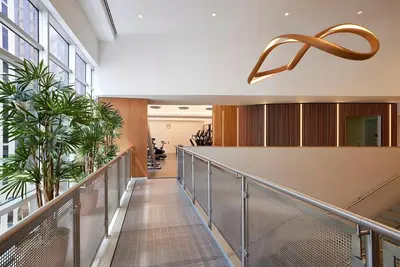
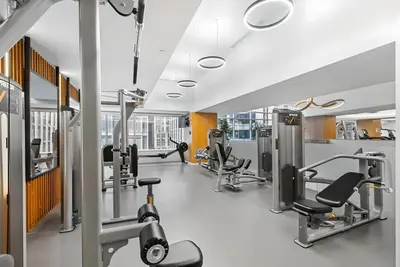
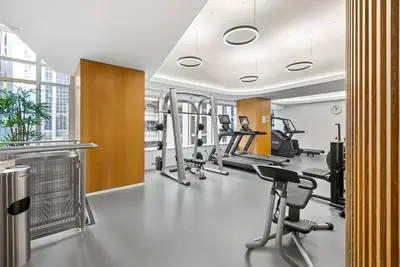
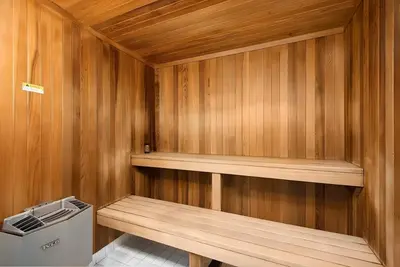
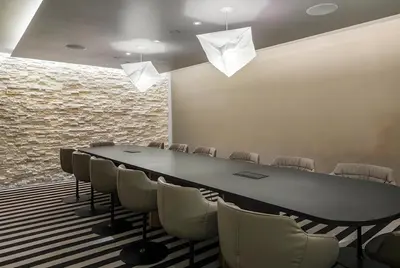
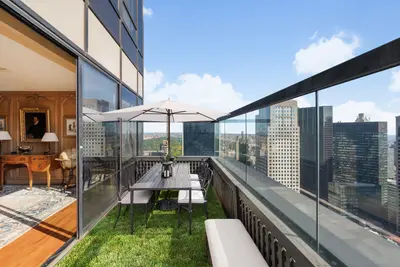
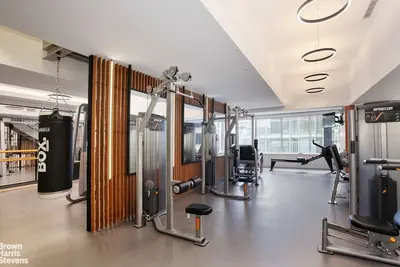
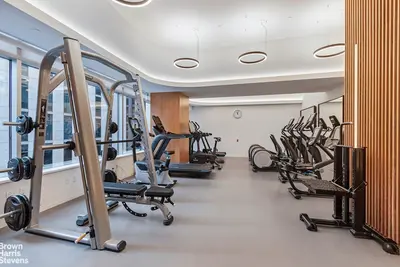
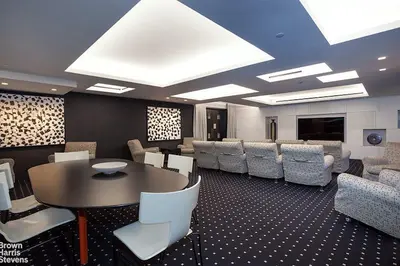
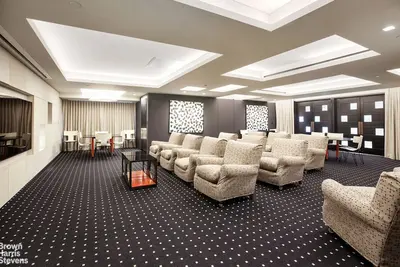
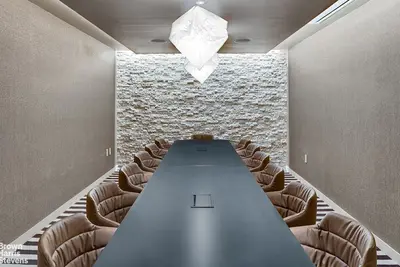
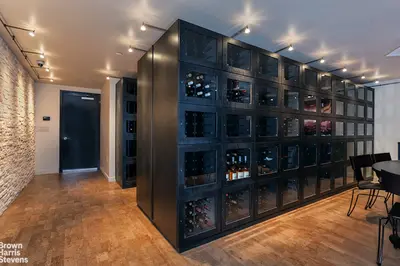
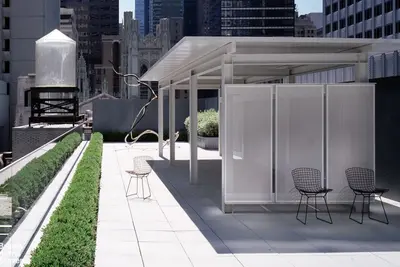
Residents also enjoy a fitness center, a 24-hour concierge, a conference and media room, a roof terrace, some inset balconies, private storage, a garage, wine storage and a bicycle room.

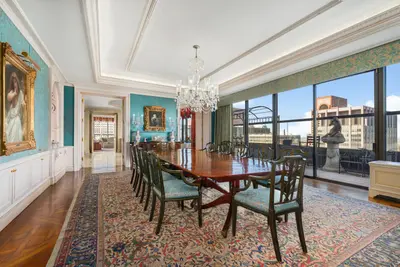
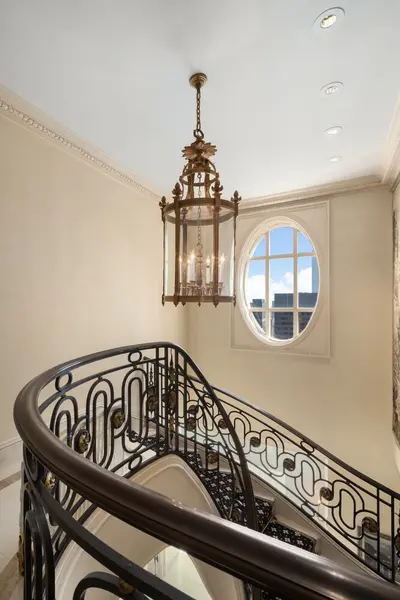
The building also offers housekeeping service and apartments have high ceilings.

Apartments

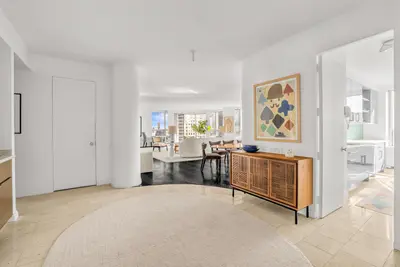
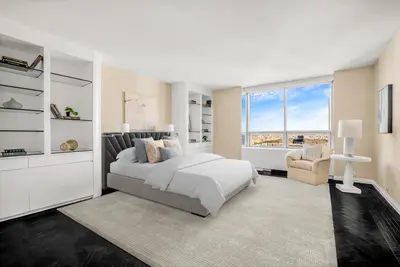
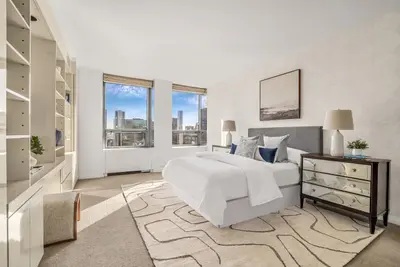
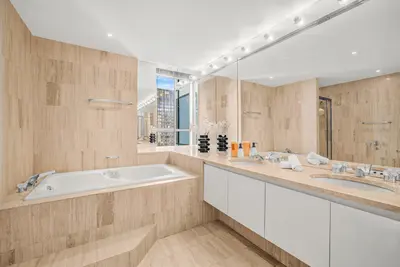
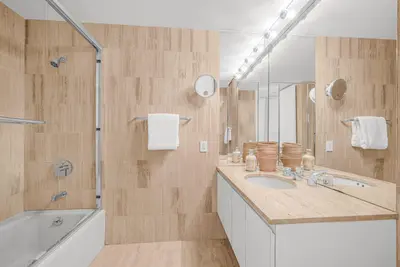
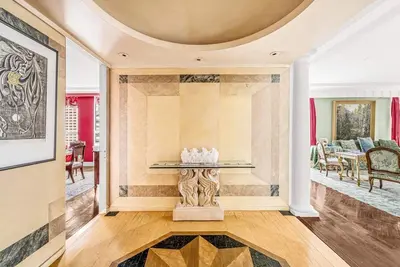
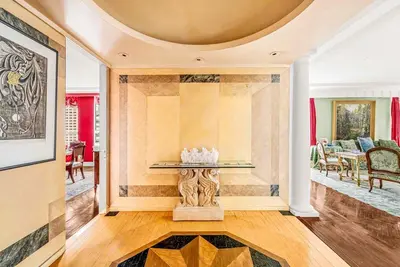
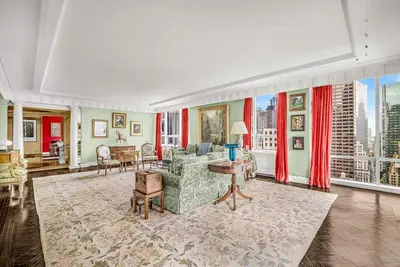
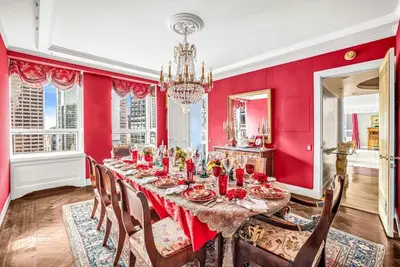
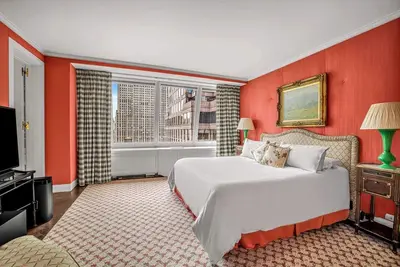
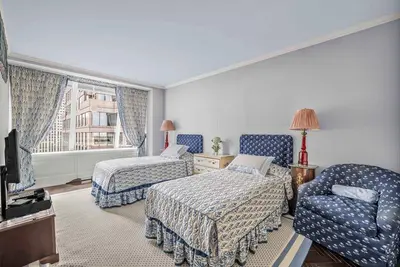
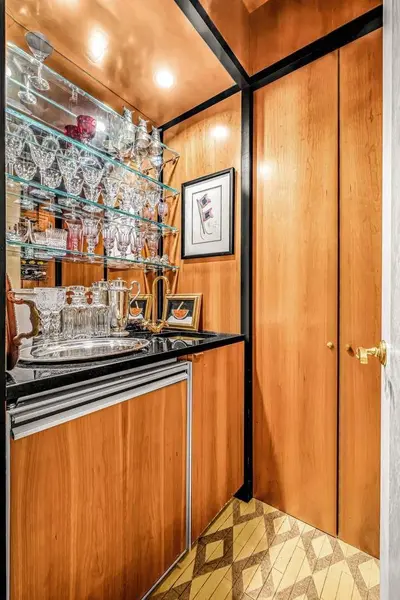
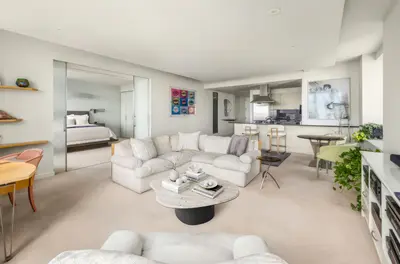
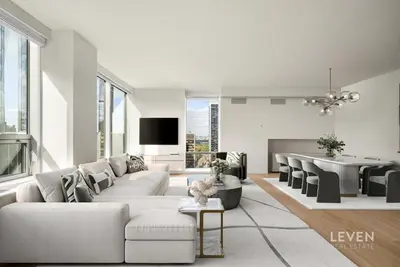
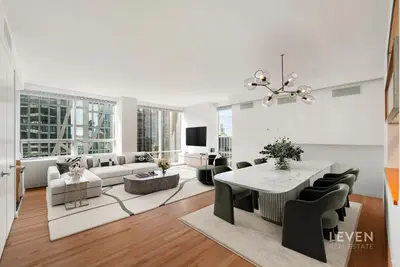
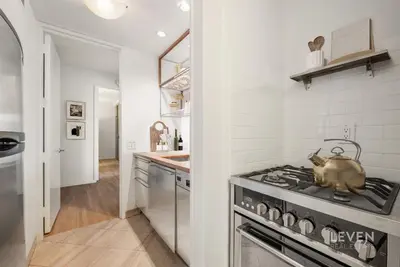
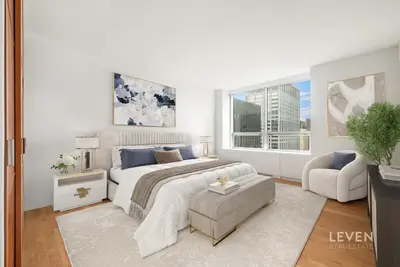
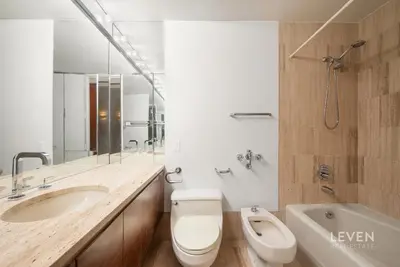
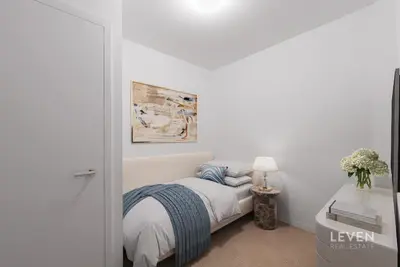
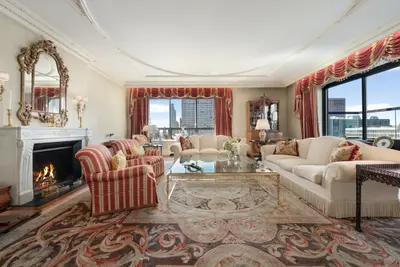
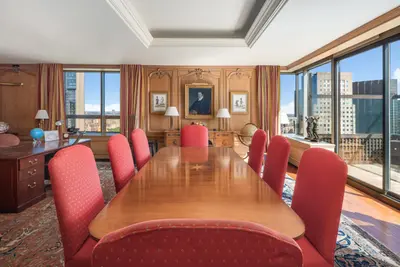
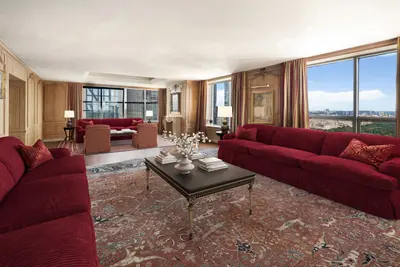
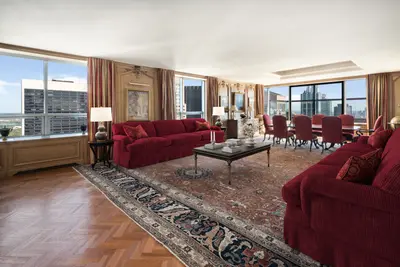
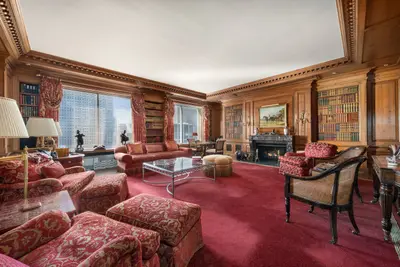
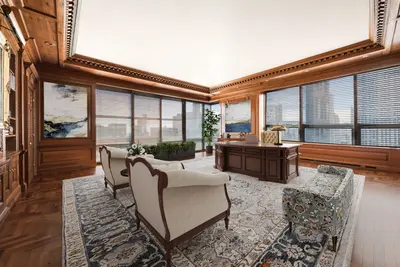
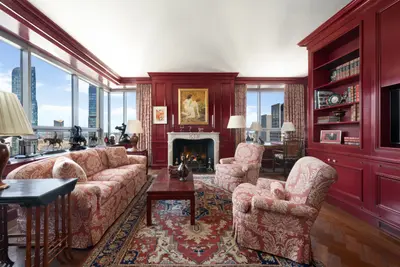
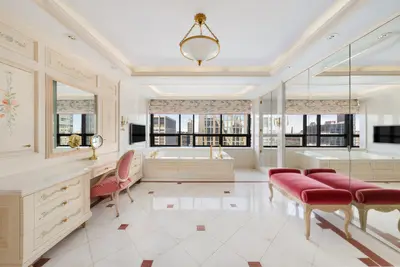
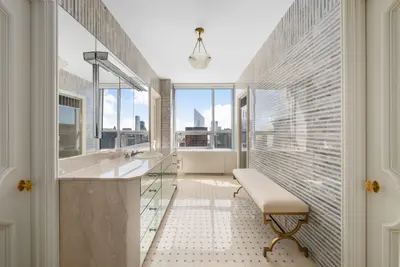
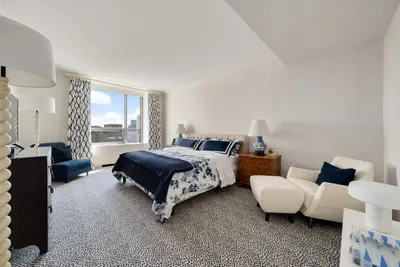
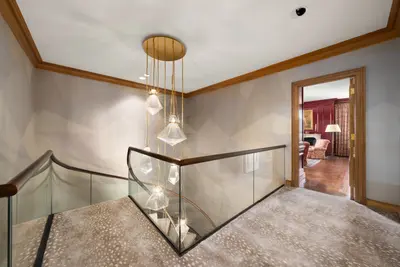
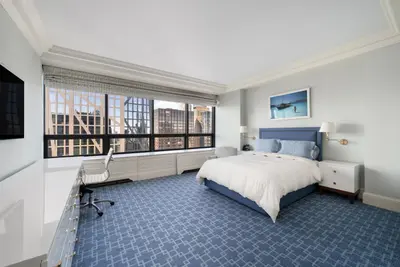
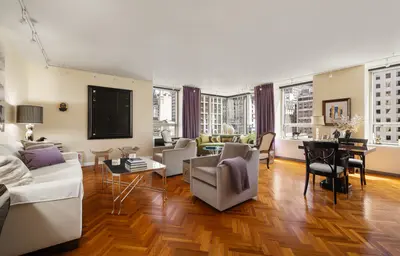
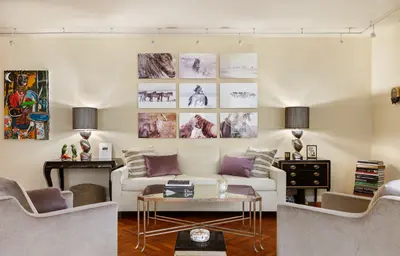
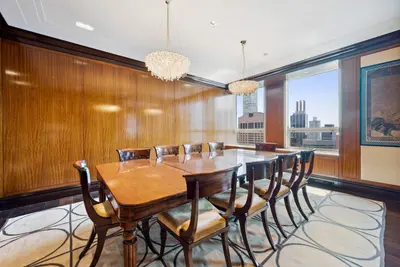
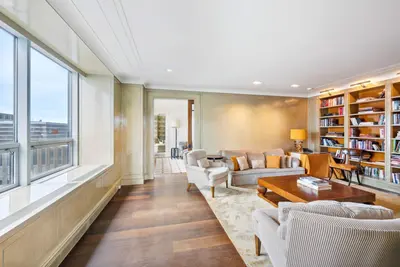
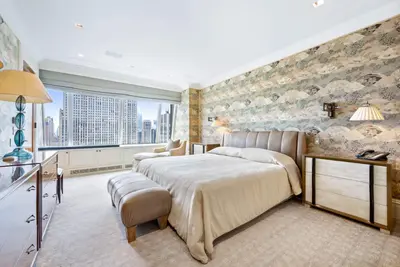
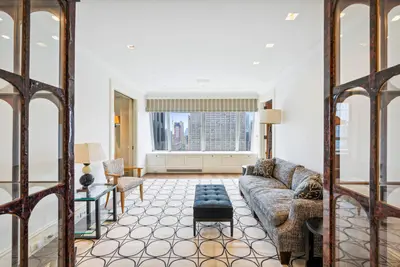
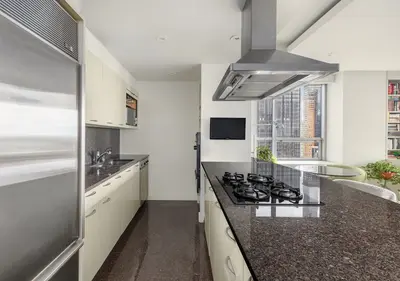
Most of the apartments at The Museum Tower are relatively small one- and two-bedroom units, but many of them could be combined into larger apartments.

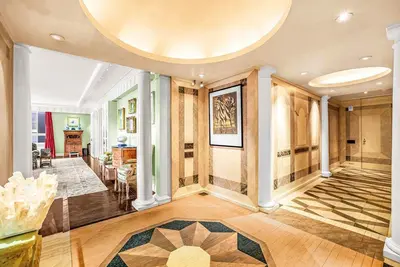
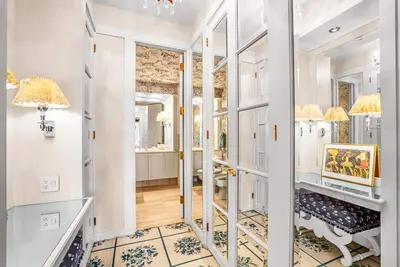
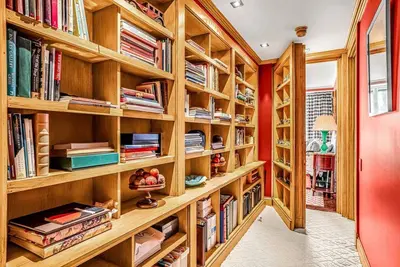
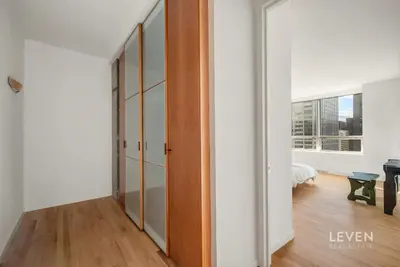
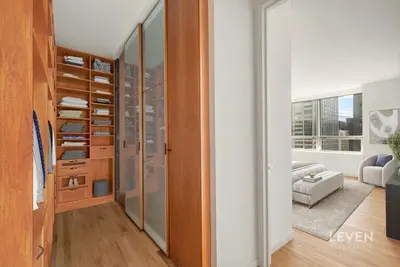
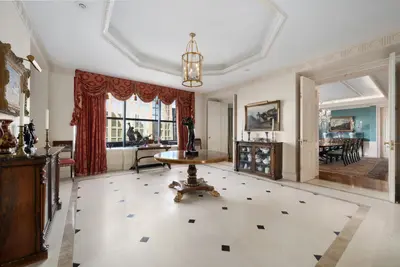
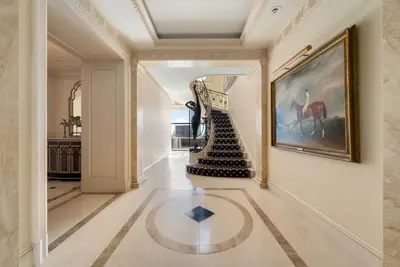
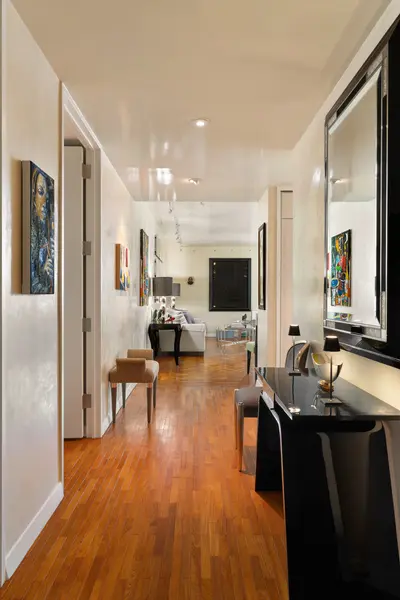
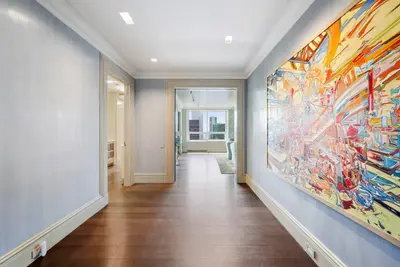
Some of the apartments have long entrance foyers and "guest nooks."

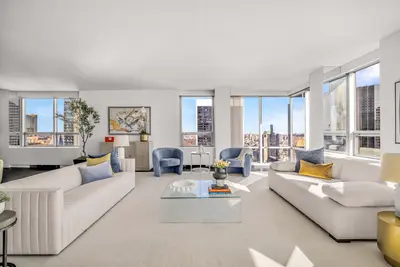
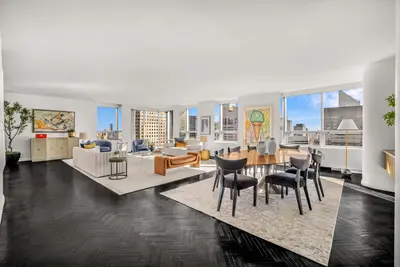
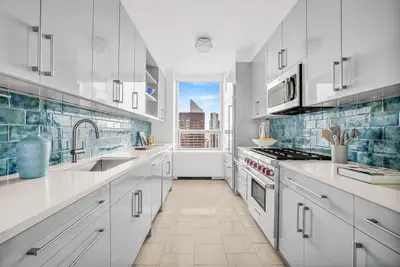
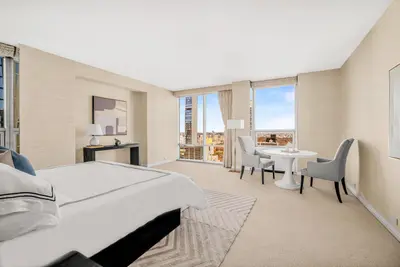
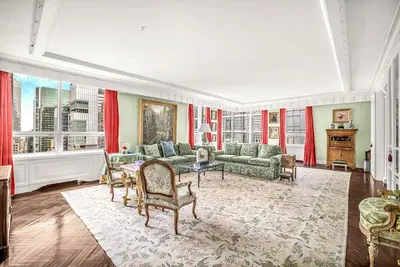
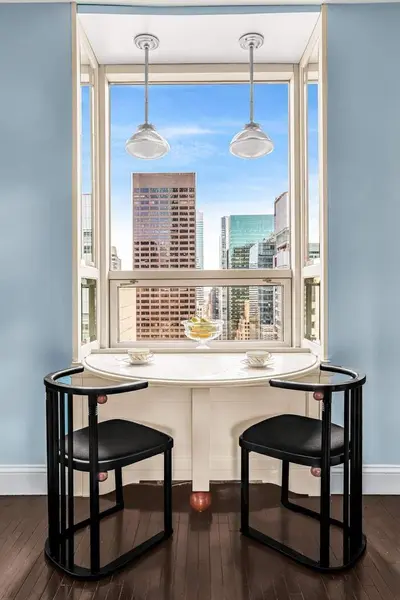
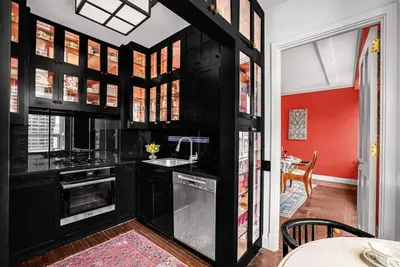
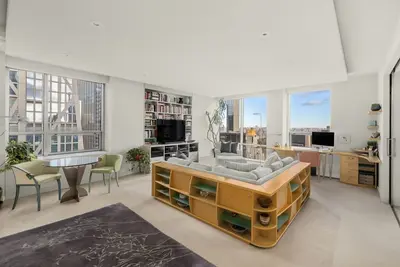
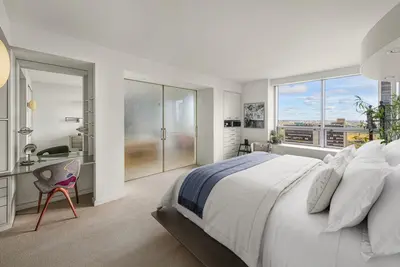
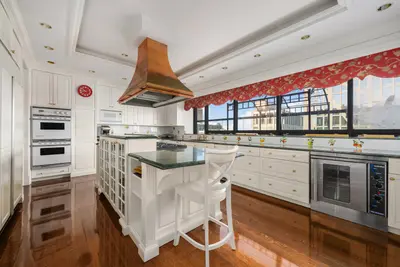
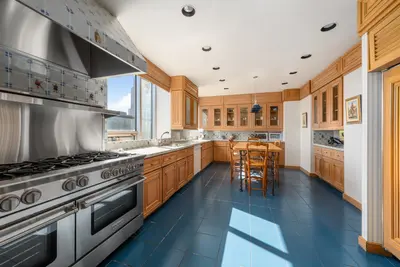
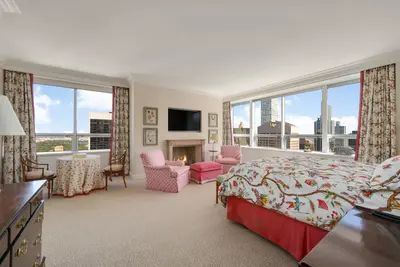
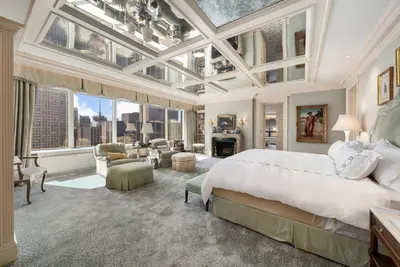
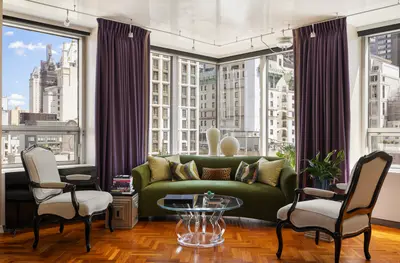
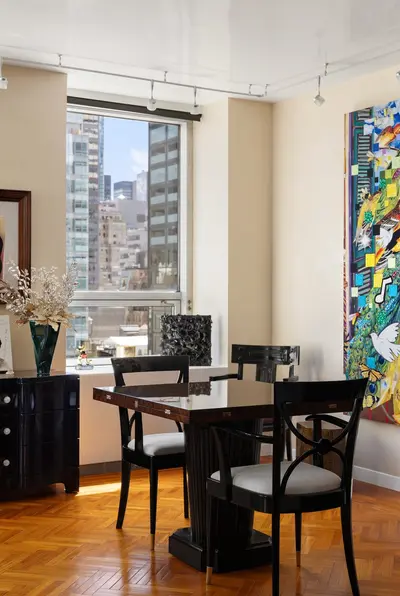
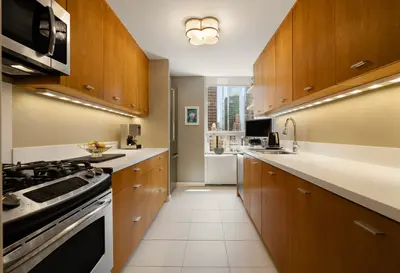
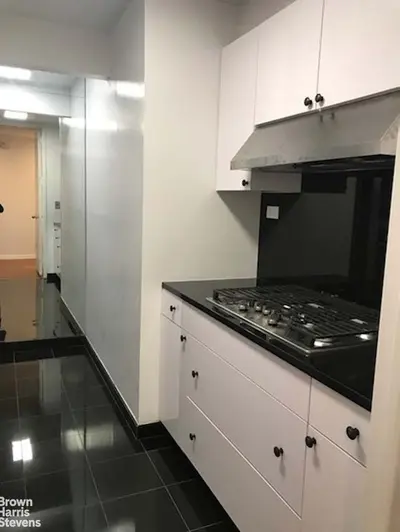
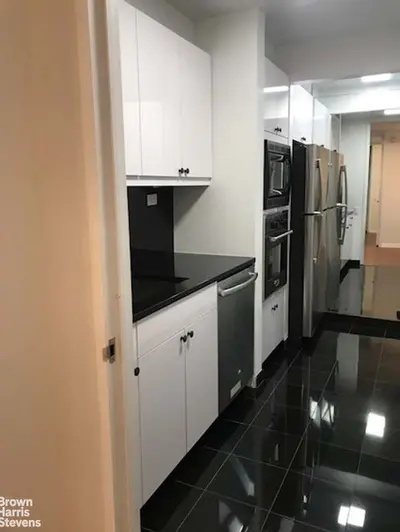
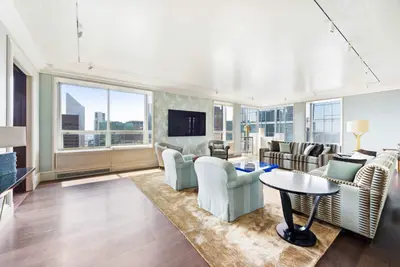
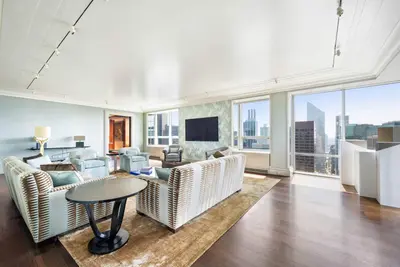
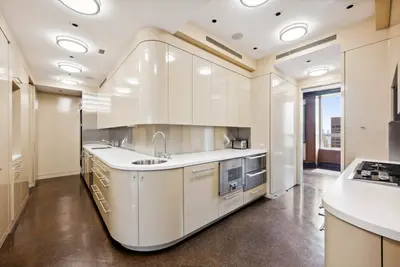
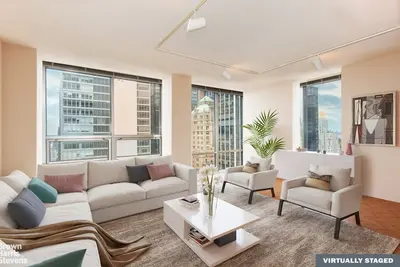
Many have corner windows and windowed kitchens.

Ceilings are 9 feet high.

History

The museum was founded in 1929 by Abby Aldrich Rockefeller (the wife of John D. Rockefeller Jr.), Lillie B. Bliss and Mrs. Cornelius J. Sullivan. The museum first opened in relatively small offices on the 12th floor in the former Heckscher Building (now the Crown Building) on the southwest corner of Fifth Avenue and 57th Street.)

In 1939, the museum moved to 53rd Street, west of Fifth Avenue, into a building designed by Philip L. Goodwin and Edward Durell Stone. In 1952, Philip Johnson redesigned its garden and later an exquisite black-metal building to its east.

MOMA's gift shop and bookstore, in the black Johnson annex to the east of the main entrance, fortunately could be entered directly from the museum lobby as well as from the street. The bookstore, which also sold posters and cards, was quite good and the downstairs gift store was pleasant and not quite as overwhelming as its large annex that opened in the late 1980s across the street at 40 West 53rd Street.

While modest in scale, Johnson's annex was one of his finest designs: sleek, powerful and quite articulate. It was an excellent counterpoint to the white-and-gray main building especially with its rounded steel window frames complementing the port-holed roof canopy of the original building, and its facade and generous proportions made it a classic in the league of the far larger Seagram Building and Lever House a few blocks away on Park Avenue.

Johnson had also designed a similar small wing for the west side of the museum that was replaced by the new Pelli tower.

The Pelli expansion, which added the condominium tower worked well visually from the museum's famous garden where it cascaded downward from the lower floors of the tower's north side. The cascading glass section was angled but reminiscent of the bulbous, glass-enclosed escalators at the Beaubourg Museum in Paris.

One critic, Vincent Scully, however, was not amused, noting in his 1988 book, "American Architecture and Urbanism," revised edition, Henry Holt and Company, that the tower's "bulk severely compromises the privacy and scale of the sculpture court behind it."

In December 1997, the museum bought the adjacent Dorset Hotel on West 54th Street and announced it had selected Yoshio Taniguchi to design another major expansion.

Taniguchi redesigned of the museum's fa??ade on 53rd Street and removed Pelli's cascading glass atrium in the museum overlooking the famous garden. The main body of the Museum Tower, which has 248 condominium apartments, was unchanged.

Taniguchi's new minimalist design, however, inexcusably removed the garden-facing facade of Johnson's annex, with nary a peep from the city's preservation community. Taniguchi's design also moved the bookstore to the west of the lobby to open up more space for a very elegant and very expensive restaurant.

The museum of course, could have bought up most of the rest of the block to the west, which has been lying fallow for some time since the Museum of American Folk Art could not get financing for a great skyscraper designed for it by Emilio Ambasz, a former head of the Museum of Modern Art's Department of Architecture, who certainly should have been considered by the Modern Museum for any expansion, but was not.

The folk art museum announced in 1997 that it was proceeding with a low-rise structure by other architects on its site. That museum's building, however, turned out to be one of the most attractive and interesting small post-war buildings in the city.

Sadly, however, the museum announced in 2011 that it could not longer afford its building and that it would be taken over the Modern.

Meanwhile, the museum entered into an agreement with Hines Interests in 2010 for expansion space in a new, very tall tower on 54th Street to the west of the Taniguchi-redesigned museum spaces.

Hines commissioned Jean Nouvel, who designed 40 Mercer Street and 100 Eleventh Avenue, as its architect for the tapered, mixed-use, 1,200-foot-high project.

The City Planning Commission, however, order that its height be lowered by about 200 feet so as not to compete with the Empire State building, a decision that puzzled many observers since they are a mile apart. Nouvel described the order as a "decapitation."

A revised and slightly lowered Hines tower is likely to alter some views to the northwest from the museum condo tower.

Nouvel's first design called for the Hines tower was lavishly praised by the architectural critic for The New York Times but was strongly opposed by the local community board who felt that the proposed transfer of hundreds of thousands of square feet of unused development rights from St. Thomas Episcopal Church and the University Club, both about 500 feet to the east on Fifth Avenue on 53rd and 54th Streets, respectively, was excessive and unnecessary for the preservation maintenance program of those properties that would justify the transfers.

The glory of the museum, at least from an architectural viewpoint, is its garden, and although it has been modified often, it remains very elegant and serene. Architect Philip Johnson and landscape architect James Fanning created the city's most justly celebrated garden in 1964 on the 54th Street side of the through-block museum site.


BUILDING SUMMARY
  • Condominium
  • Built in 1985
  • Located in Midtown West
  • 248 apartments
  • 55 floors
  • Approx. avg. price per sq ft: $1,732
  • Approx. price per sq ft range:
    $1,195 - $2,509
  • #6 rated condo - Midtown
FEATURES & AMENITIES
  • Concierge
  • Elevator Man
  • FT Doorman
  • Hi Rise
  • Post War
  • Basement Storage
  • Central AC
  • Full Service Garage
  • Health Club
  • Roof Deck
  • Washer/Dryer in building
  • Elevator
  • Fitness Center
PROS & CONS
PROS
  • Elegant, impressive lobby
  • Views of the museum's great garden and Central Park from many apartments
  • Association with prestigious institution
  • Great midtown location
  • Concierge
  • Doorman

CONS
  • Street traffic caused by museum visitors
  • Major expansion planned for the museum
  • No roof deck

SPONSORED BY

Comments or questions? · Phone: 212.755.5544
Copyright © 1994-2012 CITY REALTY.COM INC. All Rights Reserved.
568 Broadway, Suite 802 New York, NY 10012
Terms of Use · Our Privacy Policy · About CITY REALTY.COM · Advertise With Us · Site Map
Developed by REOL Services


An equal housing opportunity.

All data is deemed reliable but is not guaranteed accurate by the REBNY / RLS or CityRealty. See Terms of Service for additional restrictions. All information furnished regarding New York City property for sale, rental or financing is from sources deemed reliable, but no warranty or representation is made as to the accuracy thereof and same is submitted subject to errors, omissions, change of price, rental or other conditions, prior sale, lease or financing or withdrawal without notice. All dimensions are approximate. For exact dimensions, you must hire your own architect or engineer. The number of bedrooms listed on this website is not a legal conclusion. Each person should consult with his/her own attorney, architect or zoning expert to make a determination as to the number of rooms in the unit that may be legally used as a bedroom.