
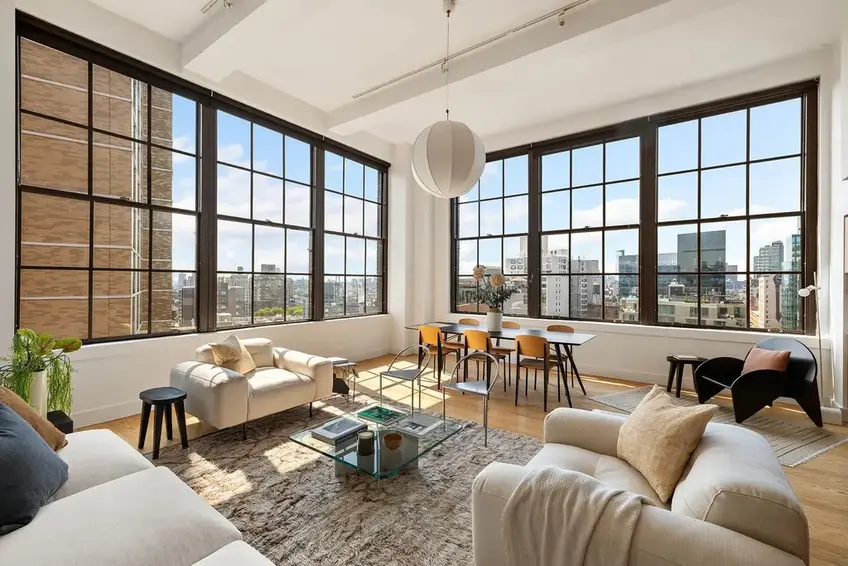
Most people dream of buying their own home at some point in their life, but it is increasingly happening later in life. A report from the National Association of Realtors found that in 2025, the median age of first-time homebuyers reached a record 40 years old. The organization cites limited housing inventory and longer search and savings periods as contributing factors, and Serhant founder & CEO/Owning Manhattan star Ryan Serhant told Fox News Digital that CDC demographic data shows shifts in family planning that affect other milestones like homeownership. He also emphasized that today's buyers are living in a different reality than past generations, and that it is increasingly common for young Americans to rely on parental assistance for homeownership.
In this article:











"I would not be where I am today if my parents hadn't helped me… But I do appreciate that I understand the value of a dollar and how the world works, because I had to figure it out on my own" — Ryan Serhant, Founder & CEO, Serhant
In many regions of the United States, homeownership is a dream that can be achieved with hard work, deliberate saving, and yes, sometimes a little help from one's parents. But in New York City, buying one’s first home is often much more challenging, not least because of high housing prices requiring a higher down payment to enter the market. The Hill observes that for all the talk about affordable housing in New York City, and the many affordable units in the works, what's really being offered is "affordable renting." Affordable sales units exist (e.g. HDFC co-ops), but are not nearly as plentiful as the rentals.
This isn't easy for any first-time buyer in New York City, but it's especially hard for artists and people working in creative industries like film, television, architecture, graphic design, and the performing arts. A recent report from think tank Center for an Urban Future found that, when adjusted for New York City's high cost of living, members of the city's creative economy now earn 23% less than the national average, and housing and studio rents have steadily climbed. New York City has seen an 18.8% drop in dancers, an 8% decrease in actors, a 2.8% decrease in musicians since the start of the pandemic. Many factors are at work here, but they include lower cost of living elsewhere in the country and the affordability crisis in New York City.
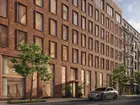
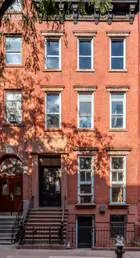
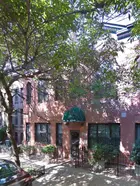
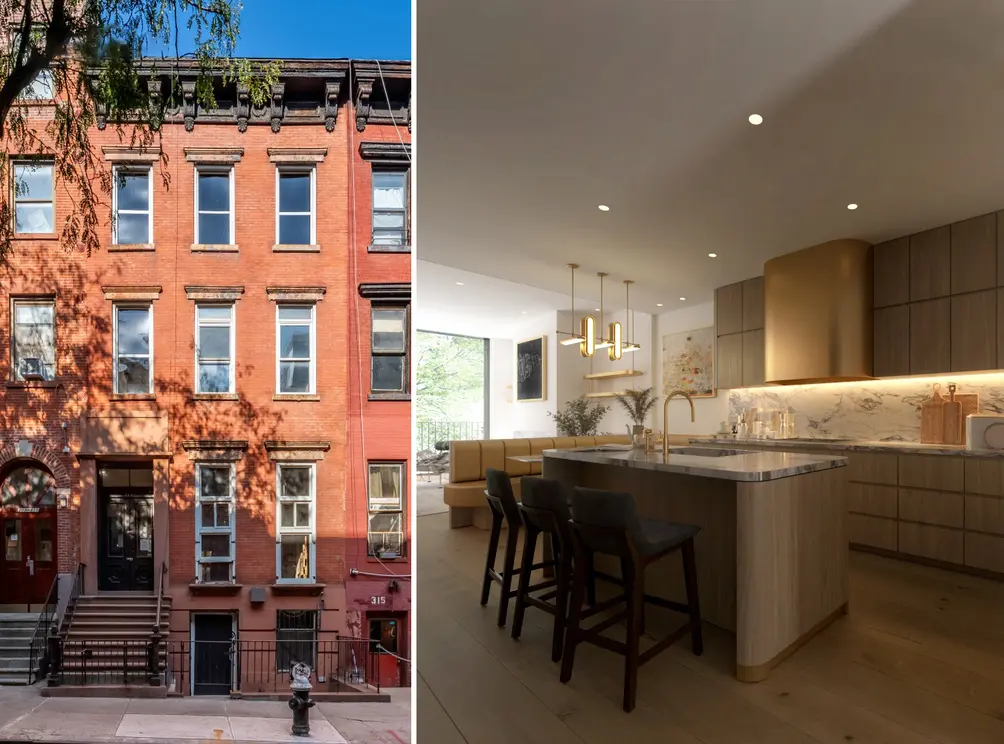 Rothko House | https://www.cityrealty.com/nyc/east-village/rothko-house-313-east-6th-street/435
As an aside, painter Mark Rothko rented what was likely a cheap room in the East Village in the 1930s; his painting "Thru the Window" was inspired by his time there, and the address is inscribed on the back. Nearly 100 years later, the house at 313 East 6th Street has been converted to Rothko House, a pair of triplex condominiums with luxuries like high-end finishes, smart thermostats, in-unit laundry, private storage included, and private outdoor space. Prices will start at $5.8 million.
"We don't live here for the great weather or the spacious apartments—we live here because we have the best arts and culture on planet Earth" — Councilmember Erik Bottcher
The report cautioned that the loss of artists could cause New York City to lose an essential part of its identity, and lose its appeal among both tourists and locals in the process. To prevent this from happening, it proposes such solutions as addressing the affordability crisis all over the city, integrating an artist preference into affordable housing programs, having the city partner with non-profits to raise creative workers' wages and benefits, and a five-borough cultural festival comparable to Austin's SXSW to celebrate local talent. It came out about a month after Councilmembers Keith Powers and Erik Bottcher proposed legislation that would make it easier to create affordable housing for artists.
In the meantime, it cannot be overlooked that New York City properties often don't qualify for programs designed to assist first-time homebuyers in all industries. There are generally three reasons for this:
1. First, many buyer’s assistance programs place caps on the value of the home one can
purchase. With New York City’s high property values, it can be challenging to find a
home inexpensive enough to qualify.
2. Much of the housing stock in New York City is comprised of cooperatives, and their boards are free to determine thresholds for financing (thresholds for financing are generally capped at 80% but can be as low as 20%). As a result, while a buyer may qualify for a first-time buyer program (e.g., a Federal Housing Administration (FHA) low down payment mortgage), they may struggle to gain approval to use a low down payment mortgage to purchase a property in New York City.
3. Beyond the expectation that buyers bring at least 20% or more to any deal, closing costs in New York City are generally much higher than they are in other regions of the country.
2. Much of the housing stock in New York City is comprised of cooperatives, and their boards are free to determine thresholds for financing (thresholds for financing are generally capped at 80% but can be as low as 20%). As a result, while a buyer may qualify for a first-time buyer program (e.g., a Federal Housing Administration (FHA) low down payment mortgage), they may struggle to gain approval to use a low down payment mortgage to purchase a property in New York City.
3. Beyond the expectation that buyers bring at least 20% or more to any deal, closing costs in New York City are generally much higher than they are in other regions of the country.
Despite these restrictions, there are a few programs that continue to help New Yorkers enter the
housing market for the first time. This two-part article discusses available programs at the city, state, and federal levels that exclusively target or primarily target first-time buyers. This article also details the specific conditions under which these programs do and do not apply. The first part of this article examines city-level programs designed to support first-time buyers.
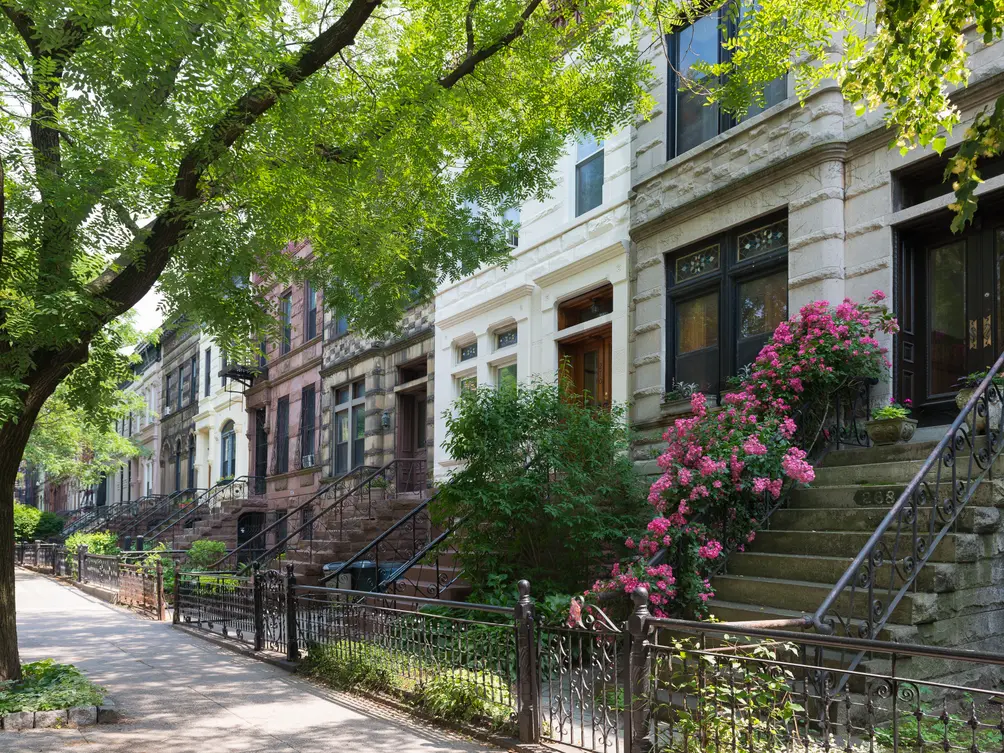 Dreamy brownstones in Prospect Heights (CityRealty)
HomeFirst Down Payment Assistance
The only city-based program exclusively targeting first-time buyers is the NYC Housing Preservation & Development’s (HPD) HomeFirst Down Payment Assistance Program. As stated on the program’s homepage, the program provides qualified buyers with up to $100,000 toward the down
payment or closing costs on any condominium, cooperative, or one- to four-bedroom home
purchased in the five boroughs. To qualify, buyers must meet the program’s outlined criteria:
1. Be a first-time homebuyer;
2. Complete a homebuyer education course (these are offered by HPD-approved agencies);
3. Work with an HPD-approved Housing Counseling Agency to complete a HomeFirst Loan Application (more information on this here);
4. Have some savings to contribute to the down payment or closing costs;
5. Meet program income eligibility requirements;
6. Make a minimum down payment of 3% of the purchase price towards the home purchase;
7. Purchase an eligible home (e.g., a condominium, cooperative, or 1-4 unit home in the five boroughs of New York City);
8. Pass a Housing Quality Standards (HQS) inspection;
9. Live in the home for at least 10 years following the purchase if the loan is less than or equal to $40,000, or at least 15 years if the loan is greater than $40,000;
10. Have a household income up to 80% AMI (e.g., for a family of four, this is $124,400).
2. Complete a homebuyer education course (these are offered by HPD-approved agencies);
3. Work with an HPD-approved Housing Counseling Agency to complete a HomeFirst Loan Application (more information on this here);
4. Have some savings to contribute to the down payment or closing costs;
5. Meet program income eligibility requirements;
6. Make a minimum down payment of 3% of the purchase price towards the home purchase;
7. Purchase an eligible home (e.g., a condominium, cooperative, or 1-4 unit home in the five boroughs of New York City);
8. Pass a Housing Quality Standards (HQS) inspection;
9. Live in the home for at least 10 years following the purchase if the loan is less than or equal to $40,000, or at least 15 years if the loan is greater than $40,000;
10. Have a household income up to 80% AMI (e.g., for a family of four, this is $124,400).
Other City Programs Designed to Help Renters Transition to Home Ownership
HomeFirst Down Payment Assistance is the only local program that specifically targets first-time
buyers, but there are a few other programs that support first-time buyers (along with other buyers)
by offering access to below-market-rate opportunities. Notably, under some conditions, these programs can be used in conjunction with the HomeFirst Down Payment Assistance.
● City-Sponsored Home Ownership Programs: NYC Housing Preservation & Development occasionally has opportunities for prospective homebuyers. These opportunities are listed on the Housing Connect page. Eligibility is based on meeting the city’s income guidelines for affordable housing and other factors, including one’s credit history.
● City-Sponsored Home Ownership Programs: NYC Housing Preservation & Development occasionally has opportunities for prospective homebuyers. These opportunities are listed on the Housing Connect page. Eligibility is based on meeting the city’s income guidelines for affordable housing and other factors, including one’s credit history.
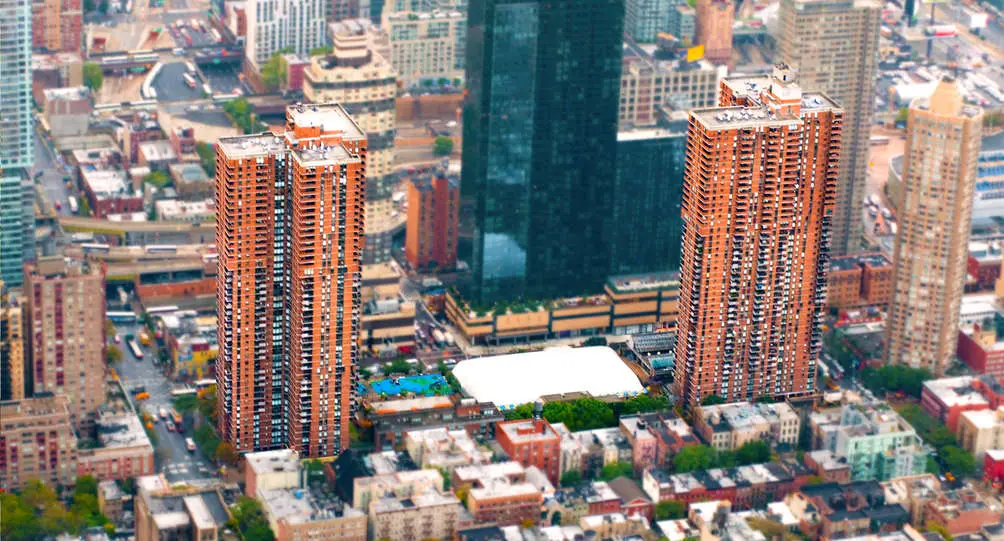 The Mitchell Lama housing complex called Manhattan Plaza (photo via LIHC Investment Group)
● Mitchell-Lama:
The origins of the Mitchell-Lama program date back to the mid-20th century when Senator
MacNeil Mitchell set out to create an affordable option for middle-class New Yorkers who
wished to purchase their own home. While the program has never been restricted to New
York City, most Mitchell-Lama developments, which were constructed in the 1950s to
1960s, were built in the five boroughs. Today, opportunities to purchase a Mitchell-Lama
unit occasionally still do arise but waiting lists for these highly affordable cooperative units are long and competition is tight. Prospective buyers can stay up to date on open waiting list lotteries for Mitchell-Lama co-ops here.
● HDFC: While one doesn’t have to be a first-time buyer to qualify for a Housing Development Fund Cooperation (HDFC) unit, most HDFC buyers are first-time buyers. This reflects the fact that these units are well below market rent (e.g., it is still possible to buy many two-bedroom HDFC units for under $300,000, even in Manhattan). However, depending on the specific terms of sale, HDFC units may or may not be affordable. Because they are cooperatives, sellers and boards can set the terms of sales. As a result, these highly affordable units often come with unusual terms—for example, to qualify, you may need to have an extremely low income and yet be expected to bring an extremely high down payment to the deal. Read more about HDFC opportunities and their restrictions here.
● HDFC: While one doesn’t have to be a first-time buyer to qualify for a Housing Development Fund Cooperation (HDFC) unit, most HDFC buyers are first-time buyers. This reflects the fact that these units are well below market rent (e.g., it is still possible to buy many two-bedroom HDFC units for under $300,000, even in Manhattan). However, depending on the specific terms of sale, HDFC units may or may not be affordable. Because they are cooperatives, sellers and boards can set the terms of sales. As a result, these highly affordable units often come with unusual terms—for example, to qualify, you may need to have an extremely low income and yet be expected to bring an extremely high down payment to the deal. Read more about HDFC opportunities and their restrictions here.
Part two of this article outlines several state and federal programs that can be used on their own or in conjunction with the aforementioned local programs to help tenants make the leap from renting to homeownership.
Would you like to tour any of these properties?
Just complete the info below.
Or call us at (212) 755-5544
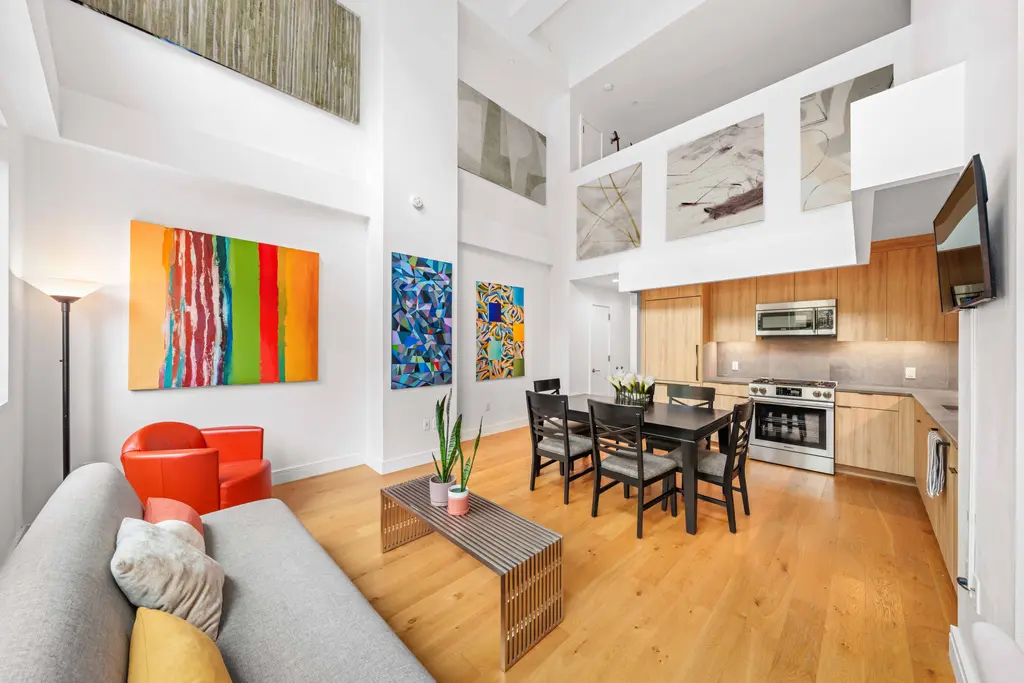
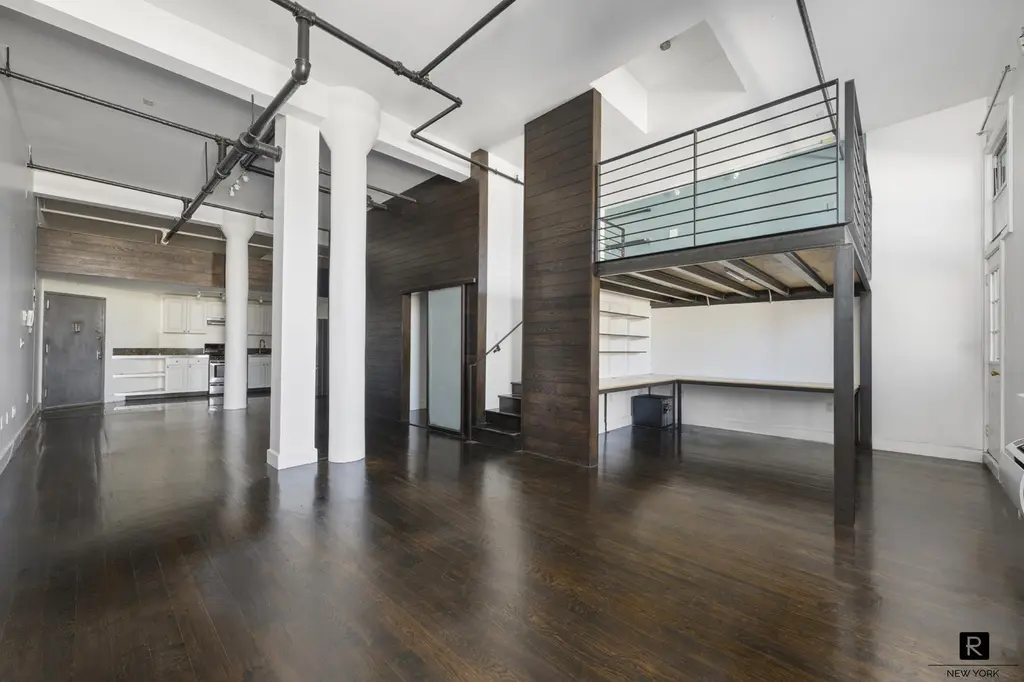
Select High-Celing Lofts on the Market Now
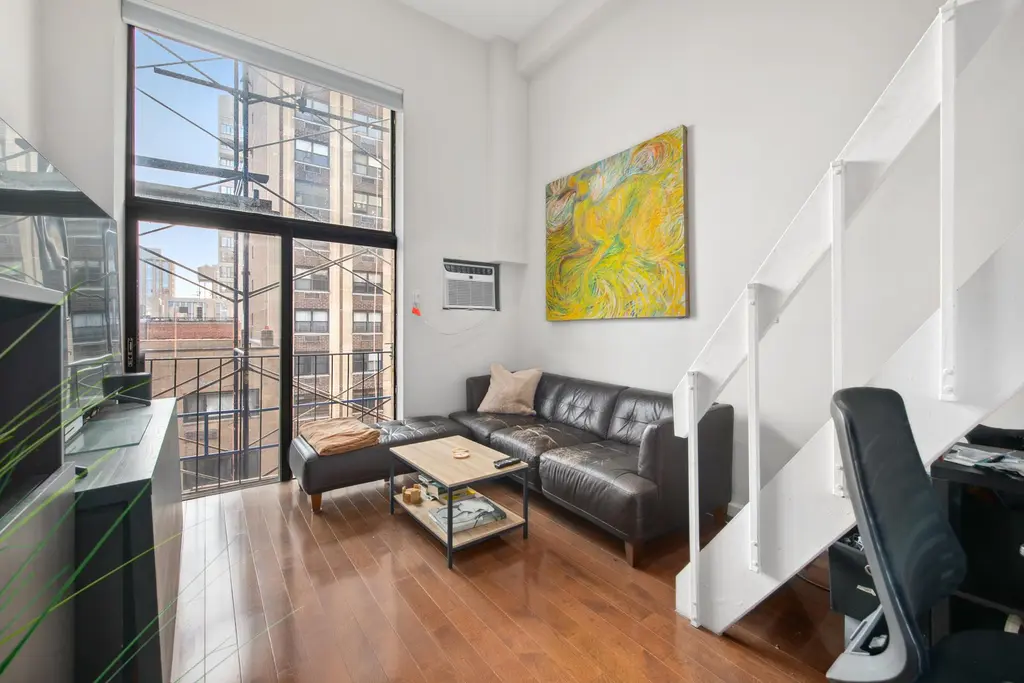
The Penny Lane, #617 (Douglas Elliman Real Estate)
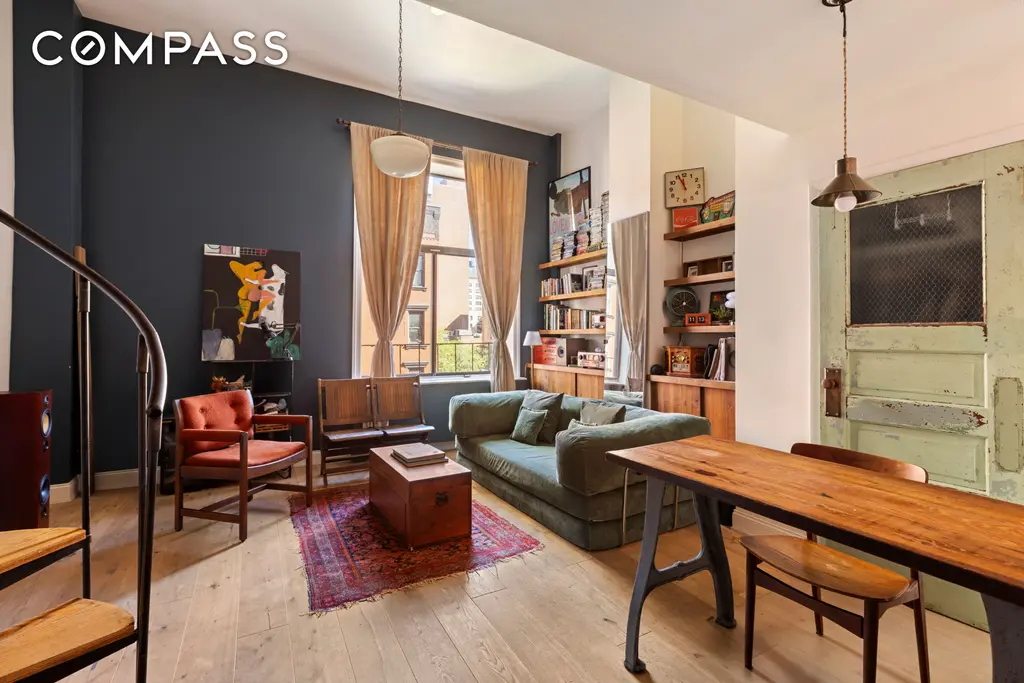
160 East 26th Street, #4B (Compass)
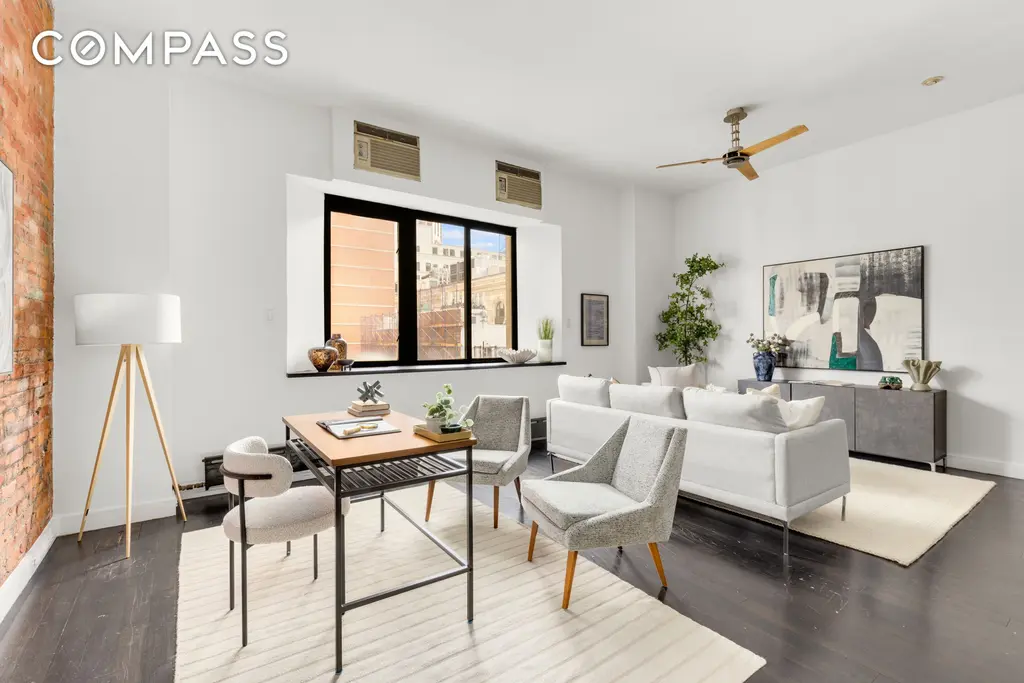
372 Fifth Avenue, #7L (Compass)
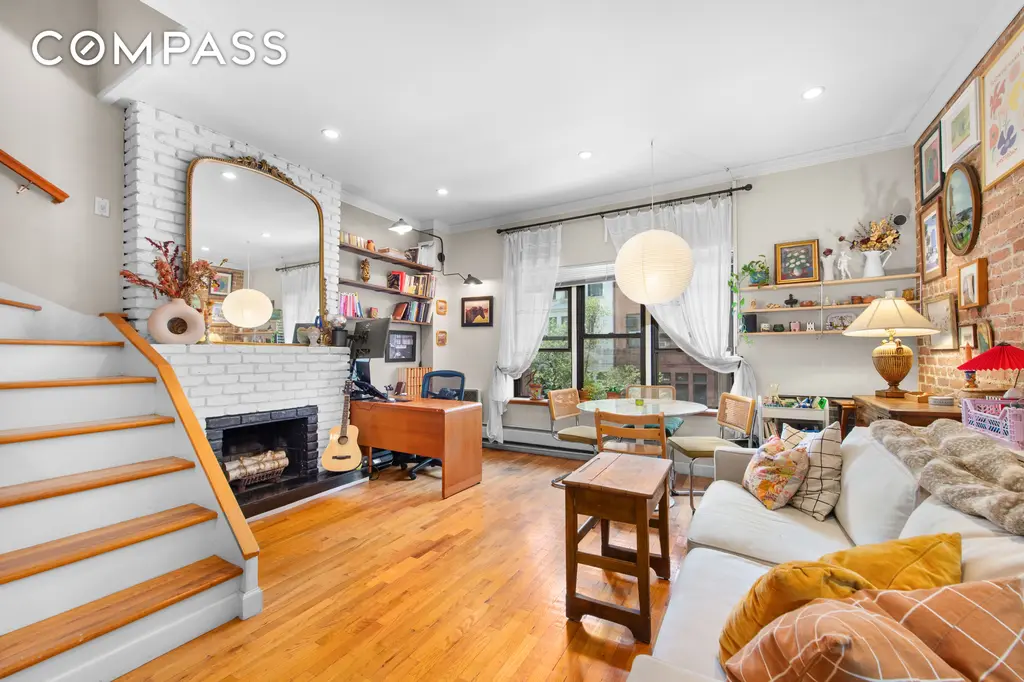
261 West 71st Street, #8 (Compass)
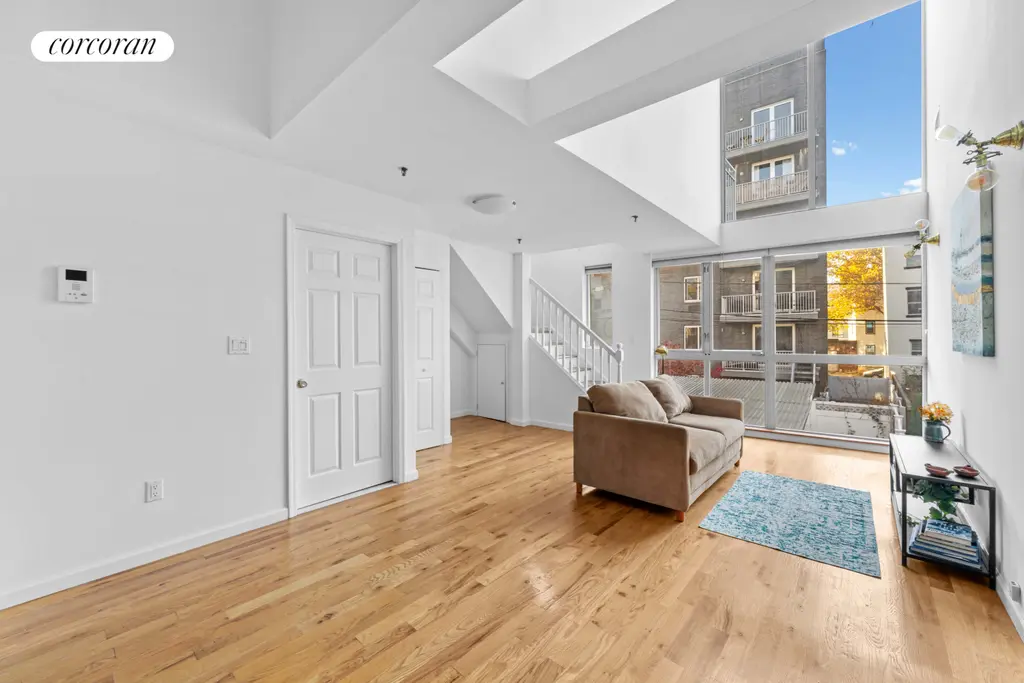
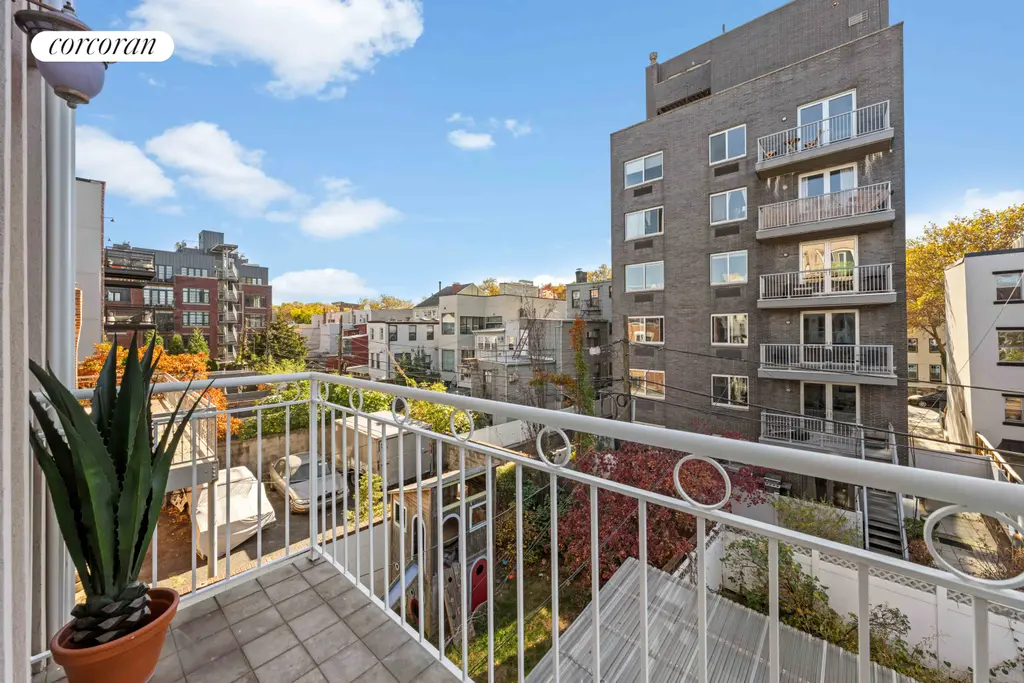
30 Devoe Street, #2B (Corcoran Group)
254 Park Avenue South, #3L
$1,050,000 (-8.7%)
Flatiron/Union Square | Condominium | 1 Bedroom, 1 Bath | 782 ft2
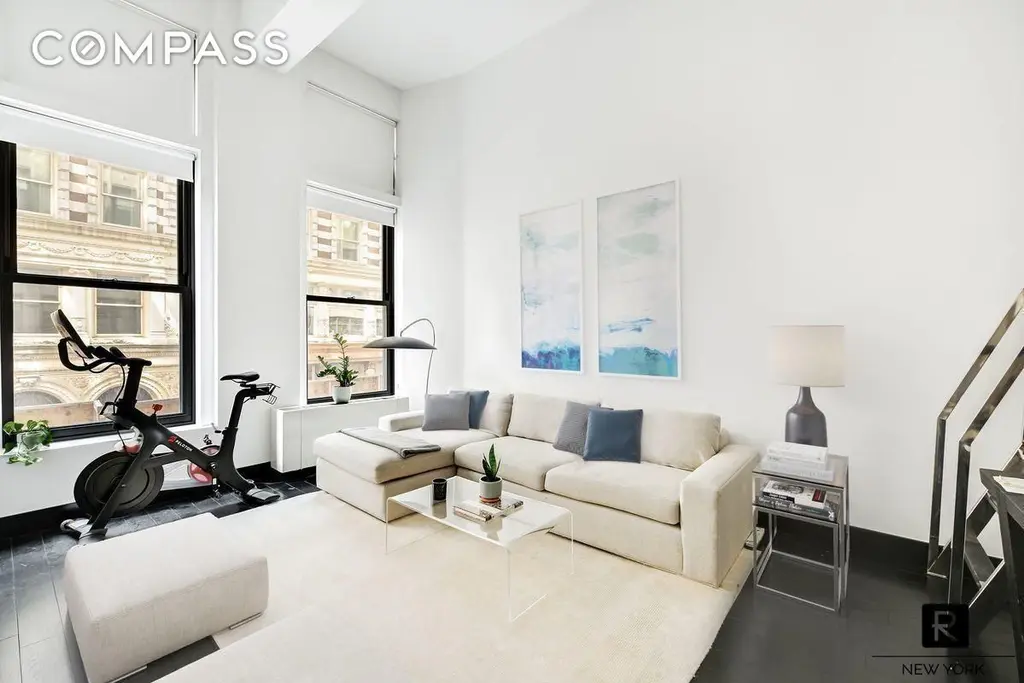
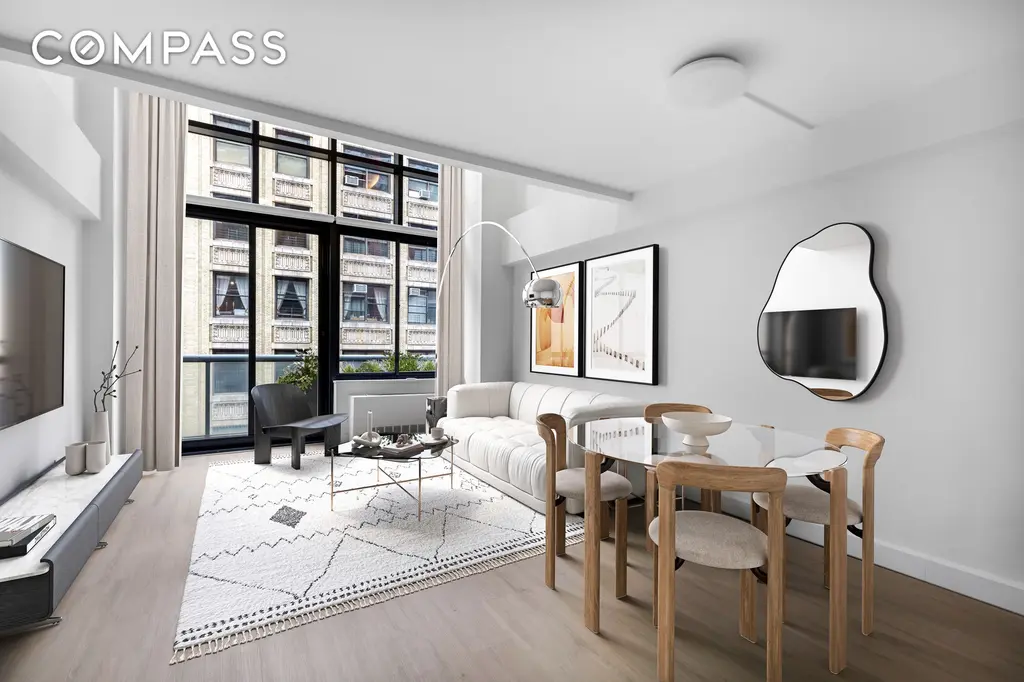
254 Park Avenue South, #3L (Compass)
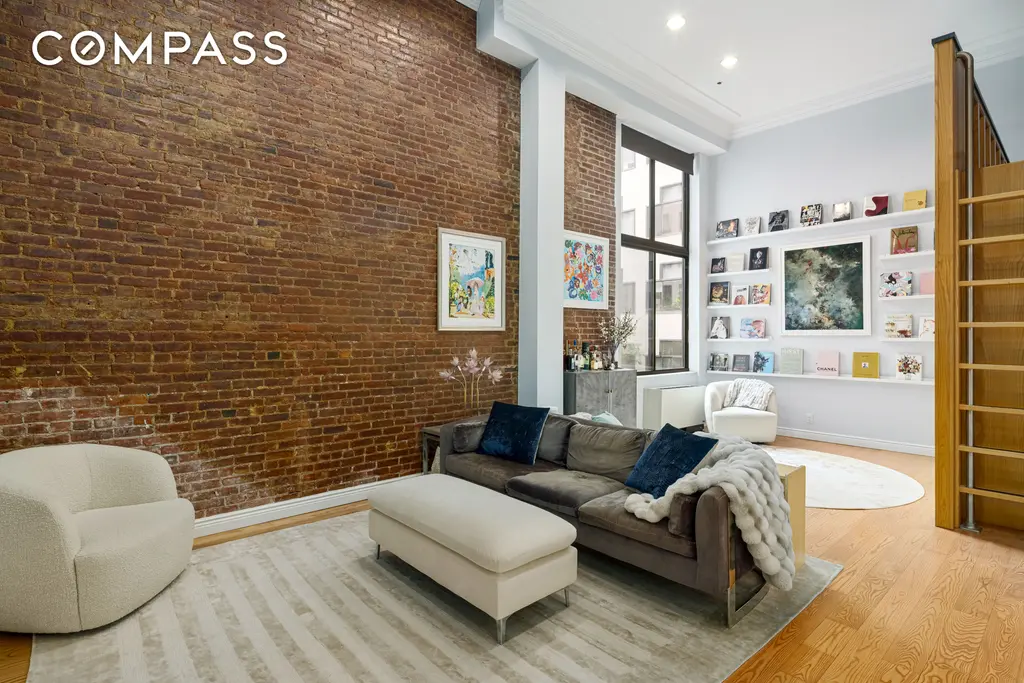
The Savannah, #7E (Compass)
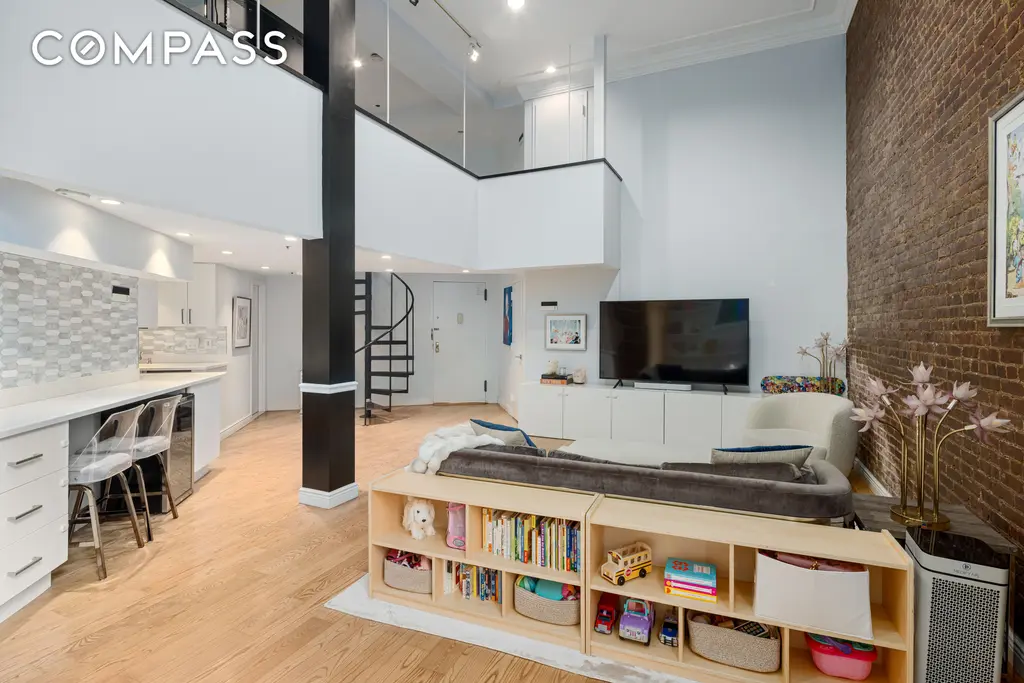
Bleecker Court, #320 (Compass)
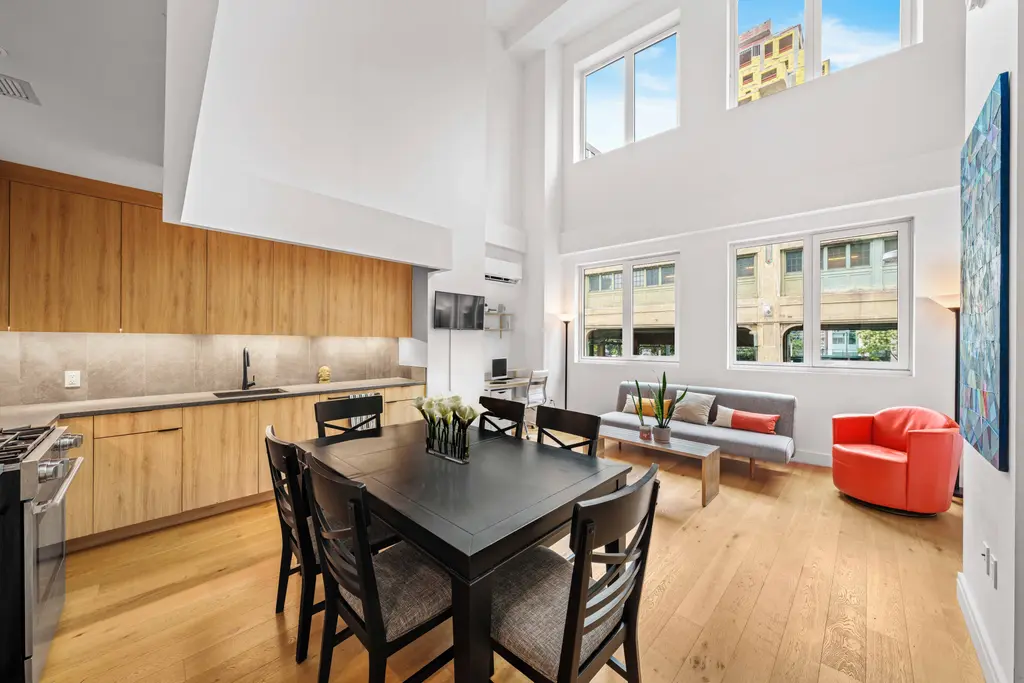
Hero LIC, #2A (The Roebling Group LLC)
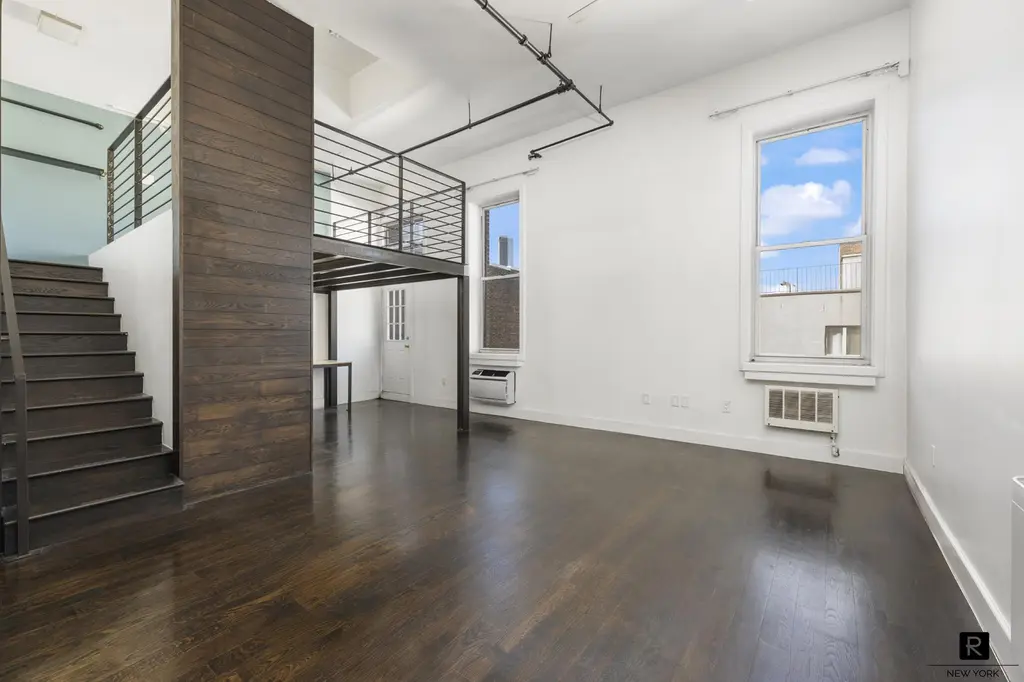
Bridge No. 50, #506 (R New York)
Grosvenor House, #11B
$1,350,000
Flatiron/Union Square | Condominium | 1 Bedroom, 1.5 Baths | 804 ft2
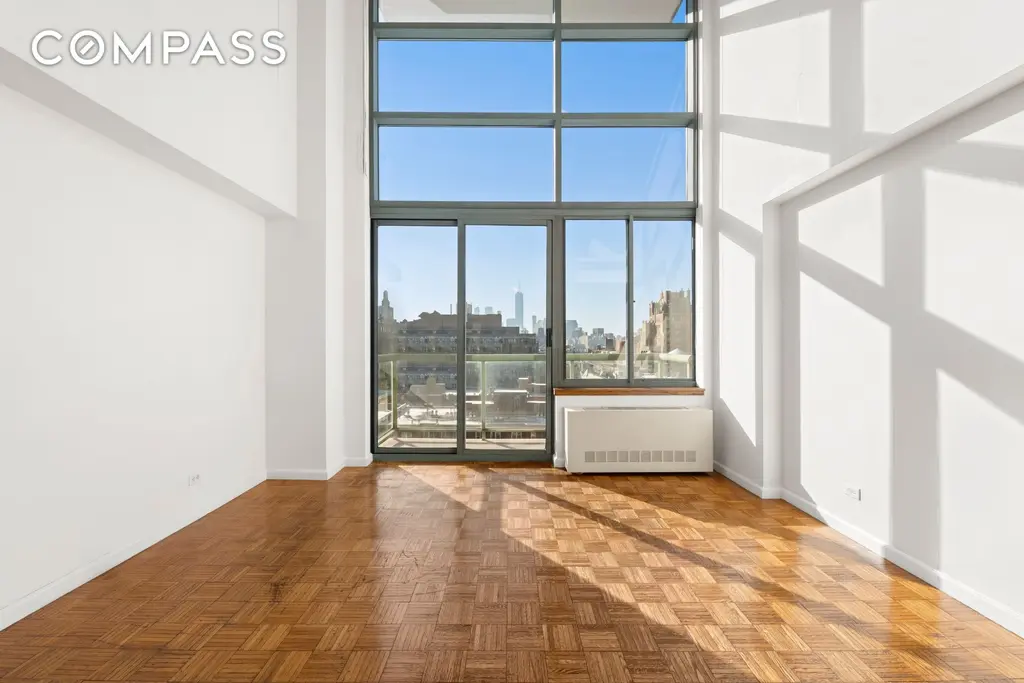
Grosvenor House, #11B (Compass)
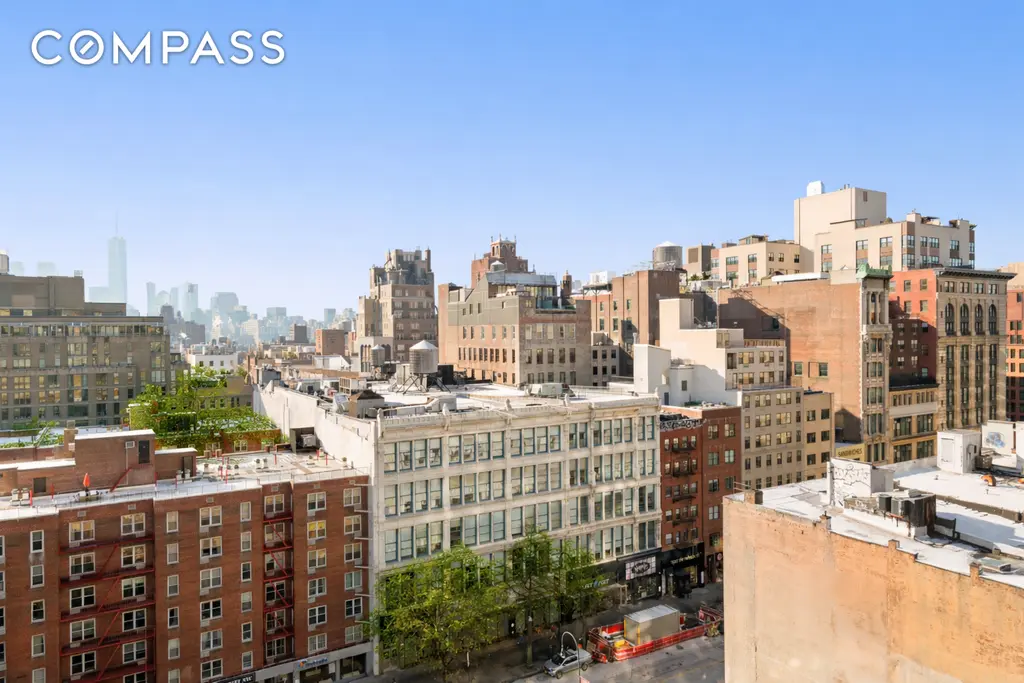
The Glass House on Green Street, #401
$1,350,000 (-3.6%)
Greenpoint | Condominium | 2 Bedrooms, 1 Bath | 1,000 ft2
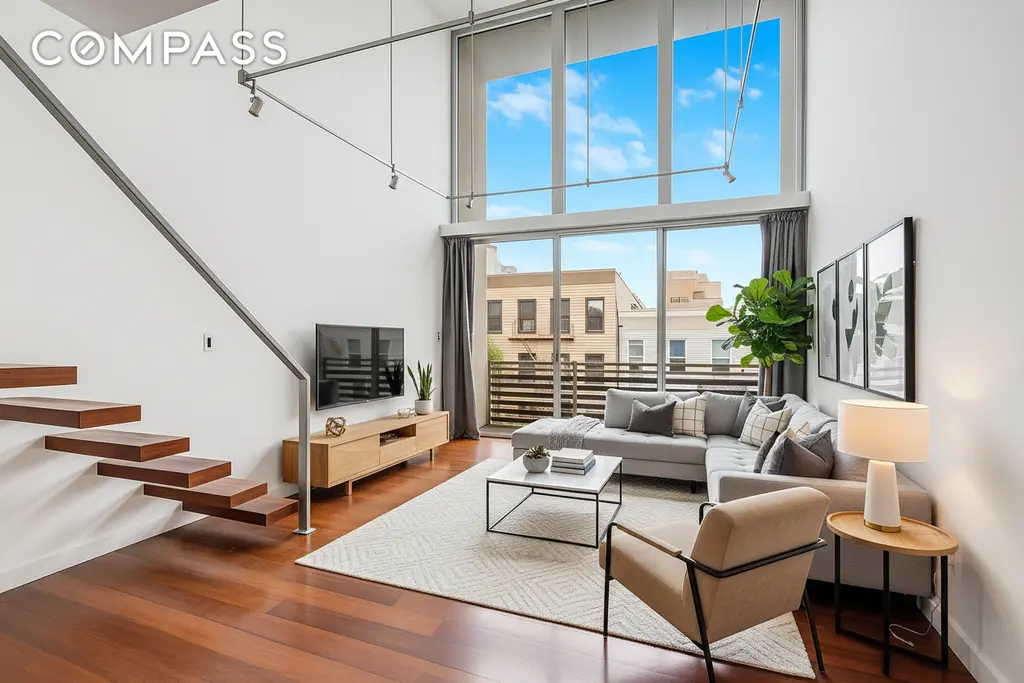
The Glass House on Green Street, #401 (Compass)
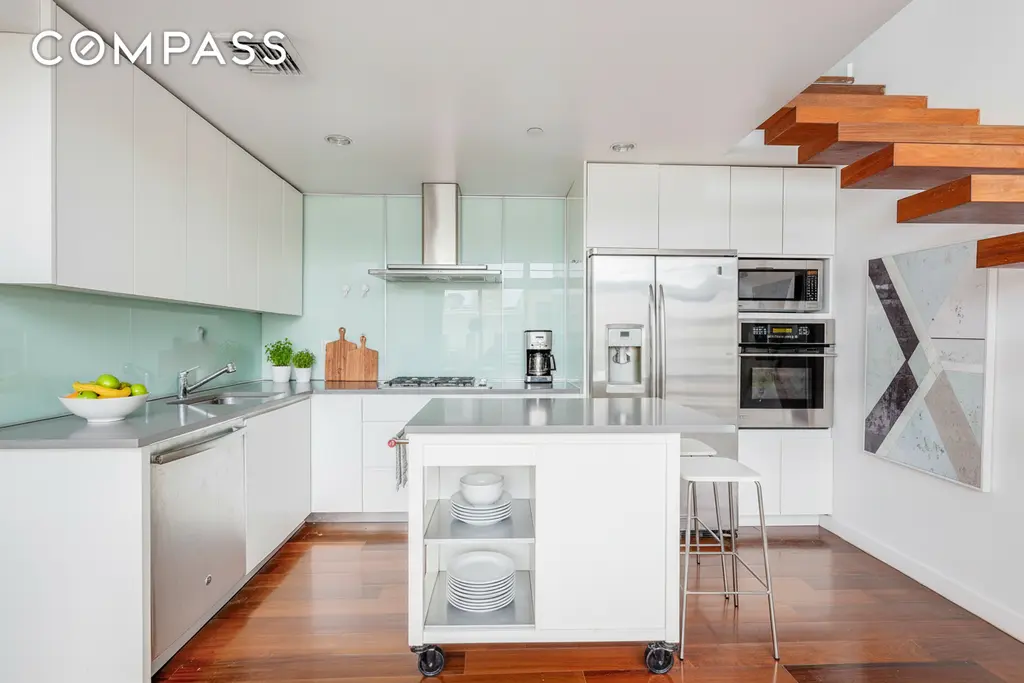
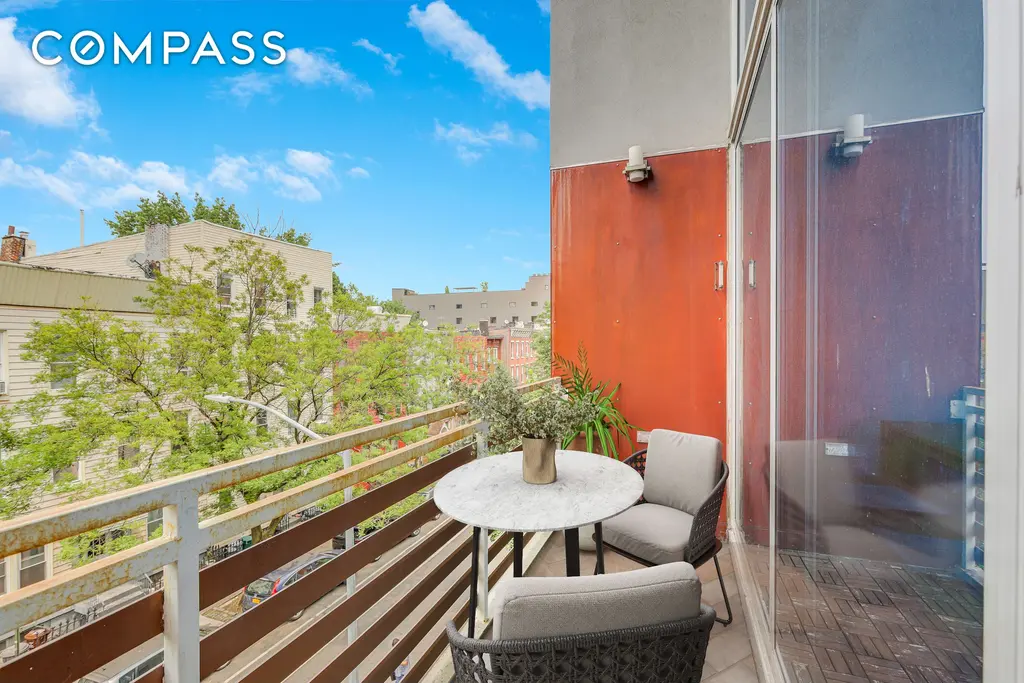
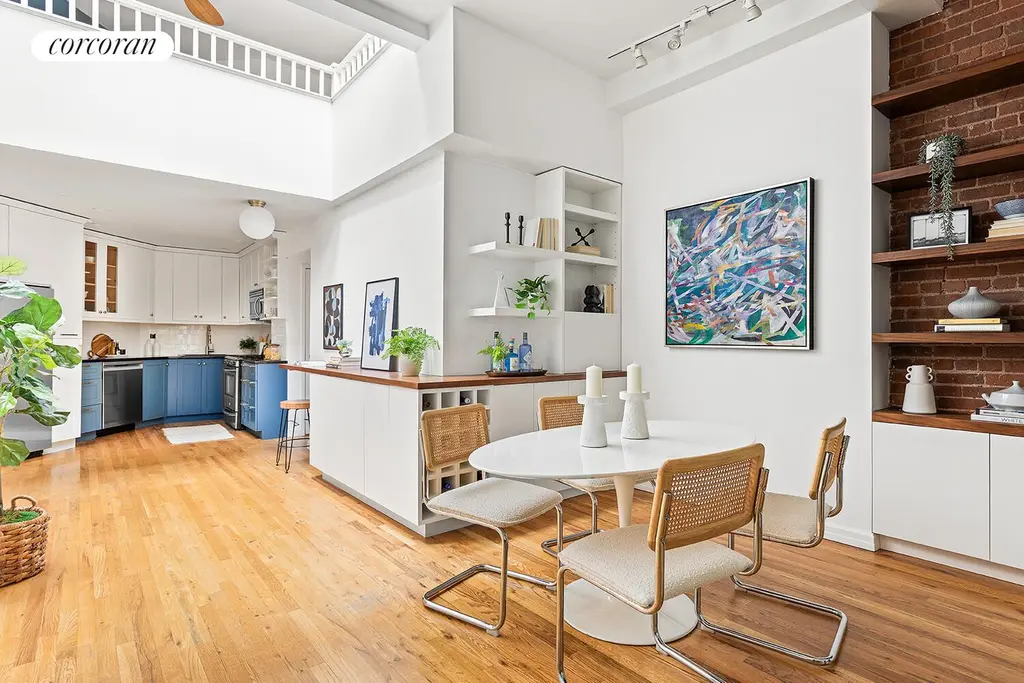
113 Sterling Place, #5 (Corcoran Group)
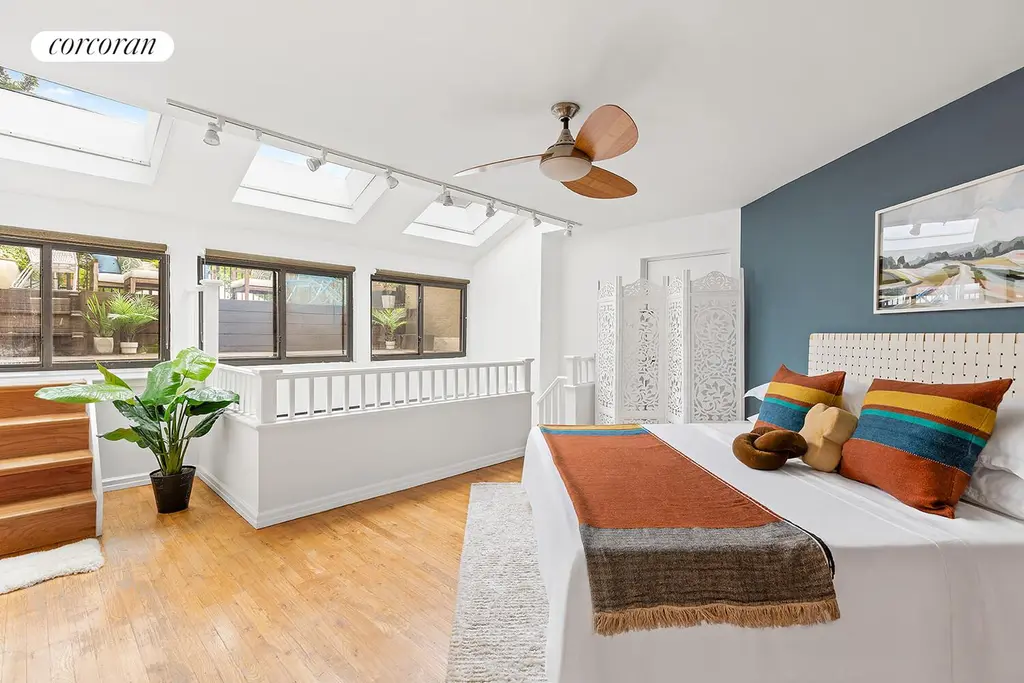
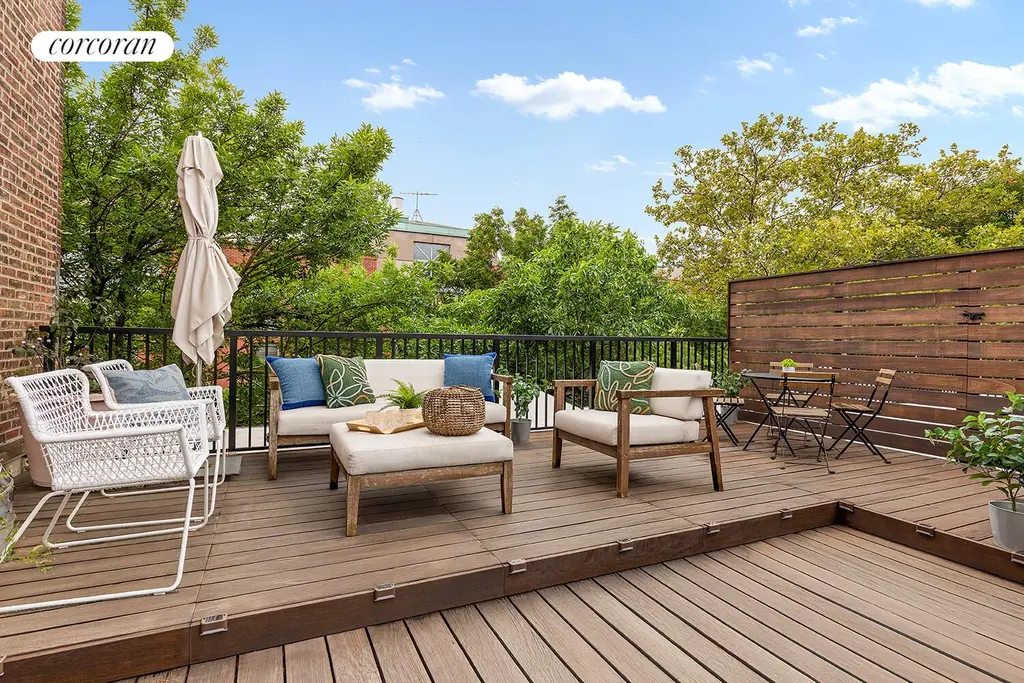

Linden Lane, #1F (Brown Harris Stevens Development Marketing LLC)
Gallery Apartments, #1403
$1,600,000 (-8.6%)
Park/Fifth Ave. to 79th St. | Condominium | 1 Bedroom, 1.5 Baths | 979 ft2
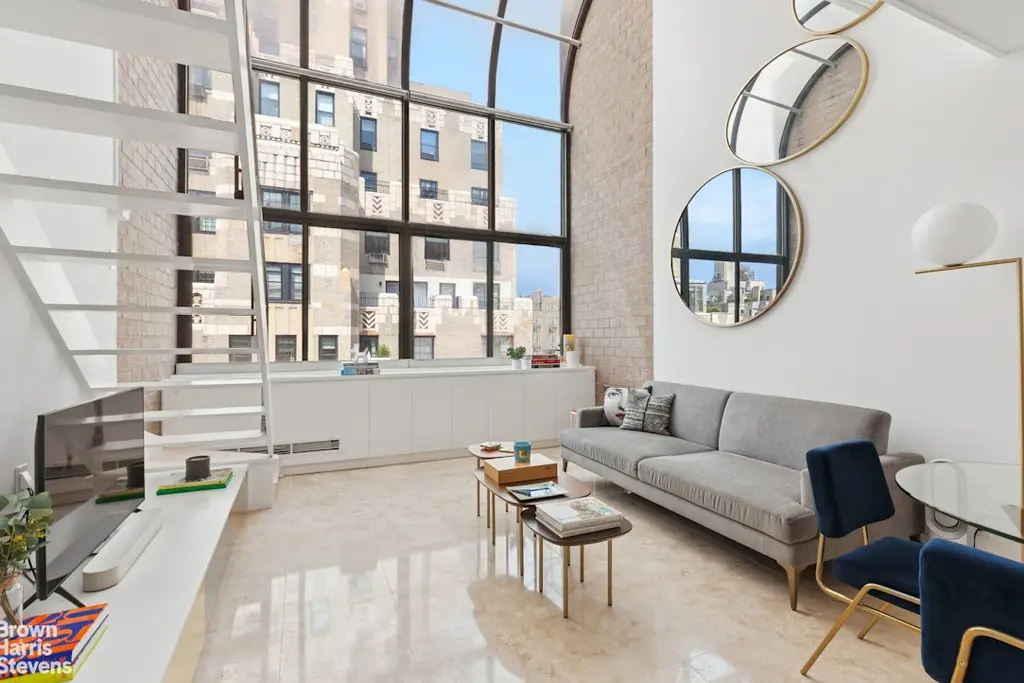
Gallery Apartments, #1403 (Brown Harris Stevens Residential Sales LLC)
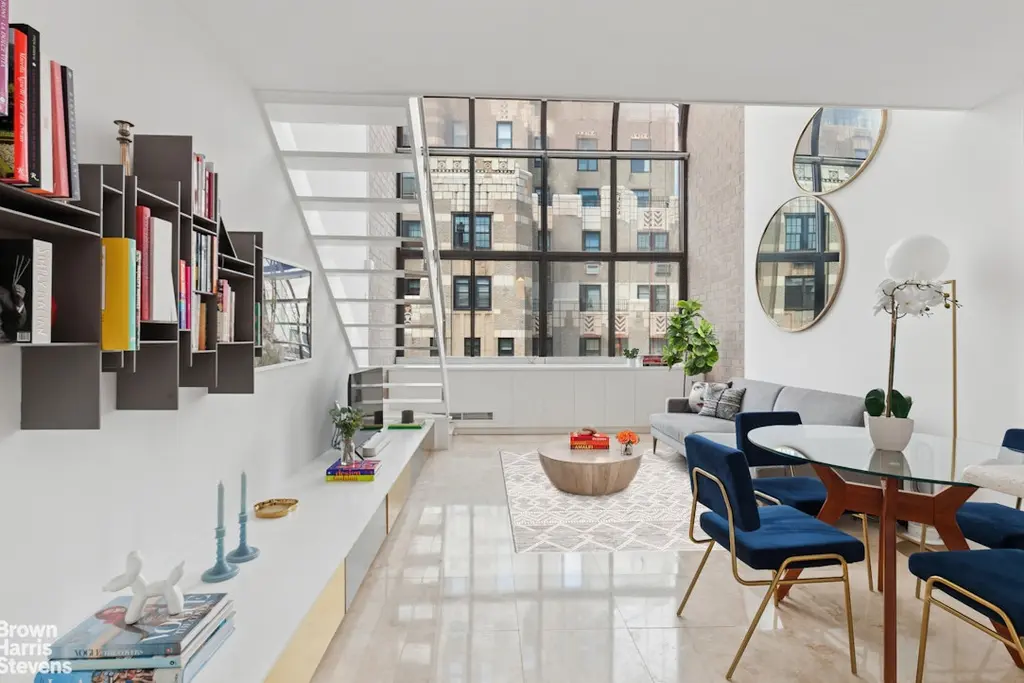
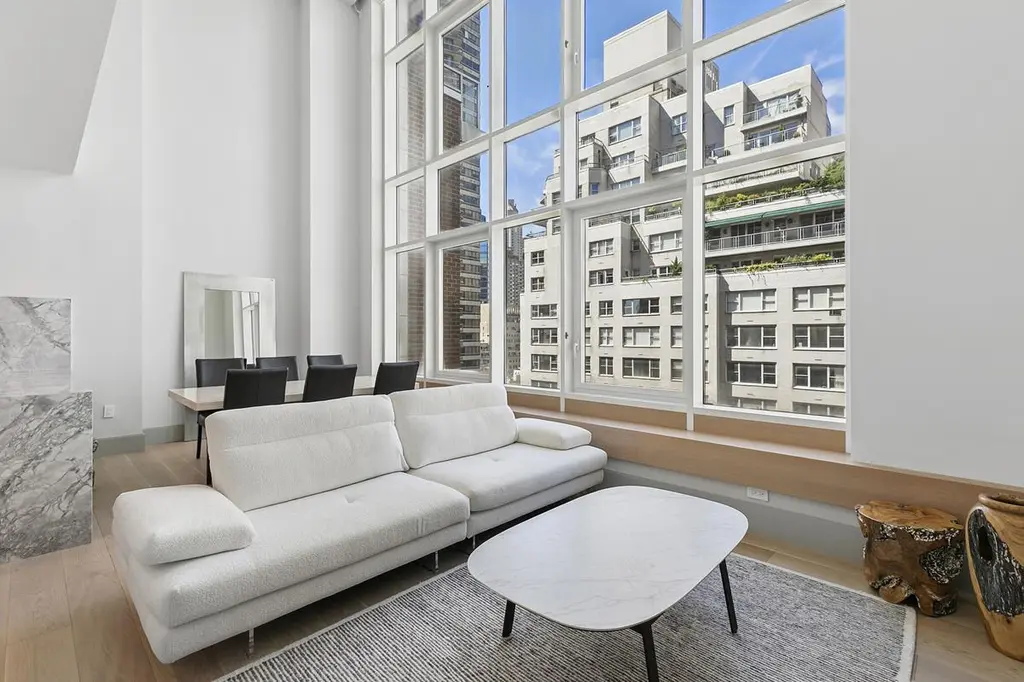
The Leyton, #12C (William Raveis New York City LLC)
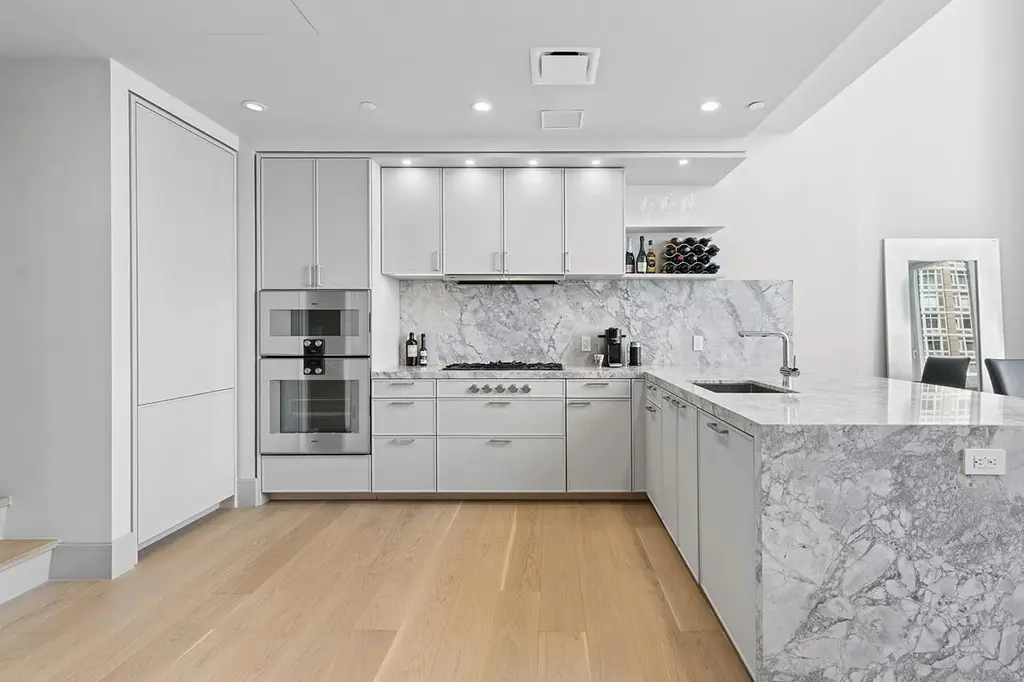
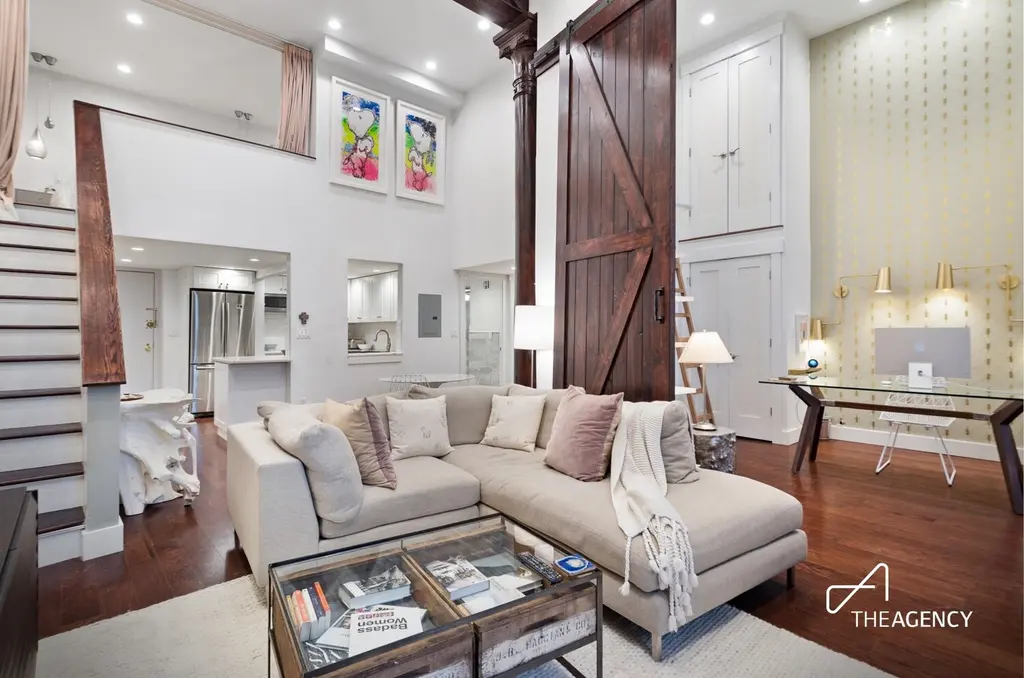
250 Mercer Street, #C216
$2,000,000
Greenwich Village | Cooperative | 2 Bedrooms, 2 Baths | 1,100 ft2
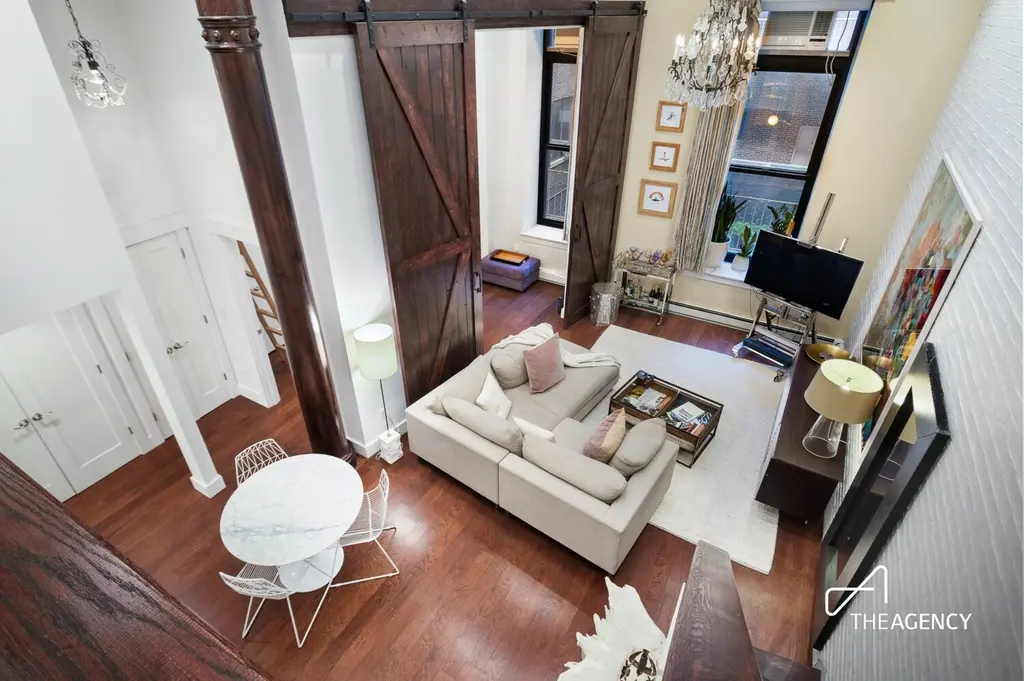
250 Mercer Street, #C216 (The Agency Brokerage)
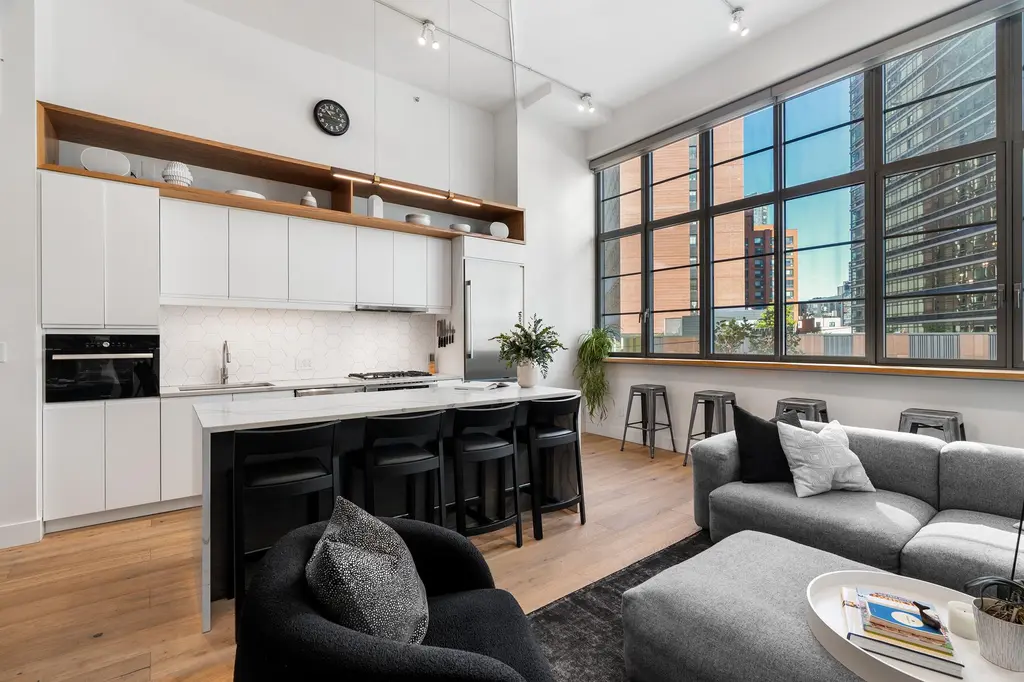
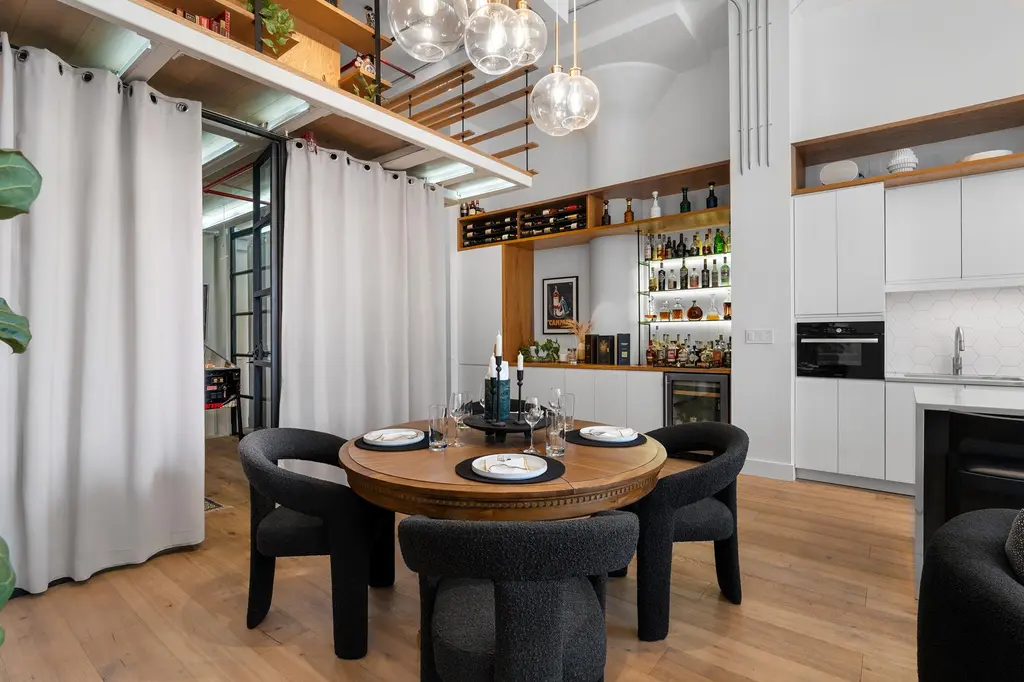
Arris Lofts, #304 (Modern Spaces)
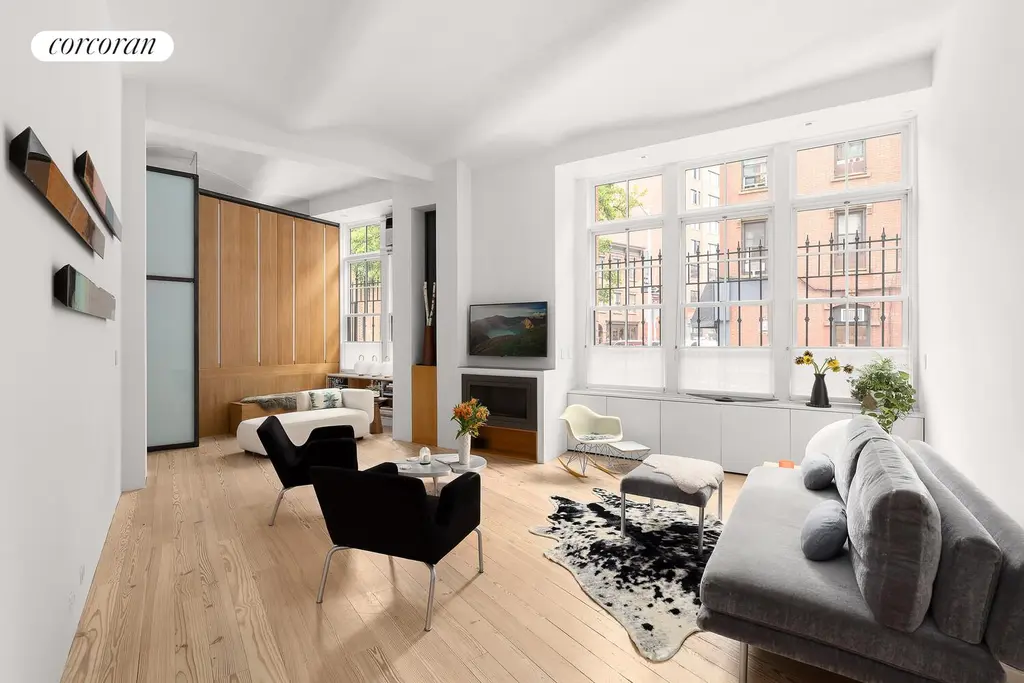
720 Greenwich Street, #1A (Corcoran Group)
1255 Fifth Avenue, #3-A
$2,899,000 (-17.2%)
East Harlem | Condominium | 2 Bedrooms, 2.5 Baths | 2,450 ft2
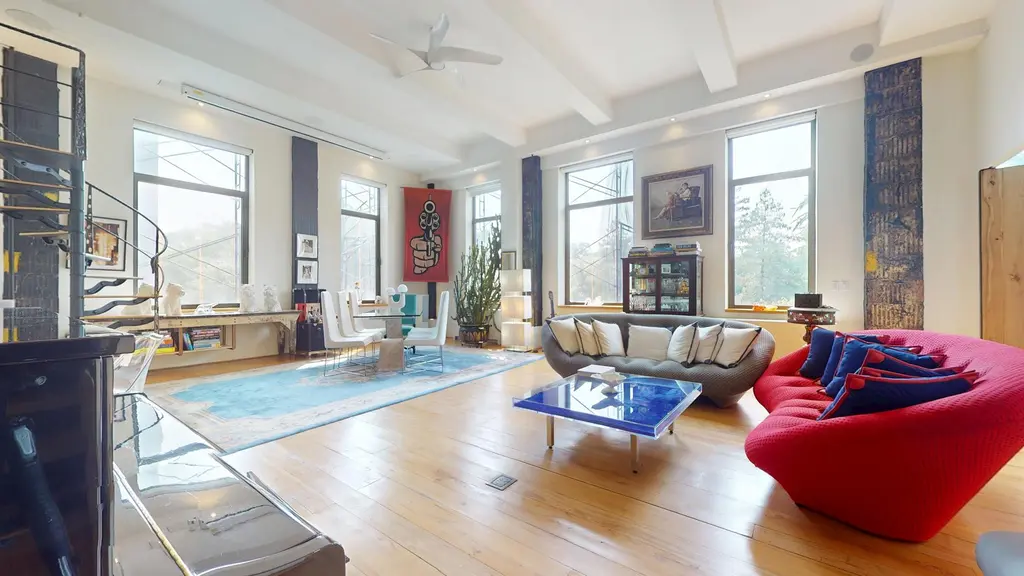
1255 Fifth Avenue, #3-A (EXP Realty NYC)
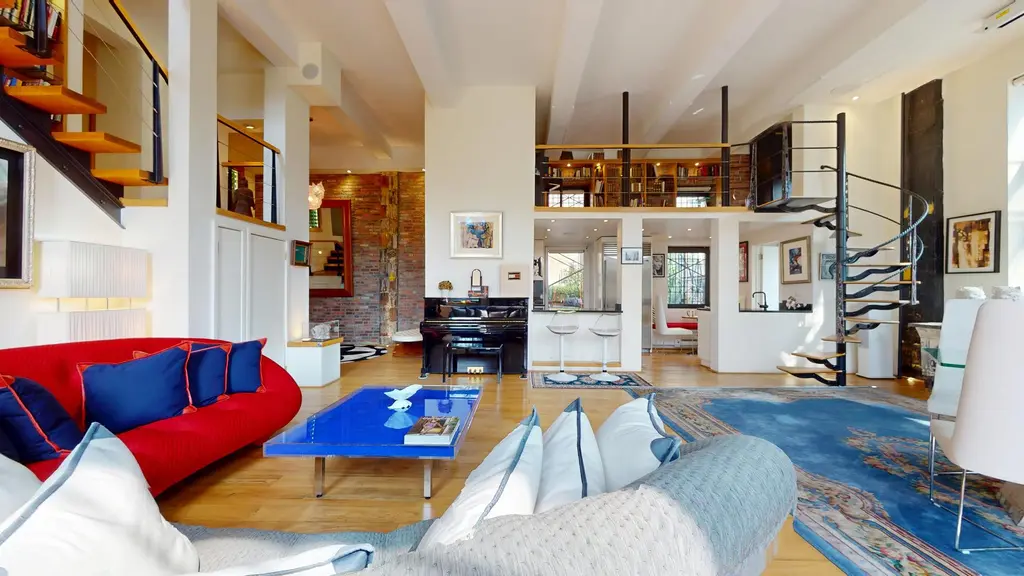
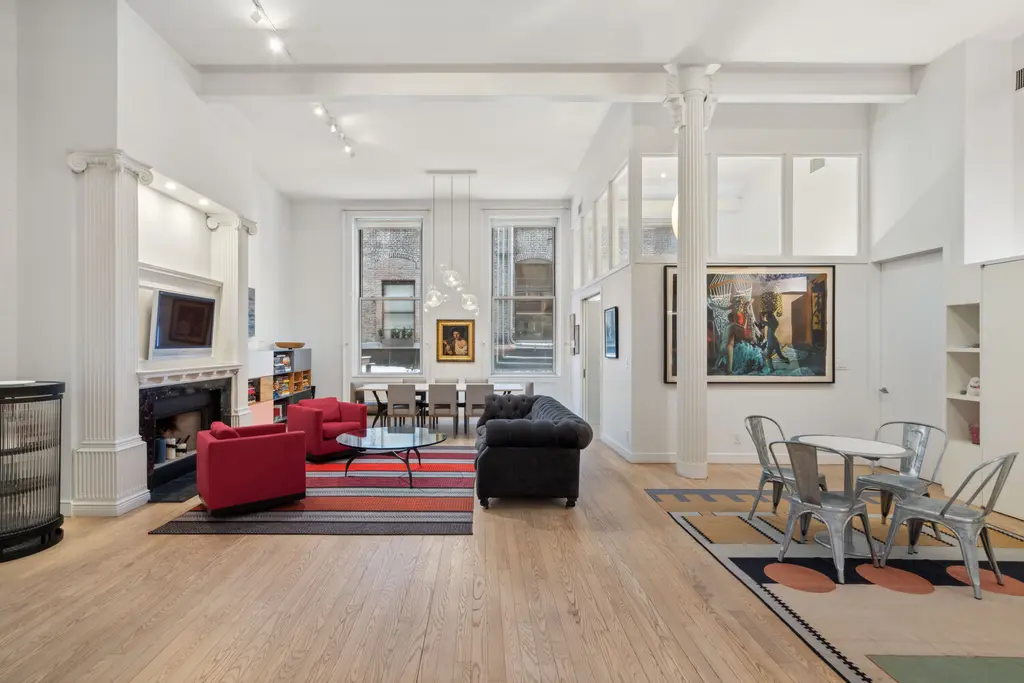
142 Duane Street, #2B (VESEY NY LLC)
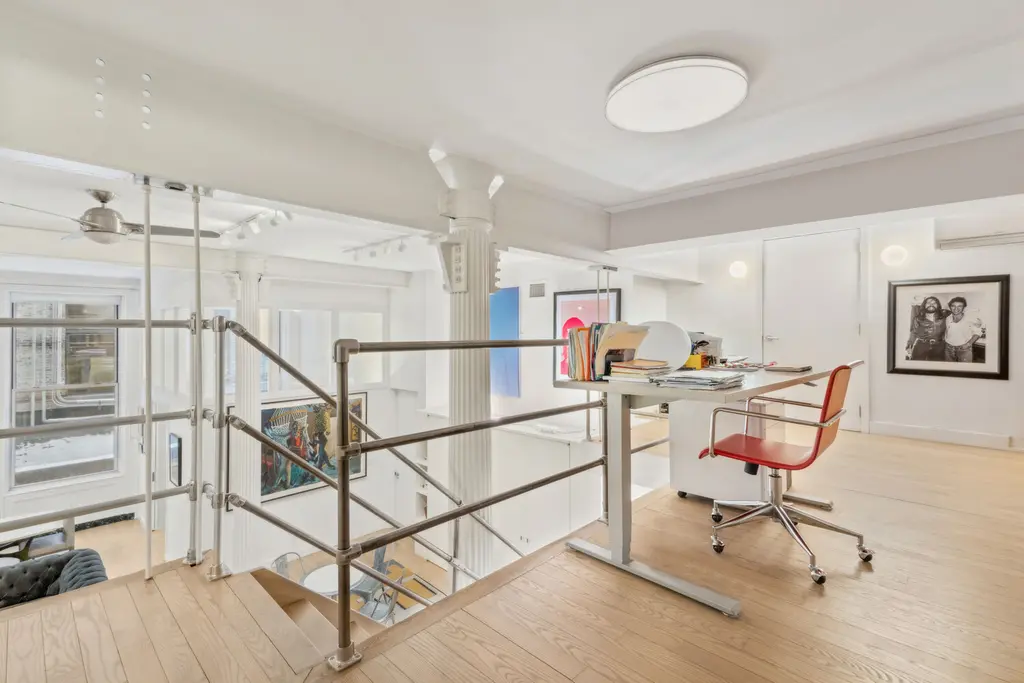
The International Tailoring Company Building, #9C
$3,199,000 (-3.6%)
East Village | Cooperative | 2 Bedrooms, 2 Baths
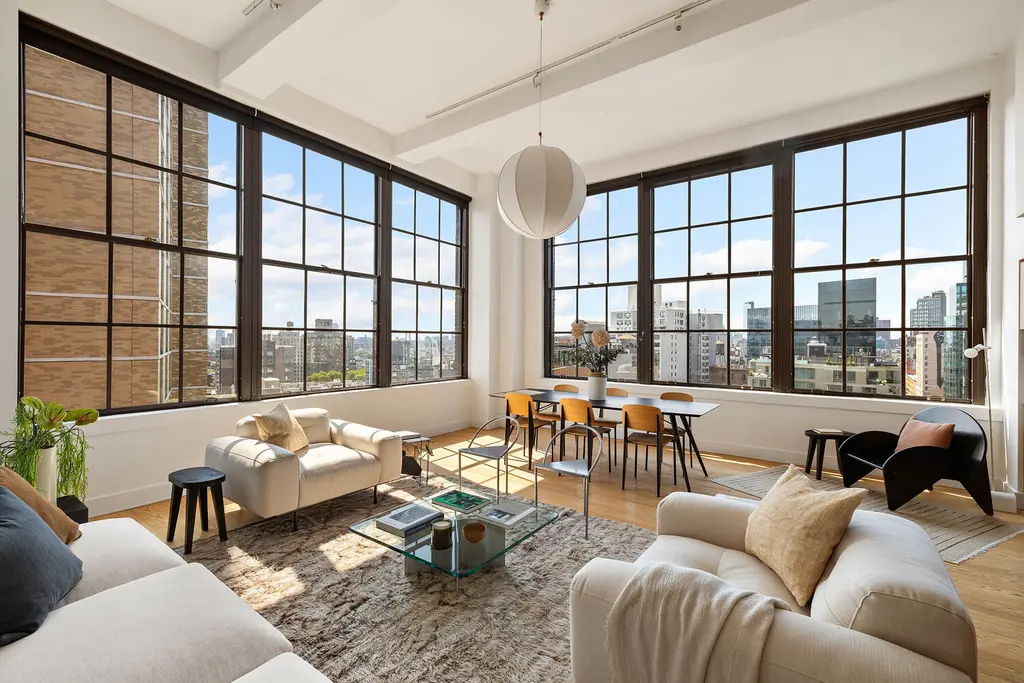
The International Tailoring Company Building, #9C (Serhant)
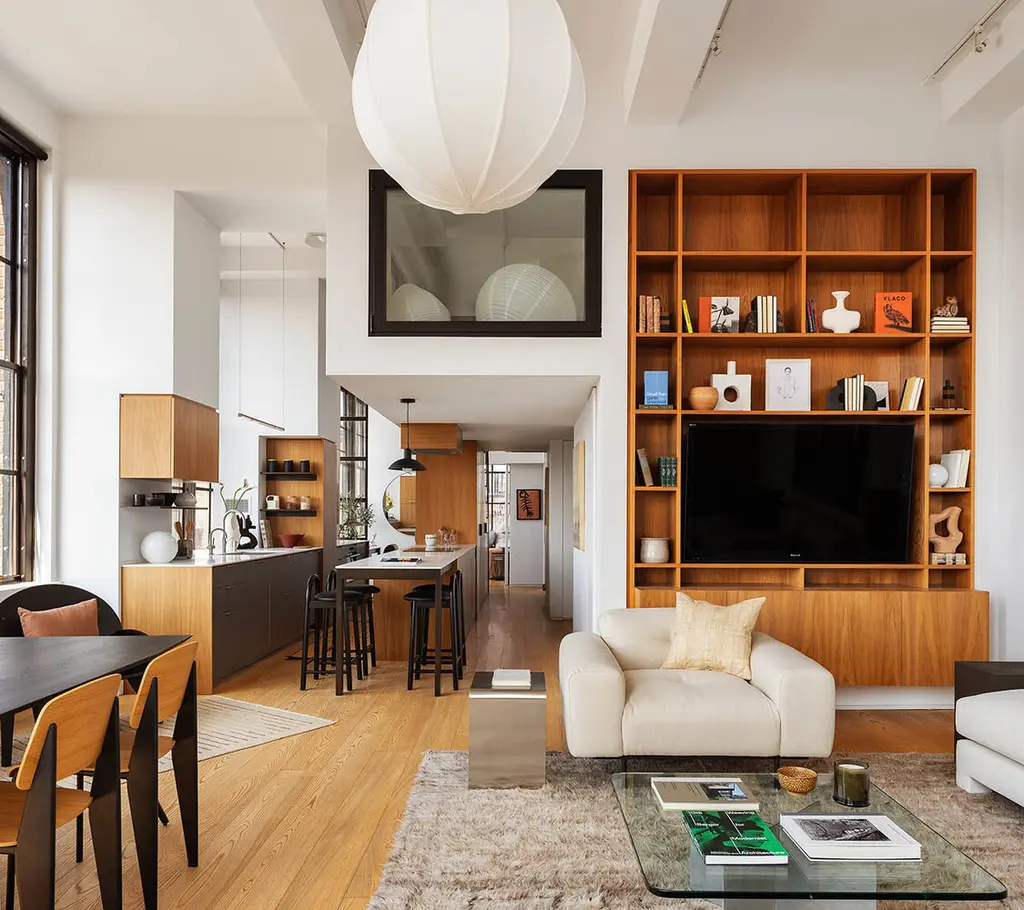
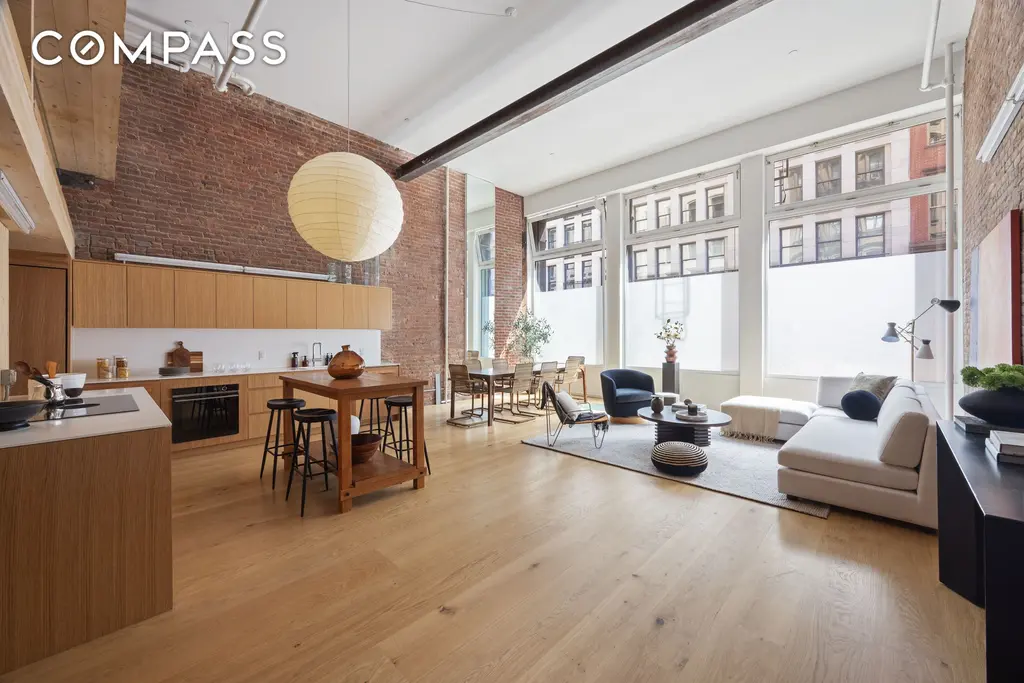
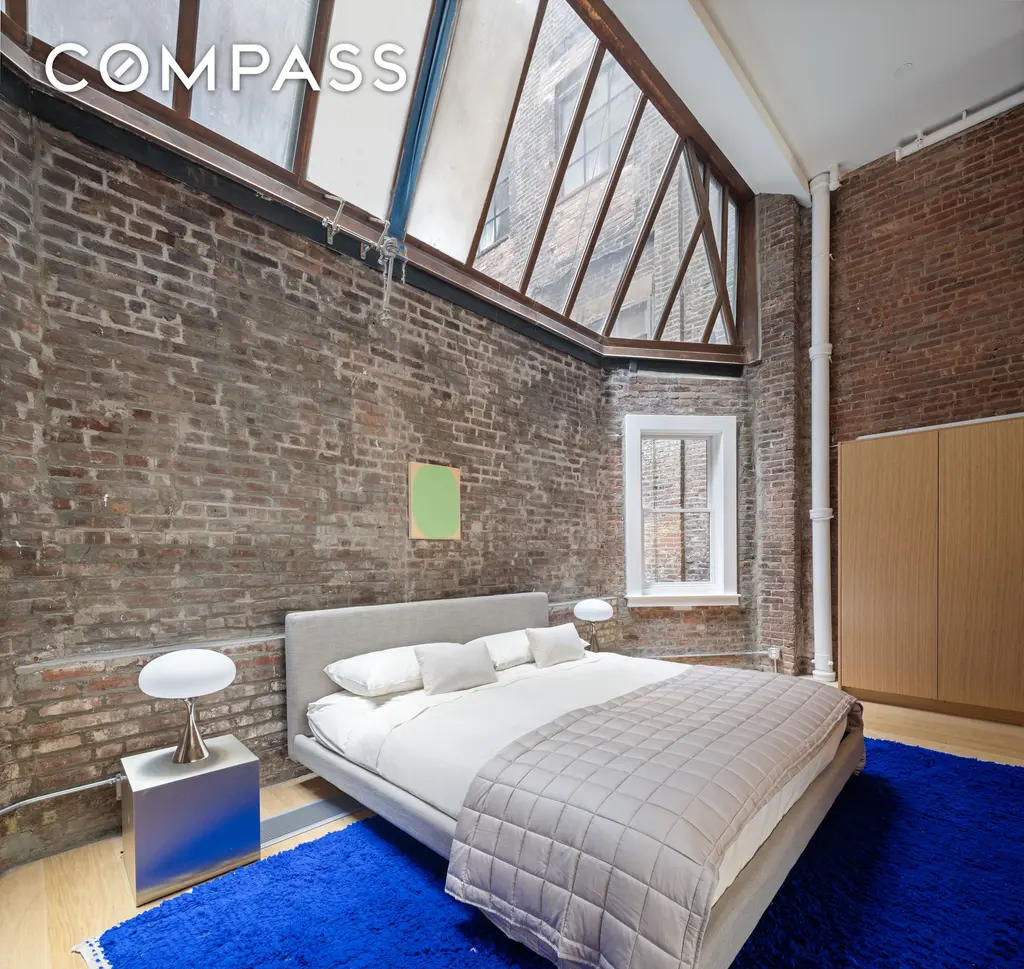
74 Reade Street, #1EAST (Compass)
Pierhouse at Brooklyn Bridge Park, #N220
$3,795,000 (-3.9%)
Brooklyn Heights | Condominium | 2 Bedrooms, 2.5 Baths | 2,707 ft2
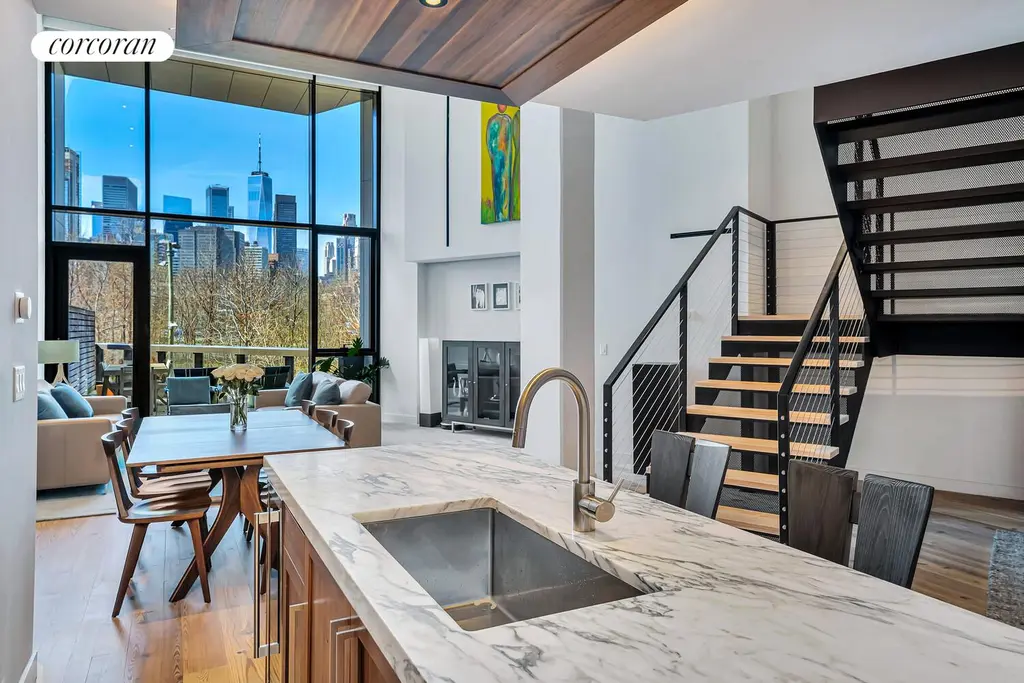
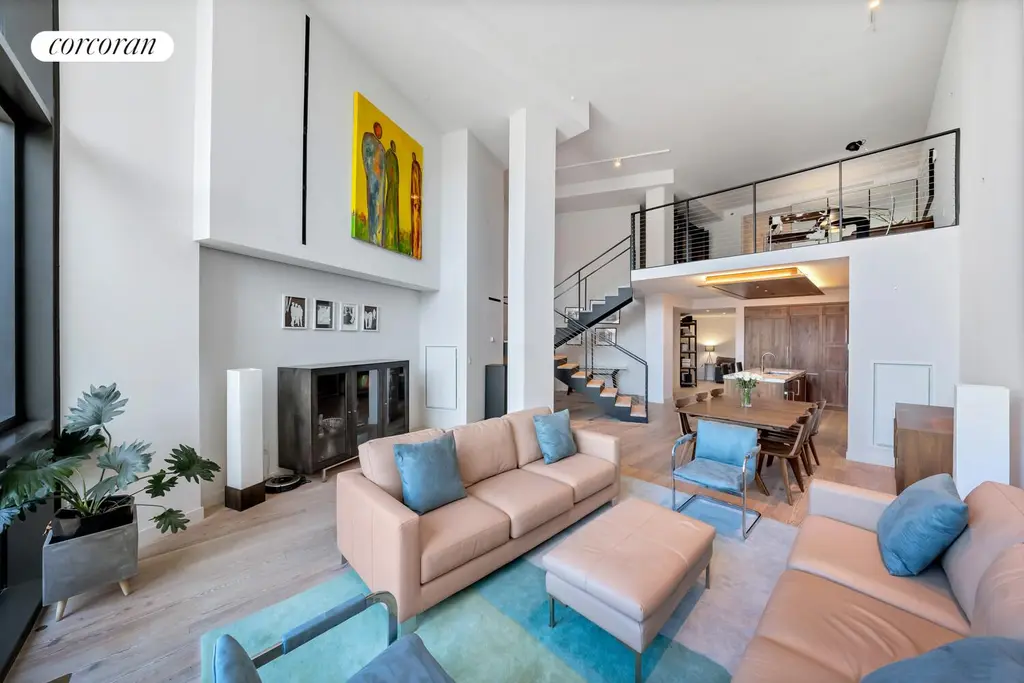
Pierhouse at Brooklyn Bridge Park, #N220 (Corcoran Group)
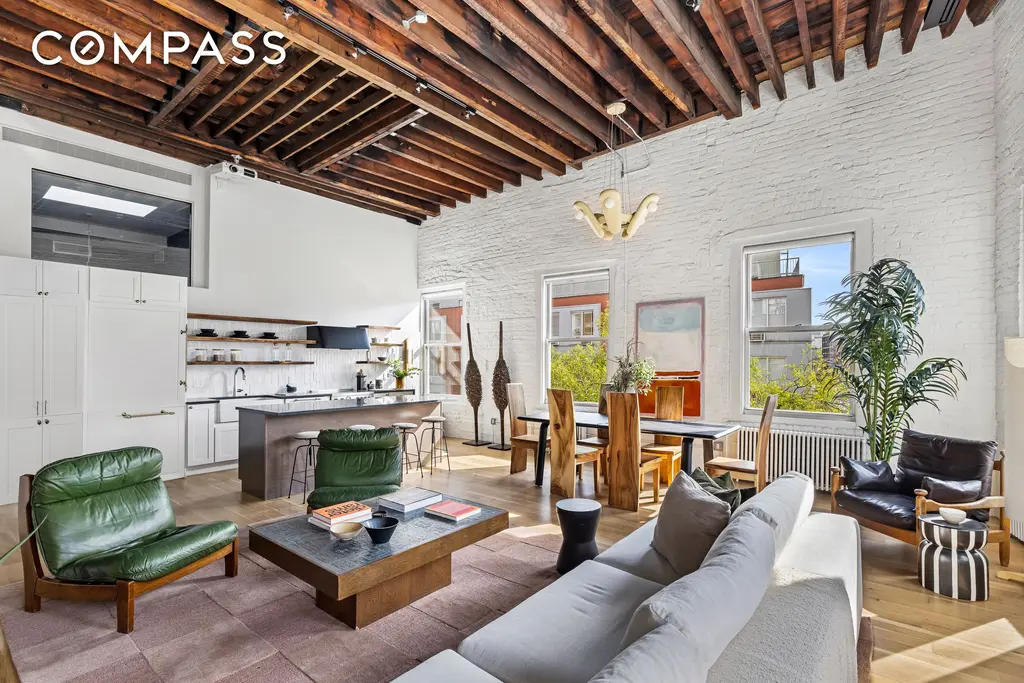
325 Bowery, #PH (Compass)
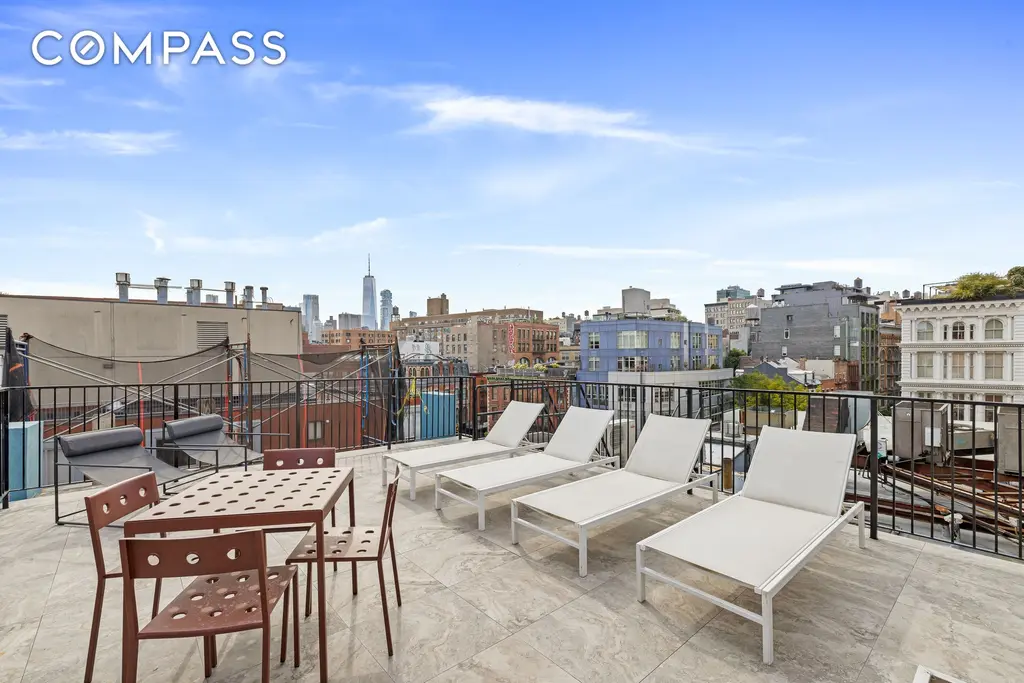
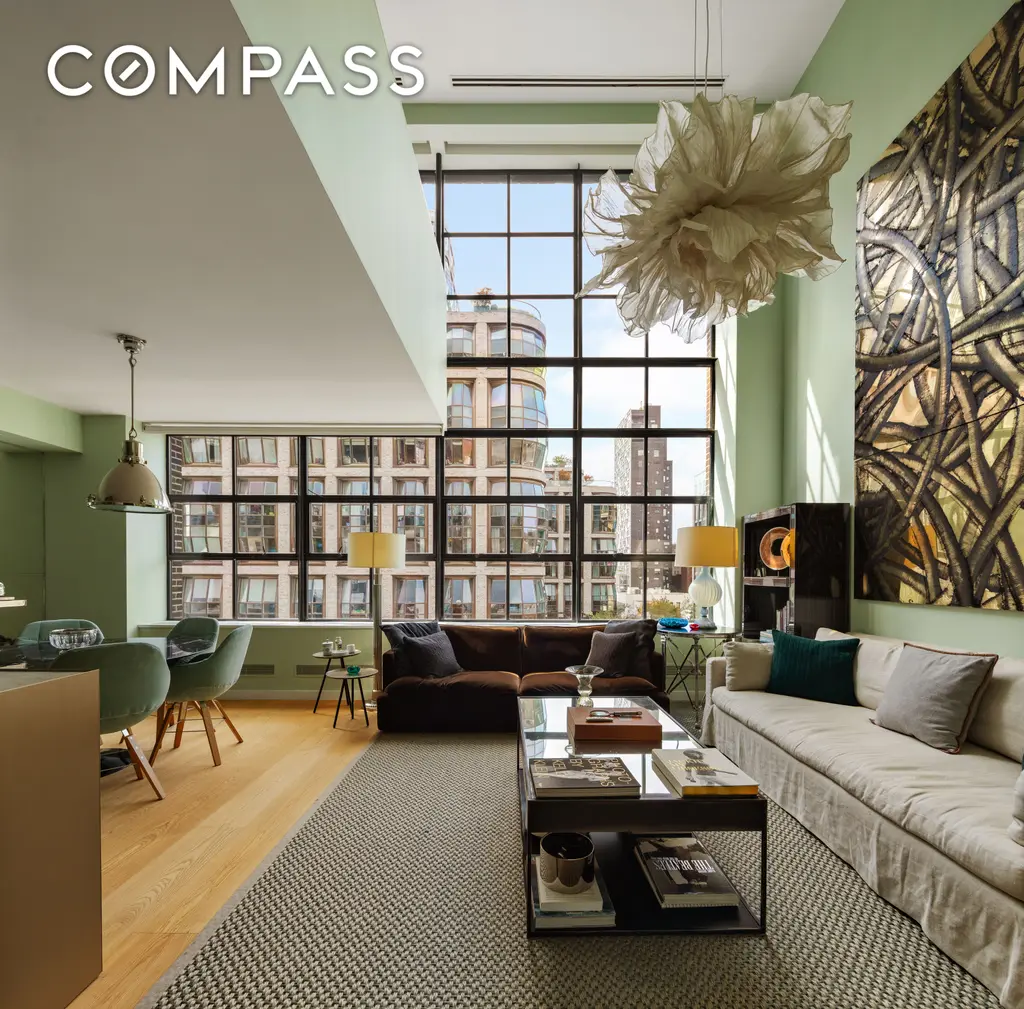
456 West 19th Street, #6/7F (Compass)
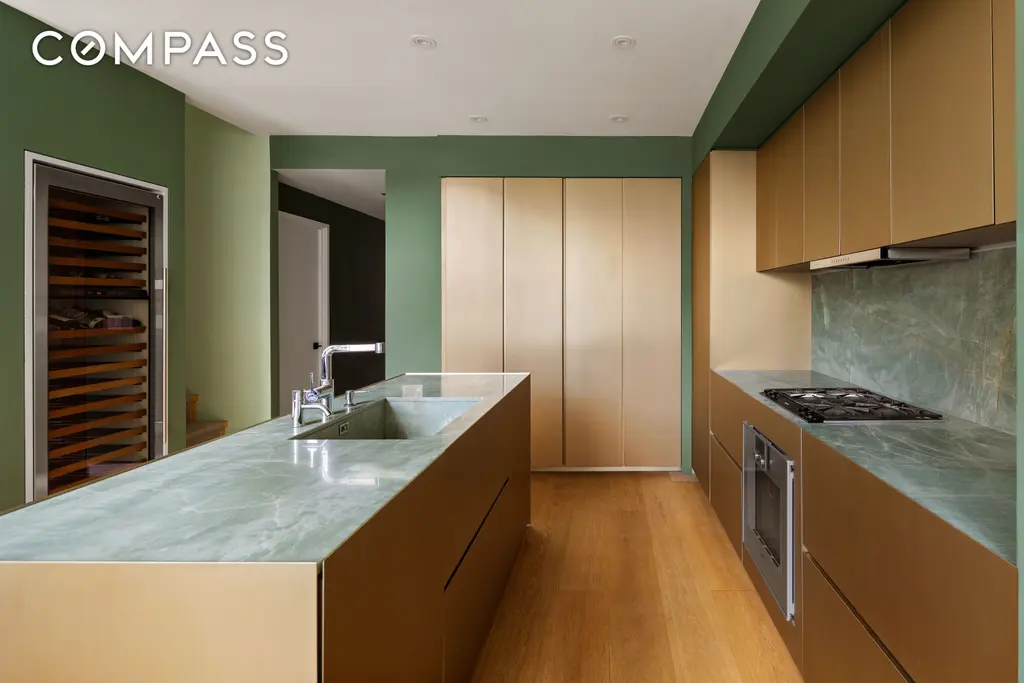
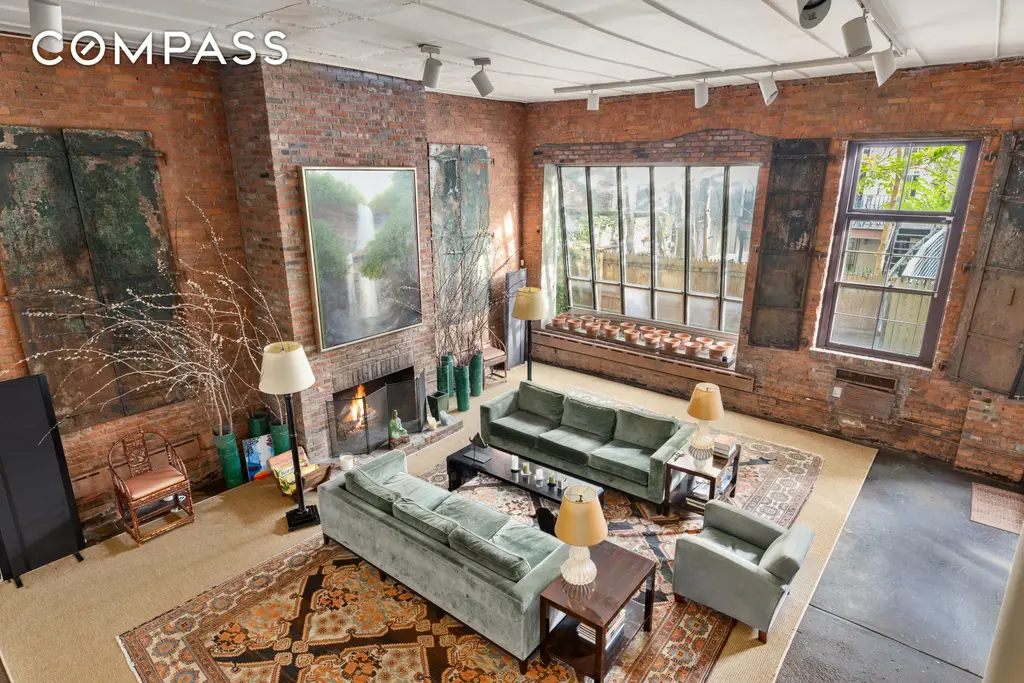
72 Horatio Street, #1S (Compass)
Would you like to tour any of these properties?
Just complete the info below.
Or call us at (212) 755-5544
Would you like to tour any of these properties?
Related Articles

Future New York
Above the Crowd: NYC apartments with skyline views as observation deck boom reaches new heights
Wednesday, June 10, 2026
Get To Know
Seven tips for getting past NYC's toughest co-op boards + Prewar gems with open houses
Friday, June 5, 2026
Future New York
Sales launch at 256 East 4th Street; New boutique East Village condo on former synagogue site
Wednesday, June 3, 2026
Great Listings
Upstairs, Downstairs: 25 NYC homes with statement staircases
Tuesday, June 2, 2026
Great Listings
Price Cuts: O'Neill Building penthouse reduced by $1.25M; Cara Delevingne relists Gramercy penthouse for a loss
Friday, May 29, 2026
Get To Know
Pre-war vs. Post-war: Pros, cons, and featured listings
Wednesday, May 27, 2026
Great Listings
Easy Escapes: NYC apartments with private roof decks and cabanas under $2 million
Tuesday, May 26, 2026
Future New York
21 NYC buildings with rooftop pools offering luxurious resort-style living
Thursday, May 21, 2026
Contributing Writer
Cait Etherington
Cait Etherington has over twenty years of experience working as a journalist and communications consultant. Her articles and reviews have been published in newspapers and magazines across the United States and internationally. An experienced financial writer, Cait is committed to exposing the human side of stories about contemporary business, banking and workplace relations. She also enjoys writing about trends, lifestyles and real estate in New York City where she lives with her family in a cozy apartment on the twentieth floor of a Manhattan high rise.

 6sqft delivers the latest on real estate, architecture, and design, straight from New York City.
