Roughly a month and a half into his term, New York City Mayor Zohran Mamdani released his first preliminary budget with a warning that there are only two ways to fill a multimillion-dollar gap: either by imposing a new tax on the state's wealthiest individuals or corporations, or by raising property taxes by 9.8%. This would be the first property tax increase since the Bloomberg administration.
The proposed tax increase would affect more than three million residential units, many of which are located in middle-income neighborhoods. The New York Times notes that utilities like Con Edison would also be hit with higher taxes, and that renters would be indirectly affected, as property taxes influence rents.
City Council Speaker Julie Menin and Council Member Linda Lee, chair of the Committee on Finance, released a statement saying that "property tax increases should not be on the table whatsoever," and Queens Borough President Donovan Richards and Deputy Council Speakers Nantasha Williams have both suggested that Mayor Mamdani reform the current system before increasing taxes ( h/t The City). Mayor Mamdani himself acknowledged that the property tax increase was a "more harmful path," calling this option a "last resort" if he cannot convince Governor Hochul and state lawmakers to approve increased taxes on the wealthy.
However this pans out, there is little question that New York's property tax system is widely perceived as illogical and unfair. Indeed, an April 2025 report by the Community Service Society and the Progress & Poverty Institute found that the present-day tax system puts a disproportionate burden on multifamily buildings and consistently charges high-value buildings lower effective tax rates. This came out about a year after New York’s Court of Appeals found that the current tax system is “unfair, inequitable, and has a discriminatory disparate impact on certain protected classes” because the higher taxes on rentals get passed on to renters in the form of higher costs, which in turn disproportionately affects communities of color in a violation of the Fair Housing Act.
As we wait to see what will happen with Mayor Mamdani's budget and the tax code, we examine how residential taxes are currently determined, where the problems lie, and what can be done to solve them. We also look at apartment listings with low taxes for a unit of their size and address – all condos, as taxes are included in co-op maintenance fees.
How Residential Taxes Are Determined in NYC
One distinctive aspect of New York City's approach to tax assessments is the treatment of condos and co-ops, even those that have never been rented out due to building subletting rules. State law mandates that assessors value all co-op buildings and condos with more than three units as if they were income-producing properties, regardless if the units are allowed to be rented out.
The standard industry practice for valuing income-producing properties involves dividing the net operating income (NOI) by the capitalization rate. However, city assessors consistently raise the capitalization rate on condos, adding complexity to the process. Moreover, city officials don't rely on widely available market data; instead, they determine market values based on a limited selection of apparently comparable rental buildings in similar neighborhoods.
The issues with this approach, as highlighted by a 2021 Bloomberg investigation, include the relatively small sample size and the unclear method of comparison. Consequently, a walk-up in Chinatown with affordable units might be compared to a building in nearby Soho or Tribeca, leading to inequitable outcomes where the owner of the higher-valued property benefits, and the owner of the lower-valued property loses out.
Despite all residential buildings being treated as rentable when setting tax rates, only a portion of the assessed buildings are rentals, which historically disadvantages most renters. On average, condo owners enjoy a significantly lower effective tax rate than rental building owners. Higher taxes on rental buildings contribute to a higher cost of living for a city predominantly composed of renters.
The Problem with NYC’s Residential Tax System
Two interconnected practices are frequently pointed out as the primary causes of the ongoing unfair treatment of certain property owners and preferential treatment of others in New York City's residential tax system.
Firstly, for decades, city officials have manipulated the taxable value of condos by adjusting their capitalization rate. In essence, the capitalization rate or "cap rate" represents the expected net income the property would generate if rented out (calculated by dividing the net operating income by the property value). Generally, higher cap rates signal higher-risk investments for investors, resulting in lower valuations.
The Bloomberg investigation found that in New York City, assessors frequently double the capitalization rates of condos and, in turn, artificially drive down the value upon which these units are assessed for tax purposes. But there are other problems. The Bloomberg investigation also observed, “In modest neighborhoods, those values are set somewhat closer to actual sale prices; in upscale areas, they’re much farther below the market. In other words, big-dollar properties get a bigger break.” In essence, the effective tax rate on higher-valued properties is often less than half that of lower-valued properties (learn more about the surprisingly low tax rates on some of the city’s highest-valued units here).
Still, the inflation of cap rates and uneven application of these rates across neighborhoods and property types is one of many reasons New York City’s residential tax system is widely acknowledged to be broken, including by former New York City Comptroller Brad Lander. In November 2022, he issued a statement acknowledging at least three notable problems with the current system:
1. The rules for valuation differ for 1-3 family homes, co-ops, and condos. Large rentals are taxed at nearly double the rate of condos and co-ops.
2 The system is generally opaque and challenging to comprehend. Variation in assessment ratios based on property type confuses owners and reduces transparency in the system.
3 There is a significant disparity in effective tax rates across neighborhoods. Homeowners in the outer boroughs pay considerably higher rates compared to those in upper- and middle-class Manhattan and brownstone Brooklyn.
The Proposed Fix
Recommendations abound on how to fix the current residential tax system. Among the most popular proposals is to scrap the strange practice of valuing all properties based on their potential revenue generation as rentals. It also goes without saying that given that the market value of properties is now widely available in publicly accessible databases, many critics continue to call for the city to abandon its opaque approach to valuating properties for tax purposes, which is based on only a small and random sample of properties.
Along with his statement outlining problems with the current system, Lander also issued several recommendations in 2022
for reforming the current system. These include the following:
• Aggregate Class 1, Class 2 condos and coops, and small rentals (up to 10 units) in one class, and uniformly value all properties in the class at sales-based market value.
• End fractional assessments and apply one tax rate to the sales-based market value.
• Phase the changes in over five years, with the potential consideration of allowing homeowners to defer the higher tax burden until the sale of the property, or even waiting until the sale to reset the rates.
• Provide a homestead exemption for homeowners who use their property as a primary residence and circuit breakers to protect potentially vulnerable homeowners in areas where rates may rise over time.
While the debate about tax assessments continues, property owners in New York City do have one recourse. If they think their property has been unfairly assessed, they can dispute their tax assessment by following the instructions provided on the Department of Finance site. Notably, there are two deadlines each year. For properties containing three or fewer units, the deadline is March 15. The deadline to dispute residential taxes on all other properties is March 1.
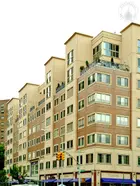
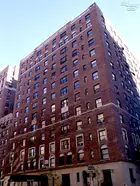
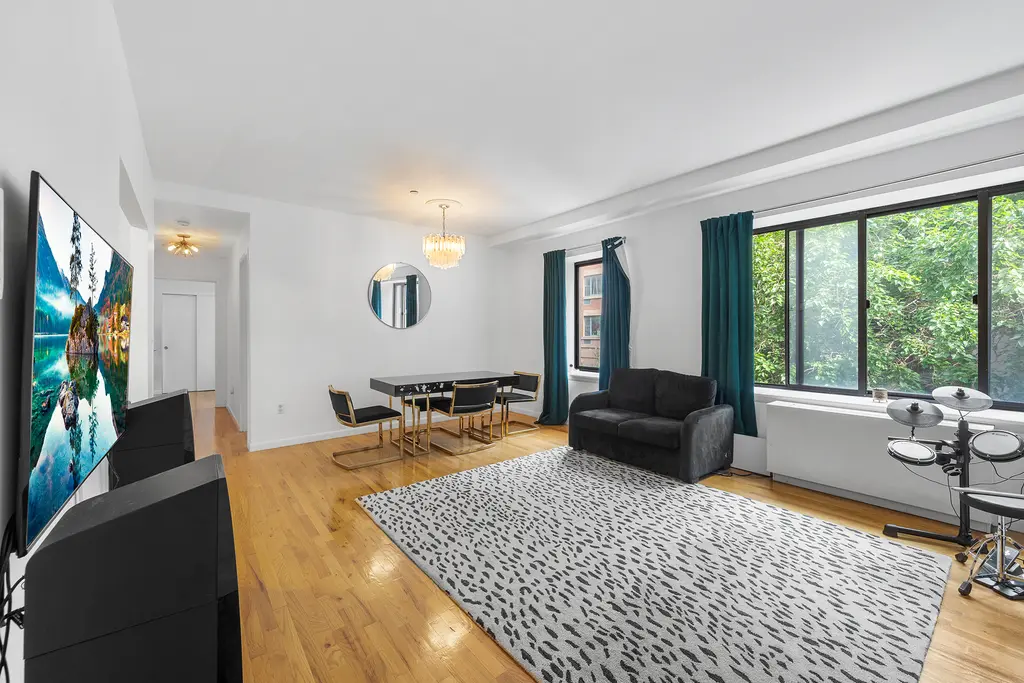
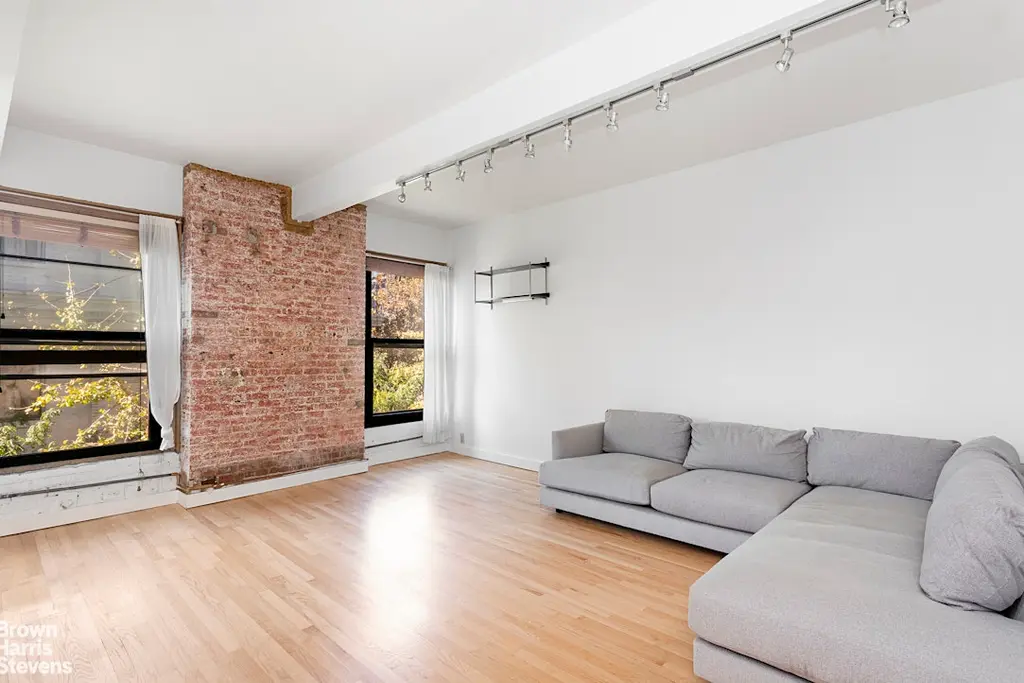
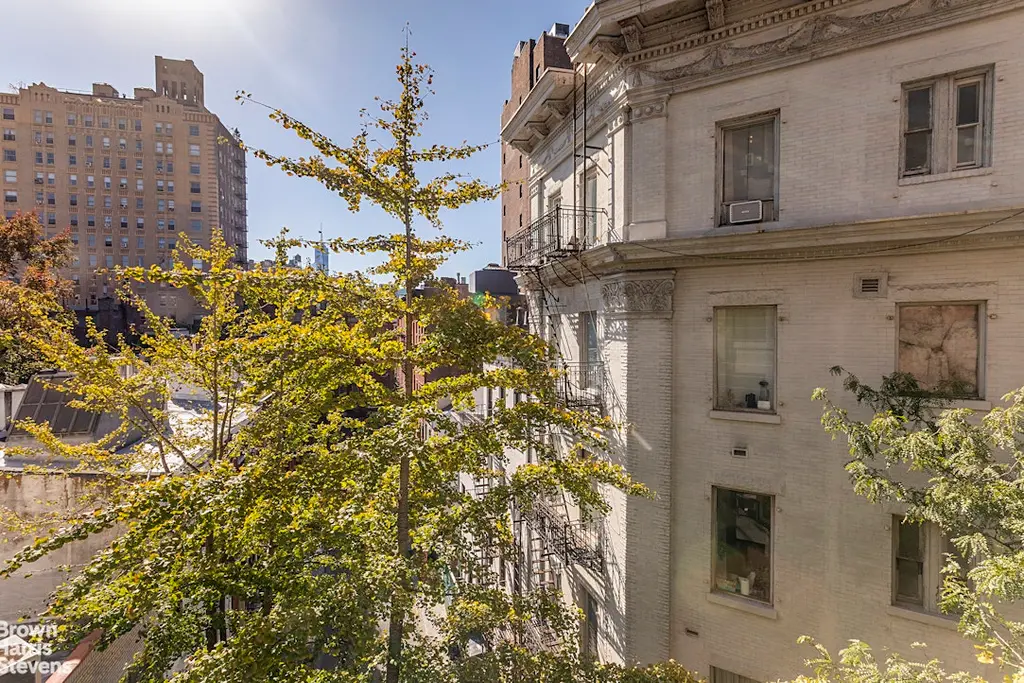
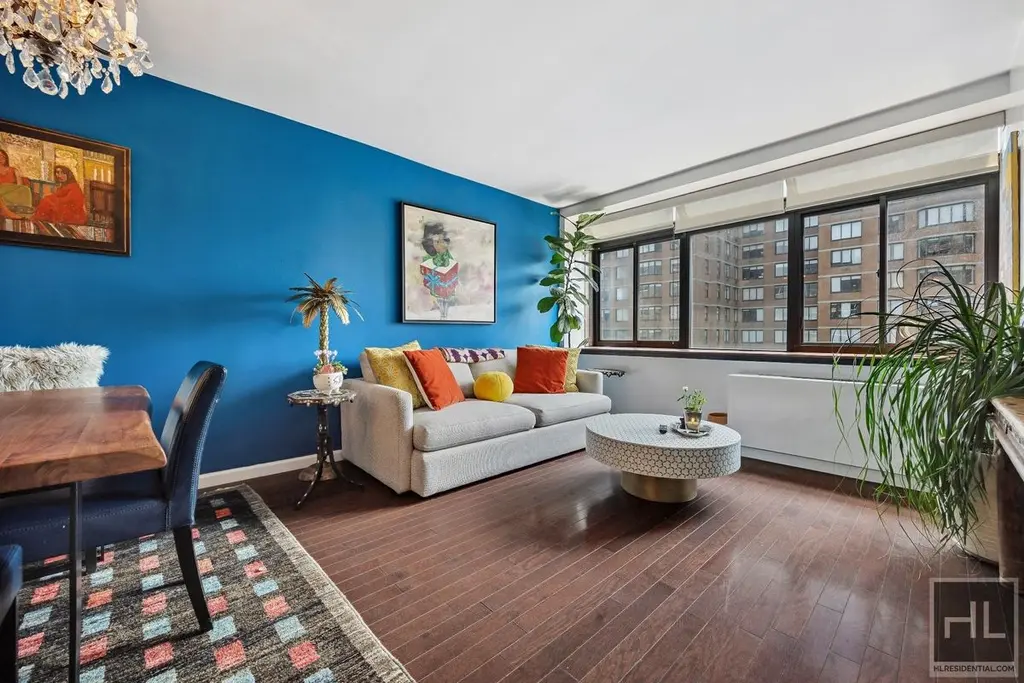
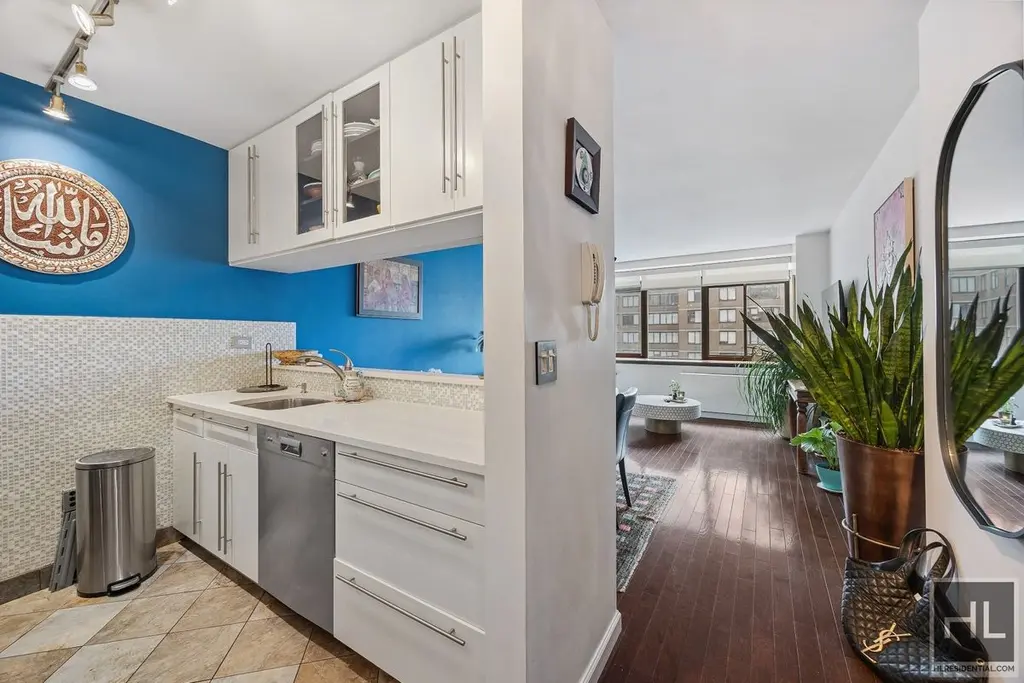
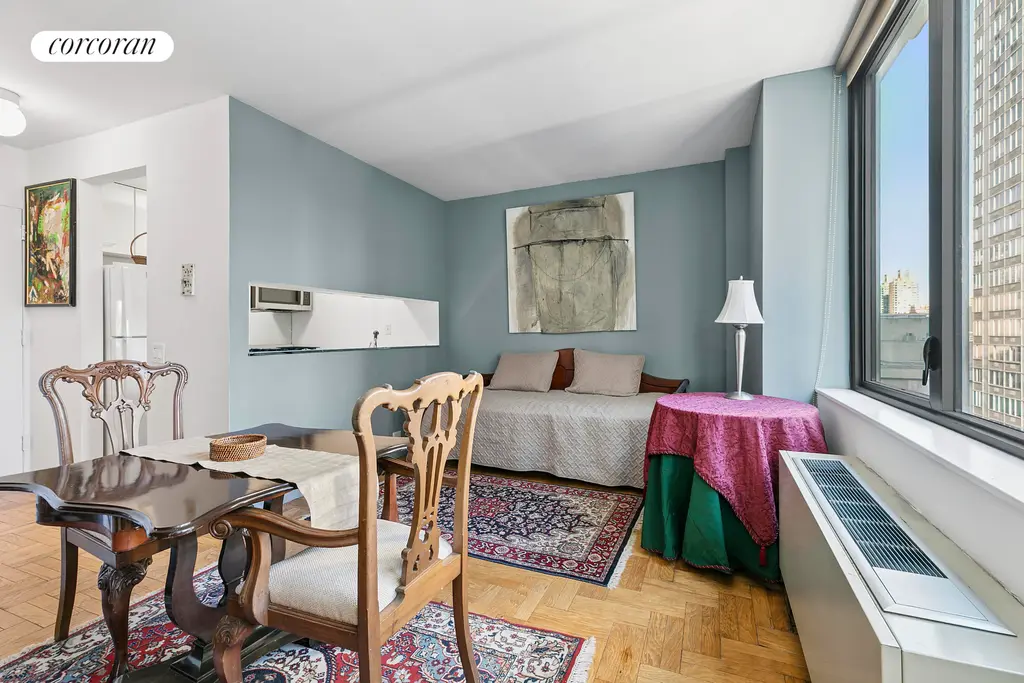
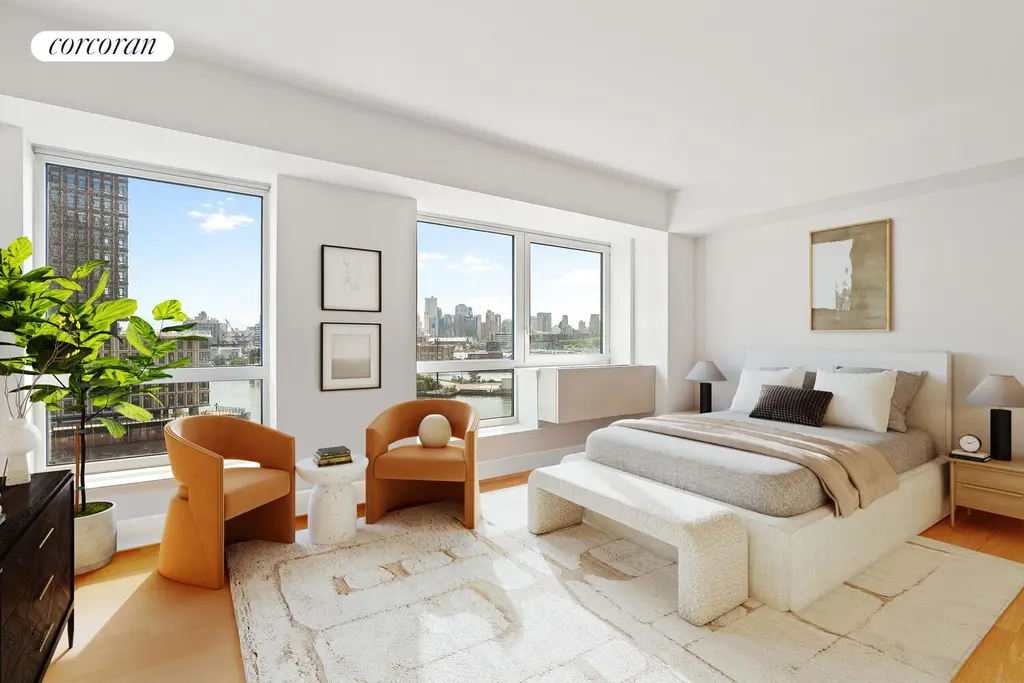
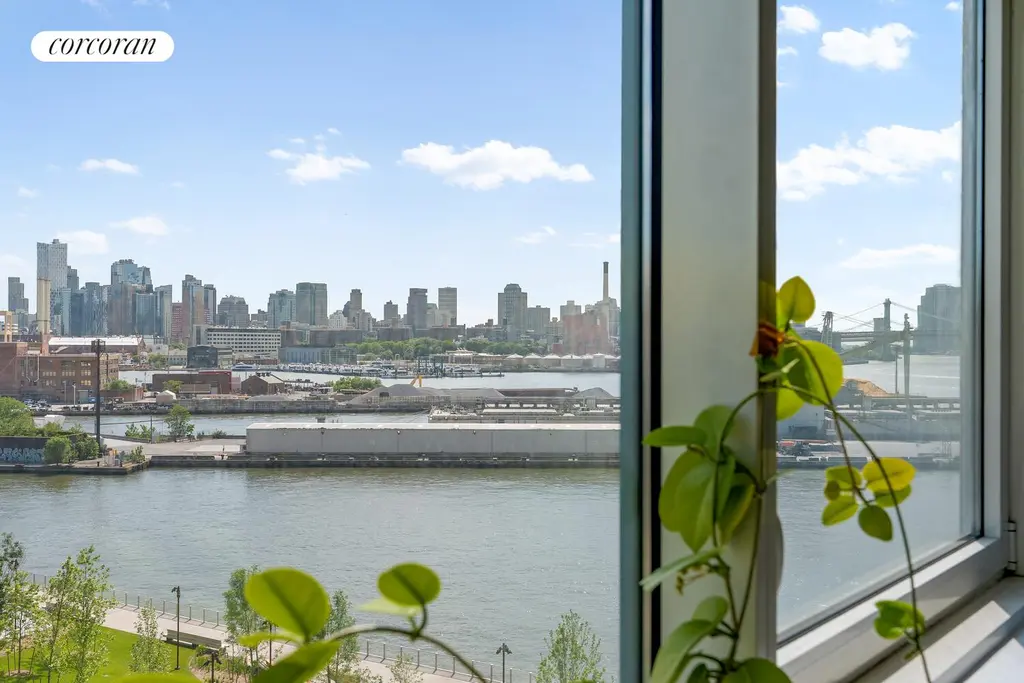
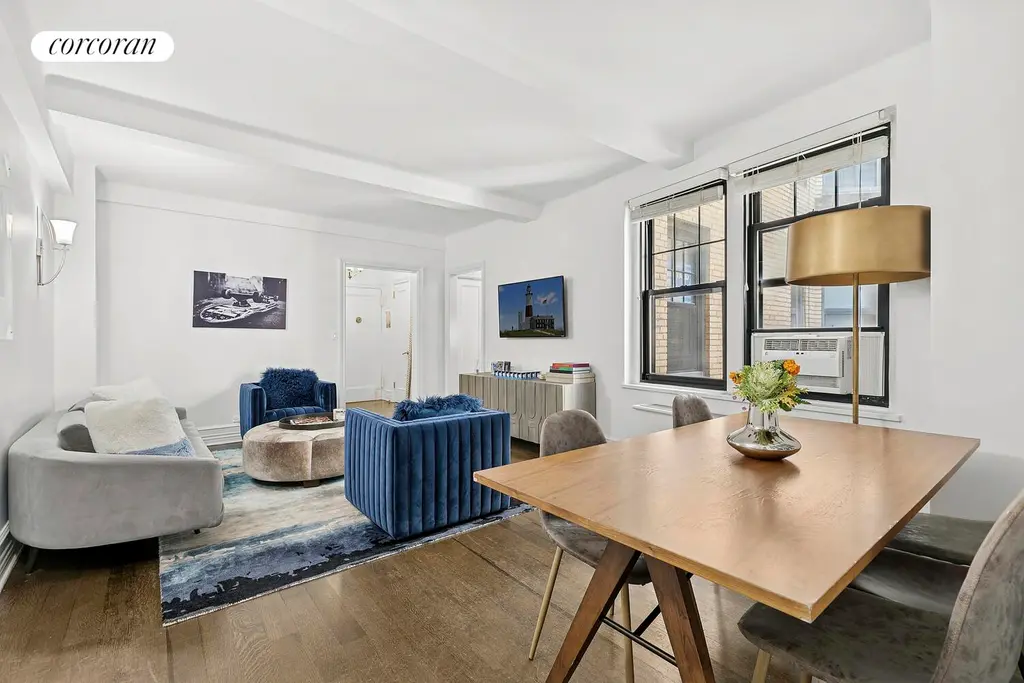
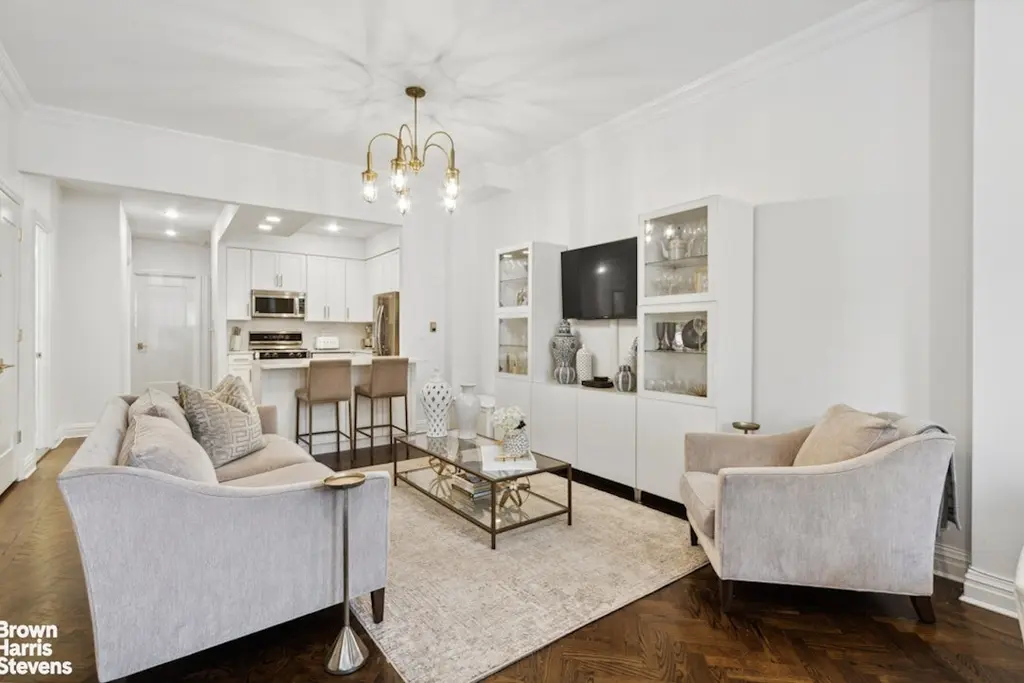
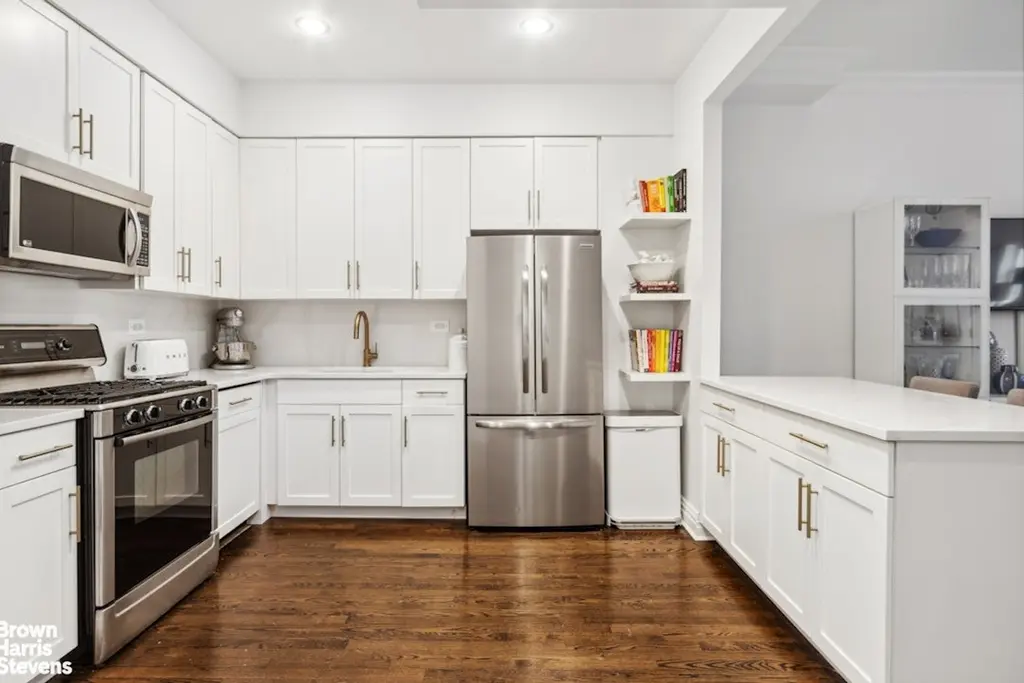
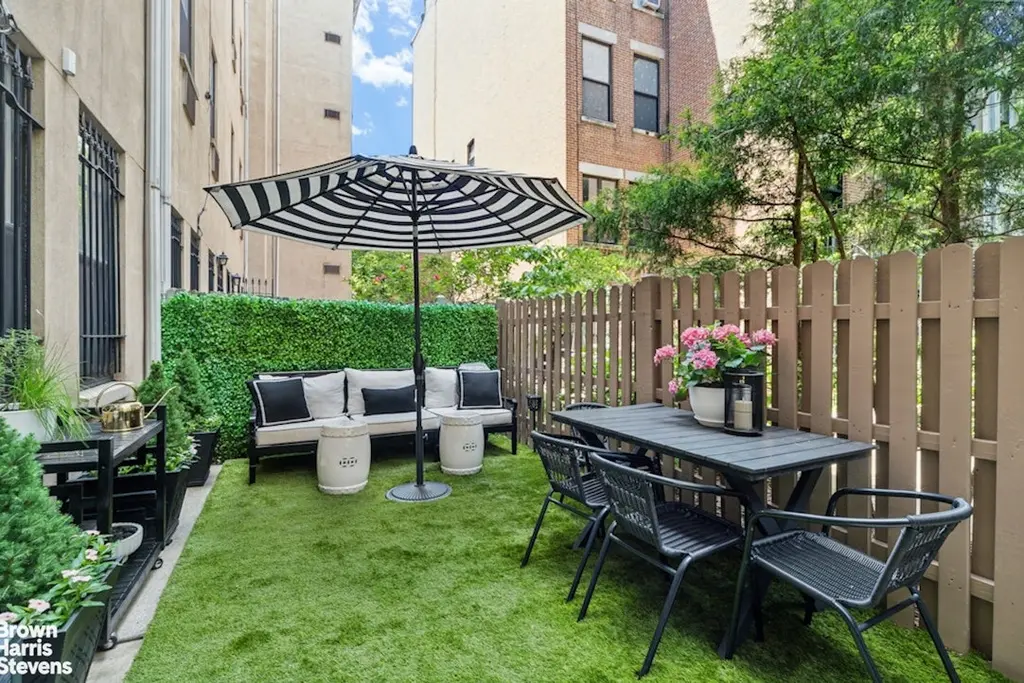
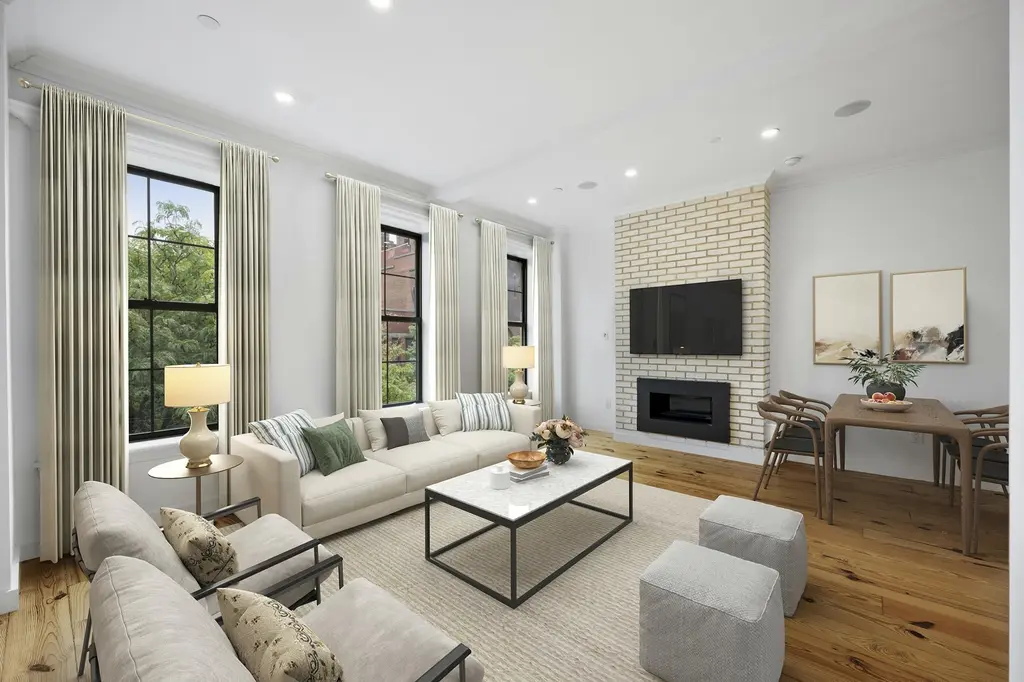
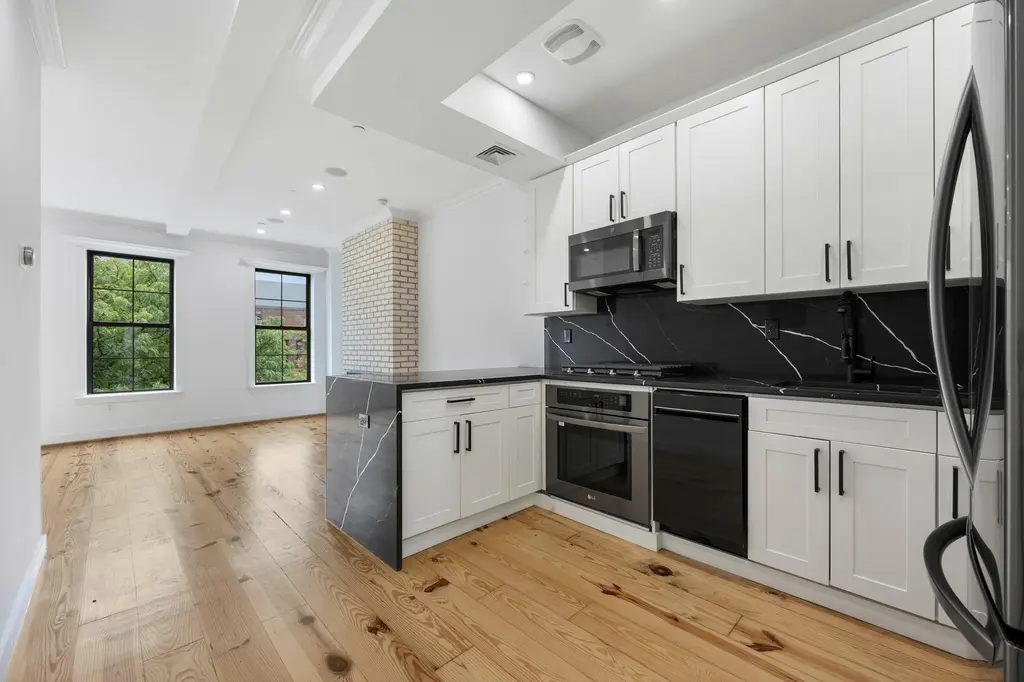
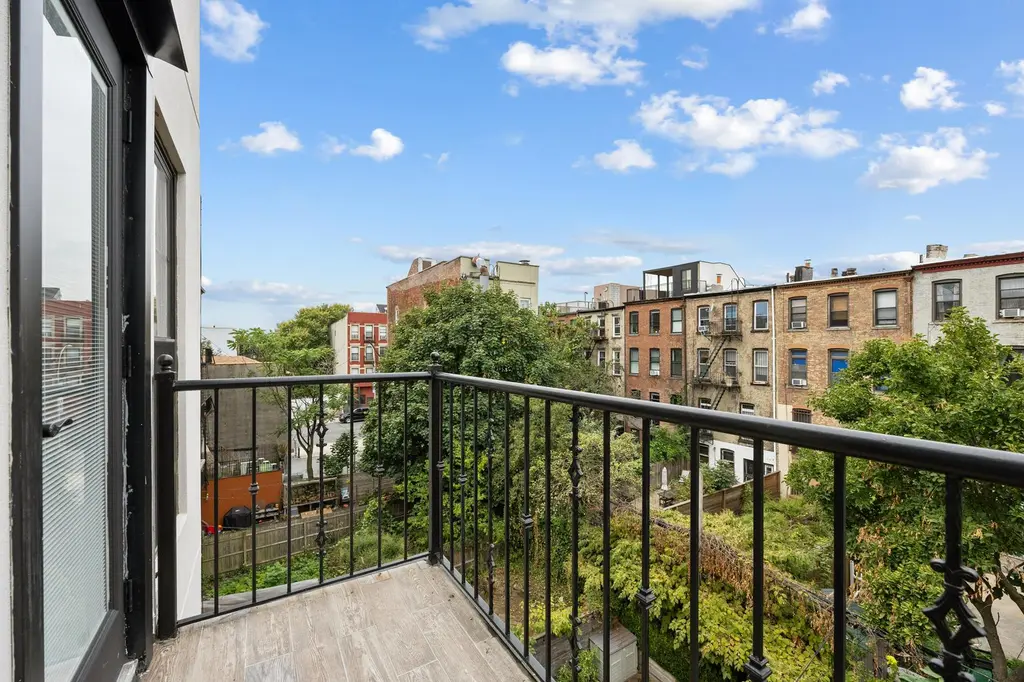
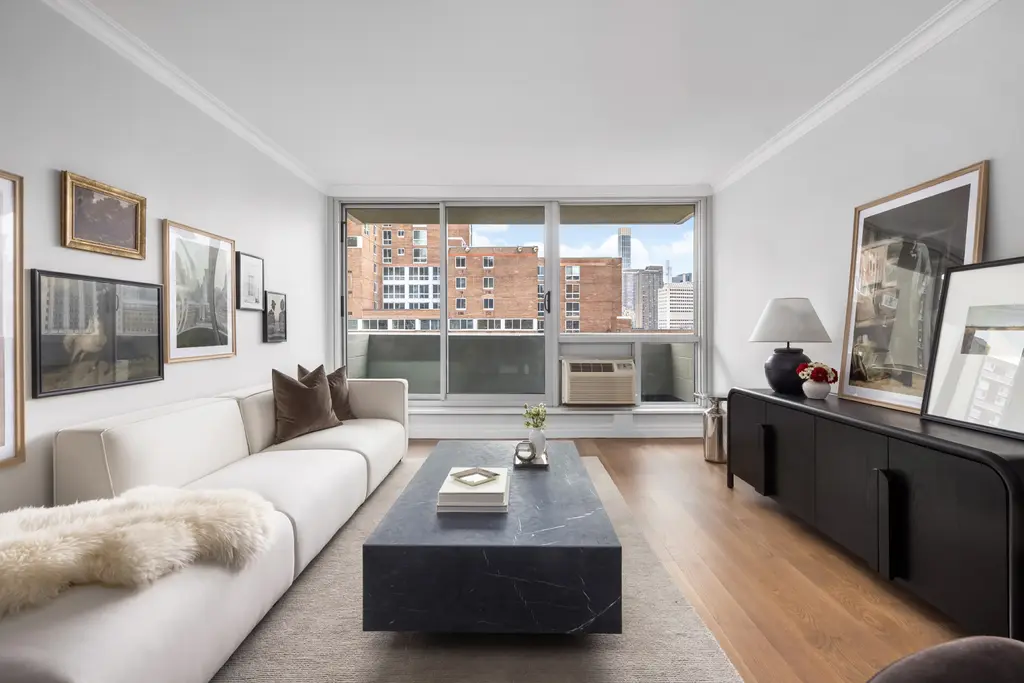
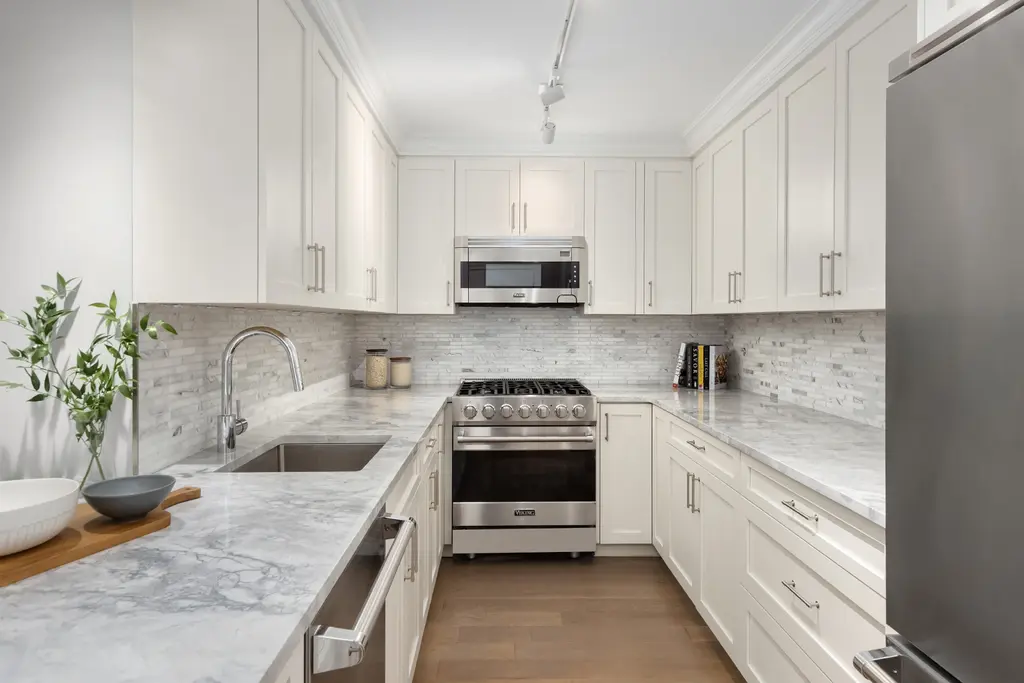
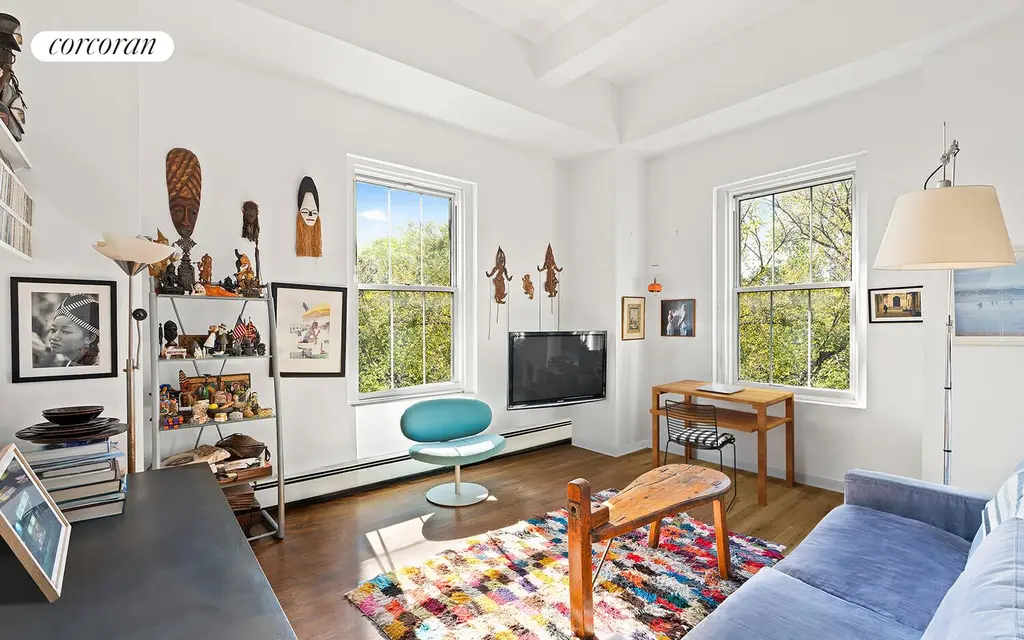
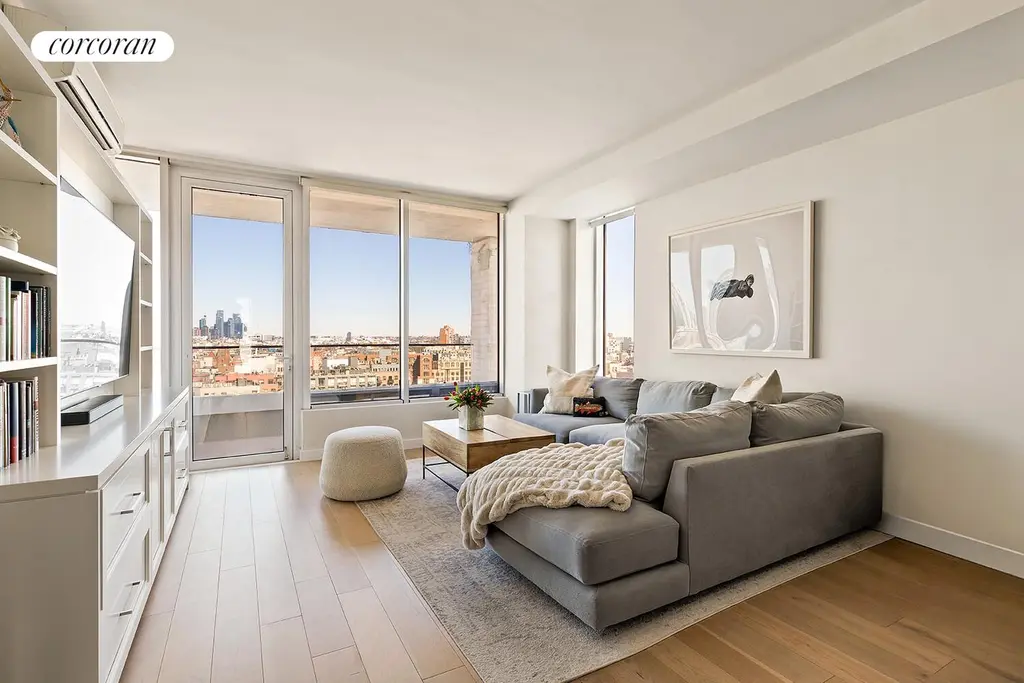
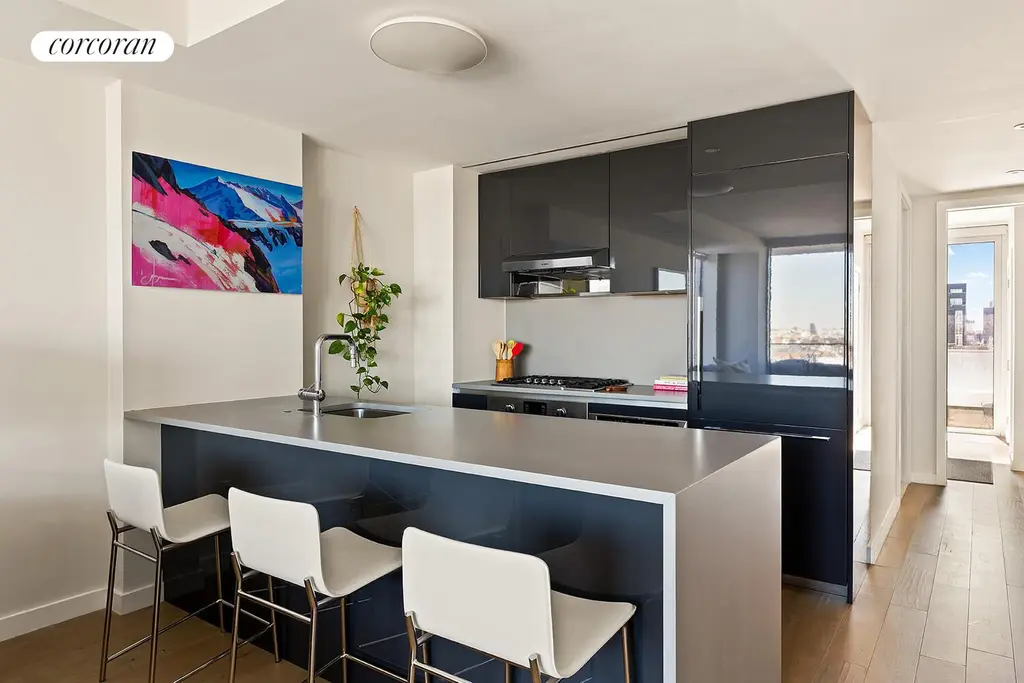
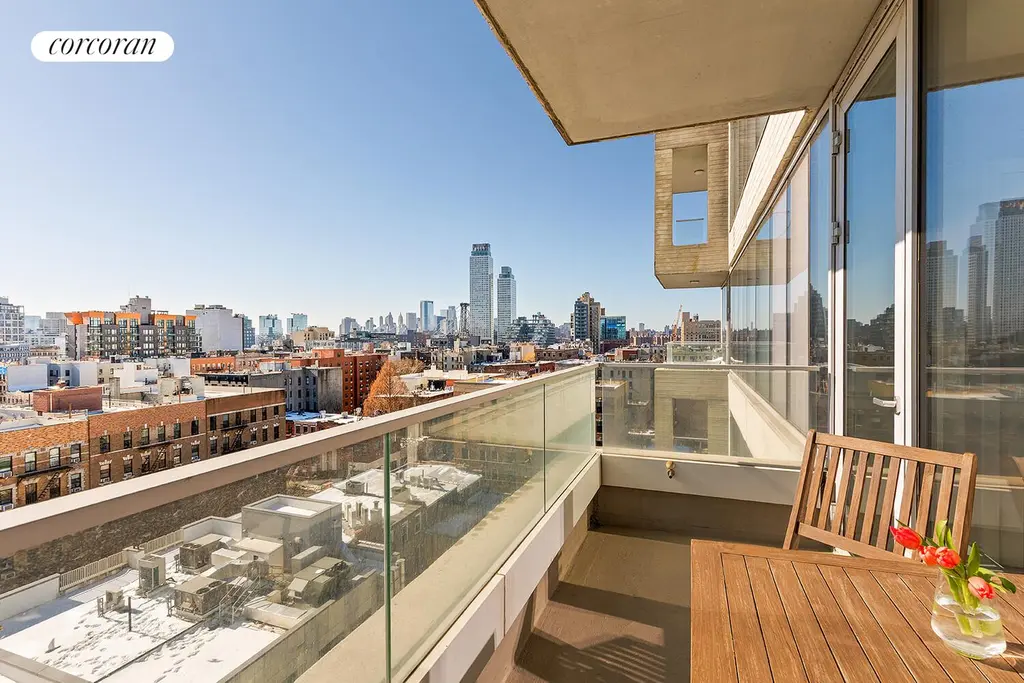
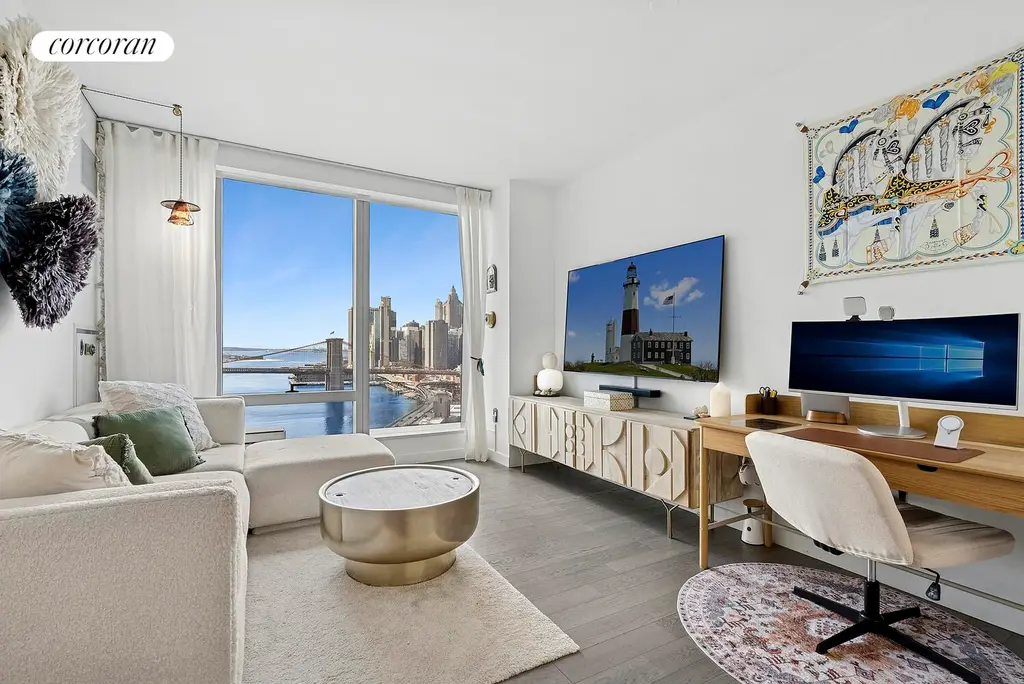
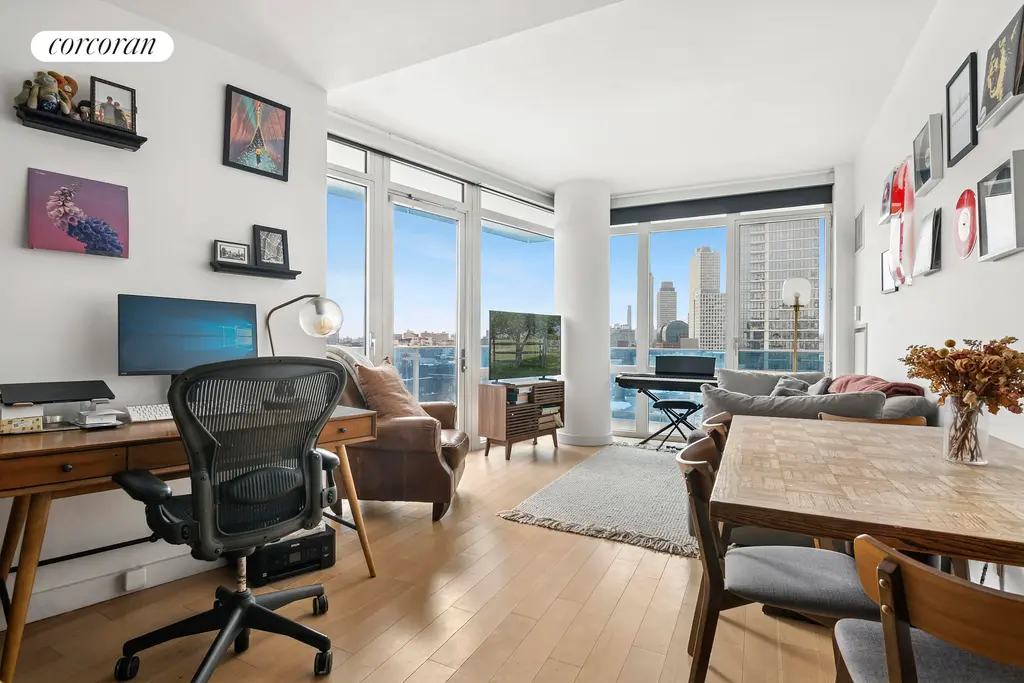
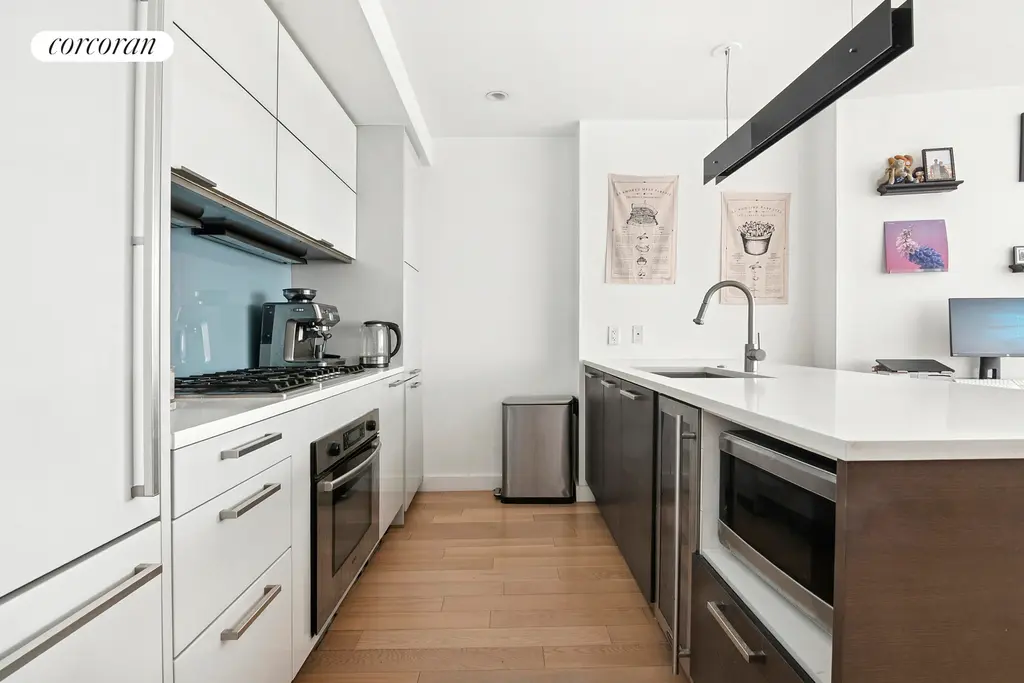
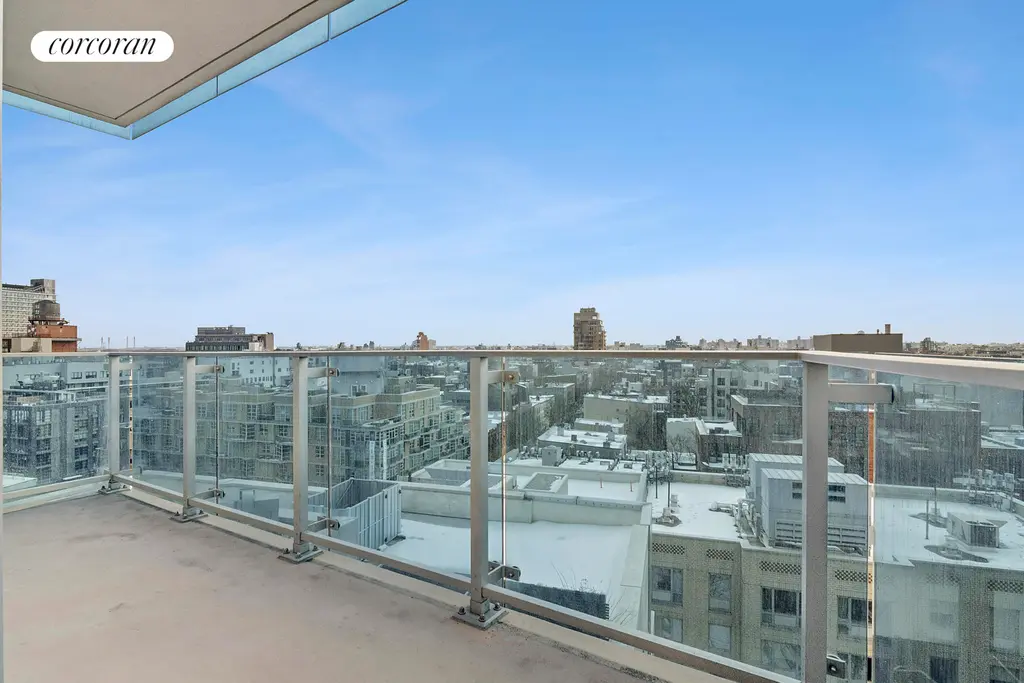
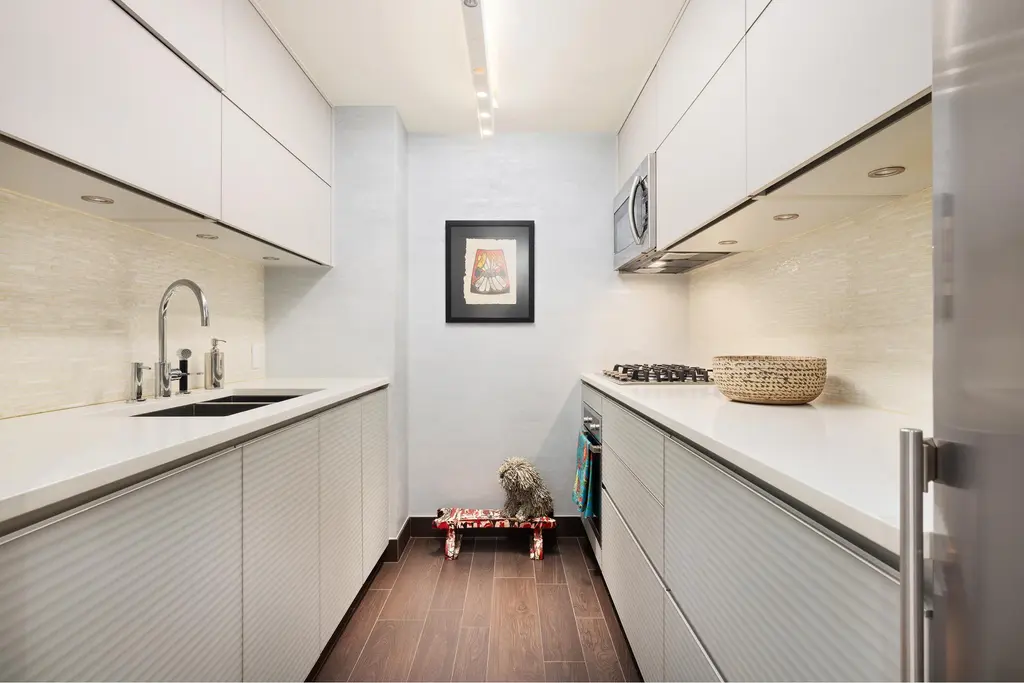
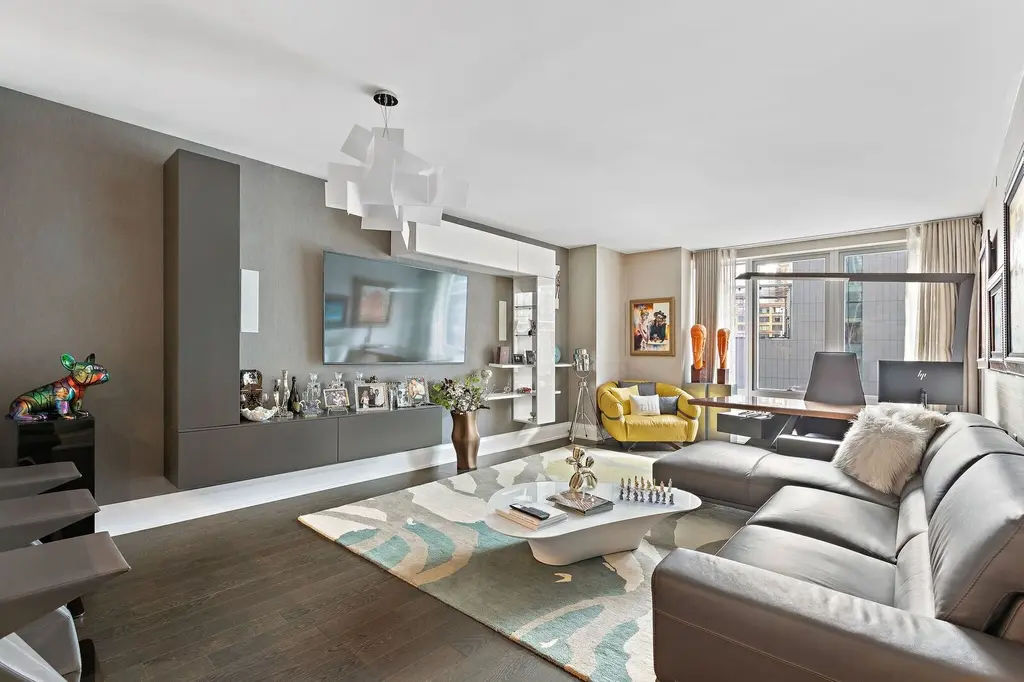
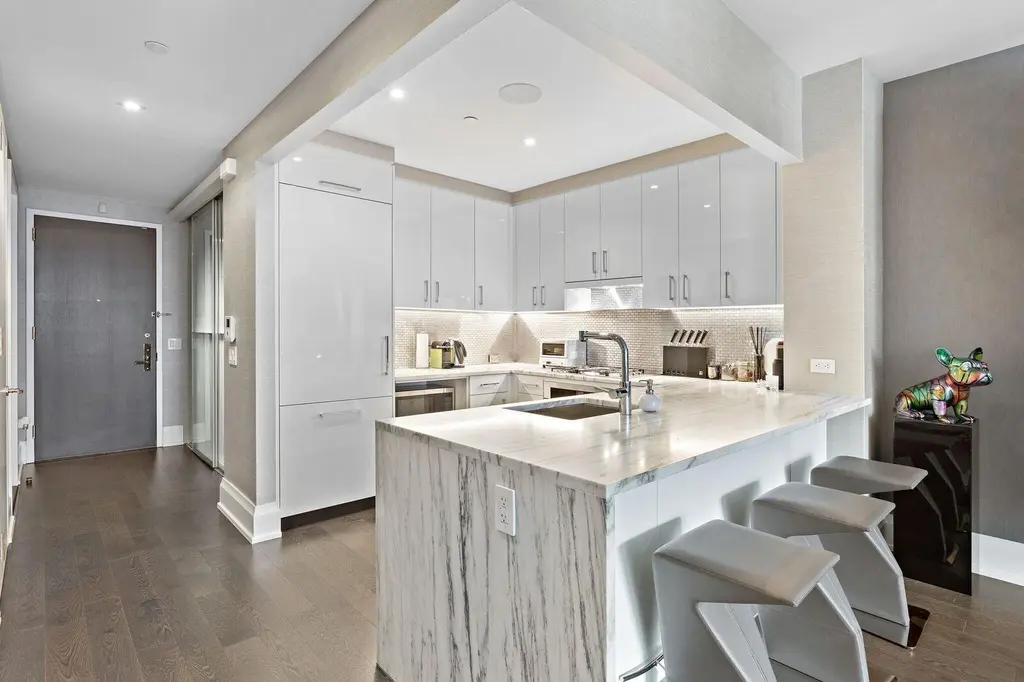
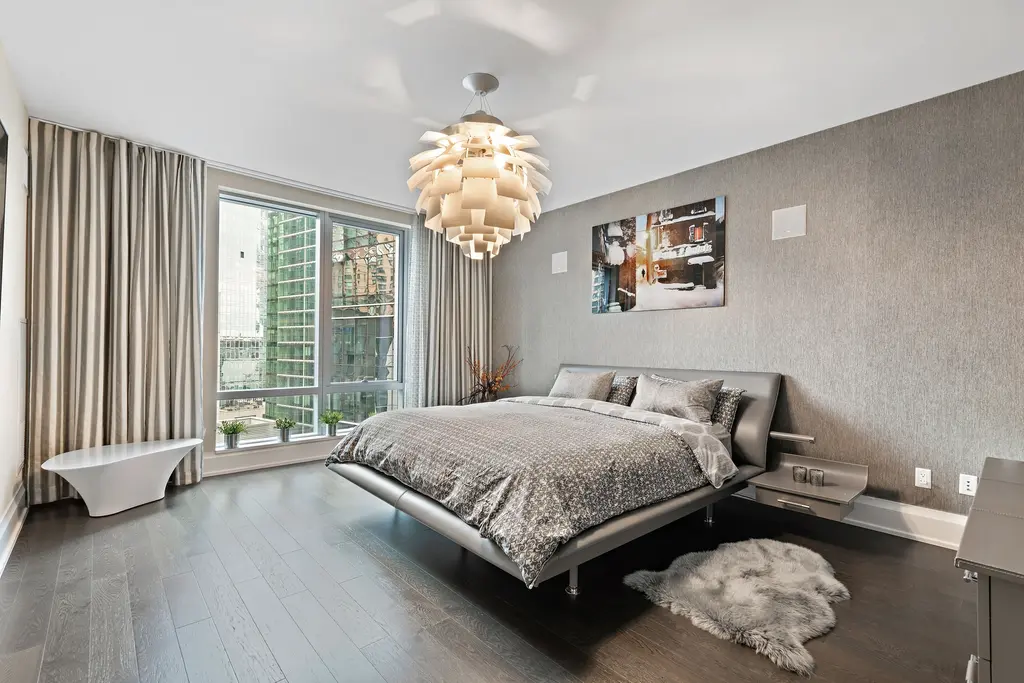
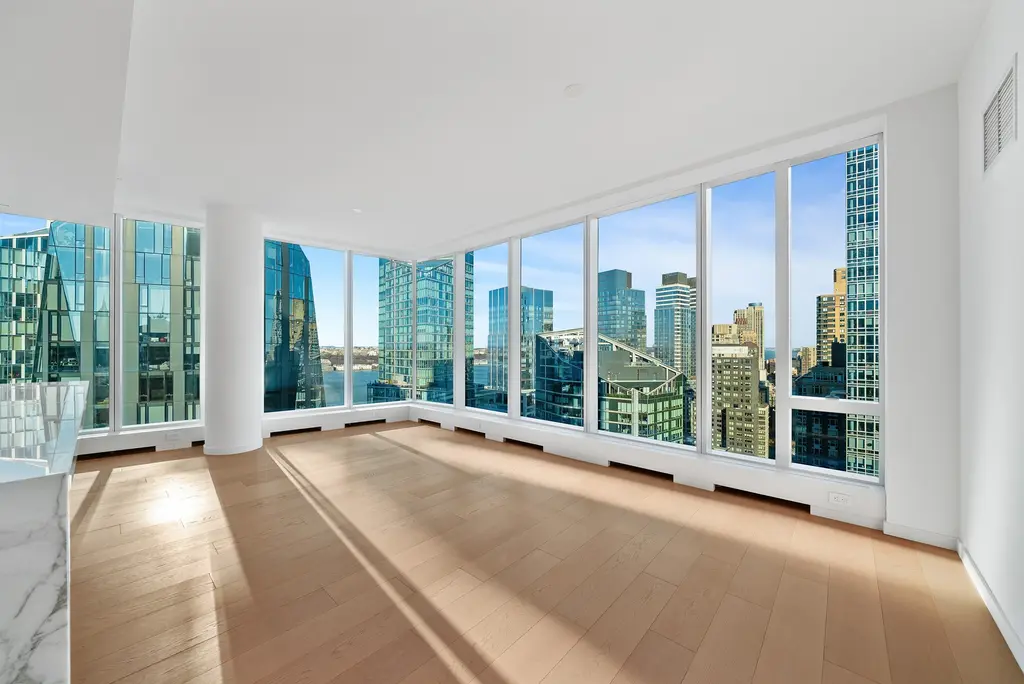
Available Condos with Low Taxes
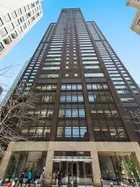
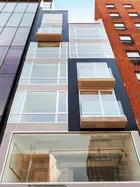
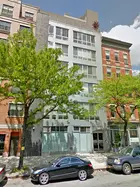
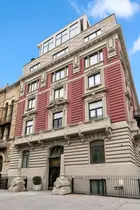
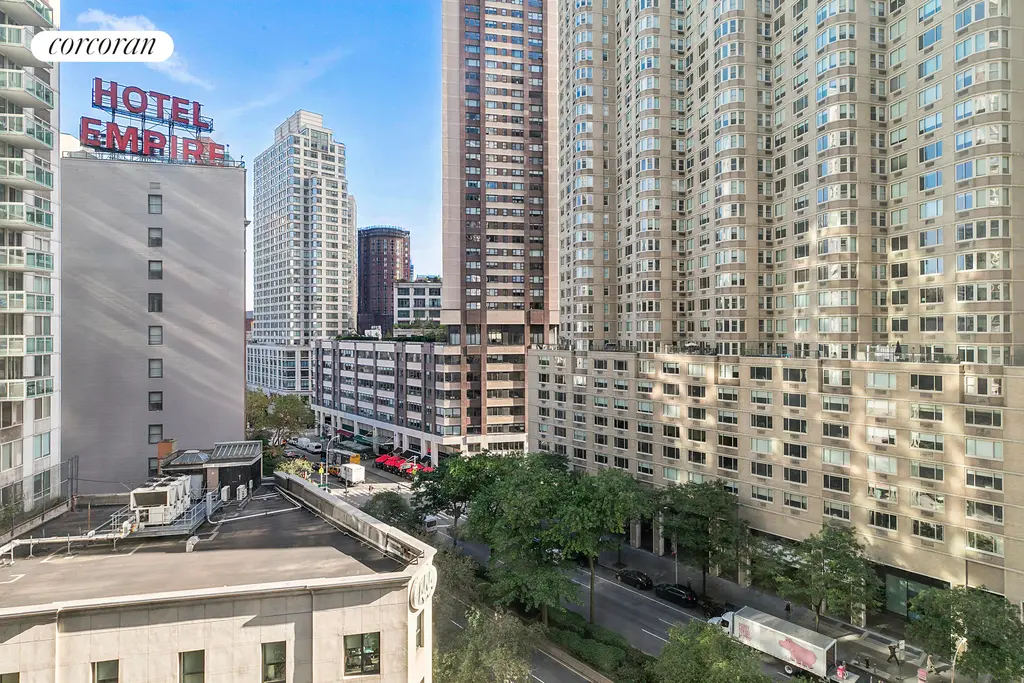
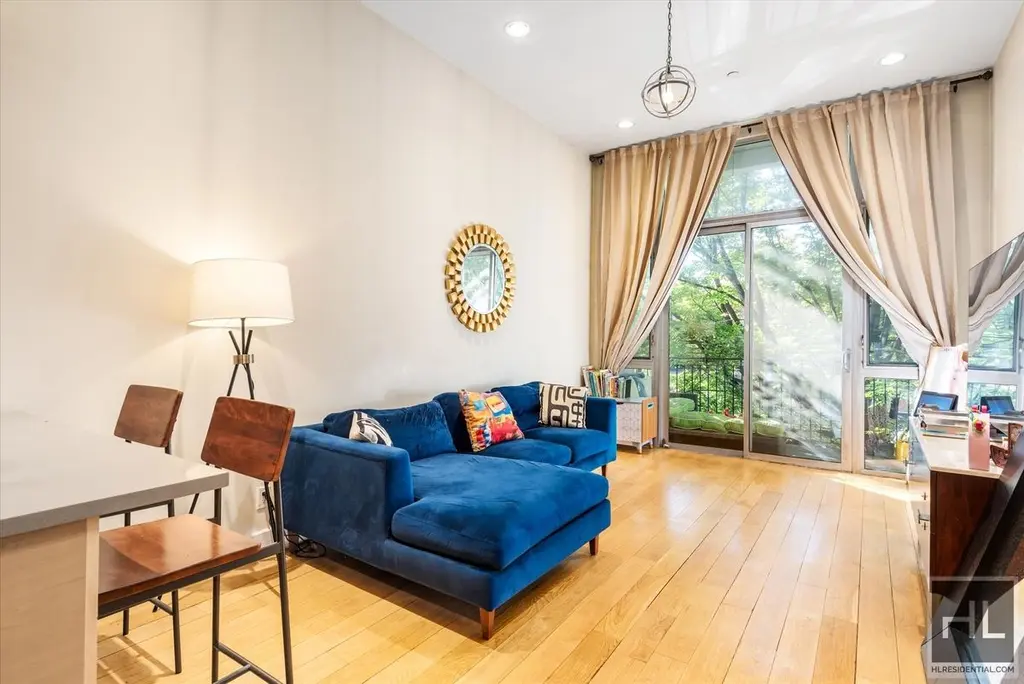
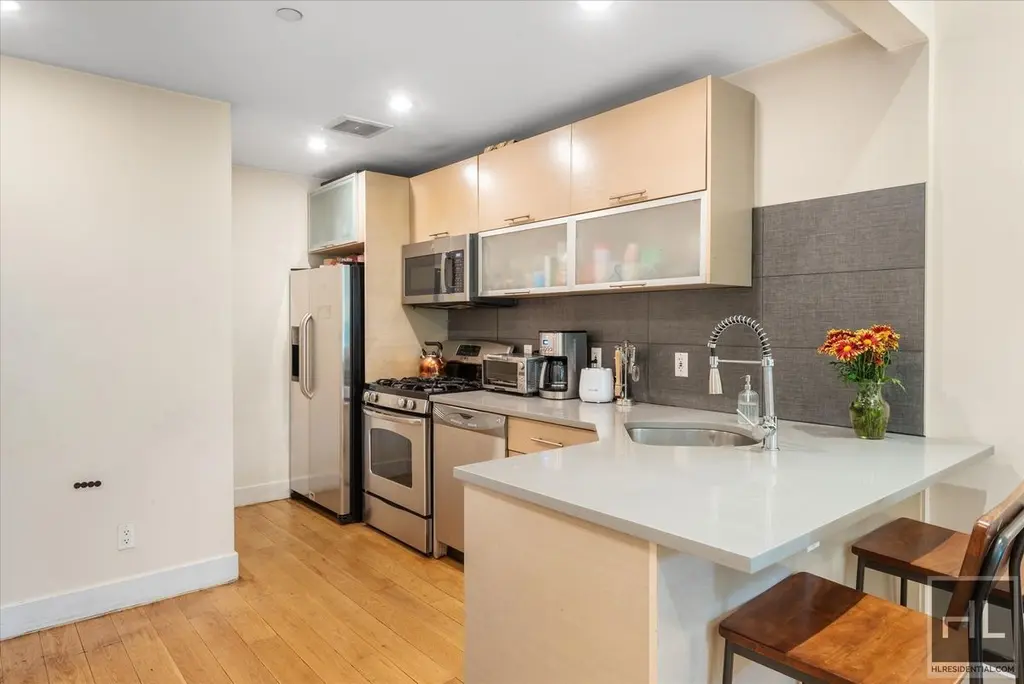
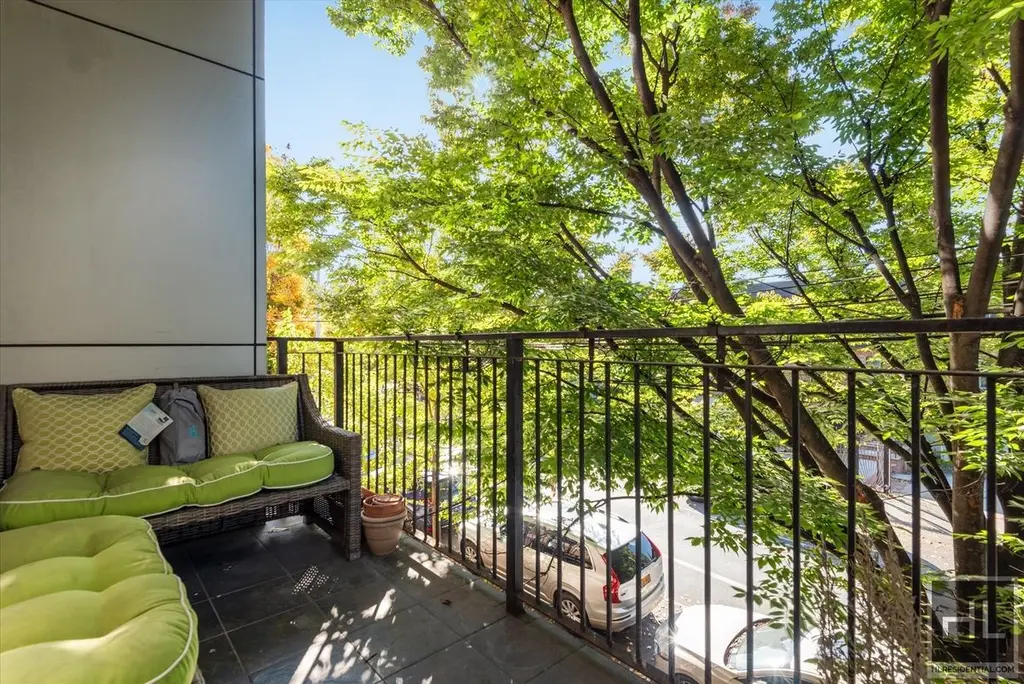
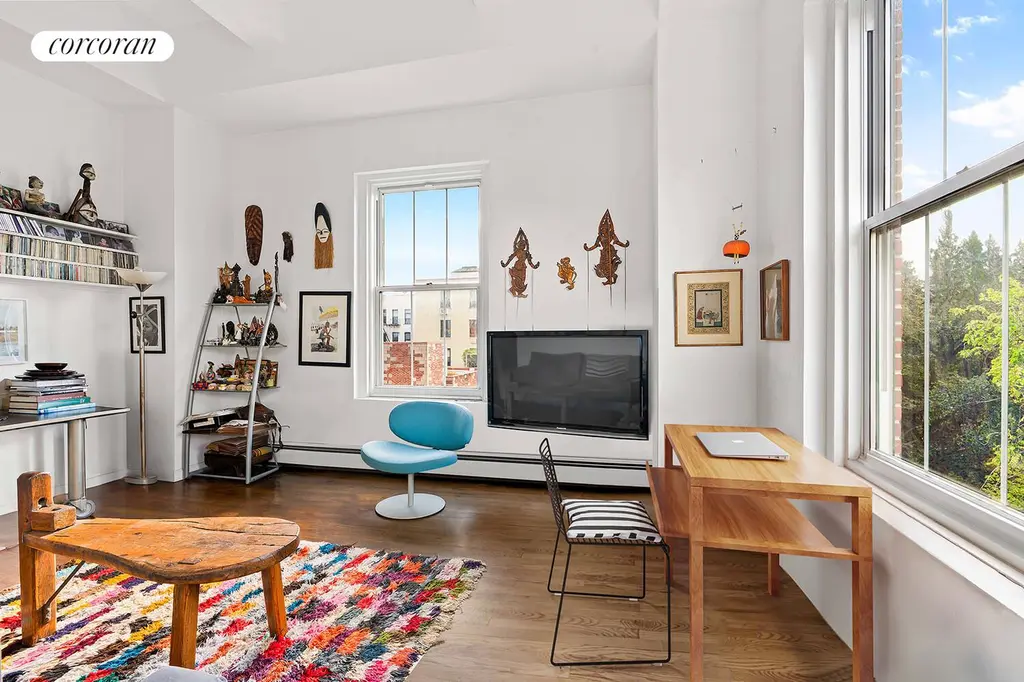
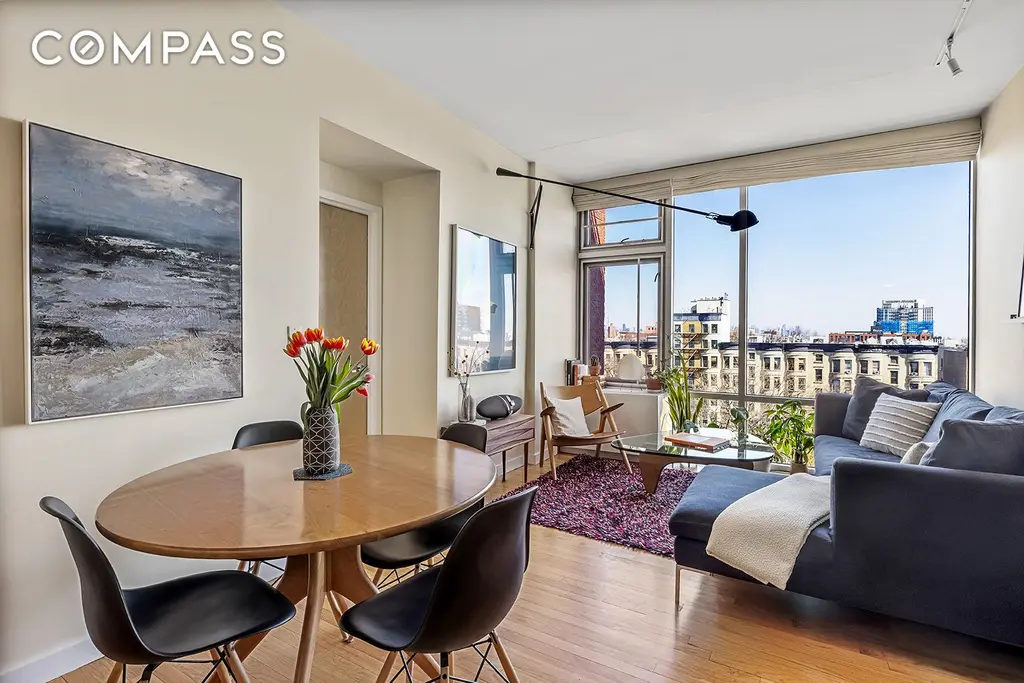
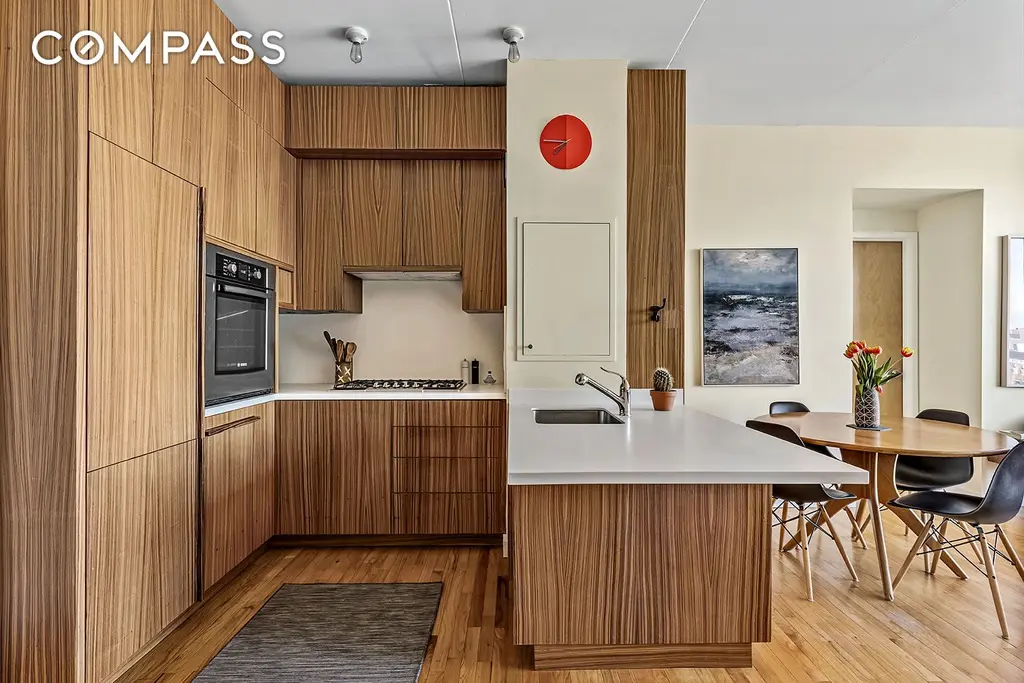
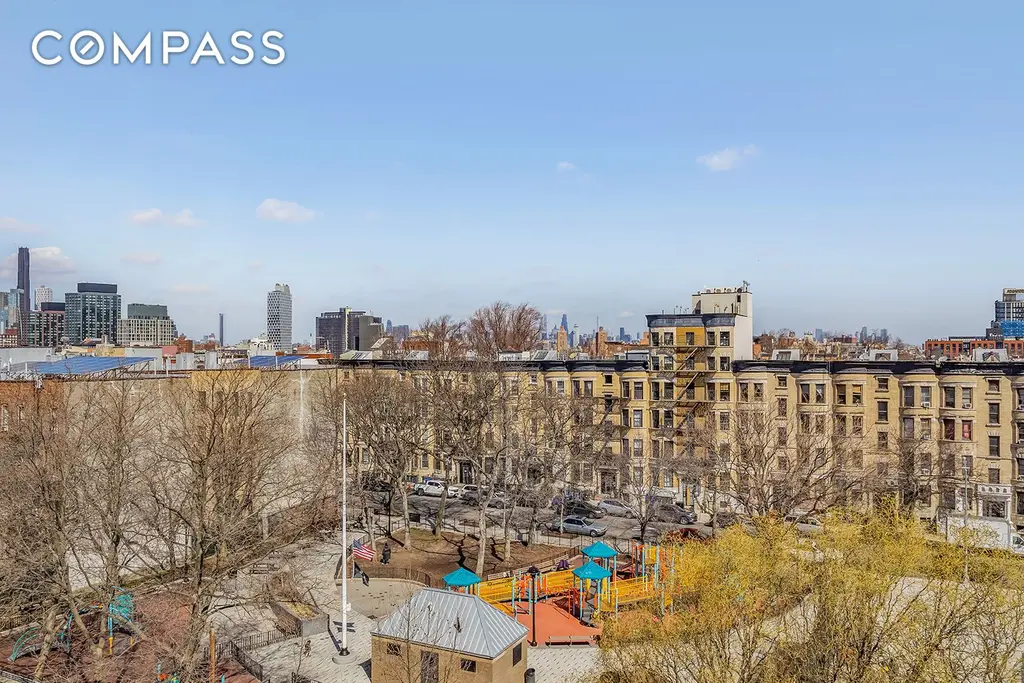
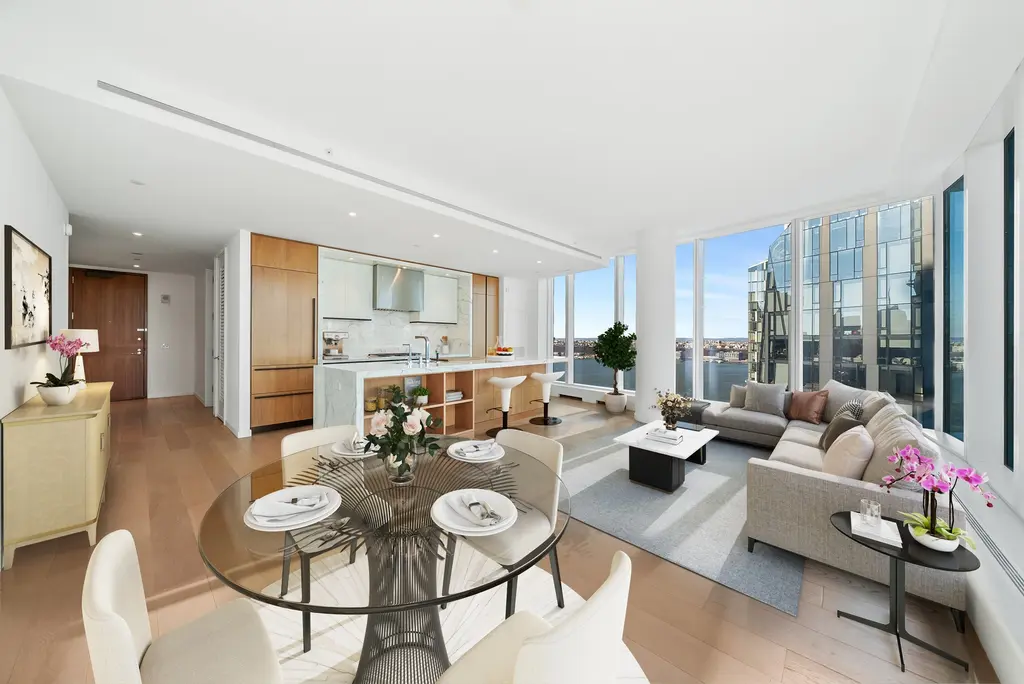
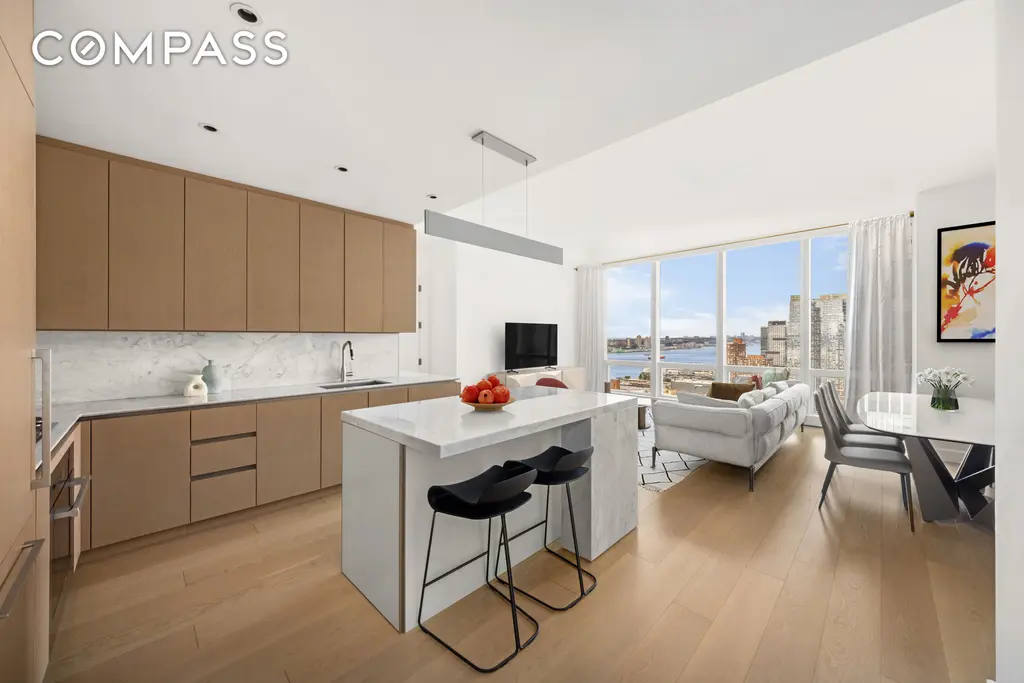
For those seeking to capitalize on the city's imbalanced tax system for condos and concurrently benefit from abatement programs, explore the list below featuring low-tax condos with ongoing tax abatements. It's important to note that the abatements mentioned have a limited duration, with tax rates gradually increasing over time. The abatement usually extends to the entire building, so be sure to explore other available units within the property. Contact us for a full list of listings with ongoing tax abatements at info@cityrealty.com or (212) 755-5544.
Contributing WriterCait EtheringtonCait Etherington has over twenty years of experience working as a journalist and communications consultant. Her articles and reviews have been published in newspapers and magazines across the United States and internationally. An experienced financial writer, Cait is committed to exposing the human side of stories about contemporary business, banking and workplace relations. She also enjoys writing about trends, lifestyles and real estate in New York City where she lives with her family in a cozy apartment on the twentieth floor of a Manhattan high rise.























 6sqft delivers the latest on real estate, architecture, and design, straight from New York City.
