Trump Palace CLOSE 
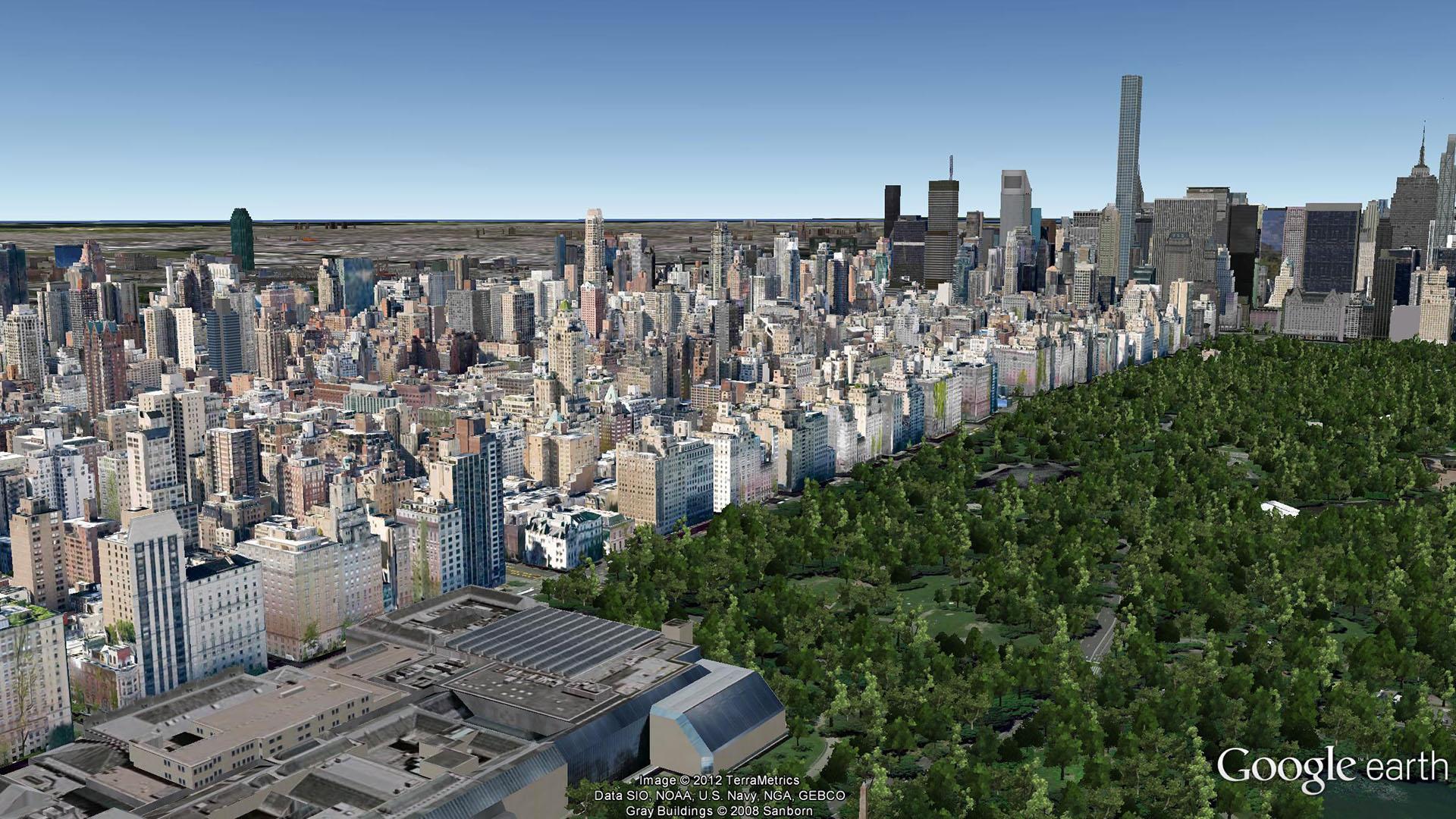
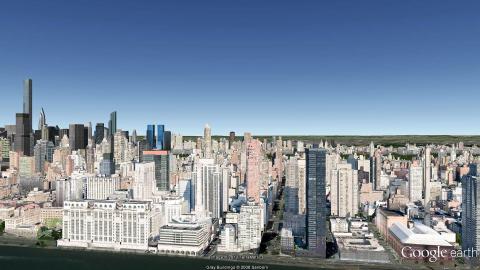
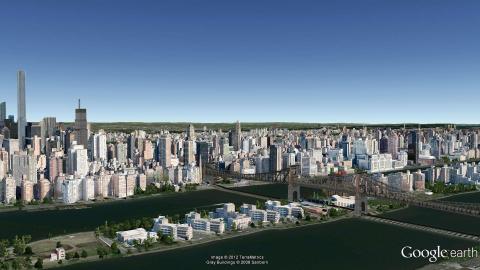
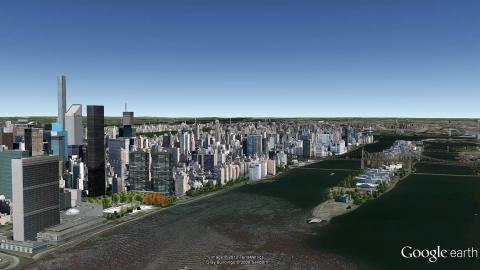
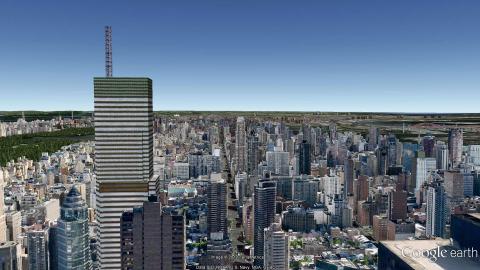
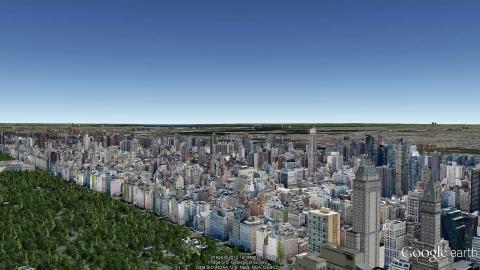
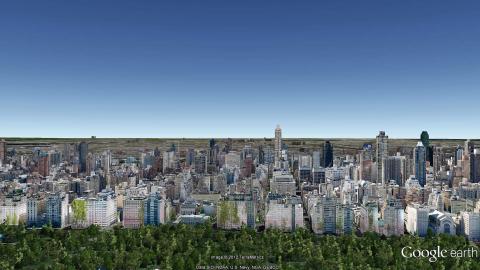
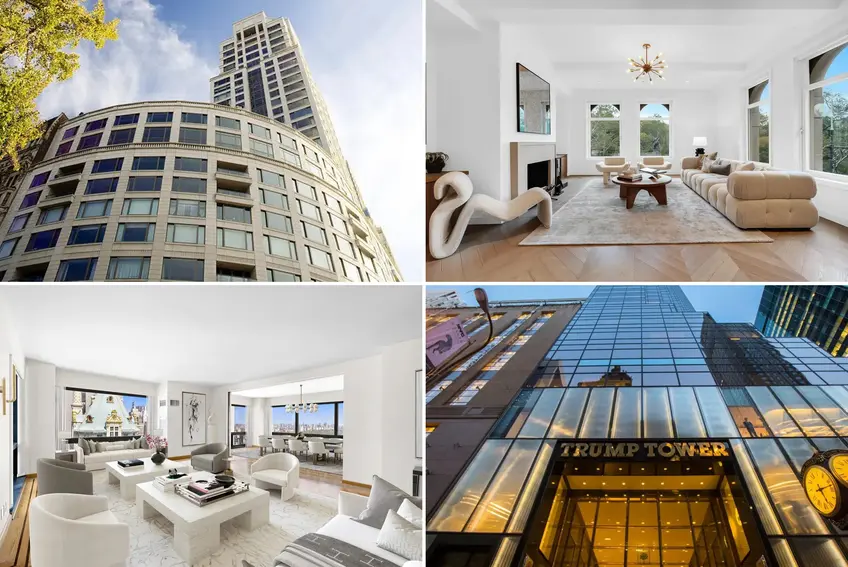
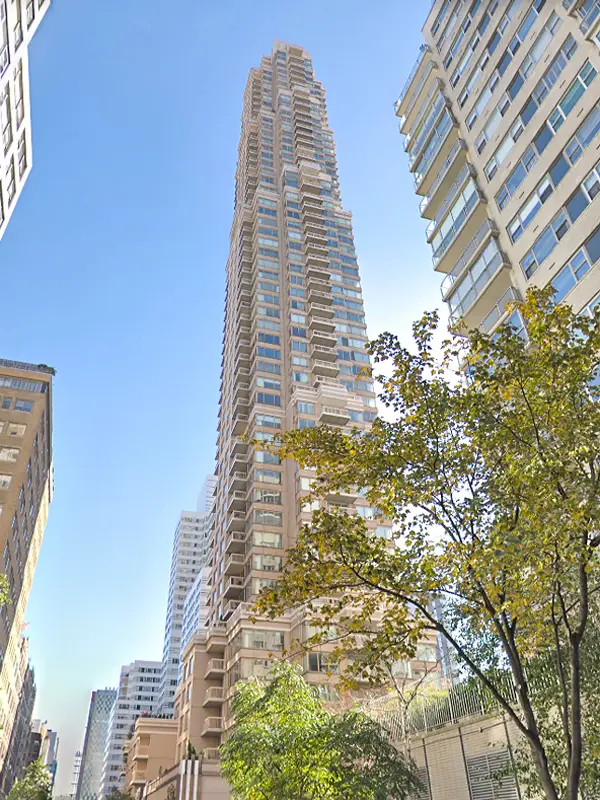
The tallest building on the Upper East Side, this 634-foot-high slender tower is one of the city's handsomest buildings.
The form and proportions of this 56-story tower are terrific.
Although its crenellated top recollects that of the famous Chanin Building on the southwest corner of 42nd Street and Lexington Avenue, this is far too sophisticated a tower to be described as Post-Modern.
Its architect, Frank Williams & Associates, had previously designed the residential portion of one of the city's most important Post-Modern complexes, World Wide Plaza on a former site of Madison Square Garden in west Midtown. Here, the architects have sculpted a very interesting tower that is an aggressive and very specific intrusion into the skyline, one that represented a significant departure for its famous developer, who previously was preoccupied with glitz and slickness.
This is a brick building, to begin with. It has many traditional "courses" that cap, or separate, different divisions of the tower. Its shape is distinctly complex and not at all clean-cut.
Given the general anti-high-rise sentiment of the city at the time this was built in 1991, it is quite stunning that Trump was able to pull this project off. Third Avenue, of course, was no stranger to high-rise "luxury" towers in the 60's, including another Trump project several blocks to the south, but this stands in splendid isolation. As such, it toppled the Carlyle Hotel on Madison Avenue at 76th Street as the most prominent, unofficial landmark on the Upper East Side. More importantly, it greatly improved the Upper East Side skyline for Upper West Siders.
At about the same time that Trump was going ahead with this project, he switched architects on his large "Trump City" project on the Upper West Side overlooking the Hudson River from a modernist design that included a "world's tallest building" there, designed by Helmut Jahn, for Trump, to a Post-Modern enclave designed by Costas Kondylis that mimics some of the Art Deco twin-towered buildings of Central Park West.
While this tower's top, which is beautifully illuminated at night, is reminiscent of Art Deco, the building's base is more typical Trump, a generally conservative, corporate blandness with a bit of expensive flash.
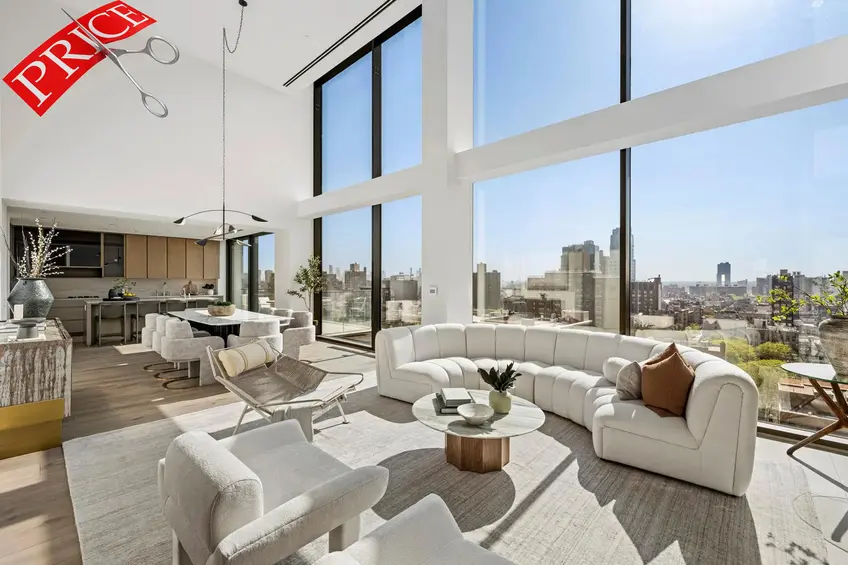
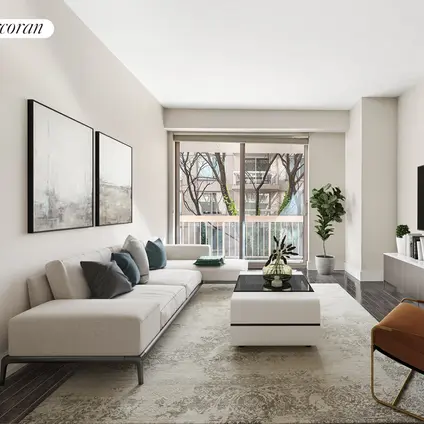
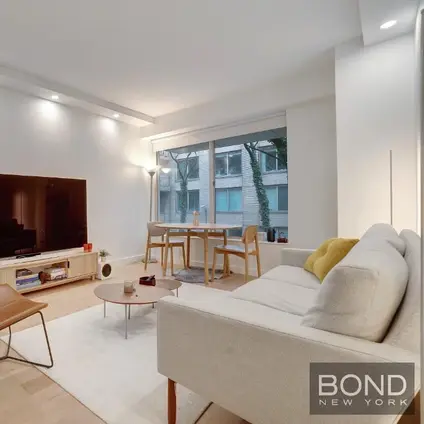
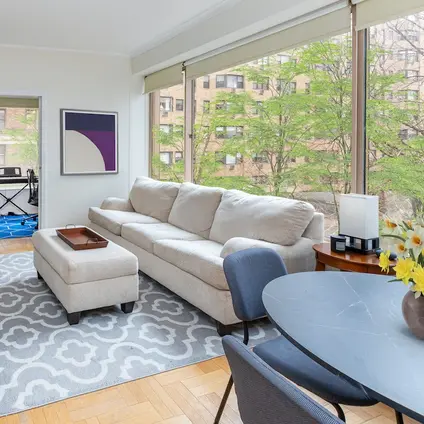
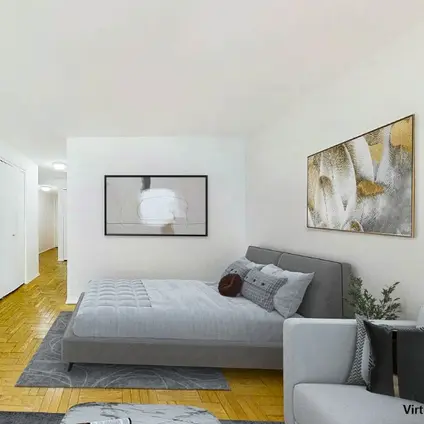
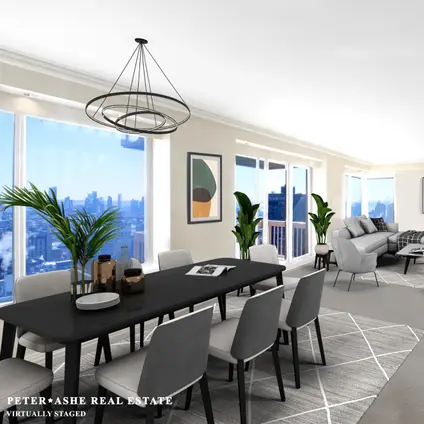
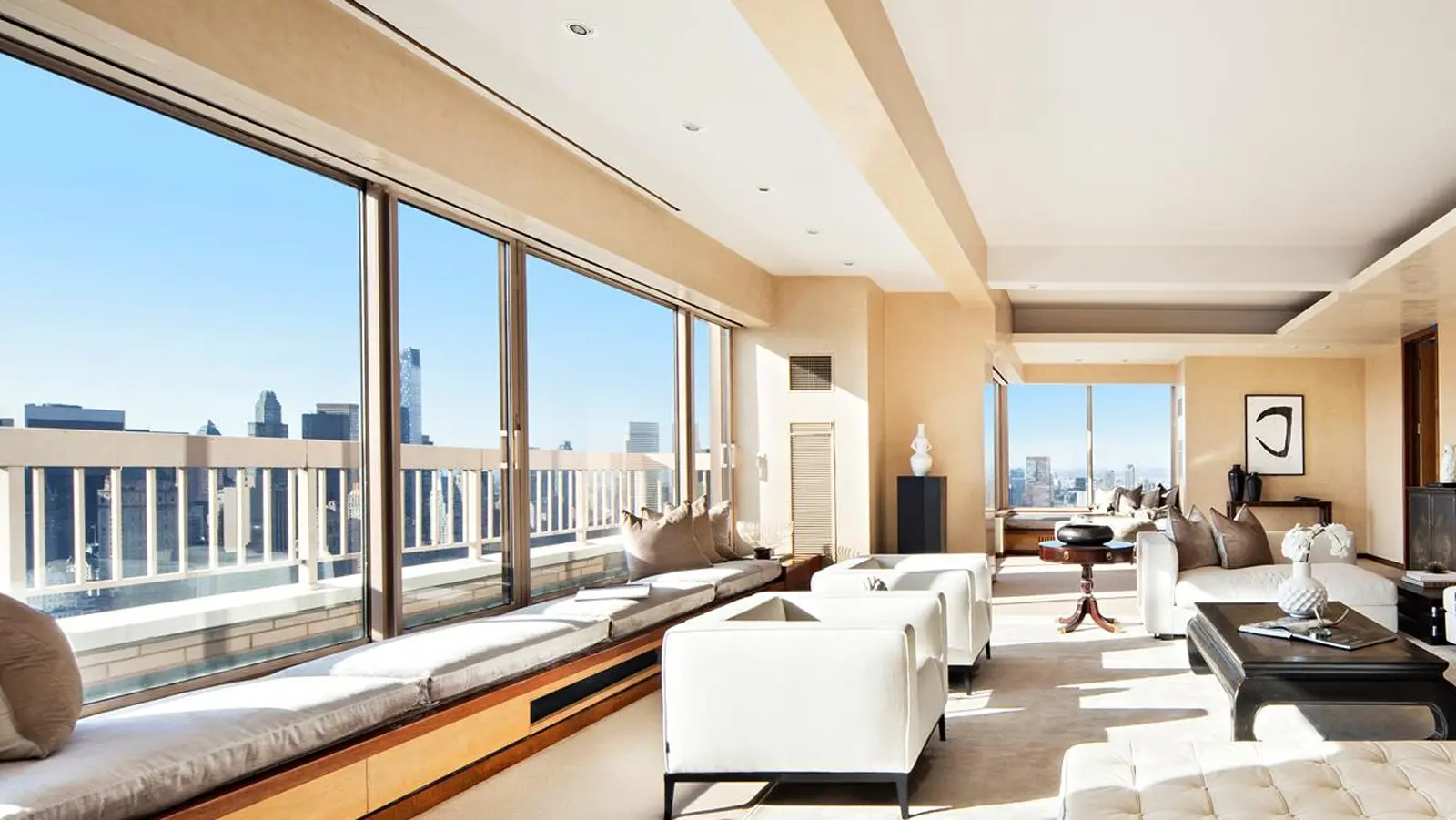
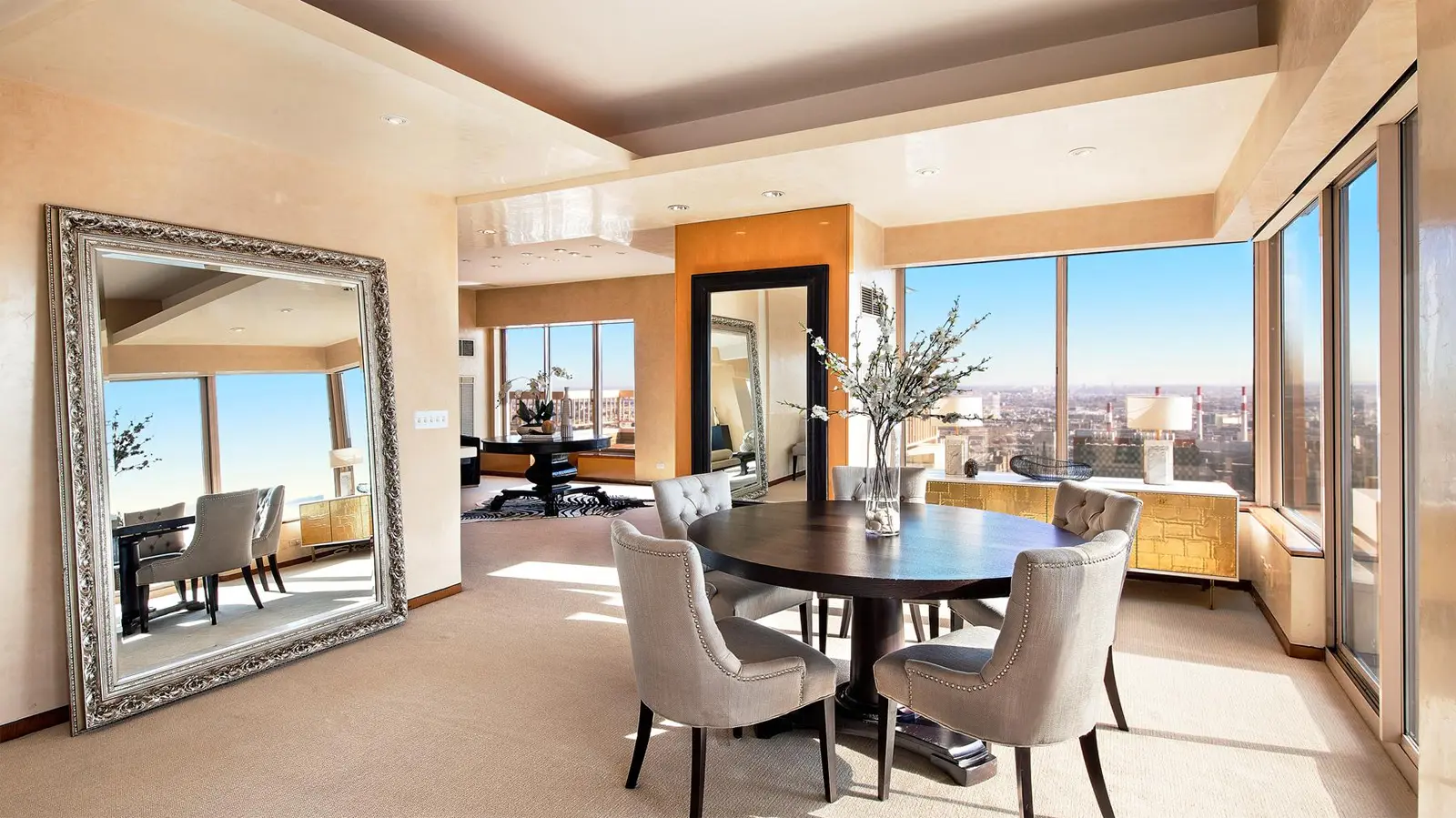
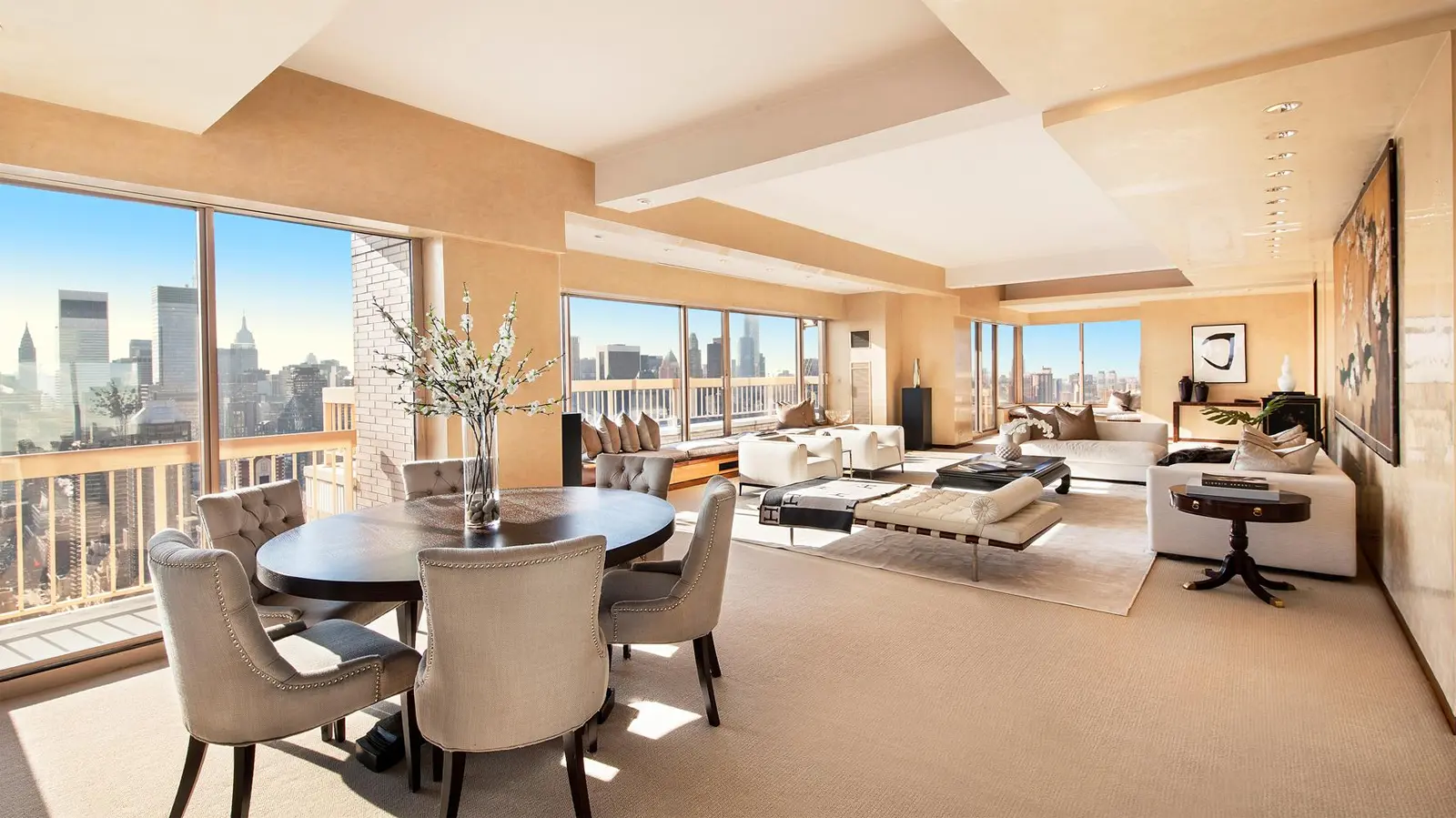
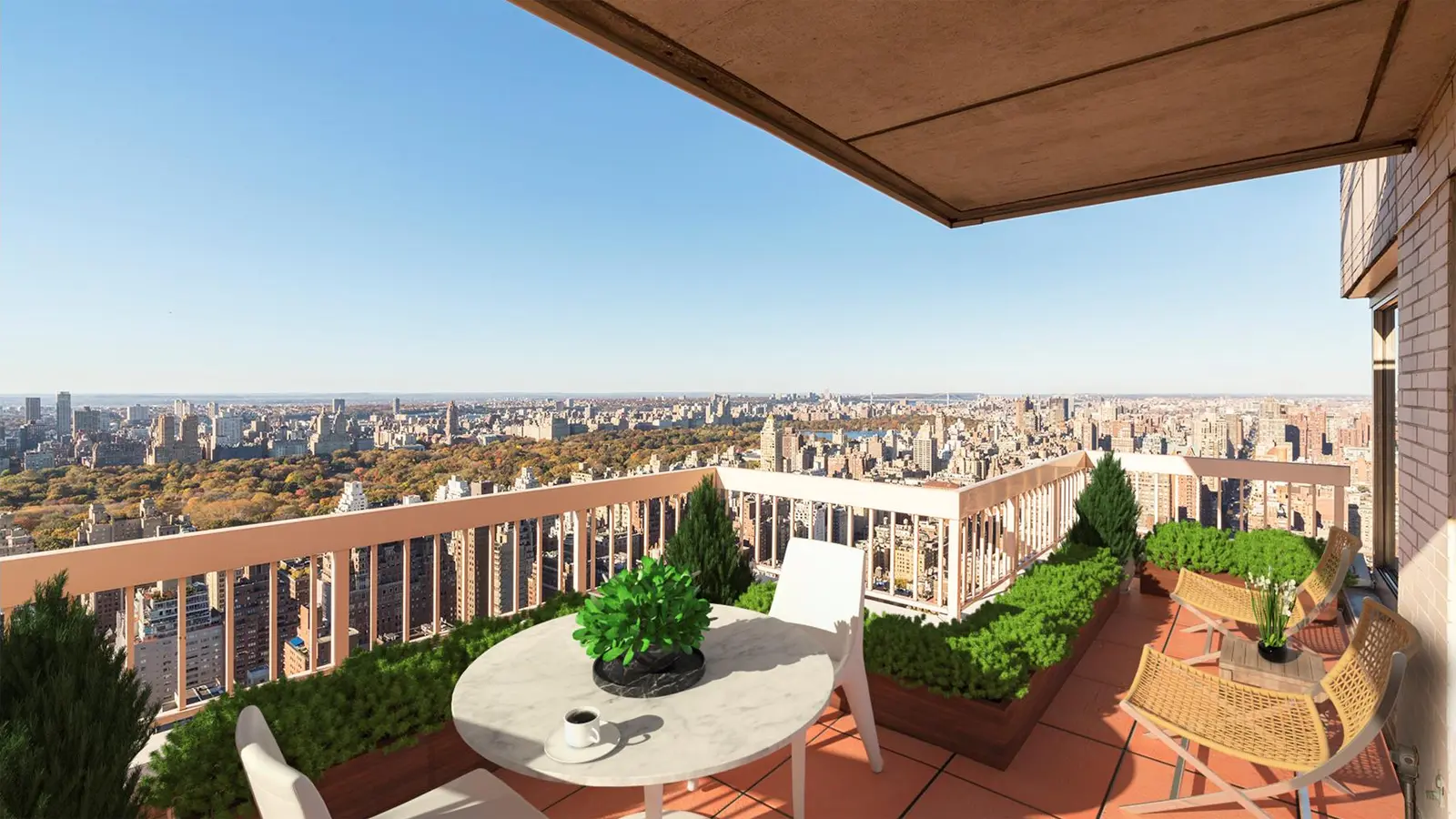
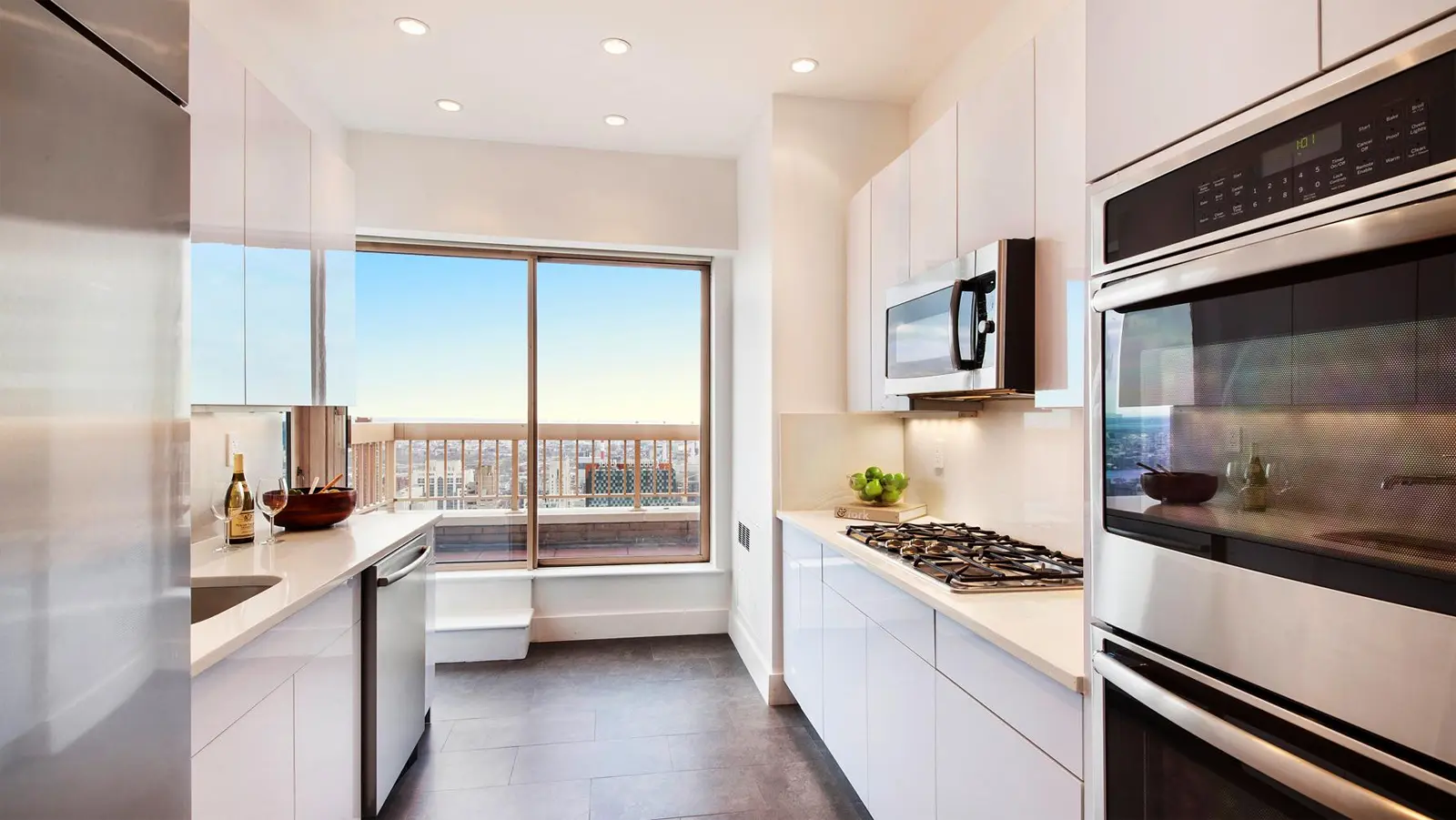
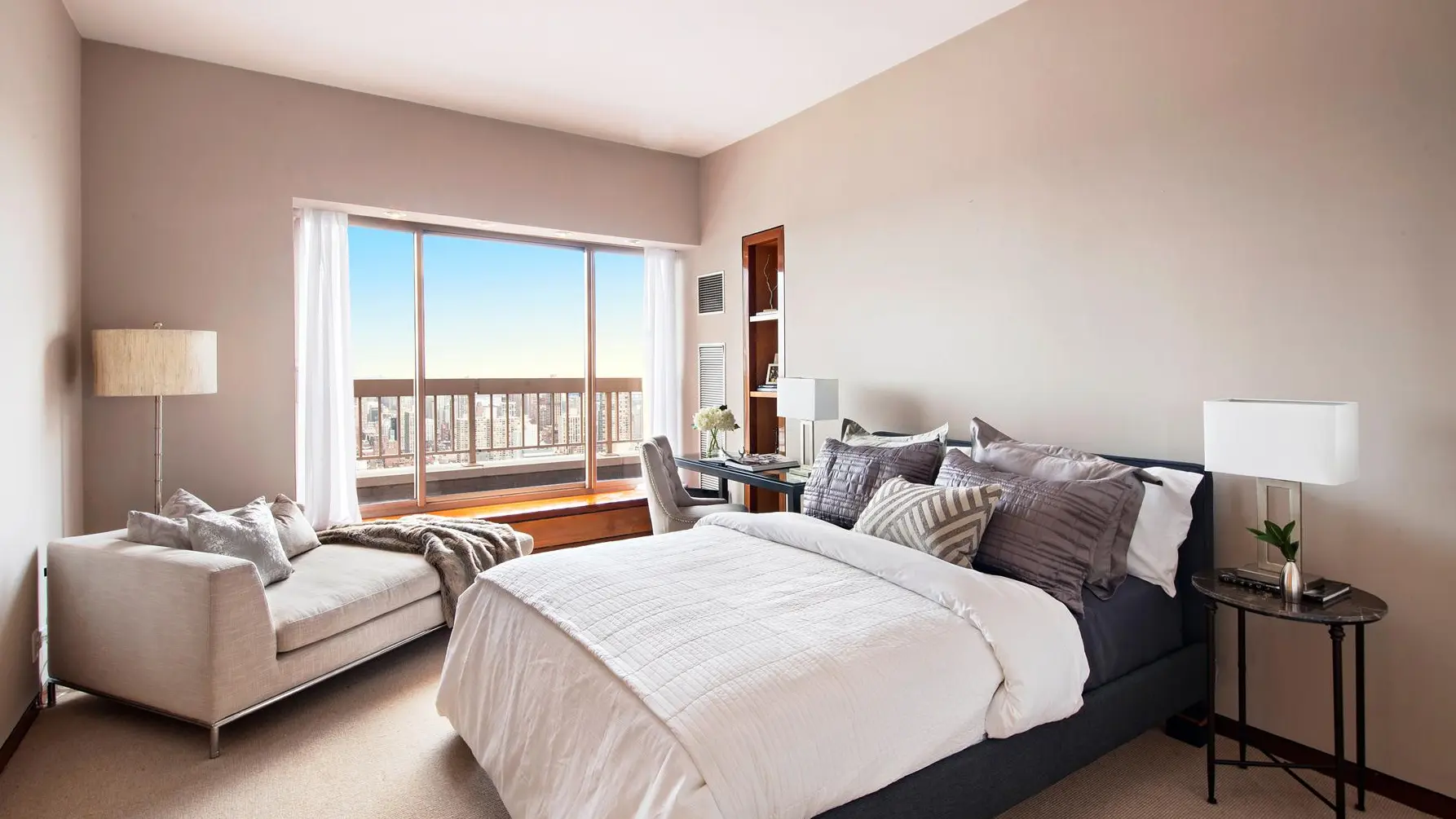
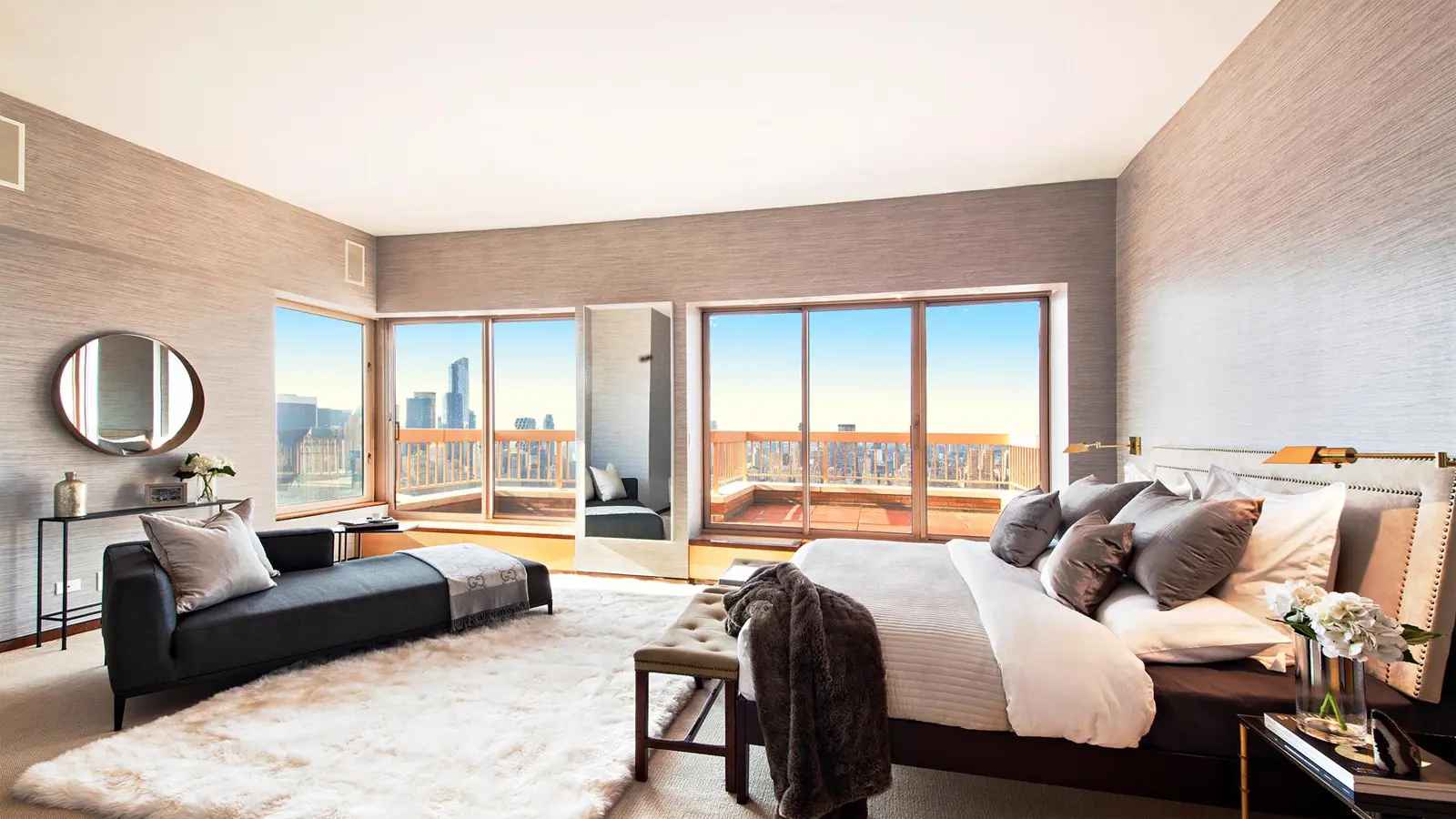
The condominium apartment layouts are efficient, but not palatial, and most of their views are protected and sensational. The marketing here is generally aimed at an international market largely interested in conventional pi?d-a-terres, which can be combined for larger units, with plenty of amenities and convenience. The top several floors have only one unit each.
The building's brick is a yellowish-orange, which is an interesting experiment at keeping the large tower light in tone but also warm and inviting. The experiment, however, misses somewhat and the tower's color is, well, peachy. Furthermore, the brickwork does not appear to be the most expensive, or finely detailed. Nevertheless, a brick tower is welcome and the wealth of detailing on the other building elements is admirable.
Despite its size, there are only 285 apartments here, two-thirds of which are in the tower and the remainder in two attached structures, one eight stories and the other nine stories, thereby affording residents considerable more "exclusivity" on their floor than many other recent large projects.
With its superb massing, this tower could only be improved if it had a travertine marble fa??ade and surely Trump will eventually get around to erecting such a tower, but perhaps without such an excellent location.
The tower replaced the 10-story, New York Foundling Hospital that had been erected in 1959.
The tower was built "as-of-right," but Mr. Trump could not get a zoning variance he wanted to create a five-screen movie theater on the site.
"A lively pattern of windows and balconies," noted Robert A. M. Stern, David Fishman and Jacob Tilove noted in their great book, "New York 2000, Architecture and Urbanism Between The Bicentennial and The Millennium" (The Monacelli Press, 2006), "added interest to the telescopic tower, which proved to be just the kind of landmark Third Avenue needed, though Herbert Muschamp did not see its bravura in positive terms, agreeing in essence with Kenneth Koyen, a neighbor of the tower, who called it 'as appropriate as an asparagus spear on a golf green.' Muschamp took issue with several aspects of the design, beginning with the detailiing of the base, which he castigated as 'tacky Art Deco trim.' He also felt that the brick walls, 'glamorous from a distance, look cheap up close.'"
To view all NYC apartment information and prices, log in or register now it's quick, easy and free.
You'll get access to all NYC apartments available including thousands of listings all for free.

Forgot Password?
If you need assistance, please call us at 212-755-5544.
|
Comments or questions? · Phone: 212.755.5544
|
|
An equal housing opportunity.
|
| All data is deemed reliable but is not guaranteed accurate by the REBNY / RLS or CityRealty. See Terms of Service for additional restrictions. All information furnished regarding New York City property for sale, rental or financing is from sources deemed reliable, but no warranty or representation is made as to the accuracy thereof and same is submitted subject to errors, omissions, change of price, rental or other conditions, prior sale, lease or financing or withdrawal without notice. All dimensions are approximate. For exact dimensions, you must hire your own architect or engineer. The number of bedrooms listed on this website is not a legal conclusion. Each person should consult with his/her own attorney, architect or zoning expert to make a determination as to the number of rooms in the unit that may be legally used as a bedroom. |