
In this article:






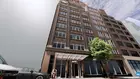


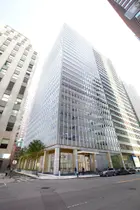
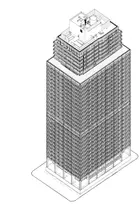
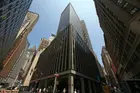
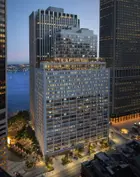
A Case Study in Innovation: Rethinking 1633 Broadway
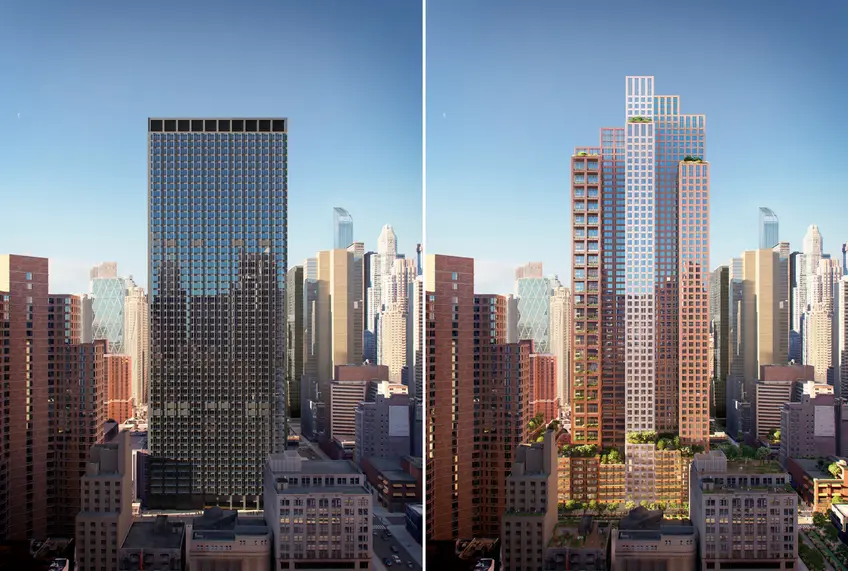
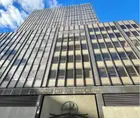
SGA’s plan tackles one of the biggest hurdles in office conversions: a lack of natural light. With massive 45,000-square-foot floor plates, the building’s interior would be unlivable without drastic intervention. The firm proposes removing parts of each floor to reduce the size to 34,000 square feet, carving the structure to allow light and air to penetrate.
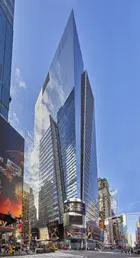
They envision a new facade and flowing architectural form that makes the once-blocky building more dynamic and livable. The result is not just a functional redesign, but a complete aesthetic reinvention, turning the tower into a true urban residence.
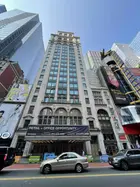
Studios Architecture imagines 1633 Broadway as a "Vertical Village," transforming the tower into a self-sustaining community. Their plan introduces “Superfloors” between two residential towers, each floor dedicated to different functions: work, live, and play.
By removing the center of the building and constructing new structures upward using repurposed materials, they dramatically improve air flow, reduce carbon emissions, and create shared spaces that foster social interaction. The concept envisions a new type of high-rise living where sustainability and community intersect.
SOM: From Monolith to Mixed-Income Model
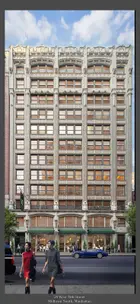
Skidmore, Owings & Merrill (SOM) offers perhaps the most radical rethinking of the site, one that seeks to address the housing and climate crises in tandem. Their plan reuses much of the original structure, cutting into the monolithic form to bring in light and air, then adding new volume to the base and top.
What sets SOM’s proposal apart is its equity-driven model. The redesigned building would include a mix of luxury units, co-living spaces, and micro-affordable apartments distributed horizontally to give all residents access to natural light and views. Instead of stacking luxury above and affordability below, the layout promotes social integration and livability.
Echoing the great race to the sky when the Chrysler Building, the Empire State Building, and 40 Wall Street were all trying to be the world’s tallest building, the race to be the biggest office-to-residential conversion has been heating up in Manhattan. Pearl House boasted the largest office-to-residential to date but was soon surpassed by the nearby, newly launched SoMA. SoMA is expected to hold the title at least until 219-235 East 42nd Street (the former Pfizer Building) comes to market.
Below is a list of office buildings in various stages of conversion to rental housing, signaling a future in where yesterday’s 9 to 5 hubs become tomorrow’s 24-hour neighborhoods.
Recent office-to-rental conversions now leasing
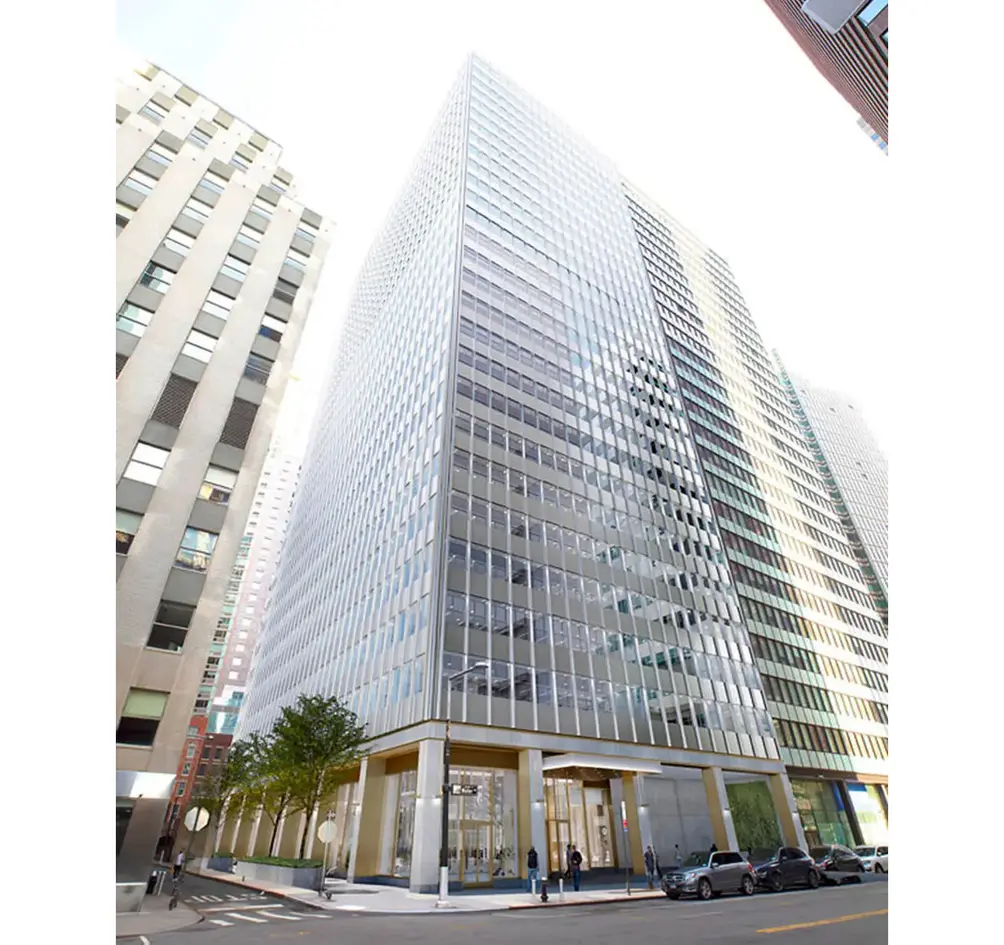 Pearl House exterior (Credit: Williams New York)
With only a handful of units remaining among its 588 apartments, the property's 30,000 square feet of luxury, resort-style, private club-inspired amenities are now complete, including Sky House rooftop amenity complex featuring an expansive wraparound terrace with landscaped seating areas, cozy cabanas, and gas grills for autumn barbecues, further helping drive demand and interest. Pearl House has established itself as a standout in the Seaport District. Compass Development Marketing Group is the exclusive marketing and leasing partner.
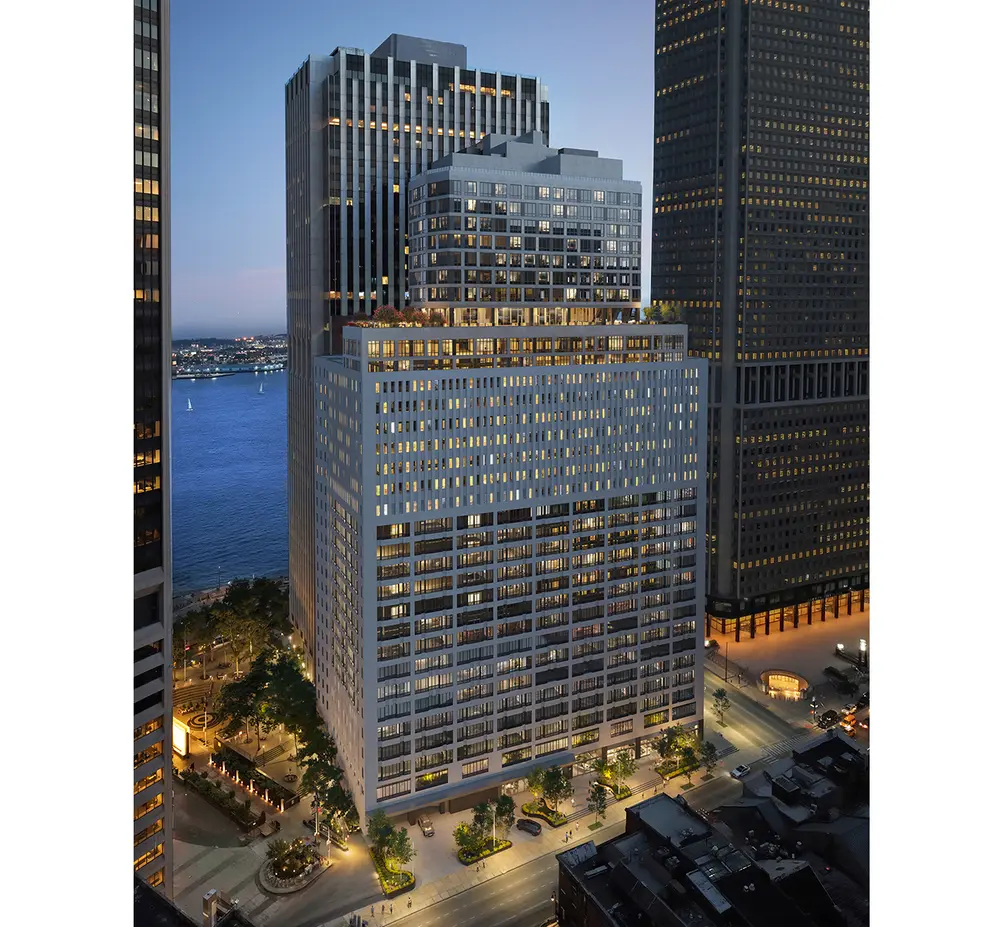 SoMA (Credit: Streetsense)
Approximately 100,000 square feet of lifestyle amenities includes a wellness and fitness component as well as a landscaped roof terrace with vistas of the New York Harbor, Brooklyn, and Downtown Manhattan, grilling stations, private dining, and an indoor serenity lounge overlooking Battery Park, a basketball court, two private indoor pickleball courts as well as access to the 18,000-square-foot SoMA Athletic Club, encompassing a top-of-the-line fitness center, Training Studio, Pilates Studio, and Yoga Studio. The All Season 75’ Pool isn’t the only pool as there is an additional outdoor pool on the 25th floor. Compass Development Marketing Group is the exclusive marketing and leasing partner.
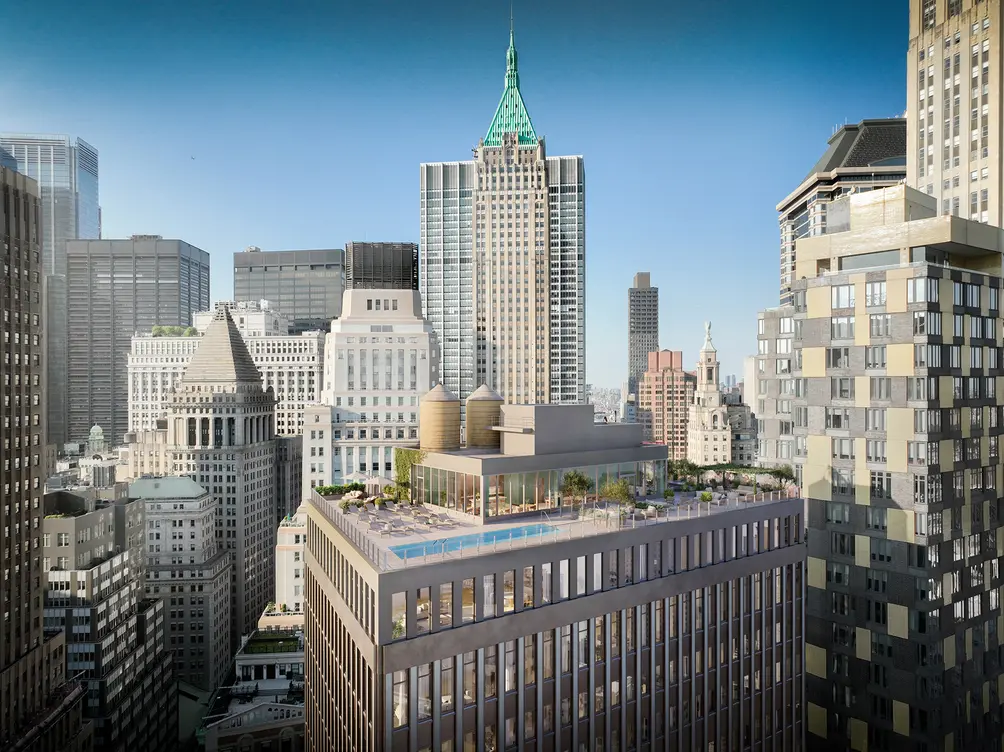 55 Broad Street (Rendering credit: Streetsense)
Residents of the apartments enjoy access to approximately 25,000 square feet of indoor and outdoor amenities. These include a 24-hour attended lobby with library, a fitness center with Technogym equipment and separate yoga studio, a residents' lounge, and coworking space. A rooftop terrace features an outdoor pool and resort-style sun deck with dining and lounging areas. An affordable lottery took place over the summer, and market-rate leasing is underway.
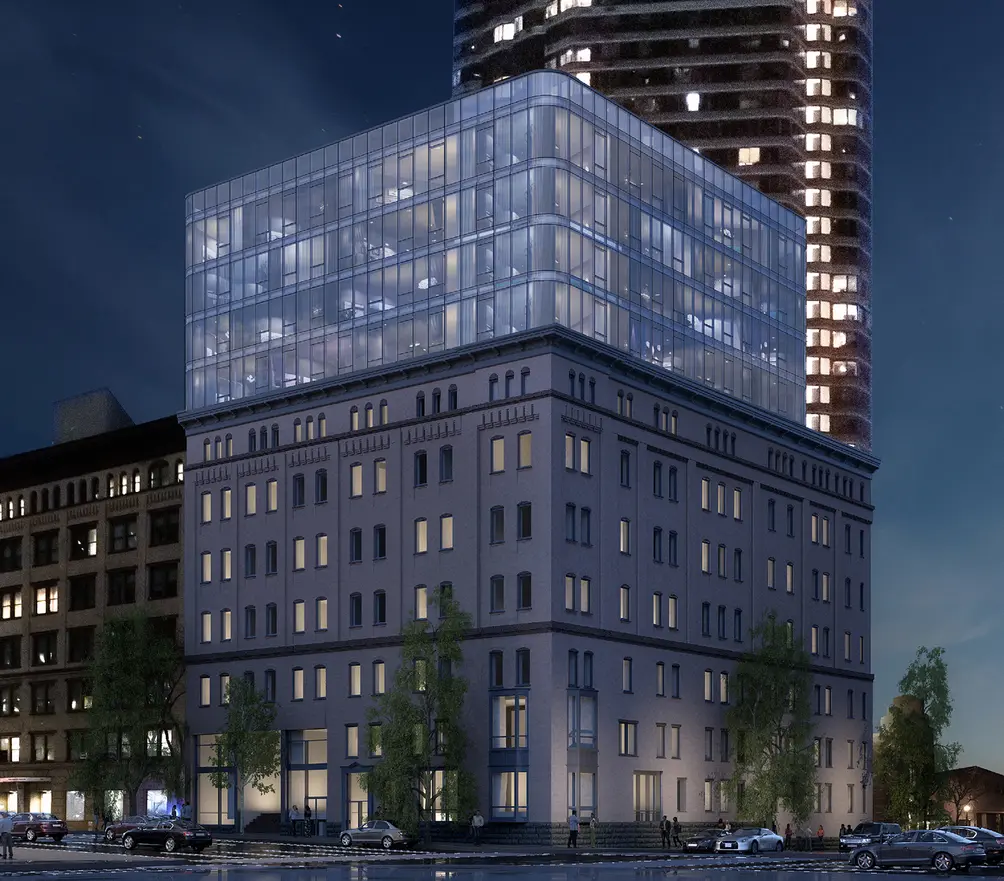 650 First Avenue (Lalezarian Properties)
Most recently, four floors were added and the southern wing was converted to 111 residential units. All apartments are reached via keyless entry and feature interiors with high ceilings, stone and wood flooring, kitchens with LED countertop lighting and stainless steel appliances, central heating and air conditioning, and in-unit laundry. Amenities include a 24-hour attended lobby, bike storage, a fitness center, two resident lounges, and a roof deck with stunning views of the East River.
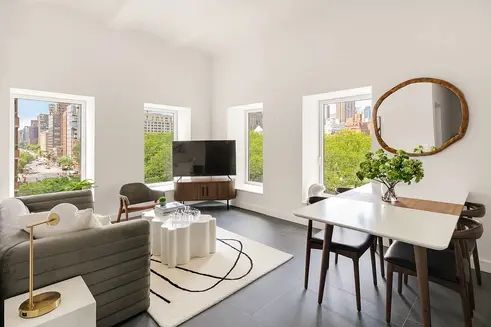
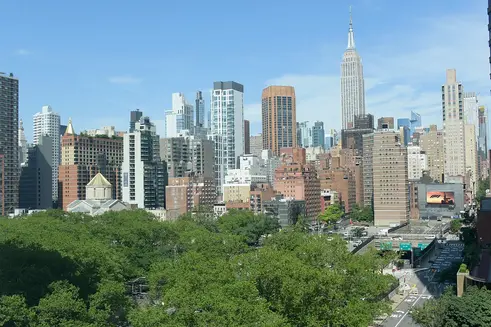
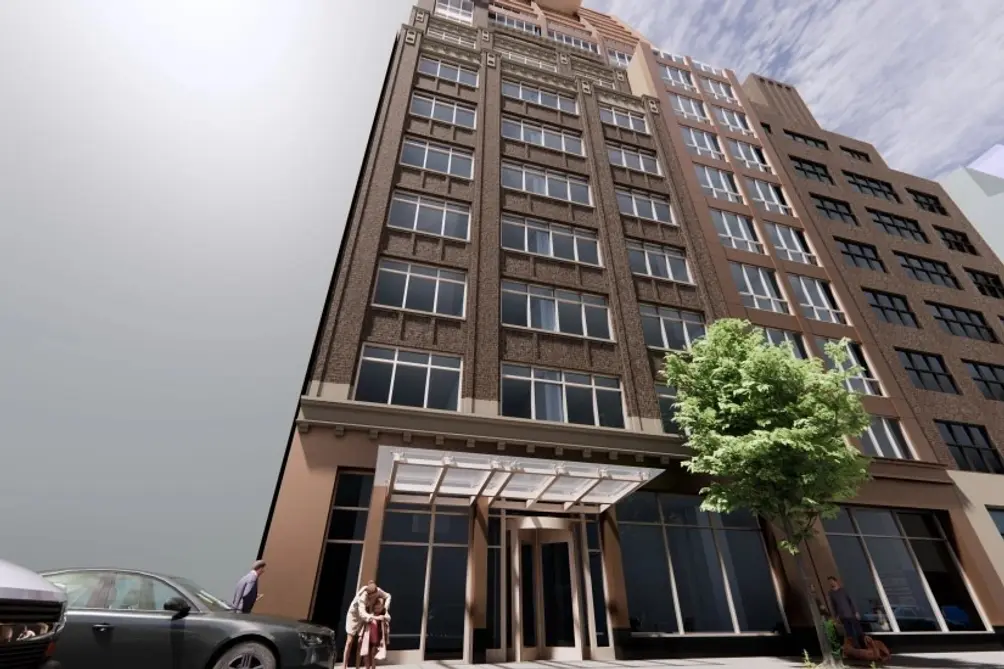
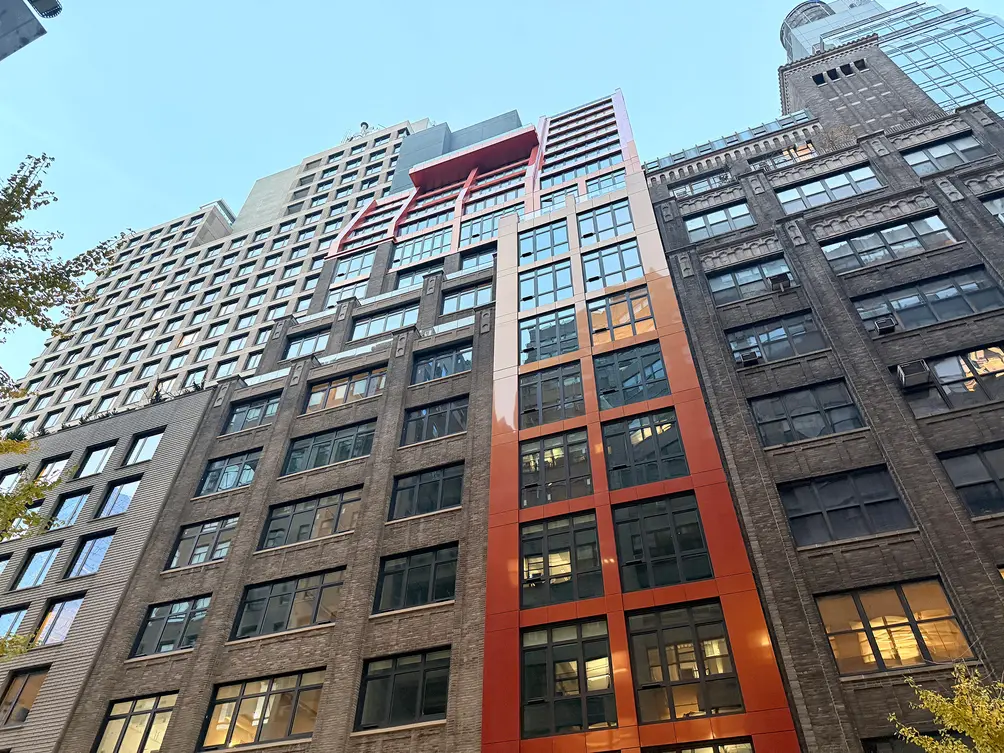 339-341 West 38th Street as of Fall 2024
Office-to-rental conversions under construction
225 East 42nd Street, Murray Hill
1,600 units | Under construction | Anticipated Leasing Launch: 2027
The project involves adding four new levels to a 33-story building, adding 19 new levels to a neighboring 10-story structure, replacing the facades and windows, and reconfiguring the interiors. A spokesperson for acclaimed architecture and design firm Gensler described it to Bloomberg as "quite a bit of surgery." The end result will be New York City's largest office-to-residence conversion to date upon completion, which is estimated for the fourth quarter of 2027.
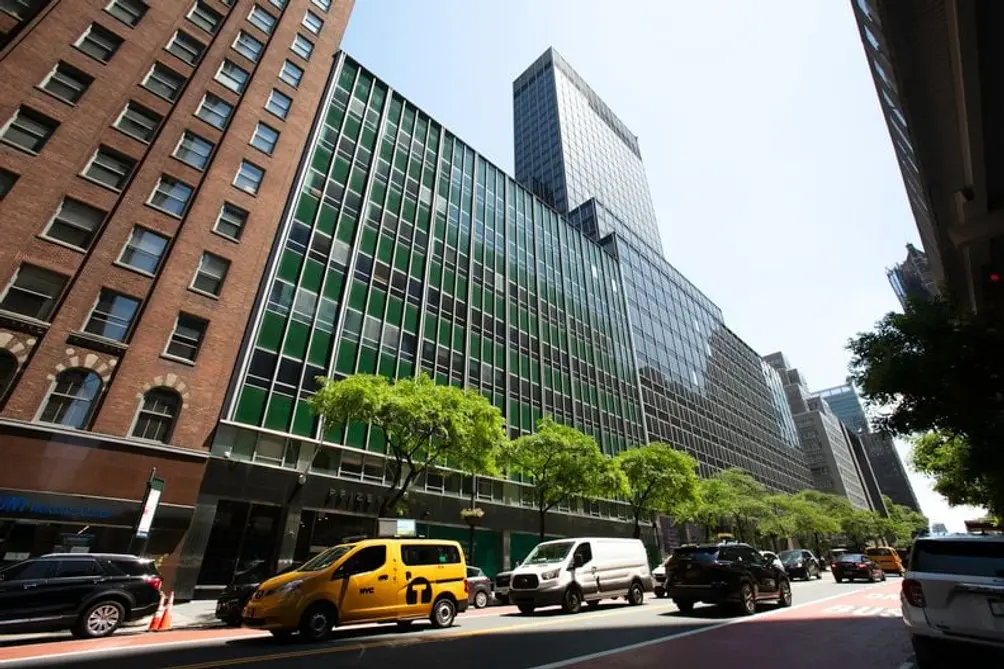
330 West 42nd Street, Midtown West
224 units | Under Construction | Anticipated Leasing Launch: TBD
In July 2024, a venture between Blackstone and Rialto Capital Advisors filed to foreclose on the building, claiming the owners defaulted on a mortgage. Exterior work is not currently apparent, but recently filed permits show that interior work is underway.
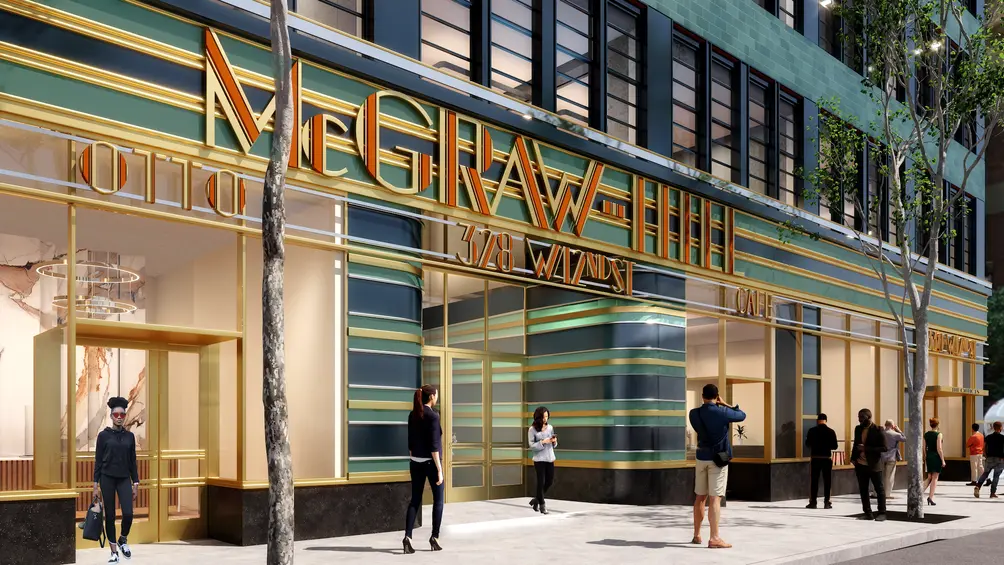
Planned Conversions
The individual city landmark was added to the U.S. National Register of Historic Places in 1982. In 2022, Yellowstone Real Estate Investments, headed by Isaac Hera, took ownership of the Candler Building via a deed-in-lieu settlement, according to The Real Deal. With many of its floors vacant since the pandemic, Yellowstone filed plans for a 265-room hotel in 2024 and, in March 2025, for a 192-unit residential conversion. Issac & Stern Architects is listed as the architect of record. Although full plans are not yet public, the project will gut and reconfigure the former office floors into residential units while preserving the ornate lobby and exterior façade.
It remains to be seen how much demand there is to live on this bustling stretch of West 42nd Street. But with the massive conversions of 5 Times Square and the McGraw-Hill Building nearby, developers appear to be betting renters will be open to raucous crowds and bright lights of the area.
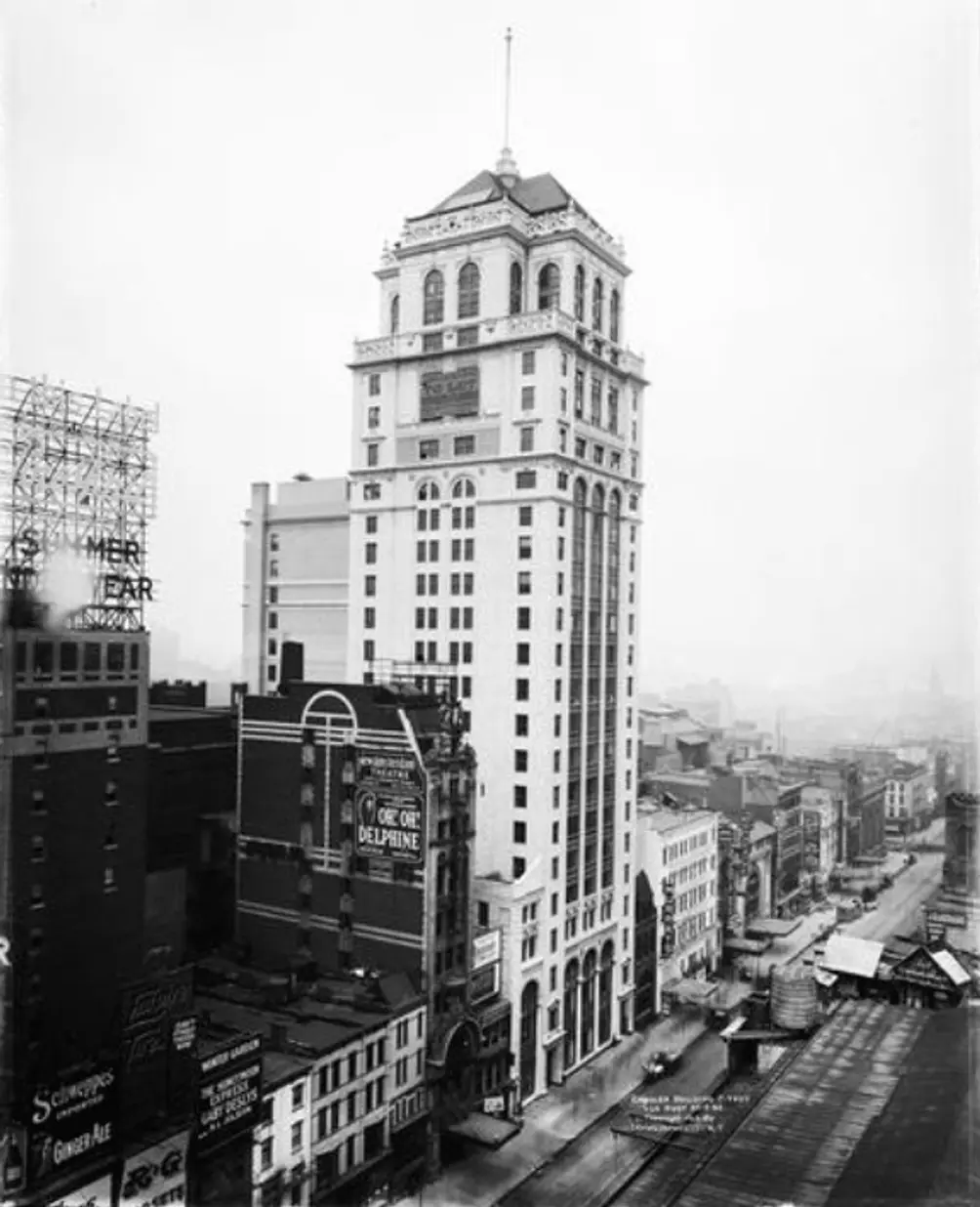 The Candler Building, 224 West 42nd Street, New York City (center), with the New Amsterdam Theatre. Signage on the theatre advertises Oh! Oh! Delphine, which played there from February 3 to May 3, 1913. (Wikimedia)
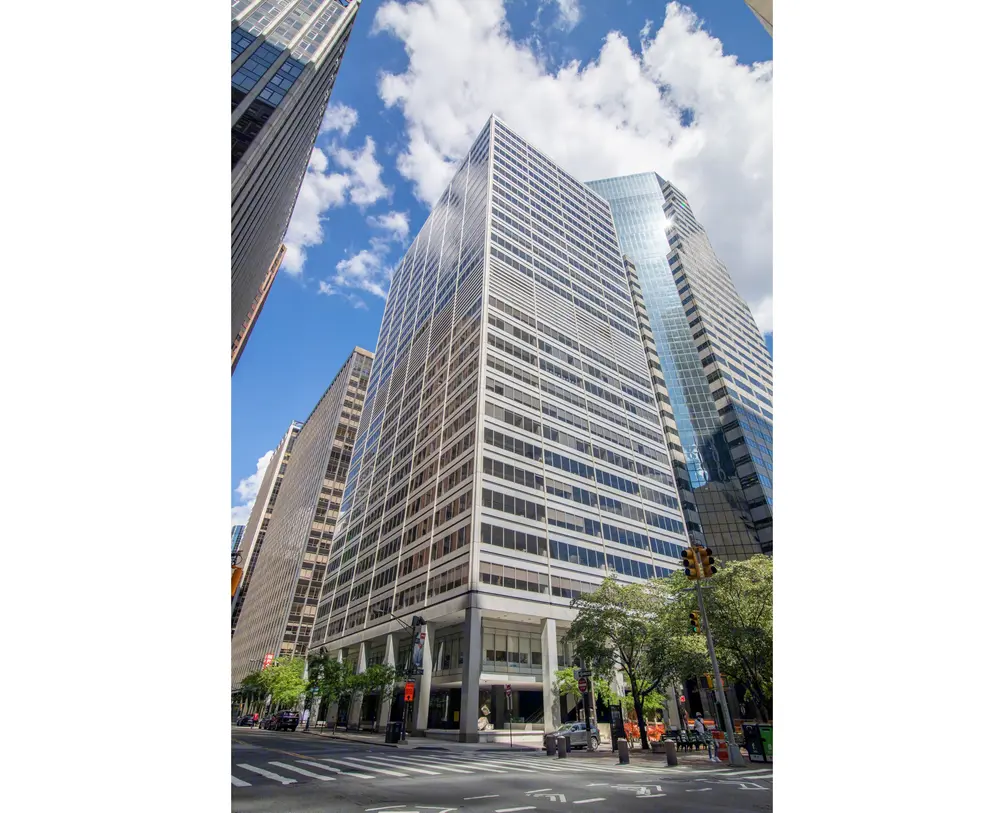 77 Water Street via VTS | https://marketplace.vts.com/building/77-water-street-new-york-ny
The mid-century tower was designed by Richard Roth (one of the sons in Emery Roth & Sons), and its minimalist-style facade offered such quirks as a life-size model of a World War I airplane and a penny candy store. Sadly, though, the plane fell into disrepair over the years and the candy store has closed. Locals are also disappointed at the demolition of a landscaped public plaza during the conversion; but as the permit does not modify the site plan, it is widely expected that the plaza will be restored to its original condition after construction is complete.
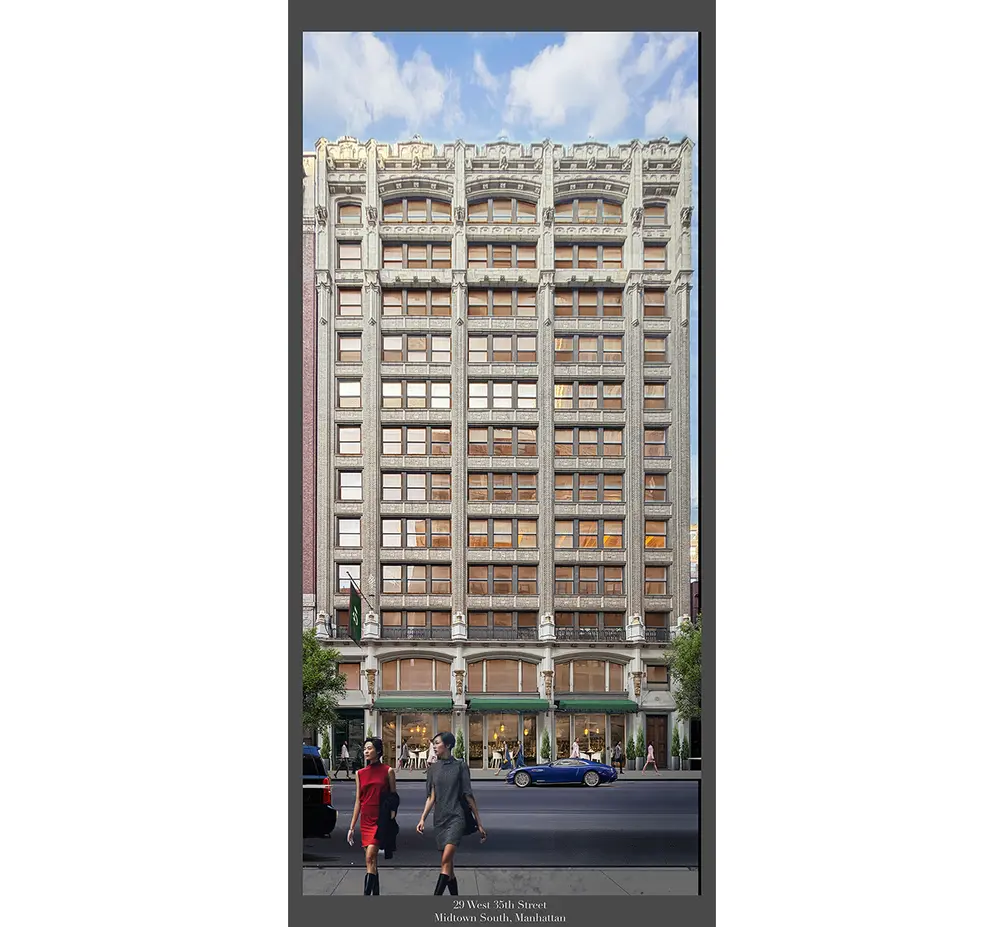 Rendering of 29 West 35th Street
Several of the 107 studio residences will include flexible spaces like home offices and alcoves. Interiors will feature high ceilings, designer kitchens, and in-unit laundry. Amenities will include an attended lobby, bike storage, private storage, a dedicated pet wash system, and a rooftop terrace with multiple seating areas, game tables, an outdoor movie screen, and views of the Empire State Building.
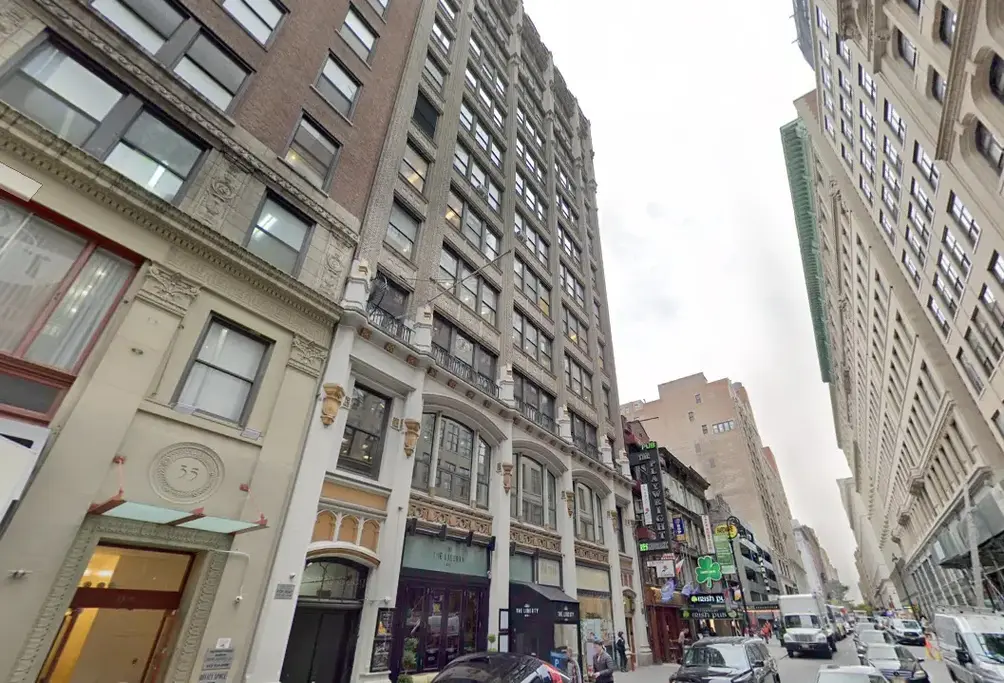 Google Streetview of 29 West 35th Street
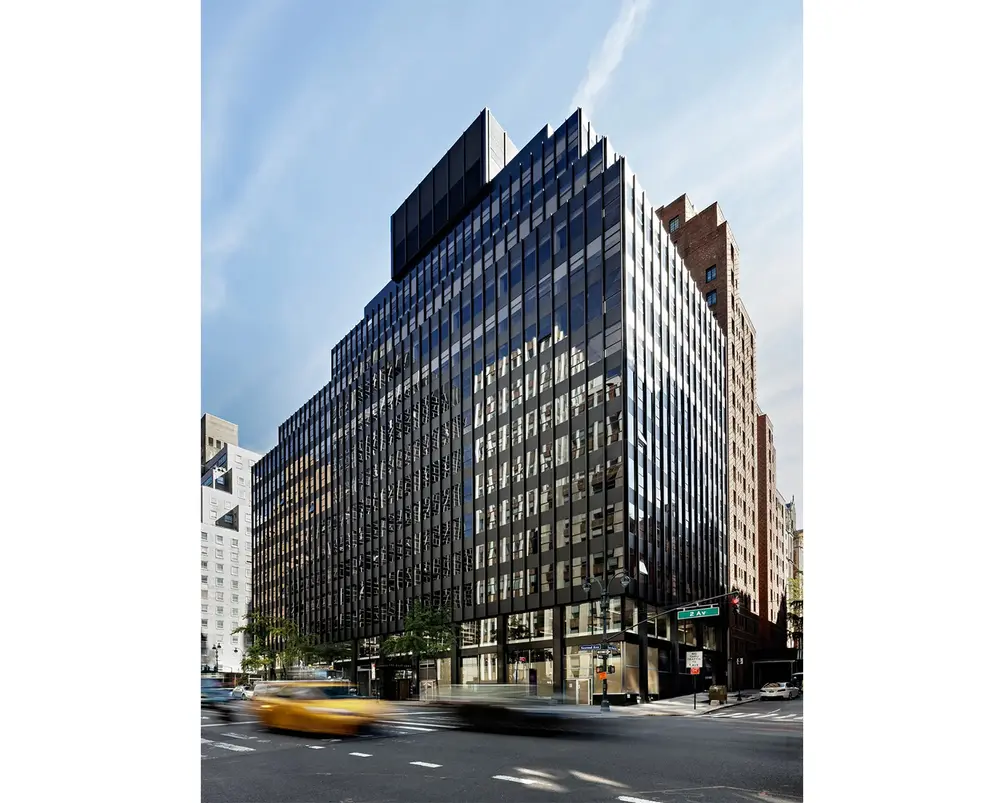 300 East 42nd Street (CityRealty)
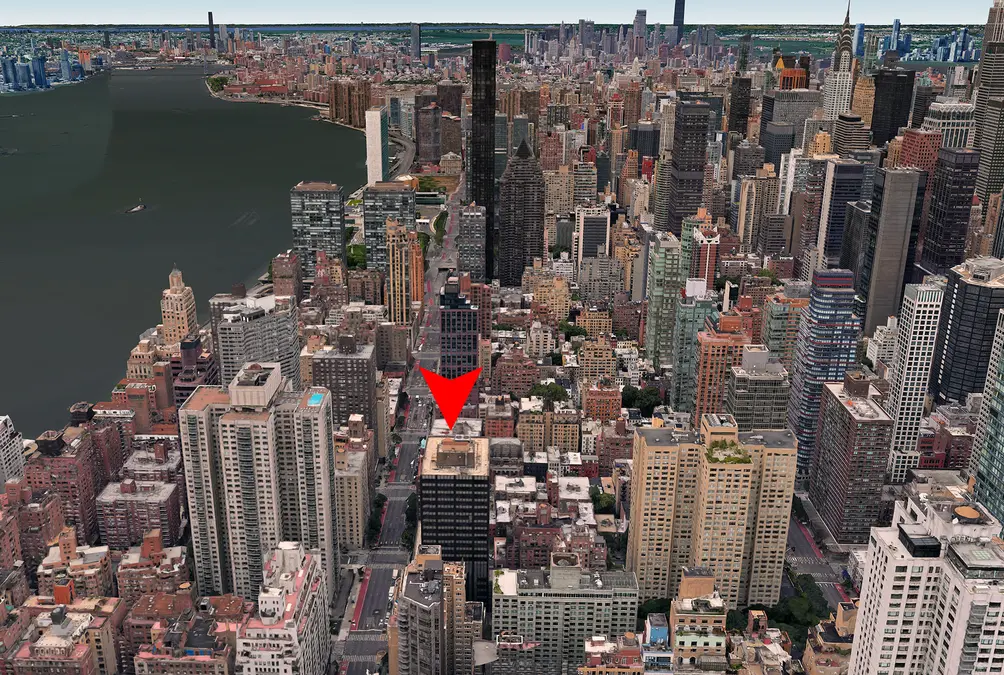 Google Earth view of 1005 First Avenue
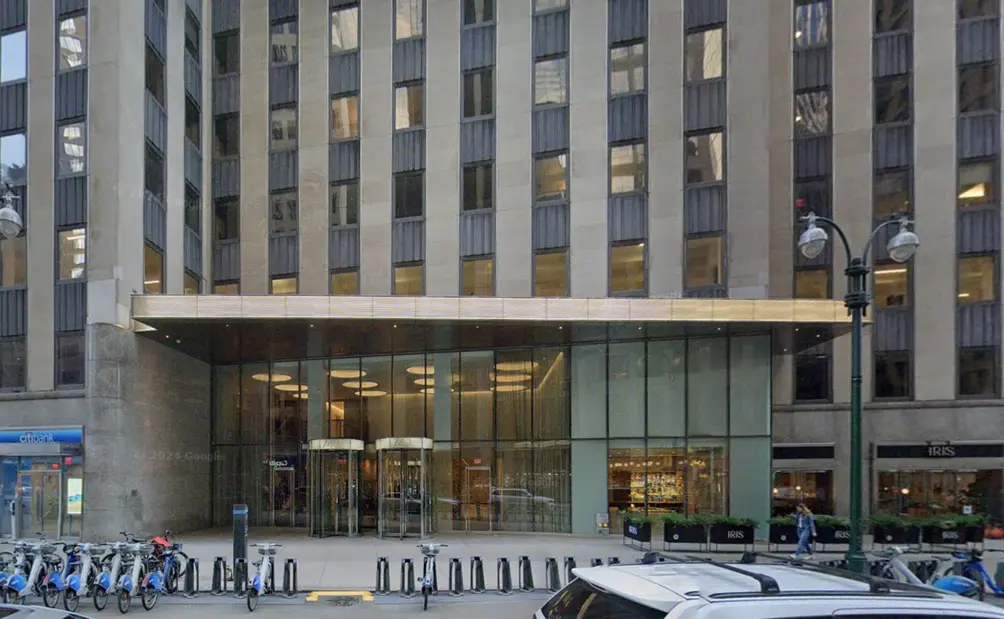 Google Streetview of 1730 Broadway
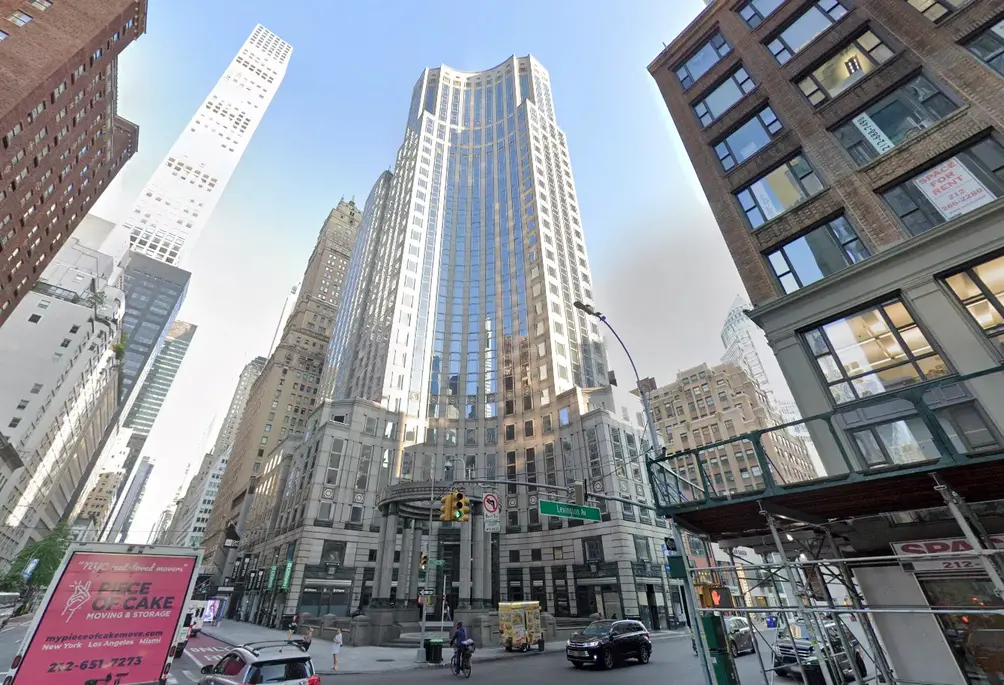 Tower 57 (TF Cornerstone)
Marvel fans will recognize the building as the Oscorp tower in the 2002 Spider-Man movie. The exterior will be largely unchanged, and the office floor plates' high ceilings and walls of windows lend themselves surprisingly well to a residential conversion. However, TF Cornerstone is planning a new public plaza and a full floor of residential amenities. The conversion will also eliminate the building's retail space, which includes Saks Off Fifth (h/t Crain's New York Business).
P.S. This is not the team's only project in the area. They are also at the helm of Casoni, a mixed-use tower on the corner of Sixth Avenue and West 37th Street with retail space, rental units, and condo units on the uppermost floors.
This monstrous building, finished in 1962 as the headquarters of Western Electric, replaced The St. Paul Building, one of the tallest buildings in the city upon completion in 1898. What a fine residential conversion that would have made.
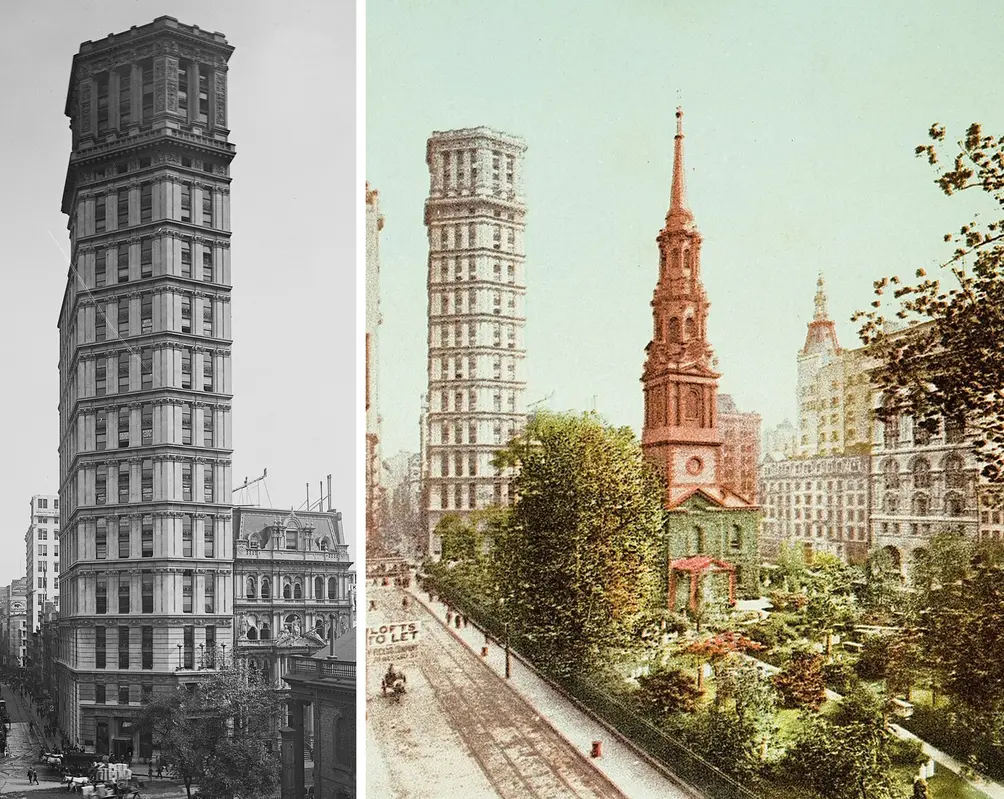
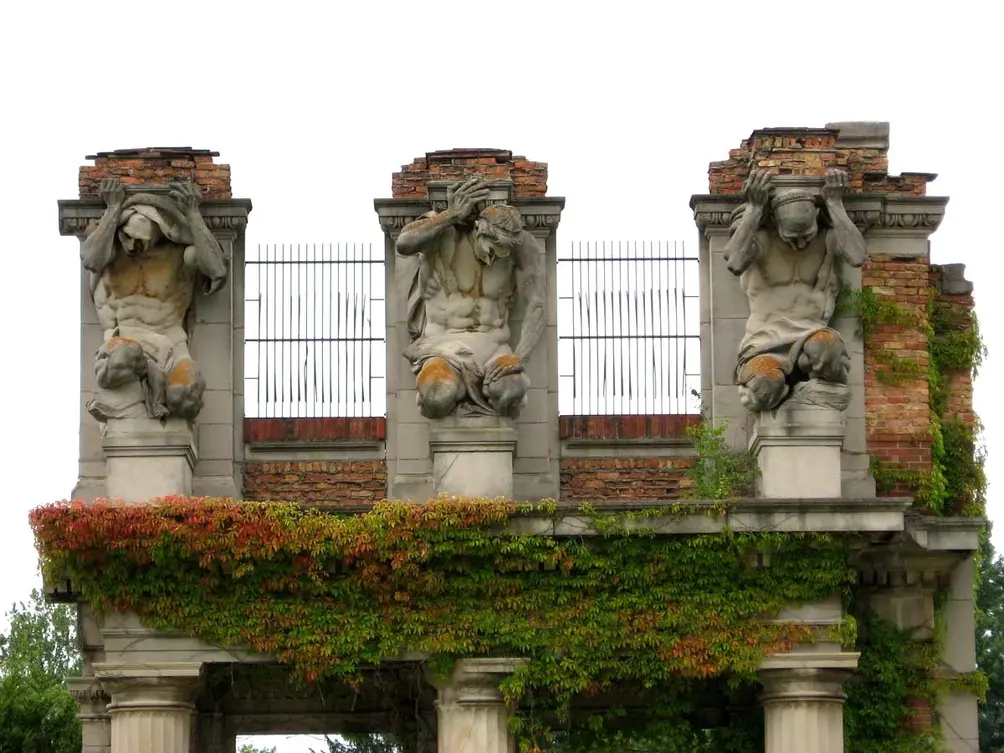 A section of the St. Paul Building's facade, preserved in Holliday Park, Indianapolis | By Karl Bitter - Original publication: 1890Immediate source: I Einar E Kvaran, aka carptrash, took the picture, Public Domain, https://commons.wikimedia.org/w/index.php?curid=68334653
592 Seventh Avenue, Midtown West
1,250 units | Permits Filed - Completion estimated for 2027
Before the Memorial Day holiday in May 2025, the Empire State Development board of directors unanimously voted to approve the conversion project. The first phase of construction is estimated to be completed in 2027.
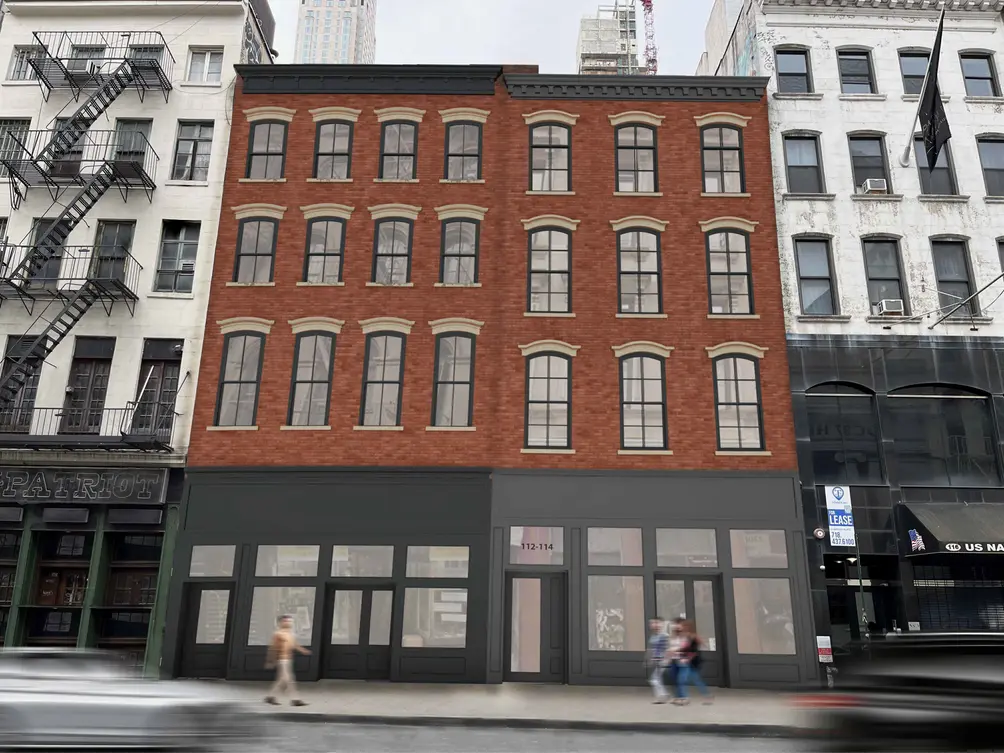 114 Chambers Street (SM Tam Architect for Landmarks Preservation Commission)
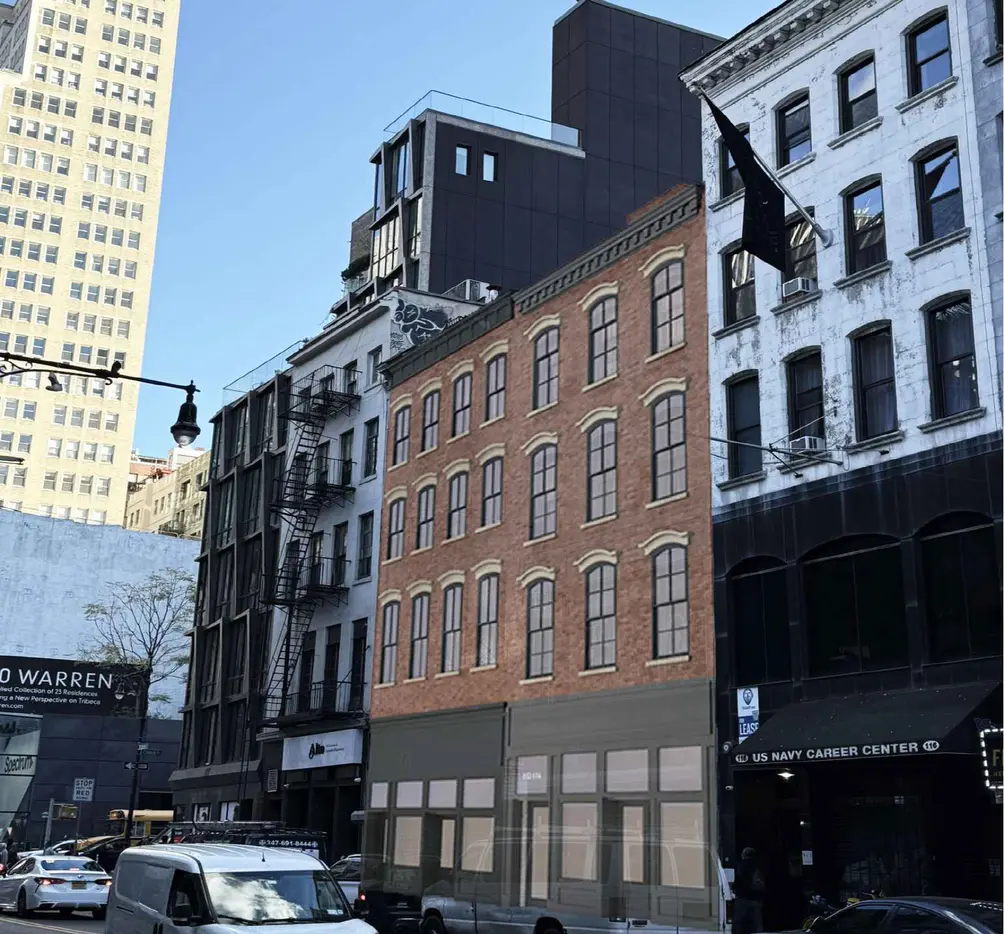
This is Park and his team at PD Properties' largest redevelopment to date, aiming to complete the conversion at a time of limited rental inventory in Manhattan. The project is seen as a potential model for smaller-scale office-to-residential conversions, a trend gaining traction in response to high vacancies in older Class B and C properties, and government incentives to make such conversions feasible. Park has secured $22 million in financing from Alma Bank and Bank of Hope.
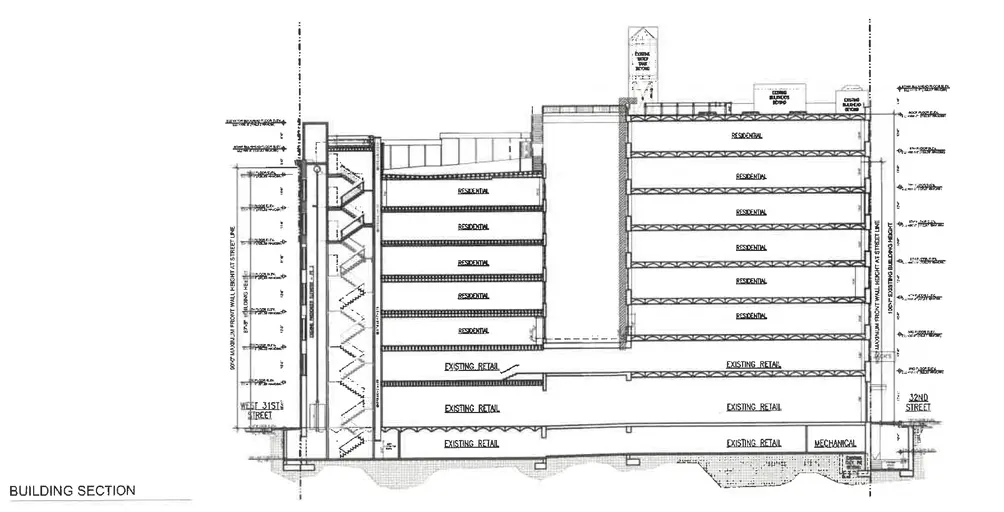 A section of the proposed project shows the lower levels will remain retail. Long live Jack’s 99 cent store! or, R.I.P.
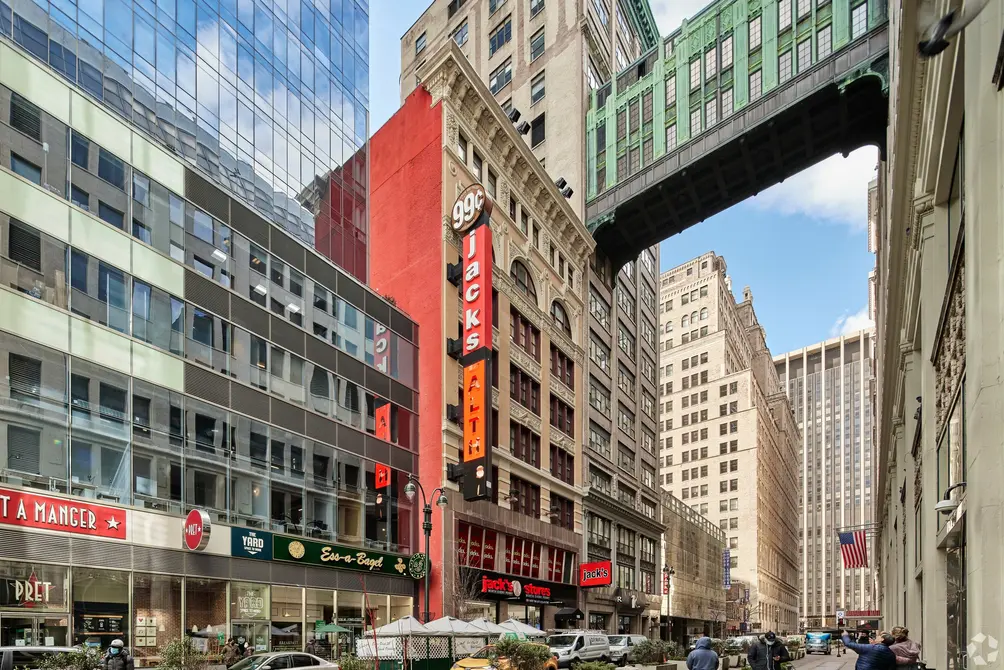 110 West 32nd Street (CoStar)
Financial District
500 units | Proposed
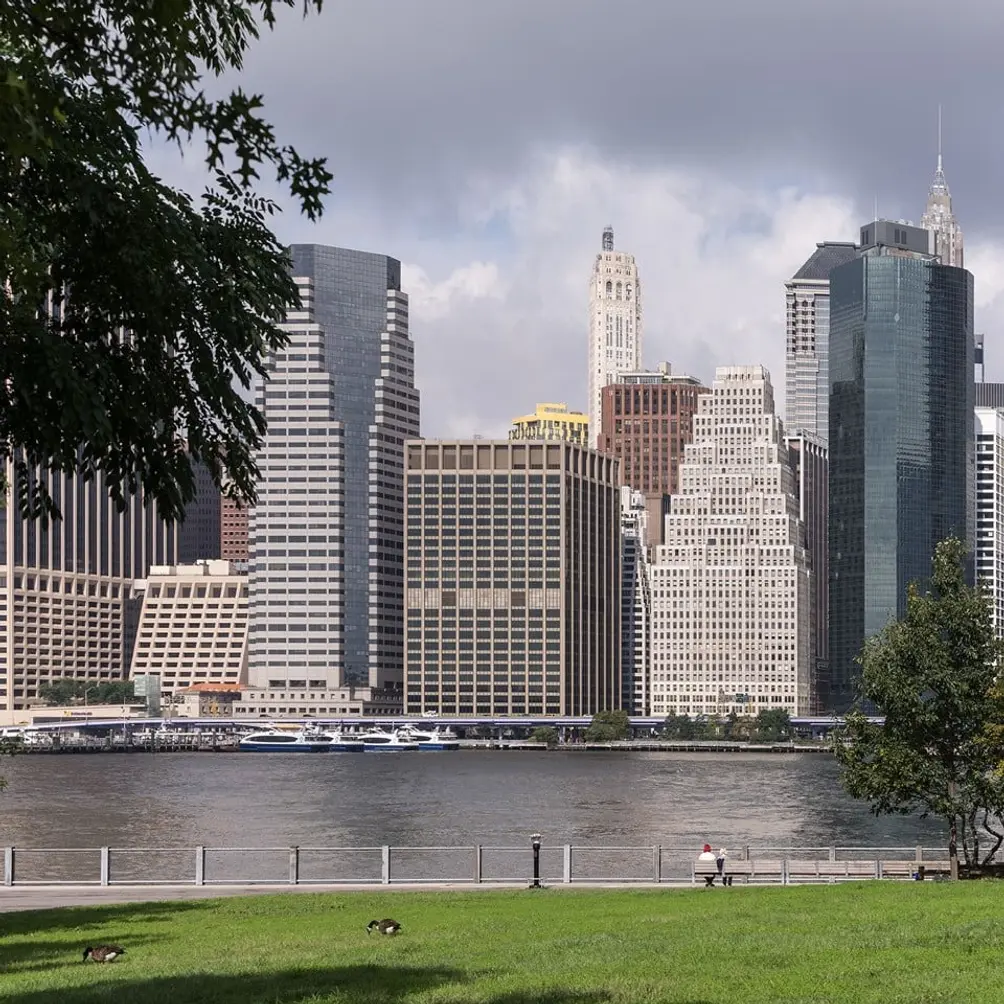 111 Wall Street (STUDIOS Architecture / Wicona)
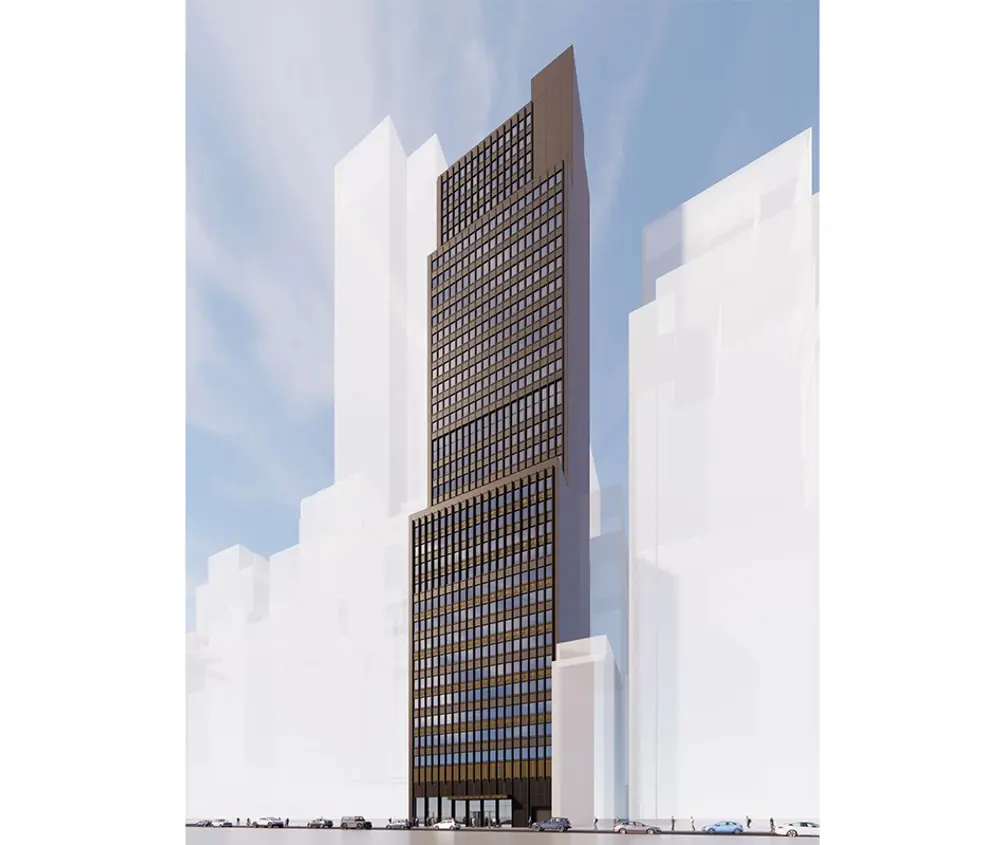 Rendering of 6 East 43rd Street (Gensler)
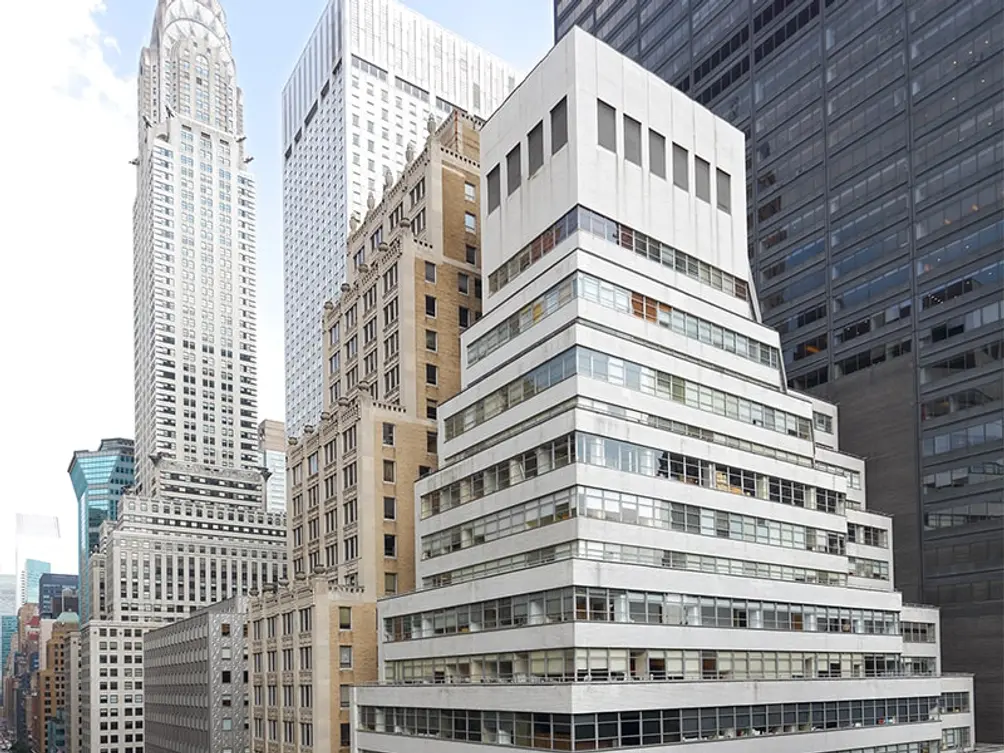 355 Lexington Avenue (Rudin Management)
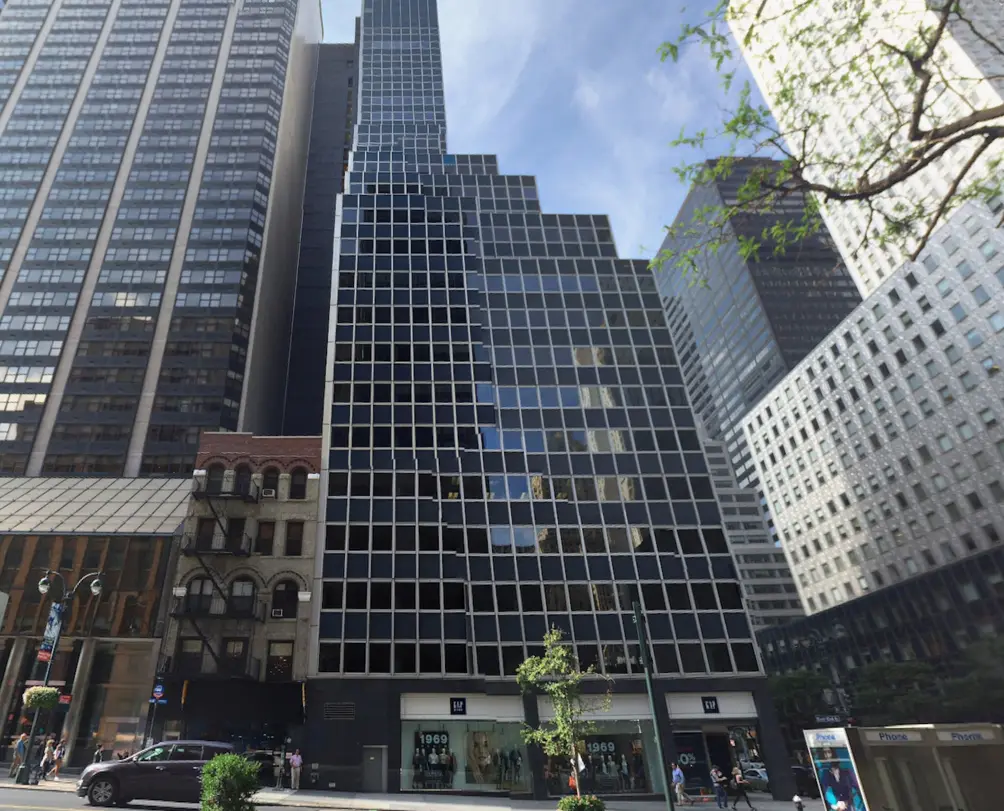 Google Streetview of 675 Third Avenue
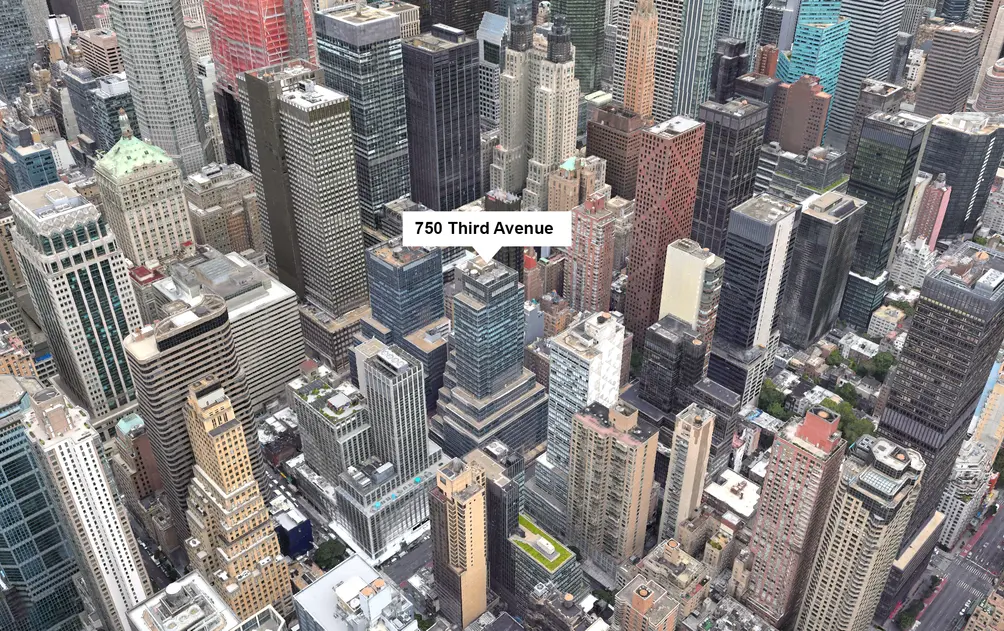
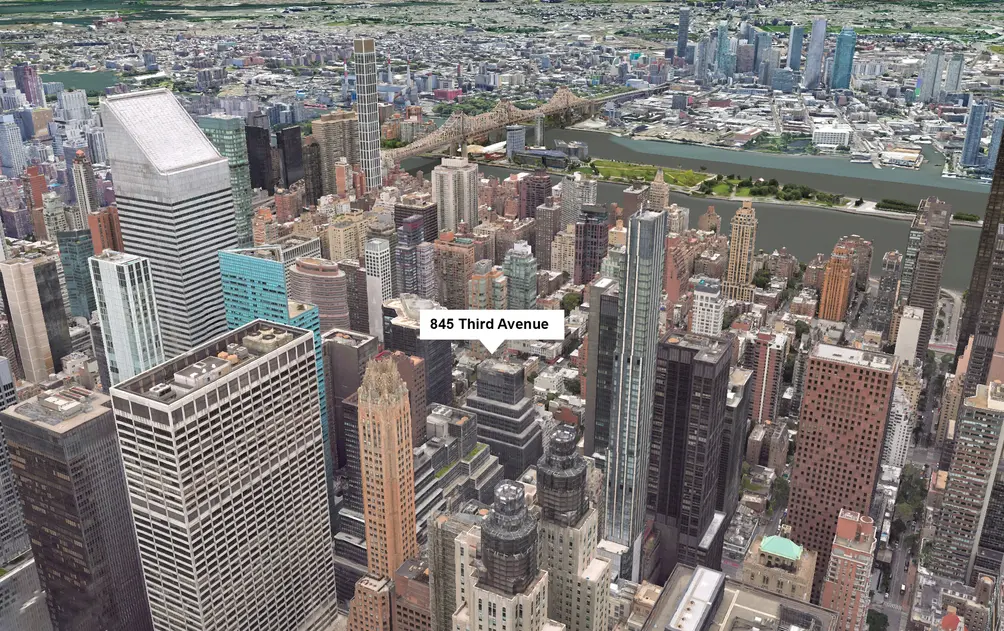 Google Earth aerial showing location of 845 Third Avenue
Amenities will include a party room, a gym, a spa with sauna and plunge pool, media rooms, and coworking spaces. Residents will also benefit from a central address near Midtown offices, popular restaurants, and Grand Central Terminal.
Financial District
Proposed
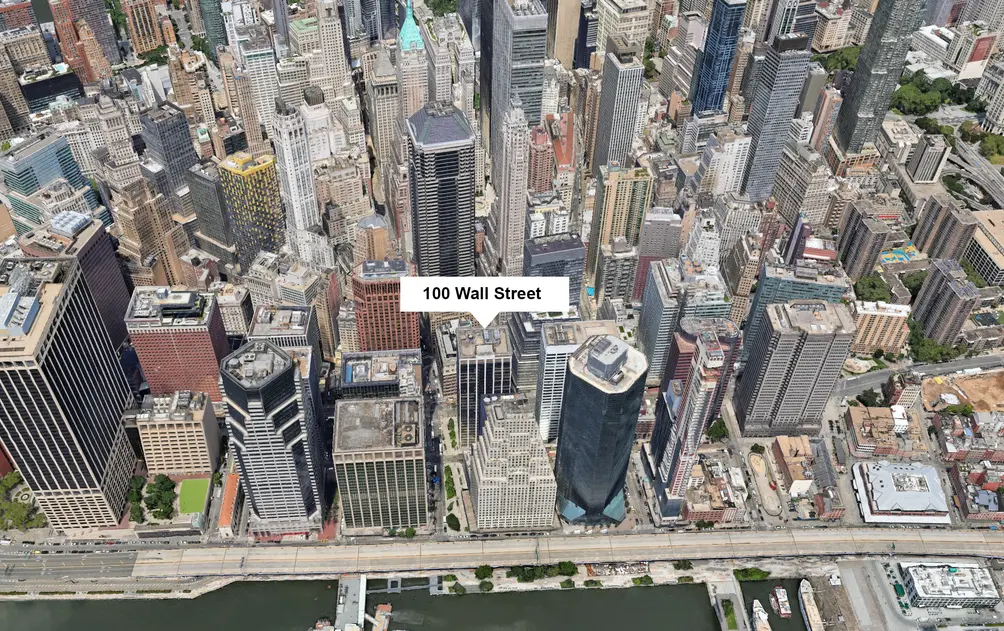 Google Earth image showing the location of 100 Wall Street
North Chelsea
Proposed
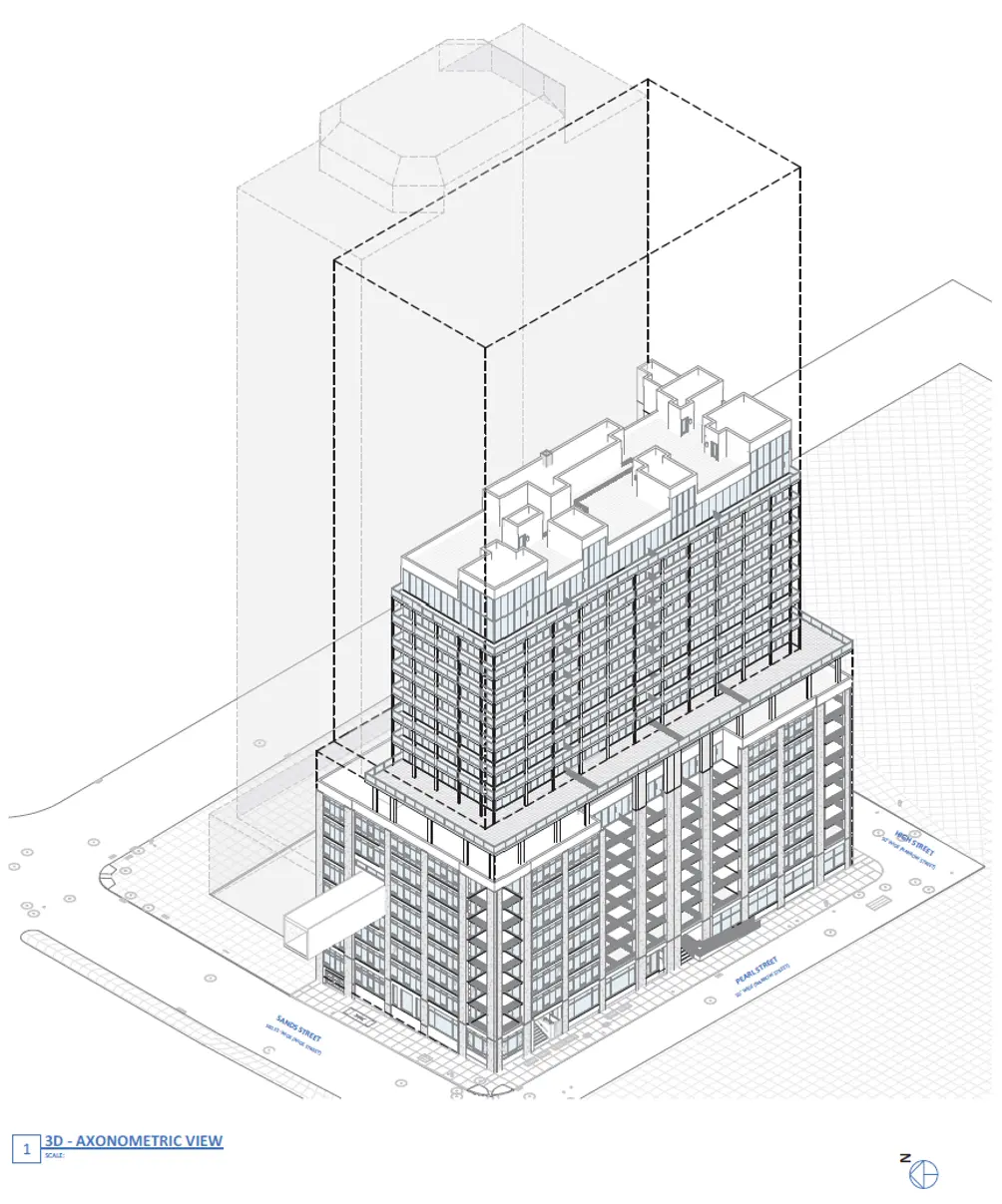 The residential conversion is being designed by the prolific S. Wieder Architect P.C.
Related Articles
When, why, and how to avoid signing a one-year lease + Rentals with flexible lease terms + New affordable lotteries
Friday, August 28, 2026
Annabel’s gets its crown: Landmarks approves glassy rooftop addition for Meatpacking’s ‘Little Flatiron;’ Private members club to debut in 2027
Wednesday, July 15, 2026
Knicks in Five: 35 NYC condo and rental buildings with basketball courts
Thursday, June 18, 2026Top 10 condos in Turtle Bay and Beekman-Sutton Place + New developments and price-reduced listings
Thursday, June 11, 2026
Price Cuts: Grand prewar home at 10 Gracie Square now $1.5M off; Half-floor at One57 relists at a loss
Today, September 2, 2026What $1M can buy in Brooklyn Heights + 5 projects in the pipeline including repairs to the BQE
Tuesday, September 1, 2026Draped in Concrete, 10W17 Rises in Flatiron Ahead of Sales Launch
Tuesday, September 1, 2026

 6sqft delivers the latest on real estate, architecture, and design, straight from New York City.
